Ermita de San Antonio de la Florida Visitor Guide: Plan Your Trip to Goya's Chapel
Plan your visit to Ermita de San Antonio de la Florida with our comprehensive guide. Discover Goya's frescoes, nearby attractions, and essential tips for a memorable trip to this Madrid gem.
On this page
Ermita de San Antonio de la Florida Visitor Guide
The Ermita de San Antonio de la Florida is one of Madrid's most rewarding detours: a small Neoclassical chapel on the Manzanares riverbank where Francisco Goya painted his most radical religious work, and where his remains have rested since 1919. Entry is free, the queue is rarely long, and the frescoes overhead are unlike anything else in Spain.
This guide covers what to see inside, the correct opening hours for 2026 (including the summer split schedule), how to reach the chapel by metro or bike, and the best things to do in the surrounding Príncipe Pío neighborhood. Allow 45 to 60 minutes for the visit itself.
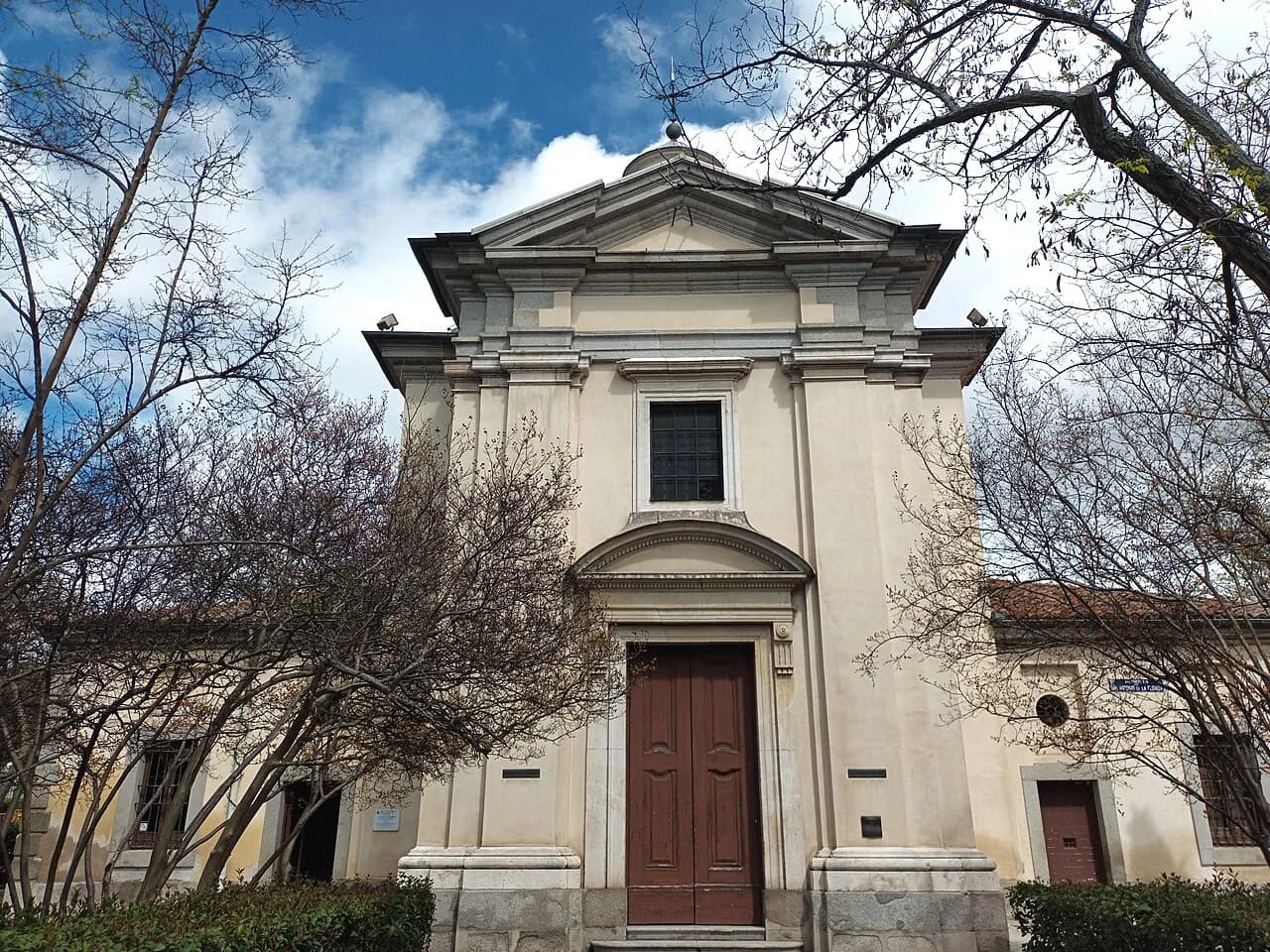
The chapel's sober brick exterior gives almost no hint of what waits inside. That contrast—plain shell, extraordinary interior—turns out to be part of Goya's point.
A Glimpse into History: The Chapel's Origins and Significance
King Carlos IV commissioned this chapel in the 1790s as a place of worship dedicated to Saint Anthony of Padua. The architect Francisco de Fontana designed a Greek cross plan with short arms, a semicircular apse, and a central dome lit by a lantern above. Construction ran from 1792 to 1798, with Goya completing his frescoes in the final months of that period.
In 1905 the building was declared a National Monument, formalizing a protection that had been informally recognised for decades. The declaration created a practical problem: the chapel was still an active place of worship. The solution arrived in 1928, when an identical twin chapel was built directly next door. Religious services moved to the replica; the original became a museum dedicated entirely to Goya. That is why visitors today see two almost identical buildings side by side.
Goya died in Bordeaux in 1828. His remains were exhumed and transferred to Madrid in 1919. When the coffin was opened, his skull was missing — a mystery that has never been satisfactorily resolved and that gives the tomb an additional layer of historical intrigue. The grave sits in the apse, beneath the frescoes he painted 121 years earlier.
The chapel's dual status — active monument and Goya pantheon — makes it genuinely singular among Madrid's cultural sites. No other building in the city functions simultaneously as an artist's burial place and as an in-situ display of their most ambitious surviving work.
Goya's Masterpiece: Exploring the Frescoes
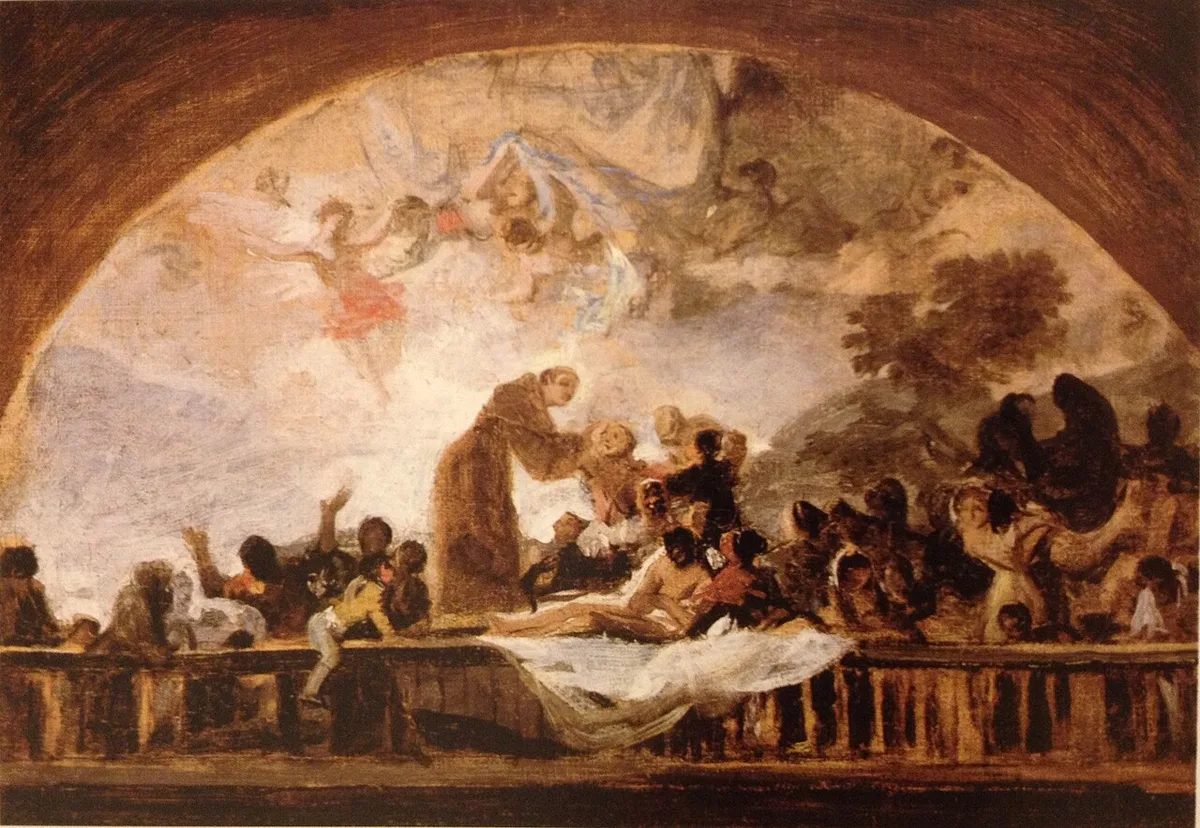
Goya painted the dome and vault in 1798, completing the entire programme in approximately four months. The subject is the Miracle of Saint Anthony of Padua: the saint traveled to Lisbon to resurrect a murder victim, so that the dead man could identify his killer and clear Anthony's father, who had been wrongly accused of the crime. It is, beneath the religious surface, a story about justice and legal vindication.
What makes the composition radical is Goya's choice of audience for this miracle. He did not paint angels or saints watching from above. Instead he depicted ordinary Madrileños — majas in mantillas, working men, beggars, children — pressed against a painted iron railing as if observing a street spectacle. The crowd is curious, distracted, gossiping. Several figures have their backs to the miracle entirely. The effect is less devotional painting than social documentary, and it was startling for its time.
The technique rewards close attention. Goya applied pigment to freshly laid plaster in some sections and worked into drier surfaces in others, exploiting the natural light falling from the lantern above. Look at the faces near the drum of the dome and you will find loose, gestural brushwork that anticipates Impressionism by roughly 70 years. Individual expressions — skepticism, awe, boredom — are rendered in a few strokes each.
The altarpieces in the apse were added later by Jacinto Gómez Pastor. They are notably more conventional in style, which makes the contrast with Goya's work above even more striking. Standing at the crossing and looking up at the dome, then back at the altarpieces, is the clearest way to understand just how far outside tradition Goya was working.
Planning Your Visit: Opening Hours, Tickets, and Best Times
The chapel is open Tuesday to Sunday. Standard hours run from 9:30 to 20:00, with last entry 20 minutes before closing. During summer — 15 June to 15 September — the schedule switches to a split day: 9:30 to 14:00, then 15:00 to 19:00. The chapel closes on Mondays (including public holidays) and on 1 January, 6 January, 1 May, and 24, 25 and 31 December. Check the official esmadrid.com listing for any updates before you travel.
| Detail | Information |
|---|---|
| Admission | Free |
| Tue–Sun (standard) | 09:30–20:00 |
| Summer (15 Jun–15 Sep) Tue–Sun | 09:30–14:00 & 15:00–19:00 |
| Monday | Closed |
Entry is completely free — including to see Goya's frescoes and the artist's tomb directly beneath them. Weekday mornings from 9:30 are the quietest time to visit; the small interior fills quickly and the dome is best appreciated without a crowd overhead.
Entry is free for individual visitors. Guided group visits of up to 25 people are also free but must be booked in advance by calling (+34) 91 542 07 22. Each group session lasts approximately 20 minutes. Walk-in individuals do not need a reservation.
Weekday mornings between 9:30 and 11:00 are the quietest window. The interior is compact, and even a moderate number of simultaneous visitors makes it harder to stand still and look upward at the dome for any length of time. Weekend afternoons are noticeably busier. The chapel's small footprint also means sound carries — a tour group being talked through the frescoes can make it difficult to experience the space quietly. Arriving early solves both problems.

How to Get to Ermita de San Antonio de la Florida
The chapel is at Glorieta de San Antonio de la Florida, 5, 28008 Madrid. The nearest metro is Príncipe Pío, served by lines 6 (grey), 10 (dark blue), and R (regional). From the station, walk north along Paseo de la Florida — the journey takes about five minutes and runs alongside the Manzanares valley, making it a pleasant approach. See detail in Google Map for precise directions.
Bus lines 41, 46, and 75 stop near the chapel; the night bus N20 also covers the area. Cercanías commuter train users can alight at Madrid-Príncipe Pío station and walk the same riverside route as metro passengers. Two BiciMAD public bike docking stations are close by: one at Paseo de la Florida, 37 and another at Paseo de la Florida, 8.
Driving to central Madrid is generally inadvisable. The Príncipe Pío area has limited paid parking, and the Madrid Central low-emission zone covers nearby streets. Public transport or a bike-share journey is more practical for most visitors.
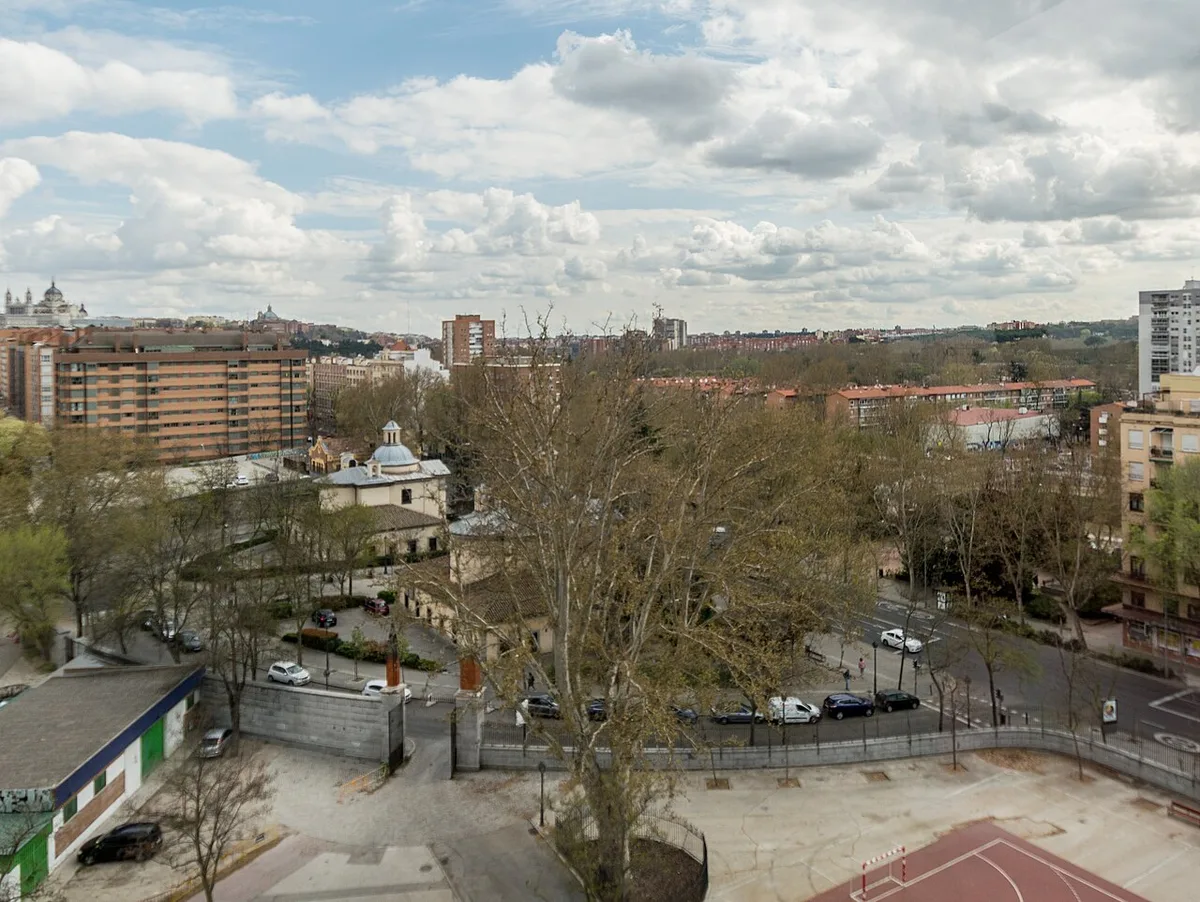
What's Nearby: Attractions and Things to Do in the Area
The Templo de Debod — a 2nd-century BCE Egyptian temple donated to Spain after the construction of the Aswan High Dam — is roughly 15 minutes on foot from the ermita. Its elevated position over the Manzanares valley makes it one of Madrid's best spots for sunset. Our guide to the Templo de Debod covers when to arrive and what to expect.
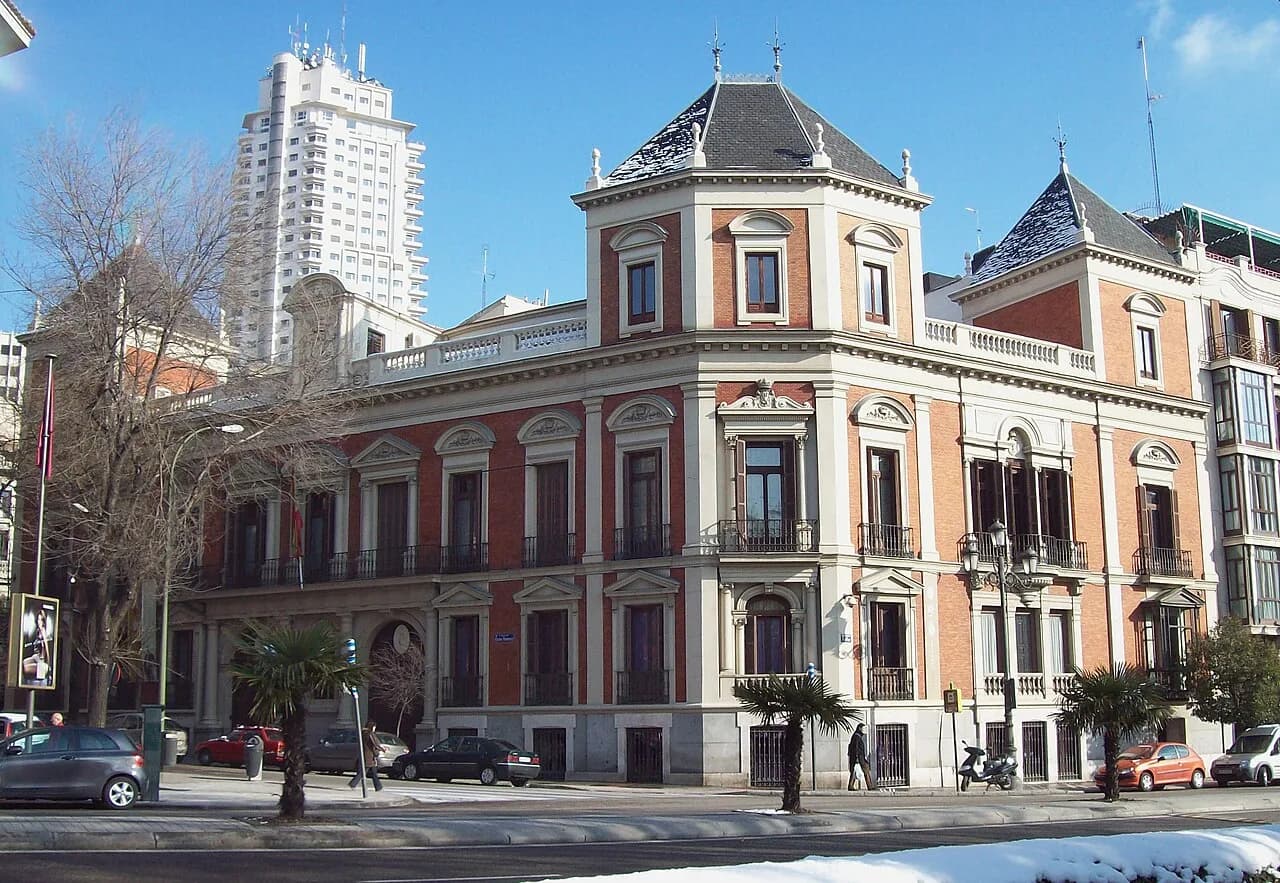
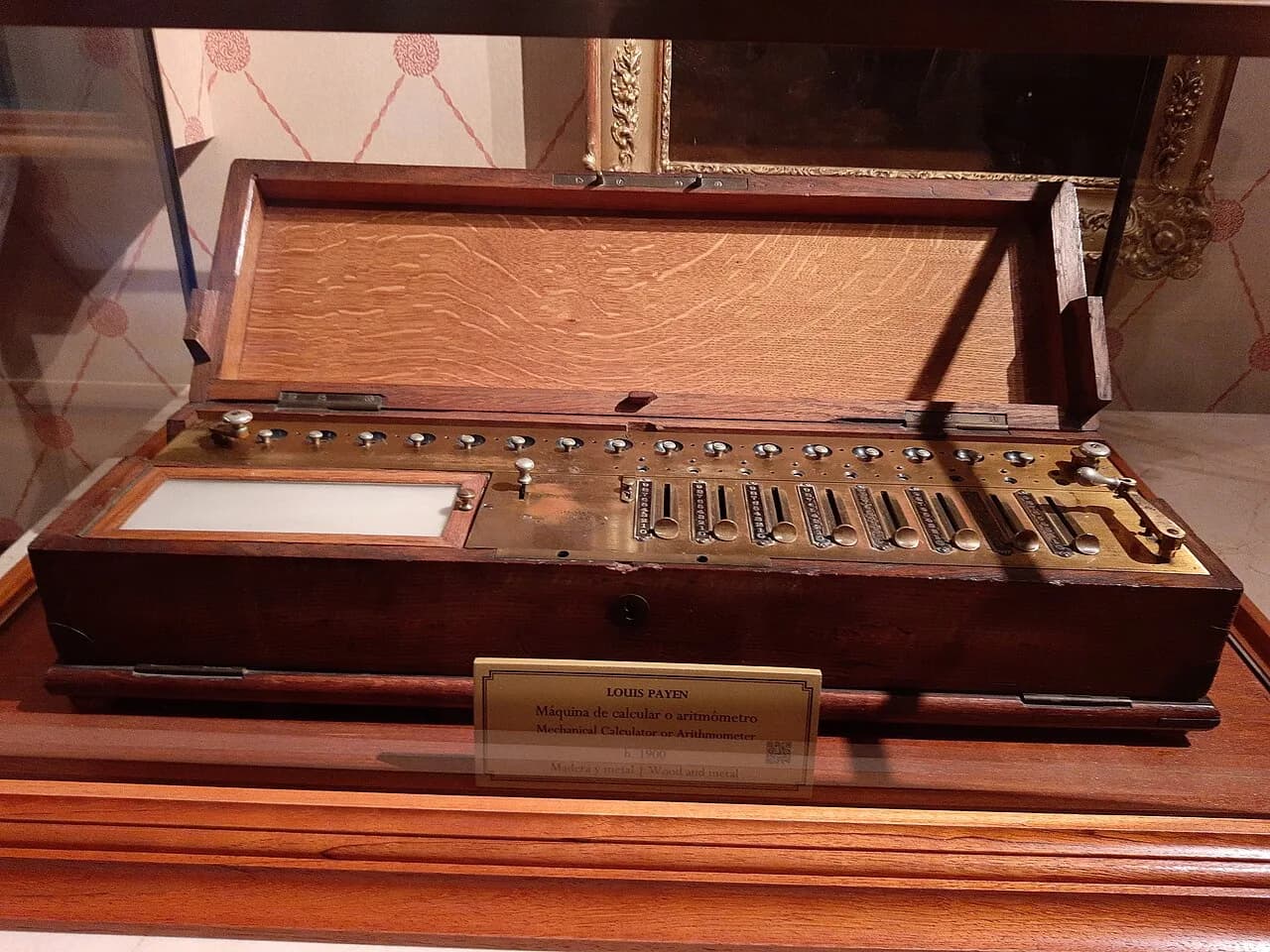
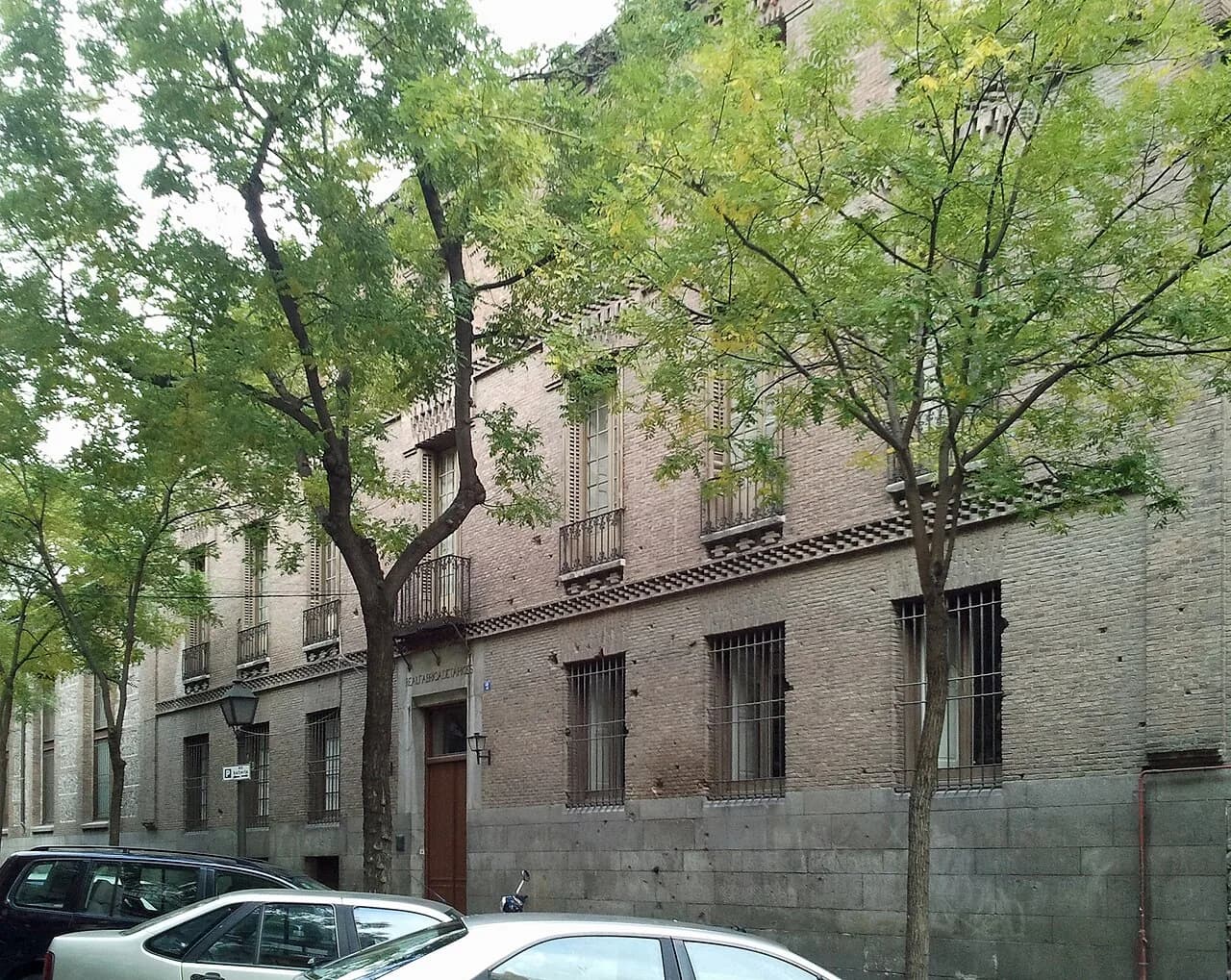
The Museo Cerralbo, housed in a late-19th-century aristocratic mansion, is another short walk away. The collection spans Old Masters, arms and armour, and decorative arts displayed in rooms that have changed little since the Marquis of Cerralbo lived there. Find full details in our Museo Cerralbo guide.
For food after the visit, Casa Mingo on Paseo de la Florida is the area's most established option. This Asturian cider house has operated since 1888, is famous for its roast chicken and poured cider, and draws a local rather than tourist crowd. It is informal and inexpensive. The Parque del Oeste rose garden, a short uphill walk from the chapel, is worth a look between April and June when over 20,000 rosebushes are in bloom.
Beyond the Chapel: Connecting to Madrid's Art and Culture
Goya's work at the ermita makes most sense in context. The Museo del Prado, 5 km east on Line 1, holds his major oil paintings including the Pinturas Negras — the deeply strange murals from his Quinta del Sordo house, painted in the last decade of his life. Seeing the Prado works before the ermita shows how far Goya's style had traveled by 1798; the chapel frescoes sit near the middle of that journey.
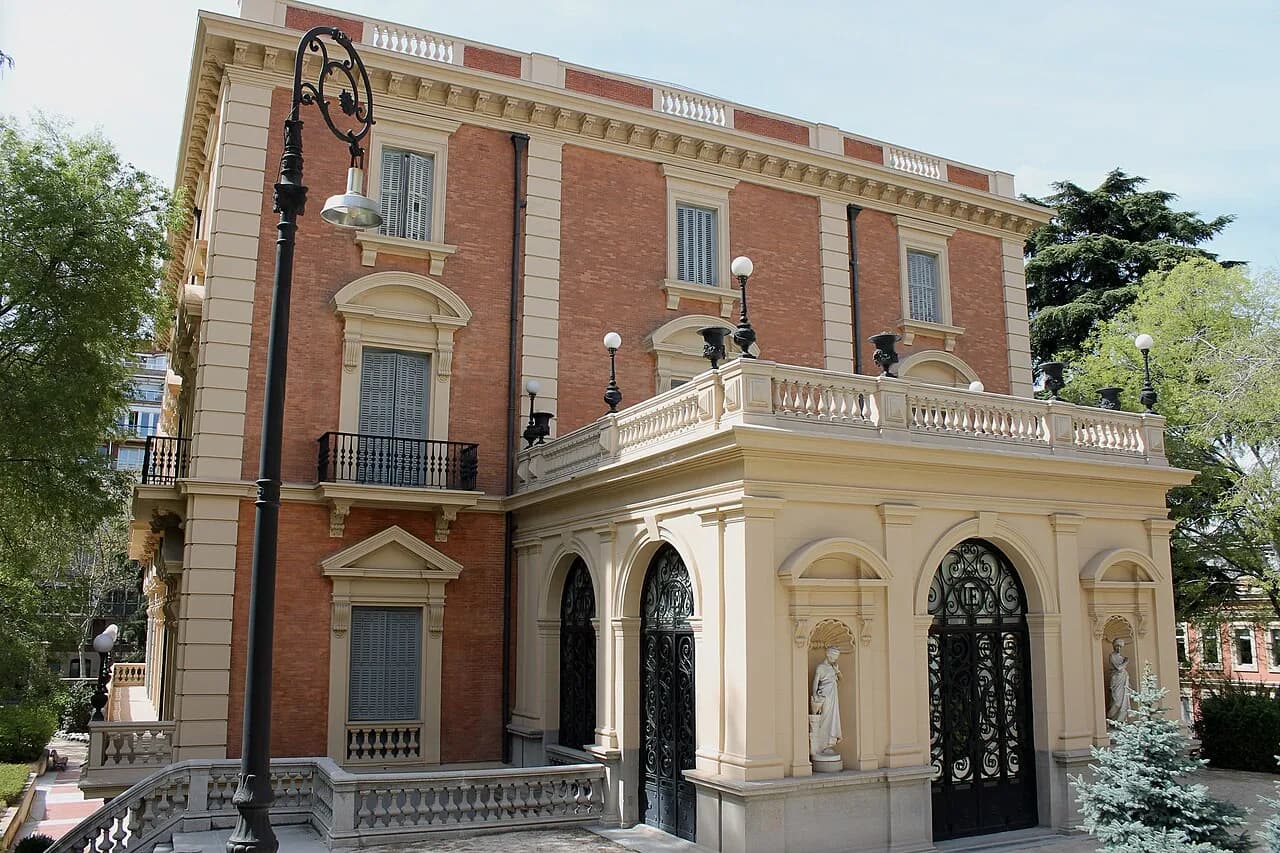
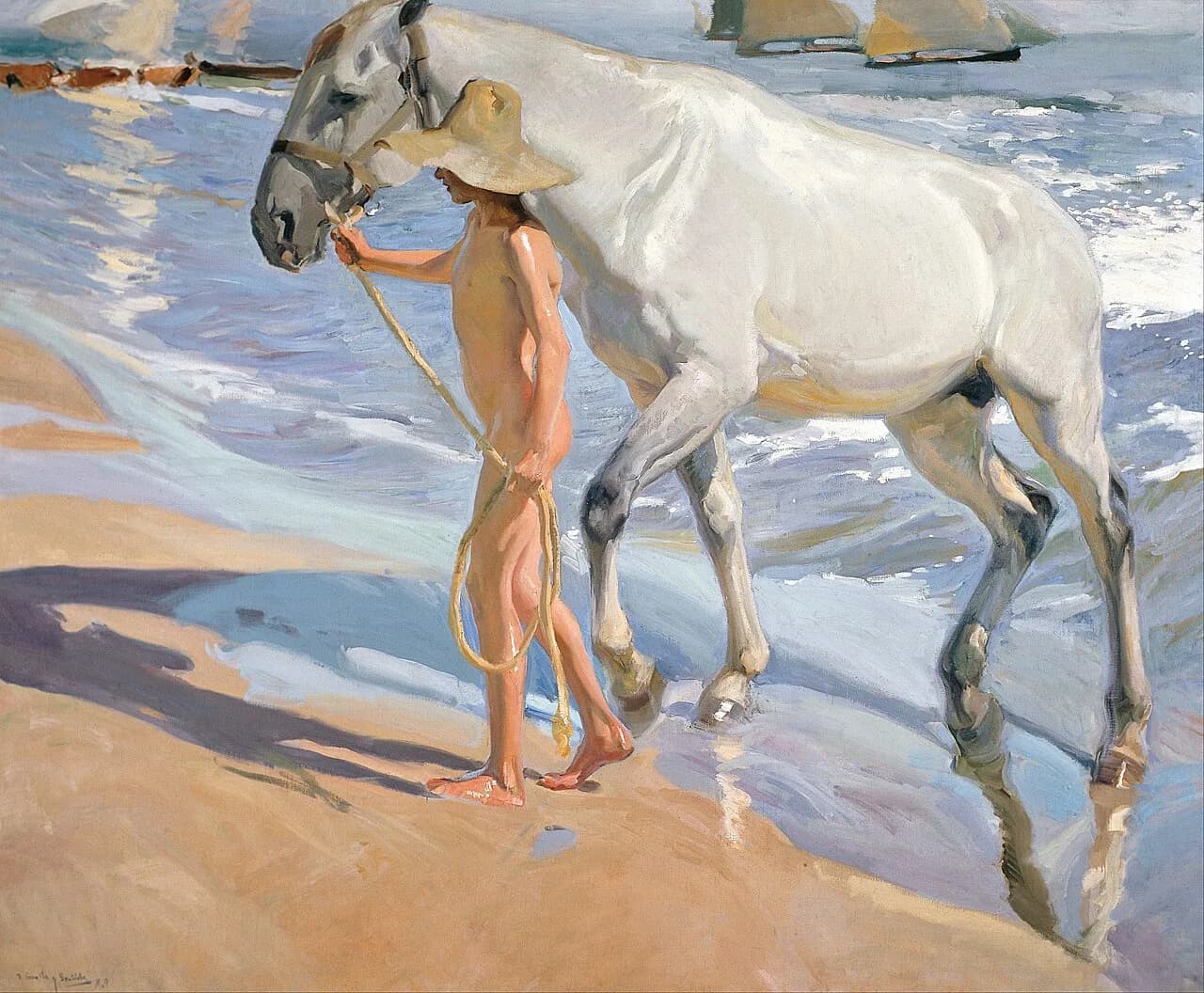
For a lighter counterpoint, the Museo Sorolla presents the sun-saturated, colour-driven work of Joaquín Sorolla in the artist's own house and garden. It is one metro stop away and takes roughly an hour. Our Museo Sorolla guide covers the highlights and visiting times.
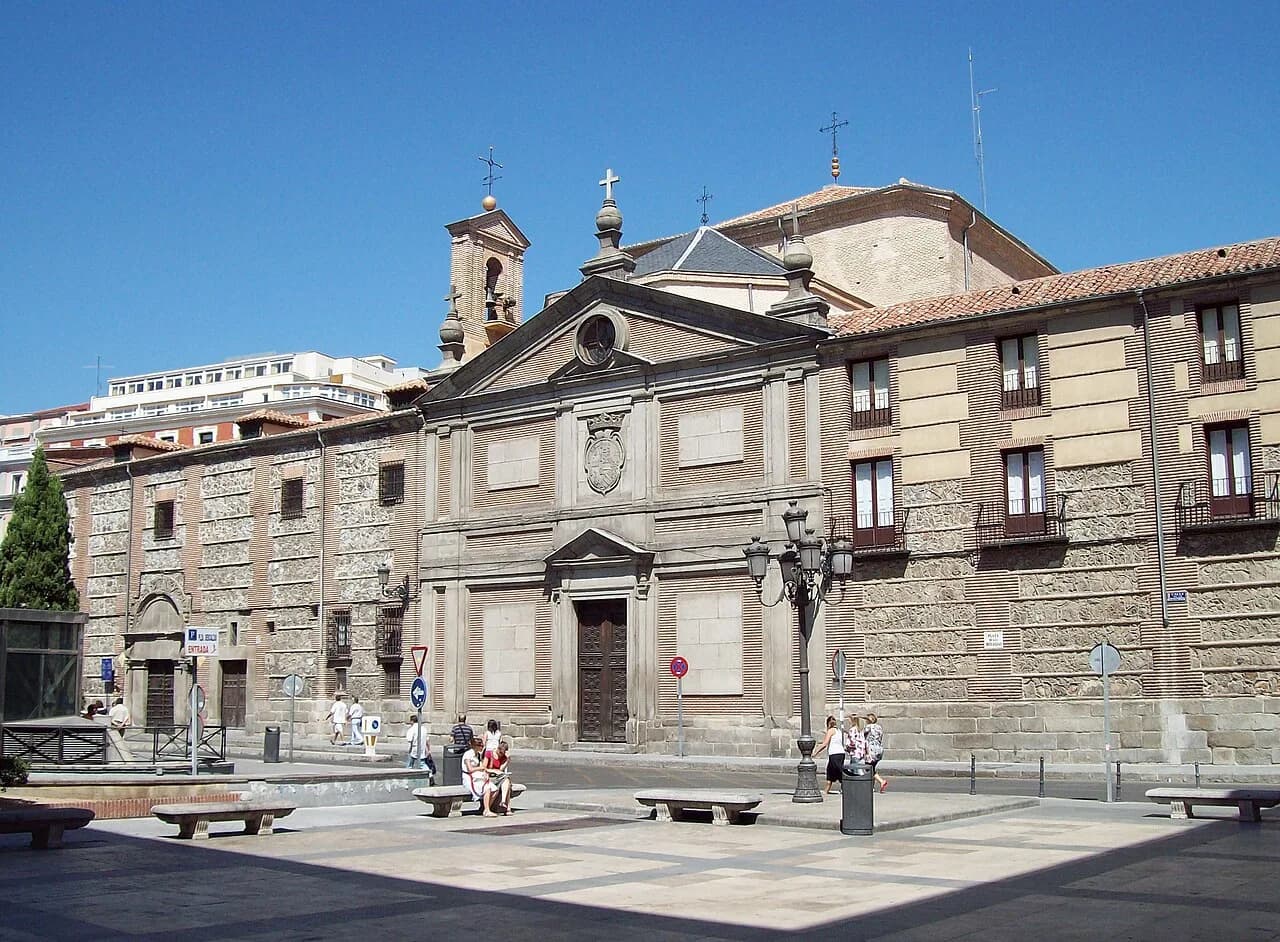
Madrid's Baroque churches provide another layer of context. Las Descalzas Reales and San Francisco el Grande — both walkable from Príncipe Pío — show how religious commissions were typically handled in the century before Goya. Seeing them alongside the ermita underlines how deliberately Goya broke from convention. Our broader guide to Madrid's attractions maps the city's main cultural districts and clusters.
Local Insights for a Memorable Visit
The chapel's connection to popular Madrid culture runs deeper than most visitors realise. June 13 — the feast of Saint Anthony of Padua — has been the occasion for a specific local tradition for centuries. Young women from Madrid's working-class barrios would visit the ermita to pray for a husband, dipping 13 pins into holy water in the font and counting how many adhered to the palm of the hand as an omen of romantic prospects. San Antonio has long been venerated in Madrid not only as a miracle worker but as a patron of matchmaking. That tradition shaped the chapel's cultural life long before Goya's frescoes made it famous among art tourists.
Accessibility is reasonable. The entrance is step-free and the interior is on one level. The dome requires sustained upward viewing — the wooden pews make this easier than standing. Very wide pushchairs may be awkward in the narrow nave. Photography is permitted inside; flash is discouraged to protect the frescoes. Midmorning light from the lantern above the dome is generally the best for photographs.
Do not leave without pausing at the exterior. The plain facade and modest proportions read almost like an industrial building. That plainness was not accidental — the chapel was built as a place for ordinary Madrileños, and Goya's choice of subjects inside reflects the same sensibility. The contrast between what the building promises from the street and what it delivers inside is itself the experience.
Frequently Asked Questions
What are the opening hours for Ermita de San Antonio de la Florida?
The Ermita de San Antonio de la Florida is typically open from Tuesday to Sunday, from 9:30 AM to 8:00 PM. It is always recommended to check the official website (https://www.esmadrid.com/en/tourist-information/ermita-de-san-antonio-de-la-florida) for any changes in hours, especially on holidays or for special events.
Is there an entrance fee for Ermita de San Antonio de la Florida?
No, there is no entrance fee to visit the Ermita de San Antonio de la Florida. This allows all visitors to enjoy Goya's magnificent frescoes and the chapel's historical significance free of charge.
How much time should I allocate for visiting the chapel?
Most visitors find that 30 to 60 minutes is sufficient to fully appreciate the Ermita de San Antonio de la Florida. This allows ample time to admire Goya's frescoes, explore the chapel, and reflect on its historical importance.
What famous art can be seen at the Ermita de San Antonio de la Florida?
The Ermita de San Antonio de la Florida is renowned for its stunning ceiling frescoes painted by Francisco Goya. These murals depict the Miracle of Saint Anthony of Padua, showcasing Goya's innovative style and masterful technique.
What is the historical significance of the chapel?
The chapel was commissioned by King Carlos IV in the late 18th century and later became the burial place for Francisco Goya. It is also designated as a National Monument. This highlights its importance in Spanish art and history.
The Ermita de San Antonio de la Florida rewards any visitor who makes the detour to Príncipe Pío. The frescoes are more intimate and more surprising than most people expect — painted with the energy of someone inventing a new visual language, not decorating a church. The fact that the artist is buried directly beneath them makes the experience genuinely unlike anything else in Madrid.
Entry is free, the metro journey is straightforward, and the neighborhood around Paseo de la Florida has enough to fill half a day. Add the chapel to your Madrid itinerary and give yourself enough time to look slowly at the dome.
To verify current details, consult the Ermita de San Antonio de la Florida on Wikipedia.
For more Madrid ideas, see our Hidden Gems in Madrid guide.
Continue exploring
More guides you'll find useful