Ilias Lalaounis Jewelry Museum Visitor Guide: Tips & History
Plan your visit to the Ilias Lalaounis Jewelry Museum in Athens. Discover Greek goldsmithing history, permanent collection highlights, and essential visitor tips.

On this page
Ilias Lalaounis Jewelry Museum Visitor Guide
The Ilias Lalaounis Jewelry Museum sits on the south slope of the Acropolis, one block from the Acropolis Museum, and it is unlike any other stop on the standard Athens circuit. It is the first museum in Greece dedicated entirely to the art of jewelry, and one of only three such museums in the world. The collection — more than 3,000 pieces drawn from 50 thematic series — spans the distance from prehistoric Aegean motifs to DNA-inspired microsculptures in 18-karat gold.
This guide covers everything you need for a 2026 visit: the correct opening hours and admission prices, what to look for inside, how the building itself became a museum, and why the live artist studios make this more than a passive gallery experience.
Essential Visitor Information: Hours, Tickets, and Location
The museum is at Kallisperi 12 and Karyatidon, Athens 11742, in the Makrygianni district — one block south of the Acropolis Museum and right beside the Dionysiou Areopagitou pedestrian promenade. The nearest metro stop is Acropoli on Line 2, roughly a five-minute walk away. From central Monastiraki, the walk takes about fifteen minutes along well-signed tourist streets.
In 2026 the museum is open Tuesday through Saturday. Tuesday, Thursday, and Friday hours are 10:00–16:00. Wednesday and Saturday hours are 10:00–18:00. The museum is closed on Mondays, Sundays, and national public holidays. This is the single most important detail to check before you go, because a Sunday or Monday visit will find the doors shut. Always confirm the latest schedule at lalaounis-jewelrymuseum.gr before you travel.
| Day | Hours |
|---|---|
| Tuesday | 10:00–16:00 |
| Wednesday | 10:00–18:00 |
| Thursday | 10:00–16:00 |
| Friday | 10:00–16:00 |
| Saturday | 10:00–18:00 |
| Sunday & Monday | Closed |
General admission is €10. A reduced rate of €5 applies to students and senior citizens with valid ID. Entry is free for visitors under 18, people with disabilities, archaeologists, art educators, practising artists, journalists, ICOM members, and licensed tour guides. Tickets are sold only at the museum cashier — there is no advance online booking for standard admission. Budget around 45 minutes to one hour for a relaxed visit; the building has three floors but the total floor area is modest.
The museum is closed on Sundays and Mondays year-round, which is the single most common visitor mistake. Always confirm the schedule at lalaounis-jewelrymuseum.gr before you travel.
The History and Architecture of the ILJM
The museum occupies two buildings: the Lalaounis family home, constructed in 1927, and a neighbouring 1925 apartment building that originally served as the brand's jewelry workshop. Both structures were certified as a non-profit cultural organisation by the Greek Ministries of Finance and Culture in 1993 and opened to the public in December 1994. The family home has been kept intact and still houses the library and administration offices, accessible to visitors.
The conversion of the workshop into gallery space was designed by French architect Bernard Zehrfuss (1908–1996), the same architect who co-designed the UNESCO headquarters in Paris. The architectural plan was refined and carried out on site by Greek architect Vassilis Gregoriadis, while the museological studies were compiled by Ioanna Lalaouni. The renovation preserved the industrial character of the workshop floors while introducing clean gallery walls and large windows that flood the upper levels with natural light — a deliberate choice for displaying the refractive qualities of gold and precious stones.
Ilias Lalaounis himself (1920–2013) was the first and, to date, only jeweler elected to the Académie des Beaux-Arts of the Institut de France. He founded the museum not as a personal monument but as an international center for silver and goldsmithing and for contemporary studio jewelry. That mission continues in 2026 through rotating temporary exhibitions, educational programs, and the Artist in Residence studios described later in this guide.
Exploring the Permanent Collections and Masterpieces
The permanent collection presents more than 3,000 jewelry pieces and microsculptures from 50 collections Lalaounis designed between 1957 and 2002. The displays are organised thematically rather than chronologically, so you move between periods of inspiration rather than decades of production. Each series is rooted in a specific source: the prehistoric Aegean and Minoan world, Classical and Hellenistic Greece, ancient Mesopotamia, the art of the Far East, the Renaissance, and finally the natural and scientific world of the twentieth century.
The microsculpture series is the collection's most distinctive element. These are miniature three-dimensional objects — not flat wearables — rendered in high-polish yellow gold and depicting biological structures such as DNA helices, cellular forms, and celestial configurations. At close range, through the provided magnifying glasses, the precision of the hand-engraving is disorienting in the best sense. This is where the "decorative art" designation becomes meaningful: the pieces have more in common with small-scale sculpture than with commercial jewelry.
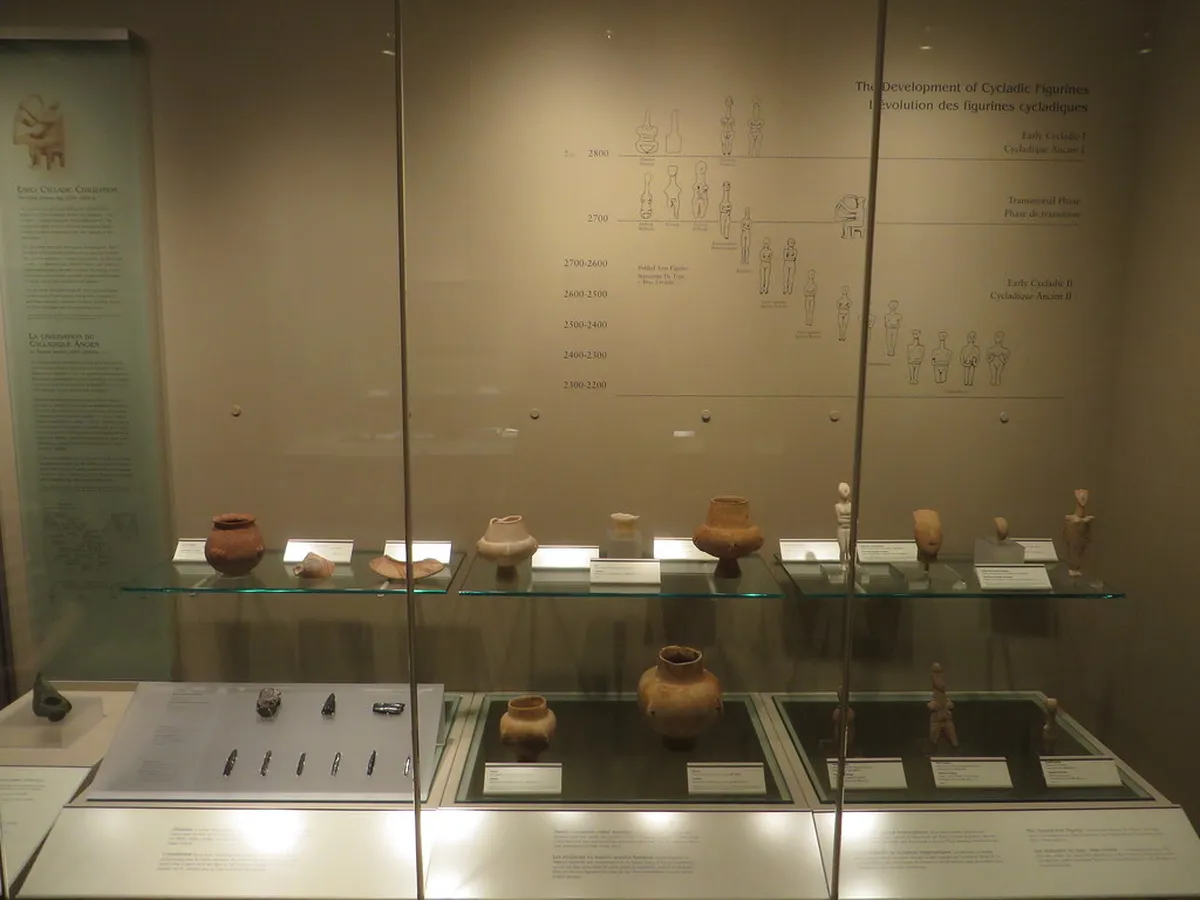
Since 2001 the museum has also collected historic decorative arts and contemporary artistic jewelry from Greek and international artists, broadening the permanent holdings beyond the Lalaounis oeuvre. Two temporary exhibitions per year display historic and contemporary work from other museum collections and private lenders. If you are visiting the Museum of Cycladic Art on the same trip, the contrast is instructive: where Cycladic showcases excavated originals, the ILJM shows how those same formal languages were reinterpreted by a twentieth-century maker.
Live Artist Studios: The Living Museum Experience
What separates this museum from a standard display of cases and labels is the Live Jewelry Artist in Residence Studios. On most open days you can watch a working jeweler at a bench inside the museum, using traditional goldsmithing tools on an active commission. This is not a demonstration arranged for tour groups — it is a functioning studio integrated into the gallery space. Watching a craftsperson raise a piece from raw metal while you stand a metre away makes the historical collections on the floors above immediately legible.
The museum's educational arm extends further through the Hephaistos Summer School (hss.gr), a named program for adult learners and professionals that covers jewelry history and hands-on metalworking technique. School groups and catered visitor tours run year-round, with programs refreshed annually to introduce new contemporary jewelry techniques. Workshops and lectures require advance booking directly through the museum office or the official website. The research library and video rooms on the ground floor are accessible to all visitors during opening hours without additional reservation.
The coffee shop is also open to the public during museum hours, making the building a comfortable place to rest if you are combining it with a longer Acropolis-area itinerary. None of this infrastructure is incidental: the museum's stated mission is to inspire new creations, not only to preserve old ones, and the live studios are the most concrete expression of that principle.
On most open days you can watch a working jeweler at a bench inside the museum using traditional goldsmithing tools on active commissions. This is not a demonstration — it is a functioning studio integrated into the gallery space.
The Museum Shop
The Ilias Lalaounis Jewellery Museum Shop — note the British spelling used by the shop itself — is open during all regular museum hours and does not require a paid admission ticket to enter. The stock ranges from museum-quality replicas of pieces in the permanent collection to refined everyday jewelry, decorative objects, and books on Greek art history and metalworking traditions. Price points span from affordable gift items to serious collector pieces.
Purchasing here directly supports the museum's non-profit operating costs. Because the shop draws on the museum's own design archive, the pieces available are genuinely distinct from what you will find in Plaka souvenir shops or airport duty-free. For travelers seeking a meaningful Athens memento rather than a generic tourist trinket, it is worth at least a browse even if you are not a jewelry buyer.
Practical Tips for a Smooth Museum Visit in 2026
The most common mistake visitors make is arriving on a Sunday or Monday. Both days are full closure days all year. National public holidays in Greece — which include Epiphany (6 January), Clean Monday (variable), Greek Independence Day (25 March), Orthodox Good Friday and Easter Monday (variable), Labour Day (1 May), and Ohi Day (28 October) — also close the museum. Check the official website if your visit falls near any of these dates in 2026.
Large bags and backpacks must be stored in the free lockers at the entrance. Photography without flash is generally permitted in the permanent galleries; check with staff at the cashier desk for any restrictions on the current temporary exhibition. The museum was the first in Greece to be fully designed for accessibility, with an elevator connecting all floors. Entry is free for visitors with disabilities, and the accessible entrance is on the ground level from Kallisperi street.
The museum is small enough that it rarely feels crowded, but Wednesday and Saturday afternoons benefit from the extended 18:00 closing time — useful if you are fitting it around a morning Acropolis visit. There is no on-site paid parking; the nearest public parking is near the Acropolis Museum on Makrigianni street. Walking from the Acropolis Museum is the most straightforward approach: exit the Acropolis Museum main entrance, turn left onto Dionysiou Areopagitou, and take the first left onto Karyatidon — the ILJM entrance is immediately on your right.
What to See Nearby in the Acropolis Neighbourhood
The ILJM sits at the intersection of three walkable Athens districts. The Acropolis Museum is literally around the corner — budget two to three hours there if you visit on the same day; the museum closes at 20:00 on Fridays during summer. The pedestrianised Dionysiou Areopagitou runs directly past the museum entrance and connects westward to Thissio and eastward to the Plaka neighbourhood. It is one of the most pleasant walking streets in central Athens.
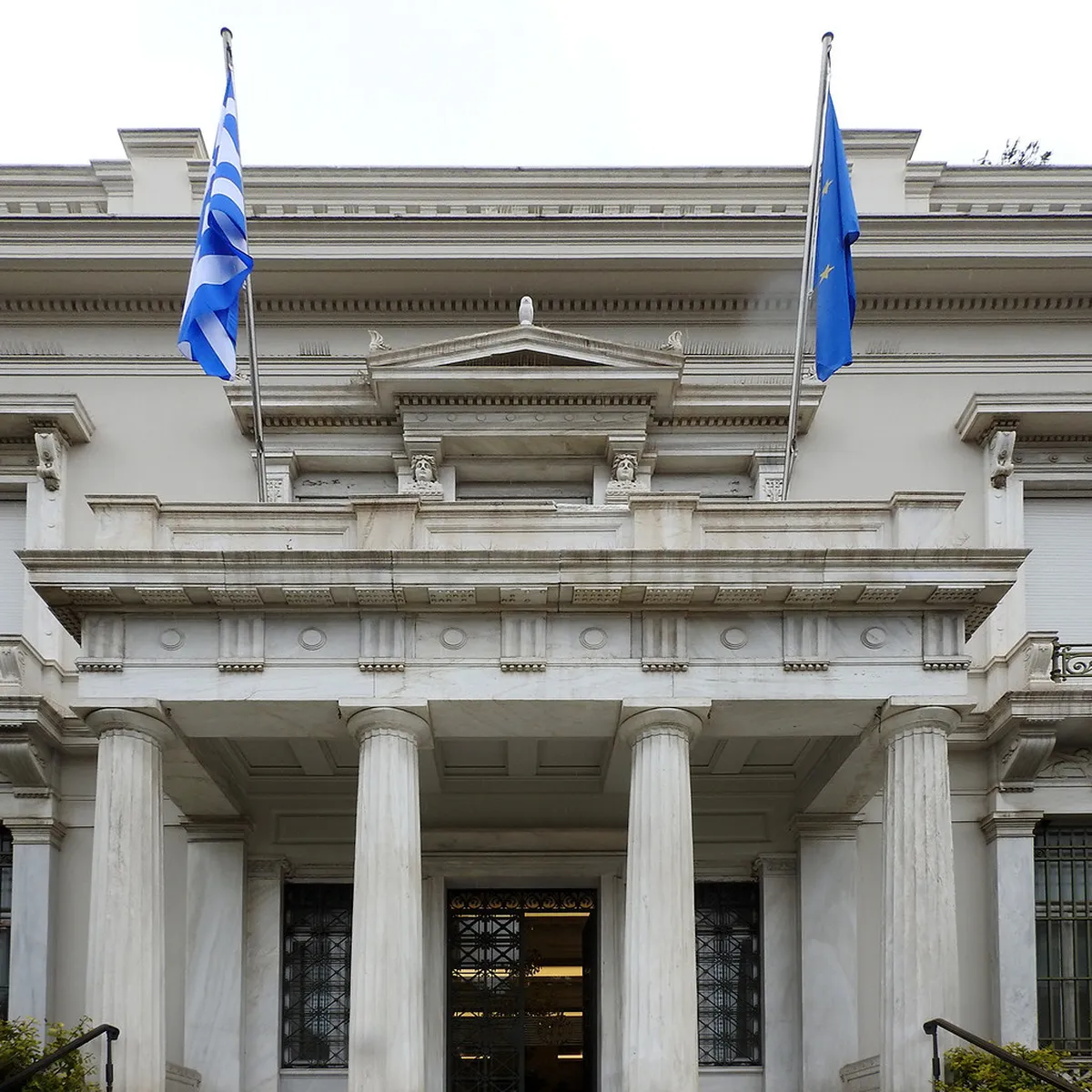
The Numismatic Museum Athens is worth adding if metalwork and ancient currency interest you — it covers the material culture of coinage in a way that complements the ILJM's focus on wearable metalwork. For a broader introduction to the applied arts, the Benaki Museum on Vasilissis Sofias covers Greek culture from the Neolithic to the twentieth century and includes significant holdings of historic jewelry and textiles.
After the museums, the Plaka cafes along Adrianou street are a short walk north. If you want lunch before the museum, the Makrygianni neighbourhood itself has several straightforward tavernas on Drakou and Falirou streets that are popular with locals rather than tourists and tend to have lower prices than the spots immediately outside the Acropolis Museum entrance.
Frequently Asked Questions
Where is the Ilias Lalaounis Jewelry Museum located?
The museum is located at Kallisperi 12 in the Makrygianni district of Athens. It is situated just behind the Acropolis Museum and is easily reachable via the Acropolis Metro station. Most visitors walk there from other major landmarks in the historic city center.
What are the opening hours for the Ilias Lalaounis Museum?
The museum is open Tuesday through Saturday from 9:00 AM to 3:00 PM. It is closed on Sundays, Mondays, and public holidays. It is wise to check the official website for any seasonal schedule changes before you arrive at the door.
Is the Ilias Lalaounis Jewelry Museum shop open to the public?
Yes, the museum shop is open to the public during regular museum operating hours. You do not need a museum ticket to browse the shop for jewelry and books. It is a popular spot for finding high-quality Greek gifts and artistic souvenirs.
How much time do you need at the Ilias Lalaounis Jewelry Museum?
Most visitors spend between 1 and 2 hours exploring the three floors of exhibits. This gives you enough time to read the descriptions and watch any available workshop demonstrations. It is a manageable museum that fits easily into a half-day Athens itinerary.
The Ilias Lalaounis Jewelry Museum rewards visitors who go in knowing what it is: a non-profit institution with a living creative program, not simply a showcase for one designer's career. The correct hours, the right admission expectations, and the live artist studios are the details that most visitors miss — and that make the difference between a rushed stop and a genuinely memorable hour in Athens. Check the official website before you go, and plan it alongside the Acropolis Museum for a morning or afternoon that covers ancient and modern Greek craftsmanship in one walk.
For authoritative information, refer to the Ilias Lalaounis Jewelry Museum on Wikipedia.
Continue exploring
More guides you'll find useful