Benaki Museum Of Greek Culture Visitor Guide Travel Guide
Plan benaki museum of greek culture visitor guide with top picks, neighborhood context, timing tips, and practical booking advice for a smoother trip.
On this page
Benaki Museum Of Greek Culture Visitor Guide
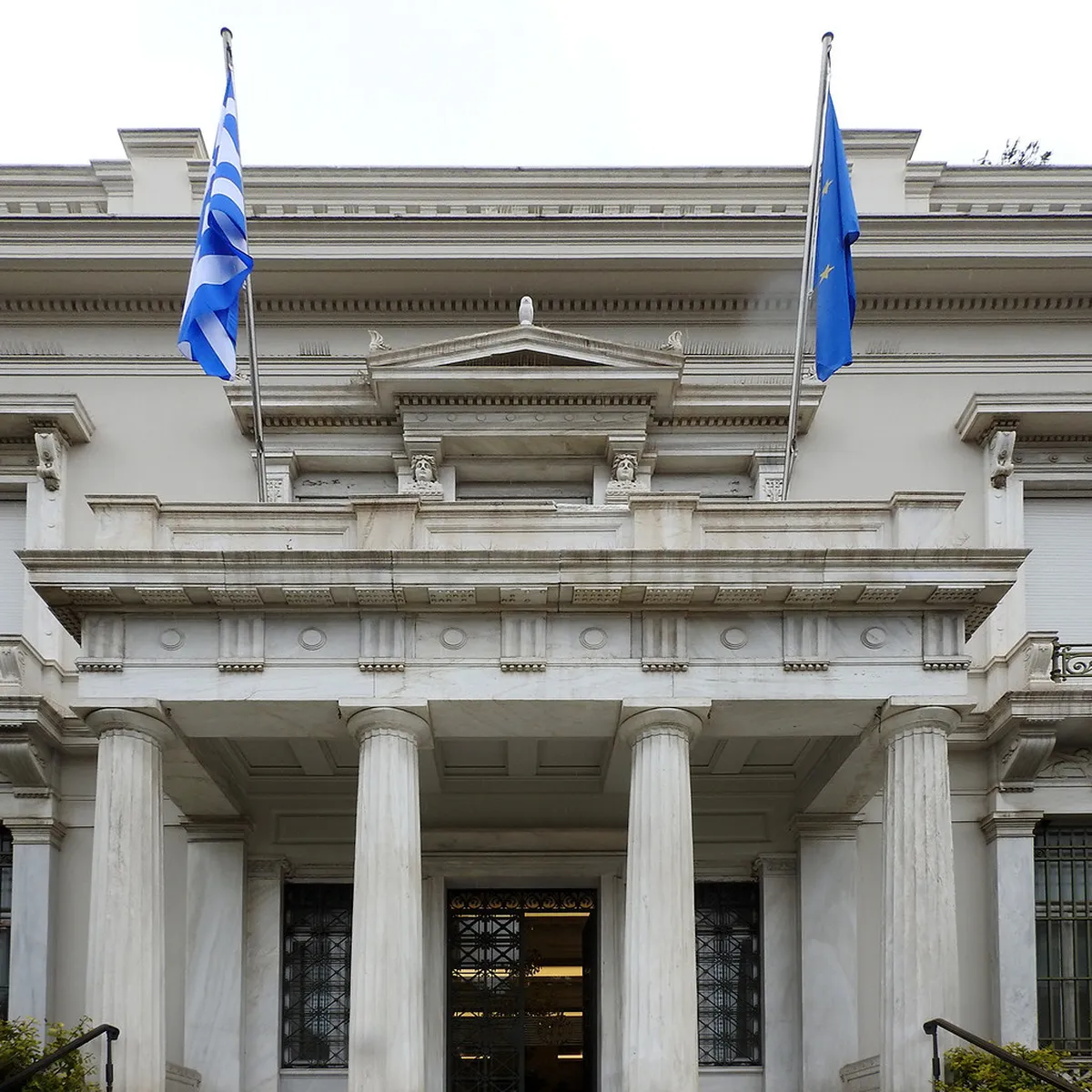
The Benaki Museum of Greek Culture stands as one of the most rewarding places to spend a morning or afternoon in Athens. Housed in the neoclassical Benakis mansion at Koumbari 1 and Vasilissis Sofias Avenue in Kolonaki, it tells the full story of Greek civilization in a single building — from the Neolithic era through the Byzantine world to 20th-century independence. Few museums anywhere compress so much time into such an elegant space. This guide covers everything you need to plan a smooth visit in 2026: what to see, when to go, how to get there, and practical details that most listings leave out.
One important note before you visit: this page covers the main Museum of Greek Culture in the Kolonaki mansion. The Benaki network includes two other sites — the Museum of Islamic Art in Psiri and the Pireos 138 annexe near Kerameikos — each with separate tickets and hours. They are worth knowing about but require separate trips.
Must-See Highlights of the Permanent Collection
The gold jewelry collection is the single most striking display in the building. Pieces from the Mycenaean and Hellenistic periods show craftsmanship that still astonishes specialists today. Look for the interlocking filigree earrings and the heavy Macedonian-era diadems near the start of the antiquity galleries — they anchor the entire chronological story the museum tells.
The regional costume galleries on the upper floors are equally absorbing. Each garment documents how Greek island and mainland communities maintained distinct identities during the Ottoman period. The embroidery patterns and fabric dyes changed from island to island, and the museum labels explain the social meaning behind the most elaborate pieces. Budget at least 20 minutes here even if textiles are not normally your interest.
The reconstructed reception rooms from 18th-century mansions in northern Greece are easy to overlook but are among the most unique items the museum holds. These rooms — carved wood ceilings, painted plaster walls, and raised alcoves — were dismantled from their original buildings and reassembled here. No other museum in Greece preserves this type of domestic architecture at scale. They sit on the floors dedicated to the Ottoman and late-Byzantine period and are often quieter than the ground-floor galleries.
The top floor covers the modern Greek state and the 1821 War of Independence. Personal effects of revolution leaders, weapons, and early political documents fill this section. It closes the chronological loop in a way that makes the museum feel like a coherent narrative rather than a series of separate displays.
The Benaki Museum of Greek Culture: History and Context
The museum was founded in 1930 by Antonis Benakis, son of prominent politician and businessman Emmanuel Benakis. Antonis spent decades collecting Greek art across Europe and the Near East, and eventually donated both his collection and the family mansion to the Greek state. The building had been redesigned in the late 19th century into the neoclassical form you see today, with marble staircases and high-ceilinged reception rooms that now serve as gallery spaces.
The original donation ran to tens of thousands of objects. The collection has since grown to over 100,000 items. Some categories — Islamic art, Chinese porcelain, early toys — were moved to separate Benaki branches as the main building ran out of space. The Kolonaki mansion now concentrates exclusively on Greek culture, which gives the permanent collection its unusual focus and coherence. You are not jumping between unrelated civilizations; every room connects back to the same long story.
The Discover Greece guide describes the result as "a unique historical narrative from the Neolithic Period to the 20th century, showcasing culture in Greece as a continuous evolution rather than a series of individual, unconnected moments." That framing is accurate and useful when deciding how much time to spend here versus the National Archaeological Museum, which is deeper on antiquity but ends much earlier chronologically.
A One-Stop Panorama from Prehistory to the 20th Century
The collection is arranged chronologically across three main floors. Ground floor: prehistoric and ancient Greece, running from Neolithic finds through the Hellenistic period. As you ascend, you move through Roman-era material, Byzantine religious art, and the long Frankish and Ottoman periods. The middle floors cover roughly the 9th through 18th centuries — a span that most Athens museums either skim or skip entirely.
The Byzantine icon collection deserves specific attention. These icons fill several rooms on the second floor and represent a distinct mode of religious image-making that continued uninterrupted from the early medieval period through the fall of Constantinople. The museum labels connect individual icons to specific regional workshops, which helps distinguish what can otherwise seem like a homogeneous style.
For visitors arriving from the Acropolis or the National Archaeological Museum, the Benaki fills in the centuries that those sites largely ignore. If you have seen the Parthenon marbles and want to understand what came next — Byzantium, the Crusaders, the Ottomans, and finally the modern Greek state — the chronological flow here is the fastest way to do it. The Museum of Cycladic Art and the Byzantine and Christian Museum are both a short walk away if you want to go deeper on specific periods.
Tickets, Free Admission, and Budget Tips
General admission is €12. A reduced ticket costs €9 and applies to students, seniors over 65, and several other categories — check the current terms at benaki.org before you go, as eligibility criteria do update. The permanent collection is free every Thursday from 18:00 to 24:00. This is the museum's most useful budget hack: you get the full collection at no cost, the galleries are less crowded than weekend afternoons, and the neoclassical building looks particularly good in the evening light.
Every Thursday evening from 18:00 to midnight, admission to the permanent collection is free, and the evening light makes the neoclassical rooms particularly beautiful.
The museum also opens free on International Museum Day (18 May each year). Visitors with disabilities and one accompanying escort receive free admission on any day — no advance notice is required, just present at the accessible entrance (see the accessibility section below).
Families with children can request educational activity kits at the entrance. These include structured scavenger hunts keyed to the main galleries and keep younger visitors engaged across a building that might otherwise feel long. The layout is stroller-accessible and elevators serve all exhibition floors. The rooftop cafe is a practical mid-visit break point: coffee with a view of the National Garden and the Parliament building, at prices lower than most Kolonaki cafes at street level.
Wheelchair Access and Mobility Details
The accessible entrance is at the rear of the building. To reach it, take the alley on the left side of the main facade on Vasilissis Sofias; it leads to a level entrance at the back with a motion-activated door. An elevator serves all exhibition floors from that entry point. Approximately 90% of the galleries are step-free; the only exceptions are a few rooms on the cafe level, which have a small number of steps that the elevator route bypasses.
The accessible rear entrance requires no advance notice — just take the left-side alley, and motion-activated doors open to a level entry with elevators reaching all floors.
The museum has loaner wheelchairs available at no extra charge and does not require advance notice for any accessibility service — including the accessible entrance, the loaner chairs, or the disability free-admission policy. Taxis and accessible vehicles can drop off directly in front of the building on Leoforos Vasileos Sofias. The pavement outside the main entrance is flat and smooth. If you are approaching on foot from Syntagma Square, be aware there is a moderate uphill stretch rated three-star for gradient — allow extra time or consider a taxi drop-off.
One practical limitation: the accessible toilet on the cafe level has a door that is not wide enough for a standard wheelchair. If this is a concern, plan your visit around nearby hotel facilities or ask staff about alternative arrangements on the day.
Opening Hours, Getting There, and Practical Logistics
The museum is open Monday, Wednesday, Friday, and Saturday from 10:00 to 18:00; Thursday from 10:00 to 24:00; and Sunday from 10:00 to 16:00. It is closed on Tuesdays. Arriving at opening time on a weekday gives you the ground-floor galleries before tour groups arrive, which matters most in the gold and antiquity sections. Most visitors cover the main highlights in 1.5 to 2.5 hours; if you plan to linger over the costumes, icons, and reconstructed rooms, allow three hours.
| Day | Opening Hours |
|---|---|
| Monday, Wednesday, Friday, Saturday | 10:00–18:00 |
| Thursday | 10:00–24:00 |
| Sunday | 10:00–16:00 |
| Tuesday | Closed |
The two nearest metro stations are Syntagma (lines 2 and 3, roughly 10 minutes on foot) and Evangelismos (line 3, roughly 5 minutes on foot along Vasilissis Sofias). Several trolley-bus lines stop directly in front of the building: routes 3, 7, 8, and 13 all pass along Vasilissis Sofias. Bus routes 022, 060, 200, 211, 220, 221, 222, and 223 also serve the stop. Taxis can drop off on Vasilissis Sofias; the street is wide and well-served in both directions.
Large bags must be left in the cloakroom near the entrance. Photography without flash is permitted in most permanent galleries, but some temporary exhibition rooms restrict it — watch for signs. Staff at the information desk speak English and can point you to specific items if you have something particular in mind. The museum's telephone is +30 210 367 1000. Online ticket purchase is advisable in July and August when queues can build during peak morning hours. For more on the area, the Numismatic Museum Athens is a five-minute walk and combines well with an afternoon visit.
The Kolonaki Museum Cluster
The Benaki sits at the center of one of the densest concentrations of museums in Athens. Within a 10-minute walk you can reach the Museum of Cycladic Art, the Byzantine and Christian Museum, and the National Gallery (currently partially open after renovation). Each covers a distinct period and is genuinely different in character, so a full-day circuit of two or three of these institutions is feasible without transport.
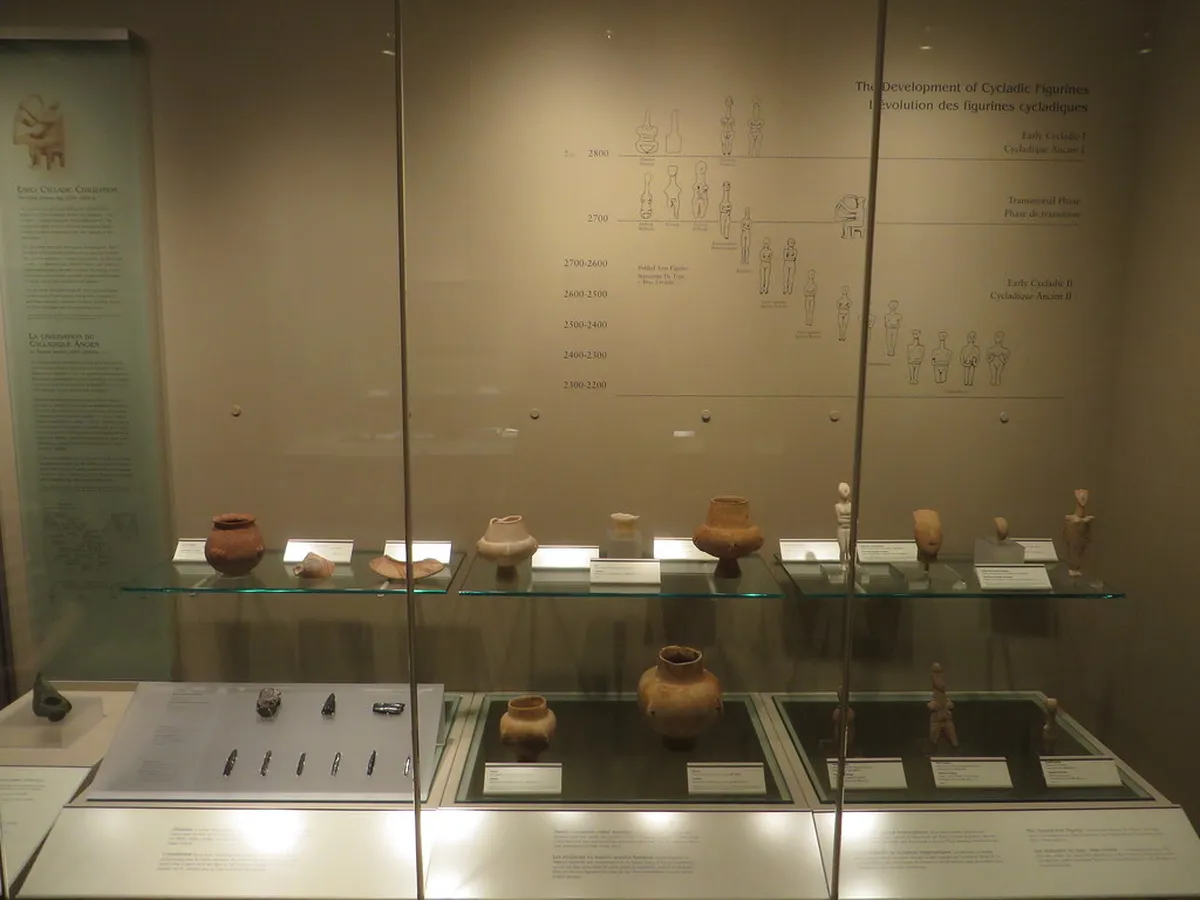
The Cycladic Art Museum is the natural pairing for a morning at the Benaki. Its collection of marble figurines from the 3rd millennium BC predates anything in the Benaki's permanent collection and gives context to the antiquity galleries you will see next door. The Byzantine and Christian Museum is better for visitors who want to go deeper on the icon and medieval material that the Benaki covers more briefly. The two-museum combination — Benaki in the morning, Byzantine and Christian in the afternoon — is a coherent full day that gives you roughly 2,500 years of Greek visual culture without overlap.
The neighborhood itself is worth the visit. Kolonaki is the upscale residential quarter between Syntagma and Lycabettus Hill, and the streets around the museum have good cafes and restaurants that are less tourist-facing than the Plaka. For a post-museum view, the Lycabettus funicular is a 15-minute walk north and provides the best panorama of the city including the Acropolis.
Frequently Asked Questions
Which benaki museum of greek culture visitor guide options fit first-time visitors?
First-time visitors should focus on the chronological main collection. Start on the ground floor for ancient history and move upward. Do not miss the regional costume gallery on the second floor. This route provides the most comprehensive overview of Greek heritage in a single visit.
How much time should you plan for the Benaki Museum?
You should plan for approximately two to three hours. This allows enough time to view the major highlights across all three floors without rushing. If you enjoy reading every plaque, four hours might be better. Include extra time for the rooftop cafe for the best experience.
Is the Benaki Museum worth including on a short itinerary?
Yes, it is highly recommended even for short trips to Athens. It offers a faster way to understand Greek history than visiting multiple smaller sites. Its central location near Syntagma makes it easy to combine with other major attractions like Hadrian's Library.
What is the best day to visit the Benaki Museum for free?
The best day for a budget-friendly visit is Thursday. The museum offers free admission to the permanent collection from 18:00 to 24:00 and stays open until midnight. This is perfect for travelers who want to save money or enjoy a unique late-night museum atmosphere in central Athens.
Other Collectors Who Handed a Nation Its Museum
Antonis Benakis gave his family house and everything in it to the Greek state in 1930, and the display still runs chronologically from antiquity to independence. Lisbon's Calouste Gulbenkian Museum is the closest parallel in Europe — one man's collection, purpose-built galleries, left to the country that housed him. Madrid's Museo Lázaro Galdiano did the same on a mansion scale. For the Athenian counterpart in a single field, the Museum of Cycladic Art began the same way.
The Benaki Museum of Greek Culture is the most efficient single stop for anyone wanting to understand the full arc of Greek history. Its chronological layout, remarkable gold and costume collections, and beautifully preserved mansion setting make it stand out even against the larger state museums nearby. Admission is €12, free on Thursday evenings from 18:00, and free year-round for visitors with disabilities. The museum is closed Tuesdays.
Plan 1.5 to 3 hours depending on your pace. Arrive at Evangelismos metro station and walk five minutes along Vasilissis Sofias. If you are visiting with mobility needs, the accessible rear entrance on the left-side alley requires no advance booking, and loaner wheelchairs are available inside. The rooftop cafe and the proximity of the Cycladic Art and Byzantine museums make this one of the most rewarding half-days available anywhere in Athens in 2026.
For authoritative information, refer to the Benaki Museum of Greek Culture on Wikipedia.
Continue exploring
More guides you'll find useful