Hunterian Museum London: Free Entry, Hours & Highlights
Visit London’s Hunterian Museum with free entry, opening hours, booking tips, and highlights from John Hunter’s remarkable medical collection.
On this page
Hunterian Museum Visitor Guide
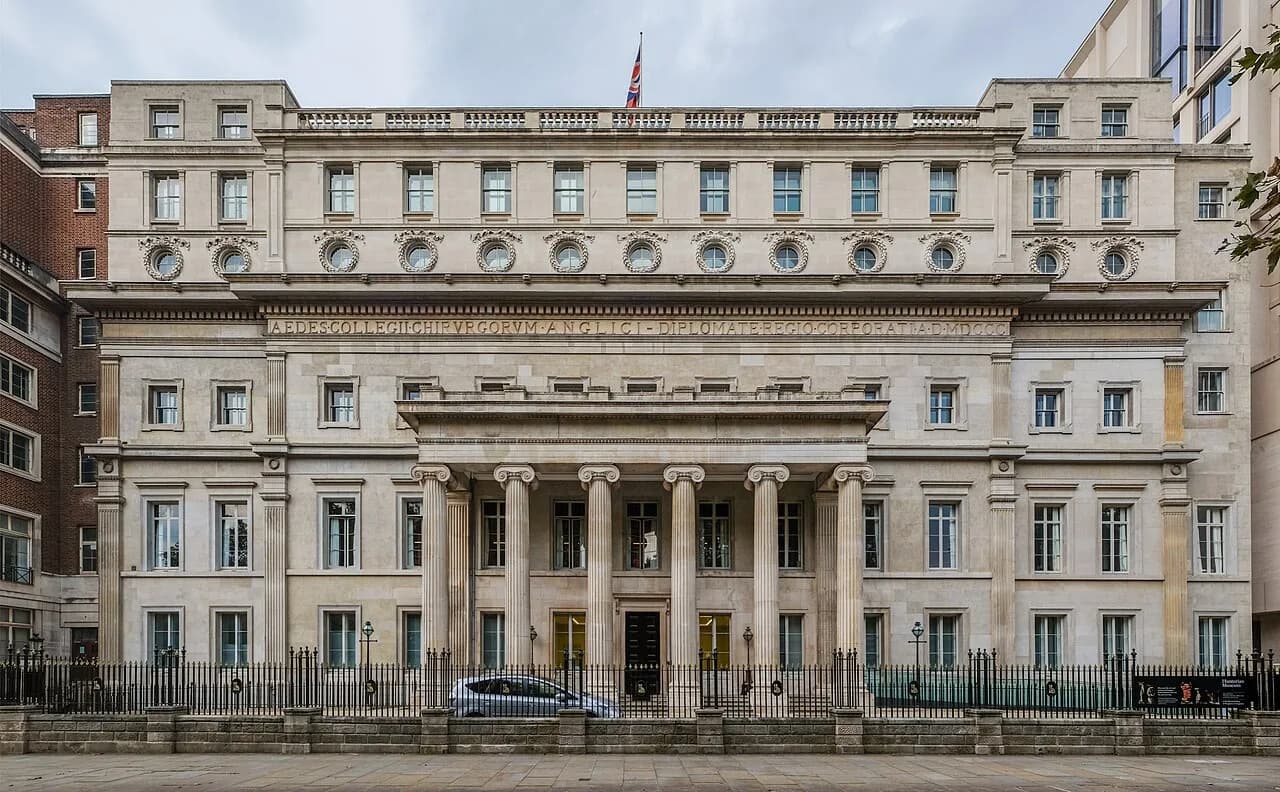
The Hunterian Museum is one of the most extraordinary free attractions in central London, and a genuine highlight for anyone drawn to the stranger side of science and medicine. Housed inside the Royal College of Surgeons of England on Lincoln's Inn Fields in Holborn, it displays thousands of anatomical and pathological specimens built up around the 18th-century collection of the surgeon-anatomist John Hunter. If you want unusual things to do in London, few places match the impact of a wall of preserved specimens telling the story of the human body. This hunterian museum visitor guide covers everything you need for 2026: free entry, opening days, booking a free timed ticket, transport, accessibility, and what to see.
The museum reopened in May 2023 after a major six-year refurbishment, and the new displays are cleaner, better lit, and far easier to follow than the older galleries. The collection is presented as both a medical archive and a story of how surgery evolved from a dangerous trade into a modern science. Because admission is completely free, the Hunterian is a popular stop for students, medics, curious travelers, and anyone assembling a day of London museums that most tourists never find.
This is a specialist site rather than a blockbuster gallery, and that is precisely its appeal. You will see everything from surgical instruments once owned by Joseph Lister to natural-history specimens, odontological curiosities, and delicate anatomical dissections. The subject matter is frank and clinical in places, so it rewards visitors who come for genuine medical history rather than a quick novelty. Plan for a focused hour or two, book your free slot ahead, and treat it as the centerpiece of a wider Holborn wander.
The History of the Hunterian Museum and John Hunter
The museum takes its name from John Hunter, an 18th-century Scottish surgeon and anatomist whose relentless dissection and specimen-preparation transformed surgery into an evidence-based discipline. Hunter believed that understanding the structure of the body was the only reliable foundation for treating it, and he built a vast personal collection of preserved specimens to teach that principle. His approach was radical for its time and helped shift medicine away from tradition and toward direct observation.
After Hunter's death, the British government purchased his collection in 1799 and presented it to the Royal College of Surgeons, which has cared for it ever since. Over the following two centuries the holdings grew far beyond Hunter's original preparations, absorbing an odontological collection and the natural-history specimens associated with the anatomist Richard Owen. The museum became one of the most important teaching collections of anatomy and pathology anywhere in the world.
The collection has not survived untouched. A significant portion was lost to bombing during the Second World War, and the surviving specimens represent only a part of what Hunter and his successors assembled. Even so, the museum still holds roughly 3,500 anatomical and pathological specimens, making it one of the richest surviving records of how the human body was studied before modern imaging existed.
The museum's most famous ethical debate concerns the skeleton of Charles Byrne, the so-called "Irish Giant," which was removed from public display during the recent refurbishment and retained for research rather than exhibition. That decision reflects a wider shift in how museums handle human remains, treating them with consent and dignity in mind. Understanding this history helps visitors appreciate that the Hunterian is a living, evolving institution, not a static Victorian curiosity cabinet.
The 2023 Reopening and the Refurbished Galleries
The Hunterian Museum closed in May 2017 for an extensive redevelopment of the Royal College of Surgeons building, and it did not reopen to the public until 16 May 2023. The long closure means many older London guidebooks describe a museum that no longer exists in that form, so it is worth planning around the current layout rather than outdated descriptions. The refurbishment modernized the display cases, improved lighting, and added far more interpretation for non-specialist visitors.
The new galleries are arranged to lead you through the story of surgery and anatomy rather than simply presenting rows of jars. Interpretation panels explain what each type of specimen shows and why it mattered to the surgeons who studied it. This makes the collection much more approachable for travelers without a medical background, while still offering enormous depth for students and professionals who come specifically to study.
The reopening also brought a renewed focus on the ethics of displaying human remains. The museum is careful to explain how specimens were obtained, how they are cared for today, and why certain items are no longer shown. This context turns what could feel like a shock display into a thoughtful account of medical progress and the people, both surgeons and patients, behind it.
Must-See Highlights: Specimens, Instruments and Curiosities
The core of the museum is Hunter's anatomical and pathological collection, presented in long illuminated cases that let you compare healthy and diseased tissue across many species. These preparations show how disease changes the body and how surgeons learned to recognize and treat it. Even for a visitor with no medical training, the scale and precision of the specimens are genuinely striking.
Among the most talked-about individual objects are the surgical instruments once used by Joseph Lister, the pioneer of antiseptic surgery, and the Evelyn tables, some of the oldest anatomical preparations of their kind in Europe. The odontological collection adds a layer of strange social history, including teeth taken from casualties of the Battle of Waterloo and, famously, a set of Winston Churchill's dentures. These curiosities give the collection an unexpected human and historical breadth.
Natural history has its place too, with specimens ranging from a giant extinct moa skeleton to a slipper lobster, reflecting the comparative anatomy that Hunter and Owen championed. Elsewhere you will find medical artwork, sculptures, and even a dissected Ancient Egyptian mummy foot dating from 1763. The mix of surgical, dental, natural-history, and artistic material is what makes the Hunterian so different from a conventional art or history museum.
Below is a quick overview of the kinds of highlights you can expect across the galleries, useful for planning where to spend your time.
| Highlight | What It Is | Why It Matters |
|---|---|---|
| Hunter's specimens | ~3,500 anatomical & pathological preparations | The founding collection of modern surgical teaching |
| Lister's instruments | Surgical tools of the antiseptic pioneer | Shows the birth of infection-free surgery |
| Odontological collection | Waterloo teeth, historic dentures | Social history of dentistry and warfare |
| Natural history | Moa skeleton, slipper lobster | Comparative anatomy across species |
| Curiosities | Mummy foot, medical artwork | The odd, human side of the archive |
Visitor Information: Free Entry and Booking
The best news for 2026 travelers is simple: admission to the Hunterian Museum is completely free. There is no charge to see any of the permanent galleries, which makes it one of the strongest value-for-money cultural stops in central London. Free entry also means the museum sits comfortably alongside other no-cost or low-cost attractions on a budget-friendly day out in the capital.
While entry is free, the museum recommends booking a free timed ticket in advance rather than simply turning up. Timed tickets help manage capacity in the galleries and guarantee you a slot at a busy time, especially on weekends and during school holidays. Booking is quick and costs nothing, so there is no reason to skip it. Reserve your slot through the official museum website before you travel to avoid any disappointment on the day.
Because the collection is held within a working professional institution, the Royal College of Surgeons, the museum keeps regular hours and can occasionally adjust access around College events. Always check the current opening information before setting out, and give yourself time to find the entrance on Lincoln's Inn Fields. A reserved free ticket plus a quick check of the day's hours is all the preparation you really need.
- Standard Admission
- Cost: Free
- Ticket: Free timed slot recommended
- Booking: Online in advance
- Opening Days
- Open: Tuesday to Saturday
- Closed: Sunday and Monday
- Hours: 10:00 - 17:00
Entry is 100% free, but the museum recommends reserving a free timed ticket online before you go. It is the easiest way to guarantee entry on busy weekends and during holidays, and it costs nothing to book.
The museum is open Tuesday to Saturday only (10:00–17:00) and is closed on Sunday and Monday, so plan your day carefully. Displays include preserved human anatomical and pathological specimens, which can be graphic — some content is not suitable for young children, so parental discretion is advised.
What to Expect and Who It Suits
The Hunterian is a frank, clinical museum, and it is honest about that. Many displays show preserved human tissue, dissected specimens, and evidence of disease, all presented for education rather than shock. Most adult visitors find the experience fascinating and surprisingly moving, but the subject matter is not sanitized. Coming in with that expectation makes the visit far more rewarding.
The museum suits medical students, healthcare professionals, science enthusiasts, and curious travelers who enjoy the deeper, stranger corners of London's cultural scene. It also works well for anyone building a themed medical-history day around sites like the Old Operating Theatre Museum across the river. If you already enjoy anatomy museums or the history of medicine, this is essentially a must-visit.
Families should think carefully before bringing young children. The specimens can be graphic, and some content is not suitable for very young visitors, though older children with a genuine interest in biology often find it captivating. The museum does offer family activities, including sessions designed for children with SEND, so it is worth checking the events schedule if you are visiting with kids and want an age-appropriate way to engage with the collection.
Location and Directions: Getting to Holborn
The museum sits inside the Royal College of Surgeons of England at 38–43 Lincoln's Inn Fields, WC2A 3PE, right in the heart of legal London. Lincoln's Inn Fields is the largest public square in central London, a green space ringed by handsome historic buildings, so the setting alone is worth the short walk. The area is quiet and dignified compared with the crowds around Covent Garden a few minutes away.
Getting here is easy by Underground. Holborn station, on the Central and Piccadilly lines, is the closest stop and a short walk from the square. Chancery Lane and Covent Garden are also within comfortable walking distance, and Temple offers an alternative approach from the river side. Numerous bus routes serve nearby Kingsway and High Holborn, and the nearest mainline options are London's central rail hubs a short tube ride away.
Because the square is a working legal district, it is calmest on weekday mornings and can feel almost sleepy at weekends despite the museum being open on Saturdays. A good plan is to arrive for an early slot, spend an hour or two in the galleries, then explore the surrounding streets. The square itself, the nearby Inns of Court, and the lanes toward Covent Garden make for a rewarding self-guided loop.
- London Underground
- Station: Holborn (Central, Piccadilly)
- Walk: About 5 minutes
- Alternative: Chancery Lane / Covent Garden
- Bus Connections
- Corridors: Kingsway, High Holborn
- Frequency: Very high
- Convenience: Excellent
- On Foot
- From: Covent Garden / The Strand
- Walk: 10-15 minutes
- Route: Through legal London
Facilities, Accessibility and Practical Tips
As part of a modern, recently refurbished building, the Hunterian offers up-to-date visitor facilities and clear wayfinding once you are inside the Royal College of Surgeons. The museum publishes detailed access and facilities information, so visitors with specific requirements should review it before travelling or contact the museum directly. The 2023 redevelopment significantly improved circulation space and display accessibility compared with the older galleries.
Practical planning is straightforward. Allow between one and two hours for a thorough visit, longer if you read the interpretation in depth or attend a talk. The galleries reward slow, careful looking, so avoid arriving too close to closing time. Photography policies and any restrictions around human remains should be checked on arrival, as the museum treats its specimens with particular sensitivity.
Because entry is free and booking is quick, the Hunterian pairs beautifully with other central-London stops. You can easily combine it with nearby museums, the historic Inns of Court, or a walk toward the West End. Traveling light helps in any small central museum, and giving yourself a buffer between timed slots elsewhere means you never have to rush the collection.
Nearby Attractions in Central London
The Hunterian's Holborn location puts it within easy reach of some of London's finest small museums, so it is simple to build a rich cultural day around it. The area blends legal history, quiet garden squares, and specialist collections that the average visitor overlooks in favor of the big national galleries. That makes it ideal territory for curious, independent travelers.
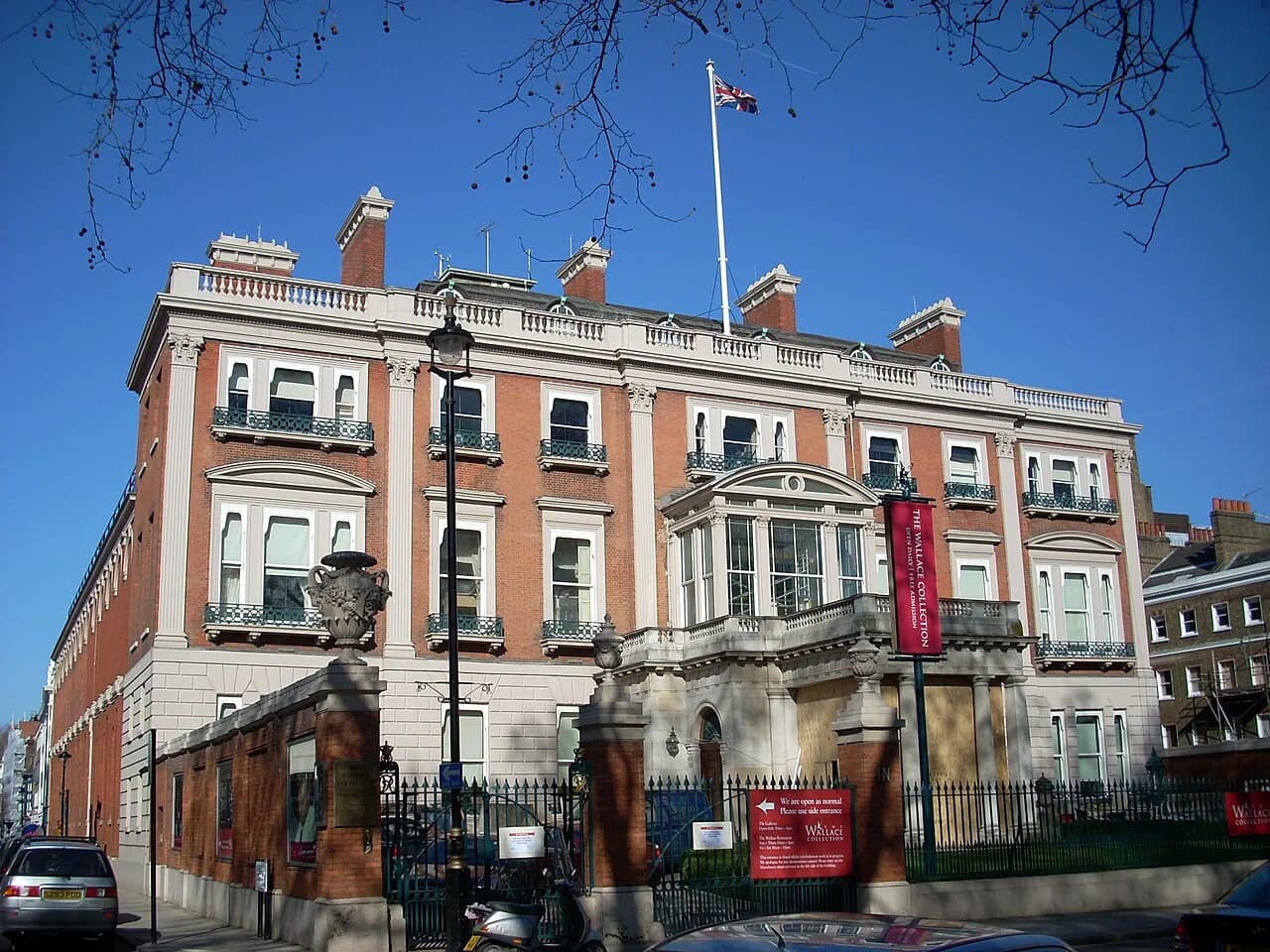
Just around the square you will find the Sir John Soanes Museum, a free and gloriously overstuffed house-museum that pairs perfectly with the Hunterian for a day of Holborn eccentricity. A short journey west takes you to the Wallace Collection, a free national museum of fine and decorative art in a grand townhouse. For more atmospheric history, the tranquil Charterhouse offers a peaceful counterpoint to the clinical intensity of the anatomy galleries.
If the medical theme is what draws you, cross the river to the Old Operating Theatre Museum near London Bridge, Europe's oldest surviving surgical theatre, for a natural companion visit. Together these smaller collections offer a far more personal look at London's history than the crowded flagship museums, and most of them cost little or nothing to enter.
Frequently Asked Questions
Is the Hunterian Museum free to visit?
Yes. Admission to the Hunterian Museum at the Royal College of Surgeons is completely free. The museum recommends booking a free timed ticket online in advance to guarantee entry, especially on weekends and during school holidays. You can pair it with other free London attractions nearby.
Do I need to book a ticket for the Hunterian Museum?
Booking is not mandatory, but the museum strongly recommends reserving a free timed ticket in advance. It costs nothing and helps manage capacity in the galleries. On busy Saturdays and during holidays a pre-booked slot is the safest way to be sure of getting in.
What are the Hunterian Museum's opening hours?
The museum is open Tuesday to Saturday, 10:00am to 5:00pm. It is closed on Sunday and Monday. Hours can occasionally change around Royal College of Surgeons events, so check the official website before travelling.
How do I get to the Hunterian Museum?
The museum is at 38–43 Lincoln's Inn Fields, WC2A 3PE, in Holborn. The nearest Underground station is Holborn (Central and Piccadilly lines), about a five-minute walk away. Chancery Lane, Covent Garden and Temple are also within walking distance.
Is the Hunterian Museum suitable for children?
The museum displays preserved human anatomical and pathological specimens that some visitors find graphic, so parts of it are not suitable for young children and parental discretion is advised. Older children with an interest in biology often enjoy it, and the museum runs family activities including sessions for children with SEND.
What can you see at the Hunterian Museum?
The museum holds around 3,500 anatomical and pathological specimens from John Hunter's 18th-century collection, plus Joseph Lister's surgical instruments, the Evelyn tables, an odontological collection with Waterloo teeth and historic dentures, and natural-history specimens. It reopened in May 2023 after a major refurbishment.
Other Anatomy and Specimen Collections
John Hunter's comparative anatomy collection is arranged as an argument about how bodies work, and it remains difficult in ways the labels acknowledge. Florence's La Specola pursued the same teaching problem with eighteenth-century wax instead of preserved tissue. Paris's Musée de la Chasse et de la Nature keeps the cabinet-of-curiosity format and hands it to contemporary artists.
The Hunterian Museum is one of London's most rewarding free attractions for anyone fascinated by the human body, the history of surgery, or the sheer strangeness of a great scientific collection. Built around John Hunter's pioneering 18th-century specimens and reborn in its 2023 refurbishment, it offers depth and atmosphere that far larger museums rarely match, all at no cost to visit.
For the smoothest 2026 trip, remember the essentials: entry is free but a booked timed ticket is recommended, the museum opens Tuesday to Saturday and closes on Sunday and Monday, and some displays are graphic enough to warrant care with young children. Reserve your slot, arrive early, and leave time for Lincoln's Inn Fields and the small museums nearby rather than treating the Hunterian as a single quick stop.
Continue exploring
More guides you'll find useful