Postal Museum London: Mail Rail Tickets, Prices & Hours
Ride Mail Rail at the Postal Museum London with current ticket prices, opening hours, annual-pass details, exhibits, and practical booking tips.
On this page
The Postal Museum Visitor Guide
The Postal Museum is one of the most memorable stops among the unusual things to do in London, largely because a standard ticket buys something no other museum in the capital offers: a ride on Mail Rail, the miniature underground railway that carried the nation's post beneath the city for most of the twentieth century. Set in Clerkenwell opposite the Mount Pleasant sorting complex, the museum pairs a hands-on gallery of postal history with a genuine train journey through original tunnels 70 feet below street level. This postal museum visitor guide covers the practical details you need in 2026: tickets, the annual-pass concept, opening days, the Mail Rail ride, accessibility, transport, and what to combine it with nearby.
The museum opened to the public in 2017, but the story it tells stretches back five centuries to the founding of a national posts service. Its two halves sit either side of Phoenix Place: the main museum building holds the galleries and family play zone, while the Mail Rail experience and its exhibition occupy the former engineering works across the road. Because the two elements are linked by a single ticket, most visitors treat the whole thing as one attraction rather than two separate sites.
The Postal Museum works best for families, transport enthusiasts, and anyone who enjoys the quieter, more specialist corners of London. Children love the driverless train and the interactive play area, while adults tend to be drawn in by the social history — how letters, stamps, and the railway shaped daily life. Because it sits between Farringdon and Russell Square, it also slots neatly into a Clerkenwell walking day alongside other small central-London museums.
The History of The Postal Museum and Mail Rail
The collection at the heart of the museum documents more than 500 years of the British postal service, from the royal posts of the sixteenth century to the Penny Black and the modern network. For decades these archives were held by the Royal Mail and rarely seen by the public. The Postal Museum was created to bring them into the open, and it finally welcomed visitors on 28 July 2017 after a long fundraising and construction effort.
The Mail Rail line is the museum's engineering centrepiece and predates the public museum by ninety years. Opened in 1927, it was built to move sacks of post quickly beneath congested London streets, running driverless electric trains between sorting offices from Paddington in the west to Whitechapel in the east. It is often described as the world's first driverless electric railway, and it carried mail rather than passengers throughout its working life.
By the early 2000s changing sorting patterns and cost made the underground line uneconomic, and Mail Rail was mothballed in 2003. Rather than let the tunnels fall silent forever, the museum reopened a short loop of the original track so that visitors could ride purpose-built miniature carriages through the very tunnels once used only by post. That decision turned a piece of disused infrastructure into the museum's biggest draw.
Understanding this two-part heritage helps you plan the visit. The galleries explain the human and design story of the post, while Mail Rail delivers the physical, atmospheric experience of the network in motion. Together they make the site feel less like a traditional museum and more like a working relic you can climb inside.
Riding Mail Rail: The Underground Post Train
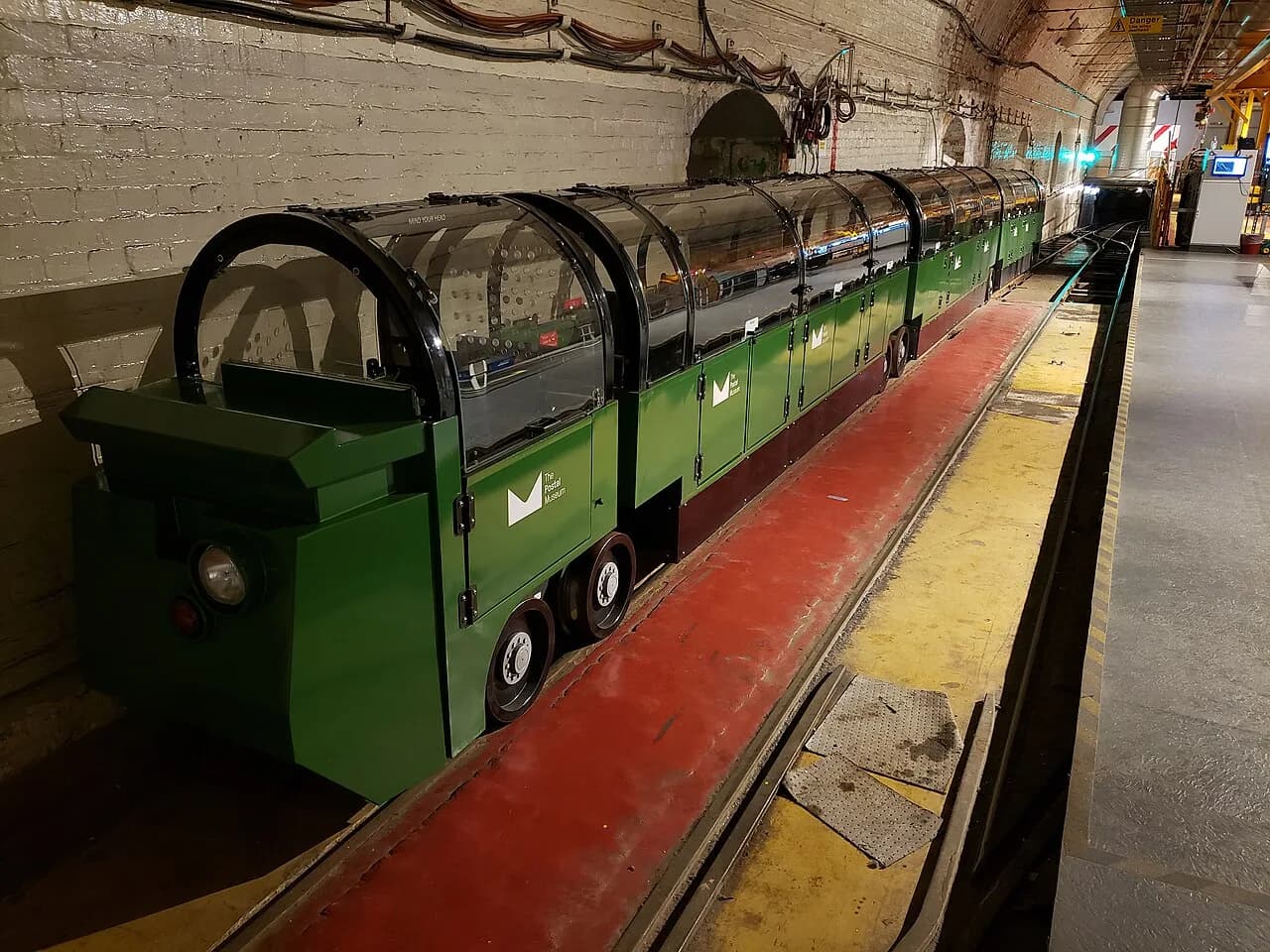
The Mail Rail ride is the reason most people cross town to Phoenix Place, and it is included with every standard ticket. Visitors board small open carriages that were built specifically for the visitor experience, then travel a loop of roughly one kilometre of the original tunnels beneath the old Mount Pleasant sorting office. The journey lasts about fifteen minutes and runs 70 feet below the surface, following track that once shuttled millions of letters a day.
As the train moves through the darkness, projections and audio bring the tunnels to life, telling the story of the workers who kept the line running and the post that passed through. The carriages are compact and the tunnels are low, which is part of the appeal — the sense of squeezing through a hidden network under the city is exactly what makes the ride memorable rather than a gentle heritage-railway pootle.
Because capacity on each train is limited and rides run to timed slots, Mail Rail is the element most likely to sell out on busy weekends and during school holidays. Booking a specific entry time online in advance is the single most useful thing you can do to guarantee the ride, and it also tends to be a little cheaper than buying on the day.
Alongside the ride, the Mail Rail building houses its own exhibition of the engineering, signalling, and daily operation of the line, plus a hands-on play space. Allow time before or after your slot to explore this side of the site, since the ride itself is short and the surrounding displays add much of the context.
Inside the Galleries: Interactive Postal History
Across the road from Mail Rail, the main museum building holds the permanent galleries that trace the postal service through the centuries. Exhibits move from early royal messengers and the birth of the uniform penny post through wartime letters, iconic pillar boxes, and the design heritage of British stamps. The collection is rich in objects that most visitors have used without ever thinking about — postboxes, uniforms, sorting machinery, and vehicles.
The displays are deliberately interactive, with drawers to open, screens to explore, and stories to follow at your own pace. This makes the galleries genuinely engaging for a wide range of ages rather than a series of static cases. Families in particular find that children stay interested because so much of the space invites touching and doing rather than just looking.
Design and philately fans will appreciate the depth of the stamp collection and the way the museum links postal design to wider changes in British society. The story of communication — how quickly and reliably people could reach one another across distance — turns out to be a surprisingly good lens on everyday history, and the curators lean into that human angle throughout.
Visitor Information: Tickets, the Annual Pass, and Prices
The most important thing to understand about admission is that a standard ticket is effectively an annual pass. Your ticket includes one ride on Mail Rail and, crucially, unlimited entry to The Postal Museum galleries for twelve months from the date of your first visit. That makes the site far better value for anyone local or likely to return, since the galleries can be revisited free for a year on the same ticket.
For 2026, advance online tickets are approximately £18.50 for adults, £12.50 for young people aged 16 to 24, and £11 for children aged 2 to 15. Children under 2 go free. A concession rate for disabled visitors and one companion is around £15.50 for adults, and carers accompanying a disabled paying visitor enter free including the Mail Rail ride. Prices are typically a little higher if bought on site on the day, so book ahead where you can.
Because the ride is the element that fills up first, choose your Mail Rail time slot when you book rather than assuming you can walk straight on. If you visited within the past year you may already hold an annual ticket that gives free gallery entry, and you can add a Mail Rail ride to it for a reduced fee of about £7.50. Always confirm the current figures on the official site before travelling, as museum prices are reviewed periodically.
- Adult Ticket
- Cost: from £18.50 (online advance)
- Includes: Galleries + one Mail Rail ride
- Bonus: 12 months' free gallery re-entry
- Young Person (16–24)
- Cost: from £12.50
- Includes: Galleries + Mail Rail
- Note: Photo ID may be requested
- Child (2–15)
- Cost: from £11.00
- Under 2: Free
- Best for: Family days out
| Ticket Type | Price (from) | What It Covers | Annual Re-entry |
|---|---|---|---|
| Adult | £18.50 | Galleries + one Mail Rail ride | Yes — 12 months free galleries |
| Young Person (16–24) | £12.50 | Galleries + one Mail Rail ride | Yes — 12 months free galleries |
| Child (2–15) | £11.00 | Galleries + one Mail Rail ride | Yes — 12 months free galleries |
| Concession (disabled + companion) | £15.50 | Galleries + Mail Rail; carers free | Yes — 12 months free galleries |
| Child under 2 | Free | Galleries + lap ride | n/a |
Every standard ticket doubles as an annual pass: it includes one Mail Rail ride plus twelve months of free re-entry to the galleries from your first visit. If you live in or near London, that turns a single admission into repeat value — and returning ticket-holders can add another Mail Rail ride for about £7.50.
The Postal Museum is open Wednesday to Sunday only (10:00–17:00) and is closed Monday and Tuesday. Mail Rail also runs to limited timed slots, so book your ride time online before travelling to avoid a wasted journey or a sold-out ride.
Family Visits and What to Expect
The Postal Museum is one of central London's more genuinely family-friendly attractions. The combination of a train ride and hands-on galleries keeps children engaged, and the Mail Rail experience in particular has an appeal that spans generations. Younger visitors respond to the novelty of riding through dark tunnels, while parents get the social-history layer that makes the site more than a theme-park attraction.
Alongside the permanent galleries, the site includes a dedicated indoor play space themed around the post, where smaller children can climb, sort, and role-play. This makes it a practical rainy-day option, since almost everything is under cover and the visit does not depend on the weather. Buggy access is available, though the Mail Rail carriages themselves are compact.
Plan on roughly two to three hours for a family visit: time for the ride, the Mail Rail exhibition, the main galleries, and the play area. Because the ride runs to timed slots, it helps to build the rest of the visit around your booked Mail Rail time rather than trying to do everything in a strict order. Arrive a little before your slot so nobody has to rush the boarding.
Facilities and Accessibility at The Postal Museum
The museum has a café serving hot drinks, lunches, and snacks, plus a shop stocked with stamp-themed gifts, books, and souvenirs that make the site an easy stop for present-buying. There are baby-changing facilities and cloakroom provision, and the galleries are laid out to be comfortable for families with pushchairs.
Step-free access is available across most of the museum, and the site is designed to be welcoming to disabled visitors, with carers admitted free when accompanying a paying disabled guest. The Mail Rail ride itself has practical constraints because the carriages are small and the tunnels are narrow, so visitors with specific mobility needs should check the current access arrangements for the ride before booking a slot.
As with any attraction where an experience runs to timed capacity, it is worth confirming details such as last-ride times, quiet or relaxed sessions, and any seasonal changes directly with the museum ahead of your trip. Booking online also lets you see live availability, which is the clearest way to avoid arriving to find the ride sold out.
Location and Directions: Getting to Clerkenwell
The Postal Museum sits at 15–20 Phoenix Place in Clerkenwell, WC1X 0DA, opposite the Mount Pleasant complex in central London. The most convenient stations are Farringdon and Russell Square, both a short walk away, with Farringdon offering Underground, Thameslink, and Elizabeth line connections that make it easy to reach from across the city and from the main rail terminals.
Russell Square on the Piccadilly line is a pleasant walk through Bloomsbury, while Chancery Lane and King's Cross St Pancras are also within reach for those coming from further afield. Numerous bus routes serve the Rosebery Avenue and Farringdon Road corridors nearby. The area is compact and walkable, so combining the museum with other Clerkenwell and Holborn sights is straightforward.
The best time to visit is usually a weekday morning or early afternoon outside school holidays, when Mail Rail slots are easier to secure and the galleries are quieter. Whatever day you choose, book a specific ride time in advance and treat the rest of the visit as flexible around it. A natural route is Farringdon station, The Postal Museum, then a walk south into Clerkenwell and Holborn for lunch and further museums.
- Elizabeth Line / Underground
- Station: Farringdon
- Walk: About 10 minutes
- Lines: Elizabeth, Thameslink, Circle
- Piccadilly Line
- Station: Russell Square
- Walk: About 10 minutes
- Route: Through Bloomsbury
- Bus Connections
- Corridor: Rosebery Avenue / Farringdon Road
- Stop: Mount Pleasant
- Convenience: High
Where to Stay Near The Postal Museum
Clerkenwell and neighbouring Bloomsbury and Holborn offer a wide range of places to stay, from design-led boutique hotels to reliable mid-range chains near King's Cross and Farringdon. Staying in this part of central London puts you within walking distance of the museum and on excellent transport links, which is ideal if you are combining several small museums into one day.
Budget-conscious travellers will find dependable hotel chains clustered around King's Cross St Pancras and Farringdon, both a short ride or walk from Phoenix Place. The area is well served in the evenings too, with Clerkenwell's restaurants and Exmouth Market a few minutes away for dinner after a museum day.
If you prefer more character, look for converted warehouse apartments and townhouse stays in Clerkenwell itself. The neighbourhood keeps a workshop-and-craft feel that suits a visit centred on industrial and postal heritage, and it keeps you close enough to return for a free gallery visit on your annual-pass ticket without a long journey across town.
Nearby Attractions in Central London
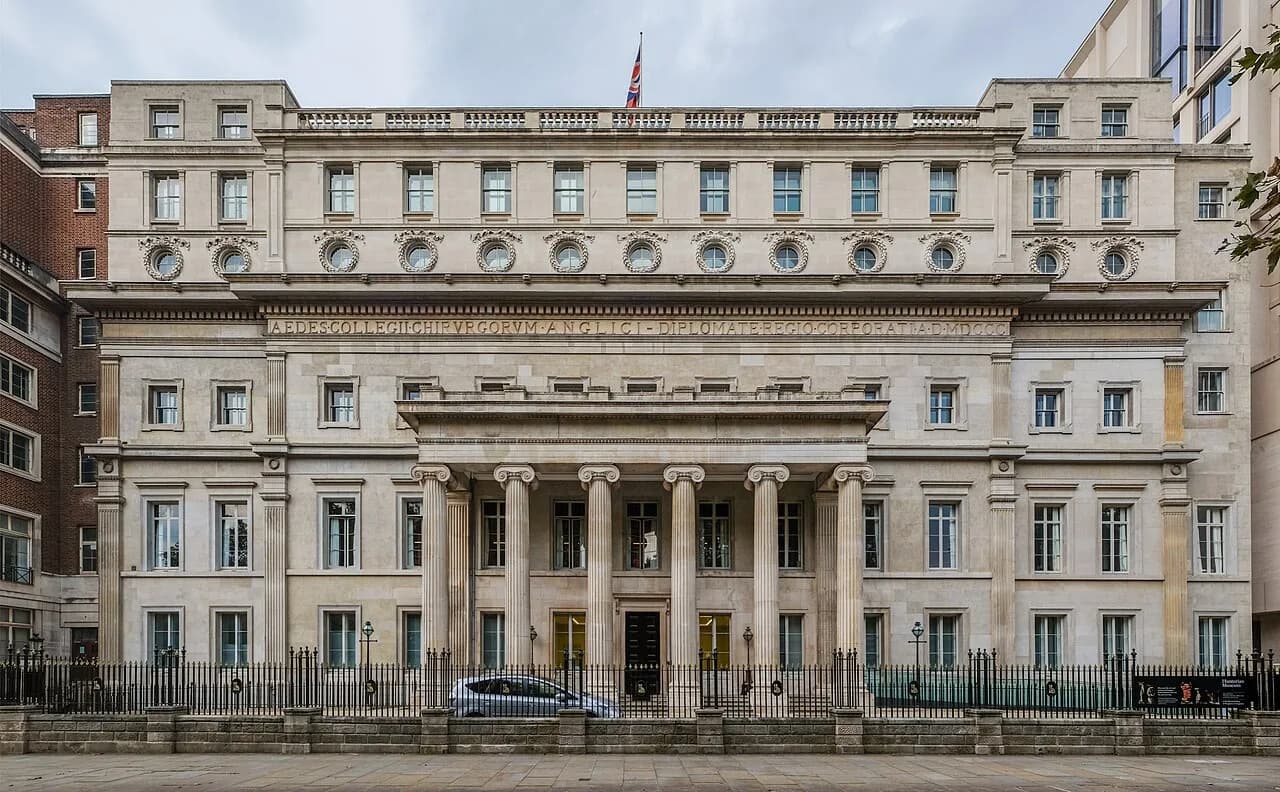
The surrounding streets are dense with things to do once the visit is over. A short walk brings you to Sir John Soane's Museum in Lincoln's Inn Fields, one of the capital's most atmospheric house-museums, and the recently reopened Hunterian Museum of surgical and anatomical history at the Royal College of Surgeons. Both pair naturally with the Postal Museum for a specialist-museum day.
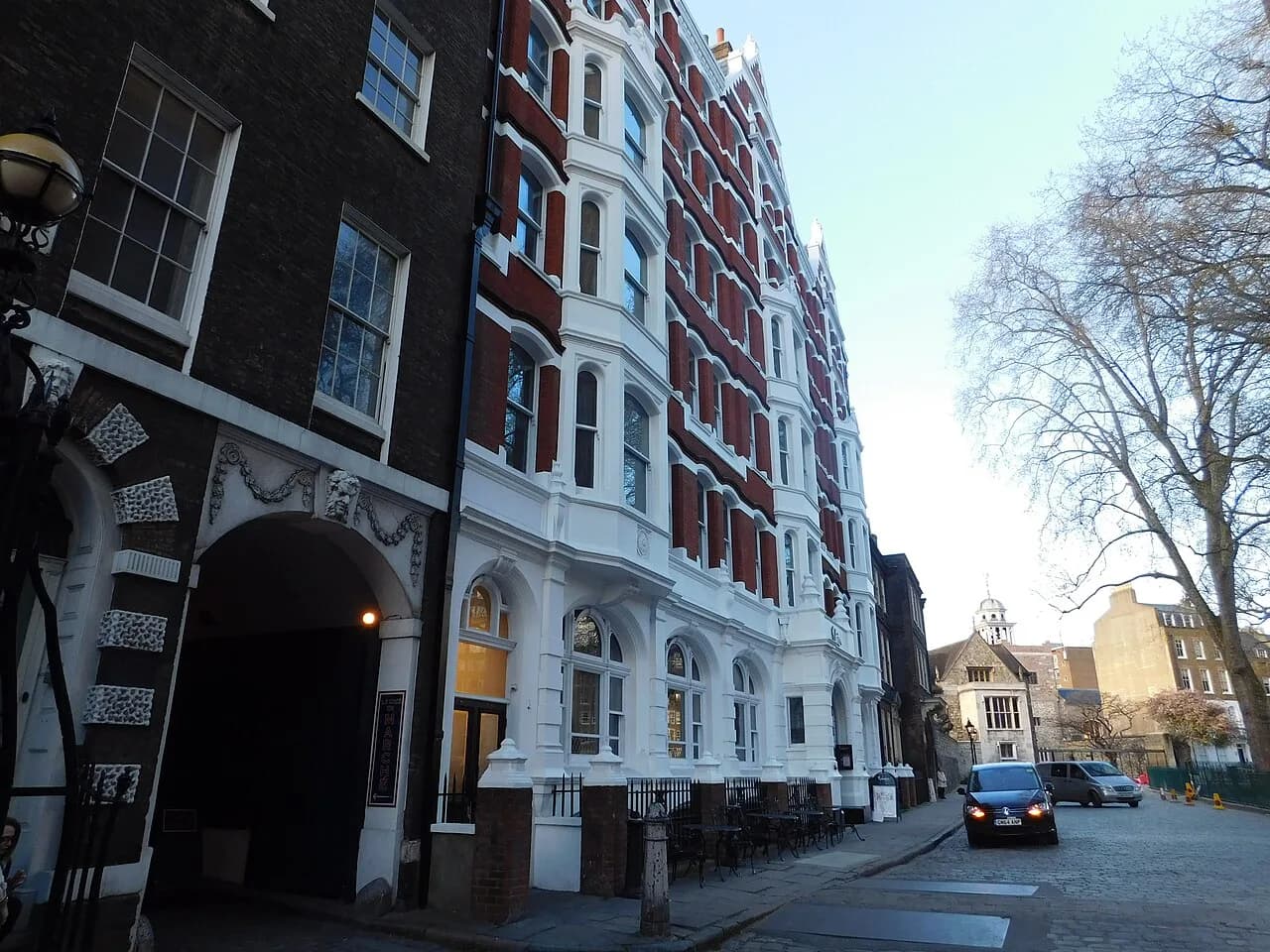
For a change of pace, The Charterhouse offers a peaceful glimpse of monastic and almshouse history a few minutes away in Smithfield. It is an easy addition to a Clerkenwell walking route and rounds out a morning at the Postal Museum with something quieter and greener.
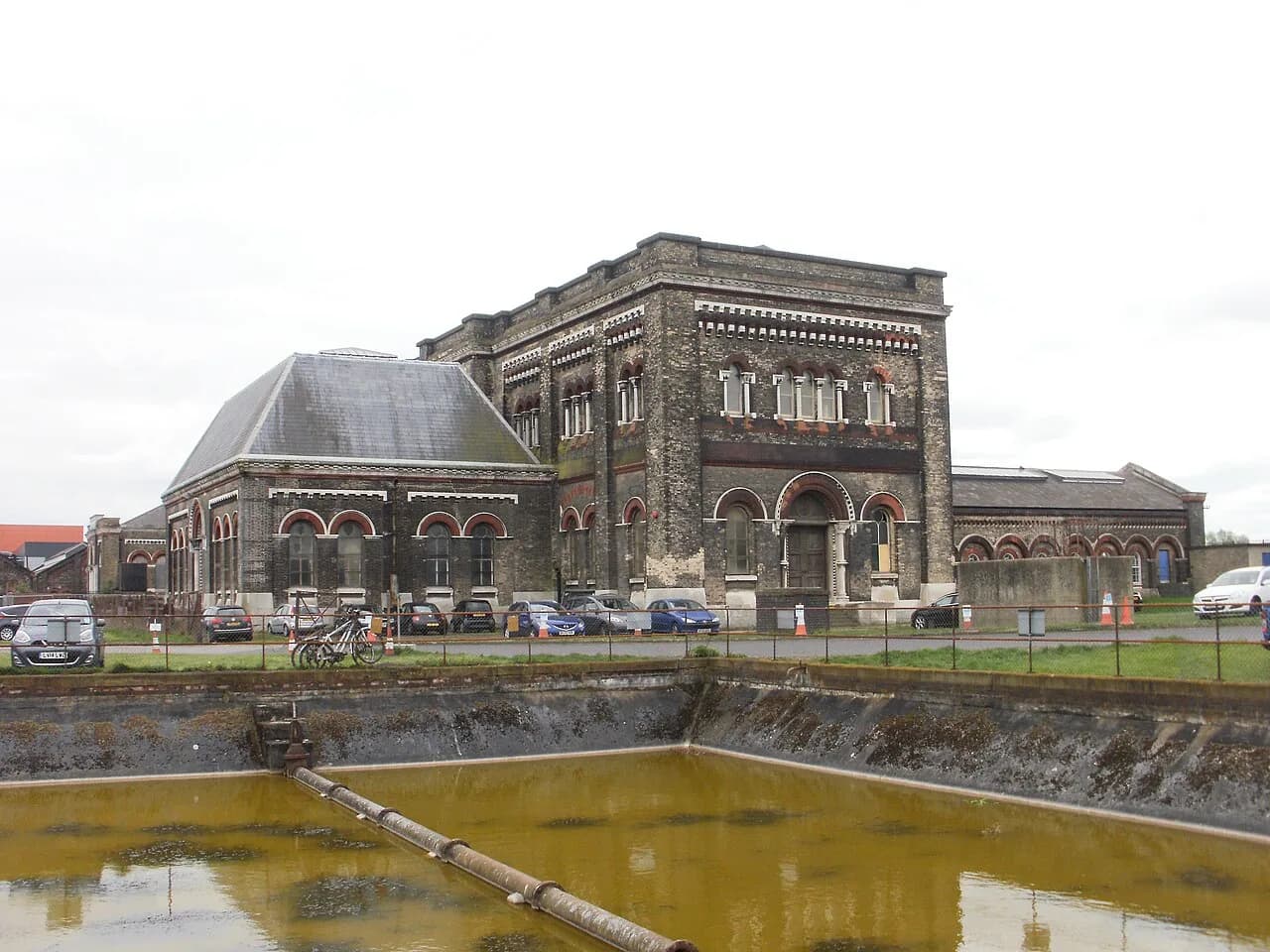
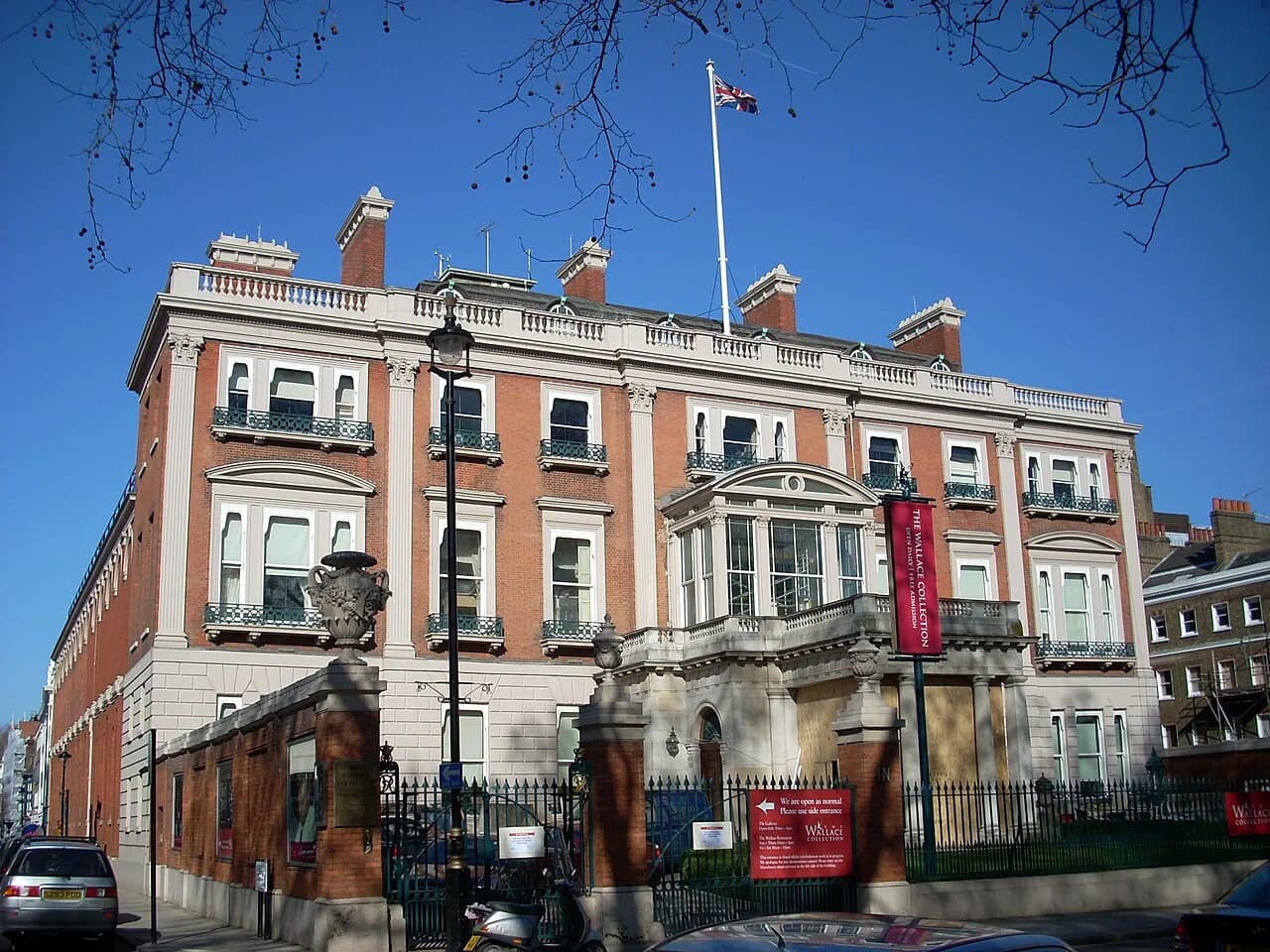
Further afield, the Wallace Collection in Marylebone and the engineering-focused Brunel Museum in Rotherhithe reward anyone who enjoys the quieter, more unusual side of the city. Together they make it easy to build a full itinerary of independent London museums around a single Mail Rail visit.
Frequently Asked Questions
How much are The Postal Museum tickets in 2026, and is it really an annual pass?
Advance online tickets are around £18.50 for adults, £12.50 for young people aged 16–24, and £11 for children aged 2–15, with under-2s free. Every standard ticket doubles as an annual pass: it includes one Mail Rail ride plus twelve months of free re-entry to the galleries from your first visit. Prices are slightly higher when bought on the day.
Is the Mail Rail ride included in the ticket?
Yes. One ride on Mail Rail is included with every standard admission ticket. The ride lasts about fifteen minutes through the original underground tunnels, 70 feet below the surface. Existing annual ticket-holders can add another Mail Rail ride for around £7.50.
What are The Postal Museum's opening hours?
The museum is open Wednesday to Sunday, from 10:00am to 5:00pm, and is closed on Monday and Tuesday. Mail Rail runs to timed slots throughout the day, so confirm the last ride time when you book.
Is The Postal Museum good for families and young children?
Yes. The Mail Rail ride, the interactive galleries, and a dedicated indoor play space make it one of central London's most family-friendly museums. Almost everything is under cover, so it works well as a rainy-day option. Allow two to three hours for a family visit.
How do I get to The Postal Museum?
The museum is at 15–20 Phoenix Place, Clerkenwell, WC1X 0DA. Farringdon (Elizabeth line, Thameslink, Underground) and Russell Square (Piccadilly line) are both about a ten-minute walk away, and several buses stop nearby on the Rosebery Avenue and Farringdon Road corridors.
Do I need to book Mail Rail in advance?
Booking a timed Mail Rail slot online in advance is strongly recommended. Each train has limited capacity and rides can sell out on weekends and during school holidays. Booking ahead also usually costs a little less than buying on the day.
Other Single-Subject Museums That Somehow Work
The Mail Rail ride under Mount Pleasant is the draw, but the argument is that a postal system is a complete social history if you look at it properly. Porto's Tram Museum makes the same case for urban transport from a working depot. Athens's Numismatic Museum proves it at the smallest possible scale, with six hundred thousand coins in Schliemann's house.
The Postal Museum is a compact but genuinely distinctive part of London's heritage, and the Mail Rail ride gives it an experience no other museum in the city can match. From the interactive galleries tracing five centuries of the post to a fifteen-minute journey through the original tunnels beneath Clerkenwell, the site rewards families, transport enthusiasts, and anyone who enjoys the quieter, more unusual attractions of the capital.
For the smoothest 2026 visit, book a Mail Rail slot online in advance, remember that your ticket doubles as an annual pass with twelve months of free gallery re-entry, and check the Wednesday-to-Sunday opening days before you travel. Pair it with Sir John Soane's Museum, the Hunterian, or The Charterhouse nearby and you have the makings of a full day of independent central-London museums.
Continue exploring
More guides you'll find useful