Venice Hidden Gems: 8 Crowd-Free Attractions (2026 Guide)
Venice hidden gems for 2026: 8 quieter attractions away from St Mark's and Rialto — palace museums, a Renaissance spiral staircase, a flooded bookshop and an island bell tower with the best uncrowded view. Verified prices, hours and routes.
On this page
Most "things to do in Venice" lists hand you the same five names — St Mark's Basilica, the Doge's Palace, the Rialto Bridge, the Campanile, a gondola — and the same shoulder-to-shoulder crowds that come with them. This guide deliberately does the opposite. We've left the headline sights off entirely and curated 8 of Venice's best hidden gems: the quieter, underrated attractions that locals and repeat visitors actually rate. Think grand palace museums stacked with Tintoretto and Tiepolo, a Renaissance spiral staircase tucked into a courtyard most tourists walk straight past, a flooded bookshop where the volumes are stored in a gondola, and an island bell tower that serves up arguably the finest panorama in the city — with a fraction of the queue at St Mark's.
Every sight here is genuinely worth a visit in 2026, and most sit just a few minutes' walk or one vaporetto stop from the busy core, so you can fold them around the big-ticket attractions or build a whole day that never feels crowded. Each card below links to a full visitor guide with verified opening hours, current ticket prices and the practical tips that don't make it into the official FAQ. Below the cards you'll find these eight sorted by neighbourhood and by type, a free-versus-paid breakdown with 2026 prices, two crowd-free routes, transport notes and the questions first-time visitors ask most. Bookmark this page as your starting point for a Venice trip that skips the headline scrum.
8 hidden-gem attractions in Venice
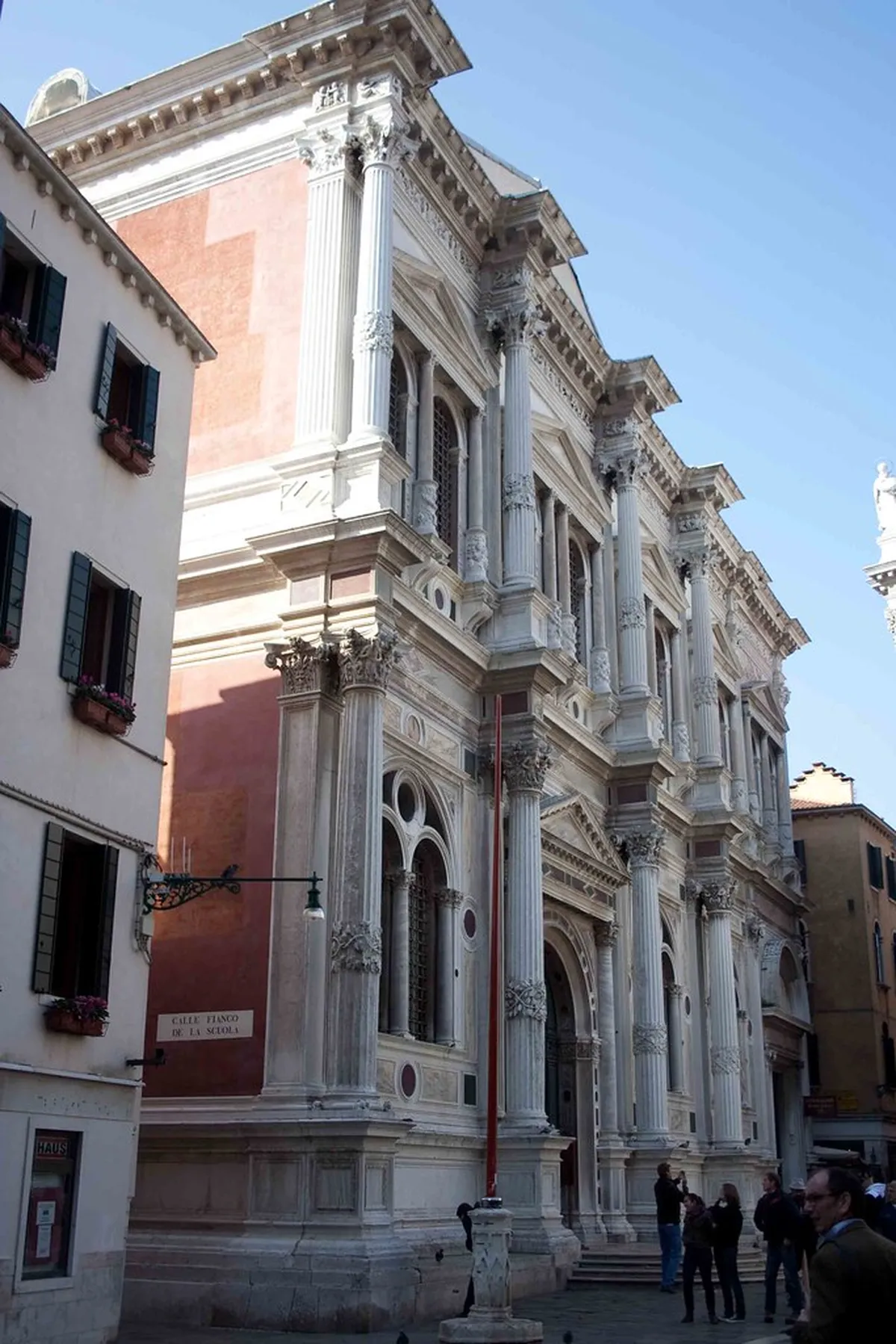
Scuola Grande di San Rocco
A Venetian hidden gem in San Polo housing the world's greatest cycle of Tintoretto paintings, with more than 60 canvases lining the ceilings and walls of its lavish 16th-century halls.
Visitor guide →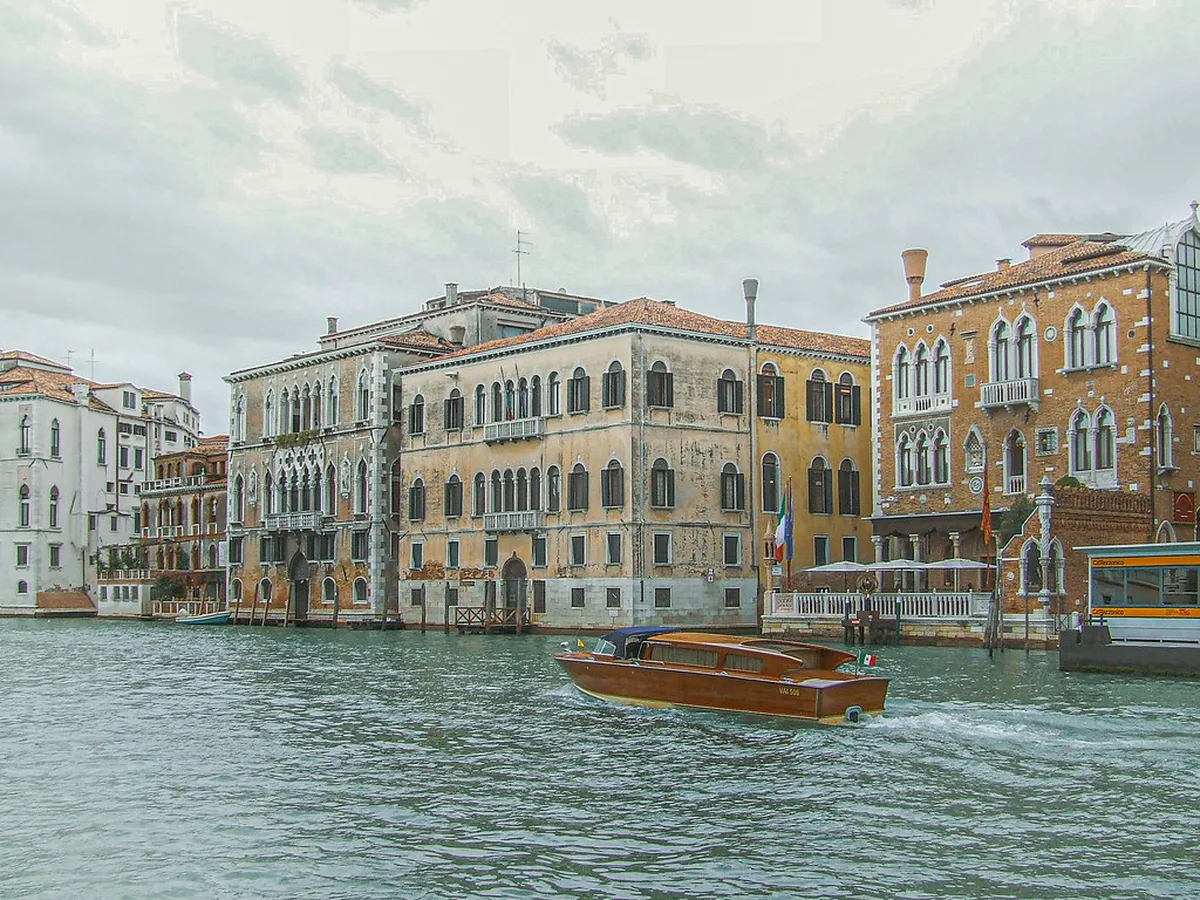
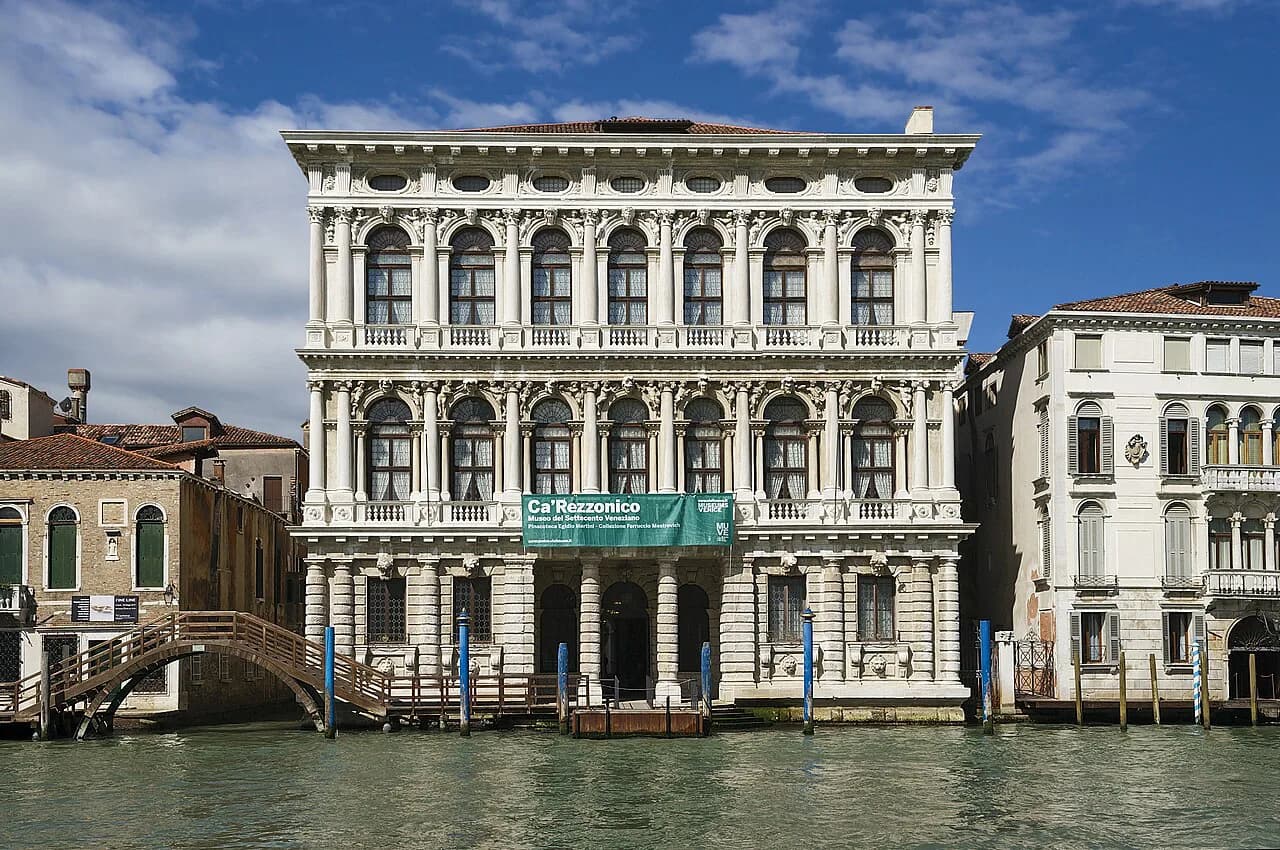
Ca' Rezzonico
Ca' Rezzonico is the Museum of 18th-Century Venice, set in a grand Baroque palazzo on the Grand Canal in the Dorsoduro district. It showcases Venetian rococo interiors and masterpieces by Tiepolo, Longhi, Guardi, and Canaletto.
Visitor guide →
Fondazione Querini Stampalia
Fondazione Querini Stampalia is a tranquil house-museum and historic library near Campo Santa Maria Formosa in Venice's Castello district, prized for its 18th-century picture gallery and family rooms. Its real draw is the modernist ground floor and courtyard garden redesigned by architect Carlo Scarpa, making it a hidden-gem stop for art and design lovers away from the crowds.
Visitor guide →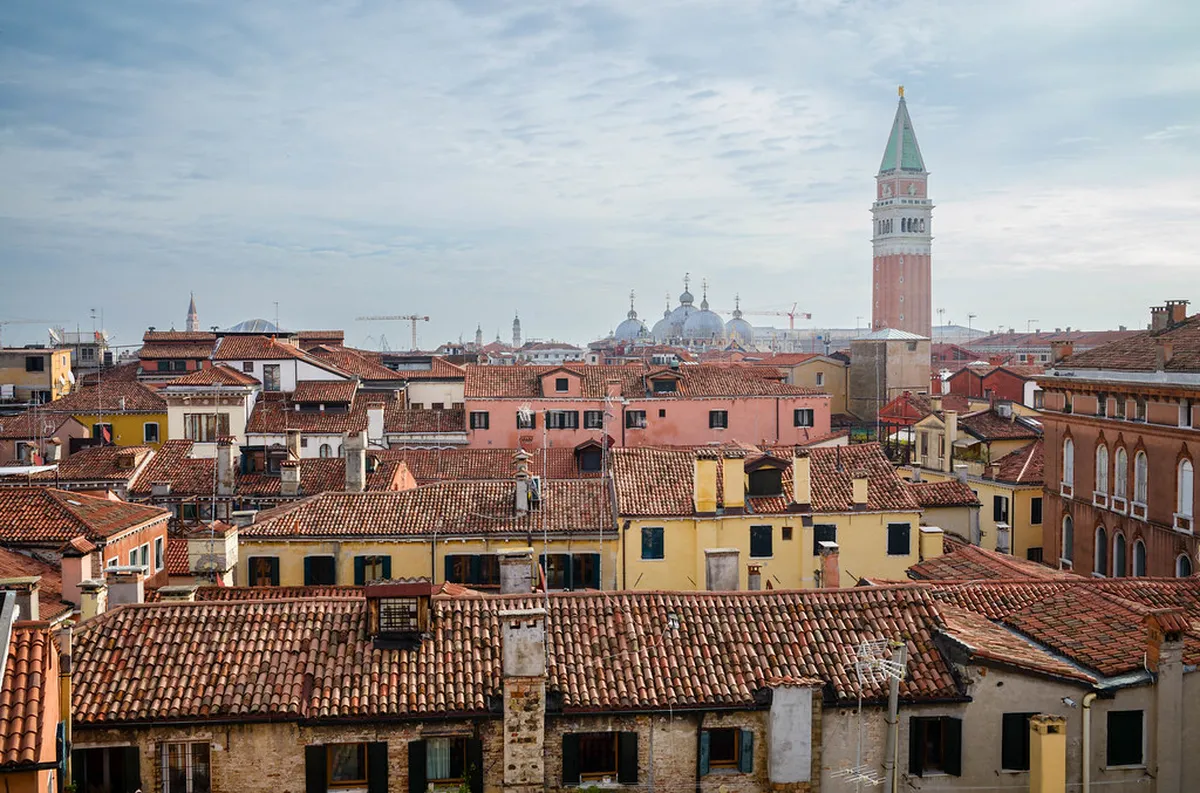
Scala Contarini del Bovolo
The Scala Contarini del Bovolo is a Renaissance external spiral staircase wrapping the outside of a small palazzo in a hidden courtyard just off Campo Manin - one of Venice's quietest hidden gems, climbing past tiers of arches to a rooftop loggia with panoramic city views.
Visitor guide →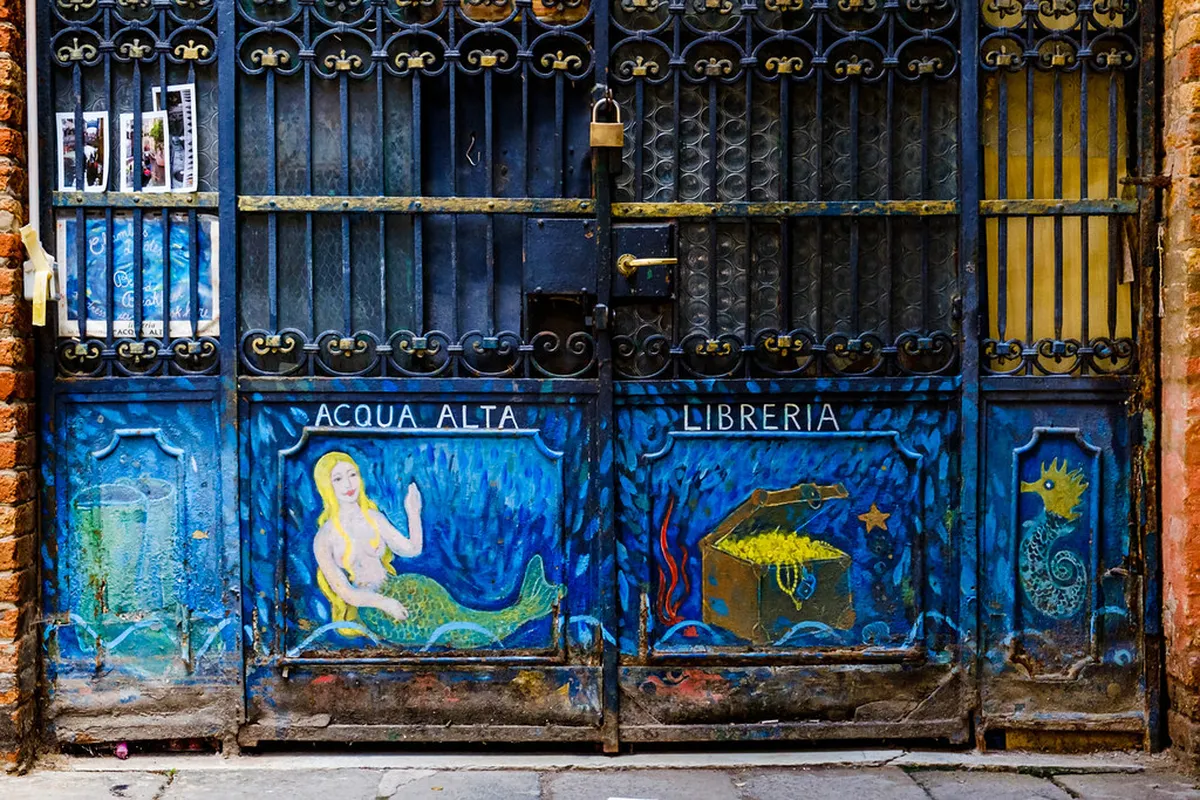
Libreria Acqua Alta
Libreria Acqua Alta is a quirky, free-to-enter Venice bookshop where books are stacked inside a real gondola and bathtubs to survive the city's floods, with an outdoor staircase built entirely from old encyclopedias.
Visitor guide →
Ca' Pesaro
Ca' Pesaro is a Baroque palazzo on Venice's Grand Canal housing the International Gallery of Modern Art and the Museum of Oriental Art, pairing 19th- and 20th-century masterworks like Klimt's Judith II with a large Edo-period Japanese collection.
Visitor guide →
Museo Fortuny
Museo Fortuny occupies Palazzo Pesaro degli Orfei, the Gothic Venetian palace that served as the home and studio of artist-designer Mariano Fortuny. The museum displays his pleated textiles, fabrics, lamps, paintings, and personal collections alongside rotating contemporary exhibitions.
Visitor guide →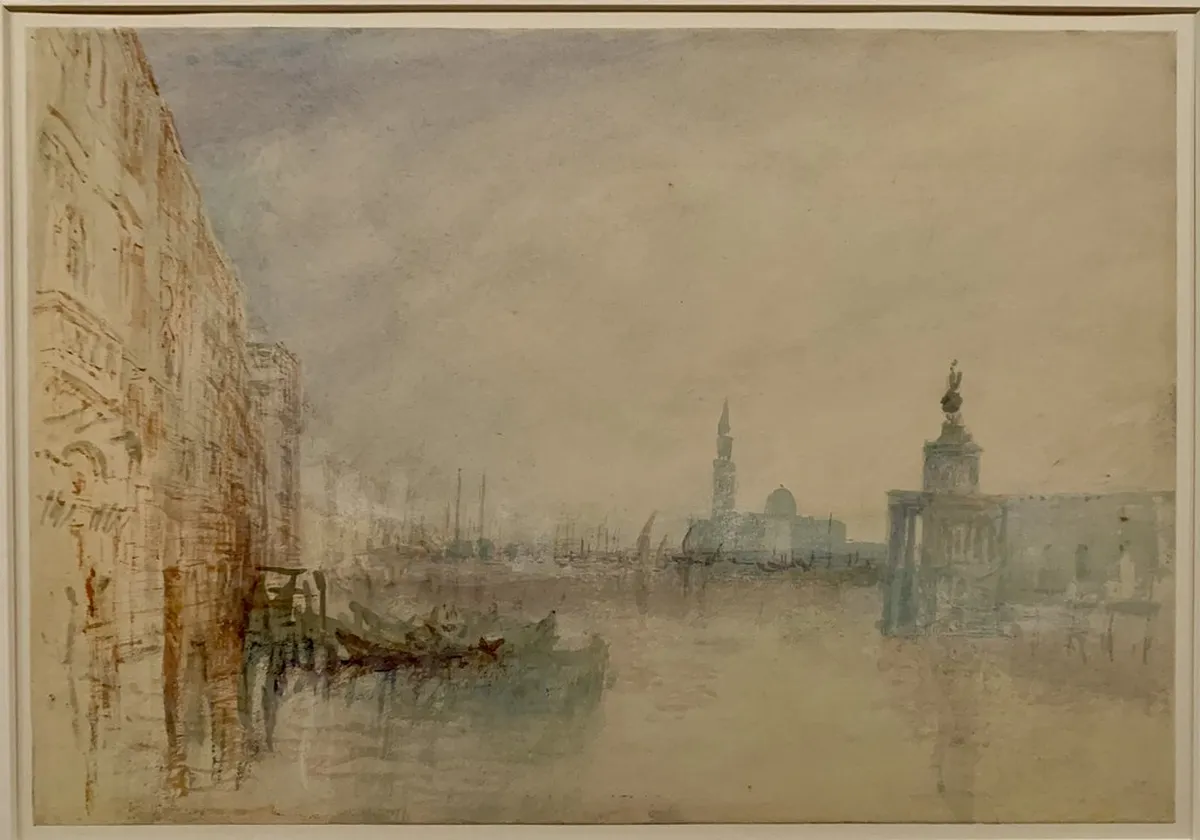
San Giorgio Maggiore Campanile
The bell tower of Palladio's island basilica of San Giorgio Maggiore, reached by elevator, delivers arguably the best uncrowded panorama of Venice - a full view back across the basin to St Mark's with a fraction of the queues at St Mark's Campanile.
Visitor guide →Venice hidden gems by sestiere (neighbourhood)
Venice is divided into six historic districts, or sestieri, and the city's hidden gems cluster within them rather than spreading evenly across the map. Grouping these eight attractions by neighbourhood is the fastest way to plan an efficient, crowd-free day — you can knock out two or three quieter sights in one district before the cruise-ship day-trippers reach it.
- San Marco — The tourist epicentre, yet it hides two of the city's best secrets. The Scala Contarini del Bovolo, a Renaissance external spiral staircase, sits in a tucked-away courtyard just off Campo Manin, barely 90 seconds from the crowds at St Mark's Square but a world away in atmosphere. A short walk north, Museo Fortuny occupies a Gothic palazzo near Campo San Beneto.
- Dorsoduro — Venice's arts district and its most walkable sestiere for museum-hopping. Ca' Rezzonico, the Museum of 18th-Century Venice, fronts the Grand Canal here with its own vaporetto stop, making it the natural anchor for a Dorsoduro afternoon.
- San Polo — Home to Scuola Grande di San Rocco, whose halls hold the world's greatest concentration of Tintoretto canvases. It pairs naturally with the neighbouring Frari church if you want a deeper San Polo art morning.
- Santa Croce — Quieter and more residential, anchored on the Grand Canal by Ca' Pesaro, the Baroque palazzo housing the International Gallery of Modern Art and the Museum of Oriental Art.
- Castello — Venice's largest and least touristy sestiere. Near Campo Santa Maria Formosa you'll find Fondazione Querini Stampalia, a serene house-museum with a Carlo Scarpa garden, while toward the Rialto end the Libreria Acqua Alta hides down a Castello side-canal.
- San Giorgio island — Technically its own islet across the basin from San Marco, reached in minutes by vaporetto. Palladio's basilica and the San Giorgio Maggiore Campanile reward the short hop with the city's best uncrowded view.
By type: palace museums, viewpoints & curiosities
If you'd rather plan by interest than by map, these eight sort cleanly into three groups — and knowing which is which helps you balance a day so you're not doing five picture galleries in a row.
Palace museums & art (five sights)
The heart of the collection. Ca' Rezzonico recreates the rococo splendour of 18th-century Venice with Tiepolo ceilings and works by Longhi, Guardi and Canaletto. Ca' Pesaro swings modern, pairing 19th- and 20th-century masters — including Klimt's Judith II — with a substantial Edo-period Japanese collection. Museo Fortuny preserves the home and studio of artist-designer Mariano Fortuny, full of his famous pleated textiles, lamps and rotating contemporary shows. Querini Stampalia blends an 18th-century picture gallery with a modernist Carlo Scarpa interior. And Scuola Grande di San Rocco is less a museum than a single overwhelming artwork — more than 60 Tintoretto canvases lining a 16th-century confraternity hall, often called Venice's Sistine Chapel.
Viewpoints (two sights)
The San Giorgio Maggiore Campanile is the headline panorama — a lift carries you up for a full sweep back across the basin to St Mark's, almost always without a queue. The Scala Contarini del Bovolo offers a lower but lovelier perspective: climb its open spiral arches to a rooftop loggia looking over a sea of Venetian rooftops and bell towers.
Free curiosities (one sight)
The Libreria Acqua Alta — the "bookshop of high water" — is pure quirk and costs nothing to enter. Books are stacked inside a full-size gondola and in bathtubs to survive acqua alta floods, and an outdoor staircase built from old encyclopedias leads to a canal-side photo spot.
Free vs paid: 2026 ticket prices
Only one of these eight attractions is free — but none are expensive by big-city-museum standards, and several can be bundled to cut the per-sight cost. Prices below are the standard adult rate for 2026; reductions usually apply for students, seniors, EU youth and children, and each linked guide carries the full fare table.
| Attraction | 2026 adult price | Type |
|---|---|---|
| Libreria Acqua Alta | Free | Bookshop / curiosity |
| San Giorgio Maggiore Campanile | ~€8 (lift) | Viewpoint |
| Scala Contarini del Bovolo | €9 | Viewpoint / staircase |
| Scuola Grande di San Rocco | €12 | Art hall |
| Ca' Rezzonico | €15 | Civic museum (MUVE) |
| Ca' Pesaro | €15 | Civic museum (MUVE) |
| Museo Fortuny | €15 | Civic museum (MUVE) |
| Querini Stampalia | €15 | House-museum (independent) |
The smart move for the museum-heavy days: three of these — Ca' Rezzonico, Ca' Pesaro and Museo Fortuny — are part of the city-run MUVE (Fondazione Musei Civici di Venezia) network, so a single MUVE Museum Pass covers all three plus the St Mark's Square museums (Doge's Palace, Museo Correr and more), the Glass Museum on Murano and the Lace Museum on Burano. If you plan to visit three or more civic museums it pays for itself, and once activated it stays valid for six months — so you don't have to cram everything into one frantic day. Scuola Grande di San Rocco and Querini Stampalia are run independently and are ticketed separately, and the San Giorgio campanile lift fee is collected at the church.
Suggested crowd-free routes
These eight gems lend themselves to two ready-made itineraries, both built to dodge the worst of the crowds. Visit interiors in the morning when galleries are quiet, and save viewpoints for the soft light of late afternoon.
Half-day route (3–4 sights, Dorsoduro & San Polo)
Start at Ca' Rezzonico (vaporetto stop Ca' Rezzonico, Line 1) when it opens, then walk 10–15 minutes across the Accademia and through Dorsoduro to Scuola Grande di San Rocco in San Polo for the Tintoretto cycle. From there it's a short stroll to the Libreria Acqua Alta for a free, photogenic break. If you still have energy, hop the vaporetto from San Tomà and finish with the Scala Contarini del Bovolo near Campo Manin in San Marco. That's a relaxed half-day of palace art, quirk and a rooftop view without ever joining a major queue.
Full-day route (all 8, anti-clockwise)
Begin across the water on San Giorgio island: take vaporetto Line 2 to San Giorgio first thing, climb the San Giorgio Maggiore Campanile while the basin is empty and the light is clean, then ride back to San Zaccaria. Walk into Castello for Querini Stampalia and the Libreria Acqua Alta. Cross toward San Marco for the Scala Contarini del Bovolo and Museo Fortuny. Break for lunch, then continue to Santa Croce for Ca' Pesaro, and finish in Dorsoduro/San Polo with Ca' Rezzonico and Scuola Grande di San Rocco. It's a full day, but each leg is one or two vaporetto stops apart and you'll spend almost none of it in a line.
Getting around Venice's hidden gems
Venice has no cars — you move by foot and by water. For these eight sights, the two skills that matter are reading the vaporetto map and knowing when to just walk.
- Vaporetto (water bus). The ACTV network is the city's public transport. Line 1 runs the full Grand Canal and stops at Ca' Rezzonico; Line 2 is the faster line and the key one for San Giorgio island (San Giorgio stop). San Zaccaria is the main hub for Castello and for boats back from San Giorgio.
- ACTV travel passes. Single tickets are pricey for what they are, so if you're doing the full-day route or staying more than a day, buy a time-based ACTV pass (commonly sold as 24-, 48- or 72-hour versions) for unlimited vaporetto travel — it quickly beats paying per ride, and the San Giorgio hop alone makes it worthwhile.
- Walking. Most of the San Marco, Castello, Dorsoduro and San Polo gems are 10–20 minutes apart on foot, and walking is often faster than waiting for a boat. Download an offline map — Venice's alleys defeat GPS, and half the fun is the wrong turn that lands you in an empty campo.
- Avoiding acqua alta. Autumn and winter bring occasional high-water (acqua alta) flooding, signalled by sirens and forecast online. It's rarely dangerous and usually recedes within hours; check the tide forecast, pack waterproof shoes in season, and use the raised passerelle walkways. The Libreria Acqua Alta, fittingly, is built to ride it out.
Autumn and winter bring occasional high-water flooding signalled by sirens and forecast online. Pack waterproof shoes in season and use the raised walkways — it's rarely dangerous and recedes within hours.
Best time to visit
The single biggest factor in enjoying these attractions is timing — both the season and the hour.
Best seasons. The shoulder months — roughly April to early June and late September to October — hit the sweet spot of mild weather and thinner crowds. Avoid the two peak crush windows if you can: Carnival (the ten days or so before Lent, usually February) and the height of summer (July–August), when day-trippers and cruise passengers pack the core and the heat is heavy. Winter (excluding Carnival and Christmas/New Year) is the quietest of all and atmospheric, with the trade-off of shorter museum hours and some acqua alta risk.
Best time of day. Even in peak season these hidden gems stay manageable if you go early. Visit the museums right at opening, when galleries are near-empty; the San Giorgio campanile is best in the first hour or two of the day for both crowds and light. Late afternoon is the second sweet spot, once the day-trip tide retreats toward the train station and the cruise terminal. Aim to be at the headline sights (St Mark's, Rialto) at dawn or dusk and spend the crowded midday hours inside one of these quieter palaces.
Visit museums at opening when galleries are near-empty, and visit San Giorgio campanile in the first hours of the day for best light and shortest queues.
Frequently asked questions about Venice's hidden gems
What are the best hidden gems in Venice?
The standout lesser-known attractions are the Scala Contarini del Bovolo (a Renaissance spiral staircase), the San Giorgio Maggiore Campanile (the best uncrowded viewpoint), the Libreria Acqua Alta bookshop, and four quieter palace museums — Ca' Rezzonico, Ca' Pesaro, Museo Fortuny and Querini Stampalia — plus Scuola Grande di San Rocco for its Tintoretto cycle. All eight sit close to the busy core but draw a fraction of the crowds at St Mark's and Rialto.
Is the view from San Giorgio Maggiore better than St Mark's Campanile?
Many visitors prefer it. The San Giorgio Maggiore bell tower looks back across the basin so St Mark's Square, the Doge's Palace and the Grand Canal all sit framed in front of you — a view St Mark's own campanile can't give you of itself. Crucially, you reach the top by lift and rarely have to queue, whereas the St Mark's Campanile can mean a long wait. For the classic Venice panorama with minimal crowds, San Giorgio is the better choice.
Are any Venice museums free?
Among these attractions only the Libreria Acqua Alta is free to enter. The civic museums (Ca' Rezzonico, Ca' Pesaro, Museo Fortuny) and the independent house-museums and art halls all charge admission, though most offer reduced rates for students, seniors, EU youth and children. Venice also runs occasional free-entry days at its civic museums, and many churches are free to enter.
Can you visit the Libreria Acqua Alta for free?
Yes. The Libreria Acqua Alta is a working bookshop, so browsing — including the famous gondola full of books and the outdoor staircase made of old encyclopedias — is completely free. You only pay if you choose to buy a book or print. It's one of the best no-cost things to do in Venice; just go early, as the small space gets busy with photo-takers by late morning.
Which Venice museum pass is worth it?
For these gems, the MUVE Museum Pass is the one to consider: it bundles Ca' Rezzonico, Ca' Pesaro and Museo Fortuny together with the St Mark's Square civic museums (including the Doge's Palace), the Murano Glass Museum and the Burano Lace Museum. If you'll visit three or more civic museums it pays for itself, and once activated it stays valid for six months. Scuola Grande di San Rocco and Querini Stampalia aren't part of MUVE and are ticketed separately.
How many days do you need to see Venice's hidden gems?
You can cover all eight of these attractions comfortably in two days, or fit the highlights into a single focused day using our full-day route. Most visitors give Venice two to three days total — enough to mix the headline sights with these quieter alternatives and still leave room to wander the back canals, which is where the city is at its best.
How do I get to San Giorgio Maggiore island?
Take vaporetto Line 2 to the San Giorgio stop — it's only a few minutes from San Zaccaria, near St Mark's Square. The basilica is free to enter and the campanile lift is a short walk inside, with a small fee paid at the church. Going first thing in the morning gives you the clearest light and the emptiest viewing platform.
What are the best non-touristy things to do in Venice?
Beyond these eight sights, the most rewarding crowd-free experiences are wandering the residential lanes of Castello and Cannaregio, riding a traghetto across the Grand Canal, and exploring the sestieri away from the San Marco–Rialto axis in the early morning or evening. Pairing a couple of these hidden-gem museums or viewpoints with an aimless walk is the local way to enjoy Venice.
Plan your Venice trip
Use this hub as your launchpad for a quieter Venice, then dig deeper with our companion guides. For more lesser-known sights and secret corners, read our full hidden gems in Venice guide and our roundup of non-touristy things to do in Venice. Travelling on a budget? Our list of free things to do in Venice shows how much of the city — including the Libreria Acqua Alta above — costs nothing at all.
Continue exploring
More guides you'll find useful