Scuola Grande di San Rocco Visitor Guide: History, Art & Practical Tips
Plan your visit to Venice's Scuola Grande di San Rocco with our comprehensive guide. Discover Tintoretto's masterpieces, history, tickets, hours, and local tips for an unforgettable experience.
On this page
Scuola Grande di San Rocco Visitor Guide: History, Art & Practical Tips
The Scuola Grande di San Rocco offers a captivating journey into Venetian art and history. This magnificent building houses an unparalleled collection of works by Jacopo Tintoretto. Visitors can explore grand halls adorned with his dramatic masterpieces. Planning your visit ensures you fully appreciate this artistic treasure.
This comprehensive scuola grande di san rocco visitor guide provides all the details you need. We cover its rich history, the incredible art, and essential practical information. You will also find local tips for an enriched experience. Prepare to be amazed by this unique Venetian gem.
Discovering the Scuola Grande di San Rocco: Venice's Artistic Gem
The Scuola Grande di San Rocco stands as a testament to Venice's rich cultural past. It is not merely a museum but a preserved confraternity house. This institution showcases the profound artistic patronage of the Venetian Republic. Its walls tell stories of faith, community, and artistic genius.
Visitors step into a world where art and devotion intertwine seamlessly. The Scuola Grande di San Rocco is dedicated largely to the works of one master, Tintoretto. His dramatic paintings cover almost every surface. This creates an immersive and powerful artistic experience.
Understanding the Scuola's context enhances your visit. It served as a charitable organization for centuries. Today, it remains a vibrant cultural site. The Scuola Grande di San Rocco is a must-see for art lovers visiting Venice. It offers a unique window into the city's Renaissance spirit.
A Brief History of the Scuola Grande di San Rocco
The Scuola Grande di San Rocco was founded in 1478 as a lay confraternity. Its members were devoted to Saint Roch, protector against the plague. They performed charitable works and provided aid to the sick. The confraternity quickly grew in wealth and influence.
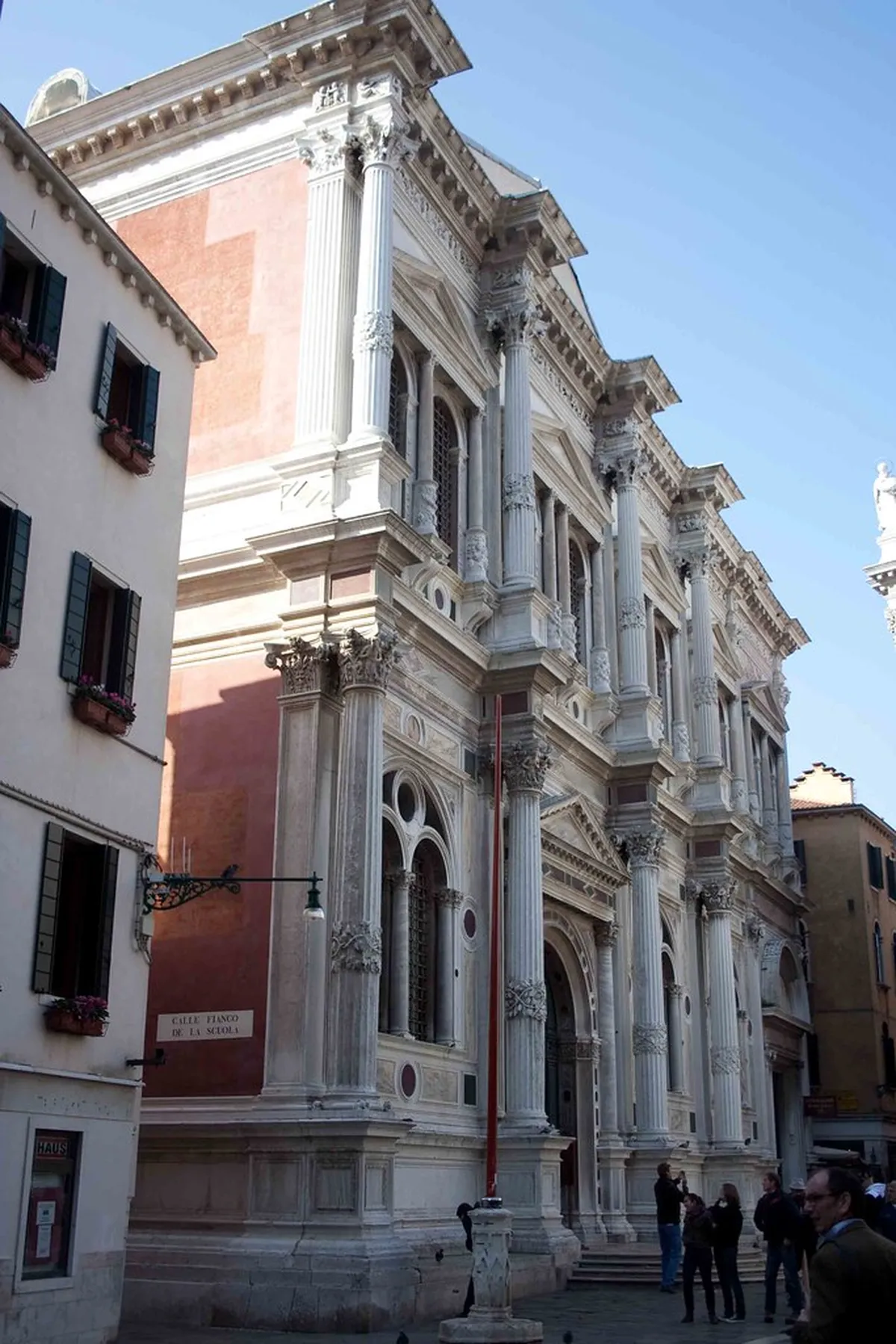
Construction of the impressive building began in 1517. It was designed to reflect the Scuola's prestige and importance. Over decades, various architects contributed to its grand design. The building itself is an architectural marvel of the Venetian Renaissance.
In the mid-16th century, the Scuola commissioned Jacopo Tintoretto to adorn its interiors. This ambitious project spanned over two decades, from 1564 to 1587. Tintoretto's intense dedication transformed the Scuola into a monumental cycle of his art. His work here is considered his greatest achievement.
Tintoretto's Masterpieces: A Journey Through Art
Tintoretto's work at the Scuola Grande di San Rocco represents his artistic peak. He created a cycle of over 60 paintings for the confraternity. These monumental canvases depict scenes from the Old and New Testaments. They fill the Scuola's halls with dramatic narratives and vibrant energy.
His distinctive style is evident throughout the building. Tintoretto used bold brushstrokes, dramatic lighting, and dynamic compositions. These elements create a powerful emotional impact. He captured human drama and spiritual intensity like no other artist of his time.
Visitors can trace a continuous narrative as they move through the different rooms. The scale and ambition of this project are truly breathtaking. It provides an immersive experience into the mind of a Renaissance master. The Scuola Grande di San Rocco is often called Tintoretto's Sistine Chapel.
Planning Your Visit: Tickets, Hours, and Location
Planning ahead ensures a smooth and enjoyable visit to the Scuola Grande di San Rocco. The Scuola is generally open daily from 9:30 AM to 5:30 PM. The last entry is typically at 5:00 PM, so arrive with ample time. Always check the Official Scuola Grande di San Rocco website for the most current information, especially for 2026.
Admission tickets cost around €10 for adults. Reduced tickets are available for €8 for certain groups, such as students. Children under 18 often enter for free. Purchasing tickets upon arrival is usually sufficient, but online booking may be an option for busy periods.
The Scuola Grande di San Rocco is located in the San Polo district of Venice. Its address is Campo San Rocco 3052, 30125 Venezia VE, Italy. It is easily accessible on foot from the Rialto Bridge area. Allow at least 90 minutes to fully explore the Scuola and its artworks.
For public transport, the most convenient vaporetto stop is San Tomà, followed by a short walk through San Polo. From Piazzale Roma or Santa Lucia station, walking is often just as practical if you are comfortable with bridges and narrow lanes. Visitors with mobility needs should contact the Scuola before arrival to confirm lift access, step-free routes, and any assistance required on the day.
The best time to visit is soon after opening or in the final admission window, when day-trip traffic is lighter and the halls feel calmer. A common mistake is arriving late and trying to rush the Upper Hall; save enough time for the ceiling paintings, the mirrors provided for viewing them, and a slower look at the Sala dell'Albergo.
Inside the Scuola: What to See in Each Hall
The Scuola Grande di San Rocco is divided into three main areas, each filled with Tintoretto's art. Begin your visit on the Ground Floor, or Sala Terrena. Here you will find large canvases depicting scenes from the Life of the Virgin and the Infancy of Christ. Look for the Annunciation and the Adoration of the Magi.
Next, ascend to the Sala dell'Albergo, a smaller but profoundly significant room. This chamber houses Tintoretto's powerful masterpiece, the Crucifixion. It is considered one of the greatest paintings of the Venetian Renaissance. Spend time appreciating its dramatic composition and emotional depth.
The Upper Hall, or Sala Superiore, is the largest and most impressive space. Its ceiling and walls are covered with Tintoretto's grand narratives. The ceiling features scenes from the Old Testament, while the walls depict episodes from the New Testament. These include the Flight into Egypt and the Massacre of the Innocents. Take advantage of the provided mirrors to view the ceiling paintings without strain.
Each hall offers a unique perspective on Tintoretto's artistic vision. The sheer volume of his work in one place is astounding. This allows for a deep immersion into his world. Consider revisiting favorite pieces after a full tour.
To follow the story rather than only the famous names, move from the lower rooms to the upper spaces with a slow clockwise rhythm. Notice how Tintoretto uses plunging diagonals, compressed figures, and theatrical light to make biblical scenes feel immediate. The Scuola rewards close viewing more than photography; pause at the edges of each canvas, where small gestures often explain the emotional center of the scene.
The Scuola provides mirrors on stands to help view the ceiling paintings comfortably. Utilize these to save your neck and gain a better perspective.
The Scuole Grandi of Venice: Unique Institutions Explained
The Scuole Grandi were powerful lay confraternities unique to Venice. These institutions combined religious devotion with extensive charitable activities. They served as mutual aid societies for their members. They also played a vital role in Venetian social and civic life.
Unlike guilds, which focused on trades, Scuole Grandi were open to all social classes. They provided support for the poor, sick, and orphaned. Their wealth allowed them to commission magnificent buildings and artworks. This patronage contributed significantly to Venice's artistic heritage.
The Scuole Grandi were civic institutions, not just religious ones. They hosted elaborate ceremonies and processions. They helped maintain social order and community cohesion. Their influence extended beyond charity, impacting the city's political and cultural landscape. The Ca' Rezzonico offers another glimpse into Venetian life.
These unique organizations represent a fascinating aspect of Venetian history. They highlight the city's distinct approach to social welfare and artistic development. Exploring the Scuola Grande di San Rocco offers insight into this rich tradition. It reveals how art served a profound communal purpose.
Scuola Grande vs. Scuola Piccoli: Understanding the Difference
Venice had two main types of confraternities: Scuole Grandi and Scuole Piccoli. The distinction primarily lay in their size, wealth, and social standing. Scuole Grandi were larger, wealthier, and more prestigious institutions. They had thousands of members and significant assets.
Scuole Piccoli were smaller, more numerous, and often tied to specific trades or ethnic groups. They served more localized community needs. While both types engaged in charity, the Scuole Grandi had greater resources. This allowed for grander buildings and artistic commissions.
The Scuola Grande di San Rocco exemplifies the grandeur of the Scuole Grandi. Its immense scale and artistic treasures reflect its elevated status. Scuole Piccoli, while important, typically had more modest headquarters. They rarely commissioned artists on the scale of Tintoretto. You can find other examples of Venetian art at the Ca' Pesaro.
Understanding this difference helps appreciate the Scuola Grande di San Rocco's unique position. It was among the most powerful and influential of these Venetian institutions. Its artistic legacy is a direct result of this prominence. The Scuole Grandi truly shaped the city's cultural identity.
Local Tips for an Enriched Experience
To fully appreciate Tintoretto's art, take your time in each hall. The Scuola provides mirrors on stands to help view the ceiling paintings comfortably. Utilize these to save your neck and gain a better perspective. Look for the dramatic use of light and shadow in his works.
Visit during the early morning or late afternoon for fewer crowds. This allows for a more contemplative experience with the art. The natural light can also enhance the viewing experience. Avoid midday if possible, especially during peak tourist season.
Visit during the early morning or late afternoon for fewer crowds. This allows for a more contemplative experience with the art.
Consider renting an audio guide or reading up on Tintoretto before your visit. Understanding the biblical narratives enriches the experience. Many online resources, like Khan Academy, offer excellent insights. This preparation helps you connect more deeply with the artworks.
Pay attention to the details in Tintoretto's paintings. He often included subtle symbols and powerful emotional expressions. His energetic brushwork is best appreciated up close. Look for the vibrant colors and dynamic figures that define his style.
- Bring a light layer in winter, as large historic interiors can feel cool during a slow visit.
- Use the mirrors before your neck gets tired; the ceiling program is central to the experience.
- Keep your route flexible if a tour group enters a room, and return after a few minutes for a quieter look.
- Check current photography rules at the entrance rather than assuming museum-wide permission.
Nearby Attractions to Complete Your Day
The Scuola Grande di San Rocco is situated in the charming San Polo district. This area offers many other attractions to explore after your visit. The magnificent Frari Church (Basilica di Santa Maria Gloriosa dei Frari) is just a short walk away. It houses masterpieces by Titian and Donatello.
Wander through the narrow calli and campi of San Polo. You will discover local artisan shops and authentic Venetian eateries. This neighborhood provides a less crowded, more local experience than San Marco. Enjoy a traditional Venetian lunch or aperitivo here.
For more art, consider visiting the Museo Fortuny, also in San Polo. This museum is housed in the former palace of artist Mariano Fortuny. It showcases his diverse works, from painting to photography and textiles. Another nearby gem is the Scala Contarini del Bovolo, known for its unique spiral staircase.
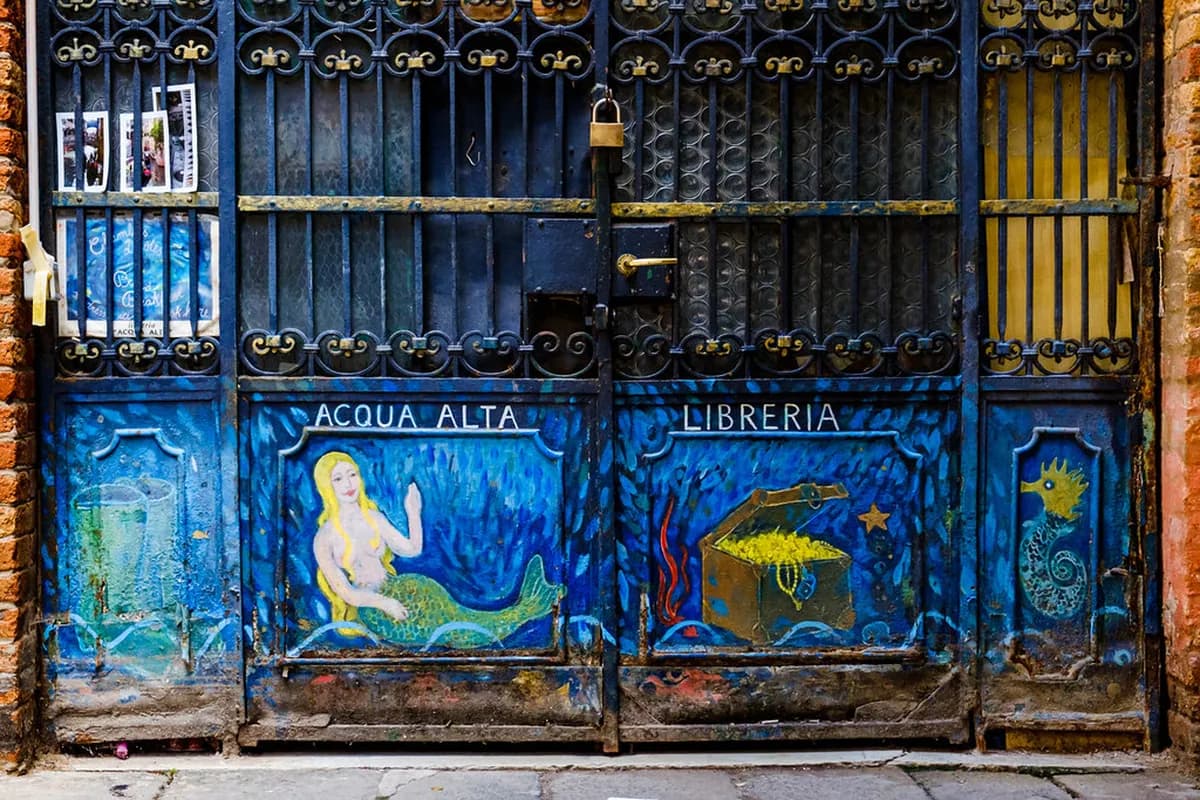
You can also combine your visit with a stroll to the Rialto Bridge and market. This iconic area is full of life and history. The Libreria Acqua Alta, a unique bookstore, is also within walking distance. These nearby wonders offer a full day of Venetian exploration.
A practical San Polo route is to start at the Frari, spend 60 to 90 minutes at the Scuola Grande di San Rocco, then continue toward Rialto for the market streets and Grand Canal views. If you want a quieter art-focused day, pair San Rocco with the Ca' Rezzonico or Ca' Pesaro instead of crossing into the busiest San Marco corridors.
Frequently Asked Questions
Is Scuola Grande di San Rocco worth visiting?
Yes, the Scuola Grande di San Rocco is absolutely worth visiting for its unparalleled collection of Tintoretto's masterpieces. It offers a unique opportunity to see over 60 of his works in their original setting. The immersive artistic experience is unlike any other in Venice.
How long should I spend at Scuola Grande di San Rocco?
You should set aside at least 90 minutes to fully appreciate the Scuola Grande di San Rocco. This allows enough time to explore all three halls and admire Tintoretto's extensive cycle of paintings. Art enthusiasts may wish to spend two hours or more.
Is Scuola Grande di San Rocco free?
No, the Scuola Grande di San Rocco is not free for general admission. Adult tickets cost approximately €10, with reduced rates available for certain visitors. Children under 18 often receive free entry. Always check the official website for current pricing and any special offers.
What makes the Scuola Grande di San Rocco special?
The Scuola Grande di San Rocco is special because it houses the most comprehensive collection of works by a single artist, Tintoretto, in their original context. The building itself is a beautiful example of Venetian Renaissance architecture. Its history as a charitable confraternity also adds to its unique charm.
Who painted the Scuola Grande di San Rocco?
Jacopo Tintoretto painted almost all the artworks within the Scuola Grande di San Rocco. He worked on this monumental project for over 20 years. His extensive cycle of paintings is considered his greatest achievement. The Scuola is often referred to as 'Tintoretto's Sistine Chapel'.
Other Charitable Institutions With a Great Picture Cycle
Tintoretto spent more than two decades filling this confraternity hall, and the result only makes sense in the room it was painted for. Seville's Hospital de la Caridad works identically: Murillo and Valdés Leal painted a complete moral programme for a working charity hospital that still operates. In Naples, Pio Monte della Misericordia commissioned Caravaggio's Seven Works of Mercy for its own altar, where it remains.
The Scuola Grande di San Rocco offers an unforgettable cultural experience in Venice. It stands as a profound testament to Tintoretto's genius and Venetian patronage. This guide helps you navigate its history, art, and practicalities. You can now plan a truly enriching visit.
Immerse yourself in the dramatic beauty of Tintoretto's masterpieces. Explore the unique history of the Scuole Grandi. Your journey through this artistic gem will undoubtedly be a highlight of your time in Venice. Do not miss this extraordinary site.
For the latest official information, see the Scuola Grande di San Rocco on Wikipedia.
For more ideas around the city, see our guides to hidden gems in Venice, non-touristy things to do in Venice, and hidden churches in Venice.
Continue exploring
More guides you'll find useful