Fondazione Querini Stampalia Visitor Guide: History, Art & Practical Tips
Plan your visit to Fondazione Querini Stampalia with our comprehensive guide. Discover its history, art collections, Carlo Scarpa's architecture, and essential visitor information.
On this page
Fondazione Querini Stampalia Visitor Guide: History, Art & Practical Tips
Discover the Fondazione Querini Stampalia, a true Venetian treasure blending history and contemporary vision. This unique institution offers a fascinating journey through art, architecture, and knowledge. It stands as a testament to Venice's enduring cultural legacy. Our comprehensive guide helps you plan your perfect visit.
The Fondazione is more than just a museum; it is a vibrant cultural hub in the heart of the city. You will explore a meticulously preserved palazzo, a public library, rotating exhibitions, and Carlo Scarpa's celebrated modern intervention in the ground floor and garden. It is especially worth visiting if you want a quieter alternative to Venice's headline museums without sacrificing depth.
This guide covers everything from its rich history to practical visiting tips for 2026. Learn about its significant art collections and the renowned architectural interventions. We also include advice for integrating your visit into a broader Venice itinerary. Make your Fondazione Querini Stampalia visit unforgettable.
Welcome to Fondazione Querini Stampalia: A Venetian Gem
The Fondazione Querini Stampalia represents a captivating blend of Venetian history and modern cultural dynamism. This institution, established in 1869, preserves the legacy of an ancient Venetian family. It serves as a public foundation dedicated to art, history, and contemporary culture. Visitors find a unique cross-section of Venetian life.
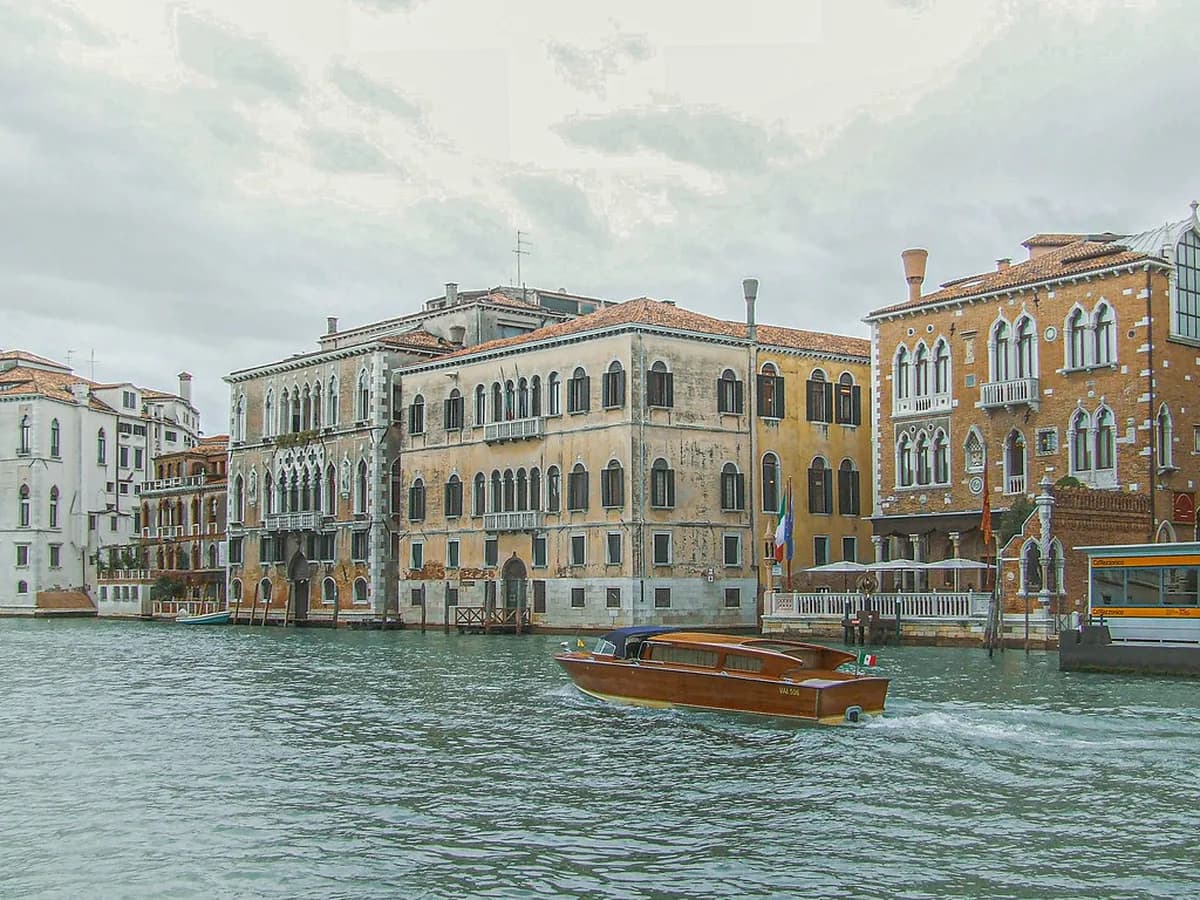
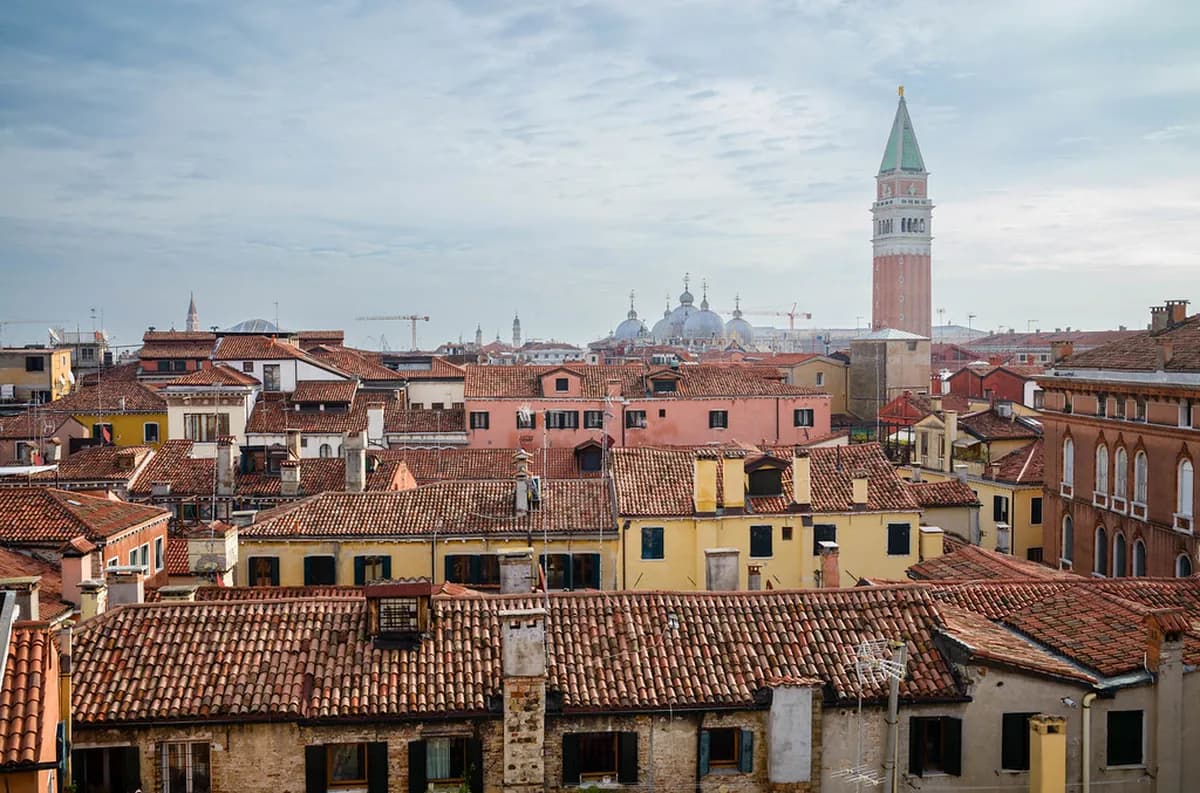
Located in the Castello district, the Fondazione offers a peaceful escape from bustling St. Mark's Square. Its diverse offerings include a house museum, a historic library, and spaces for contemporary exhibitions. The interplay of old and new makes it a truly distinctive destination. You will appreciate its serene atmosphere.
Count Giovanni Querini Stampalia bequeathed his entire patrimony to the city of Venice. He envisioned a foundation accessible to all, especially scholars and artists. This generous act ensured the preservation of his family's artistic and intellectual heritage. His legacy continues to enrich Venetian culture today.
The Rich History of Fondazione Querini Stampalia
The story of Fondazione Querini Stampalia begins with the noble Querini Stampalia family, one of Venice's most prominent lineages. Their palazzo, dating back to the 16th century, was home to generations of art collectors and scholars. This rich family history forms the bedrock of the institution. Many artifacts reflect their sophisticated tastes.
Count Giovanni Querini Stampalia, the last direct male heir, made the pivotal decision to create the foundation. He stipulated that the library and museum should remain open to the public. This vision ensured that his family's treasures would continue to inspire future generations. His foresight created a lasting cultural resource.
The foundation's establishment in the late 19th century marked a new chapter for the palazzo. It transitioned from a private residence to a public institution. This transformation allowed wider access to its significant collections and historical spaces. The Fondazione continues to honor its founder's wishes. You can trace this history through its rooms.
Exploring the House Museum and Art Collections
Step into the House Museum and journey back to 18th-century Venice. The rooms are preserved with original furnishings, paintings, and decorative arts. You will see how a noble Venetian family lived centuries ago. Each space tells a story of elegance and tradition.
The art collection boasts works by Venetian masters from the 14th to the 20th centuries. Artists like Giovanni Bellini, Pietro Longhi, and Giambattista Tiepolo are prominently featured. These paintings offer a comprehensive overview of Venetian artistic movements. You can admire their intricate details up close.
A significant highlight is the Intesa Sanpaolo Collection, showcasing 20th-century Italian art. This collection adds a modern dimension to the traditional museum experience. It features works by artists like Arturo Martini and Felice Casorati. This blend creates a compelling dialogue between past and present. Explore these diverse artistic expressions.
Carlo Scarpa's Architectural Masterpiece: The Renovation
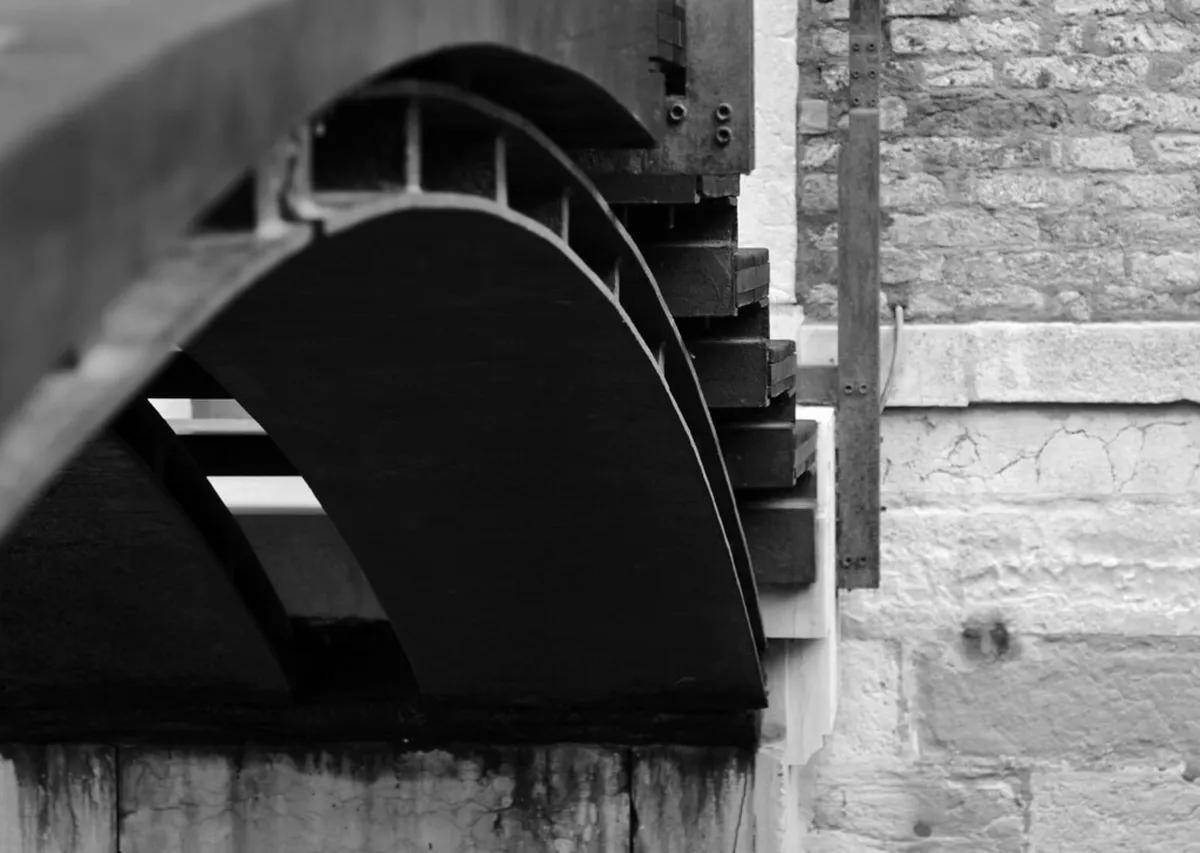
The Fondazione Querini Stampalia is famed for its architectural renovation by Carlo Scarpa, a renowned Venetian architect. His work, completed between 1961 and 1963, harmoniously integrates modern design with historical structures. Scarpa's intervention on the ground floor, garden, and bridge is particularly noteworthy. This project exemplifies his genius.
Scarpa’s design addresses Venice's unique relationship with water. He created innovative solutions for water management, allowing canal water to flow into internal spaces. This feature is visible in the ground floor's entrance and garden. His use of materials like concrete, Istrian stone, and glass is masterful. The design creates a captivating sensory experience.
Visitors can observe Scarpa's meticulous attention to detail in every element. From the brass door handles to the precise joinery, his craftsmanship is evident. The garden, a serene oasis, reflects his modernist aesthetic. This architectural gem offers a striking contrast to the historical palazzo. Learn more about Carlo Scarpa's career.
For enthusiasts of Scarpa's work, consider a 'Scarpa trail' through Venice. His other notable projects include the Negozio Olivetti near Piazza San Marco. You can also visit the Brion Cemetery outside Venice. These sites offer further insight into his distinctive architectural language. Each location showcases his unique approach.
The Querini Stampalia Library: A Hub of Knowledge
The Querini Stampalia Library stands as a testament to the family's intellectual pursuits and commitment to learning. It houses an impressive collection of books, manuscripts, and incunabula. This historical library is a treasure trove for researchers and bibliophiles alike. Its serene atmosphere invites deep study.
True to Count Giovanni's wishes, the library remains a public resource. It serves as a modern cultural center, offering access to contemporary publications and digital resources. Students and scholars frequently utilize its extensive archives. The library provides a quiet space for reflection in Venice.
Visitors can see the library as part of the wider foundation experience, while readers and researchers should treat it as a working institution with its own rules, desks, and longer opening schedule. If the library is a priority for you, check the service notices before arriving; study access, reading-room procedures, or temporary closures can differ from the museum route.
Beyond its historical significance, the library hosts various cultural events and educational programs. These activities promote literacy and intellectual engagement within the community. It bridges the gap between traditional scholarship and modern learning needs. You can check their schedule for special offerings. The library is a vibrant place for discovery.
Contemporary Art and Exhibitions
The Fondazione Querini Stampalia actively promotes contemporary art through rotating exhibitions and installations. These temporary shows often feature emerging and established artists. They provide a fresh perspective within the historical setting. Check the Fondazione Querini Stampalia Official Website for current listings.
These exhibitions explore diverse themes and artistic mediums, from photography and design to site-specific installations. They offer visitors a chance to engage with current artistic dialogues while moving through rooms shaped by centuries of collecting. The blend of historical architecture and modern art creates a unique viewing experience.
Special events, workshops, and artist talks often accompany the exhibitions. These programs enrich the visitor experience and foster a deeper understanding of contemporary practices. Planning your visit around these events can enhance your cultural immersion, but event setup can also affect the route through the palazzo. Check the news or events page before buying timed plans around your visit.
Special events, workshops, and artist talks often accompany the exhibitions. Booking your visit around these programs can enrich your cultural immersion.
Planning Your Visit: Tickets, Opening Hours & Practical Tips
Ensure a smooth visit to Fondazione Querini Stampalia by checking essential details before you go. Adult tickets cost €15,00, with reduced rates at €12,00. You can purchase your tickets online to save time. Visit the Fondazione Querini Stampalia Tickets page for current pricing and booking.
The Collections and Exhibitions are open Tuesday to Sunday, from 10 a.m. to 6 p.m. The ticket office closes at 5:30 p.m. The Fondazione is closed on Mondays. Always confirm these hours on the official website before your visit. Schedules can sometimes change for holidays.
The Library and Periodicals Room has different hours. It is open Tuesday to Friday from 10 a.m. to 8 p.m. On Saturday, Sunday, and public holidays, it opens from 10 a.m. to 7 p.m. The library is closed on Mondays, December 25, January 1, and January 6. Special hours apply on December 24 and 31 (10 a.m. to 4 p.m.) and December 26 (10 a.m. to 7 p.m.).
A visit typically lasts 1 to 2 hours, allowing ample time to explore the museum and Scarpa's architecture. Wear comfortable shoes, as you will be doing a fair amount of walking. The Fondazione is situated in the Castello district, easily accessible from major Venice attractions. Vaporetto stops like San Marco, San Zaccaria, and Rialto are nearby.
For the simplest arrival, walk from Piazza San Marco through Campo Santa Maria Formosa, or come from Rialto if you are already exploring the central market area. San Zaccaria is useful when arriving by boat from other parts of the lagoon, while San Marco works well for a classic first-time route. Leave extra time for bridge crossings, because short map distances in Venice can still mean steps, narrow lanes, and slower foot traffic.
The best time to visit is usually late morning after the opening rush or mid-afternoon before the final ticket-office window. Rainy days can make Scarpa's water-aware design especially atmospheric, but they also make Venice's walking routes slower. Avoid saving the visit for Monday, arriving close to 5:30 p.m., or assuming the library and museum always follow the same access pattern.
Accessibility deserves advance planning because this is a historic Venetian palazzo with modern adaptations inside. Visitors with mobility needs should check the official accessibility information or contact the Fondazione before arrival, especially if the Scarpa area, garden, or library services are central to the visit. Staff can clarify entrances, lifts, and any temporary route changes.
Guided Tours and Audio Guides
Enhance your understanding of Fondazione Querini Stampalia with guided tours or audio guides. Guided tours are available in Italian, English, French, and German for a fee of €80. These tours provide in-depth insights into the collections and architecture. Booking in advance is highly recommended for guided experiences.
If you prefer to explore at your own pace, audio guides are a great option. They are available in Italian, English, and French. An audio guide costs €2 for one person and €3 for two. These guides offer detailed commentary on key artworks and architectural features. They provide flexibility during your visit.
Consider which option best suits your travel style and budget. A guided tour offers personalized interaction and expert knowledge. Audio guides allow for independent exploration and repeated listening. Both options significantly enrich the visitor experience. Make your choice based on your preferences.
Audio guides are available in Italian, English, and French for just €2 per person or €3 for two, offering detailed commentary on key artworks and architectural features at your own pace.
Beyond the Fondazione: Nearby Attractions and Venetian Connections
After visiting Fondazione Querini Stampalia, explore other cultural gems nearby. The Libreria Acqua Alta, a unique bookstore, is just a short walk away. You can also visit the impressive Ca' Rezzonico, a museum dedicated to 18th-century Venice. These sites offer diverse cultural experiences.
For those interested in Carlo Scarpa's broader impact on Venice, consider visiting Negozio Olivetti. This small, elegant showroom near Piazza San Marco also features his distinctive design. It provides another example of his modernist interventions within a historical context. This connection deepens your appreciation for his work.
Venice offers many other historic palazzi and museums. The Museo Fortuny, housed in a Gothic palazzo, showcases the work of Mariano Fortuny. It focuses on textiles, photography, and stage design. This museum provides a different artistic perspective compared to the Fondazione. You can compare and contrast their offerings.
Modern architectural enthusiasts might also appreciate mentions of other contemporary interventions. David Chipperfield designed the San Michele Cemetery Extension, completed in phases between 1998 and 2007. While less central, it shows Venice's ongoing engagement with contemporary design. These sites highlight the city's evolving architectural landscape.
Making Your Venice Journey Smoother: Insider Advice
Navigating Venice can be challenging, but a few insider tips can make your journey smoother. Utilize the vaporetto system effectively for longer distances. Walking is often the best way to explore smaller calli and bridges. Plan your routes in advance to minimize getting lost.
Consider purchasing a Venezia Unica City Pass if you plan to visit multiple attractions and use public transport. This pass can offer savings and convenience. Check the Venice Tourism Board for details. It simplifies your travel logistics.
When visiting the Fondazione, remember basic museum etiquette. Photography is generally allowed without flash in the museum areas. However, always respect any specific signage or staff instructions. Large bags might need to be checked at the entrance. Be mindful of other visitors.
Common mistakes are easy to avoid: do not treat the Fondazione as a quick photo stop, do not skip the ground-floor Scarpa details on the way to the picture gallery, and do not assume every temporary exhibition is included in the same route without checking current notices. If you are comparing palazzo museums, choose this stop for art, architecture, and library culture rather than for a grand-crowd spectacle.
To truly maximize your experience, allow yourself time to simply wander through the Fondazione's unique spaces. Take a moment to appreciate Scarpa's garden or linger near the library areas where visitor access allows. This unhurried approach often reveals hidden details and fosters deeper appreciation. Enjoy the tranquility it offers.
Frequently Asked Questions
What is Fondazione Querini Stampalia?
Fondazione Querini Stampalia is a public cultural institution in Venice, Italy. It houses a historic house museum, an extensive library, and spaces for contemporary art exhibitions. The foundation preserves the legacy of the noble Querini Stampalia family. It also features significant architectural interventions by Carlo Scarpa.
How much does it cost to visit Fondazione Querini Stampalia?
Adult tickets to Fondazione Querini Stampalia cost €15,00. Reduced tickets are available for €12,00. Prices are subject to change, so always check the official website for the most current information. Purchasing tickets online can save time upon arrival.
What are the opening hours for Fondazione Querini Stampalia?
The Collections and Exhibitions are open Tuesday to Sunday, from 10 a.m. to 6 p.m., with the ticket office closing at 5:30 p.m. They are closed on Mondays. The Library has different hours, generally longer. Always verify current operating hours on the Fondazione's official website before planning your visit.
Who was Carlo Scarpa and what did he do at Fondazione Querini Stampalia?
Carlo Scarpa was a renowned Italian architect known for his innovative modernist designs. At Fondazione Querini Stampalia, he undertook a significant renovation between 1961 and 1963. His work transformed the ground floor, garden, and bridge, integrating water elements and precise material choices. His design is a highlight for architectural enthusiasts.
How long should I plan for a visit to Fondazione Querini Stampalia?
A typical visit to Fondazione Querini Stampalia usually lasts between 1 to 2 hours. This allows enough time to explore the house museum, art collections, and Carlo Scarpa's architectural areas. You may spend longer if attending a special exhibition or using the library's resources.
Other House Museums With a Great Modern Intervention
What makes the Querini Stampalia is Carlo Scarpa's ground floor and garden, a modern insertion that lets the lagoon water in rather than fighting it. Milan's Villa Necchi Campiglio is the other great Italian example of a house designed as a complete argument about modern living. In Lisbon, the Casa-Museu Medeiros e Almeida keeps a collector's rooms intact behind an unremarkable Avenida façade.
The Fondazione Querini Stampalia offers a truly unique and enriching experience for any visitor to Venice. It masterfully intertwines centuries of history with striking contemporary design and art. You will find a peaceful refuge from the city's crowds here. This destination provides deep cultural insights.
From its preserved house museum to Carlo Scarpa's architectural genius, every corner tells a compelling story. The dynamic exhibition spaces and invaluable library further enhance its appeal. This guide helps you navigate its offerings. Plan your visit to this extraordinary Venetian gem.
Make sure to integrate this cultural highlight into your Venice travel plans. The Fondazione is a testament to the city's enduring commitment to culture and knowledge. You will leave with a deeper appreciation for Venetian heritage. Enjoy every moment of your exploration.
Fold this into a wider itinerary with our guides to hidden gems in Venice, off-the-beaten-path Venice locals' guide, and non-touristy things to do in Venice.
Continue exploring
More guides you'll find useful