Florence Attractions Beyond the Big Three: 8 Quieter Sights (2026)
Florence attractions beyond the crowds: 8 quieter things to do across the Oltrarno and centro, with verified 2026 prices, opening hours, itineraries and money-saving tips.
On this page
Almost every first-time visitor spends their Florence trip in the same three buildings — the Uffizi, the Accademia (for Michelangelo's David), and the Duomo. They are extraordinary, and they are also where the queues, the crowds and the timed-entry stress all concentrate. This page is for your second day: a curated set of eight quieter Florence attractions that reward the time and ticket price without the scrum, most of them a short walk from the headliners yet visited by a fraction of the people.
These are not the big three. You won't find the Uffizi or David here. Instead you'll find Masaccio's perspective-defining frescoes in the Brancacci Chapel, Fra Angelico's cells at San Marco, the wisteria-draped terraces of the Bardini Garden, samurai armour at the Stibbert Museum, a furnished medieval merchant house at Palazzo Davanzati, Galileo's actual telescopes at Museo Galileo, the unsettling 18th-century anatomical waxes of La Specola, and Michelangelo's earliest marble reliefs at Casa Buonarroti. Many sit across the Arno in the artisan Oltrarno district, where Florence still feels lived-in rather than ticketed.
Each card below links to a full 2026 visitor guide with verified opening hours, current ticket prices and the practical tips that don't make it into the official FAQ. Below the cards we group the eight sights by neighborhood and by category, lay out the real 2026 prices side by side, and suggest one-day, two-day and rainy-day routes. Bookmark this as your "what to do once you've seen the famous bits" starting point.
Top 8 attractions in Florence
Brancacci Chapel
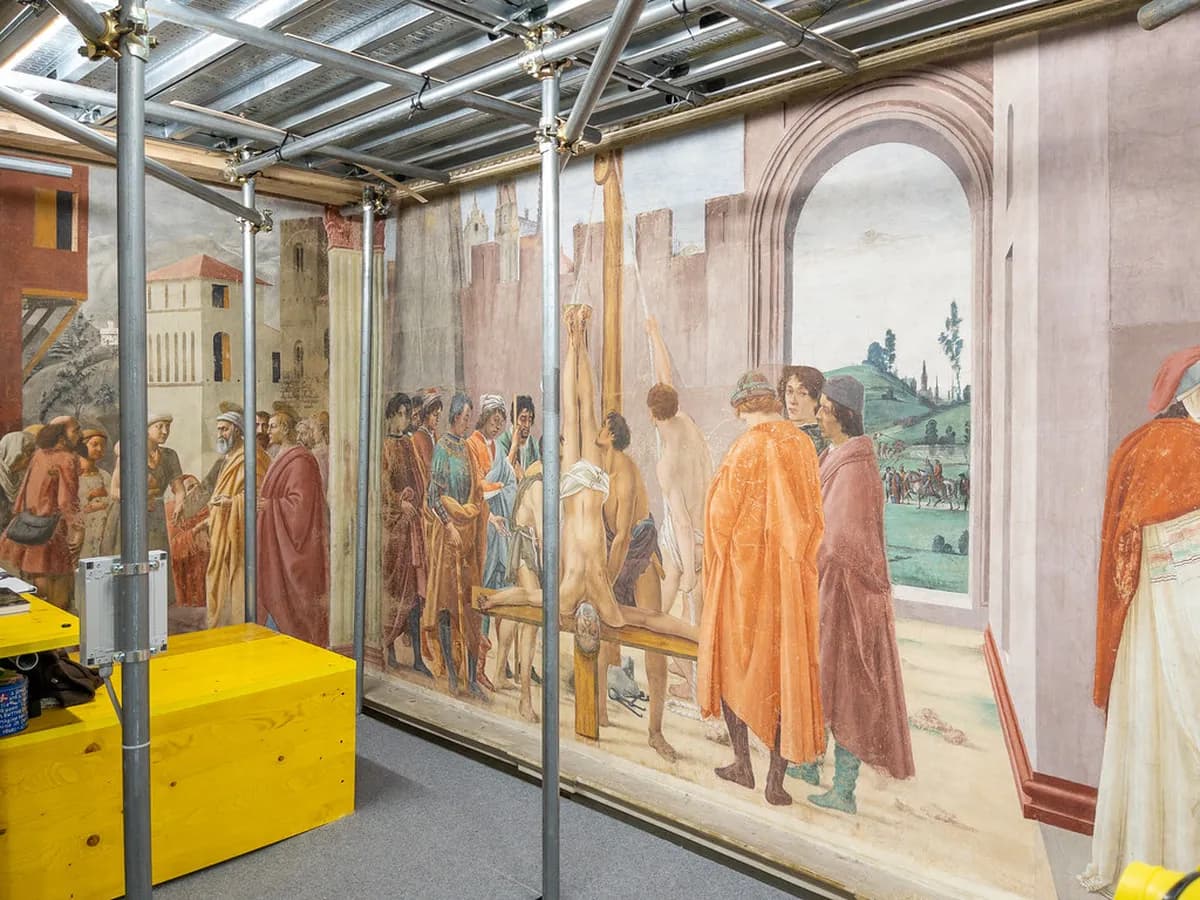
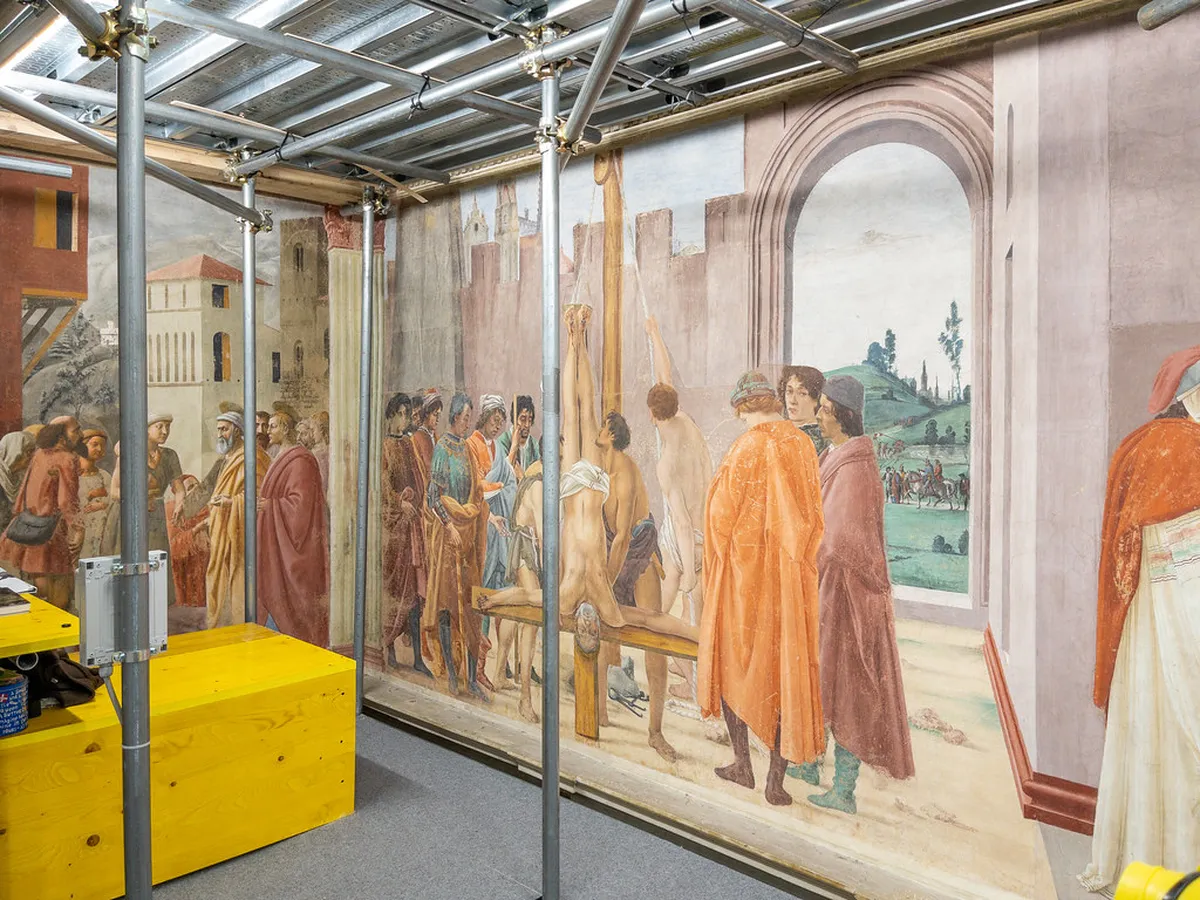
The Brancacci Chapel (Cappella Brancacci) is a chapel inside the Church of Santa Maria del Carmine in Florence's Oltrarno district, renowned for its early-Renaissance fresco cycle by Masaccio, Masolino, and Filippino Lippi. Since restoration it operates on timed entry with small groups and a 30-minute visit limit.
Visitor guide →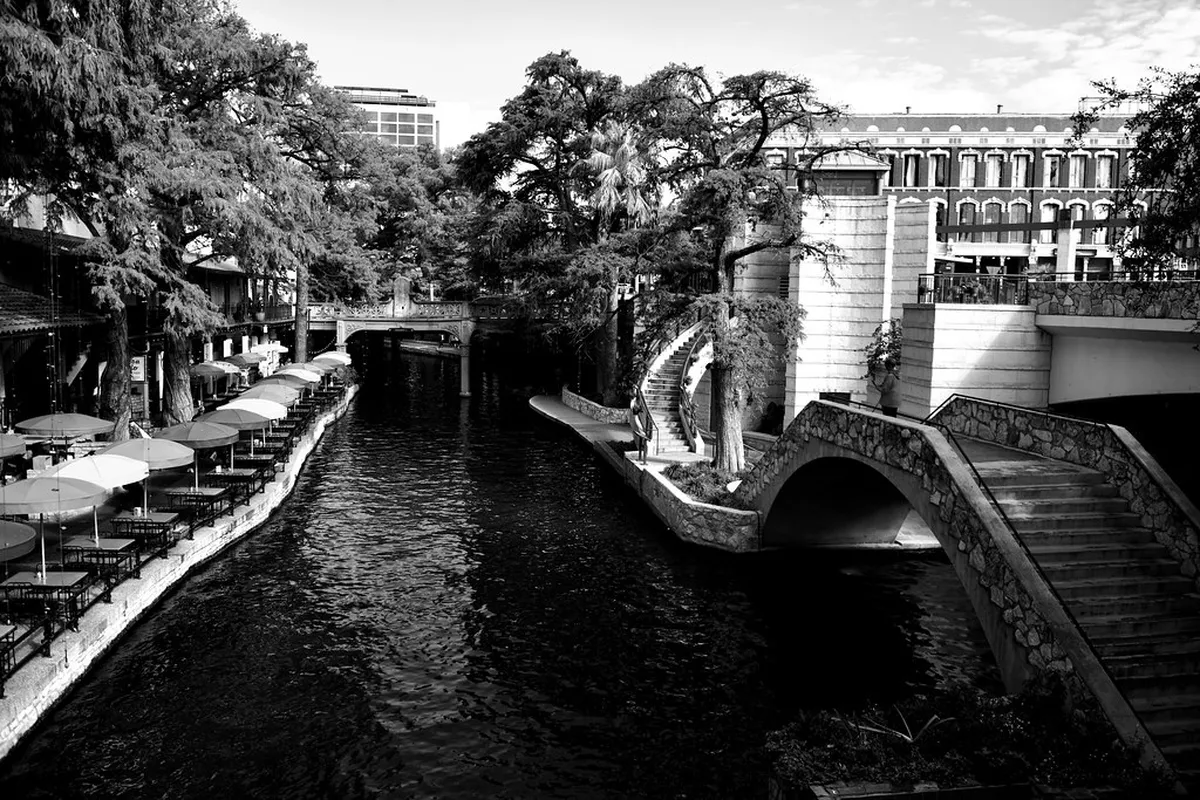
Museum of San Marco
The Museum of San Marco (Museo Nazionale di San Marco) occupies a 15th-century Dominican convent in Florence, world-famous for its luminous frescoes by Fra Angelico, including the celebrated Annunciation. Visitors walk through the friars' cells, cloisters and library of the convent that was once home to Girolamo Savonarola, just steps from the Galleria dell'Accademia on Piazza San Marco.
Visitor guide →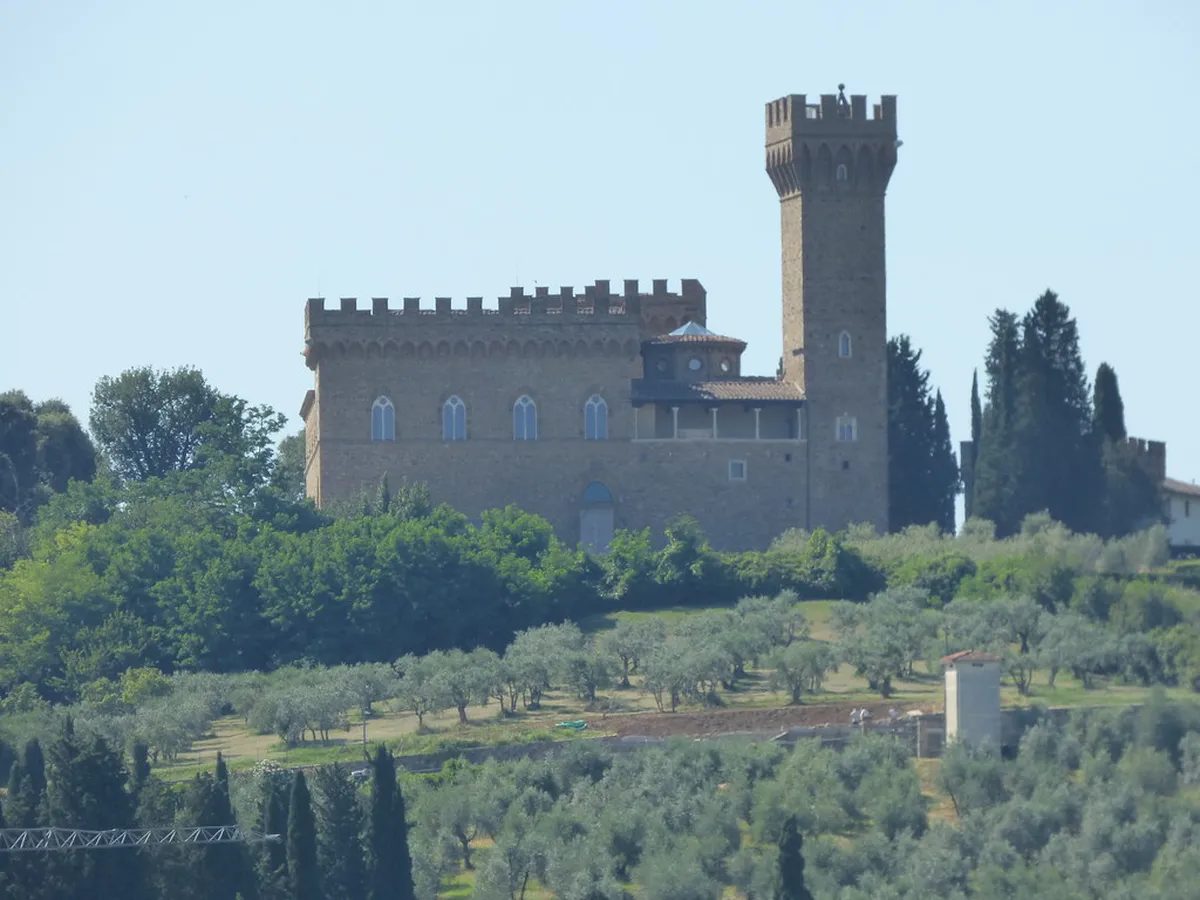
Bardini Garden
The Bardini Garden (Giardino Bardini) is a four-hectare Italian Renaissance garden in the Oltrarno hills of Florence, famous for its Baroque grand staircase, statuary, springtime wisteria pergola, and panoramic terrace views over the city. Managed by the Fondazione Parchi Monumentali Bardini e Peyron alongside Villa Bardini, it combines a Baroque central garden, a 19th-century English garden, and a former agricultural terrace.
Visitor guide →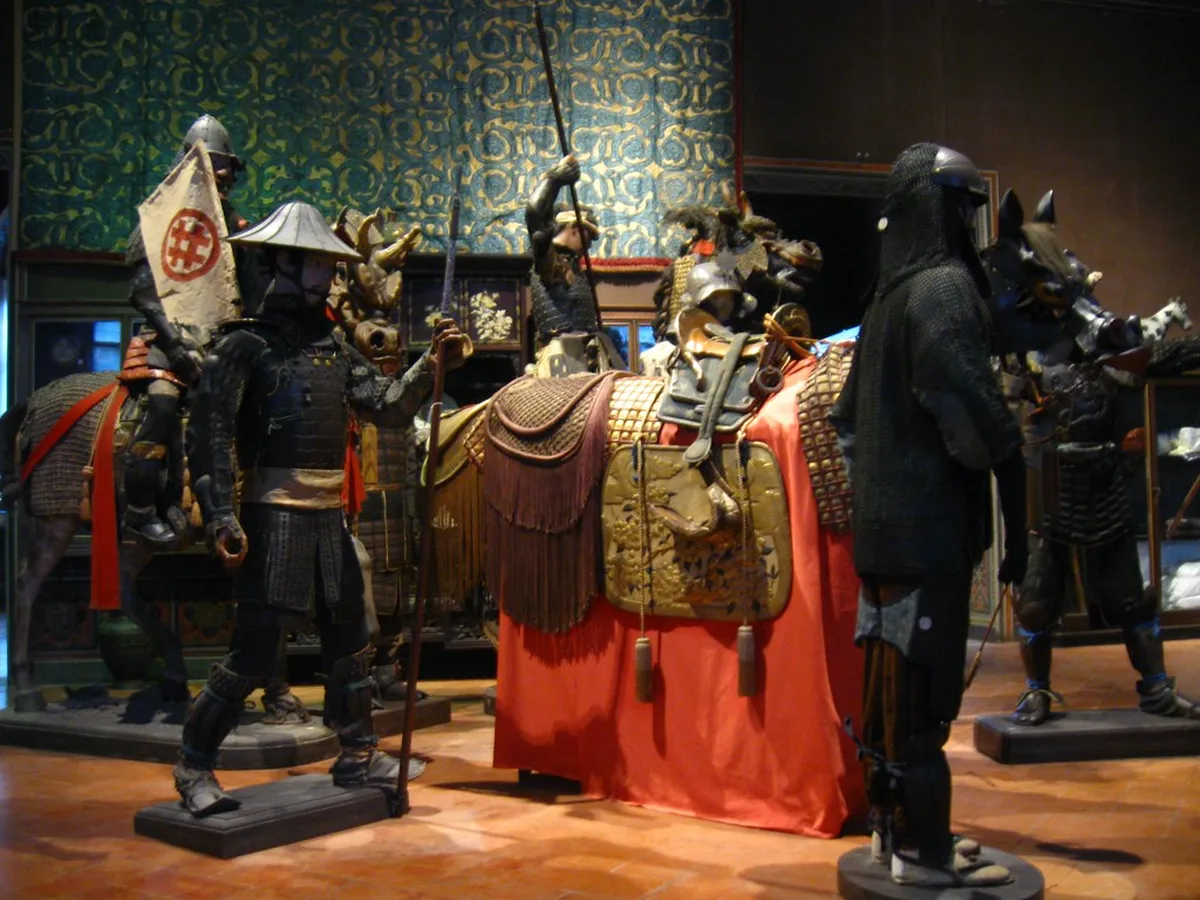
Stibbert Museum
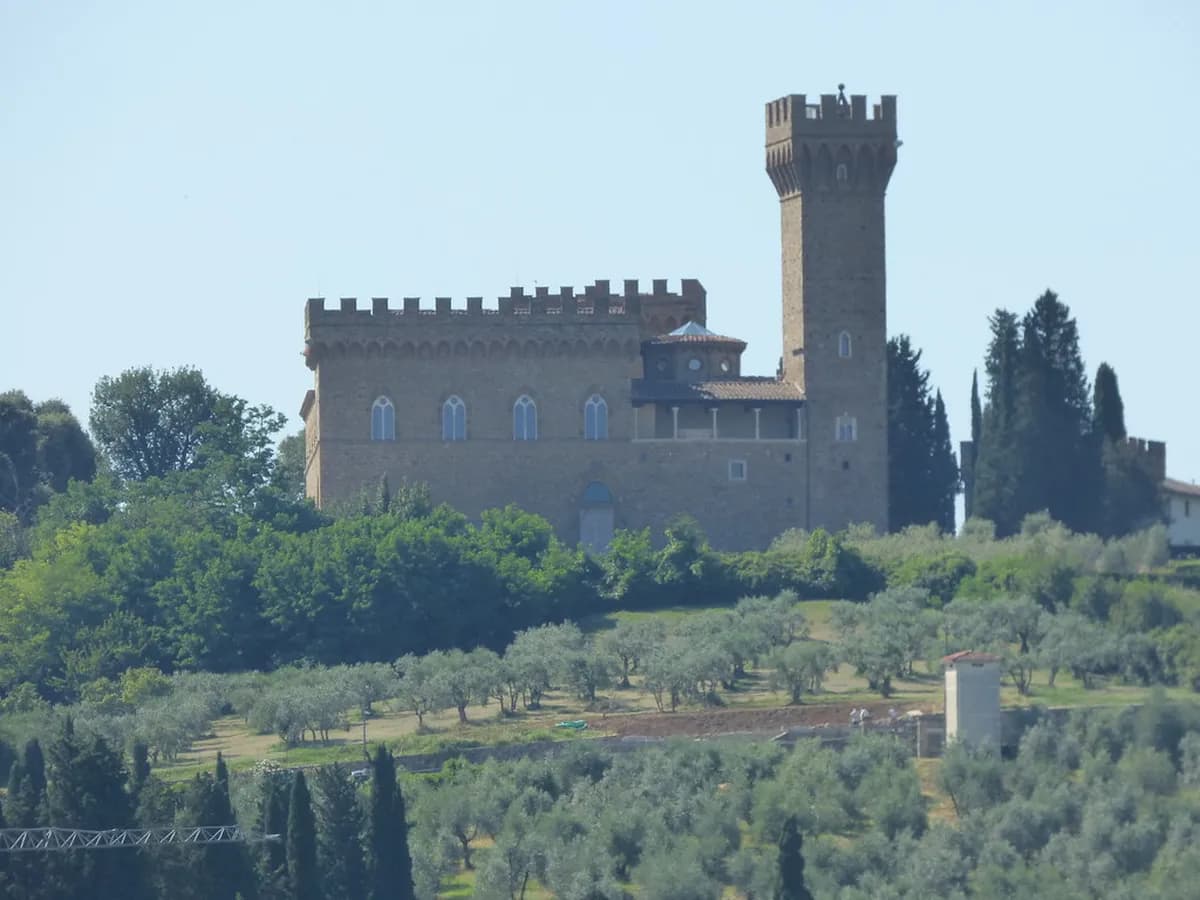
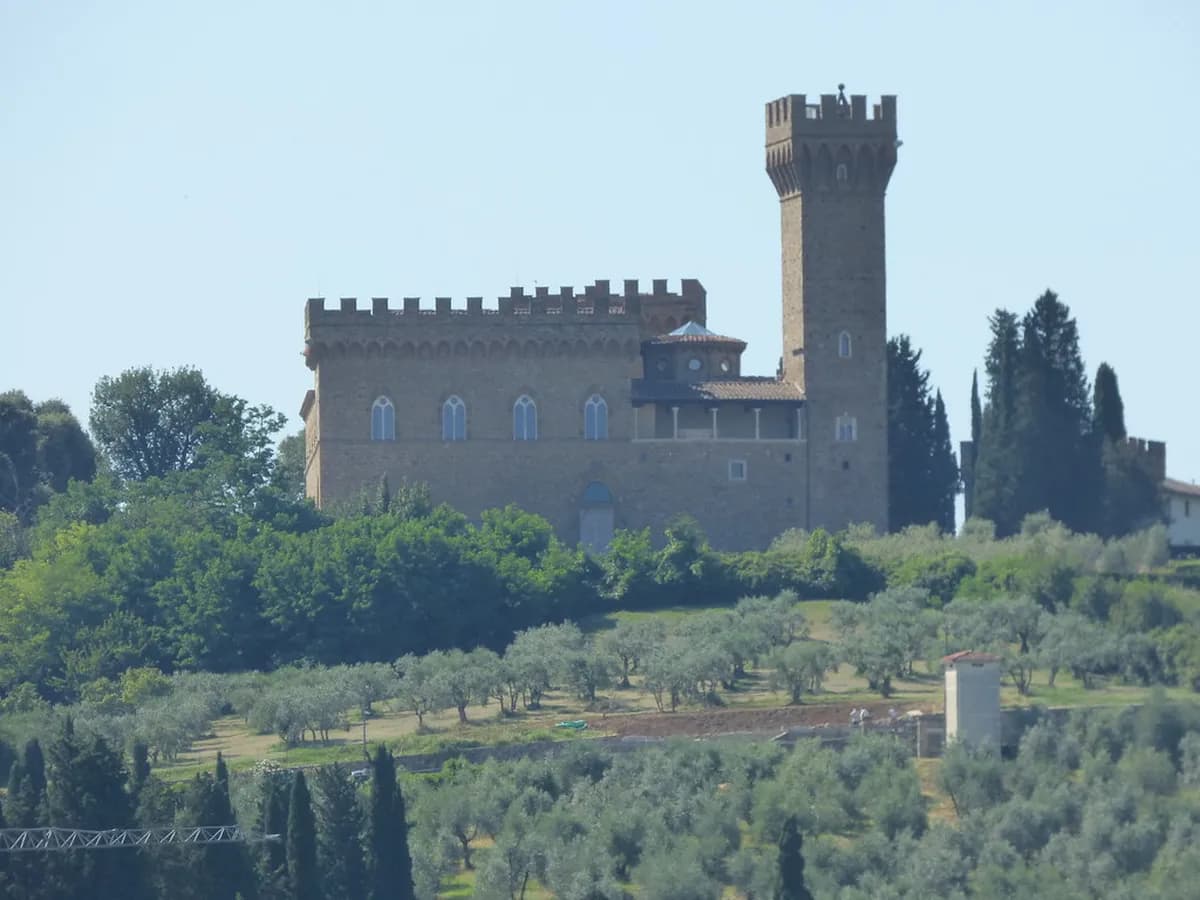
The Stibbert Museum (Museo Stibbert) in Florence showcases collector Frederick Stibbert's eclectic trove of more than 36,000 objects, renowned for its European, Islamic and Japanese arms and armour as well as costumes and furnishings, displayed across his atmospheric hillside villa and surrounding park.
Visitor guide →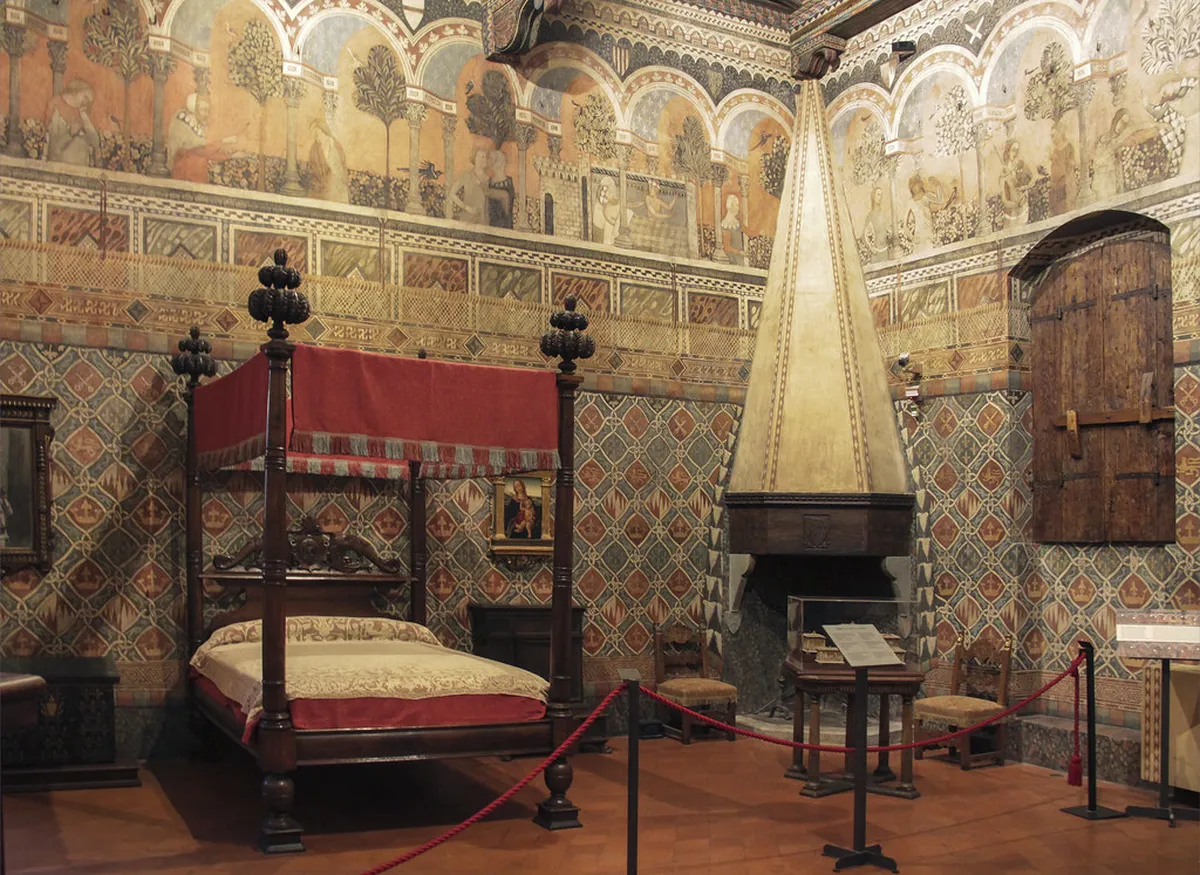
Palazzo Davanzati
Palazzo Davanzati is a 14th-century merchant palace in central Florence that houses the Museum of the Old Florentine House, recreating the furnished interiors and daily domestic life of a wealthy medieval and Renaissance Florentine family.
Visitor guide →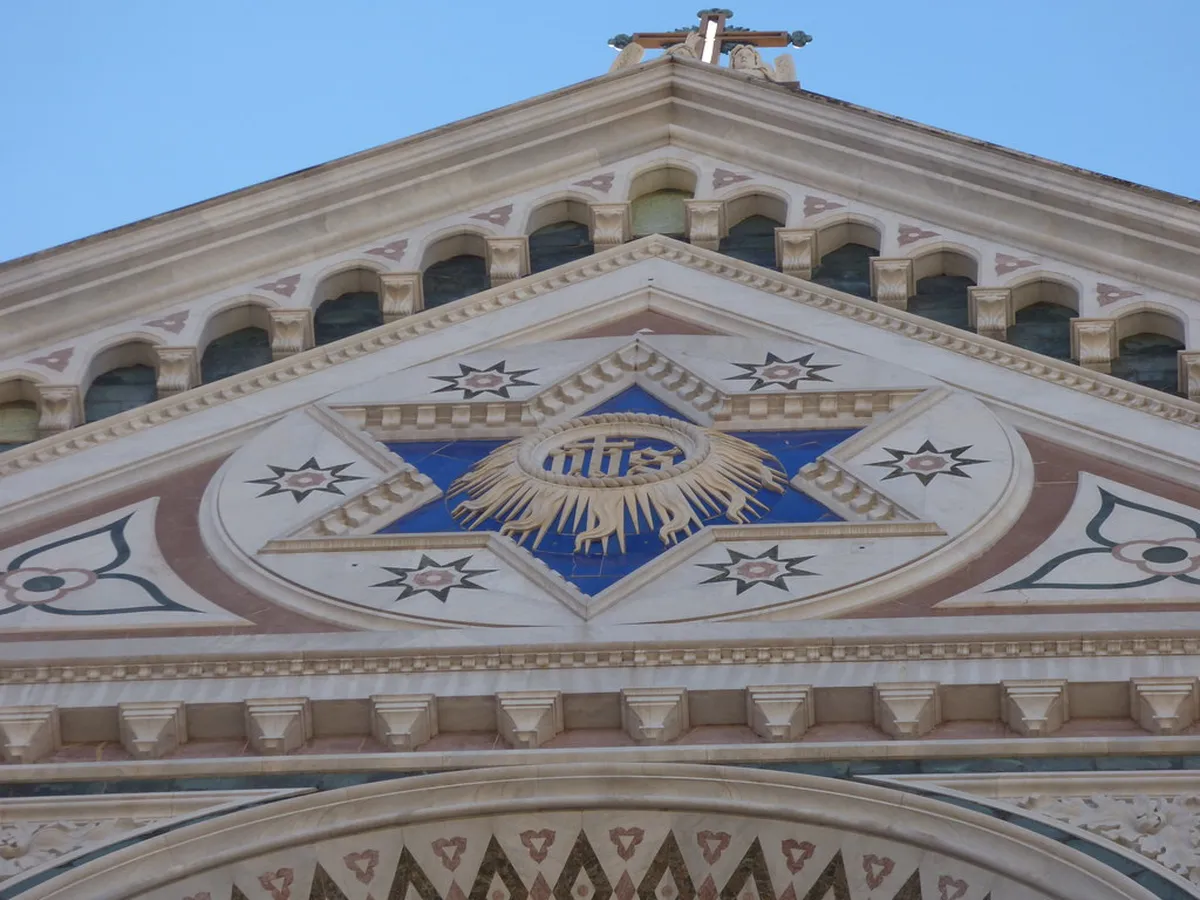
Museo Galileo
Museo Galileo (the Institute and Museum of the History of Science) in Florence holds one of the world's major collections of historic scientific instruments, including Galileo Galilei's original telescopes. Located at Piazza dei Giudici 1, just behind the Uffizi Gallery on the Arno, it showcases the scientific heritage of the Medici and Lorraine dynasties.
Visitor guide →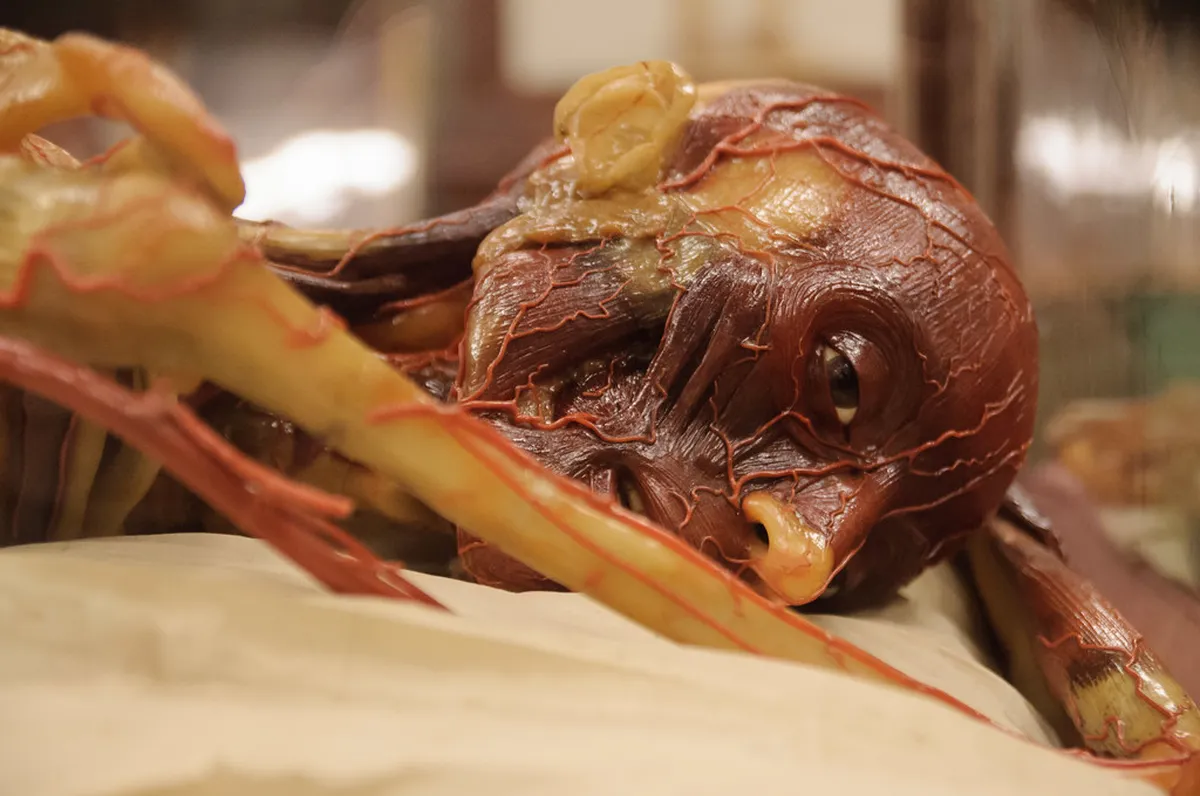
La Specola
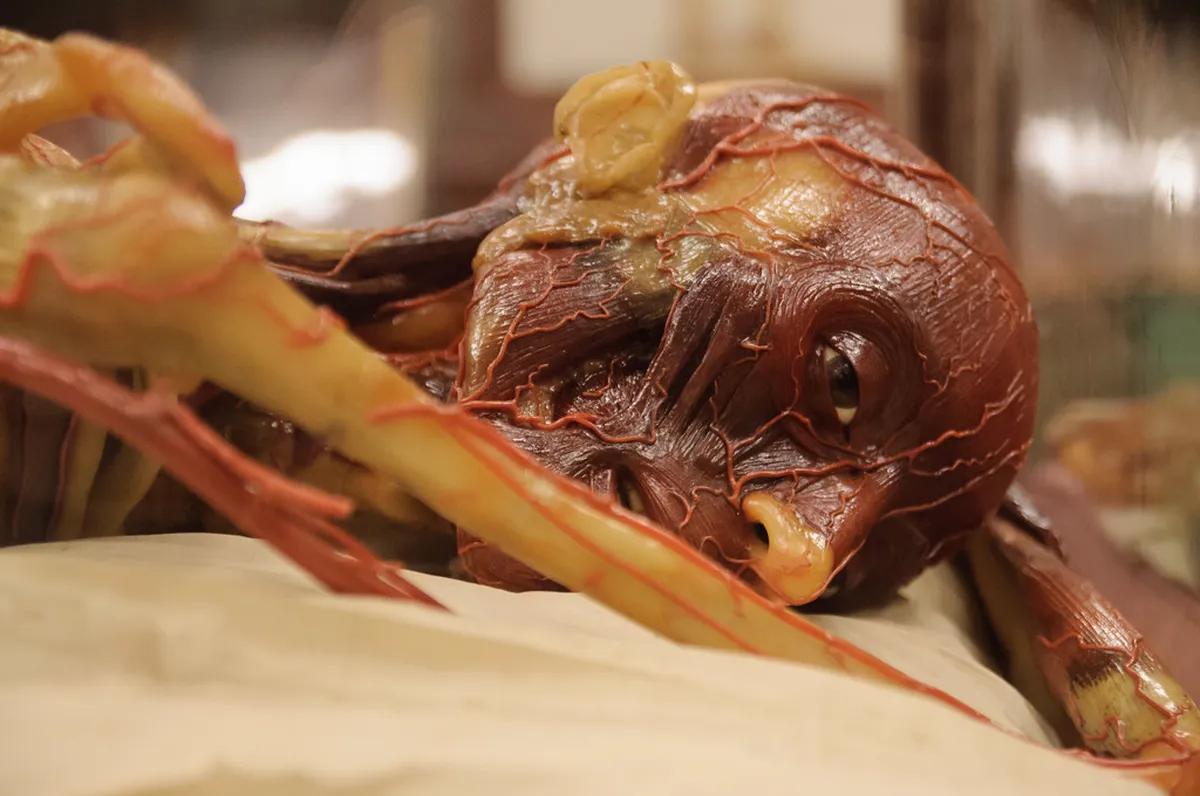
La Specola (Università di Firenze Museo Zoologico "La Specola") is a zoological and natural history museum in Florence's Oltrarno district, part of the University of Florence Natural History Museum. World-renowned for its 18th-century anatomical wax models and over 5,000 zoological specimens, it reopened in 2024 after a major renovation and is one of the oldest public science museums in Europe.
Visitor guide →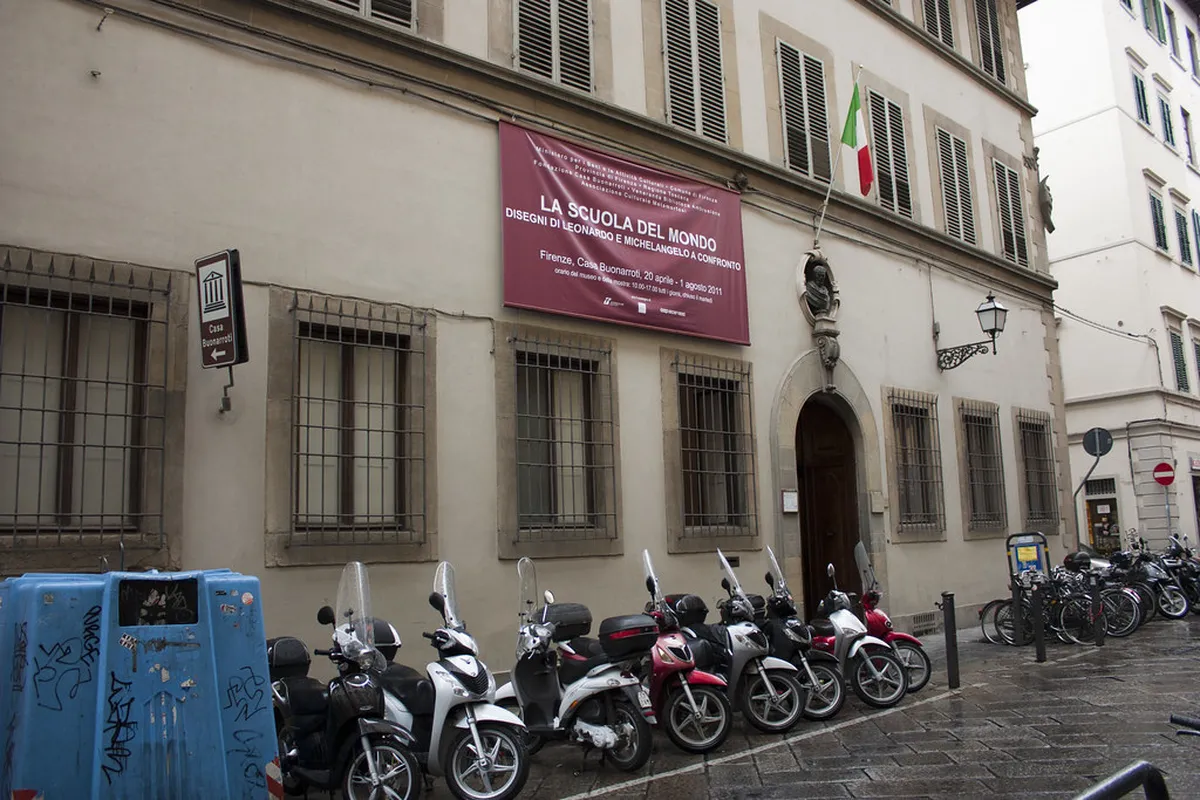
Casa Buonarroti
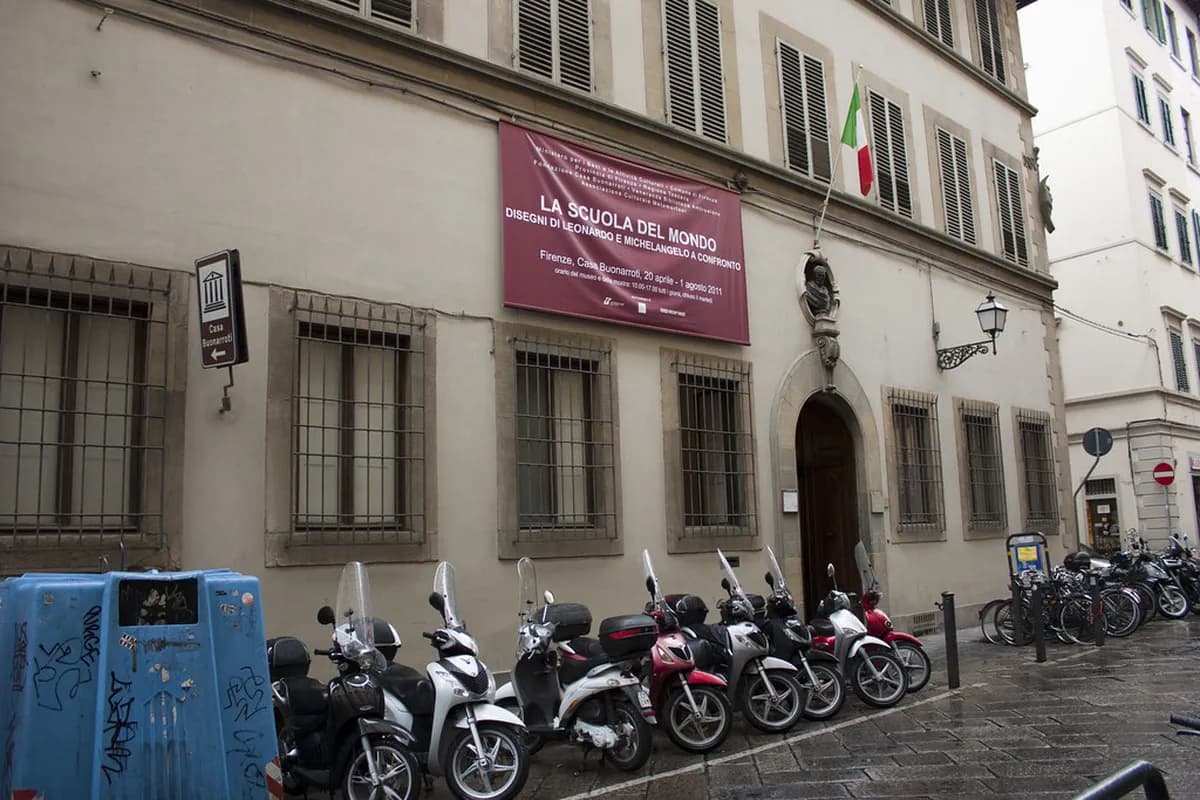
Casa Buonarroti is a museum in Florence's Santa Croce district, housed in a property once owned by Michelangelo. It is best known for his two earliest marble reliefs, the Madonna of the Stairs and the Battle of the Centaurs, displayed alongside drawings, models and Renaissance artworks.
Visitor guide →Florence attractions by neighborhood
Florence's historic centre is compact — you can cross most of it on foot in 20 minutes — so grouping these eight attractions by district is the single most useful planning move. It lets you knock out a cluster in one outing instead of zig-zagging across the Arno all day.
- Oltrarno (south of the Arno): the Brancacci Chapel in Santa Maria del Carmine, the hillside Bardini Garden, and La Specola near Palazzo Pitti. This is the artisan side of Florence — leatherworkers, antique shops and quiet piazzas — and all three sit within a 15-minute walk of one another.
- Santa Croce: Casa Buonarroti, Michelangelo's family property, a few minutes from the Basilica of Santa Croce on the east side of the centre.
- Centro storico (around the Uffizi and Piazza della Signoria): Museo Galileo, directly behind the Uffizi on the riverbank, and Palazzo Davanzati, a couple of blocks toward the Mercato Nuovo.
- San Marco area (north of the Duomo): the Museum of San Marco on Piazza San Marco, steps from the Accademia — easy to pair with a David visit.
- Montughi hills (north of the centre): the Stibbert Museum, the one outlier — a bus ride out into a leafy residential hillside, worth the trip for the armour collection and the park.
Florence attractions by category
If you're travelling with a particular interest — Renaissance fresco, garden views, science history — these eight sort cleanly into four buckets, so you can prioritise the ones that match your trip rather than treating them as an undifferentiated list.
- Frescoes & Renaissance art: the Brancacci Chapel (Masaccio, Masolino and Filippino Lippi — the cradle of Renaissance perspective), the Museum of San Marco (Fra Angelico's luminous cell frescoes), and Casa Buonarroti (Michelangelo's earliest marble reliefs). This is the trio for anyone who wants serious art without the Uffizi queue.
- Gardens & views: the Bardini Garden — a four-hectare Italian Renaissance garden with a Baroque staircase, a spring wisteria pergola and one of the best panoramas of the Duomo and the Arno from above.
- Science & curiosities: Museo Galileo (Galileo's original telescopes and Medici-era instruments), La Specola (18th-century anatomical wax models and 5,000+ zoological specimens, reopened in 2024), and the Stibbert Museum (European, Islamic and Japanese arms and armour).
- Historic houses: Palazzo Davanzati, a 14th-century merchant palace furnished to recreate the daily life of a wealthy medieval and Renaissance Florentine family.
Free vs paid Florence attractions
All eight of these are ticketed attractions — none is free on a normal day — but the prices are modest compared with the Uffizi and Accademia, and there are legitimate ways to get in for nothing (see the money-saving section below). Here are the current full adult prices for 2026:
- Brancacci Chapel — €15 (timed entry, small groups, ~30-minute visit limit)
- Museum of San Marco — €8
- Bardini Garden — €10
- Stibbert Museum — €10
- Palazzo Davanzati — €12
- Museo Galileo — €14
- La Specola — €10
- Casa Buonarroti — €8
Two things turn the "paid" column into a "free" one. First, many state and civic museums in Florence — including those in the national and Bargello group — are free on the first Sunday of each month; expect longer lines on those days. Second, the Firenze Card (Florence's official city pass) bundles dozens of museums into a single multi-day ticket and is worth doing the maths on if you're packing several of these into a short stay. Always confirm prices and free-day eligibility on each attraction's own page before you go, since civic and state museums set their own rules.
The Brancacci Chapel operates on timed entry with a 30-minute visit limit; book your slot in advance as slots sell out, especially on peak days.
Suggested itineraries
These three routes pair the eight sights into realistic days, keeping walking to a minimum and leaving room for lunch and a coffee — the point of a "second day" in Florence is not to sprint.
One day: the Oltrarno cluster
Start on the south bank. Open with the Brancacci Chapel (book the timed slot first thing), wander the artisan streets toward Palazzo Pitti, then visit La Specola for the anatomical waxes. Finish mid-afternoon with the climb up to the Bardini Garden for the panorama and, in April, the wisteria. Three Oltrarno sights, almost no backtracking, all within a 15-minute walk of each other.
Two days: add the centro and Santa Croce
Day one is the Oltrarno cluster above. On day two, stay north of the river: pair Museo Galileo (right behind the Uffizi) with Palazzo Davanzati in the morning, walk east to Casa Buonarroti near Santa Croce after lunch, then head north to the Museum of San Marco in the late afternoon (it's steps from the Accademia if you want to bolt David onto the day).
Rainy day: an all-indoor museum route
If the weather turns, six of the eight are fully indoor and stay dry. A good wet-day loop: Museo Galileo → Palazzo Davanzati → Museum of San Marco in the centre, then a bus up to the Stibbert Museum for the afternoon — an atmospheric villa packed with armour that's at its most evocative under grey skies and never crowded.
Getting around Florence's attractions
Florence has no metro, and it doesn't need one. The historic centre is small and pedestrianised, so the default mode for almost everything on this page is walking — you can reach the Brancacci Chapel, Museo Galileo, Palazzo Davanzati, Casa Buonarroti and the Museum of San Marco on foot from Piazza del Duomo in 10–20 minutes each. The Oltrarno sights sit just across the Arno over the Ponte Vecchio or Ponte alla Carraia, an easy stroll into the artisan quarter, with the Bardini Garden a short uphill walk from the river. The one exception is the Stibbert Museum, out in the Montughi hills north of the centre — take a city bus (the ATAF/Autolinee Toscane network) or a taxi for that one. Tram lines connect the railway station and outer districts but aren't much use for these specific sights. Skip a rental car entirely: the centre is a restricted-traffic ZTL zone and parking is a headache.
Best time to visit Florence's attractions
The shoulder seasons — April–May and September–October — are the sweet spot: mild weather, longer light, and crowds well below the summer peak. Spring has a specific draw for this list: the Bardini Garden's wisteria pergola usually flowers around mid-April, one of the most photographed sights in the city for a couple of weeks. Avoid August if you can — Florence is hot, hazy and crowded, and some smaller venues run reduced hours or close for staff holidays. Whenever you go, check opening days carefully: several of these sights keep short hours and have a fixed weekly closing day (Italian state and civic museums commonly close on a Monday or Tuesday), and the Brancacci Chapel runs on timed entry that sells out. Mornings are quietest almost everywhere; book the Brancacci slot ahead and aim to arrive at opening for the rest.
Several of these museums have fixed weekly closures — commonly Monday or Tuesday — so check each attraction's opening schedule before you plan your day to avoid arriving at a closed door.
How to save money on Florence attractions
Because these are smaller, lower-priced venues, a few simple moves cut the cost meaningfully:
- Firenze Card. Florence's official multi-day city pass covers a long list of museums on one ticket. If you're visiting several of these plus a headline museum or two, run the numbers — it often pays for itself and lets you skip some ticket lines.
- Free first Sundays. Many state and civic museums in the city are free on the first Sunday of the month. Plan a cluster around that date if it falls in your trip, and arrive early to beat the queues.
- Combined Bargello-museums 72-hour pass. Palazzo Davanzati belongs to the Bargello group of national museums, which sells a combined 72-hour ticket covering several of them — better value than separate entries if you're seeing more than one.
- Book direct. Reserve through each attraction's official site rather than a resale platform to avoid markup and booking fees — the individual guides linked above point to the right official channel for each sight.
Frequently asked questions about Florence attractions
How many days do you need for these Florence attractions?
Two days is comfortable for all eight, grouped by neighborhood — one day for the Oltrarno cluster (Brancacci, La Specola, Bardini) and one for the centro, Santa Croce and San Marco sights. If you only have a single extra day beyond the Uffizi and Duomo, do the Oltrarno cluster; it's the most self-contained and the most rewarding.
Are any of these Florence attractions free?
Not on a normal day — all eight are ticketed, ranging from €8 (San Marco, Casa Buonarroti) to €15 (Brancacci Chapel). However, many of Florence's state and civic museums are free on the first Sunday of each month, and the Firenze Card bundles many of them into one pass.
Do you need to book Florence attractions in advance?
The Brancacci Chapel does require advance booking — it runs on timed entry with small groups and a roughly 30-minute visit limit, and slots sell out. The others rarely require a reservation and you can usually buy at the door, though booking ahead never hurts in peak season.
What's the best time to visit Florence's attractions?
Spring (April–May) and autumn (September–October) offer the best mix of mild weather and thinner crowds. Mid-April is ideal if you want the Bardini Garden's wisteria. Avoid August heat and crowds, and visit in the morning when these smaller venues are quietest.
Can you skip the lines at these Florence attractions?
Lines are far shorter here than at the Uffizi or Accademia to begin with. Booking the Brancacci Chapel's timed slot online effectively eliminates its queue, the Firenze Card speeds entry at participating museums, and arriving at opening time keeps waits minimal everywhere else.
Are these attractions worth it compared with the Uffizi and David?
They're a complement, not a replacement. See the Uffizi and David on day one — they're rightly famous. These eight are the reason to stay a second day: the same Renaissance depth (Masaccio, Fra Angelico, early Michelangelo) plus gardens, science and curiosities, all with a fraction of the crowds and lower ticket prices.
Where are most of these attractions located?
Most are within a 10–20 minute walk of Piazza del Duomo. Three sit across the Arno in the Oltrarno (Brancacci, Bardini, La Specola), one is in Santa Croce (Casa Buonarroti), two are in the centro (Museo Galileo, Palazzo Davanzati), one is near the Accademia (San Marco), and only the Stibbert Museum requires a short bus ride into the Montughi hills.
Plan your Florence trip
This hub focuses on lesser-known attractions, but it works best alongside our wider Florence guides. For more in the same vein, see our roundup of hidden gems in Florence and non-touristy things to do in Florence. Watching the budget? Our guide to free things to do in Florence covers the no-cost sights and the museum free days in more detail.
Continue exploring
More guides you'll find useful