Museum of San Marco Visitor Guide: Tickets, Art & History
Plan your visit to Florence's Museum of San Marco. Discover Fra Angelico’s frescoes, the Michelozzo library, and practical tips for tickets and tours.
On this page
Museum of San Marco Visitor Guide
The Museum of San Marco offers a peaceful retreat from the busy museum circuit of Florence.
This former Dominican convent houses the world's most significant collection of works by Fra Angelico, with frescoes still set in the cells and corridors for which they were painted.
Visitors come for the Annunciation, Michelozzo's library, Savonarola's rooms, and a quieter look at Renaissance Florence than the city’s busiest galleries usually allow — one of many things to do in Florence off the beaten path.
Use this 2026 visitor guide to plan the route, timing, tickets, access, and common mistakes before you arrive at Piazza San Marco.
Why Visit the Museum of San Marco?
Most travelers prioritize the Uffizi Gallery or the Accademia during a short stay. San Marco offers a different kind of reward: smaller rooms, lower noise, and a direct encounter with art made for contemplation rather than spectacle. It is one of the hidden gems in Florence that rewards travelers willing to look beyond the headline galleries. The smaller crowds allow for a deeper connection with the spiritual art on display.
The building itself is a masterpiece of Renaissance architecture designed by Michelozzo. Its cloisters, staircases, dormitory corridors, and library create an "architecture of silence" that still shapes the visit. Art enthusiasts will appreciate seeing frescoes in the exact locations for which they were painted, especially the monk cells on the upper floor.
| Quick Fact | Details |
|---|---|
| Location | Piazza San Marco 3, just north of the Accademia area |
| Hours | Tuesday to Saturday from 08:15 to 13:50; also open on the 1st and 3rd Sunday and the 2nd and 4th Monday of each month |
| Tickets | Full-price ticket is €8.00; EU citizens aged 18–25 pay a reduced €2.00, and visitors under 18 enter free |
| Top work | Fra Angelico's Annunciation at the top of the main staircase |
| Typical visit | Plan roughly one to one and a half hours, longer if you read every cell label carefully |
History of the San Marco Dominican Convent
The convent dates back to the 13th century but saw major changes in the 1430s. Cosimo de' Medici funded a massive renovation to support the Dominican order. He hired the architect Michelozzo to create a modern, disciplined, and functional religious complex. This project helped establish the Medici family as primary patrons of the arts.
The design focused on simplicity and elegance to suit religious life. Every hallway and cell was planned to foster prayer, study, and separation from the city outside. Today, the site is part of Florence's UNESCO-listed historic center and remains one of the most authentic examples of Renaissance monastic life in the city.
The transition from a working convent to a public museum happened in 1869. Preserving the original atmosphere was a priority for the city authorities. Walking through the cloisters still feels close to the 15th-century use of the building, because the art, architecture, and monastic route remain tightly connected.
Must-See Highlights: Fra Angelico’s Frescoes
Fra Angelico, also known as Beato Angelico, was both a major painter and a Dominican friar. He decorated the convent with frescoes intended to aid meditation rather than impress a public audience. His most famous work, the Annunciation, greets visitors at the top of the stairs leading to the dormitory. The placement matters: it was positioned to meet the friars as they moved toward their cells.
The upper floor contains forty-four individual cells, many with a fresco tailored to private prayer. These works vary in complexity and theme to suit different stages of spiritual growth. Look for the Mocking of Christ and the Transfiguration for their emotional depth. The colors remain remarkably clear despite the passage of five centuries.
Beyond Fra Angelico, the museum houses a Last Supper by Domenico Ghirlandaio. This version is often compared to the famous work by Leonardo da Vinci in Milan, but Ghirlandaio's scene is calmer, more decorative, and filled with symbolic details suited to a refectory setting. You can find it in the small refectory of the convent.
Comparing these works helps visitors understand the evolution of Renaissance art in Florence over time. Each artist brought a different perspective to traditional religious subjects. The museum serves as a living gallery of early 15th-century creative genius, so take time to notice the delicate brushwork, spare settings, and natural lighting effects.
The Michelozzo Library: A Renaissance Masterpiece
The Michelozzo Library is often described as the first public library of the Renaissance era. Cosimo de' Medici wanted a space where scholars could consult important manuscripts in an orderly setting. Its long hall, elegant columns, and controlled natural light show how Renaissance architecture could support study as much as worship.
Rows of wooden desks once held priceless books chained to the furniture. The collection included works in Greek, Latin, and Hebrew from across Europe. This library became a hub for the humanist movement in Florence and linked the Dominican convent to the wider intellectual life of the city.
The symmetry of the Ionic columns makes it a favorite spot for photographers, but the room is more than a photo stop. Large windows allow soft sunlight to illuminate the full length of the hall. Pause here after the frescoed cells; the contrast between private devotion and public scholarship is one of San Marco's strongest themes.
The Cells of Savonarola and Cosimo the Elder
Girolamo Savonarola was the Dominican preacher whose sermons helped reshape Florence in the late 15th century. He lived in a small suite of cells at the end of the corridor. Visitors can see relics associated with him, including his hair shirt and a portrait. This section gives the museum a darker political edge after the calm of Fra Angelico's frescoes.
In stark contrast, Cell 38 was reserved for Cosimo the Elder himself. The Medici patriarch used this space for personal retreats and meditation. It is larger and more decorated than the standard cells for the friars, which makes the family's relationship with the Dominican order visible in architectural form.
Understanding these two figures is key to grasping the politics of the Renaissance. Their influence shaped the art, religion, and daily life of the entire region. Exploring their private spaces adds a human element to the historical narrative. You can find similar historical depth at the Palazzo Davanzati in the city center.
Practical Visitor Information: Tickets and Hours
The museum is open Tuesday to Saturday from 08:15 to 13:50. It is also open on the 1st and 3rd Sunday and the 2nd and 4th Monday of each month, on the same 08:15–13:50 schedule. It is closed on the other Sundays and Mondays, plus 1 January and 25 December, so check which week you are visiting before you build the rest of your Florence itinerary around it.
A full-price ticket is €8.00. EU citizens aged 18–25 pay a reduced €2.00, and visitors under 18 enter free. The ticket office closes 30 minutes before the museum, which matters because the visit window is short and morning-only.
You can purchase a Timed Entry Ticket to San Marco Museum to avoid waiting. This is especially helpful during the busy spring and summer months in 2026. The site is also included in the Official Florence Museum City Pass for extra value. Always verify current details on the San Marco Museum - Italy Museum website.
The museum's morning-only schedule (08:15–13:50) limits your visit window. Arrive close to opening time for the softest light in the Michelozzo Library and fewer crowds in the frescoed cells.
How to Get to Piazza San Marco
Piazza San Marco is located in the northern part of the historic center. It is a short walk from the Duomo area and only a few minutes from the Accademia neighborhood, one of the most central Florence neighborhoods for sightseeing. Many local bus lines stop on or near the piazza, which makes the museum easy to reach even if you are not walking across the center.
If you are coming from Santa Maria Novella station, allow about fifteen to twenty minutes on foot or use a local bus toward Piazza San Marco. The most common mistake is entering the church first: the museum occupies the former convent, and its entrance is separate from the main church doors. Look for the museum entrance on Piazza San Marco 3.
Tips for a Smooth Visit
Start your tour in the Cloister of St. Antoninus to understand the layout, then follow the visual flow up the stairs to the dormitory floor. This brings you to the Annunciation early, before the staircase and cell corridor become busy. After the cells, return to the library, refectory, and Savonarola rooms instead of rushing straight back to the exit.
The best time to visit is close to opening, both for quieter galleries and for the soft morning light in the library. Because the museum closes early, do not save it for the end of the day. A practical 2026 plan is to visit San Marco first, then continue to lunch or another nearby attraction.
Photography is permitted without a flash in most areas of the museum. Respect the quiet atmosphere, as this is still a site of religious significance. Wear comfortable shoes because the stone floors can be uneven in places, and expect stairs on the main route to the upper-floor cells. Travelers with mobility needs should check access arrangements before arrival because the historic convent layout is not as straightforward as a modern museum.
If you enjoy smaller museums, consider visiting the Stibbert Museum during your stay. For a more science-focused stop, the Museo Galileo pairs well with a different side of Florence's intellectual history.
The historic convent's stone floors are uneven in places, and stairs are required to reach the upper-floor cells. Wear comfortable shoes and check access arrangements in advance if you have mobility needs.
Frequently Asked Questions
What is the San Marco Museum famous for?
The museum is world-famous for its extensive collection of frescoes by Fra Angelico. It also houses the first public library of the Renaissance and the former cells of the controversial preacher Savonarola. You can see more scientific history at the Museo Galileo nearby.
How much time do you need at the San Marco Museum?
Most visitors find that 90 minutes to two hours is sufficient to see the highlights. This allows time to explore the cloisters, the upper-floor cells, and the Michelozzo library. It is a much faster visit than the Uffizi Gallery.
Is the Museum of San Marco included in the Firenze Card?
Yes, the museum is typically included in the Firenze Card and other major city passes. Using a pass can save you money if you plan to visit multiple sites. Always check the current list of participating museums before you purchase.
Can you see the Annunciation fresco at San Marco?
Yes, the famous Annunciation by Fra Angelico is a permanent highlight of the museum. It is located at the top of the main staircase leading to the monks' cells. It is one of the most iconic images of the early Renaissance.
Who lived in the San Marco convent?
Dominican friars lived and studied in the convent, including Fra Angelico and later Girolamo Savonarola. Cosimo de' Medici also had a private cell for retreat and prayer, showing how closely the convent was tied to Medici patronage.
Other Monasteries Painted for the People Who Lived There
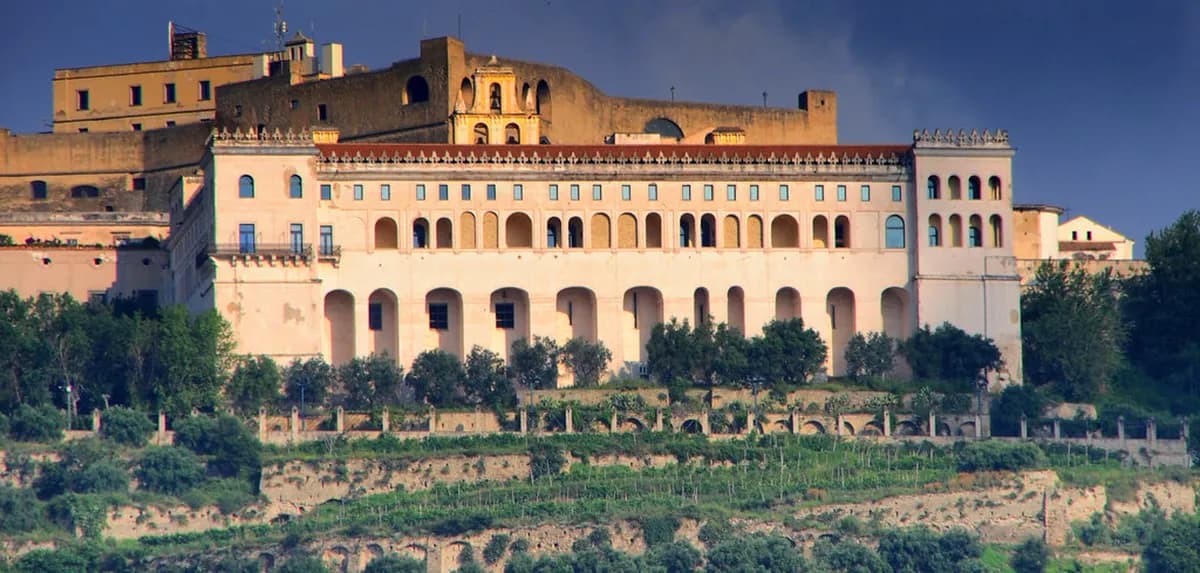
Fra Angelico frescoed a cell for each friar, meaning the pictures were never intended for visitors at all. Naples's Certosa di San Martino is the Baroque equivalent, where the same enclosed logic produced a spectacular public face. Barcelona's Monestir de Pedralbes still shows the day cells around its Gothic cloister.
The Museum of San Marco is a must-see for anyone interested in the quieter soul of the Renaissance.
It offers a rare combination of world-class art, monastic architecture, Medici patronage, and Savonarola's turbulent history.
Visit early, respect the short opening window, and move slowly through the cells to understand why Fra Angelico's frescoes feel inseparable from the building itself.
For the latest official information, see the Museum of San Marco on Wikipedia.
Browse all Florence attractions in our Florence attractions hub.
Continue exploring
More guides you'll find useful