Wallace Collection London: Free Entry, Hours & Highlights
Plan a free visit to London's Wallace Collection with opening hours, Old Master highlights, arms and armour, and practical tips for exploring.
On this page
Wallace Collection Visitor Guide
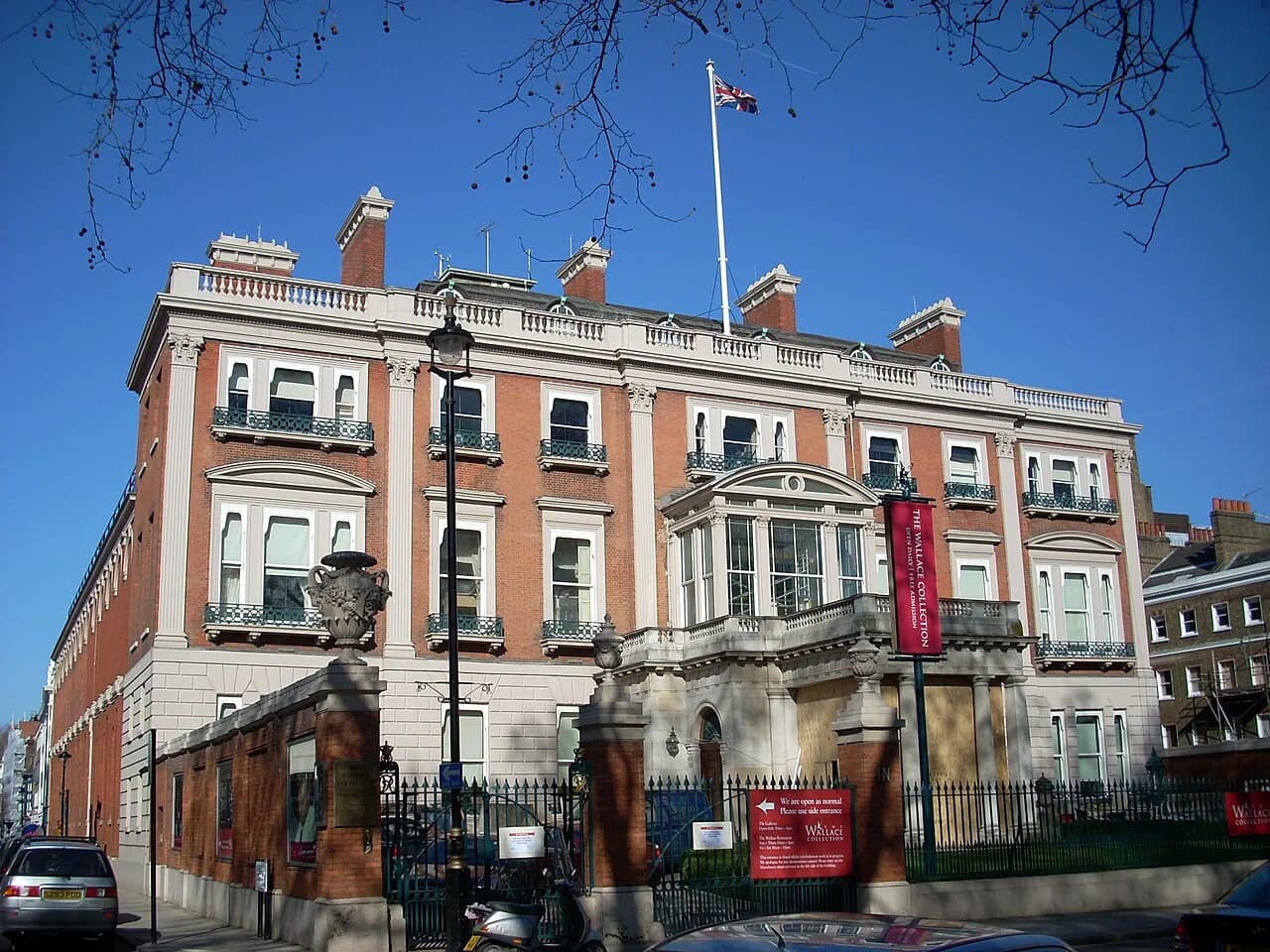
The Wallace Collection is one of central London's most rewarding hidden gems: a free national museum housed in a grand town mansion just off Oxford Street, yet quiet enough that you can stand alone in front of a masterpiece. Set inside Hertford House on Manchester Square in Marylebone, it holds one of the world's finest assemblies of Old Master paintings, French 18th-century furniture, Sèvres porcelain, and arms and armour. This wallace collection visitor guide focuses on the practical details you need in 2026: free admission, opening times, the must-see highlights, the restaurant, transport, and how to make the most of a compact but dense museum.
Despite sitting only a few minutes from one of Europe's busiest shopping streets, the museum remains genuinely underrated. Many travellers walk past Manchester Square without realising that behind the porticoed facade lies a collection often compared with the Louvre and Versailles for its 18th-century French decorative arts. Because the galleries never feel crowded, the Wallace Collection is one of the best places in the capital to slow down and look closely, making it a natural stop on any list of London attractions that reward curiosity over queueing.
The museum suits visitors who enjoy fine art, decorative craftsmanship, historic interiors, and the story of how a single family assembled such a treasury over five generations. You will find headline paintings such as Fragonard's The Swing and Frans Hals' The Laughing Cavalier, alongside gilded furniture, porcelain, and one of the finest armouries open to the public in Britain. Best of all, entry to the permanent collection costs nothing, so it works equally well as a planned half-day or a spontaneous hour out of the rain.
The History of the Wallace Collection and Hertford House
The Wallace Collection was assembled over roughly a century by five members of one family: the first four Marquesses of Hertford and, finally, Sir Richard Wallace. Each generation added to the holdings according to its own taste, but it was the fourth Marquess, living largely in Paris, who bought the majority of the great French paintings, furniture, and porcelain during the middle decades of the 19th century. His purchases came at a time when aristocratic collections were being broken up, allowing him to acquire objects that would be almost impossible to gather today.
Sir Richard Wallace inherited the collection in 1870 and brought much of it to London, settling it in Hertford House on Manchester Square. He added significantly to the arms and armour and to the medieval and Renaissance works, giving the collection the breadth it has now. After his death, his widow, Lady Wallace, bequeathed the collection to the British nation in 1897 on the condition that it be kept together, unmixed with other objects, and displayed to the public free of charge.
The museum opened to the public in 1900 and has remained at Hertford House ever since. The building itself is part of the experience: a grand 18th-century mansion with sweeping staircases, richly decorated galleries, and rooms arranged to evoke the setting in which such objects were originally enjoyed. Understanding this background helps explain why the museum feels less like a modern gallery and more like a preserved private house on a spectacular scale.
The terms of the bequest still shape the visit today. Because the collection cannot be lent out or added to in the same way as other national museums, what you see is essentially the treasury as the family left it. That permanence is a large part of the appeal for repeat visitors, who return knowing that their favourite paintings and armour will still be in place, arranged much as they have been for well over a century.
Must-See Highlights: The Swing, The Laughing Cavalier and More
The single most famous painting is Jean-Honoré Fragonard's The Swing, painted in 1767. This playful Rococo scene of a young woman swinging through a lush garden is one of the defining images of 18th-century French art, and it draws visitors from around the world. Seeing it in person reveals details that reproductions miss, from the feathery brushwork of the foliage to the flash of the sitter's slipper flying through the air.
Equally celebrated is Frans Hals' The Laughing Cavalier of 1624, a bravura Dutch Golden Age portrait whose confident sitter and intricately embroidered sleeve reward close looking. Alongside these two headline works hang paintings by Rembrandt, Rubens, Titian, Velázquez, Canaletto, and Poussin, making the picture galleries some of the richest in London despite the museum's modest footprint.
Beyond the paintings, the decorative arts are a highlight in their own right. The museum holds an outstanding collection of French 18th-century furniture, including gilded pieces made for royal and aristocratic clients, and around 400 pieces of Sèvres porcelain, one of the largest such groups anywhere. The arms and armour galleries, with roughly 2,000 objects spanning medieval Europe and the Islamic world, are frequently cited by visitors as an unexpected favourite.
| Highlight | What It Is | Where To Find It |
|---|---|---|
| The Swing (Fragonard) | Iconic 1767 Rococo painting | Picture galleries, first floor |
| The Laughing Cavalier (Frans Hals) | 1624 Dutch Golden Age portrait | Great Gallery, first floor |
| French furniture & Sèvres porcelain | Royal 18th-century decorative arts | Ground and first-floor state rooms |
| Arms & armour | ~2,000 European and Oriental objects | Ground-floor armouries |
Because the Wallace Collection is compact, you can see the headline works — The Swing, The Laughing Cavalier, the Great Gallery, and the armouries — in about 90 minutes. Pick up a free floor plan at the entrance so you do not miss the ground-floor arms and armour, which first-time visitors often overlook.
Admission and Free Entry: What You Need to Know
Entry to the permanent collection is completely free for all visitors, in keeping with the terms of Lady Wallace's 1897 bequest to the nation. There is no admission charge and no compulsory donation, though like other national museums the Wallace Collection welcomes voluntary donations that help maintain the historic building and its conservation programme. Dropping a contribution in the box, or giving online, is a simple way to support a museum that asks nothing at the door.
The main exception to the free-entry rule is temporary special exhibitions, which are sometimes ticketed. These changing displays are separate from the permanent galleries, so you can always see the great paintings, furniture, and armour for free even when a paid exhibition is running. If a special exhibition interests you, check the official website in advance for dates and prices, and book online where booking is available to guarantee entry at busy times.
For 2026 planning, the key point is that no advance booking is needed for the permanent collection — you can simply walk in during opening hours. That flexibility makes the museum ideal for a spontaneous visit, a rainy afternoon, or a short cultural break between shopping on Oxford Street and exploring the wider West End. Families, students, and repeat visitors all benefit from the fact that there is never a ticket price to weigh against how long you stay.
- Permanent collection
- Cost: Free
- Booking: Not required
- Access: All galleries during opening hours
- Voluntary donation
- Cost: Any amount
- Where: Donation box or online
- Purpose: Building and conservation
- Special exhibitions
- Cost: Sometimes ticketed
- Booking: Check official site
- Note: Separate from free galleries
Opening Hours and Best Time to Visit
The Wallace Collection is open daily from 10:00 to 17:00, seven days a week, which is unusually generous for a central London museum of this quality. The only regular closures are on 24, 25, and 26 December each year, so aside from the Christmas period you can plan a visit for almost any day, including weekends and Mondays when some other house museums are shut. It is still sensible to confirm hours on the official website before travelling, particularly around public holidays.
Because entry is free and does not require timed slots, the museum rarely feels crowded, but there are quieter windows. Weekday mornings just after opening are the calmest time to see The Swing and the Great Gallery without other visitors in the way. Late afternoons on weekdays are also relaxed, though you should leave enough time before the 17:00 closing to take in both floors at an unhurried pace.
Allow at least 90 minutes for a first visit, and up to half a day if you want to linger over the decorative arts, visit the armouries in detail, and pause for lunch in the courtyard restaurant. The compact layout means you can tailor the length of your visit to the time you have, which is part of what makes the museum such a flexible addition to a London itinerary.
The Wallace Collection closes on 24, 25, and 26 December every year. Standard opening is daily 10:00–17:00, but always check the official website for holiday hours before travelling, as occasional closures can apply around public holidays.
The Wallace Restaurant and Courtyard Café
One of the museum's best-loved features is the Wallace Restaurant, set in the glazed courtyard at the heart of Hertford House. The airy, light-filled space was created when the central courtyard was covered with a glass roof in 2000, turning what was once an open yard into an elegant year-round dining room. It is a genuinely pleasant place to eat, and many Londoners visit for lunch or afternoon tea even when they are short on time for the galleries.
The restaurant serves hot and cold dishes, light snacks, and afternoon tea, making it suitable for anything from a quick coffee to a leisurely meal. Because it sits within the free museum, you can combine culture and a relaxed lunch without paying an entry fee, which is rare for a venue of this setting in central London. During busy weekends and holiday periods, booking a table in advance is advisable, especially for afternoon tea.
If you only want a light refreshment, the courtyard is still worth seeing simply as a piece of architecture, blending 18th-century stonework with a contemporary glass canopy. Pausing here midway through a visit is a good way to rest before tackling the second floor, and it reinforces the sense that the Wallace Collection is as much about atmosphere as about individual objects.
Facilities and Accessibility Features
Hertford House offers the facilities you would expect of a national museum, including a shop selling books, prints, and gifts related to the collection, plus cloakroom provision and toilets. The shop is a good place to pick up a catalogue if you want more depth on the paintings or the decorative arts after your visit. Free floor plans and gallery information help you navigate the rooms, which are arranged over the ground and first floors.
Accessibility is taken seriously, though the historic nature of the building means some areas retain period features. Step-free access is available to the main galleries via lifts, and wheelchairs are typically available to borrow. Because layouts and lift availability in a listed building can change, visitors with specific mobility, sensory, or access needs should check the current arrangements on the official website or contact the museum before travelling.
The museum runs an active programme of free talks, family activities, and events alongside its permanent displays, so it is worth checking what is on when you plan your day. These sessions add context to the collection and make the museum especially rewarding for families and first-time visitors who want a little guidance through the dense, richly furnished rooms.
Location and Directions: Getting to Marylebone
The Wallace Collection sits in Hertford House on Manchester Square, a quiet Georgian square just north of Oxford Street in Marylebone, central London. Its postcode is W1U 3BN. The setting is part of the charm: you leave the bustle of the shopping district behind and arrive at a leafy square that feels a world away, even though it is only a short walk from some of the busiest streets in the capital.
Getting here is easy by Underground. Bond Street station, on the Central, Jubilee, and Elizabeth lines, is the closest and only a few minutes' walk away, while Baker Street and Marble Arch are also within comfortable walking distance. Numerous bus routes run along Oxford Street and Wigmore Street nearby, and the museum is a natural pairing with a wider Marylebone or West End walk.
The best approach is to treat the museum as part of a relaxed Marylebone half-day rather than a single tick-box stop. Combine it with a stroll around Manchester Square, the boutiques of Marylebone High Street, or nearby cafés, and you have an itinerary that balances culture with the pleasant, low-key atmosphere of one of central London's most civilised neighbourhoods.
- London Underground
- Station: Bond Street
- Lines: Central, Jubilee, Elizabeth
- Walk: About 5 minutes
- Alternative Stations
- Baker Street and Marble Arch
- Walk: 8–12 minutes
- Convenience: High
- Bus Connections
- Along Oxford Street and Wigmore Street
- Stop: Selfridges or Wigmore Street
- Frequency: Very frequent
Nearby Hidden Gems and More Free Museums in London
The Wallace Collection pairs beautifully with London's other small and specialist museums, many of which share its quiet, house-museum atmosphere. If you enjoy preserved historic interiors, make time for the Sir John Soane's Museum, another free-entry treasure crammed with antiquities and paintings in an eccentric Georgian home in Holborn. Its density and theatrical lighting make a natural complement to Hertford House's grander, more spacious rooms.
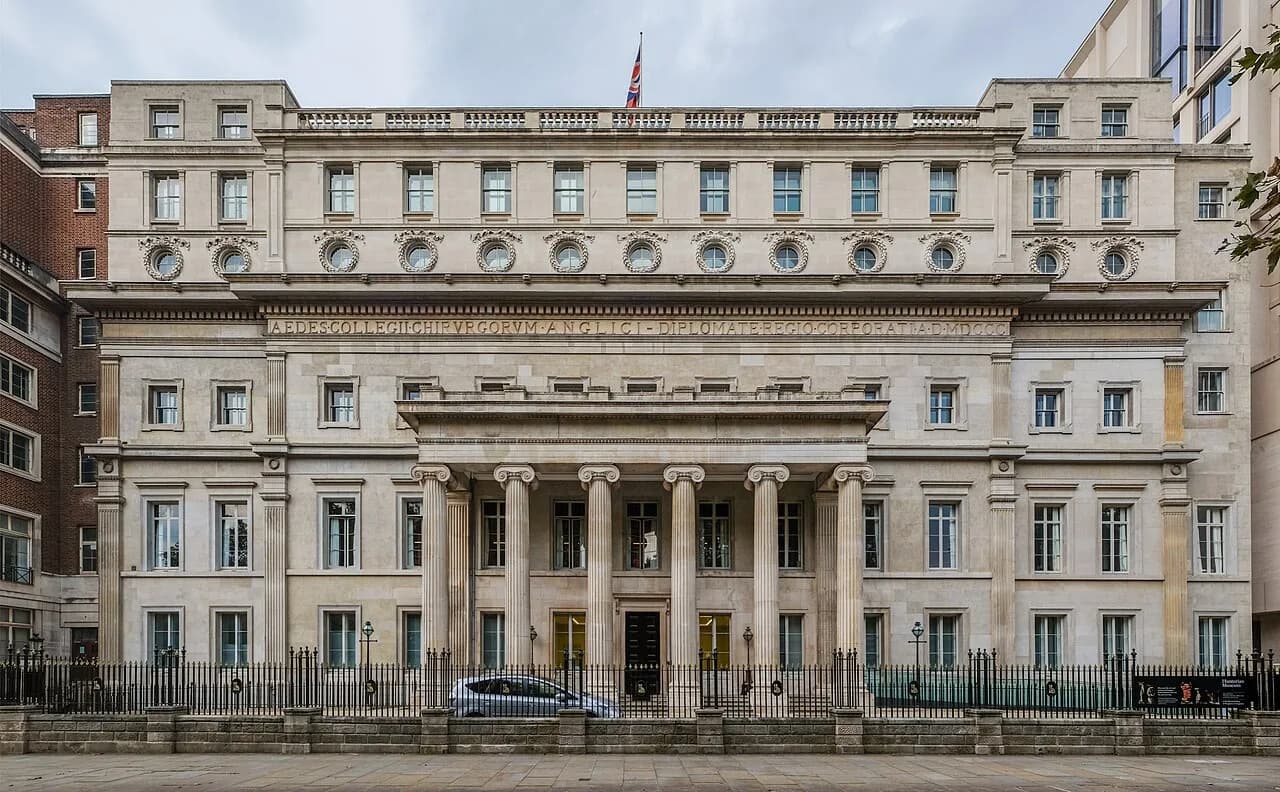
For richly decorated artists' houses, the Leighton House Museum in Holland Park offers a jewel-like Arab Hall and a Victorian aesthetic worlds apart from the French Rococo here, while the Hunterian Museum appeals to visitors drawn to unusual medical and scientific collections. Each of these sits comfortably alongside the Wallace Collection on a slow-paced cultural itinerary that avoids the biggest crowds.
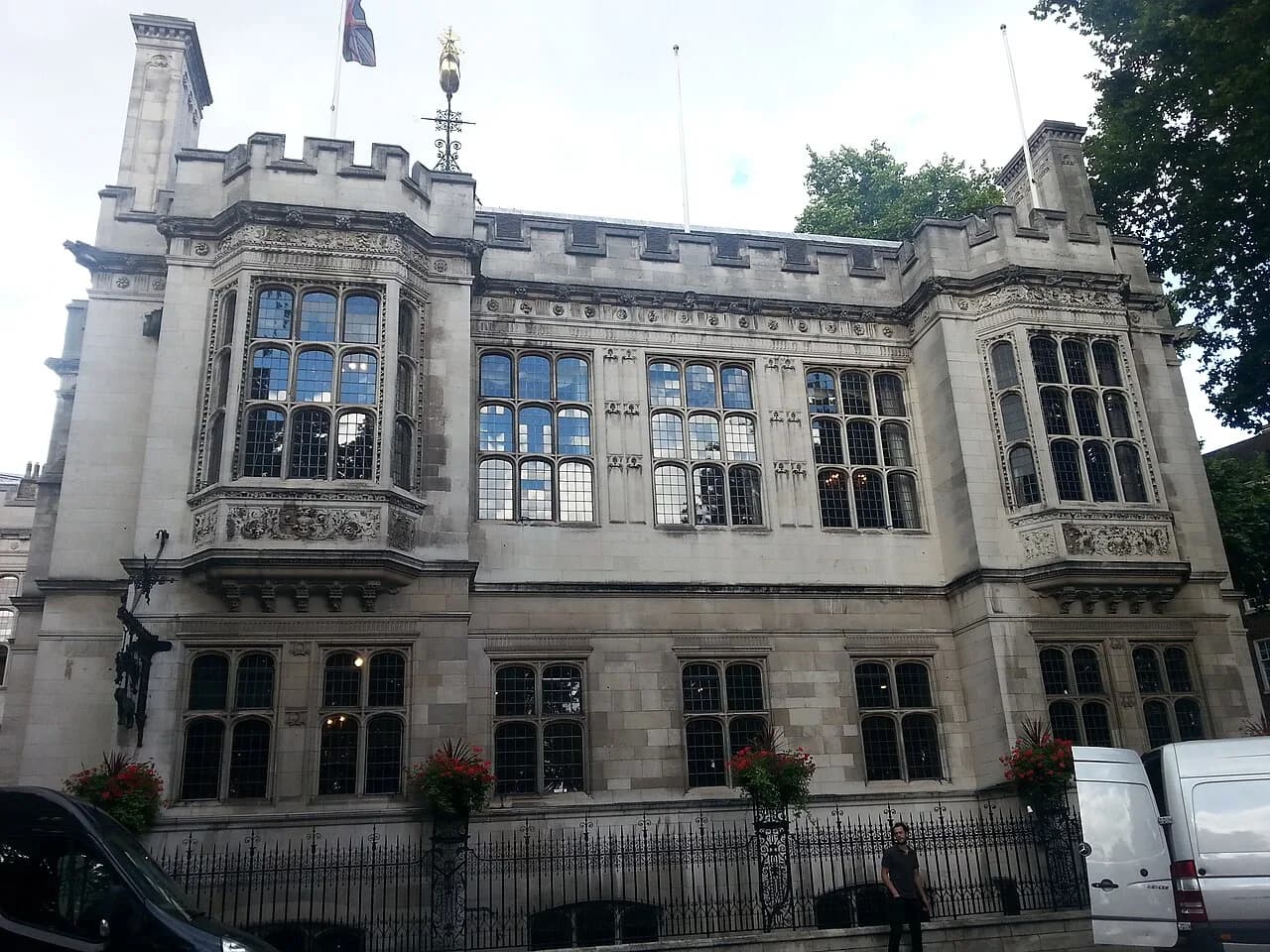
If you have more time, extend your museum-hopping with the neo-Gothic splendour of Two Temple Place, the medieval calm of The Charterhouse, or the modern Italian art at the Estorick Collection. Together these attractions show a very different side of London from the headline sights, rewarding travellers who prefer character and craftsmanship over sheer scale.
Frequently Asked Questions
Is the Wallace Collection free to visit?
Yes, entry to the permanent collection is completely free, in line with Lady Wallace's 1897 bequest to the nation. There is no admission charge and no compulsory donation, though voluntary donations are welcomed. Only some temporary special exhibitions are occasionally ticketed. You can confirm the latest details on the Wallace Collection Official Site.
What are the Wallace Collection's opening hours?
The museum is open daily from 10:00 to 17:00, seven days a week. It closes only on 24, 25, and 26 December each year. Because opening can vary around public holidays, it is worth checking the official website before you travel.
What are the must-see highlights at the Wallace Collection?
The headline works are Fragonard's The Swing and Frans Hals' The Laughing Cavalier. Beyond the paintings, the museum is famous for its French 18th-century furniture, around 400 pieces of Sèvres porcelain, and one of the finest arms and armour collections open to the public in Britain.
How do I get to the Wallace Collection?
The museum is at Hertford House, Manchester Square, London W1U 3BN, in Marylebone. The nearest tube is Bond Street (Central, Jubilee, and Elizabeth lines), about five minutes' walk away, with Baker Street and Marble Arch also within easy reach.
Is there a restaurant at the Wallace Collection?
Yes. The Wallace Restaurant sits in the glazed courtyard at the centre of Hertford House, created when the courtyard was covered with a glass roof in 2000. It serves hot and cold dishes, light snacks, and afternoon tea. Booking a table is advisable at busy times, especially for afternoon tea.
How long should I spend at the Wallace Collection?
Allow at least 90 minutes to see the headline paintings, the Great Gallery, and the ground-floor armouries. If you want to explore the decorative arts in detail and stop for lunch in the courtyard restaurant, plan for up to half a day. Because entry is free, you can tailor the length of your visit to the time you have.
Other Collections Left Whole to the Public
Lady Wallace bequeathed the collection on condition it never lend or add, which is why the French eighteenth century here is unusually complete. Paris's Musée Cognacq-Jay covers the same taste from inside a Marais mansion. Madrid's Museo Lázaro Galdiano is broader and stranger, thirteen thousand objects across every category its owner could reach.
The Wallace Collection is proof that some of London's finest experiences cost nothing at all. Inside Hertford House you will find Old Master paintings, royal French furniture, glowing Sèvres porcelain, and armouries that rival dedicated museums, all displayed in the setting of a grand town mansion just off Oxford Street. That combination of quality, atmosphere, and free entry makes it one of the capital's most underrated cultural stops.
For the smoothest 2026 visit, arrive soon after the 10:00 opening on a weekday, pick up a floor plan so you do not miss the ground-floor arms and armour, and leave time for lunch or afternoon tea in the glazed courtyard restaurant. Pair Hertford House with other free house museums nearby and you have a relaxed, crowd-free day that shows a quieter, more personal side of London.
Continue exploring
More guides you'll find useful