10 Essential Tips to Experience Budapest Like a Local
Plan your trip to Budapest like a local with insider picks on neighborhoods, transport hacks, free museum days, and authentic dining away from the tourist crowds.
On this page
10 Essential Tips to Experience Budapest Like a Local
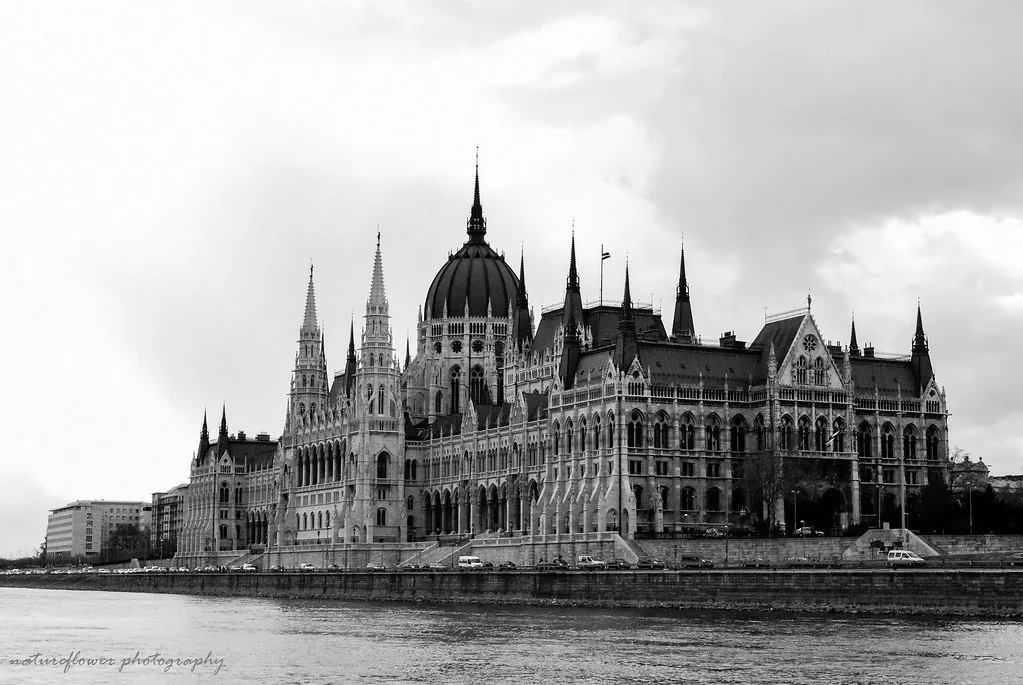
Budapest offers a mix of grand history and gritty charm that captivates every visitor. Walking through the city reveals layers of culture beyond the famous parliament building. To truly experience Budapest like a local, you must step away from the crowded souvenir shops on Váci utca. Exploring the side streets reveals the authentic heartbeat of the Hungarian capital.
Locals know that the best parts of the city are often hidden in plain sight. Residents avoid the overpriced cafes near the river in favor of quiet courtyard bistros in Districts VI, VII, and VIII. Finding these spots requires a bit of insider knowledge and a willingness to wander. This guide helps you navigate the city just like someone who lives there.
You will discover where to eat, how to save money, and which districts offer the most life in 2026. From thermal baths to ruin bars, the local perspective changes everything about your visit. Prepare to see a side of Budapest that most tourists completely miss during their stay.
Must-See Budapest Attractions: The Local Perspective
Understanding the Pest–Buda divide is the first step to reading the city like a resident. Pest is the flat, bustling eastern bank — home to the Parliament, the Jewish Quarter, grand boulevards, and most of the nightlife. Buda, on the hilly western bank, holds the Castle District, quiet residential neighborhoods, and the thermal bath complexes fed by the city's underground springs. Most first-timers spend 80% of their time in Pest, and that is the right call.
While Castle Hill is beautiful, many locals prefer the quiet charm of the Tabán area nearby. This green space offers great views of the Danube without the heavy crowds of Fisherman's Bastion. Pack a small picnic and enjoy the sunset from the grassy slopes for a peaceful evening. You can find many hidden gems in Budapest by exploring these lesser-known hillsides.
The Great Market Hall is famous, but residents often shop at the Hunyadi tér market instead. Prices here are lower and the produce comes directly from local Hungarian farmers. You can try fresh lángos or seasonal fruits without waiting in long tourist lines. It provides a much more authentic glimpse into daily life in the city.
Dining near the river can be expensive, so look for spots in the backstreets of District VI. Many of the best local restaurants in Budapest are tucked away in residential courtyards. These places serve traditional dishes like pörkölt at fair prices for the community. Always check if a daily menu or 'napi menü' is available for a cheap two-course lunch — typically 2,000–3,000 HUF (5–8 EUR).
District Cheat Sheet: Finding Your Neighborhood
Budapest is divided into 23 numbered districts called kerületek, and knowing the basic personalities of the central ones will save you from booking in the wrong area. District V (Belváros-Lipótváros) is the tourist and business core — beautiful architecture, fine dining, elegant bars, and easy access to the bridges. It is pleasant and walkable but can feel sanitized compared to the neighborhoods immediately behind it.
District VI (Terézváros) runs along the grand Andrássy Avenue, lined with Baroque and Art Nouveau apartment buildings. It offers a slightly more local feel than District V without sacrificing convenience. District VII (Erzsébetváros), the Jewish Quarter, is Budapest's famous "party district." The original ruin bars are here — Szimpla Kert being the most iconic — but by 2026 most of them cater almost exclusively to tourists on weekends. Visit on a Tuesday or Wednesday evening for something closer to the local experience.
District VIII (Józsefváros) is the up-and-coming district that locals quietly colonised a decade ago. The Palace District around Mikszáth Kálmán tér is full of independent coffee shops, street art, and alternative cultural spaces. Rents are lower, the bar scene is more experimental, and you are far less likely to bump into a stag party. For a quiet, genuinely residential stay, District XIII (Újlipótváros) provides Bauhaus architecture, local bakeries, and easy tram access to the center.
Museums, Art, and Culture: Finding the Soul of the City
Budapest has a rich artistic soul that goes far beyond its famous national galleries. Locals keep an eye on national holidays like March 15th or August 20th for special access. Many state-run museums offer free entry to permanent exhibitions on these specific dates. Planning your visit around these holidays can save you a significant amount on admission fees.
The Budapest History Museum is a top choice for understanding the city's complex past. It is located inside the Royal Palace but feels much quieter than the nearby gallery. You can explore medieval fortifications and royal cellars that date back centuries. The exhibits provide deep context for the architecture you see throughout the modern city.
For free access without relying on national holidays, EU citizens under 26 can enter the Museum of Fine Arts, the Hungarian National Museum, and the Hungarian National Gallery for free on designated days. The Military Museum is free on the last Sunday of every month for all visitors. Small contemporary galleries in District VIII show the modern creative side of Hungary and often host free openings where you can meet local artists.
Walking through the Palace District reveals beautiful courtyards and independent workshops. It is the perfect way to spend a rainy afternoon away from the main tourist trail. The Jewish Quarter also holds the Great Synagogue — the largest in Europe — which is worth visiting for its architecture and memorial garden, even if the admission queue is long.
Thermal Baths: Tourist Pools vs. Local Favourites
Budapest sits atop 123 thermal springs — a legacy of Roman and Ottoman occupation — and visiting a bath is one of the few tourist activities that locals also do regularly. The difference is which bath they choose. Understanding this gap helps you pick the right experience for your trip and your budget.
| Bath Name | District | Entrance Fee (HUF) | Vibe | Best For |
|---|---|---|---|---|
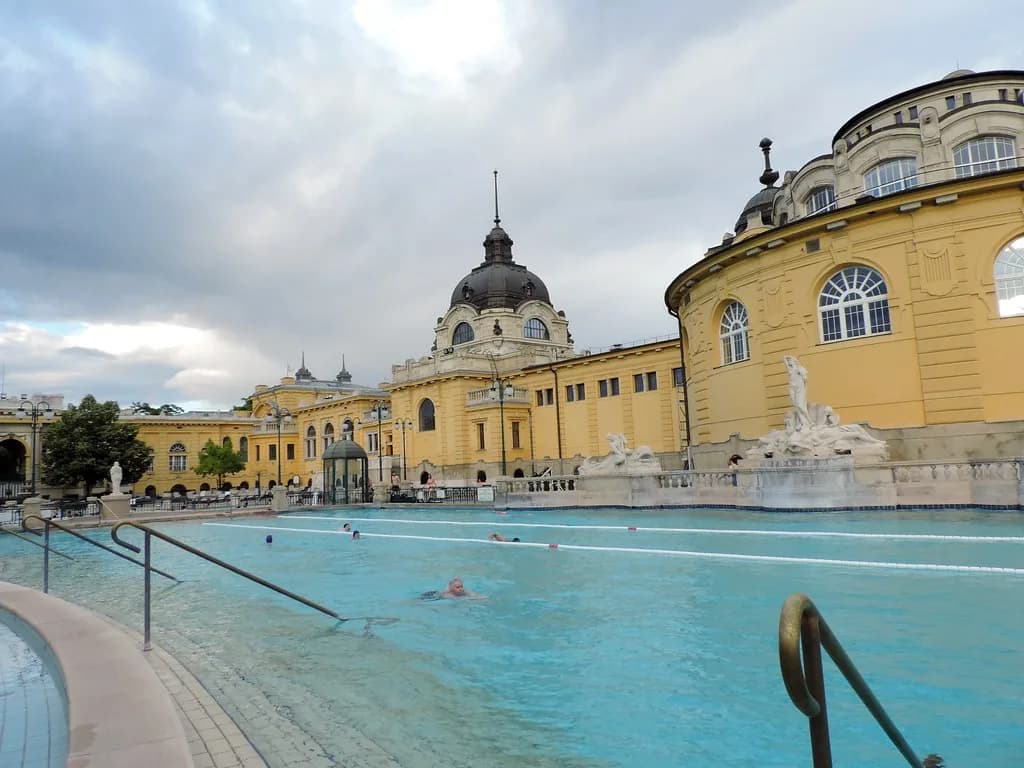
| Széchenyi | XIV | 8,900+ | Tourist crowds, party atmosphere | Iconic experience, outdoor pools |
| Gellért | XI | 9,000+ | Popular, architecturally stunning | Art Nouveau lovers, wave pool |
| Veli Bej | II | 5,200 | Quiet, historic, local | Authentic Ottoman experience |
| Lukács | II | 5,500 | Shabby-chic, regular crowd | Year-round outdoor pools |
| Dandár | IX | 2,700 | No frills, neighborhood feel | Budget travelers, locals |
Regardless of which bath you choose, bring your own towel and flip-flops to avoid rental fees. Arrive at Széchenyi before 10:00 on a weekday if you go in summer — the outdoor pools fill up quickly. For the quietest experience at any bath, visit between 14:00 and 16:00 on a weekday afternoon.
Parks, Gardens, and Outdoor Spots: Where Locals Escape
Margaret Island is the city's green lung and a favourite spot for morning runners. Locals use the 5.3-kilometre rubberized running track that circles the entire island. Avoid the central musical fountain during peak hours to find quieter meadows in the north. The Japanese Garden offers a serene escape with small ponds and wooden bridges.
For a real outdoor adventure, take the bus up to the Normafa hills. This area is where Budapest families go for weekend hikes and fresh forest air. You can try the famous Normafa strudel while looking out over the entire city basin. The air is noticeably cooler here during the hot summer months.
City Park is undergoing many changes, but the lake remains a classic local hangout. In winter, it turns into one of the largest outdoor ice rinks in Europe. Summer visitors can rent small boats or simply lounge on the grass near the castle. It is a versatile space that serves the community throughout every season.
Family-Friendly and Budget-Friendly Options in Budapest
Exploring the city with kids does not have to cost a lot of money. There are several places to visit in Budapest for free that children will love. The playground at Gellért Hill features long slides and climbing walls with amazing views. It is a great place for parents to rest while kids burn off some energy.
Walking across the Liberty Bridge is a popular activity for young locals on summer nights. The bridge is sometimes closed to cars, turning it into a massive public picnic spot. People bring drinks and music to enjoy the breeze from the Danube River. This festive atmosphere is completely free and very welcoming to everyone.
Budget travelers should look for grocery stores like Spar, Lidl, or Aldi for snacks and picnic supplies. Avoid the small 'ABC' convenience stores in the city center as they charge significantly higher prices. Buying a fresh pastry or 'túró rudi' at a supermarket is a cheap local tradition. These small savings allow you to spend more on special experiences later in the day.
How to Plan a Smooth Budapest Attractions Day
Navigating the city is easy if you use the right digital tools. The Budapest Go App (BKK) is essential for planning any trip on public transport. It allows you to buy digital tickets and see real-time arrivals for buses and trams. Using the app prevents the stress of finding a working ticket machine before your bus departs.
Tram 2 is often called one of the most beautiful tram lines in the world. It follows the Pest riverbank and passes the Parliament and the Chain Bridge. For the price of a single ticket (350 HUF, under 1 EUR), you get a scenic tour of the main sights. Try to ride it during the early morning to avoid the mid-day rush of commuters and tourists.
Book popular attractions in advance for summer visits, especially thermal baths and the Museum of Fine Arts. Long queues form by mid-morning at Széchenyi and at the Great Synagogue in District VII. Online tickets are usually the same price as the door price, with the added advantage of a shorter line. Walking between sights in Districts V, VI, and VII is often faster than waiting for a tram — the area is very compact.
Stay alert in crowded areas like the metro underpass at Deák tér and along the Danube Promenade. Pickpocketing happens most often in dense tourist spots during peak season. Keep your wallet in a front pocket and avoid putting your phone on restaurant tables near busy streets. Bolt and Uber both operate in Budapest in 2026 and are significantly safer and cheaper than hailing a taxi on the street.
Learn a Few Hungarian Phrases
Hungarian (Magyar) is notoriously difficult for English speakers, but locals genuinely appreciate any effort you make. A few well-pronounced words will earn you a warmer reaction than you might expect from what can seem like a reserved culture at first glance. The script below gives you the pronunciation in plain phonetics so you can say it out loud before you arrive.
- "Hello" / "Goodbye": Szia (see-ah) — informal, works for both
- "Good day": Jó napot (yo nah-pot) — formal greeting
- "Thank you": Köszönöm (kew-sew-noom)
- "Cheers": Egészségedre (eh-geh-she-gehd-reh) — essential for ruin bars
- "Excuse me": Bocsi (boh-chee) — casual and widely used
- "Please": Kérem (kay-rem)
- "Where is…?": Hol van…? (hol von) — pair with a hand gesture and a map
Even saying "szia" when entering a small shop makes a visible difference. Market vendors and café owners will often switch to English once they hear you tried. It signals respect rather than an expectation that everyone must accommodate you. This one habit does more for the "local experience" than any amount of guidebook research.
When entering ruin bars late at night, be respectful of neighbors in residential buildings. Many entrances are unmarked wooden doors on quiet streets—keep noise low when leaving and arriving. This courtesy earns you a warmer welcome from both staff and the local community.
Renting a Place to Stay: Why You Should Try Local Websites
Most tourists head straight to major booking sites, but locals use different platforms. For short stays, check szallas.hu — the Hungarian equivalent of Booking.com — which often has better prices on apartments in residential buildings. If you are staying for a longer period, browse Ingatlan.com for monthly rentals. You can often find more authentic apartments in regular residential buildings where you live among actual residents.
Understanding the district system is key to choosing the right neighborhood for your vibe. A comprehensive Budapest neighborhoods guide can help you decide where to base yourself. District VII is perfect for nightlife access, while District XIII offers a quieter, genuinely local feel. Each area has its own character and unique set of local shops and cafes.
Look for apartments with high ceilings and classic 'körfolyosó' (circular inner-balcony) architecture. These traditional buildings are icons of Budapest and offer a unique living experience. They stay naturally cool in the summer due to their thick stone walls. Staying in one makes you feel like a true part of the city's history rather than a visitor passing through.
A Local's 3-Day Budapest Itinerary
A well-planned Budapest 3-day itinerary should balance famous sights with local secrets. Avoid anchoring your days around Váci utca — the tourist shopping street — and instead use the districts as your daily anchors.
Day 1 — District VII and VIII: Start with coffee on Mikszáth Kálmán tér in the Palace District, where the morning crowd is almost entirely local students and residents. Walk north into the Jewish Quarter to see Szimpla Kert in the daytime (it opens as a farmers' market on Sunday mornings). Lunch at one of the napi menü restaurants on Rákóczi út. In the evening, explore the ruin bar scene on a weeknight rather than a weekend for a less crowded atmosphere.
Day 2 — Buda: Skip the Castle bus and climb through the garden of Várkert Bazár for a more scenic approach. Visit the Castle District in the morning before tour groups arrive. Descend to District II and finish your afternoon at Veli Bej thermal bath (5,200 HUF / 13 EUR) rather than the packed Széchenyi. The 16th-century Ottoman domed pools are far more meditative.
Day 3 — Újlipótváros (District XIII): This northern neighbourhood rewards slow mornings. The Bauhaus apartment buildings along Pozsonyi út are photogenic without requiring any effort to reach. Stop at a local pastry shop for a coffee and rétes (strudel). Walk south along the river to the Parliament building and catch Tram 2 back toward the center.
Staying Hydrated: Why It's Okay to Drink Tap Water
You do not need to buy bottled water while exploring the city streets. The tap water in Budapest is high quality, tested to European Union safety standards, and perfectly safe for everyone to drink. Carrying a reusable bottle will save you money and reduce plastic waste. Most cafes will refill your bottle if you ask politely.
Look for the blue fire hydrants that have been converted into drinking fountains. The Ivókút Project maintains a map of these public fountains and has been expanding the network throughout the city. These fountains provide free, cold water throughout the warmer months. It is a clever local initiative that makes hot summer days much cheaper to navigate.
If you do buy bottled water at a supermarket, note that a pink lid means still water and a blue lid means sparkling. Avoid buying any bottled water from the small convenience stores near major attractions — supermarket prices are two to three times lower for the same brands. This small tip keeps your daily budget focused on food and experiences.
Insider Wisdom: Budapest Tips from Local Experts
Visiting the famous Budapest ruin bars is a must for any first-time visitor. However, locals usually visit these spots on weeknights to avoid the heavy weekend crowds. Be respectful of the neighbors when entering and leaving these bars late at night — many ruin pubs are located in residential buildings. Doors can be hard to find; the entrance to Szimpla Kert, for example, is a modest wooden door on Kazinczy utca with no prominent signage.
Avoid the high-priced chimney cakes sold at tourist markets and Christmas market stalls, where prices can reach 2,000 HUF or more. You can find a delicious 'kürtőskalács' at metro stations and street stands for around 800–1,000 HUF. The stand in front of Nyugati station and the one near Oktogon are two reliable spots. At 800 HUF, you are paying roughly 2 EUR — the tourist version charges two to three times more for the same product.
Tipping culture in Hungary is straightforward but important to understand. A tip of 10% is standard in restaurants if a service charge is not already included. Check your bill carefully for the words 'szervízdíj' before adding extra money. When paying by card, the terminal may prompt you for a tip with a default of 10% or 20% — you can always select zero. Hand tips directly to the server rather than leaving coins on the table.
Always choose to be charged in Hungarian Forint (HUF) when paying by card, never EUR or USD. Your bank's exchange rate will be significantly better than the merchant's dynamic conversion fee—potentially saving 5–10% on every transaction. This single habit stacks up over a week-long trip.
Watch out for the bar invitation scam that operates in the most touristic streets. If a stranger — often a young woman — approaches you on the street and invites you for a drink, decline politely. These setups result in an inflated bill that the bar will enforce with aggression. It is rare in the residential districts and almost exclusively a hazard on the main tourist corridors around Váci utca and the Danube walkway at night.
Money Management: Avoiding Hidden Fees When Exchanging Currency
Managing your money correctly will save you from unnecessary fees and stress. Always use ATMs located inside major banks like OTP, Erste, or K&H. Avoid the yellow and blue Euronet machines found on almost every street corner in the tourist center — these charge very high withdrawal fees on top of poor exchange rates. The machines often present a "dynamic currency conversion" option that makes things worse; always decline and choose to withdraw in HUF.
When paying by card at any merchant, always choose to be charged in the local currency (Forint, HUF). If the payment terminal asks whether you want to pay in EUR or USD instead, decline. Your own bank will almost always give you a better rate than the merchant's machine. This single habit can save you 5–10% on every card transaction throughout your trip.
If you need to exchange cash, compare the spread between the buy and sell rates at exchange booths rather than looking for "no commission" signs — that phrase usually means the cost is buried in the rate. Avoid exchange offices at Liszt Ferenc Airport and the main train stations (Keleti, Nyugati) for any significant amount. The booths in the city center, particularly in the VI and VII Districts, often provide better value. Always ask how many HUF you will receive before handing over your cash.
Frequently Asked Questions
Is it expensive to live like a local in Budapest?
Living like a local is very affordable compared to other European capitals. You can find lunch menus for 2,000-3,000 HUF and use cheap public transport. Avoid tourist zones to keep your daily costs low. Check the Budapest Card Official site for potential transport savings.
What is the best neighborhood to stay in to avoid tourists?
District XIII (Újlipótváros) and District IX (Ferencváros) are excellent choices for a local feel. These areas have great parks, local cafes, and fewer souvenir shops. You will be close to the center but surrounded by residents. They offer a much more authentic atmosphere for your stay.
How do I use the Budapest Go app for transport?
Download the app and register your account to buy digital tickets or passes. You must scan the QR code on the bus or tram to validate your ticket. The app also provides live route planning and service updates. It is the most efficient way to travel across the city.
Can I drink the tap water in Budapest?
Yes, the tap water is safe and meets high European safety standards. You can refill your bottle at any tap or public drinking fountain. This helps you stay hydrated while saving money and reducing plastic waste. It is a common practice for all city residents.
Which thermal baths do locals actually use?
Locals often prefer smaller, quieter baths like Lukács, Veli Bej, or Dandár. These spots are less crowded than Széchenyi or Gellért and usually cost less. They offer a more traditional and relaxing experience for regular visitors. Always bring your own towel and flip-flops to save on rental fees.
Experiencing Budapest like a local opens up a world of authentic flavors and hidden beauty. By following these tips, you can avoid common traps and connect with the real city. The Hungarian capital is a place that rewards those who look beneath the surface. Take your time to explore the districts and meet the people who live there.
Whether you are eating a cheap chimney cake or hiking in Normafa, enjoy the local pace. Budapest is a city that stays with you long after you have returned home. Use this guide to make your next trip both meaningful and budget-friendly. Safe travels as you discover the true soul of this magnificent European destination.
Continue exploring
More guides you'll find useful