25 Unusual Things to Do in Budapest: Hidden Gems (2026)
Explore 25 unusual things to do in Budapest, from secret nuclear bunkers and Turkish baths to hidden palace libraries and communist-era relics. Updated for 2025.
On this page
25 Unusual Things to Do in Budapest
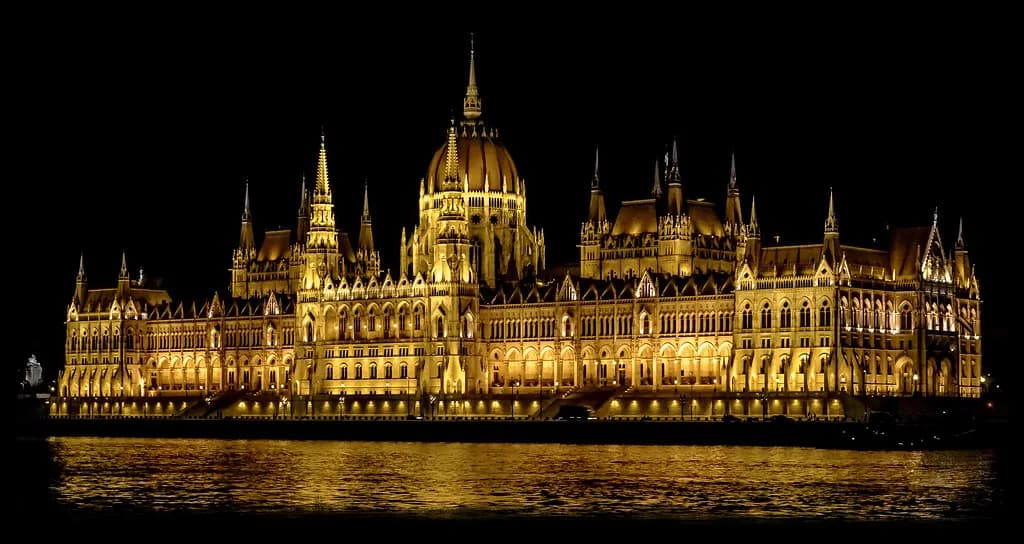
After four visits to the Pearl of the Danube, I have learned that the city's true soul hides in its shadows. While most crowds flock to the Parliament, I prefer hunting for off the beaten path Budapest experiences in District VIII. This guide focuses on the grit and the glory that most guidebooks overlook. I last refreshed this list in early 2026 after scouting new street art and secret wine cellars.
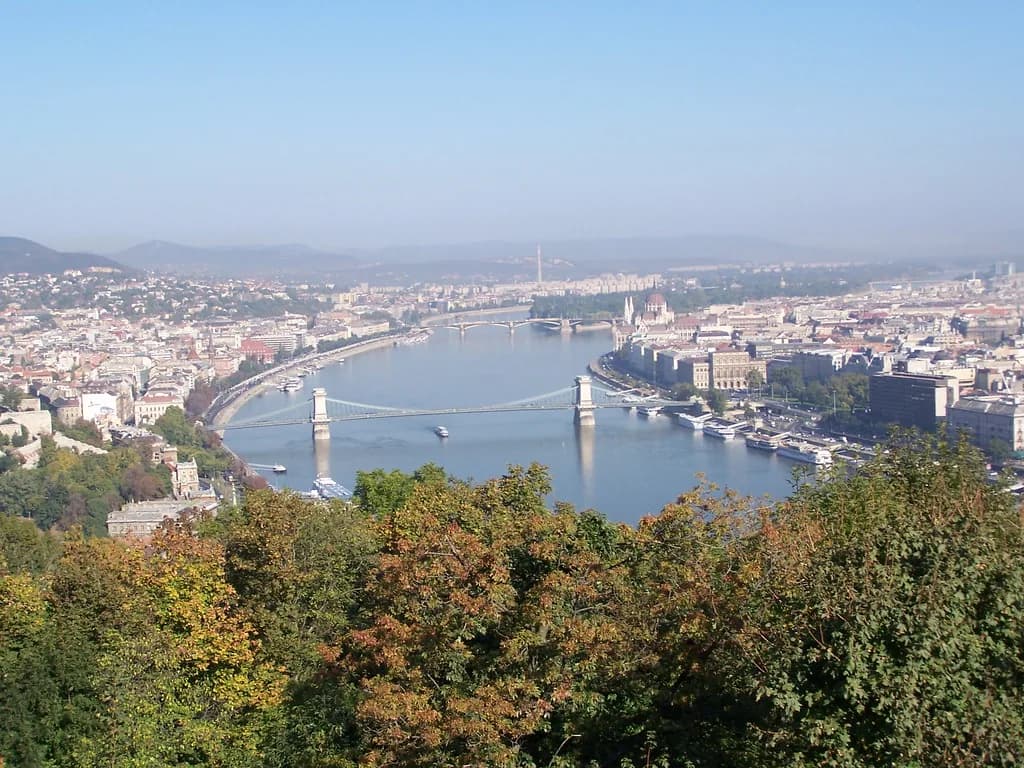
Budapest is a city of layers where Roman ruins sit beneath modern office blocks and bullet holes scar neo-Renaissance facades. Finding these hidden gems in Budapest requires a curious eye and a willingness to wander. You might start your morning in a nuclear bunker and end it sipping cherry liqueur in a standing-only bar. For those who want a structured walk, GPSmyCity Budapest Guides offers excellent digital routes through these neighborhoods.
Is Budapest Worth Visiting for Off-Beat Travelers?
Travelers seeking something beyond the standard postcard views will find Budapest exceptionally rewarding. The city offers a unique blend of Soviet-era remnants and Austro-Hungarian elegance that creates a fascinating visual tension. I remember finding my first revolutionary bullet hole near Corvin Negyed and feeling the weight of the 1956 uprising. This city does not hide its scars; it integrates them into the daily life of its residents.
Alternative culture thrives here in the form of ruin bars and community-run art spaces. You can find a quiet 16th-century Turkish bath just blocks away from a pulsating techno club. The contrast between the polished Buda side and the crumbling Pest side provides endless exploration opportunities. It is this duality that makes the city a premier destination for curious explorers.
25 Unusual Things to Do in Budapest
We have grouped these 25 items into four thematic clusters to help you plan your route. The first group focuses on the city's complex history, from Roman times to the Cold War. Next, we explore quirky museums and interactive activities that offer a break from traditional galleries. The final sections cover alternative food spots and architectural secrets hidden in plain sight.
Many of these locations are found in District VII and District VIII, which are easily walkable. For sites further out, like Memento Park, the city's efficient public transit system is your best friend. Always carry a few small coins for lockers at the thermal baths or minor entry fees. Most places on this list accept cards, but smaller local markets still prefer Hungarian Forint.
- Communist-Era Bullet Holes in District VIII
- Walking through the Józsefváros neighborhood reveals deep scars from the 1956 Revolution on residential buildings.
- These holes are mostly free to view and are concentrated around Bródy Sándor Street and Corvin Alley.
- Start at the National Museum and walk toward the Corvin Cinema for the best sightings; look for metal plaques marking significant battle sites.
- For a structured route, walk north along Bródy Sándor Street, cross Múzeum körút, then head down Üllői út to Corvin Negyed — the whole loop takes about 45 minutes on foot.
- Hospital in the Rock Nuclear Bunker
- This eerie museum is a former secret emergency hospital and nuclear bunker located beneath Buda Castle.
- It features realistic wax figures and original medical equipment used during the Siege of Budapest and the Cold War.
- Tours run daily from 10:00 to 19:00 and cost approximately 7,300 HUF for an adult ticket.
- The temperature inside stays at 18 degrees Celsius year-round, so bring a light layer even in summer — the Cold War bunker section, sealed in 1960 and opened to the public in 2008, is the highlight.
- Memento Park Statue Graveyard
- This open-air museum houses the massive statues of Lenin, Marx, and Engels that once stood in the city center.
- It is located on the outskirts of the city and offers a surreal look at socialist realism art.
- Entry is around 3,000 HUF and the park is open daily from 10:00 until sunset.
- Take the direct bus from Deák Ferenc Square or use public bus 150 from Újbuda-központ.
- Underground Railway Museum at Deák Square
- Located inside a defunct tunnel, this museum celebrates the oldest electrified underground system in mainland Europe.
- You can see original wooden carriages from the late 19th century and historical transit maps.
- It is open Tuesday through Sunday from 10:00 to 17:00 with a very affordable 1,500 HUF entry fee.
- The museum is small enough to explore in thirty minutes before catching the M1 line.
- The Cave Church on Gellért Hill
- Built into a natural cave system, this chapel was founded by Pauline monks in the 1920s.
- The interior feels surprisingly cool and spiritual, featuring unique rock formations and religious icons.
- It is open for visitors Monday to Saturday from 9:00 to 19:00, costing about 1,000 HUF.
- Remember to dress modestly as this is still an active place of worship for the local community.
- Kerepesi Cemetery Statuary Walk
- This is the most famous cemetery in Hungary and functions as a quiet, green pantheon of national heroes.
- The mausoleums are architectural masterpieces and the park-like setting is perfect for a peaceful afternoon stroll.
- Access is free and the gates are generally open from 7:30 until 17:00 or later in summer.
- The cemetery is located near Keleti Station and is easily reached by the M2 metro line.
- Aquincum Roman Ruins and Museum
- These extensive ruins in Óbuda mark the site of a major Roman settlement from the 1st century.
- You can walk through the remains of houses, baths, and an amphitheater while viewing ancient mosaics.
- Adult tickets cost roughly 2,500 HUF and the site is open Tuesday to Sunday until 18:00.
- The H5 suburban railway provides a direct link from Batthyány Square to the Aquincum stop.
- Budapest Pinball Museum (Flippermúzeum)
- This interactive museum features over 150 pinball machines that are all set to free play with admission.
- It is the largest permanent pinball exhibition in Europe and is located in a cozy basement in District XIII.
- Expect to pay around 5,000 HUF for entry, which allows you to stay as long as you like.
- They are open Wednesday through Sunday and often stay open until midnight on Friday and Saturday nights.
- The Children's Railway (Gyermekvasút)
- This unique railway in the Buda Hills is almost entirely operated by children aged 10 to 14 under adult supervision — a tradition dating from the 1948 Pioneer Railway era.
- The route winds through scenic forests and offers several stops for hiking and viewpoints.
- A single ticket is about 1,000 HUF and trains run roughly every hour from 9:00 to 17:00.
- Take tram 61 to Hűvösvölgy to reach the starting terminal; from there you can also hike to the Erzsébet lookout tower at the end of the line.
- Neverland Bar and Escape Room
- This venue combines high-quality escape rooms with a trendy bar and restaurant in the Jewish Quarter.
- The immersive puzzles are designed with high production values and vary in difficulty for different groups.
- Escape room prices start at 5,000 HUF per person, and the bar is open late daily.
- Booking in advance is highly recommended as the most popular rooms fill up on weekend evenings.
- Cat Café Budapest
- Enjoy a coffee or a slice of cake while relaxing with the resident cats in this central cafe.
- The atmosphere is calm and the cats are well-cared for with plenty of space to roam.
- You can find more details on their official site at Cat Café Budapest for current hours.
- They are open daily from 10:00 to 21:00 and do not charge an entry fee besides your order.
- Kolodko Mini Statues Scavenger Hunt
- Mihály Kolodko has hidden dozens of tiny bronze statues across the city, from Kermit the Frog to tanks.
- Finding these whimsical figures is a great way to explore different neighborhoods on foot for free.
- Most are located along the Danube embankment or in the Parliament area and the Jewish Quarter.
- Look for a tiny diver near the New York Cafe or a miniature Rubik's Cube on the Buda side.
- Zwack Unicum Museum and Distillery
- Learn about the history of Hungary's national herbal liqueur and the family that has produced it for centuries.
- The tour includes a visit to the old distillery and a tasting of different Unicum varieties.
- Tickets are approximately 3,000 HUF and the museum is open Monday to Saturday from 10:00 to 17:00.
- The gift shop is a great place to buy a unique spherical bottle as a souvenir.
- Ruin Bar Farmers Market at Szimpla Kert
- Every Sunday morning, the city's most famous ruin bar transforms into a bustling local food market.
- You can buy artisanal cheeses, honey, and cured meats directly from Hungarian farmers in a quirky setting.
- Check out our guide to Budapest Ruin Bars for more evening options at Szimpla and beyond.
- The market runs from 9:00 to 14:00 and is free to enter, though you should bring cash for vendors.
- Rare Vintages at Tokaj Wine Bar
- This specialized bar focuses on the famous sweet and dry wines from the Tokaj-Hegyalja region.
- It is an excellent place to learn about the world's first botrytized wine in an intimate setting.
- Tastings typically range from 4,000 to 10,000 HUF depending on the rarity of the vintages selected.
- The staff is highly knowledgeable and can explain the complex grading system of Puttonyos to you.
- Private Tasting at Wine The Gap
- This boutique wine shop offers curated tastings that highlight small-batch producers from across Hungary.
- It is located in the vibrant District VII and provides a more personal experience than larger bars.
- Expect to pay around 8,000 HUF for a guided flight of five distinct Hungarian wines.
- They are generally open from 14:00 to 22:00, but booking a private session is best for groups.
- Cooking Class with Foodapest
- Learn how to make traditional goulash or chicken paprikash from scratch with a local chef.
- The classes usually include a market tour to source fresh ingredients before the actual cooking begins.
- Prices for a half-day experience are roughly 25,000 HUF per person including the full meal.
- This is a fantastic way to understand the spice profiles and techniques behind authentic Hungarian cuisine; check the best local restaurants in Budapest for follow-up dining ideas.
- Local Produce at Falu Delikat
- This gourmet shop specializes in farm-to-table products sourced from the Hungarian countryside.
- It is a perfect spot to pick up high-quality paprika, truffle oils, or traditional jams.
- The shop is located in the Újlipótváros neighborhood and is open weekdays from 10:00 to 19:00.
- Try their selection of local craft beers, which are often hard to find in larger supermarkets.
- Fresh Chimney Cakes at Kiraly Kalacs
- Watch the traditional process of baking Kürtőskalács over an open fire at this popular local stand.
- Unlike the tourist versions, these are made fresh to order and have a perfectly caramelized exterior.
- A large cake costs about 1,500 HUF and you can choose from cinnamon, walnut, or cocoa toppings.
- They are located near the Király utca stop and are open daily from 10:00 to 20:00.
- Savory Porridge at Fagel
- This small eatery reimagines oatmeal and porridge with savory toppings like pesto, seeds, and roasted vegetables — best for a quick, cheap breakfast before a long day of sightseeing.
- It is a healthy and unusual breakfast alternative that is very popular with the local student population.
- A hearty bowl costs approximately 2,000 HUF and they offer many vegan and gluten-free options.
- They are open early from 8:00 to 16:00, making it a great stop before a morning of sightseeing.
- Cherry Liqueur at Piana Vyshnia Bar
- This standing-only bar serves only one thing: a potent and delicious Ukrainian cherry liqueur.
- The red-tinted interior and crystal carafes create a unique atmosphere for a quick afternoon drink — best for a late-night nightcap after the ruin bars.
- A glass costs about 1,200 HUF and you can also buy full bottles to take home.
- It is located right in the heart of the city near St. Stephen's Basilica and stays open late.
- Metropolitan Ervin Szabó Library
- Hidden inside a modern library building is the stunning 19th-century Wenckheim Palace, one of the city's best-kept architectural secrets.
- The reading rooms on the fourth floor feature dark wood paneling, massive chandeliers, and intricate gold leafing — a completely unexpected palace interior that most visitors walk right past.
- You can buy a guest pass for about 1,500 HUF to access the historical rooms; head directly to the fourth floor and ask staff to show you the Díszterem ceremonial hall.
- It is open Monday through Friday from 10:00 to 20:00 and on Saturdays until 16:00.
- Gothic Vajdahunyad Castle in City Park
- This castle was built to showcase various architectural styles from across the former Hungarian Kingdom.
- It sits on a small island in City Park and looks like it was pulled straight from a fairy tale.
- The grounds are free to walk through, while the Agricultural Museum inside has a small entry fee.
- Learn more about the surrounding area through the Liget Budapest Project website.
- Relax in the Historic Veli Bej Bath
- This is one of the oldest Turkish baths in the city and is much quieter than the famous Széchenyi — built in the 16th century under Ottoman rule and still operating under its original dome.
- The central octagonal pool sits under a sky-lit dome and feeds into several smaller thermal pools at different temperatures.
- Find more quiet options in our guide to Lesser-Known Thermal Baths in Budapest.
- Entry is around 4,000 HUF and they operate in morning and afternoon shifts, so check the schedule in advance.
- Japanese Garden on Margaret Island
- This small, tranquil garden features a fish pond, a rock garden, and traditional Japanese flora.
- It is a perfect escape from the city noise and is located at the northern tip of Margaret Island.
- Access to the garden is free and it is open 24 hours a day throughout the year.
- Take the 26 bus from Nyugati Station which stops directly near the garden entrance.
Choosing the Right Thermal Bath: A Quick Comparison
All three baths require you to rent or bring a cotton loin cloth or swimsuit. Veli Bej provides a small linen wrap with entry; Széchenyi requires a proper swimsuit only. If you pack light, buy a cheap swimsuit at the Fény utca market on the Buda side for around 2,000 HUF rather than paying bath rental prices.
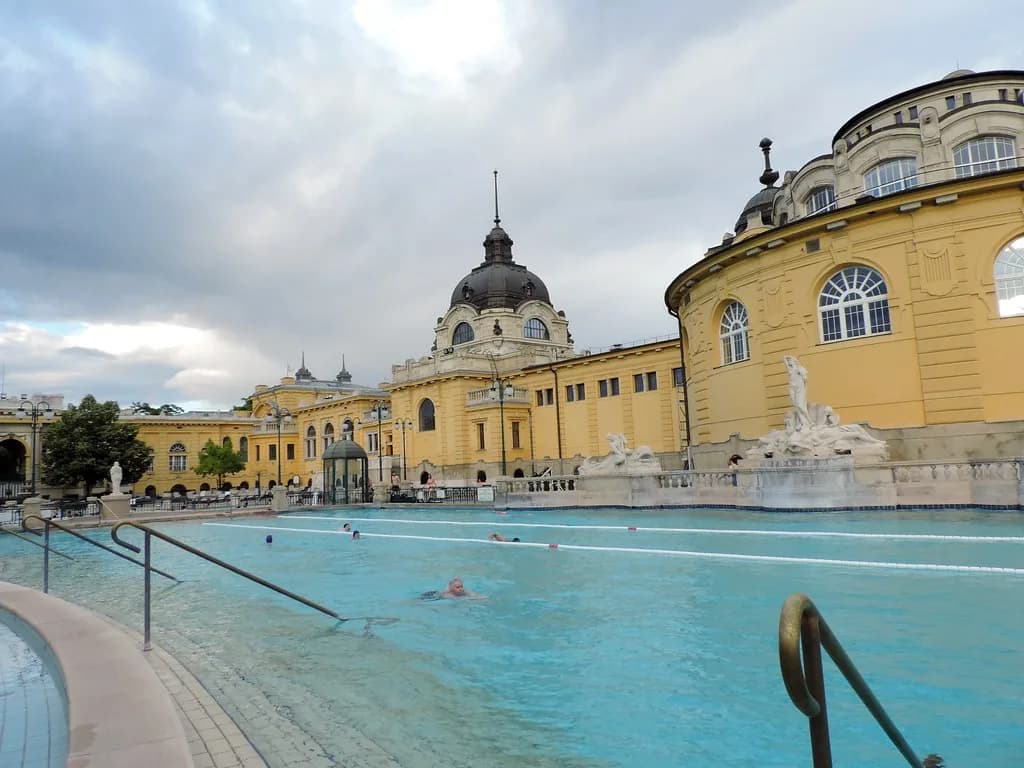
Budapest has over 100 geothermal springs and nearly a dozen public bathhouses, which makes picking one genuinely confusing. The three most relevant for off-beat travelers are Veli Bej, Rudas, and Széchenyi — each from a different historical era, each with a very different crowd profile. Széchenyi dates from 1913 and is the city's largest outdoor pool complex; it is stunning but routinely packed by mid-morning, especially in winter. Rudas was built in 1566 and has the most dramatic architecture — a domed Ottoman hammam supplemented by a modern rooftop pool — but it operates single-sex hours on most weekdays, so check the schedule before you go.
Veli Bej (also spelled Vali Bej) is the clear pick for anyone who wants the authentic Ottoman experience without the selfie sticks. Built in 1574, it sits quietly in the Buda hills and attracts mostly local regulars. Entry runs around 4,000 HUF, roughly half of Széchenyi's peak pricing. Rudas charges approximately 5,500 HUF for a full-day pass including the rooftop, which is worth it if you time your visit on a coed day. A useful rule: visit Veli Bej on a Tuesday morning, Rudas on a Thursday afternoon (coed), and skip Széchenyi entirely unless you are specifically after the sparty or the photogenic outdoor pool in winter steam.
| Bath Name | Built | Entry Price | Best For | Best Time to Visit |
|---|---|---|---|---|
| Veli Bej | 1574 | ~4,000 HUF | Authentic Ottoman experience, quiet local atmosphere | Tuesday morning |
| Rudas | 1566 | ~5,500 HUF (rooftop included) | Dramatic Ottoman architecture, modern rooftop pool | Thursday afternoon (coed hours) |
| Széchenyi | 1913 | ~8,000+ HUF (peak) | Large outdoor pools, famous yellow building | Avoid unless specifically seeking the outdoor pool in winter |
Where to Stay: Buda vs. Pest
The single most impactful accommodation decision in Budapest is which side of the Danube you choose. Pest is flat, dense, and packed with ruin bars, food markets, and the bulk of the unusual attractions on this list. District VII, the Jewish Quarter, is the best base for explorers because it puts you within walking distance of Szimpla Kert, Dohány Street Synagogue, and the Metropolitan Ervin Szabó Library. Király utca and the streets immediately surrounding it are lively well into the night, so request a room on a quieter side street if you are a light sleeper.
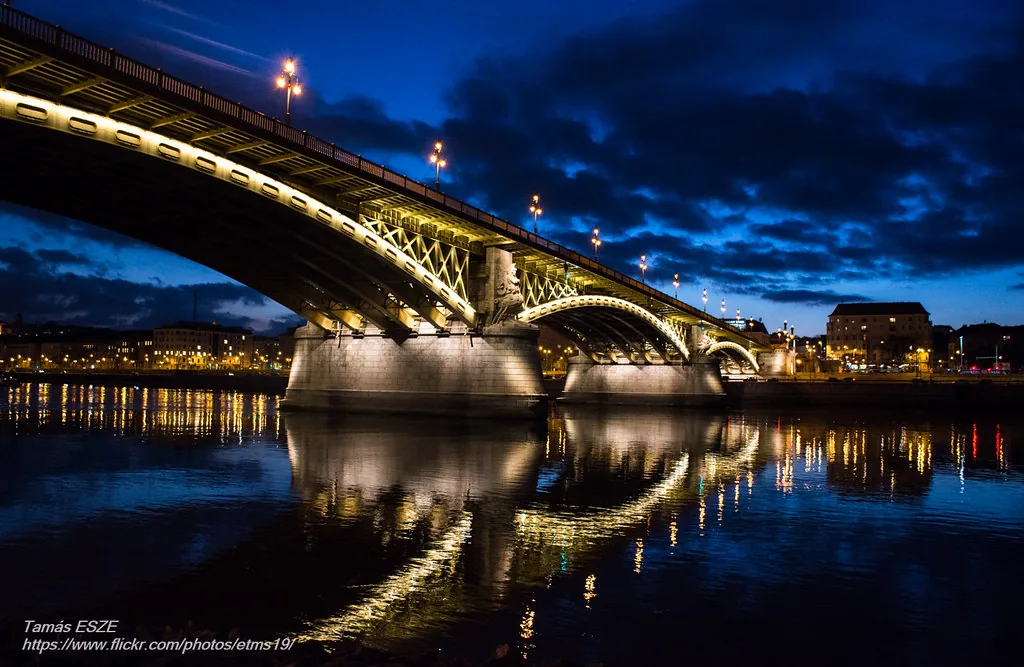
Buda is calmer and leafier, and makes sense if you plan multiple visits to Memento Park, the Children's Railway, or the cave system under Castle Hill. The commute to Pest is fast — tram 19 along the river or the M2 metro from Batthyány Square get you to the center in under 15 minutes. Budget travelers often find better value in Buda, where hostels are smaller and less party-oriented. For a deeper breakdown of each district, see our Budapest Neighborhoods Guide.
If you are visiting for the first time, stay in Pest and budget upwards of 30 EUR per night for a clean private room in District VII or VIII. For a second or third visit when you already know the main sights, a Buda apartment near Mammut shopping center gives you easy tram access to the hills and quieter evenings.
Do You Need a Car in Budapest?
The short answer is no. Budapest's public transport network — four metro lines, an extensive tram grid, and dozens of bus routes — covers every site on this list. The BKK 72-hour travelcard is the most efficient option for a short visit, covering unlimited metro, tram, and bus travel within the city boundary. Current pricing and route details are available on BKK Tickets and Passes; download the BudapestGO app before you land to buy tickets without queuing at machines.
The one exception is day trips. If you want to reach Lake Balaton, Eger, or a rural winery in one day, a rental car for a single day (roughly 35–50 EUR from the airport) makes sense. For everything else, a car creates more problems than it solves: central parking is expensive, zones require a local SMS payment system, and rush hour on the Elizabeth Bridge can add 30 minutes to what should be a 10-minute crossing.
For Memento Park specifically — a site not directly served by a simple metro — take the direct seasonal bus from Deák Ferenc Square (40 minutes, roughly 500 HUF each way) rather than attempting to drive and park. The bus departs from platform 7 at Deák and runs on a schedule tied to park opening hours.
Is the Budapest Card Worth It?
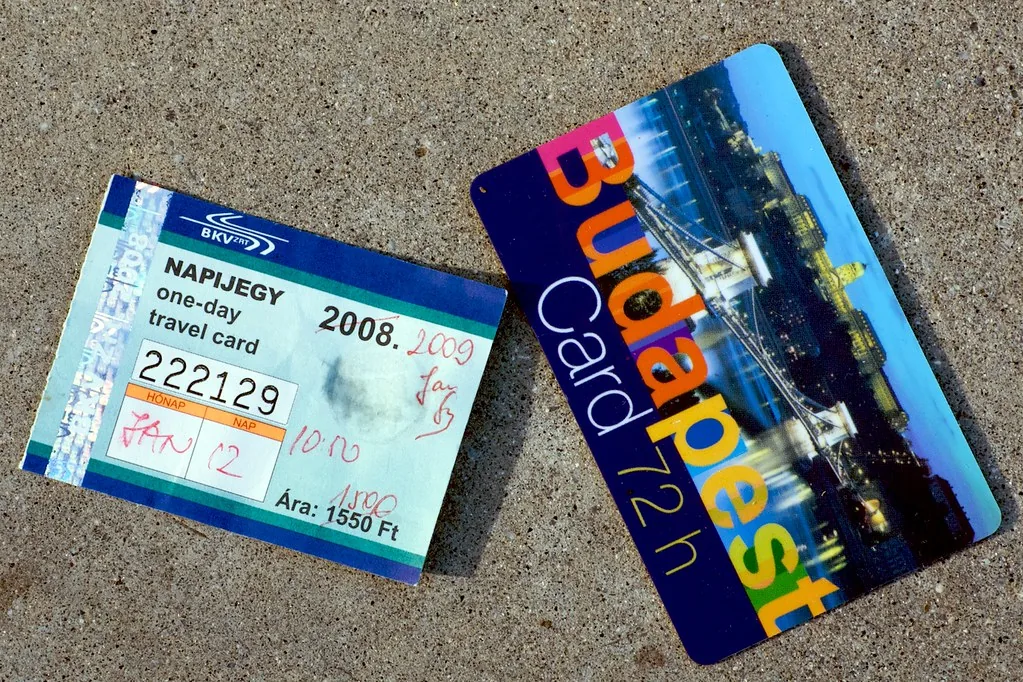
The BKK 72-hour travelcard (around 5,500 HUF) covers unlimited metro, tram, and bus transport and is often cheaper than bundling the Budapest Card with paid entry fees. For unusual itineraries heavy on food, baths, and walking experiences, skip the Card and buy the travelcard separately while paying individual entry fees — you'll save money.
The Budapest Card bundles unlimited public transport with free or discounted entry to over 17 museums and attractions. A 48-hour card costs approximately 8,990 HUF and a 72-hour card runs around 11,990 HUF. It covers free entry to the Hungarian National Museum, Budapest History Museum, and Aquincum, and provides discounts on the Pinball Museum, Memento Park, and select thermal baths. If your itinerary includes two or more of those attractions in a single day, the math often works in your favor.
However, for the unusual itinerary described in this article, the card has real blind spots. It offers no discount at the Hospital in the Rock, Veli Bej Bath, or the Children's Railway — three of the most worthwhile off-beat stops. The cave church, the Zwack Museum, and most food experiences are also outside its coverage. My honest take: buy it if you plan to hit four or more museums in 48 hours; skip it if your trip leans heavily toward food, baths, and walking experiences.
One workaround worth knowing: the BKK 72-hour travelcard (around 5,500 HUF) covers transport at a lower price than the Budapest Card's transport component alone. Buy that separately and pay individual entry fees — it comes out cheaper for most unusual itineraries.
How to Budget for Five Days in Budapest
Budapest remains one of the more affordable capital cities in Central Europe in 2026, though prices have risen noticeably since 2022. A realistic five-day budget for a solo traveler staying in a private room in District VII is roughly 450–600 EUR, including accommodation, food, transport, and entry fees for 3–4 paid attractions per day. Accommodation ranges from 30–50 EUR per night for a clean mid-range guesthouse up to 120 EUR for a boutique hotel in the Jewish Quarter.
Food is where Budapest delivers the best value. A bowl of goulash at a neighborhood étterem costs 2,500–3,500 HUF; a chimney cake from Kiraly Kalacs runs 1,500 HUF; and a flight of Hungarian wines at Tokaj Wine Bar starts at 4,000 HUF. Budget 5,000–8,000 HUF per day on food if you eat like a local and reserve restaurants for one meal per day. The Szimpla Kert farmers market on Sunday mornings is the cheapest way to eat well — fill a bag for under 3,000 HUF.
The biggest single expense on an unusual itinerary is the cooking class (around 25,000 HUF), the Hospital in the Rock tour (7,300 HUF), and a thermal bath visit (4,000–5,500 HUF). Spread these across different days rather than stacking them, and you will comfortably stay under 100 EUR per day including accommodation.
What to Skip: Common Budapest Tourist Traps
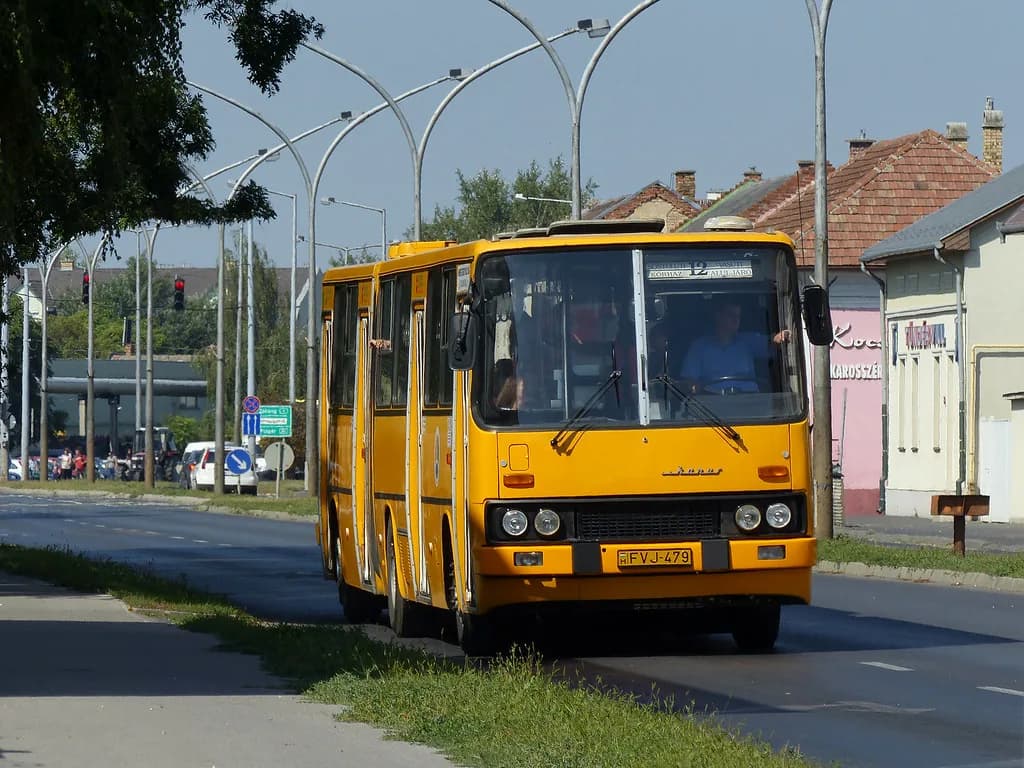
While the Great Market Hall is an architectural marvel, I strongly advise against eating lunch on the second floor. The food stalls there are often overpriced and the seating is cramped and uncomfortable for the quality provided. Instead, head to the Hold Utca Market or local eateries in District VIII for a more authentic meal. You will save money and enjoy a much better atmosphere away from the heavy tourist traffic.
The New York Cafe is frequently cited as the most beautiful cafe in the world, but the wait times are excessive. I have seen lines stretching down the block for a cup of coffee that costs significantly more than elsewhere. If you want the palace atmosphere without the two-hour wait, try Central Cafe or the Lotz Hall inside the Alexandra bookshop on Andrássy Avenue. These alternatives offer similar historic charm with much faster service and better value.
How Many Days Do You Need in Budapest?
To truly experience the unusual side of the city, I recommend staying for at least four full days. This allows you to spend two days on the major sights and two days exploring the hidden corners mentioned here. Our Budapest 3-Day Itinerary provides a great baseline that you can easily extend. Extra time is especially useful for the Buda Hills and the further-flung museums like Memento Park.
Slow travel works best in Budapest because so many of its charms are found in the details. You might want a full morning just for the Pinball Museum or a long afternoon at a Turkish bath. Rushing through these experiences often means missing the subtle historical layers that make them special. Four to five days gives you the breathing room to get lost in the Jewish Quarter or wander Margaret Island at a comfortable pace.
Best Time to Visit for Fewer Crowds
The best months for an unusual, crowd-free Budapest experience are March, April, October, and November. Spring brings mild temperatures (12–18°C), fewer tour groups, and lower accommodation prices than summer. The ruin bars are still open, the baths are still blissfully warm, and the thermal steam rising from the outdoor pools at Rudas creates a genuinely atmospheric winter-like effect. Autumn offers similar advantages: the Buda hills change color by late October, making the Children's Railway one of the most scenic rides in Central Europe during that window.
Summer (June–August) is peak season. The Jewish Quarter becomes extremely crowded on Friday and Saturday nights, hostel prices double, and queues at Hospital in the Rock can stretch to 40 minutes. If you must visit in summer, arrive at the unusual sites before 10:00 — most crowds appear between 11:00 and 15:00. The Sunday farmers market at Szimpla is an exception: it draws local families rather than tourists and stays relatively relaxed year-round.
Christmas market season (late November to late December) is worth considering despite the cold. The Vörösmarty Square market is touristy, but the smaller markets at Gozsdu Courtyard in District VII are quieter and more local. Ruin bars operate at full capacity during this period, and the low winter sun through the Wenckheim Palace windows at the Ervin Szabó Library makes it even more beautiful than usual.
Frequently Asked Questions
What is the best way to see the bullet holes in Budapest?
The best way is to take a self-guided walking tour through District VIII, starting at the National Museum. Focus on Bródy Sándor Street and the area around Corvin Negyed to see the most significant remains from 1956. Most sites are free and accessible 24/7.
Is the Budapest Card worth it for unusual attractions?
The Budapest Card is worth it if you plan to visit several major museums and use public transport frequently. However, for many unusual sites like the Pinball Museum or the Children's Railway, it only offers a small discount or none at all. Check individual entry fees first.
Are the unusual things to do in Budapest safe for solo travelers?
Budapest is generally very safe for solo travelers, including the slightly grittier areas like District VIII. As with any city, stay aware of your surroundings at night and keep your belongings secure in crowded markets. The local community is usually helpful to curious visitors.
Budapest is far more than just its famous Parliament building and thermal baths. By stepping off the main tourist trail, you discover a city rich with resilience and quirky creativity. Whether you are playing vintage pinball or exploring a nuclear bunker, these experiences will stay with you far longer than a standard tour.
I hope this guide encourages you to look closer at the walls and wander deeper into the neighborhoods. The Pearl of the Danube always has one more secret waiting for those willing to find it. Enjoy your journey through the unusual and wonderful layers of this historic Hungarian capital.
Continue exploring
More guides you'll find useful