Memento Park Visitor Guide: How to Visit Budapest's Statue Park
Plan your trip to Memento Park with our complete guide. Includes transport tips from Deák tér, ticket prices, and the history of Budapest's communist statues.
On this page
Memento Park Visitor Guide
Standing on the outskirts of the Hungarian capital, Memento Park serves as a haunting open-air museum of a bygone era. This unique site gathers the massive monuments that once dominated the streets of Budapest during the socialist period. Rather than destroying these symbols of oppression, the city chose to preserve them as educational tools. Our memento park visitor guide helps you navigate this monumental cemetery of fallen ideologies.
Visitors often feel a strange mix of awe and unease when walking among these towering bronze and stone figures. The park does not celebrate the regime but instead offers a neutral space for historical reflection. You will find everything from the boots of Stalin to the stern faces of Lenin and Marx. Getting here requires a bit of planning, but the cultural reward is well worth the journey.
A Bit of Memento Park History
After the fall of the Iron Curtain in 1989, Hungary faced a dilemma regarding its communist-era statues. Many citizens wanted them demolished immediately, while others argued for their historical significance. In 1991, the Budapest General Assembly decided to move the most prominent statues to a dedicated park. Architect Ákos Eleőd won the design competition with a vision that emphasized the irony of dictatorship.
Eleőd famously stated that this park is not about communism, but about the fall of communism. The design intentionally creates a sense of grandiosity that leads to nowhere, mirroring the failed promises of the era. Construction began in the early 1990s, and the park officially opened its gates to the public in autumn 1993. It remains one of the most significant examples of how a nation can confront its difficult past.
The site is located in District XXII, far enough from the center to feel like a separate world. This distance was intentional, symbolizing the removal of these ideologies from the heart of the city. Today, the park attracts thousands of visitors each year interested in the intersection of art, politics, and Cold War history. It stands as a testament to Hungary's transition into a modern democracy.
Must-See Memento Attractions: The Statues
The park is home to 42 pieces of art that were once used as propaganda tools. Walking through the entrance, you are immediately greeted by the massive figures of Marx and Engels. These sculptures exemplify the socialist realism style, characterized by heroic poses and exaggerated proportions. Each piece tells a story of the specific era in which it was commissioned and displayed.
The statue of Lenin is another focal point that commands attention from visitors. It was originally located at the Parade Square and served as a backdrop for official state ceremonies. Nearby, you can find monuments dedicated to the Hungarian-Soviet Friendship, which often featured idealized workers. These statues were designed to inspire loyalty and fear in equal measure during the Cold War.
Many visitors find the smaller plaques and memorials just as fascinating as the giants. Look for the monuments dedicated to the so-called 'martyrs' of the counter-revolution, which in fact represented members of the secret police. The contrast between the artistic skill and the political intent creates a complex viewing experience. Pick up the on-site booklet (around 600 HUF) at the entrance — it details the original location and political purpose of every sculpture, which makes the walk considerably richer.
The on-site booklet (approximately 600 HUF) details the original location and political purpose of every sculpture, which significantly enriches your understanding of the walk through the park.
Gigantic Reminders: Notable Monuments
The most iconic sight in the park is undoubtedly the Stalin's tribune replica. During the 1956 Hungarian Revolution, protestors toppled a massive 25-meter bronze statue of the Soviet leader that stood on today's 56-osok tere. The statue was pulled down and sawed until only the boots remained on the pedestal, which became a powerful symbol of resistance. The recreation at Memento Park allows you to stand where the dictator once loomed over the city.
What many visitors miss is that you can climb the stairs running behind the tribune to reach a balcony above the boots. From up there you get a striking bird's-eye view across the entire park entrance and the open landscape beyond. It is one of the few elevated vantage points in the whole site and worth the short climb. The bunker-like interior beneath the grandstand also holds busts of Lenin — including some unusual depictions of him as a child.
Another striking monument is the Republic of Councils sculpture, featuring a giant running man based on a famous 1919 propaganda poster. Its dynamic energy was meant to represent the unstoppable force of the working class, and it remains one of the most photographed subjects in the park. The park layout follows five semicircles, each containing six statues arranged around a larger circle. Standing beside these monuments gives you an immediate, physical sense of how they were designed to intimidate.
The Symbolism of the Architecture
Ákos Eleőd used architecture to critique the very monuments he was tasked with housing. The entrance gate resembles a grand Greek temple, but it is merely a thin facade with no building behind it. This represents the hollow nature of the socialist state, which looked impressive but lacked substance. Proletariat anthems blast out from a small kiosk near the entrance, where you can buy your ticket and communist memorabilia — an irony Eleőd almost certainly approved of.
The brick walls surrounding the park are intentionally left unfinished and jagged. Eleőd deliberately withheld the smooth, completed appearance that a monument to certainty would demand. The layout follows a strict, symmetrical pattern that feels cold and organized, yet paths often lead to dead ends or circle back — reflecting the cyclical and trapped nature of the regime. Silence in the deeper areas of the park is used as a deliberate design element to encourage quiet contemplation.
In winter, when snow covers the grounds, the atmosphere shifts into something distinctly Soviet. Visitors have been known to sculpt socialist snowmen beside Lenin's plinth — a bittersweet jest that Eleőd's design seems to welcome. Every corner of the park is imbued with these subtle architectural critiques, turning a walk around the perimeter into an argument about the nature of power itself.
The Life Behind the Iron Curtain Exhibition
Inside the park's barracks-style building, you will find an indoor exhibition focused on daily life under the regime. This section provides essential context for the massive statues standing outside. You can watch rare footage used to train the secret police in surveillance techniques — several hundred short films were shot between 1958 and 1988 to instruct agents in methods such as installing hidden cameras in handbags. These chilling clips run for about 10 to 15 minutes and offer a fascinating window into what the state was willing to do to its own citizens.
One of the most unique interactive features is the 'Time Travel' phone box near the entrance. When you pick up the receiver, you can hear the voices of famous communist leaders. Speeches by Stalin, Mao Zedong, Che Guevara, and Hungarian communist figures play on a loop. A sign inside states: "This phone can not be used to make national or international calls, it only allows you to travel back in time."
Parked just inside the gate you will also find a vintage Trabant — the East German 'people's car' that was a staple of life behind the Iron Curtain for decades. It functions as an interactive art installation, and visitors are often allowed to sit inside for a photo opportunity. The exhibition covers the 1956 Revolution in detail through photographs and documents. Understanding this uprising is key to appreciating the Stalin's tribune monument standing just outside.
Getting to Memento Park – Budapest Statue Park
Reaching the park from central Budapest is straightforward if you know which route to take. The most convenient option is the direct Memento Park bus that departs daily from Deák tér (Erzsébet tér stop) at 11:00. In July and August a second departure runs at 15:00. The fare of approximately 4,900 HUF bundles round-trip transport with park admission, making it the best-value option for first-time visitors. Check the Official Memento Park Website for the most current departure times and pricing.
Public transport offers more flexibility if you prefer to set your own schedule. Take the green metro line M4 to the Kelenföld vasútállomás terminus, then transfer to bus 101E — which reaches the Memento Park stop in about 10 to 15 minutes. Note that bus 101E runs on weekdays only; on Saturday and Sunday, use bus 150 from Újbuda-központ (tram 4 terminus) instead, which takes around 30 minutes and runs approximately every 30 minutes. A standard single BKK ticket (350 HUF) or a Budapest Card covers the fare.
- Direct Shuttle Bus — departs Deák tér at 11:00 daily (15:00 added July–August); approx 4,900 HUF includes admission and return; 30 minutes to park.
- Bus 101E — from Kelenföld vasútállomás (Metro M4), weekdays only, every 10–15 minutes until 20:00; alight at Memento Park stop (2nd stop, ~10 min).
- Bus 150 — from Újbuda-központ (Tram 4 terminus), weekends, every 30 minutes; alight Memento Park (~30 min).
- Vintage Trabant Tour — private tour with hotel pickup; premium pricing; the most immersive retro experience available.
How Much Time to Devote to Visiting the Park?
Most visitors spend around 1 to 1.5 hours exploring the grounds — enough time to walk all five semicircles, watch the short surveillance film in the barracks, and browse the souvenir shop. History enthusiasts who stop to read every plaque and climb the tribune balcony will want closer to two hours. Factor in the 30-minute travel time each way from the city center and plan for a half-day outing in total.
Morning visits are often best to avoid the midday heat, as the park has very little shade. The open-air nature of the site means you are fully exposed to the elements throughout your walk. Consider combining this trip with a visit to the Aquincum ruins if you enjoy layering Roman and communist history in a single day. Alternatively, head back to the city center for a late lunch by the river.
Winter visits can be quite atmospheric, especially with a light dusting of snow on the statues. However, the wind can be biting in this open area, so dress in warm layers. The park is rarely crowded in any season, so you will likely have many monuments entirely to yourself. This solitude adds considerably to the somber, reflective mood of the destination.
Morning visits are best to avoid the midday heat, as the park offers very little shade. Plan for 1–1.5 hours to explore the grounds, watch the surveillance film, and browse the souvenir shop.
Souvenir Shop and Communist Memorabilia
The Red Star Store is located near the entrance and offers a fascinating collection of items. This is not your typical gift shop — it leans heavily into authentic-feeling memorabilia that competitors simply cannot stock. You can purchase CDs featuring proletariat anthems and revolutionary marching songs that you will have already heard blasting from the ticket kiosk on arrival. Posters, medals, flasks stamped with hammer and sickle symbols, and small busts of famous leaders are also available.
The shop also sells books providing deeper academic insight into Hungarian history, many available in English and covering topics such as the secret police and the mechanics of surveillance. Pick up a few postcards featuring the statues for friends who won't make the journey themselves. Staff are generally knowledgeable and happy to explain the provenance of specific items.
The shop also sells books that provide deeper academic insight into Hungarian history. Many of these titles are available in English and cover topics like the secret police. The irony is hard to miss: capitalism is now thriving in the small store standing directly in front of the stone remains of a Soviet regime that dedicated itself to its destruction. That tension is, in its own way, the perfect final exhibit.
How to Plan a Smooth Memento Attractions Day
Check the weather forecast before you depart, as the park offers very little cover from rain. Comfortable walking shoes are essential since the paths are gravel and can be uneven in places. Bring a bottle of water, especially during the summer months, as on-site facilities are limited. The park is broadly accessible for visitors with mobility needs, though the gravel surface can be tricky in places — call ahead if this is a concern.
For photography, a low angle is your friend. Shooting upward from the base of the Republic of Councils monument emphasizes its imposing scale against the sky. The Stalin's tribune replica looks best in the late afternoon when angled light throws strong shadows across the bronze boots. Early morning light suits the brick entrance facade, where the texture of the unfinished walls becomes most visible.
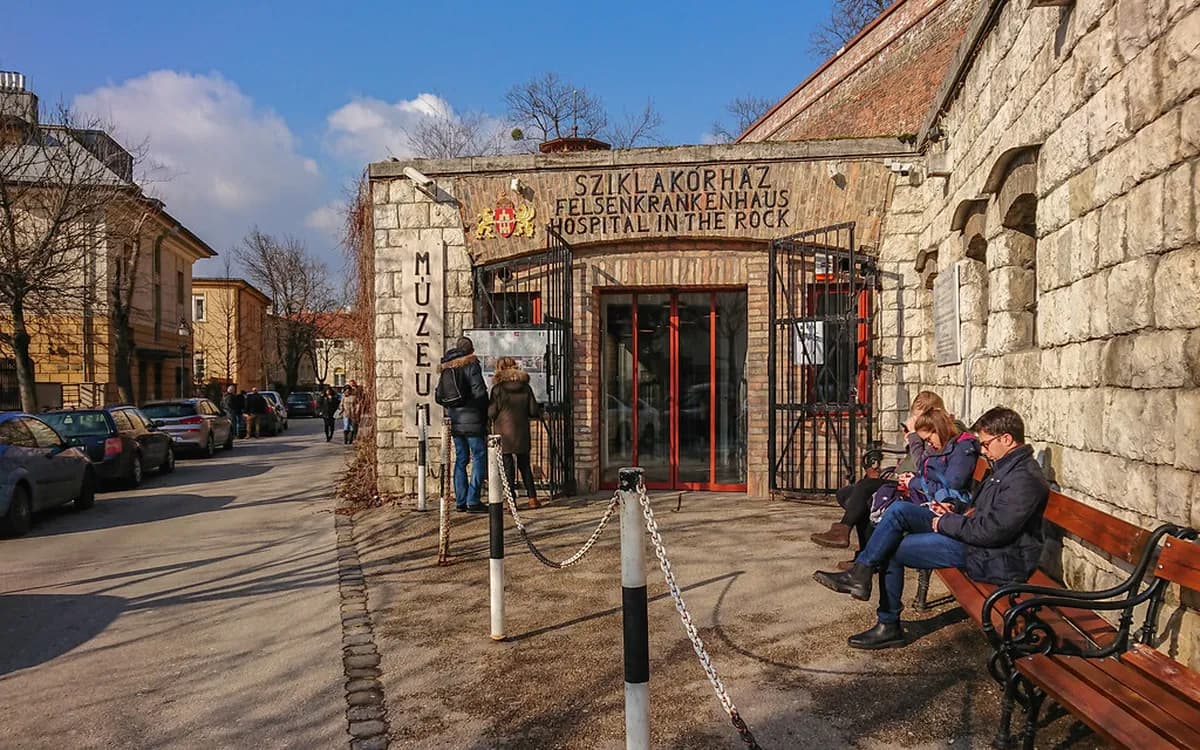
If you want a deeper experience, consider booking an English-language guided tour (available daily, approximately 50 minutes, additional charge applies). Many travelers choose to pair Memento Park with a visit to the Hospital in the Rock for a full Cold War-themed day. Both sites offer a sobering look at 20th-century history in Hungary and together cover the period more completely than either does alone.
Basic Information: Opening Hours and Entrance Fees
Memento Park is open every day of the year. From 1 May to 31 October hours are 10:00 to 18:00; from 1 November to 30 April hours are 10:00 to 16:00. The entrance fee for adults is 3,000 HUF. Students with a valid ID pay 1,800 HUF, children aged 6 to 14 pay 1,200 HUF, and children under 6 enter free. Budapest Card holders receive free admission — always verify the current card benefits on the official tourism website before visiting.
Payments can be made by credit card or cash at the ticket booth. If you are traveling as part of a larger group, ask about group rates. The site is located at Balatoni út - Szabadkai utca sarok, District XXII, postcode 1222. The direct bus package (approximately 4,900 HUF) covers return transport from Deák tér plus admission and is the most economical choice if you plan to use the shuttle. You can find further details and book tickets on the official Memento Park website.
| Visitor Type | Price |
|---|---|
| Adult | 3,000 HUF |
| Student (with valid ID) | 1,800 HUF |
| Child (6–14 years) | 1,200 HUF |
| Child (under 6) | Free |
| Budapest Card holder | Free admission |
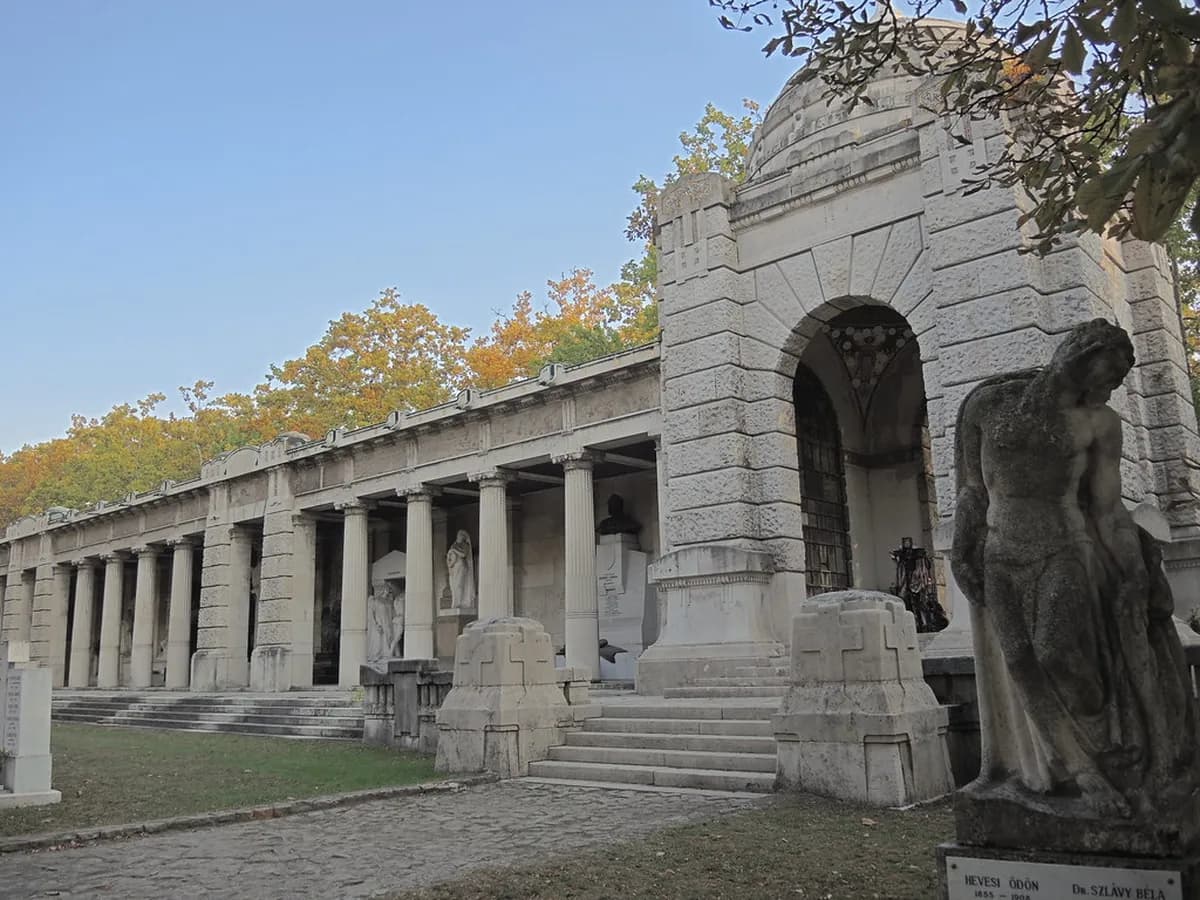
Keep your ticket handy, as it also grants access to the indoor barracks exhibition and the surveillance film screening. Plan your return trip in advance — if you arrive by public bus, confirm the afternoon departure schedule for bus 101E (weekday) or bus 150 (weekend) to avoid a long wait. Finish your visit at the Fiumei Road Cemetery on your way back to the city center for another layer of Budapest's complex 20th-century story.
Frequently Asked Questions
How do I get to Memento Park from Budapest city center?
The easiest way is the direct shuttle from Deák tér, which takes about 30 minutes. Alternatively, take Metro M4 to Kelenföld and transfer to bus 101E or 150. This public route is more frequent and affordable for those using a Budapest travel pass.
Is Memento Park worth visiting on a short trip?
Yes, if you have an interest in Cold War history or unique art. It offers a perspective you won't find in the city center. However, factor in the 2-3 hours needed for the visit plus travel time.
How much are tickets for the Budapest Statue Park?
Adult tickets cost around 3,000 HUF, with discounts available for students and seniors. Prices are subject to change, so check the official site before visiting. The Budapest Card often provides a 20% discount on the entry fee.
What happened to the original Stalin statue in Budapest?
The massive statue was pulled down during the 1956 Revolution by angry protestors. Only the boots were left on the pedestal, which became a symbol of the uprising. A replica of these boots is now a main attraction at Memento Park.
Other Ways Europe Has Reckoned With a Dictatorship
Budapest neither destroyed its Communist monuments nor left them in place; it moved them to a field outside the ring road and charged admission. Berlin's Stasi Museum kept the secret police headquarters exactly as found. Lisbon's Aljube Museum put its account of the Salazar years inside the political prison that enforced them.
Memento Park is more than just a collection of old statues; it is a profound lesson in history. By placing these monuments in a 'cemetery,' Budapest has created a powerful space for education. Whether you are a history enthusiast or a casual tourist, the park offers a unique experience in 2026 that remains unlike anything else in Central Europe. It reminds us of the importance of democracy and the fragility of political systems.
Planning your visit is straightforward with the transport options from the city. Don't forget to explore other historical sites like the Fiumei Road Cemetery during your stay. Each of these locations adds a layer of understanding to the complex story of Hungary. Enjoy your journey into the past at this one-of-a-kind open-air museum.
For official details, visit the Memento Park on Wikipedia.
For more Budapest planning, see our Budapest Hidden Gems and non-touristy things to do in Budapest guides.
Continue exploring
More guides you'll find useful