Miksa Róth Memorial House Visitor Guide
Plan your visit to the Miksa Róth Memorial House with our guide to the artist's stunning stained glass, mosaics, and 19th-century Budapest apartment.
On this page
Miksa Róth Memorial House Visitor Guide
Tucked away in a quiet street of the 7th District, the Miksa Róth Memorial House offers a glimpse into the golden age of Hungarian decorative arts. This museum serves as both a shrine to the nation's most celebrated stained glass artist and a preserved capsule of 19th-century life. Visitors often find themselves captivated by the vibrant colors and intricate mosaic patterns that define the Secessionist movement in Budapest. Our miksa róth memorial house visitor guide will help you navigate this hidden gem with ease and appreciation.
The Legacy of Miksa Róth and His Memorial House
Miksa Róth stands as a towering figure in the history of European decorative arts, known specifically for his mastery of glass and stone. Born in 1865, his work eventually adorned the most prestigious buildings in Hungary, including the Parliament and the Gresham Palace. The memorial house is located in the very building where Róth lived and operated his world-renowned workshop for decades. Walking through these halls allows you to see where the creative process met technical precision.
The museum building, situated at Nefelejcs utca 26, reflects the modest yet elegant lifestyle of a successful 19th-century artisan. Róth lived here from 1911 until his death in 1944, and the house remains one of the few places in Budapest where a working atelier and a family residence are preserved together under one roof. This proximity gives visitors unique insight into how he balanced domestic life with demanding artistic production. The architecture of the house serves as a perfect backdrop for the fragile beauty housed within.
In 2026, interest in the collection continues to grow following the renewed strategy the museum launched in 2021. The staff has expanded its programming to connect Róth's legacy with broader themes of Budapest city history, lifestyle history, and contemporary design. The museum's internship program — now in its tenth round — means there are always fresh curatorial perspectives shaping temporary displays and events. Checking the official site before your visit is worthwhile, as the program continues to evolve.
Essential Highlights: Stained Glass and Mosaic Collections
The primary draw for most visitors is the stunning collection of stained glass panels displayed across two floors. These pieces showcase the evolution of Róth's style from traditional historical themes to the flowing lines of Art Nouveau. You can observe the innovative techniques he adapted for a Hungarian audience, including his mastery of opalescent glass inspired by but distinct from the American Tiffany tradition. Each window tells a story through light, color, and meticulous leadwork.
Mosaics form the second pillar of the permanent collection. Róth excelled in using glass tesserae to create portraits and landscapes that rival traditional paintings in their detail. The intimate scale of the works here differs significantly from his massive public commissions found elsewhere in the city. This smaller format allows for a closer inspection of the textures and materials he favored — and reveals how much of his public output was rehearsed and refined in this very space.
A few pieces are worth seeking out specifically. The Pre-Raphaelite-influenced figurative panels on the ground floor demonstrate his range beyond purely decorative motifs. Look for the cartouche-framed portrait studies that show how he translated preliminary sketches into finished glass. The mosaics in the stairwell, including the timeline installation added by recent interns, bridge the historical and the contemporary in a way that gives the collection fresh context.
- Parliament Windows — grand, heraldic, and monumental in scale
- Music Academy of Budapest — vibrant mythological glass walls by Róth
- Gresham Palace — ornate architectural mosaics lining the entrance hall
- Buda Castle — mosaic commissions for state reception rooms
- National Theatre of Mexico — an international commission showing his global reach
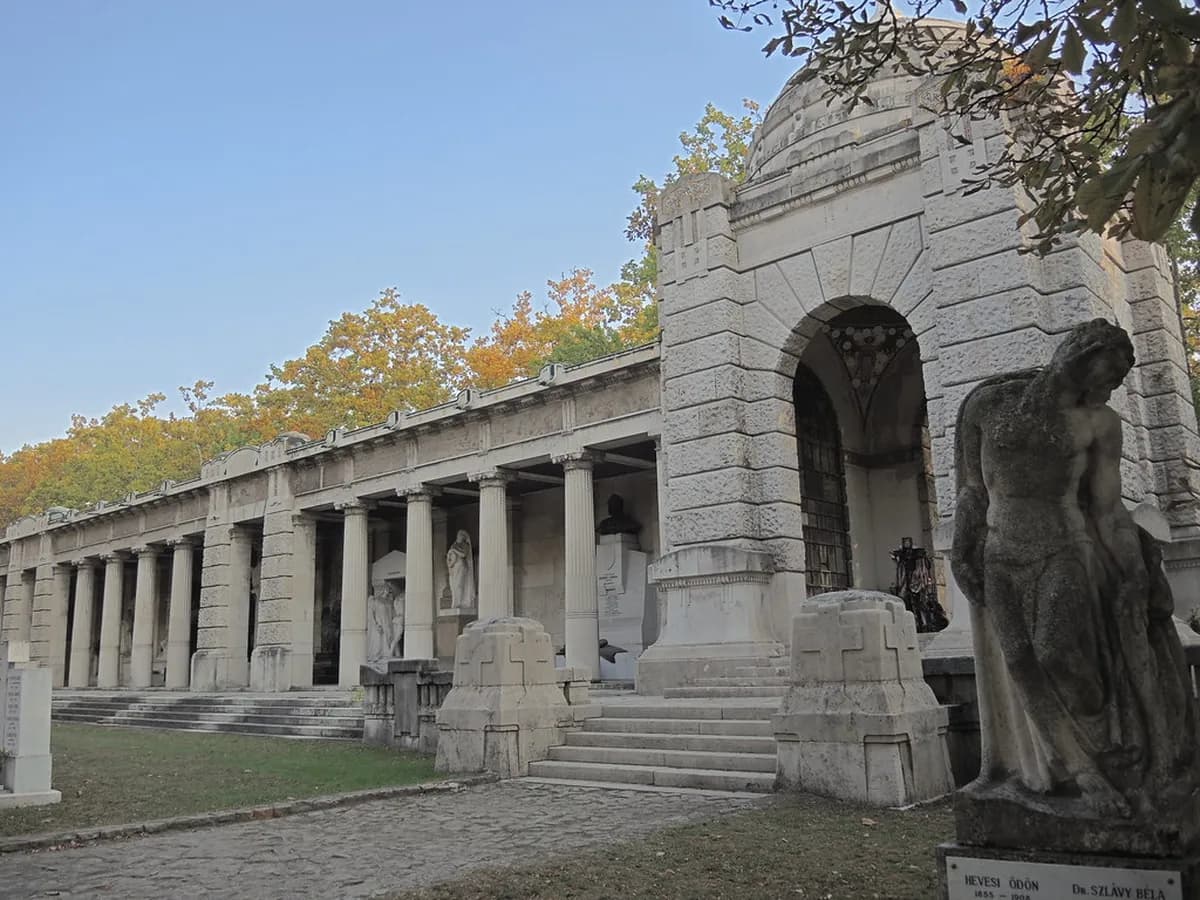
To truly appreciate his range, it helps to visit these public sites before or after the memorial house. The contrast between the small workshop experiments and the grand architectural commissions is one of the most rewarding aspects of understanding his career. For those interested in more monumental examples of his mosaic craft, the Fiumei Road Cemetery contains several mausoleums featuring his exquisite work and is easily reachable from the 7th District.
The Preserved Workshop: Tools, Cartoons, and Craft in Context
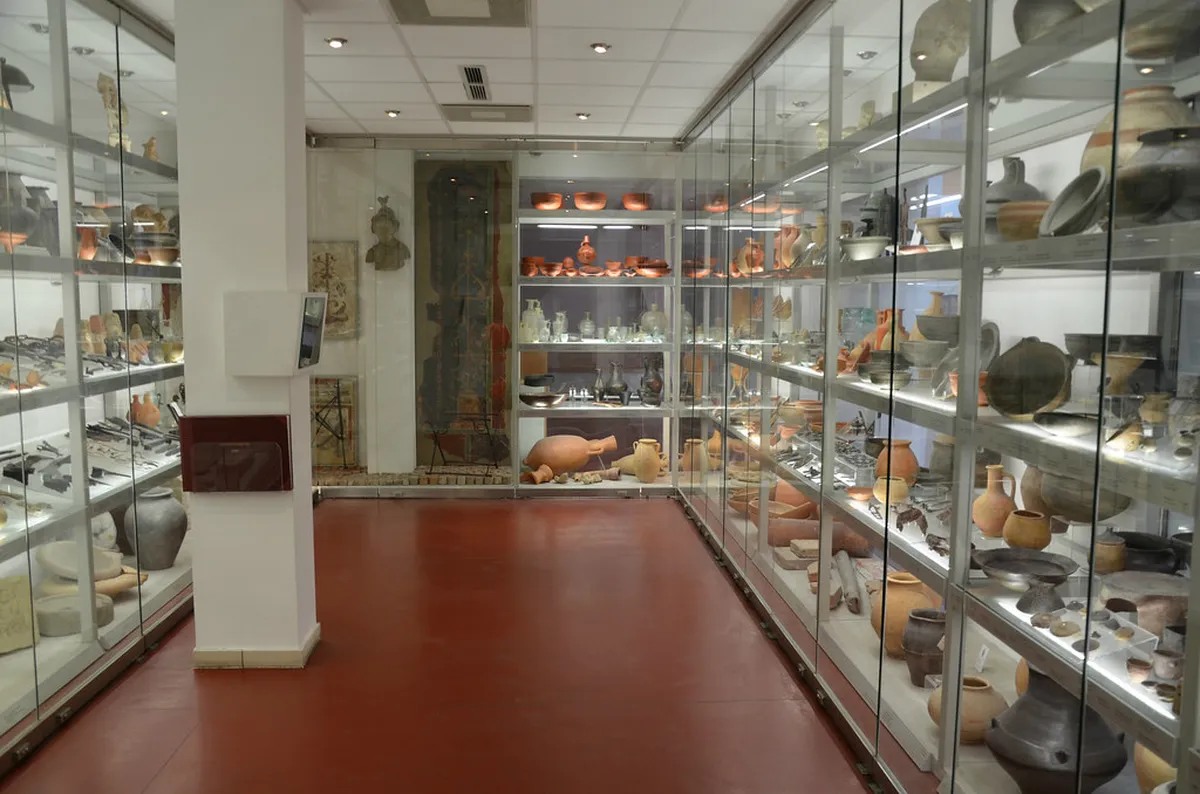
What separates the Miksa Róth Memorial House from a conventional art gallery is the survival of the working atelier itself. Display cases hold original cutting tools, glass samples in dozens of colors, and the lead channel profiles that Róth used to build up his windows. Seeing these objects alongside finished panels makes the technical process legible in a way that no label text fully achieves.
The preparatory cartoons — full-scale drawings made before cutting any glass — are among the most remarkable items on display. These cartoons served as production blueprints, and several correspond directly to identifiable windows now installed in Budapest landmarks. Tracing the journey from paper sketch to finished monument gives visitors a rare inside view of how large-scale decorative commissions actually moved from concept to installation in the late 19th century.
The workshop space also includes glass samples that Róth used as a personal color library, matching and testing hues before committing to a composition. Many visitors spend as much time at these specimen cases as at the finished windows. The workshop section is compact but densely informative, and it is the single feature most likely to be overlooked by visitors who rush through to the apartment floors.
Stepping Back in Time: The Artist's 19th-Century Apartment
The upper floor of the memorial house is dedicated to the three-room apartment where the Róth family lived. Every room is furnished with original pieces that reflect the middle-class aesthetic of the late 1800s. Walking through the dining room and study feels like stepping directly into a historical photograph. The presence of personal belongings makes the artist feel more human and accessible to modern guests.
Attention to detail in the apartment reveals the sophisticated taste of the era. From the heavy wooden cabinets to the delicate lace curtains, the environment is well preserved. This section of the museum provides a welcome break from the visual intensity of the glass galleries. It offers a quiet space to reflect on the domestic life that supported such prolific artistic output.
While exploring the apartment, notice how stained glass elements are integrated into the living space itself. Róth used his home as a testing ground for how light interacted with domestic interiors. The warmth of the wooden furniture complements the cool glow of the glass panels nearby. This harmonious design approach is a hallmark of the Secessionist philosophy of the "total work of art."
Practical Visitor Guide: Hours, Tickets, and Tours
The museum is closed every Monday — this catches many first-timers off guard, as it is easy to miss the closure when scanning general listings. Opening hours vary by day of the week, so planning matters more here than at a standard museum. Tuesday and Wednesday: 10:00–14:00. Thursday: 13:00–19:00. Friday and Saturday: 10:00–18:00. Sunday: 12:00–18:00. Note that the ticket office closes 30 minutes before the museum closes each day.
Admission is very affordable. Adult tickets cost 2,000 HUF. Reduced tickets for students aged 6–26 and seniors aged 62–70 are 1,000 HUF. A family ticket covering up to 4 people (maximum 2 adults with children under 18) costs 4,000 HUF. Children under 6, disabled visitors, teachers, and residents of the 7th district enter free. On the first Sunday of every month, visitors under 26 and adults accompanying a minor child also enter free.
Guided tours are available for groups of 8 to 20 people. A Hungarian-language group tour costs 10,000 HUF; an English-language tour costs 18,000 HUF. Individual visitors explore independently using the available materials. English signage throughout the museum is limited, so English-speaking visitors should consider downloading a real-time translation app before arriving, or booking a group tour in advance to get the full historical context. Basic English brochures are available at the entrance desk.
Photography policy: the collection allows photography for personal use in most areas. Confirm the current policy at the ticket desk on arrival, as rules can vary for temporary exhibitions. Most visitors spend between 45 minutes and 1.5 hours inside. Plan for the longer end if you intend to spend time in both the workshop section and the apartment floors.
| Day | Opening Hours |
|---|---|
| Monday | Closed |
| Tuesday–Wednesday | 10:00–14:00 |
| Thursday | 13:00–19:00 |
| Friday–Saturday | 10:00–18:00 |
| Sunday | 12:00–18:00 |
The museum is closed every Monday, and the ticket office closes 30 minutes before the museum's closing time. Plan accordingly, especially if you're a late riser, as Tuesday and Wednesday have early 14:00 closing hours.
Visitor Reviews and Expert Recommendations
The Miksa Róth Memorial House consistently earns praise from visitors who stumble upon it as an alternative to Budapest's more crowded museums. Reviewers frequently highlight the intimacy of the space as its greatest virtue — the small scale means no queues, no audio-guide crowds, and a genuinely personal encounter with the works. Frommer's lists it as a recommended Budapest cultural stop, noting its value for anyone interested in Art Nouveau beyond the obvious landmarks.
Travel writers and decorative arts specialists often single out the workshop section as a revelation. The combination of finished masterworks and the raw tools of production in a single visit is unusual even by European museum standards. Visitors with a background in craft or design tend to rate the experience particularly highly. Those who visit purely for the stained glass windows also leave satisfied, but they are often surprised by how much the broader context of the atelier adds to what they expected to be a quick stop.
The most common criticism in visitor reviews is the limited English signage — something the museum is actively addressing through its digital content program. A second recurring note is that Tuesday and Wednesday's short 10:00–14:00 window can cut visits short for late risers. Both issues are easy to work around with advance planning. Visiting on a Thursday (13:00–19:00) is particularly good for afternoon travelers and provides one of the longer daily windows.
Location and Transportation Tips
The Miksa Róth Memorial House is located at Nefelejcs utca 26, in the outer tier of the 7th District (Külső-Erzsébetváros). The nearest major transit hub is Keleti Railway Station, served by M2 (red line) and M4 (green line) metro lines. From Keleti's main exit, walk northeast along Thököly út, then turn right onto Nefelejcs utca. The walk takes approximately eight minutes and passes through a residential neighborhood that gives a realistic picture of local Budapest life.
Trolleybus lines 74, 78, and 79 also stop close to the museum entrance and are useful if you are arriving from elsewhere in Pest without changing at Keleti. Budapest's transit system is efficient and the 7th District is well-served. Parking in this area is subject to local residential restrictions and is generally difficult — public transport or a rideshare is the more practical choice for most visitors.
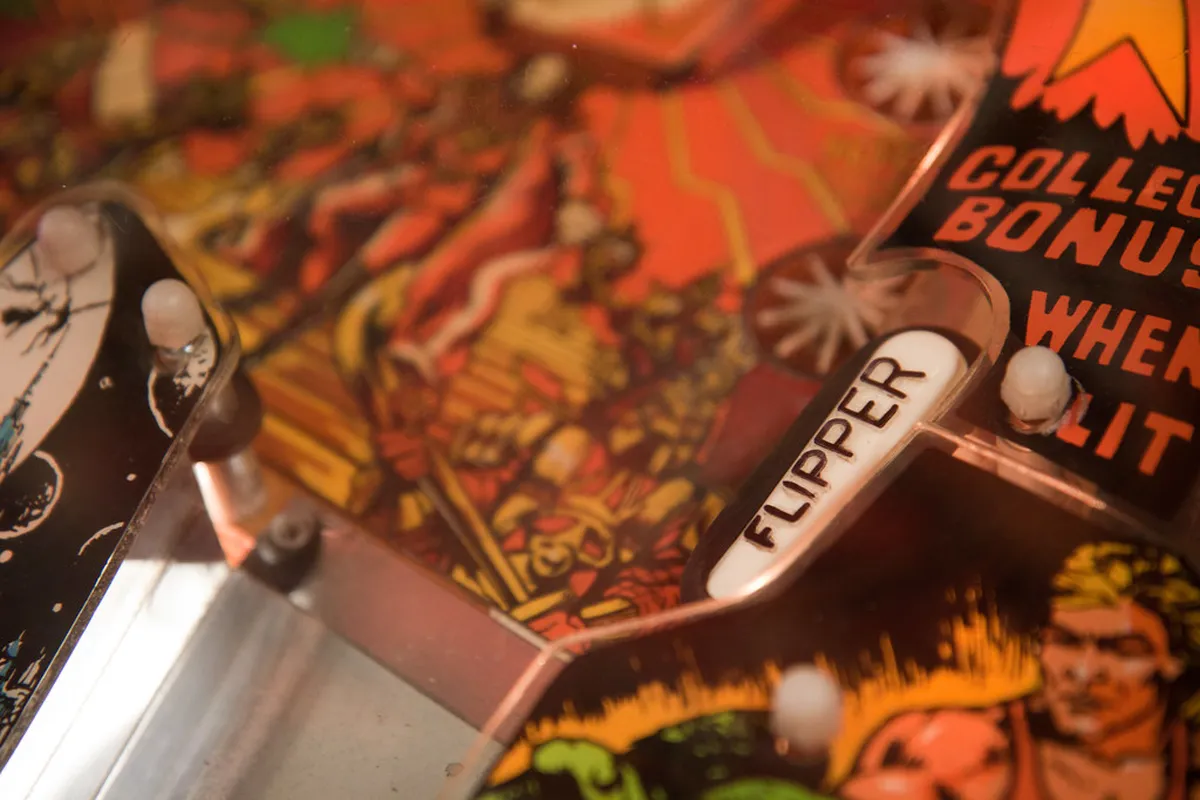
If you prefer a unique experience, consider pairing the Róth house with the Flipper Museum, which is also located in Pest and offers a very different but equally offbeat cultural experience. Combining the two makes for an eclectic afternoon of sightseeing that stays well off the standard tourist circuit.
English signage throughout the museum is limited. Consider downloading a real-time translation app before your visit, or book an English-language guided tour in advance (18,000 HUF for groups of 8–20).
Exploring the Surrounding 7th District
The 7th District, or Erzsébetváros, is famous for its layered history and lively street culture. After visiting the memorial house, take time to wander the nearby streets to see more Art Nouveau facades surviving in residential blocks. This neighborhood was the heart of the Jewish Quarter and still retains much of its historical character through its courtyards, synagogues, and pre-war apartment buildings. Several small cafes in the immediate area are good places to sit and process the beauty of what you have just seen.
Travelers often overlook this part of the city in favor of the more famous ruin bars closer to Kazinczy utca. However, the blocks around Nefelejcs utca offer a more authentic look at everyday Budapest life. The quiet atmosphere is a welcome change from the busier tourist zones, and the architecture rewards anyone who slows down and looks upward at the upper-floor details of the surrounding buildings.
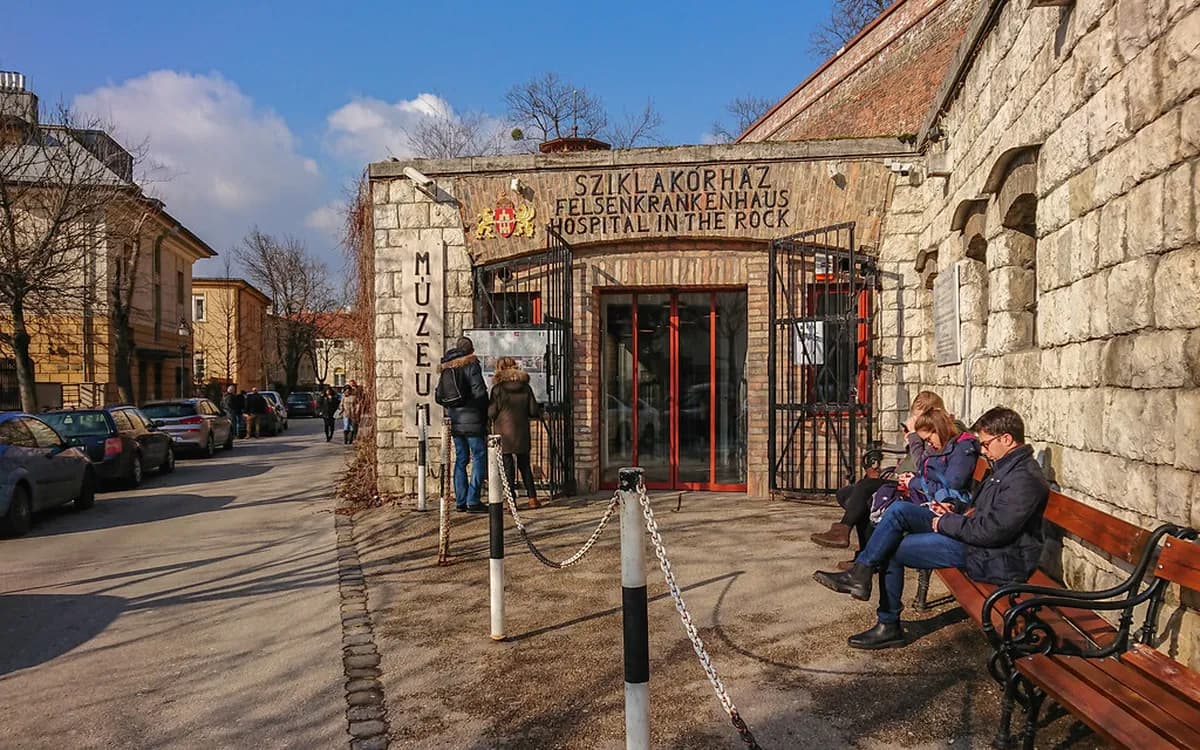
For those interested in a broader perspective on Hungary's past, the Memento Park provides a sharp contrast — political sculpture on the city's outskirts — while the Hospital in the Rock offers underground wartime history in Buda. Both complement the intimacy of the Róth house with larger-scale historical contexts. Together, this trio of less-visited sites makes for a rich alternative to the standard Budapest itinerary.
Frequently Asked Questions
Is the Miksa Róth Memorial House worth visiting?
Yes, it is a must-see for fans of Art Nouveau and decorative arts. The museum offers a rare, intimate look at the life and workshop of Hungary's greatest stained glass artist. It provides a peaceful alternative to the more crowded House of Houdini and other major attractions.
How much does it cost to visit the Miksa Róth Memorial House?
Entry is very affordable, typically ranging from 1,000 to 2,000 HUF for adults. Discounts are usually available for students, seniors, and families. Always check the official site or Frommer's: Miksa Róth Memorial House for the most current pricing before your trip.
Where can I see Miksa Róth's stained glass in Budapest?
Beyond the memorial house, his work is featured in the Hungarian Parliament, the Gresham Palace, and the Music Academy. You can also find his mosaics in several churches and public buildings throughout the city. These sites showcase his ability to handle large-scale architectural commissions.
Other Workshops Behind Europe's Great Interiors
Róth supplied stained glass and mosaic to half of Hungary's landmark buildings, and the museum is his own house and studio. Barcelona's Palau de la Música Catalana is what that trade could achieve at full stretch. Prague's Mucha Museum covers the graphic side of the same moment.
The Miksa Róth Memorial House is more than just a museum; it is a celebration of light, craftsmanship, and the creative process. By following this miksa róth memorial house visitor guide, you can ensure a smooth and enriching visit to this 7th District treasure. Whether you are an art historian or a casual traveler, the preserved workshop and glowing stained glass panels will leave a lasting impression. Plan your 2026 trip today and witness the legacy of Budapest's master of glass.
For official details, visit the Miksa Róth Memorial House official site and Miksa Róth Memorial House on Wikipedia.
For more Budapest planning, see our non-touristy things to do in Budapest guide.
Continue exploring
More guides you'll find useful