Palau de la Música Catalana Visitor Guide: Tours, Tickets & Tips
Plan your Palau de la Música Catalana visit with our comprehensive guide. Discover tour options, ticket prices, booking tips, and how to make the most of this Modernist gem.
On this page
Palau de la Música Catalana Visitor Guide: Tours, Tickets & Tips
The Palau de la Música Catalana is the world's only UNESCO World Heritage Site concert hall still in active use.
Designed by Lluís Domènech i Montaner and completed in 1908 for the Orfeó Català choral society, it is the crowning achievement of Catalan Modernisme.
This 2026 visitor guide covers everything you need: tour types, ticket prices, opening hours, transit directions, and first-timer tips.
Introduction to Palau de la Música Catalana: A Modernist Masterpiece
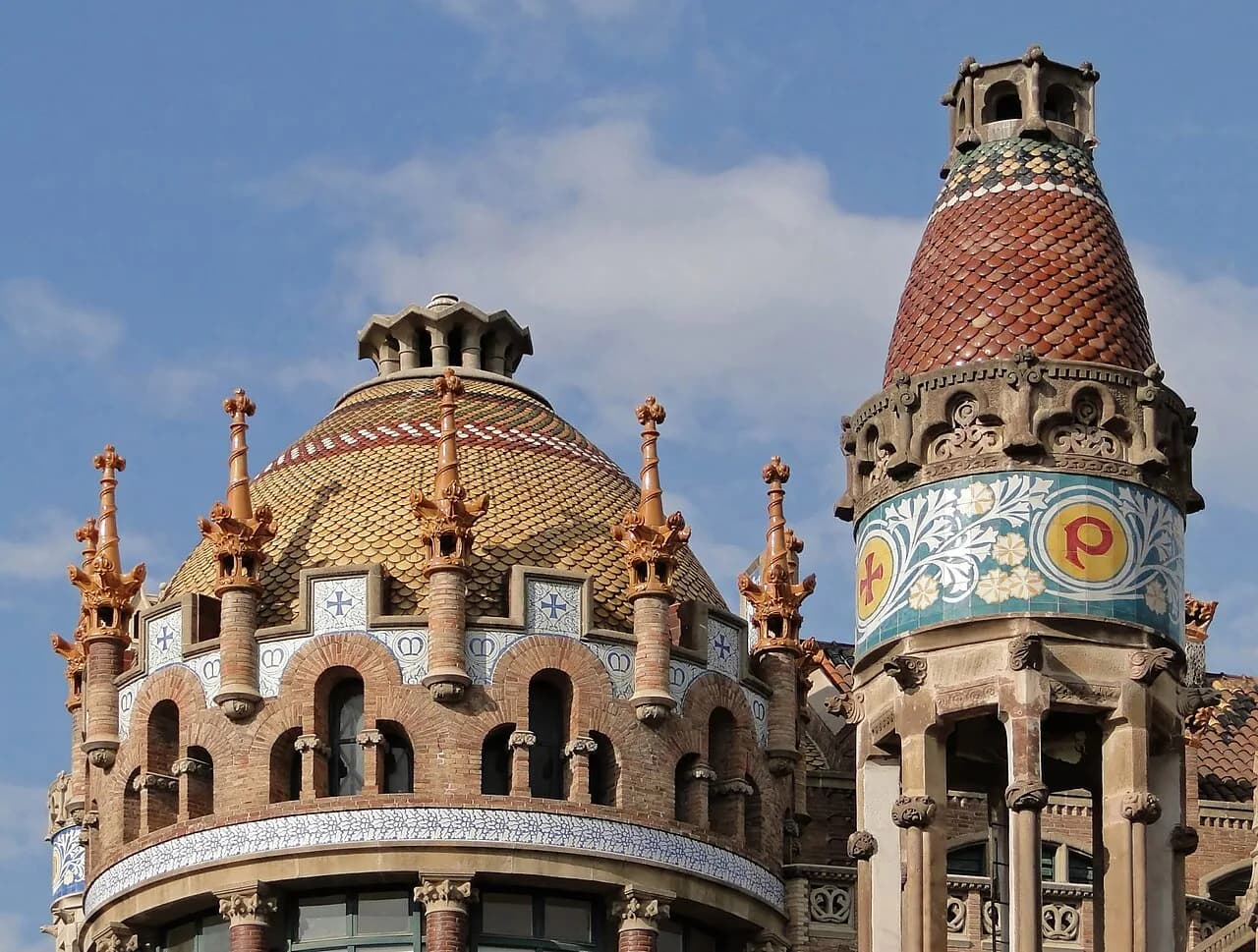
Construction began in 1905 when the Orfeó Català — a Catalan choral society founded in 1891 — commissioned Domènech i Montaner to build a concert hall worthy of Barcelona's cultural renaissance. Funding came from a public subscription campaign backed by the city's wealthy industrial bourgeoisie, who had already positioned themselves as patrons of the avant-garde. The hall opened in 1908. Domènech i Montaner called it a "garden for music," and the entire building — from its mosaic-studded facade to its inverted stained-glass dome — was conceived as a single unified work of art fusing sculpture, ceramics, stained glass, and ironwork.
UNESCO granted World Heritage status in 1997, recognising the Palau alongside the Hospital de Sant Pau, Domènech i Montaner's other Barcelona masterpiece. That shared designation underscores the scope of his achievement: the two buildings together define the outer limits of what Catalan Modernisme could accomplish. In the 1980s, architect Óscar Tusquets oversaw a sensitive renovation that added the Petit Palau chamber auditorium and expanded rehearsal facilities without disturbing the original building's character.
Today the Palau hosts over 300 concerts a year and receives more than half a million visitors. It is not a preserved museum piece — it is a working concert hall. That ongoing cultural life is precisely what makes a visit here feel different from any other heritage site in Barcelona.
Why Visit the Palau de la Música Catalana?
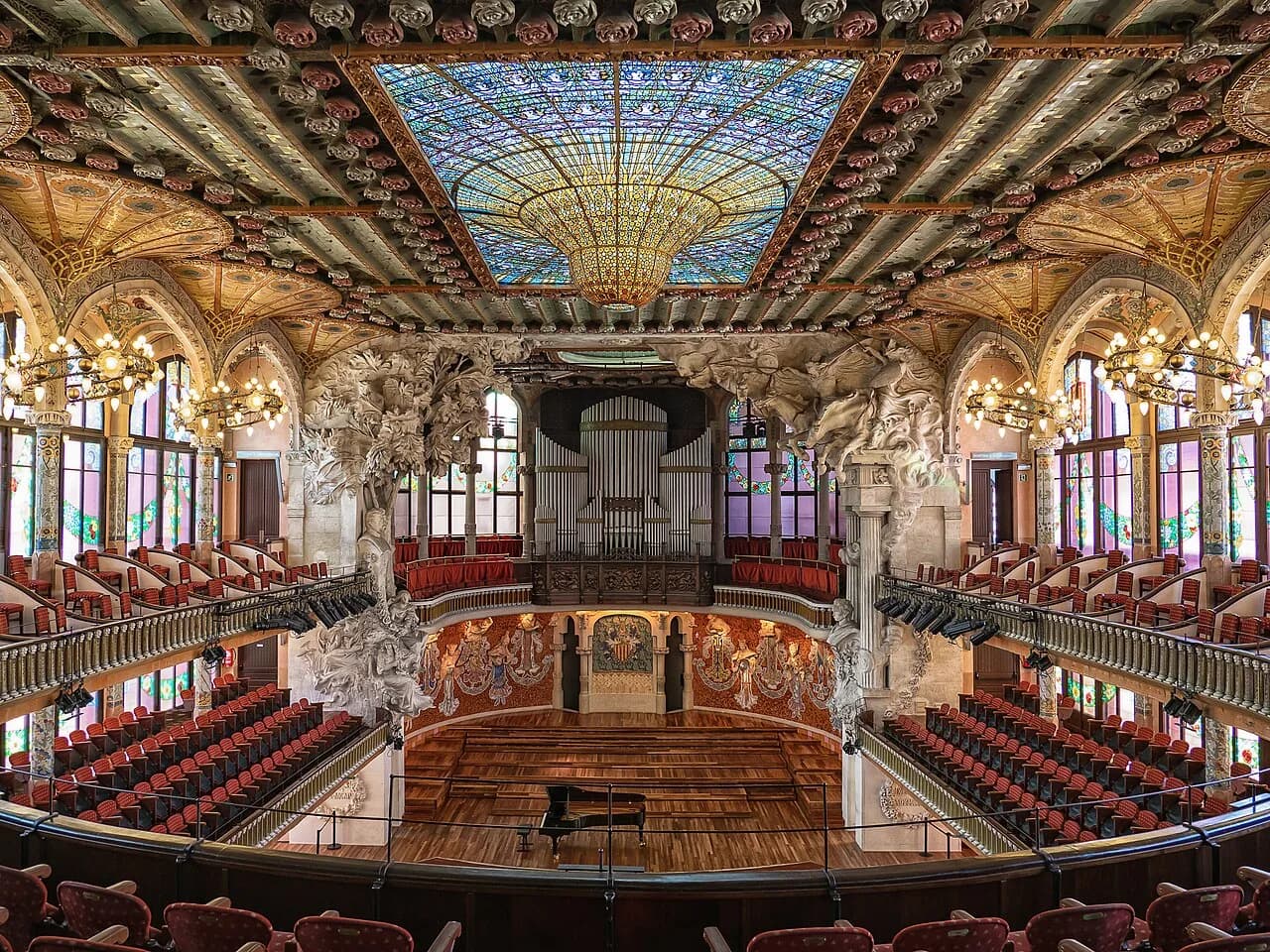
The main auditorium stops most visitors in their tracks. An inverted stained-glass dome — gold and deep blue, shaped like a spoonful of honey suspended in mid-air — floods the 2,146-seat hall with coloured light during daytime hours. Around the stage, 18 sculpted muses emerge half-embedded from the walls, each playing a different instrument from a different musical tradition, making a visual argument that every genre belongs here. On opposite sides of the stage, a bust of Anselm Clavé (folk music) faces a bust of Beethoven (classical music) — a deliberate statement about the Palau's inclusive cultural mission from the day it opened.
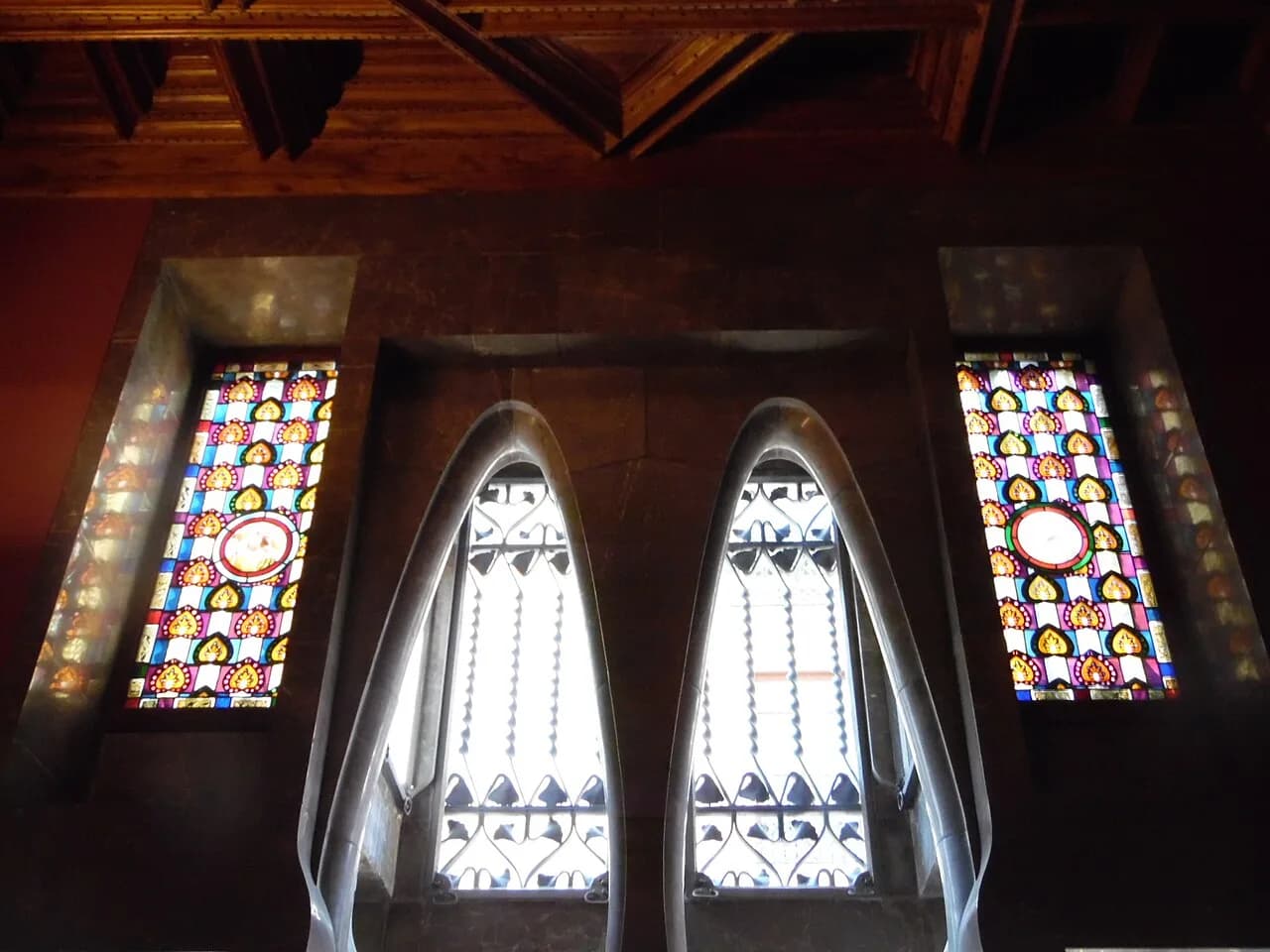
Beyond the main hall, the Lluís Millet Room is a highlight that many visitors underestimate. This double-height foyer, dedicated to the founder of the Orfeó Català, has floor-to-ceiling stained-glass windows that open onto the ornate wrought-iron balcony overlooking the street below. It is one of the most photographed interiors in the building and often less crowded than the auditorium. The Sala d'Assaig de l'Orfeó Català — the choir's rehearsal room, where the foundation stone was laid — is another intimate space that guided tours typically include.
The foyer cafe is worth building into your schedule. Housed under brick vaulting with green-glazed ceramic columns, it serves coffee and Catalan food daily from 09:00 to 24:00. Sitting here after a morning tour, before the surrounding streets get busy, is one of the quieter pleasures Barcelona has to offer.
Palau de la Música Catalana Tickets & Tours: Your Options Explained
The standard 50-minute guided tour costs €24 for general admission. Seniors (65+) and visitors under 35 pay €20; Catalonia residents pay €14; children under 10 enter free. Tours depart roughly every 30 minutes from 09:00 to 15:30 and are led by a live guide in Catalan, Spanish, English, French, Italian, German, or Chinese. This is the right choice for first-time visitors who want to understand what they are looking at.
| Ticket | Price |
|---|---|
| General Admission | €24 |
| Seniors (65+) | €20 |
| Under 35 | €20 |
| Catalonia Residents | €14 |
| Children Under 10 | Free |
An audio-guided self-visit is the alternative for those who prefer to move at their own pace. You download the guide to your smartphone via a QR code provided on site; it includes explanations, images, and music. Both options include access to the main auditorium, the Lluís Millet Room, and the building's foyer.
Attending a concert is the most immersive option and the one the building was built for. Ticket prices vary by performance, from around €15 for smaller Petit Palau events to €80–€150 for headline concerts in the main hall. Concert-goers can walk the building before the show. Book tickets for the Palau de la Música here via the official booking page.
Choosing Your Palau Experience: Guided, Audio, Self-Guided & More
The official site lists several distinct visit formats beyond the standard guided tour. Here is what each one involves:
- Guided Tour (50 min, €24 general) — A live guide covers the building's history, architecture, and details. Includes the stage and areas not open to self-guided visitors. Best for first-timers and those who want expert context.
- Audio-Guided Self-Visit (approx. 50 min) — Explore freely with a multilingual audio guide on your phone. Slightly lower price than the live tour; good for independent travellers who want to set their own pace.
- Essence Palau — A short evening concert (typically 45 minutes) in the main auditorium, rotating through chamber music, guitar, and Catalan repertoire. An efficient way to experience the hall in performance mode without committing to a full concert evening.
- Palau Choir Experience — Events built around the Orfeó Català choir, for whom the building was originally constructed. Attending one of these is the closest you get to the Palau's founding purpose.
- Palau Exclusive / Premium — Private or small-group tours with enhanced access and a dedicated guide. Best for special occasions or groups with a strong architectural interest.
- The Palau in a Female Voice — A thematic tour that centres the building's history around women's contributions to Catalan cultural life. Available on a limited schedule; check the official calendar.
- Combined Palau & Sant Pau — A bundled ticket for both UNESCO-listed Domènech i Montaner buildings in Barcelona. The most efficient way to see both sites in one day.
- Combined Palau & La Pedrera — Pairs the Palau with Gaudí's Casa Milà for a broader Modernisme day. Check the Official Palau de la Música website for current combined pricing.
All formats can be booked online. Advance booking is strongly recommended in summer and at weekends, when morning slots fill by 10:00.
Guided tours depart every 30 minutes and are available in 7 languages: Catalan, Spanish, English, French, Italian, German, and Chinese. Each tour lasts 50 minutes and includes access to the main auditorium, Lluís Millet Room, and the stage.
What Music is Played at the Palau de la Música?
The standard answer given on guided tours is: "Every kind of music except opera — opera is at the Gran Teatre del Liceu." That is mostly accurate. The programme is eclectic by design, ranging from classical orchestras and chamber ensembles to flamenco, jazz, pop tributes, Spanish guitar, and world music. The 18 sculpted muses on the stage, each representing a different musical tradition, were Domènech i Montaner's visual argument that all genres should find a home here — and the programming honours that intent.
The Orfeó Català choir performs regularly throughout the season, including at the Bachcelona festival (baroque and classical programming held annually in spring) and for major choral events. These performances carry particular weight: the choir is the building's original resident, and seeing them perform here is the Palau functioning exactly as its builders intended. World-famous soloists and orchestras also appear throughout the year alongside emerging talent.
The Petit Palau, the modern chamber auditorium added in 2004, hosts smaller and more experimental programming at generally lower price points — a good option if you want a more affordable or intimate concert experience. Check the Official Palau de la Música website for the full 2026 season schedule, which is published several months in advance.
Planning Your Visit: Practical Tips & Essential Information
The Palau is at Carrer del Palau de la Música, 4-6, 08003 Barcelona, in the Sant Pere area of the Ciutat Vella district. The closest metro is Urquinaona (L1, L4), a 3-minute walk. The Bus Turístic stops nearby at Barri Gòtic. The location sits between the Gothic Quarter and El Born, so it pairs naturally with a morning walk in either neighbourhood.
Tours run daily from 09:00 to 15:30, departing approximately every 30 minutes. Each tour lasts 50 minutes; plan 1.5 hours in total including arrival, the tour itself, and time in the cafe if you want it. The building has no cloakroom and no lockers — arrive without large bags or luggage, as there is nowhere to leave them. Wear comfortable shoes; the tour involves staircases and standing throughout.
Photography is permitted inside the concert hall during daytime tours. The auditorium's stained-glass dome looks most spectacular when sunlight is active through it, which typically means visiting between 10:00 and 12:00. From the upper-level seating area you get the cleanest overhead angle on the dome. Flash and video lights are not permitted during concert performances.
Time your visit between 10:00 and 12:00 to see the inverted stained-glass dome at its best, when natural sunlight fills the auditorium with golden and deep blue light. Arrive without large bags or luggage, as there is no cloakroom—wear comfortable shoes for the staircases.
Discounts apply for seniors (65+), visitors under 35, and Catalonia residents. Children under 10 enter free. Groups with reduced mobility can arrange accessible visits by contacting the Palau directly in advance. Book online through the official site to skip the on-site queue — this matters most between June and September, when morning slots sell out before doors open.
Integrating Palau into Your Barcelona Itinerary
The Palau's central location makes it a natural anchor for a half-day in Barcelona. After a morning tour, the Gothic Quarter is a 5-minute walk south. The medieval basilica of Santa Maria del Mar — one of the finest Gothic churches in Catalonia — is 10 minutes away through El Born. Both can be explored on foot without needing the metro, and the neighbourhood between them has some of the city's best coffee and food options.
For a full Modernisme day, the Hospital de Sant Pau — Domènech i Montaner's other UNESCO masterpiece — is a 20-minute walk northwest or a single metro stop from Urquinaona. It is often quieter than the Palau and architecturally extraordinary, with pavilions set in ornamental gardens. Combining both buildings using the official joint ticket is the most efficient approach and typically saves €3–€5 compared to buying separately.
Gaudí enthusiasts can add Palau Güell to the route — it is a 15-minute walk south through the Raval district. Casa Batlló and Casa Milà (La Pedrera) are better saved for the afternoon as separate queued visits. Many visitors find the Palau → Gothic Quarter → Santa Maria del Mar sequence the most rewarding half-day circuit in central Barcelona, with the Arc de Triomf and El Born's restaurant strip rounding out a full day.
FAQs About Visiting Palau de la Música Catalana
Frequently Asked Questions
Which palau de la música catalana visitor guide options fit first-time visitors?
First-time visitors often benefit most from a guided tour. These tours offer comprehensive insights into the Palau's history, architecture, and unique details. An expert guide can answer questions and point out features you might otherwise miss. It provides a structured and informative introduction to this Modernist masterpiece.
How much time should you plan for palau de la música catalana visitor guide?
Plan approximately 1.5 to 2 hours for a full visit to the Palau de la Música Catalana. This allows time for check-in, the 50-minute guided tour, and a little extra for browsing the gift shop or enjoying the cafe. If attending a concert, the total time will depend on the performance duration, typically 2-3 hours.
What should travelers avoid when planning palau de la música catalana visitor guide?
Avoid arriving without pre-booked tickets, especially during peak tourist season. This can lead to long queues or disappointment if tours are sold out. Also, avoid rushing your visit; take time to appreciate the intricate details. Lastly, do not forget to check the official website for any temporary closures or special event schedules.
Is palau de la música catalana visitor guide worth including on a short itinerary?
Yes, even on a short itinerary, the Palau de la Música Catalana is highly worthwhile. Its unique beauty and historical significance make it a standout attraction. A guided tour is efficient, providing a rich experience in under an hour. It offers a memorable glimpse into Barcelona's Modernist heritage without consuming an entire day.
Which Must-See Palau Attractions options fit first-time visitors?
For first-time visitors, the main concert hall is the absolute must-see attraction within the Palau. Its stained-glass skylight, intricate sculptures, and vibrant mosaics are breathtaking. The Lluís Millet Hall, with its stunning balcony, also offers incredible views and photo opportunities. A guided tour ensures you see both key areas.
Other Buildings Where the Room Outshines the Programme
Domènech i Montaner built a concert hall lit entirely by daylight through an inverted stained-glass dome, and no amount of programming competes with it. Budapest's Miksa Róth Memorial House preserves the workshop of the artist who supplied Hungary with the same kind of glass. Porto's Palácio da Bolsa spent nearly two decades on an Arabian Hall to impress visiting traders.
The Palau de la Música Catalana is truly a jewel of Barcelona, offering an unforgettable experience for every visitor.
Its stunning Modernist architecture and rich cultural history make it a must-see landmark.
Whether you choose a guided tour, an audio guide, or attend a concert, you will be captivated by its beauty.
Use this palau de la música catalana visitor guide to plan your perfect visit to this iconic venue.
Explore the intricate details and immerse yourself in a world of art and music.
This architectural masterpiece promises to leave a lasting impression on your Barcelona adventure.
For official details, visit the Palau de la Música Catalana on Wikipedia.
For more Barcelona planning, see our Hidden Gems in Barcelona guide.
Continue exploring
More guides you'll find useful