13 Hidden Gems in Krakow (2026): Local Guide
Discover 13 hidden gems in Krakow beyond Wawel Castle: quiet viewpoints, local markets, and museums. Plan your 2026 visit with prices and hours.
On this page
13 Hidden Gems in Krakow Locals Actually Love
Wawel Castle and the Main Market Square draw the crowds, but Krakow's quieter corners reward travelers willing to wander. Our editors have walked every district from Podgórze to Zwierzyniec to compile this list of hidden gems in Krakow that locals actually use. Last updated July 2026, this guide reflects current prices, hours, and access notes.
This roundup covers thirteen spots most itineraries skip, grouped into quiet history sites, green escapes, and local-life finds. Expect real prices in zł, opening hours, and honest notes on what each spot actually offers. A few require planning ahead, while others fit into a spontaneous afternoon.
Some famous names, like the standard salt-mine tour route, earn a mention only as a caution. The list below favors places that reward patience over places that reward standing in line.
Key Takeaways
- Best overall pick: Krakus Mound pairs a legendary backstory with a sunset view for around 10 zł.
- Best for families: Zakrzówek Park and Lake offers free entry and shallow summer swimming zones.
- Best rainy-day pick: the Botanical Garden's Jubilee palm house stays dry and warm year-round.
- Best free stop: Ghetto Heroes Square is always open and never charges admission.
- Skip the standard salt-mine tour route if seeking a genuinely quiet, uncrowded experience.
13 Hidden Gems in Krakow You Shouldn't Miss
The first cluster leans into quiet history: mounds, cemeteries, and memorial squares that rarely appear on organized tours. Podgórze anchors several of these spots, a district that carried Krakow's wartime ghetto and later became postwar residential blocks. Read the full Podgórze neighborhood guide for context on how the area fits into a longer visit. Expect free or low-cost entry across this group, with early morning or late light making photos noticeably better.
A second cluster covers green escapes and viewpoints, including a former quarry lake and a botanical garden centuries old. These spots suit slower mornings or a break between museum visits. Most charge a modest fee or nothing at all, and hours shift with the season. A quick hours check before heading out saves a wasted trip.
The third cluster highlights local life: a stained-glass museum, a boutique gallery, a market, and a socialist-era district worth an afternoon. Kazimierz carries two of these stops, the neighborhood once home to Krakow's Jewish community and now full of small galleries and cafes. The Kazimierz neighborhood guide breaks down the wider area if this list only whets the appetite. Each entry below lists what it costs, when it opens, and how to reach it from the Old Town.
The thirteen picks below run in that order: history and memory first, green escapes second, local life and culture last. None require a car, and most sit within a 20 to 40 minute walk or short tram ride from the Main Market Square.
1. Krakus Mound, a Legendary Bronze Age Burial Hill
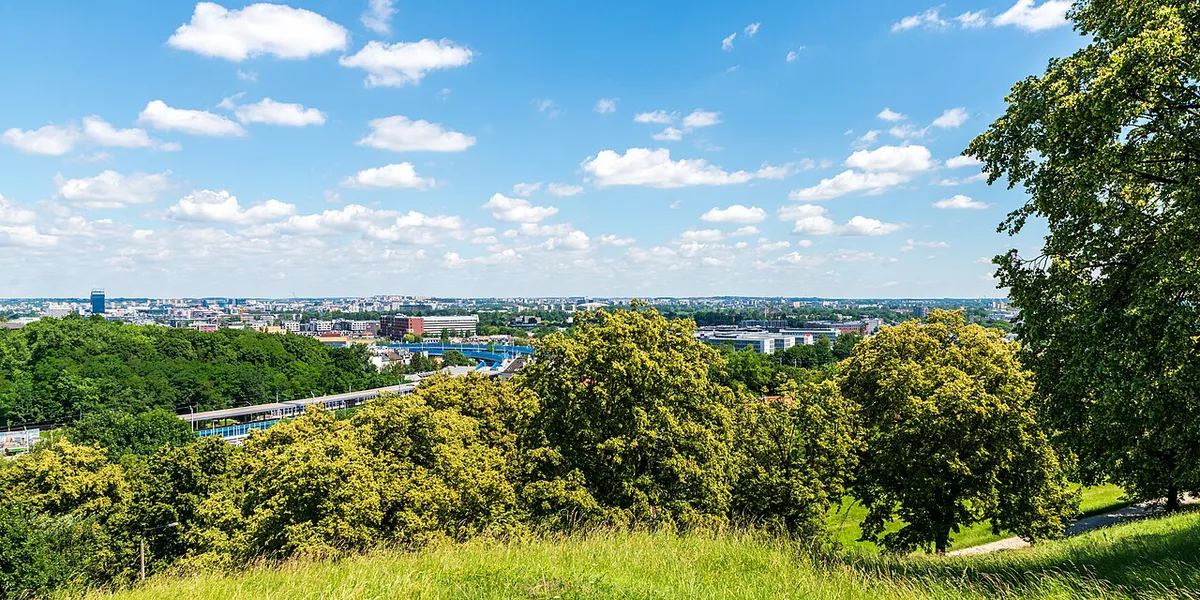
Krakus Mound is a grass-covered earthwork said to hold the mythical founder of Krakow. The climb takes about fifteen minutes and ends with a full view over the Vistula and the Old Town spires. Entry costs around 10 zł for adults; hours run roughly 9am to 7pm in summer and shorter in winter.
It sits in Podgórze, roughly a 20-minute walk or short tram ride from Wawel Castle. Arrive near sunset on a clear day, when the light over the river draws almost no other visitors.
2. Rakowicki Cemetery, an Open-Air Art Nouveau Gallery
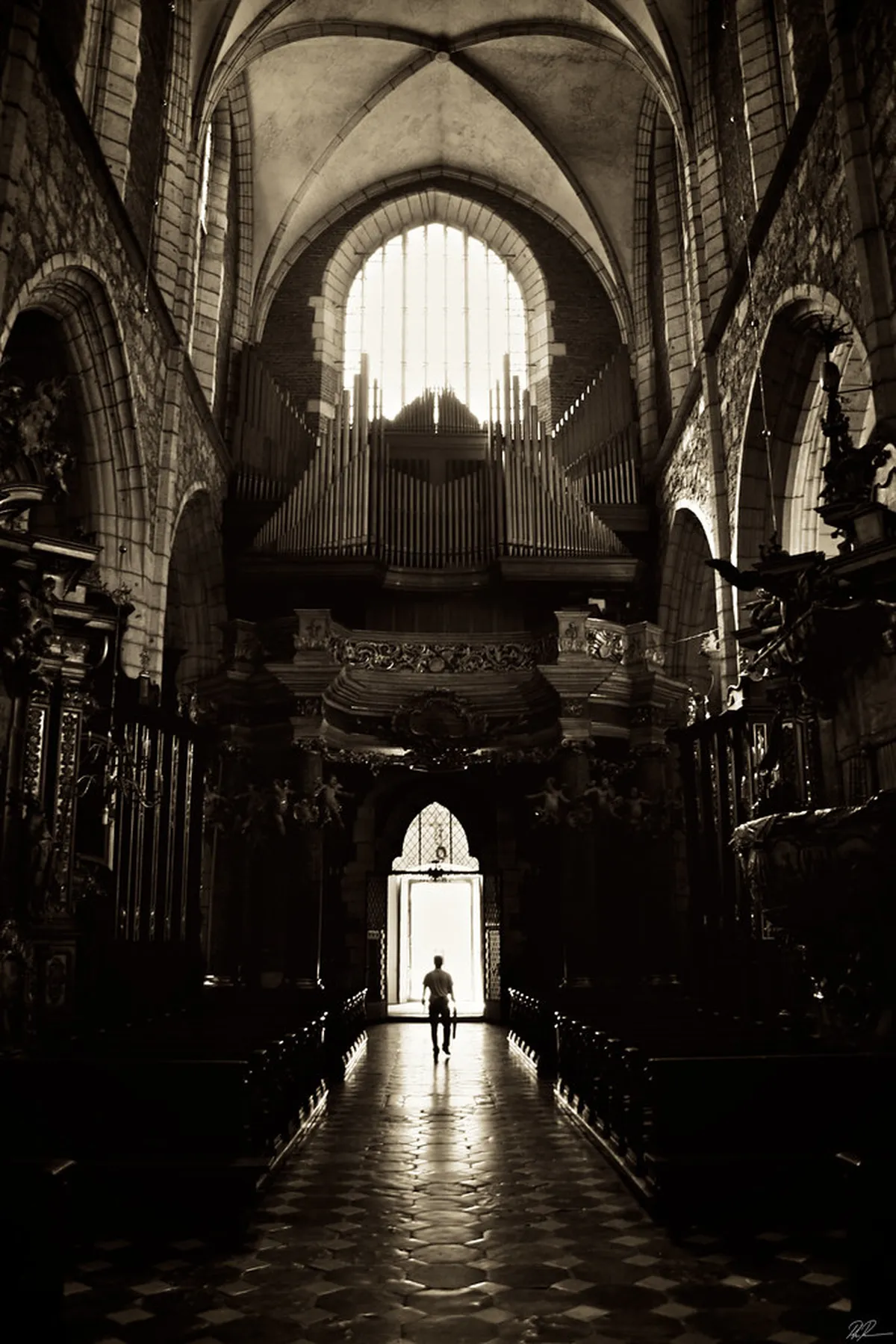
Rakowicki Cemetery holds ornate 19th-century tombstones that double as an outdoor sculpture collection. Local professors, artists, and independence fighters rest among ivy-covered chapels and wrought-iron crosses. Entry is free, and gates typically open around 7am and close by early evening.
The cemetery sits north of the Old Town, a 15-minute walk from Krakow Główny station. Early November brings thousands of candles for All Saints' Day, a striking but crowded time to visit.
3. Ghetto Heroes Square, a Memorial in Empty Chairs
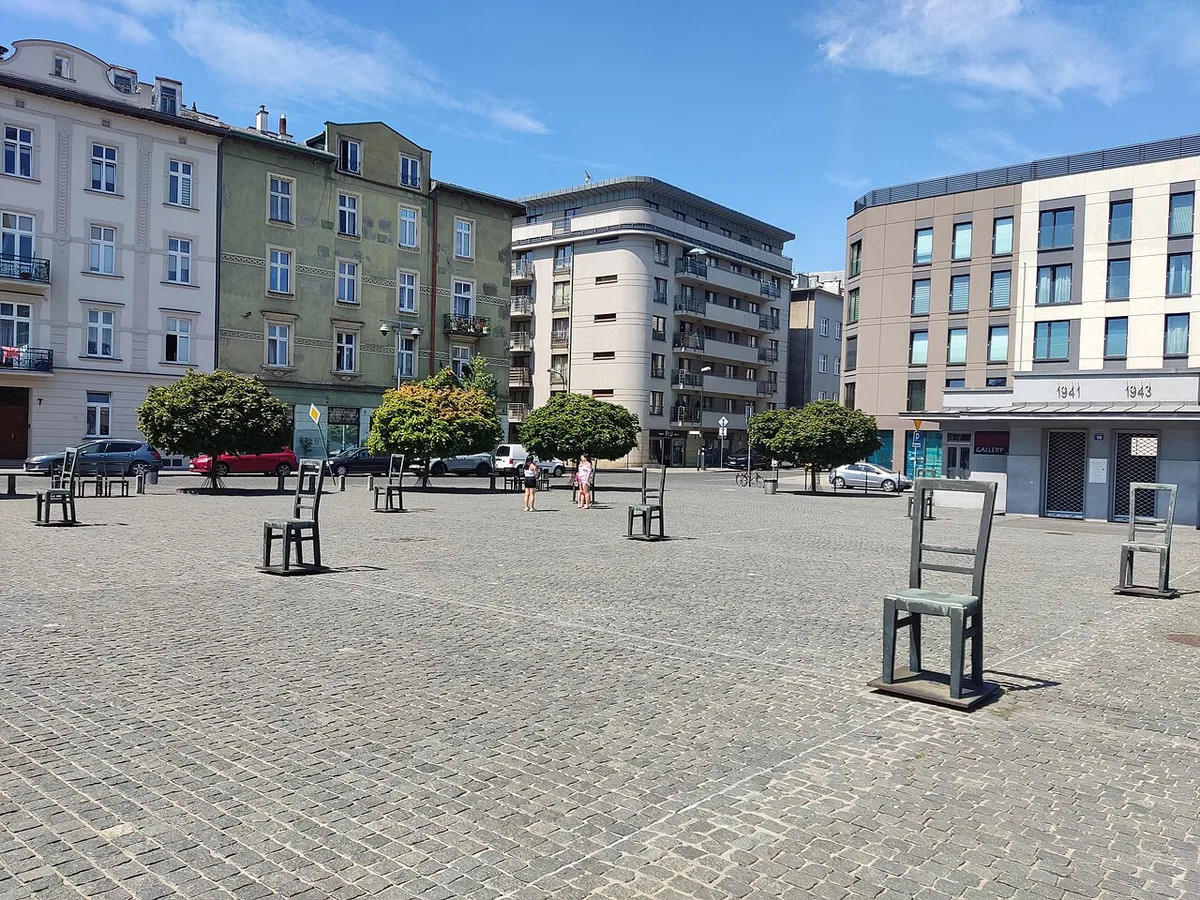
Plac Bohaterów Getta uses rows of oversized bronze chairs to mark where Jewish families once stood. The square was the assembly point for deportations from the wartime Krakow ghetto. Access is free, and the open-air memorial stays viewable at any hour.
It sits in Podgórze, a short walk from the Vistula footbridge and Schindler's Factory museum. Visit slowly rather than passing through, since the chairs' placement only makes sense on foot.
4. Liban Quarry, an Abandoned Film-Set Landscape
Liban Quarry is a former limestone pit later used as a filming location for Schindler's List. Steep rock walls, rusted machinery, and overgrown paths give it an eerie, cinematic feel. There is no admission fee, though the site has no official infrastructure or staff.
It borders Krakus Mound in Podgórze, reachable on the same walk from the tram stop. Wear sturdy shoes and stick to daylight hours, since the terrain is uneven and unmarked.
5. St. Joseph's Church, a Neo-Gothic Gem in Podgórze
St. Joseph's Church rises with narrow spires and detailed stained glass, easy to miss amid bigger landmarks. The neo-Gothic building anchors Podgórze's main square, a district once cut off as the wartime ghetto. Entry is free, and the church generally opens daily from around 9am to 6pm outside services.
It stands about a 20-minute walk from the Old Town, just across the Vistula River. Step inside on a weekday morning for soft light through the windows and near-total quiet.
6. Zakrzówek Park and Lake, a Quarry Turned Lagoon
Zakrzówek is a flooded former limestone quarry now ringed by cliffs and pine trees. Floating docks connect several swimming zones of different depths for the warmer months. The park is free to enter, with lifeguard-patrolled swimming roughly June through September.
It sits in Dębniki, about a 25-minute walk or short bus ride from the Old Town. Weekday mornings stay far quieter than summer weekends, when the lakeside gets genuinely busy.
7. Jagiellonian University Botanical Garden, Poland's Oldest Green Space
Founded in 1783, this is Poland's oldest botanical garden, with over 5,000 plant species on record. The Jubilee palm house holds one of Europe's older sago palm collections under a glass dome. Adult tickets run roughly 10 to 20 zł, with reduced winter hours worth checking beforehand.
It sits near the Old Town in the Wesoła district, an easy walk from the Market Square. The on-site café makes a good rest stop between the palm house and the outdoor beds.
8. Metrum Restobistro, a Rooftop View Above the Academy of Music
Metrum sits on the rooftop terraces of the Academy of Music, with views toward Wawel Castle. Two separate terraces look out over the Old Town rooftops and the Vistula River. It generally runs mid-morning until around 6pm, though hours follow the academic calendar and close for school holidays.
Enter through the main academy entrance and take the elevator up; no reservation is needed for coffee. Come early rather than late, since the terrace empties out well before any evening rush.
9. muWi Stained Glass Museum, a Small Craft Workshop
muWi is a small museum built around a working stained-glass workshop rather than static displays. Guided visits walk through the design and firing process behind Krakow's church windows. Tickets run roughly 20 to 27 zł per adult, and tour times vary by day.
It sits on the edge of the Kazimierz and Zabłocie districts, a short tram ride from the Old Town. Book a slot in advance, since tour groups are kept deliberately small.
10. Galeria LueLue, a Vintage Print Shop in Kazimierz
Galeria LueLue sells vintage-style prints, postcards, and photography depicting old Krakow scenes. It sits tucked beside the Tempel Synagogue, easy to walk past without noticing. Browsing is free, and typical shop hours run late morning to early evening most days.
It fits naturally into a Kazimierz walking loop past the district's other boutiques and cafes. Pick up a print here instead of a generic souvenir near the Market Square.
11. Stary Kleparz, a Working Market Locals Actually Use
Stary Kleparz is a centuries-old open-air market selling produce, flowers, and street food. Vendors set up early and the stalls thin out again by early afternoon. Entry is free, and most food items cost only a few zł each.
It sits just north of the Old Town, near Krakow Główny train station. Go before 10am for the freshest produce and the least crowded aisles.
12. Nowa Huta, a Planned Socialist-Realist District
Nowa Huta was built as a model socialist city around the steelworks in the 1950s. Wide boulevards, monumental squares, and uniform apartment blocks give it a distinct architectural character. Self-guided exploration is free, while themed tours in old Trabant cars run roughly 100 to 200 zł.
Trams run directly from the Old Town, with the ride taking about 25 to 30 minutes. Pair a walk through Plac Centralny with a coffee at one of the district's milk bars.
13. Wolski Forest, a Wooded Escape With a Hilltop Mound
Las Wolski is Krakow's largest forest, laced with hiking and cycling trails on the city's west side. The Kościuszko Mound rises near its edge, with its own small entry fee and panoramic viewpoint. The forest itself is free to enter and open at all hours.
It sits in Zwierzyniec, reachable by bus from the Old Town in about 20 minutes. Combine the walk with the nearby zoo entrance if traveling with kids.
Family-Friendly and Budget-Friendly Hidden Gems in Krakow
Families traveling with kids do well at Zakrzówek's shallow swimming zones and the Botanical Garden's shaded paths. Wolski Forest adds space to run around, plus a nearby zoo entrance for a full day outdoors. None of these three demand advance tickets, which matters when travel plans change at the last minute.
Four sites offer completely free entry: Ghetto Heroes Square, Rakowicki Cemetery, Liban Quarry, and Stary Kleparz market. All paid attractions cost under 30 zł per adult, making budget-focused visits entirely realistic.
Budget travelers can lean on the free stops: Ghetto Heroes Square, Rakowicki Cemetery, and Stary Kleparz all cost nothing to enter. Pair those with the broader 15 Best Free Things to Do in Krakow (2026) guide for a day that barely touches a wallet. Even the paid stops on this list stay under 30 zł per person, cheap by most city standards.
Stary Kleparz doubles as a cheap lunch stop, with pierogi and produce stalls selling for a few zł each. For a fuller picture of where to eat well without overspending, the Krakow Local Food Guide: Best Eats for 2026 rounds up neighborhood favorites beyond this list. Milk bars near Nowa Huta offer a similar deal: a filling plate for the price of a coffee elsewhere.
Rainy days point toward the indoor picks: the Botanical Garden's palm house and the muWi Stained Glass Museum both work regardless of weather. Neither requires much walking, which helps with strollers or anyone managing mobility limits.
Is Krakow's Hidden-Gems Trail Worth Your Time?
Yes, with a caveat: the payoff comes from spreading these stops across a full trip rather than one rushed afternoon. Most reward slower visits, and a couple, like Liban Quarry, only make sense with unstructured time to wander.
A few widely shared hidden-gem picks no longer deliver much surprise. The standard salt-mine tour route now moves in large groups on a fixed schedule, closer to a theme park than a discovery. For genuinely quieter alternatives, the secret spots in Krakow guide digs into a few more under-the-radar picks.
Rynek Underground Museum draws similar crowds despite its hidden reputation online, with timed-entry lines that can run long in peak season. Anyone wanting a genuinely different pace should also browse the off-the-beaten-path Krakow guide for spots that overlap less with this list.
History-focused travelers get the most from pairing Ghetto Heroes Square with Liban Quarry and St. Joseph's Church, all within one Podgórze walk. Nature-focused travelers should prioritize Zakrzówek, the Botanical Garden, and Wolski Forest instead, since those three sit farther from the memorial sites.
How to Plan a Smooth Hidden Gems Day in Krakow
Timing matters more than route for this list, since the Botanical Garden, muWi Museum, and Metrum run shorter hours outside peak season. The Best Time To Visit Krakow Without Crowds Travel Guide guide breaks down which months keep weather and queues manageable.
Book the muWi Stained Glass Museum tour a few days ahead during summer months, since group sizes are kept deliberately small. All other sites accept walk-ins without advance reservations.
Public transit covers this entire list without needing a car. Trams reach Nowa Huta and Wolski Forest directly, while Podgórze and Kazimierz sit within walking distance of each other. A single-day transit ticket runs a few zł and covers unlimited rides, cheaper than several separate fares.
Travelers with an extra day can extend the theme outward to Tyniec Abbey, a Benedictine monastery above the Vistula outside the city center. The best day trips from Krakow guide covers Tyniec alongside a few other options worth the short trip.
Book the muWi Stained Glass Museum tour slot a few days ahead during summer, since group sizes stay small on purpose. Everything else on this list accepts walk-ins, so the muWi slot is the one item worth locking in early.
Which Krakow Neighborhoods Hide the Best Gems?
Podgórze and Kazimierz carry most of this list between them, two neighborhoods with very different histories across the river from each other. The Krakow Neighborhoods Guide: Best Areas for 2026 maps out how these districts relate to the Old Town for a longer route.
Podgórze holds the wartime memorial sites plus St. Joseph's Church and Liban Quarry, all reachable on one connected walk. Kazimierz leans lighter, with Galeria LueLue and the muWi Museum sitting among cafes, bars, and old synagogues.
Zwierzyniec, west of the center, holds Wolski Forest and its trails, a quieter district best reached by bus rather than on foot. The Zwierzyniec neighborhood guide covers the district's other trails and viewpoints beyond the forest itself.
Nowa Huta stands apart from the rest, a planned district built around the steelworks rather than the medieval core. It rewards a dedicated half-day rather than a quick add-on stop between other neighborhoods.
Remains of the Krakow Ghetto Wall
For a quieter but important Podgorze stop, add the remaining fragments of the Krakow Ghetto wall to the same walk as Ghetto Heroes Square and Eagle Pharmacy. The best-known section stands on Lwowska Street, where the concrete wall was shaped to resemble Jewish tombstones; another fragment survives near Limanowskiego Street. They are not a museum attraction, so there is no ticket desk, fixed route, or interpretation beyond plaques and the streetscape around them.
Plan this as a short, reflective detour rather than a standalone sight. From Plac Bohaterow Getta, walk south toward Lwowska, then continue toward St. Joseph's Church or Liban Quarry if you are building a Podgorze history route. The wall fragments work especially well for visitors who want context beyond Schindler's Factory, because they show how the wartime ghetto was physically imposed on ordinary residential streets.
Explore hidden gems in other cities
Frequently Asked Questions
How many hidden gems in Krakow can you fit into one day?
Three to four spots make a realistic day, especially when they sit inside the same district close together. Podgórze alone holds enough sites, including Ghetto Heroes Square, Liban Quarry, and St. Joseph's Church, for a full morning-to-afternoon visit without rushing at all.
Which Krakow hidden gems suit first-time visitors best?
Krakus Mound and Rakowicki Cemetery suit first-timers well, since both sit close to the center and need no advance booking or tickets. Zakrzówek Park and Lake adds an easy, low-effort green break between the busier sightseeing days most first visits involve.
Are Krakow's hidden gems free to visit?
Several are free, including Ghetto Heroes Square, Rakowicki Cemetery, Liban Quarry, and Stary Kleparz market. Others, like the Botanical Garden and muWi Stained Glass Museum, charge a modest fee, generally under 30 zł per adult, with hours that shift by season.
What should travelers avoid when chasing hidden gems in Krakow?
Avoid treating widely shared online lists as still-secret spots, since places like the Rynek Underground Museum now draw sizable crowds despite the label. It also helps to skip cramming too many stops into one day, since several sites reward a slower, unhurried visit.
Is Krakow's hidden-gems trail worth including on a short itinerary?
Yes, even a two-day trip can fit two or three of these spots alongside the main landmarks without feeling rushed at all. Prioritize whichever cluster matches personal interest best, whether that means quiet history, green space, or everyday local neighborhood life.
Krakow's well-known landmarks earn their reputation, but the thirteen spots above show a quieter side of the city. Mixing a couple of history stops with one green escape and one local-life pick makes for a well-rounded day away from tourist crowds.
Pair this list with the neighborhood and planning guides linked throughout for a fuller itinerary beyond the obvious sights. For more Krakow inspiration along these lines, this roundup of Krakow's best-kept secrets is worth a browse.
Explore More Hidden Kraków
Keep discovering the quieter, deeper side of Kraków with these local guides.
Neighborhoods
- Kazimierz Krakow Guide: Sights, Food & Tips
- Podgórze Kraków Guide: Attractions & History
- Nowa Huta Krakow Travel Guide 2026
- Zwierzyniec Krakow Guide: Top Sights for 2026
- Krakow Neighborhoods Guide: Best Areas for 2026
Secret spots & the outdoors
- 13 Secret Spots in Krakow Locals Love
- Krakus Mound Krakow Travel Guide
- Rakowicki Cemetery Krakow Travel Guide
- Ghetto Heroes Square Krakow Travel Guide
- Wolski Forest Krakow Travel Guide
- 13 Best Off the Beaten Path Spots in Krakow
Food, drink & planning
Continue exploring
More guides you'll find useful