Podgórze Kraków Guide: Attractions & History
Plan a Podgórze Krakow guide visit with top attractions, ghetto history, a half-day walking route, cafes, and 2026 tips for a smoother trip.
On this page
Podgórze Krakow Guide: Ghetto to Riverside
Podgórze sits on the quiet south bank of the Vistula, directly across from lively Kazimierz. This Podgórze Krakow guide covers ghetto history, standout museums, riverside viewpoints, and cafes worth the detour. Last updated July 2026, it reflects current opening patterns and practical walking-route details. Crowds thin out here compared with the Old Town, yet the historic sites feel just as significant.
Podgórze operated as an independent town until Kraków formally absorbed it in 1915. During the German occupation, the district became the site of the Kraków Ghetto. Today it pairs that difficult history with converted factories, galleries, and riverside cafes. A short walk from Kazimierz across the Bernatka Footbridge puts visitors right at its center.
Must-See Podgórze Krakow Attractions
Cricoteka anchors the northern edge of Podgórze at Nadwiślańska 2/4, right along the river. The building pairs a preserved early-1900s power station with a cantilevered steel-and-glass volume above it. Inside, exhibits document Tadeusz Kantor, a leading 20th-century Polish theatre artist and designer. The fourth floor holds Ambalaż Café, open daily from 10:00 to 19:00 with wide river views.
Book Schindler's Factory tickets online before arriving. Queues stretch long during summer months. Plan at least 90 minutes inside, though many visitors stay closer to two hours.
Schindler's Factory sits a ten-minute walk away at Lipowa 4, inside Oskar Schindler's former enamelware plant. The museum traces daily life under occupation and draws well over a million visitors a year, according to the official Kraków tourism board. Book tickets online before arriving, since queues can stretch long during summer months. Plan on at least 90 minutes inside, though many visitors stay closer to two hours.
Choose Schindler's Factory over a quick photo stop if the war years genuinely interest you. The dense exhibits reward visitors willing to read and reflect, not rush through. Families with young children may prefer the shorter Eagle Pharmacy museum instead, detailed further below. Either way, comfortable shoes help, since both sites involve stairs and standing.
The KL Płaszów Memorial Site sits farther south, on the grounds of the former concentration camp. Open fields and scattered monuments replace any large museum building, so pace stays self-directed. Choose it if the history of the camp itself matters more than curated exhibits. Allow an extra 45 minutes to an hour, plus transit time from central Podgórze.

A Brief History of Podgórze and the Ghetto
Podgórze received its own city charter in 1784 under Emperor Joseph II of Austrian Galicia. For over a century it ran as a separate town, with its own market square, town hall, and churches. Kraków formally absorbed Podgórze only in 1915, during the First World War. The district kept a distinct identity that still shows in its architecture and street layout today.
The darkest chapter began in March 1941, when occupation authorities sealed off part of Podgórze. Roughly 15,000 to 16,000 Jewish residents were forced into a ghetto built for 3,000, per In Your Pocket's Podgórze feature. The ghetto stood roughly bounded by Limanowskiego street, Lwowska street, the Vistula embankment, and Wielicka street. It was liquidated in March 1943, with residents deported to camps or killed on site.
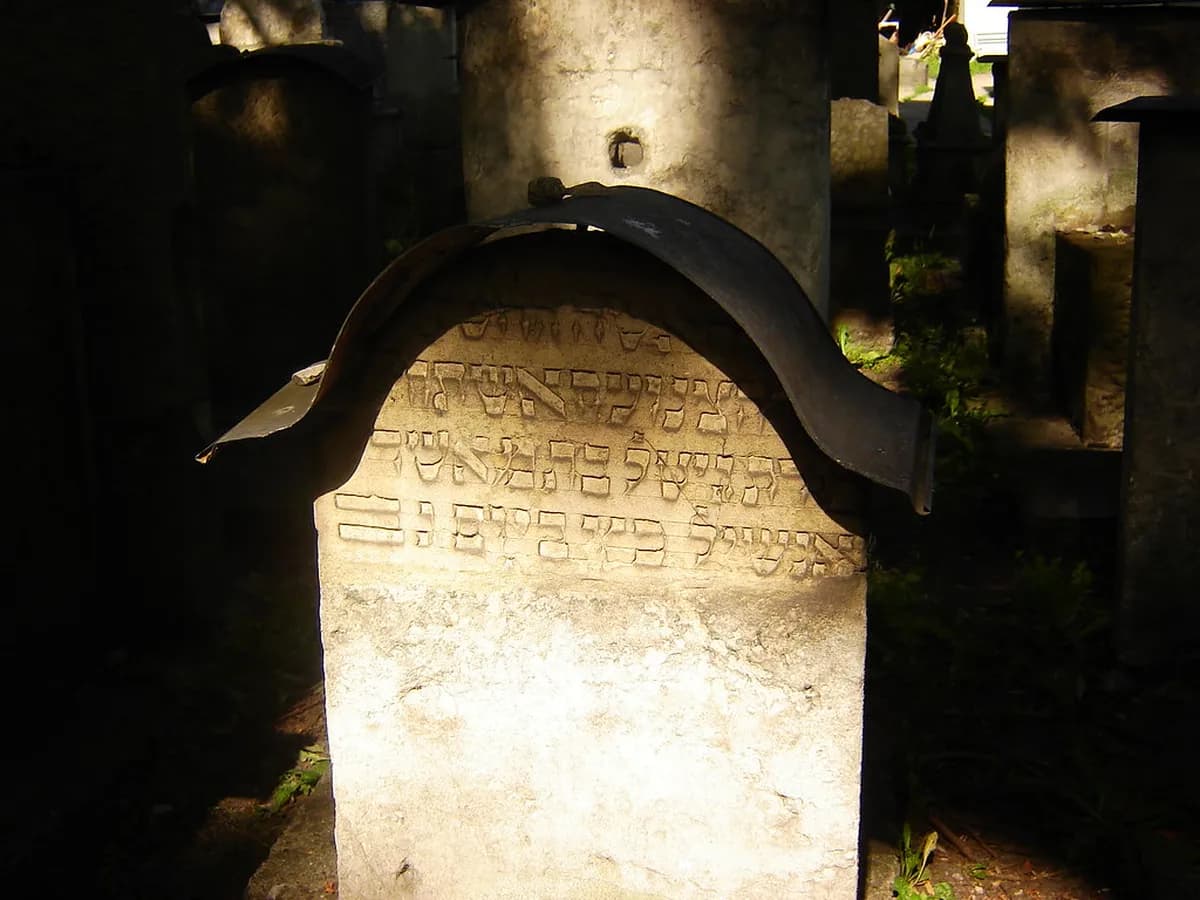
A wall roughly 3 metres high enclosed the ghetto, with guarded gates at fixed entry points. Its coping stones were shaped like Jewish tombstones, a deliberate and cruel design choice. After the war, Podgórze became a working-class district tied to factories and grey housing blocks. Regeneration picked up after 2010, when Schindler's Factory opened as a museum and the Bernatka Footbridge connected the district to Kazimierz.
The Germans opened the Płaszów forced-labor camp nearby in 1942, later expanding it into a concentration camp. Many ghetto residents were eventually transferred there as the ghetto's population shrank. That camp's grounds remain open today as a memorial rather than a formal museum building. Understanding this timeline helps make sense of the sites visited across Podgórze.
Ghetto Heroes Square and the Eagle Pharmacy
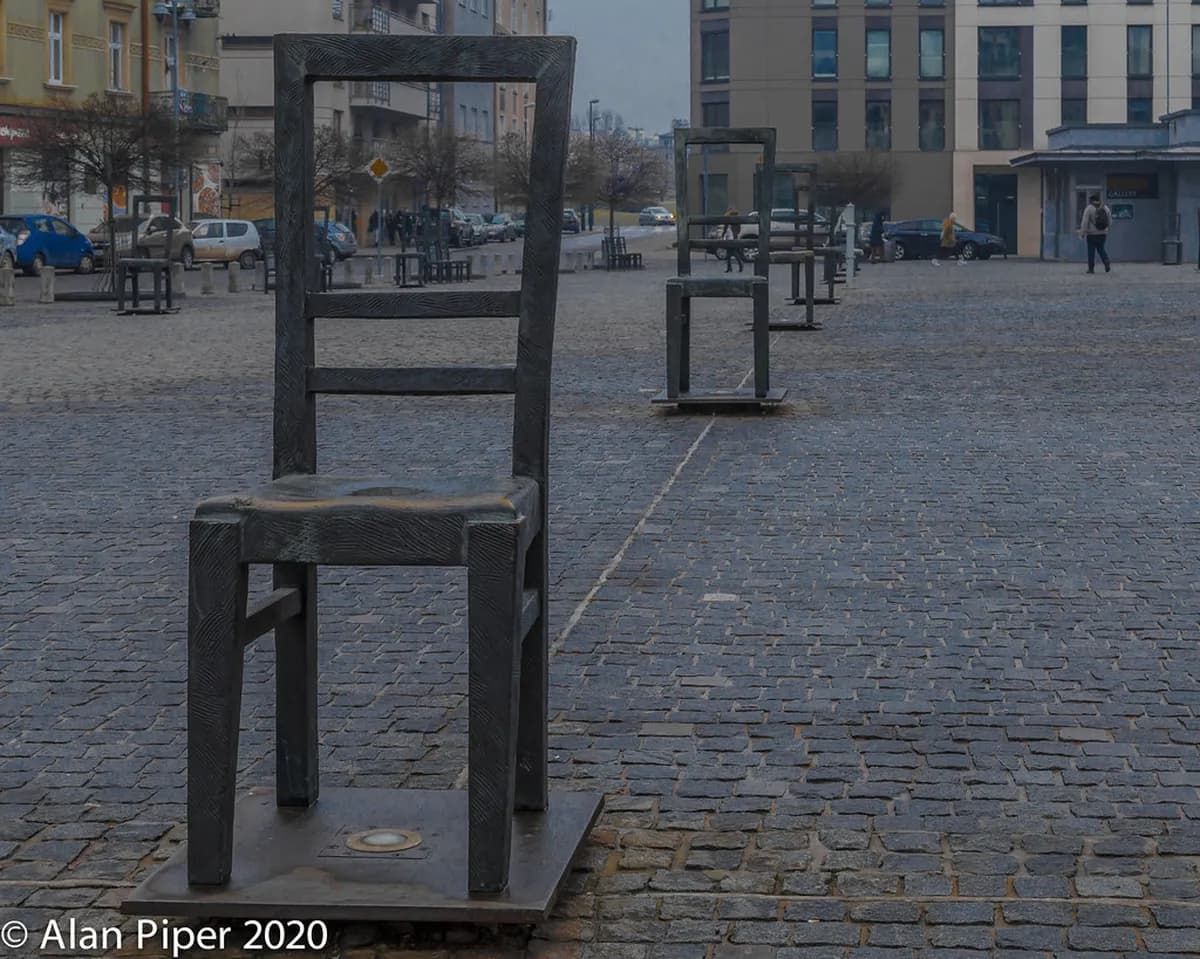
Plac Bohaterów Getta, known as Ghetto Heroes Square, served as the ghetto's main assembly point. SS and police officers used it for selections that sent residents to labor camps or death camps. Sixty-eight empty metal chairs, installed in 2005 by Piotr Lewicki and Kazimierz Łatak, now mark the square. A dedicated guide to Ghetto Heroes Square covers the memorial's layout and symbolism in more depth.
On the square's northwest corner, the Eagle Pharmacy museum occupies its original 1910 location. Pharmacist Tadeusz Pankiewicz was the only non-Jewish Pole permitted to live and work inside the ghetto. He used the pharmacy to supply medicine, pass information, and hide people during deportations. Yad Vashem later recognized him as Righteous Among the Nations for that work.
Two short sections of the original ghetto wall survive on Lwowska street, about 200 metres south of the square. The wave-shaped coping stones still echo the tombstone design used across the original perimeter. Visitors pressed for time can see the wall, square, and pharmacy together within an hour, per this Krakow ghetto walking guide. Those wanting the fuller story should add Schindler's Factory and budget closer to half a day.
Photography is welcome at Ghetto Heroes Square, but keep voices low out of respect. The Eagle Pharmacy museum is small, so visits rarely take longer than 30 minutes. Combine both stops with the wall fragment for a compact, one-hour history stop. Guided tours add context that plaques alone do not fully convey.
Districts of Podgórze: Old Town, Zabłocie, and Krzemionki
Old Podgórze centers on the former market square, now Ghetto Heroes Square, and its surrounding streets. Rynek Podgórski, a few minutes south, keeps a village-like feel with a small church and quiet cafes. A wider Krakow Neighborhoods Guide: Best Areas for 2026 compares this pocket with the city's other districts. Expect roughly 45 minutes to an hour here if you linger over coffee.
Zabłocie, the riverside pocket east of Cricoteka, holds Schindler's Factory and a cluster of lofts and studios, per Timetomomo's Podgórze profile. Former factory buildings now house design offices, apartments, and the occasional gallery opening. It works best for visitors interested in adaptive reuse and industrial architecture, not traditional sightseeing. Plan a slow hour here if Schindler's Factory is already on the itinerary.
| District | Key Sites | Time |
|---|---|---|
| Old Podgórze | Ghetto Heroes Square, Rynek Podgórski, Eagle Pharmacy | 45 minutes to 1 hour |
| Zabłocie | Schindler's Factory, lofts and studios, galleries | 1 hour |
| Krzemionki | Krakus Mound, Liban Quarry | Self-directed pace |
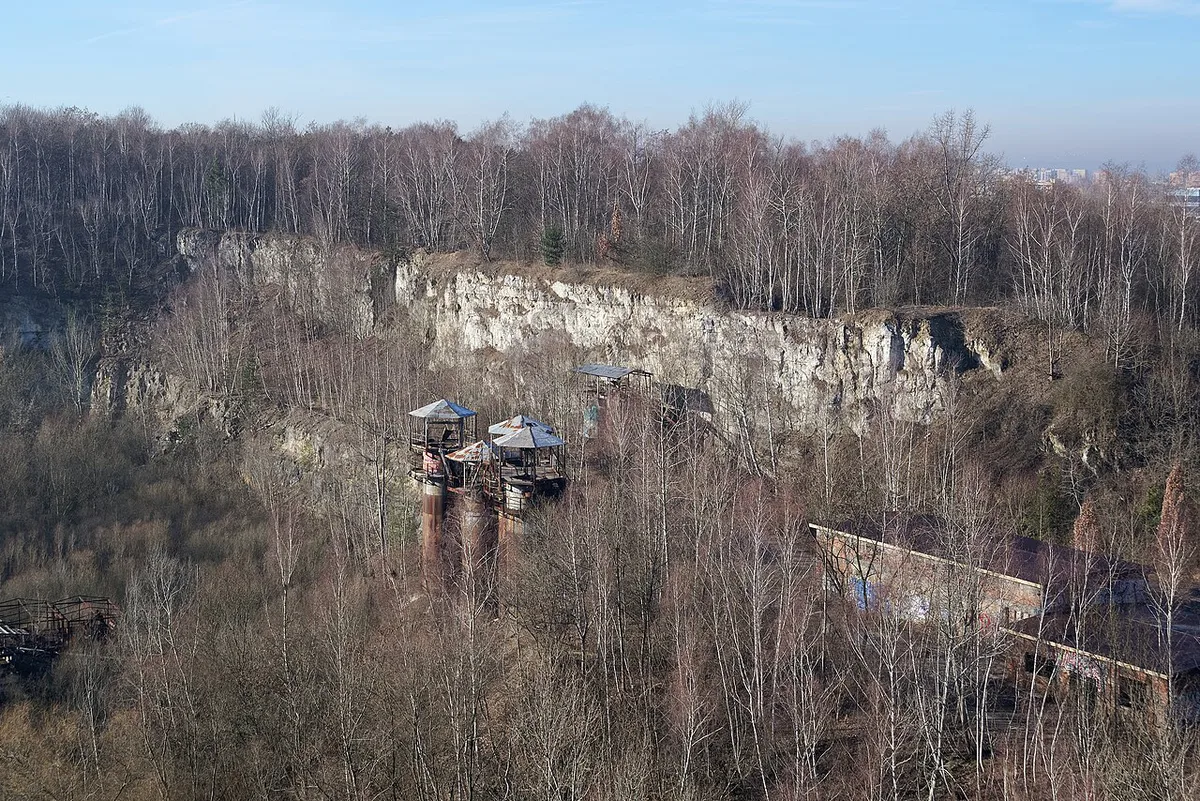
Krzemionki, the hilly ridge south of the ghetto area, includes Krakus Mound and the former Liban Quarry. This district rewards travelers with time for a moderate climb and fewer crowds than the riverside sights. Budget-conscious visitors will appreciate that both the mound and quarry are free to enter. Skip it on a tight schedule and save it for a second Podgórze visit instead.
All three districts connect by foot, so no transit is needed between them on a clear day. Rain or heat make the tram options along Wielicka worth knowing as a backup. Cyclists can also cover Old Podgórze, Zabłocie, and the Krzemionki base in under 30 minutes. Choose walking for the ghetto sites specifically, since several stops sit only steps apart.
Parks, Viewpoints, and Outdoor Spots in Podgórze
The Bernatka Footbridge, opened in 2010, links Podgórze with Kazimierz above the Vistula. Acrobatic balancing sculptures by artist Jerzy Kędziora decorate the crossing and draw plenty of photos. Views stretch west toward Wawel Castle and east along the river bend toward Zabłocie. Crossing takes about five minutes on foot, with no fees or opening hours to plan around.
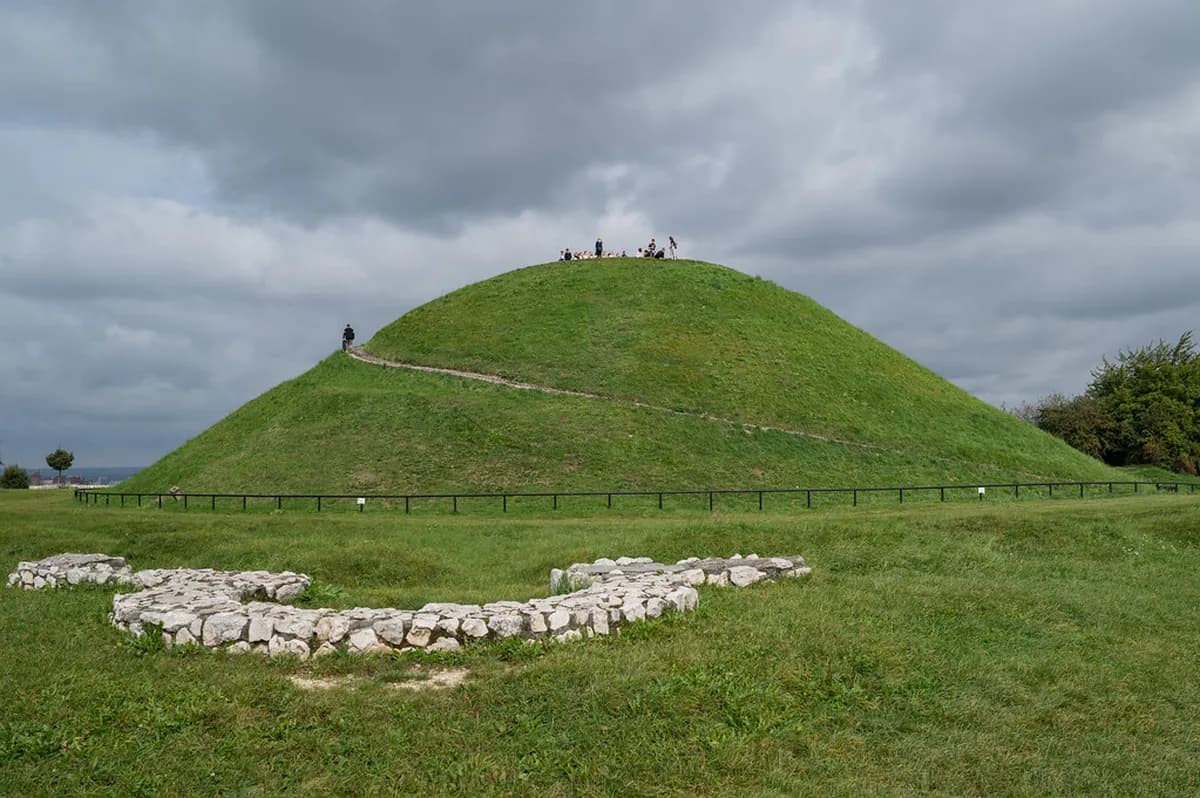
Krakus Mound rises 271 metres above sea level and ranks among the city's finer viewpoints. The climb is short but genuinely steep, so wear proper shoes rather than sandals. A closer look at access and timing appears in this Krakus Mound guide. Entry is free, and sunset draws the largest crowds of the day.
Liban Quarry, an optional stop between the ghetto sites and Krakus Mound, once served as a film set and stone quarry. Overgrown paths and exposed rock make it atmospheric, though footing can be uneven after rain. The Vistula boulevards below stay busy with joggers and cyclists most of the year. Families with strollers should stick to the boulevards rather than the quarry's rougher trails.
Families with young kids often prefer the boulevards and footbridge over the steeper mound climb. Budget travelers get the most value here, since every outdoor spot in this section costs nothing to enter. Bring water for the Krakus Mound climb, especially during warmer summer afternoons. Sunset views from the mound are popular, so arrive a little earlier to secure space.
How to Plan a Smooth Podgórze Day
Reach Podgórze on foot from Kazimierz via the Bernatka Footbridge in about ten minutes. Trams 3, 19, 24, and 50 stop at Korona, and bus 178 stops right outside Cricoteka. Most sights sit within a 15-minute walk of each other, so a car adds little value. Comfortable shoes matter more than transit choice on this route.
Wear comfortable shoes throughout the Podgórze walking route. Stairs and standing at museums require proper footwear. For Krakus Mound specifically, avoid sandals due to steep terrain.
A half-day route strings together the district's main stops in a logical order. Starting at the Bernatka Footbridge around 10:00 leaves enough daylight for every stop below. Adjust timing if Schindler's Factory tickets are booked for a specific slot.
Ambalaż Café adds a lunch menu from 14:00, with pierogi, pasta, and gnocchi alongside coffee. Circle back here after Krakus Mound if lunch was skipped earlier in the day. For a wider food roundup, check this Krakow Local Food Guide: Best Eats for 2026 before the trip. Budget travelers can stick to Ghetto Heroes Square, the wall fragment, and the boulevards for a free morning.
Avoid treating Podgórze as a rushed add-on between Old Town stops. Rushing the ghetto sites tends to flatten history that deserves a slower pace. Skip Schindler's Factory only if time is very tight, since it anchors the whole visit. Otherwise, the half-day route above fits comfortably into most Kraków itineraries.
- Bernatka Footbridge, the Kazimierz-side start
- Time: about 10:00
- Start: end of Mostowa street
- Cost: free to cross
- Cricoteka and Ambalaż Café
- Time: 10:15 to 11:30
- Café hours: daily 10:00-19:00
- Try: specialty coffee, all-day breakfast
- Ghetto Heroes Square and Eagle Pharmacy
- Time: 11:45 to 12:30
- Route: via Nadwiślańska then Lwowska
- Cost: free to visit
- Schindler's Factory museum visit
- Time: 12:45 to 14:30
- Address: Lipowa 4
- Tip: book tickets online ahead
- Liban Quarry, an optional detour
- Time: 14:45 to 15:15
- Access: via Wielicka street
- Note: uneven footing after rain
- Krakus Mound viewpoint climb
- Time: 15:30 to 16:00
- Height: 271 metres elevation
- Cost: free to enter
- Return along the Vistula boulevards
- Time: around 16:15
- Route: back toward Bernatka Footbridge
- Option: lunch at Ambalaż Café
Frequently Asked Questions
Is Podgórze worth visiting in Kraków?
Yes, Podgórze rewards visitors with important ghetto history, standout museums, and quieter streets than the Old Town. Highlights include Ghetto Heroes Square, the Eagle Pharmacy, Schindler's Factory, and Krakus Mound. Most visitors need half a day to see the core sites comfortably.
What is the best time to visit Podgórze to avoid crowds?
Weekday mornings before 10:30 see the fewest visitors at Schindler's Factory and Ghetto Heroes Square. This guide to visiting Krakow without crowds covers seasonal patterns in more detail. Late spring and early autumn generally balance mild weather with smaller crowds.
How much time is needed to see Podgórze?
Plan on four to six hours for the full walking route, including Schindler's Factory. A faster visit focused only on Ghetto Heroes Square, the Eagle Pharmacy, and the surviving wall takes closer to an hour. Add extra time if a guided tour is booked.
What are the do's and don'ts when visiting Podgórze?
Do book Schindler's Factory tickets online, wear comfortable shoes for Krakus Mound, and allow quiet time at Ghetto Heroes Square. Avoid treating the ghetto memorial sites as a quick photo stop, since they mark a serious historical tragedy. Skip the Liban Quarry trails after heavy rain.
How much should tour guides be tipped in Krakow?
A tip of around 10 to 15 percent of the tour price is standard practice for guided walks in Krakow, including Podgórze routes. Cash in Polish złoty is usually preferred over card tips. Confirm current guide rates directly with the tour operator before booking.
Podgórze pairs weighty history with a genuinely pleasant afternoon of walking, coffee, and river views. The ghetto sites deserve unhurried attention, while Cricoteka and the boulevards offer a lighter contrast nearby. Most visitors leave with a fuller picture of Kraków than the Old Town alone provides.
Build a half or full day around the walking route outlined above for the smoothest visit. Book Schindler's Factory tickets ahead, and save the Eagle Pharmacy and Ghetto Heroes Square for quieter morning hours. Pair the visit with a day trip using this guide to the best day trips from Krakow. Planning ahead keeps the schedule relaxed rather than rushed.
Podgórze rewards a second visit as much as a first, since new details surface each time. Check current hours for Schindler's Factory and Cricoteka before finalizing plans for 2026. A slower pace here, more than a checklist mindset, tends to leave the strongest impression.
Continue exploring
More guides you'll find useful