Krakus Mound Krakow Travel Guide
Visit Krakus Mound Krakow for free 24/7 access, sweeping city views, and legends of Prince Krak. Plan your route, timing, and nearby stops today.
On this page
Krakus Mound Krakow: Visitor Guide
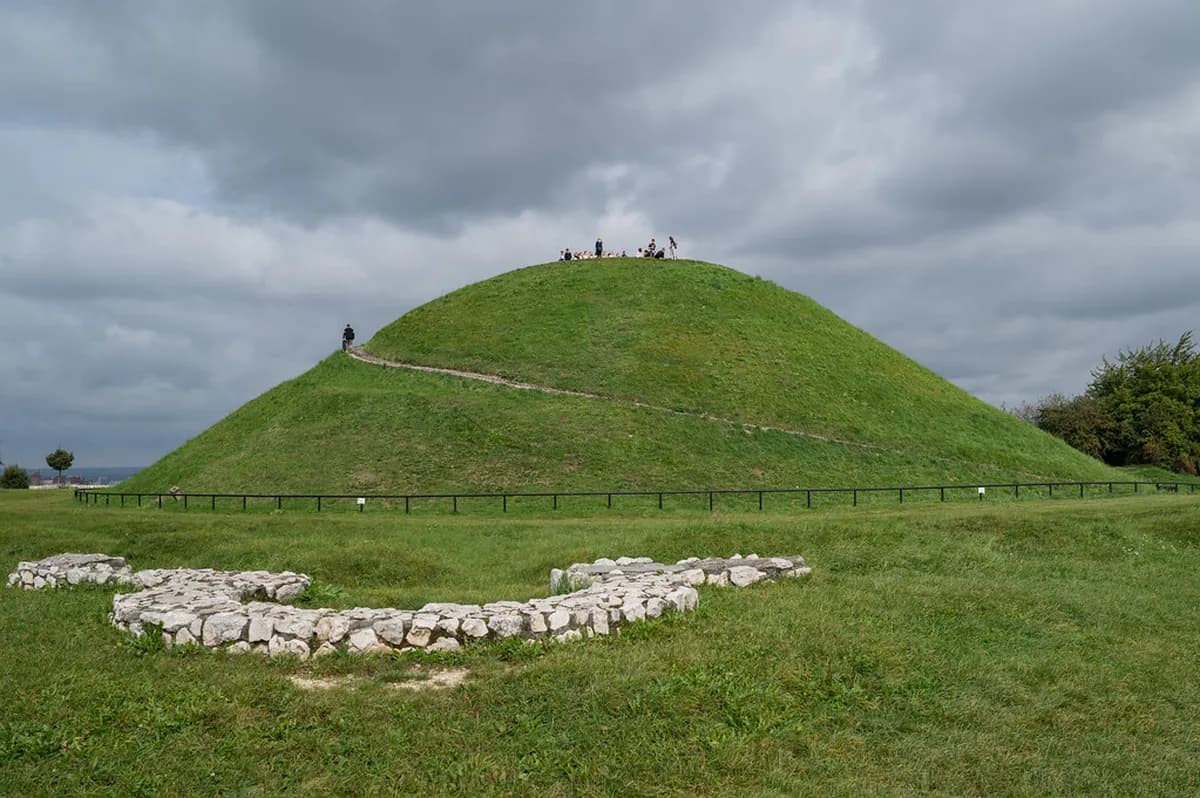
Last updated July 2026. Krakus Mound Krakow is a grass-covered earthwork rising above the Podgórze district. Local legend says it holds the burial site of Prince Krak, the city's founder. The climb takes under an hour and rewards visitors with sweeping views over Wawel Castle and the Vistula River.
Entry stays free and the mound never closes, so early risers and sunset chasers both find their moment. This guide covers the history, the best routes there, and nearby corners of Podgórze worth a detour. You will also find timing tips for beating the crowds and pairing the visit with other off-the-beaten-path spots in Krakow.
Krakus Mound Krakow: What to Know First
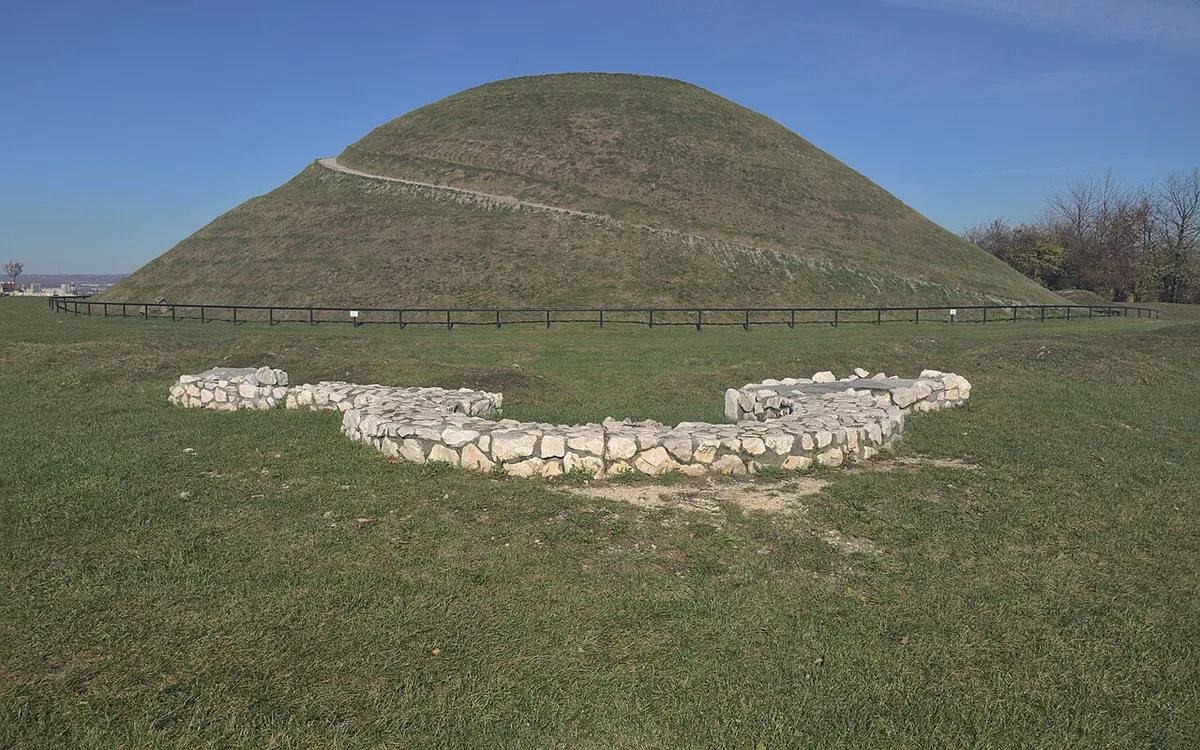
Krakus Mound rises 16 metres above Lasota Hill in the Podgórze district of Krakow. The earthwork measures about 57 metres across at its base and narrows to roughly 8 metres at the top. Builders likely raised it sometime in the 6th or 7th century, making it older than nearby Wawel Castle.
The mound counts among several man-made hills scattered across the city, alongside the smaller Wanda Mound and the larger Kosciuszko and Piłsudski mounds. Unlike those later monuments, Krakus Mound predates written records, so its exact purpose remains debated among historians. Many locals still treat it as one of Krakow's hidden gems tucked just south of the Old Town.
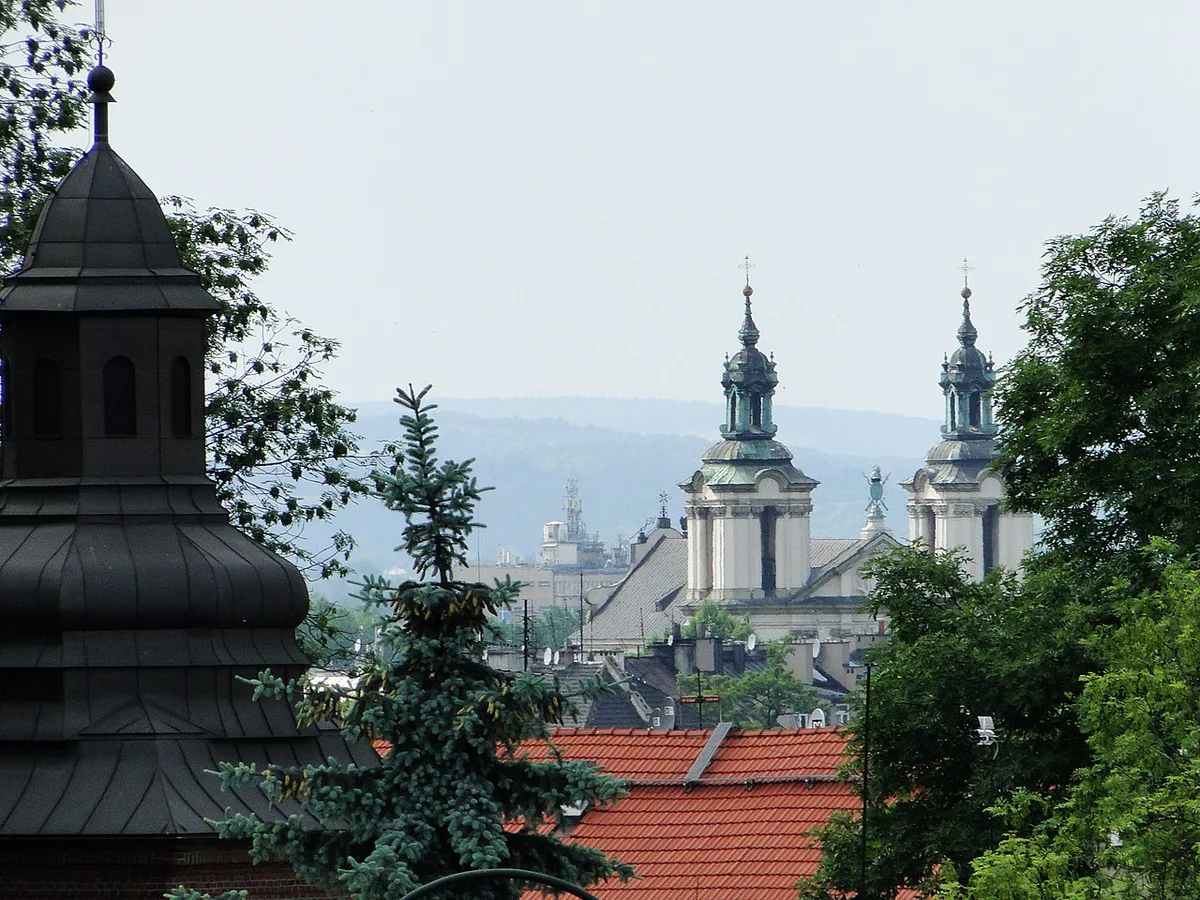
From the summit, the panorama stretches across Wawel, the Old Town spires, the Vistula River, and the Nowa Huta skyline. Photographers favor the spot for its wide, unobstructed sightlines and the way morning light hits the grassy slopes. Because the climb is short and the reward is a full city panorama, it suits nearly every fitness level.
The mound is not a polished museum piece, and that rough authenticity is part of its appeal. There is no signage overload or gift shop, just open grass, wind, and a view earned by walking up.
History and Legends of Krakus Mound
Tradition holds that Krakus Mound marks the burial place of Prince Krak, the mythical founder of the city. No tomb or bones have ever been confirmed inside the structure, despite excavation attempts in the 20th century. Even without proof, the story remains deeply woven into how Krakow tells its own origin.
A companion earthwork, Wanda Mound, sits several kilometers away and honors Krak's daughter Wanda in local legend. According to the medieval chronicler Jan Długosz, Wanda leapt into the Vistula River rather than marry a foreign suitor. Sunrise on May 1 reportedly lines up between the two mounds, hinting at older solstice or seasonal rituals.
Some researchers believe the site once served a ceremonial or religious function for early Slavic communities. Sacred-site interpretations place Krakus Mound alongside other astronomically aligned earthworks found across Europe. For a deeper dive into the folklore and dating debates, Cracow's Hallowed Humps covers the competing theories.
Location, Map, and How to Get There
Krakus Mound sits on Franciszka Maryewskiego Street in the Podgórze district, south of the Vistula River. The closest landmarks are the Krzemionki nature reserve and the remains of Fort Benedykt. For broader context on the surrounding streets, the Podgórze neighborhood guide maps out cafes and side streets nearby.
Several routes lead up to the mound, and the best choice depends on where the visit starts. Walkers from the Old Town should budget 30 to 40 minutes each way.
| Route | Time | Details | Cost |
|---|---|---|---|
| Walk from Old Town | 30-40 min | Via Piłsudski Bridge | Free |
| Tram/Bus | Varies | Lines 3, 6, 13 (tram) or 144, 173, 304 (bus) to Cmentarz Podgórski stop | Tram fare |
| Cycle | Variable | Vistula riverside path | Free |
| Drive & Park | Variable | Via Wielicka and Parkowa streets; free parking on Za Torem Street | Free |
Drivers can park for free at the small lot on Za Torem Street, a short walk from the entrance path. The approach itself is steep and unpaved in stretches, so wheelchairs and strollers may struggle on the final climb. A stroller with large wheels or a baby carrier works better than a standard pushchair on this terrain.
- Walk from the Old Town
- Time: 30 to 40 minutes
- Route: via Piłsudski Bridge
- Cost: free, no ticket
- Ride the tram or bus
- Trams: lines 3, 6, 13
- Stop: Cmentarz Podgórski
- Buses: lines 144, 173, 304
- Cycle the river boulevards
- Route: Vistula riverside path
- Best for: quick scenic trips
- Drive and park nearby
- Access: via Wielicka and Parkowa streets
- Parking: free lot on Za Torem Street
Visiting Hours, Tickets, and Practical Tips
Krakus Mound stays open 24 hours a day, every day of the year, including winter. There is no ticket booth, no entry fee, and no timed-entry system to plan around. According to Krakow Mounds, this free and unrestricted access has held steady for years. Still, it helps to confirm current conditions before planning an unusual-hours visit.
Krakus Mound is open 24 hours daily year-round with no admission fee or booking required. Free entry extends to winter visits, making it simple to fit into any Krakow itinerary without advance planning or expense constraints.
Because there is no charge, Krakus Mound fits naturally alongside Krakow's other free things to do in the city. Budget travelers can pair the climb with a riverside walk and still spend nothing beyond a tram fare. Families often treat the wide grassy paths as a picnic spot before or after the short climb.
Plan for 30 to 60 minutes on site, depending on whether the visit is a quick climb or a longer stay. No guide or audio tour exists on-site, so reading up beforehand adds useful context to the walk. The area has no lighting after dark, so bring a phone light or torch for evening visits.
- Entry fee and access rules
- Cost: free, no ticket needed
- Hours: open 24 hours daily
- Booking: none required
- Typical visit length on-site
- Quick climb: about 30 minutes
- Relaxed visit: up to 60 minutes
- Accessibility on the path
- Path: steep and partly unpaved
- Best for: walkers, not wheelchairs
Hidden Gems and Attractions Near the Mound
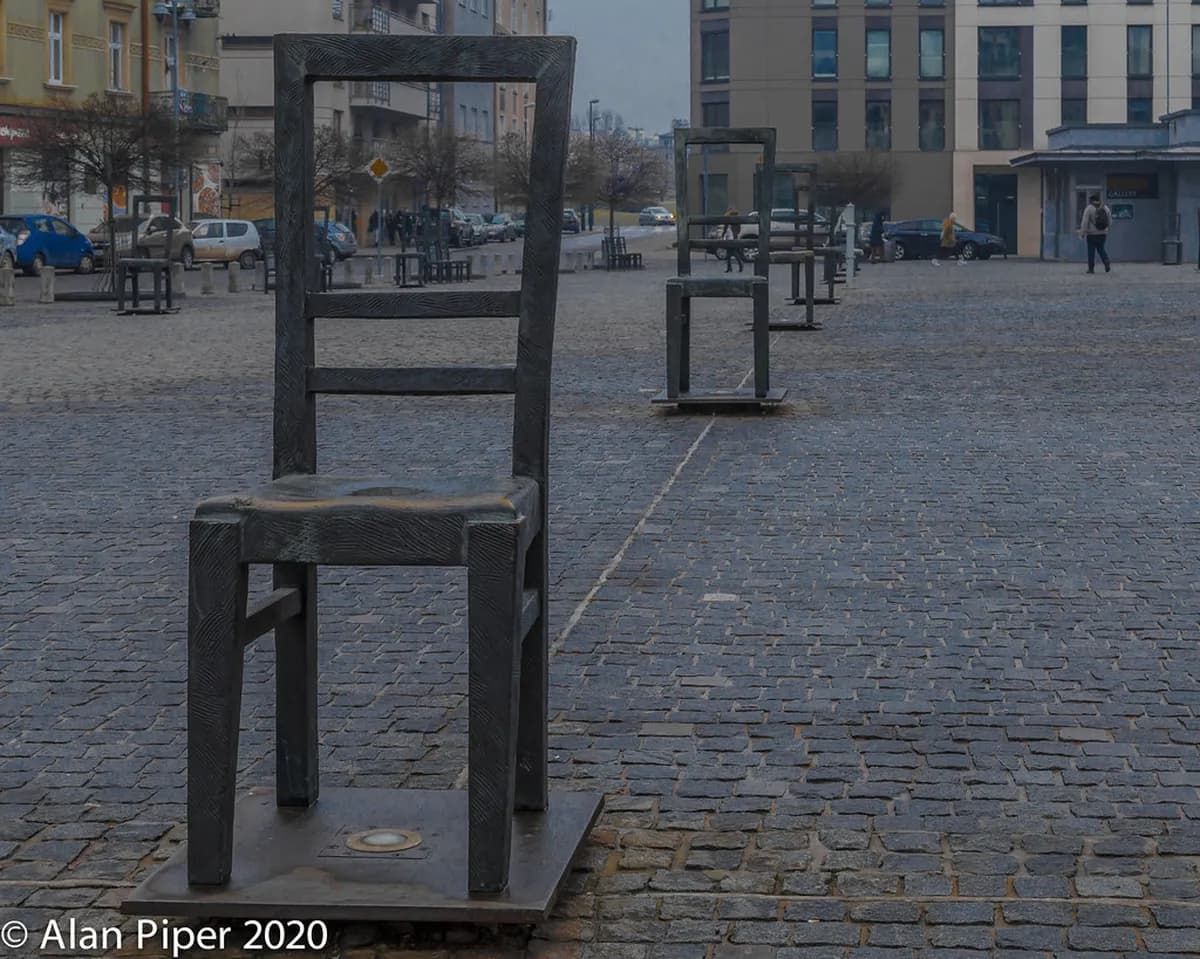
Podgórze holds more than the mound itself, and few visitors realize how much sits within a short walk. Ghetto Heroes Square, a memorial to Krakow's wartime Jewish community, sits about a 20-minute walk toward the river. The Ghetto Heroes Square guide covers the memorial chairs and the history behind the site in more depth.
Krzemionki, the wooded reserve beside the mound, adds shaded trails for those who want more than one viewpoint. Fort Benedykt, a 19th-century Austrian fortification, sits within the same green belt and rewards a quick detour. Neither site charges admission, so both pair easily with the mound without adding cost to the day.
Travelers with limited time should prioritize the mound and Ghetto Heroes Square, since both sit close together. Those with a half day free can add Krzemionki's trails and Fort Benedykt without much extra walking. Anyone short on time or mobility should skip the fort's uneven terrain and stick to the main path.
Best Time to Visit and Photography Tips
Spring and early autumn bring the mildest weather and the clearest long-distance views from the summit. Midday sun in summer can wash out photos, so early morning or early evening light works better. For a fuller seasonal breakdown, the guide to visiting Krakow without crowds compares month-by-month conditions.
Weekday mornings before 9am provide nearly solitary access, while sunset offers excellent light and quieter conditions than sunrise. Both times reward visitors with clear panoramic views and the chance for unrushed exploration of the summit.
Sunrise draws a small but steady crowd of photographers chasing the light over Wawel and the river. Sunset tends to be quieter and pairs well with a slow walk back through Podgórze afterward. Weekday mornings before 9am usually offer the mound almost entirely without other visitors.
Winter visits trade crowds for cold wind, since the summit sits fully exposed with no shelter. A hat and windproof layer make a real difference on the open hilltop, even on mild days. Whatever the season, sturdy shoes help on the unpaved final stretch to the top.
Krakus Mound and Wanda Mound: Planning Both
Krakus Mound and Wanda Mound are linked by legend, but they sit in very different parts of Krakow. Krakus Mound is the easier choice for most visitors because it stands above Podgórze, close to Ghetto Heroes Square, Krzemionki, and the riverside route back toward Kazimierz. Wanda Mound is farther east in the Mogiła area of Nowa Huta, near the Cistercian Abbey of Mogiła and the Vistula-side industrial edge of the city.
Do not plan them as a quick pair unless you are comfortable crossing the city by tram, bus, taxi, or bike. A practical approach is to visit Krakus Mound on a Podgórze half-day, then save Wanda Mound for a separate Nowa Huta itinerary with the abbey, Plac Centralny, and the district’s socialist-realist avenues. If you only have one viewpoint slot, Krakus Mound gives the stronger classic skyline view toward Wawel and the Old Town.
Frequently Asked Questions
What is the Krakus Mound in Krakow?
Krakus Mound is a prehistoric, grass-covered earthwork on Lasota Hill in Krakow's Podgórze district. Standing 16 metres tall, it is linked in legend to Prince Krak, the city's founder. Historians date its construction to the 6th or 7th century, well before Wawel Castle was built.
Is Krakus Mound free to visit?
Yes, entry to Krakus Mound is completely free. There is no ticket booth, no online booking, and no entry limit. The site stays open 24 hours a day, every day of the year, including winter, though schedules can shift for local events.
Is Krakus Mound worth visiting?
Yes, Krakus Mound is worth visiting for its free, unobstructed panorama over Wawel, the Old Town, and the Vistula River. The short climb suits most fitness levels and pairs well with a walk through Podgórze. Its low crowds make it a solid alternative to busier viewpoints.
How long does it take to climb Krakus Mound?
Most visitors spend 30 to 60 minutes at Krakus Mound, depending on pace and how long they linger at the top. A quick up-and-down trip takes about half an hour. Photographers and those combining the visit with a picnic often stay closer to an hour.
Where can travelers eat near Krakus Mound?
Podgórze has several casual cafes and milk bars within a short walk of the mound. For a fuller list of options, the local restaurants guide covers where to eat around the city. Most spots sit 10 to 15 minutes from the base of the hill.
Krakus Mound rewards a short climb with one of Krakow's widest, least crowded views. Free entry and round-the-clock access make it easy to fit into almost any itinerary. Whether the goal is history, a legend, or simply a quiet skyline, the mound delivers all three.
Pair the visit with nearby Podgórze sights before heading back toward the river. Time it around sunrise or sunset for the clearest light and the fewest other visitors. A short walk up Lasota Hill is a small effort for a lasting view of the city.
Continue exploring
More guides you'll find useful