Rome Hidden Gems: 8 Underrated Sights, Tickets & Hours (2026)
Rome hidden gems beyond the Colosseum: 8 crowd-free things to do in Rome, from palace galleries to a bone crypt, with verified 2026 prices and walking routes.
On this page
Everyone who lands in Rome sees the same five things — the Colosseum, the Vatican, the Trevi Fountain, the Pantheon, the Spanish Steps — usually shoulder to shoulder with a few thousand other people. This guide is deliberately not that list. It's a curated collection of eight of Rome's quieter, under-visited gems: the kind of places that reward a second visit, a slow morning, or anyone who has already ticked off the headline sights and wants to see a different city underneath them.
What ties these eight together is that each one offers something the famous monuments don't. There are private palace galleries still owned by the families who built them — the Doria Pamphilj, the Colonna and the Spada collections, where Baroque masterpieces hang in frescoed halls instead of behind ticket barriers. There's layered underground archaeology at San Clemente, where a 12th-century church sits on a 4th-century basilica that sits on a 1st-century Mithraic temple. There's the macabre Capuchin Crypt, decorated with the bones of 4,000 friars; the industrial-art contrast of Centrale Montemartini, where ancient statues pose against the turbines of a decommissioned power station; a Borromini optical-illusion colonnade at Palazzo Spada; and two house-museums — Casa di Goethe and the Museo Napoleonico — that preserve very different chapters of Rome's history.
None of these will swallow your whole day, and most stay blessedly calm even in peak season. Treat this page as your starting point: each entry below links to a full visitor guide with verified 2026 opening hours, current ticket prices, and the practical tips that rarely make it into the official FAQ. Below the cards you'll find these eight grouped by neighborhood and by type, a 2026 cost breakdown, ready-made half-day and full-day routes, and answers to the questions most people ask before planning a crowd-free day in Rome.
8 hidden gems and underrated attractions in Rome
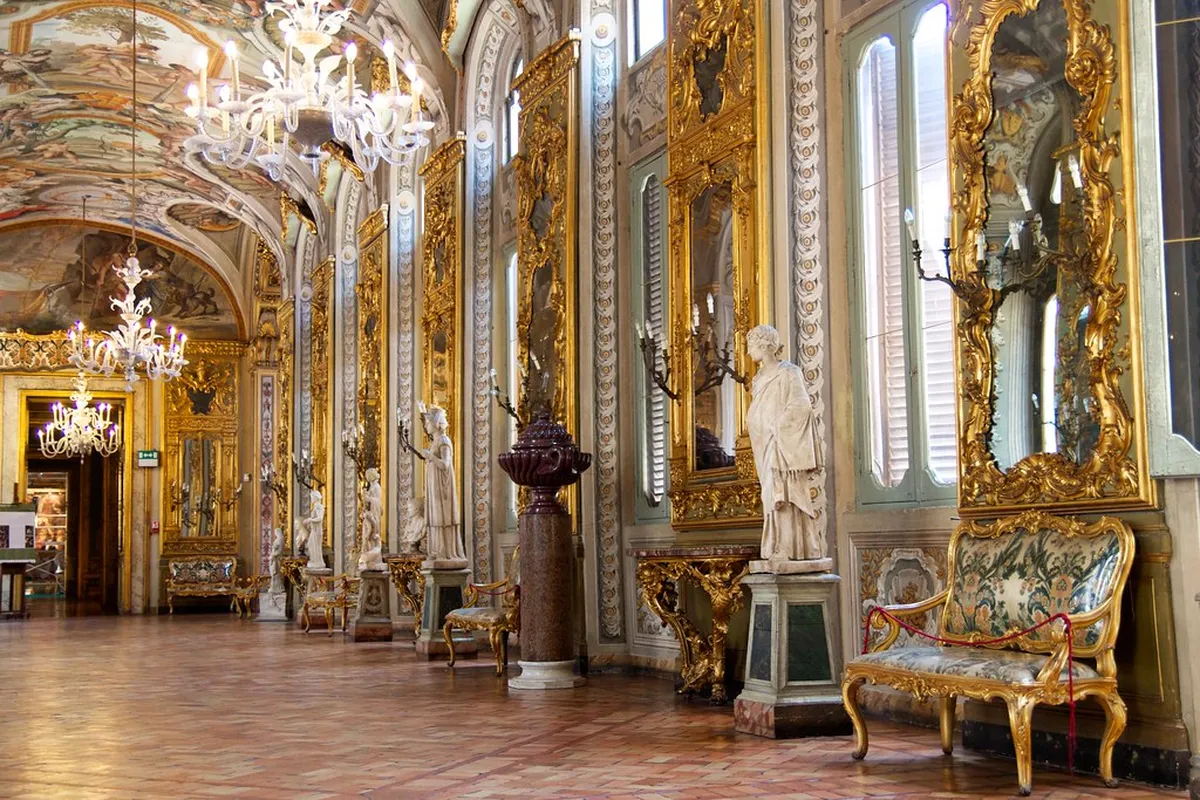
Galleria Doria Pamphilj
The Galleria Doria Pamphilj is a major private art collection in the Palazzo Doria Pamphilj on Via del Corso in central Rome, featuring 16th- and 17th-century masterpieces and still owned by the Doria Pamphilj family.
Visitor guide →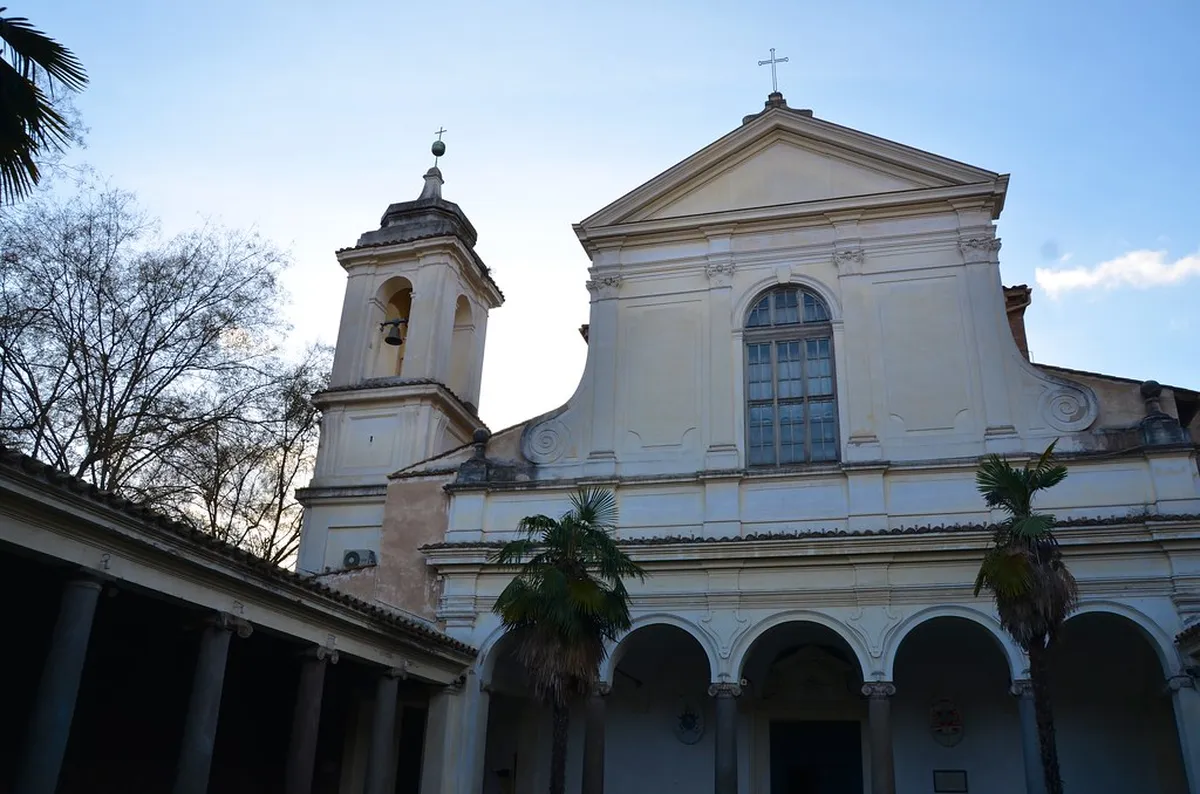
Basilica di San Clemente
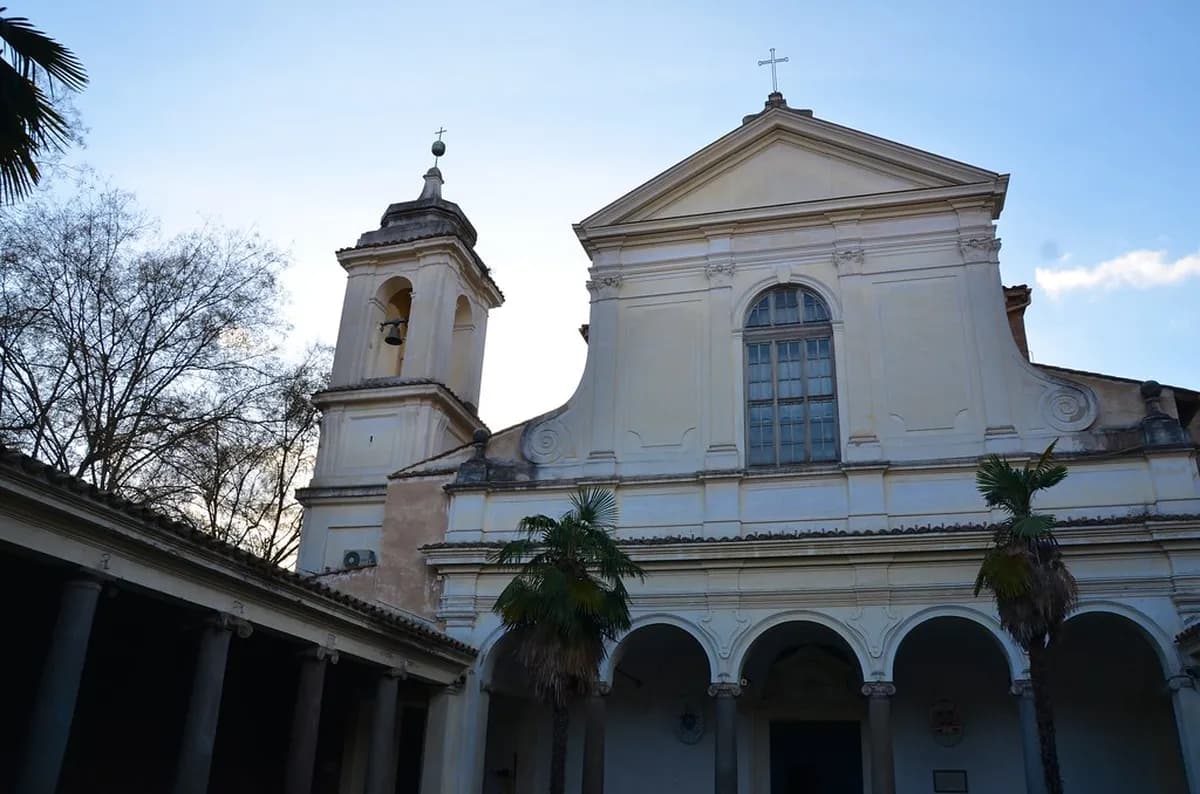
The Basilica di San Clemente al Laterano is a layered basilica near the Colosseum in Rome, where a 12th-century church sits atop a 4th-century basilica and 1st-century Roman buildings including a Temple of Mithras. The upper church is free; the underground archaeological excavations are ticketed and require advance online booking.
Visitor guide →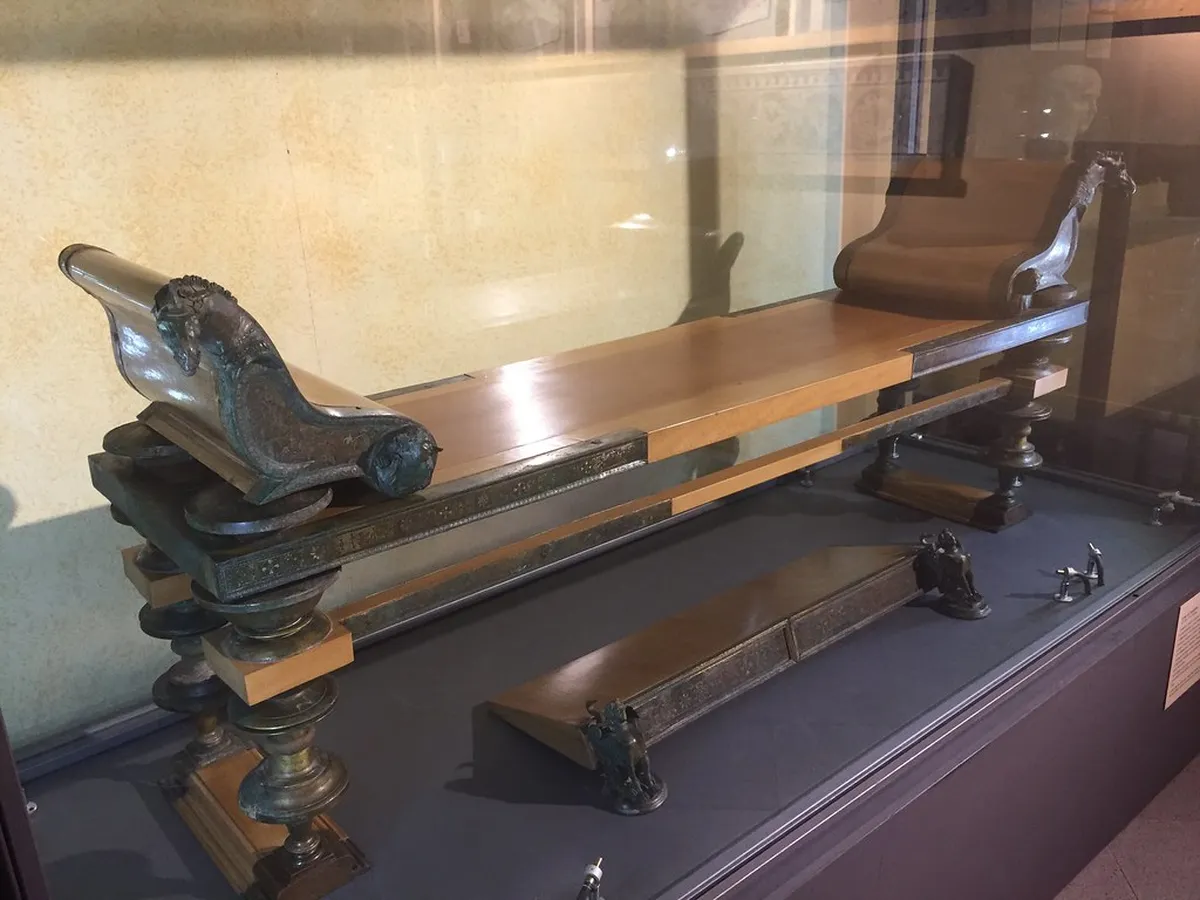
Centrale Montemartini
A museum of classical sculpture set in a former thermoelectric power plant on Via Ostiense in Rome, Centrale Montemartini is a branch of the Capitoline Museums where ancient Greco-Roman statues are displayed alongside preserved early-20th-century industrial machinery.
Visitor guide →
Palazzo Colonna
Palazzo Colonna is a grand private palace in central Rome and home to the Galleria Colonna, a sumptuous Baroque art gallery owned by the Colonna family for over twenty generations. Open to the public chiefly on Saturday mornings, its frescoed Great Hall and collection of masterpieces make it one of Rome's most spectacular yet under-visited sights.
Visitor guide →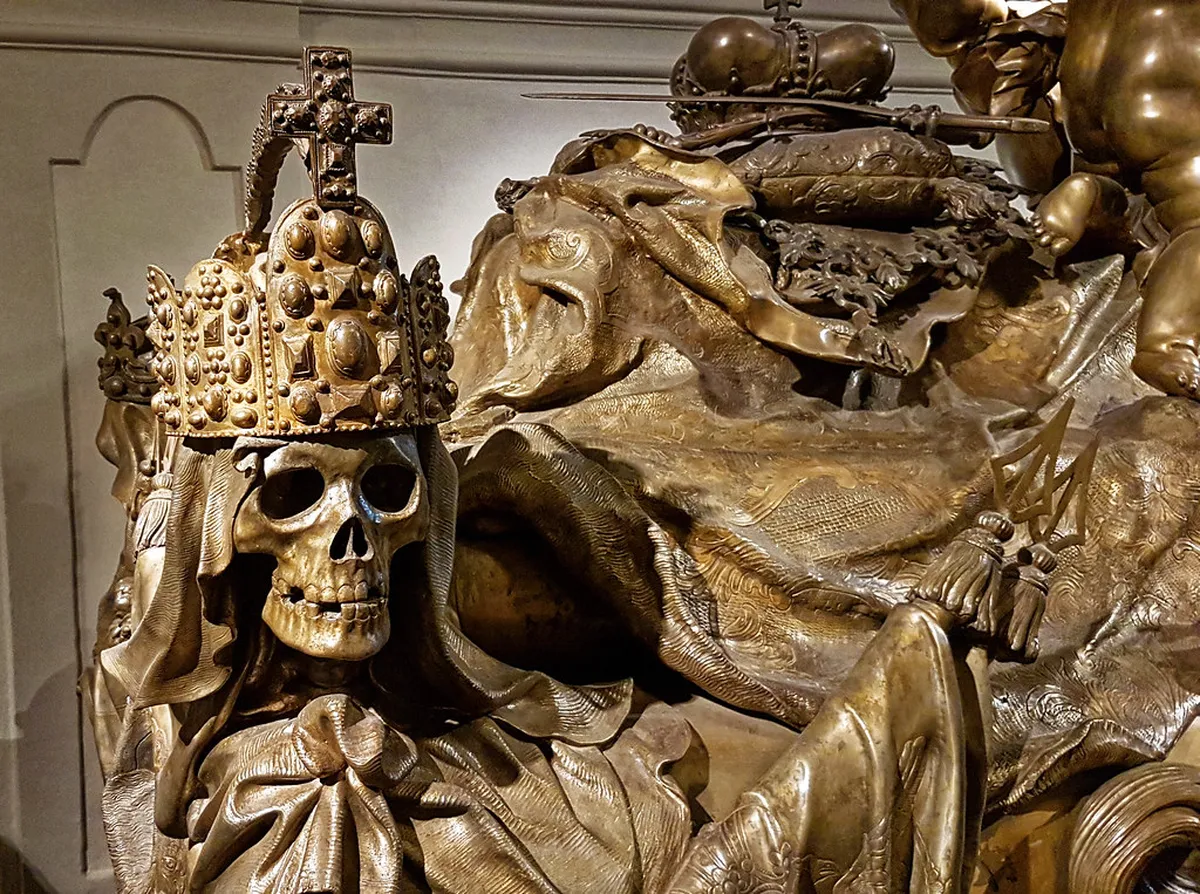
Capuchin Crypt
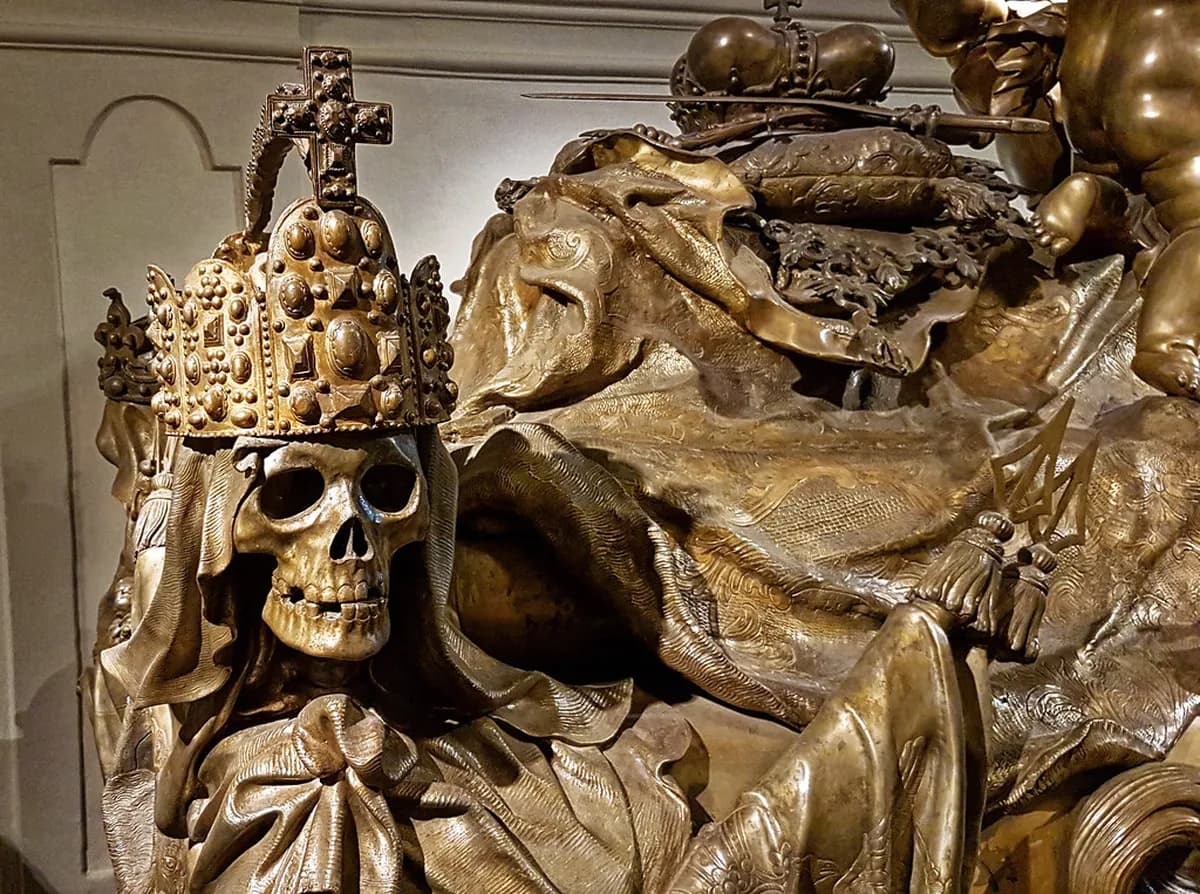
The Capuchin Crypt is a macabre ossuary beneath Santa Maria della Concezione dei Cappuccini on Via Veneto in Rome, where the bones of roughly 4,000 Capuchin friars are arranged into ornamental designs across five chapels as a memento mori. Open daily with a small admission fee, it is a place of worship and cemetery where photography is strictly forbidden and modest dress is required.
Visitor guide →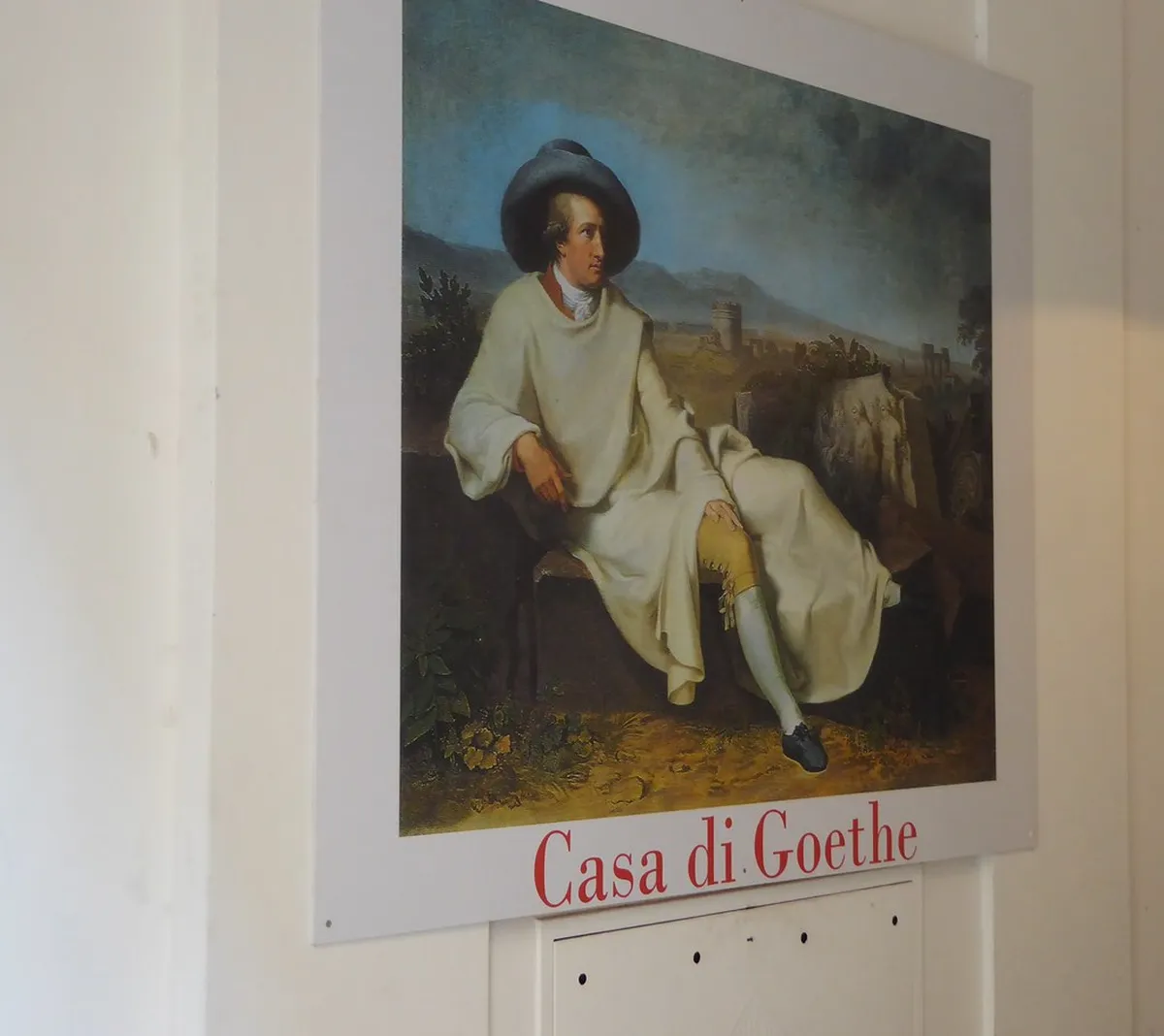
Casa di Goethe
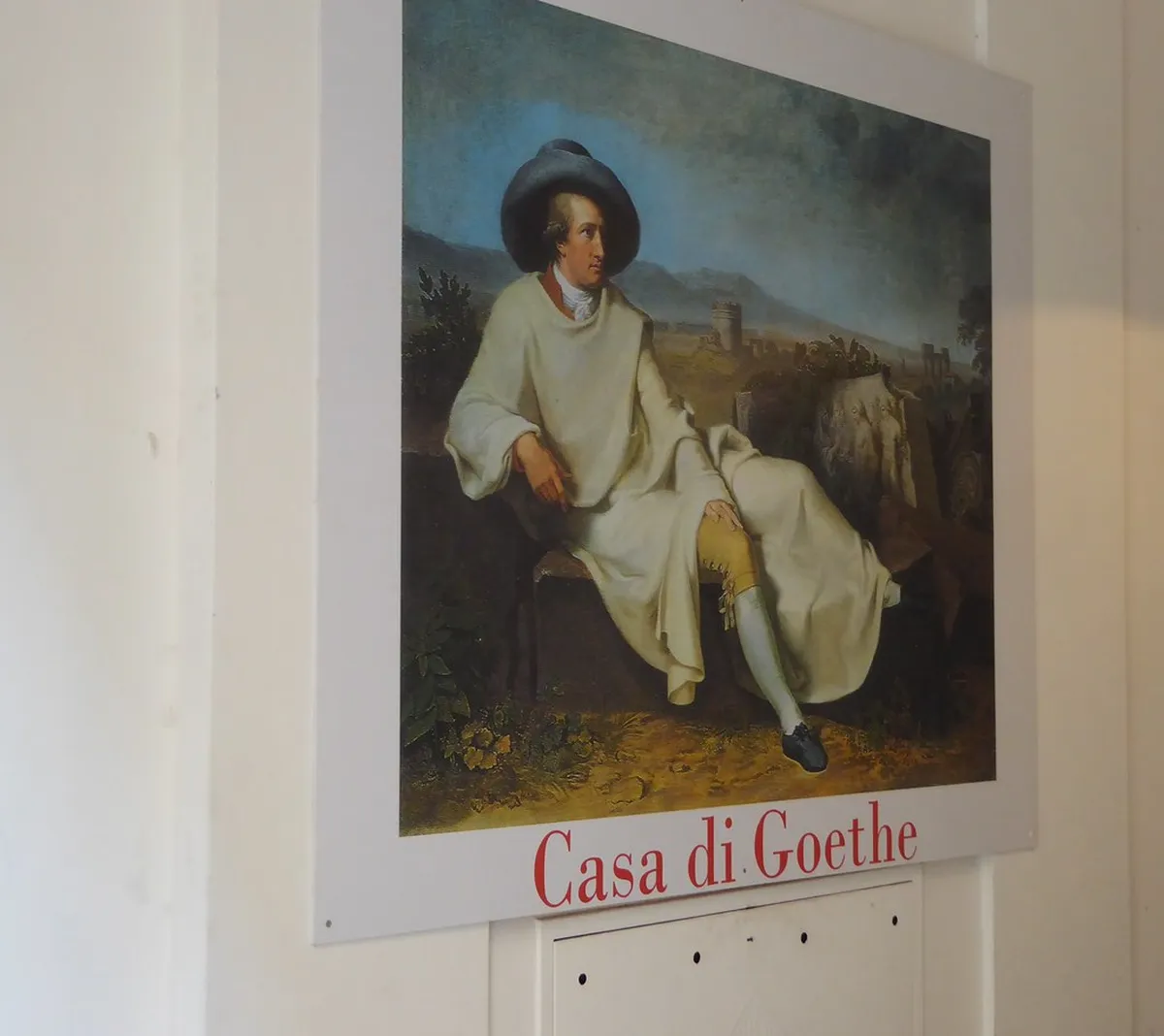
Casa di Goethe is a house museum at Via del Corso 18 in Rome, set in the apartment where Johann Wolfgang von Goethe lived during his Italian Journey from 1786 to 1788. The only German museum outside Germany, it documents Goethe's time in Rome through letters, paintings, drawings, books, and historical documents, and hosts temporary exhibitions. It is open Tuesday to Sunday and closed on Mondays.
Visitor guide →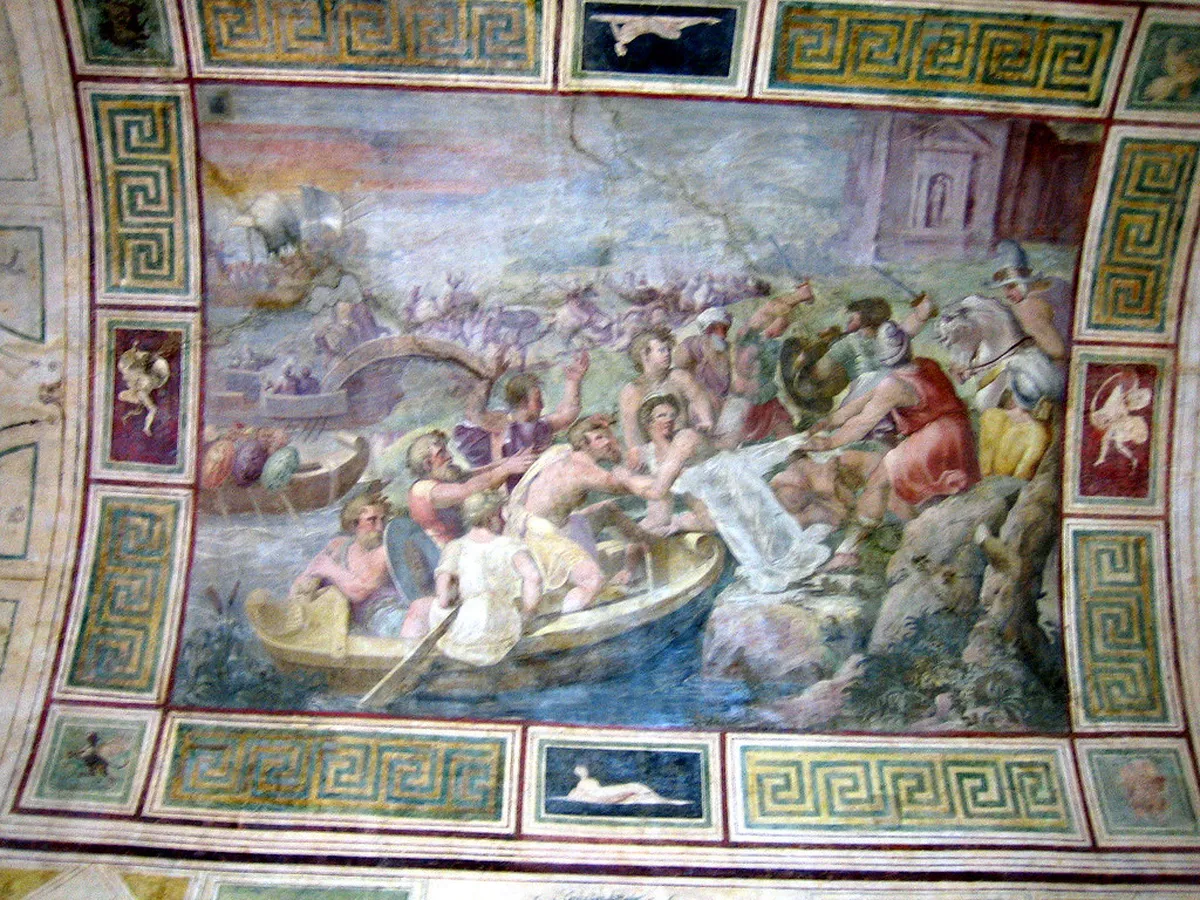
Palazzo Spada
Palazzo Spada is a baroque palace in central Rome housing the state-run Galleria Spada, best known for Francesco Borromini's forced-perspective colonnade — an 8-meter corridor engineered to look 37 meters long.
Visitor guide →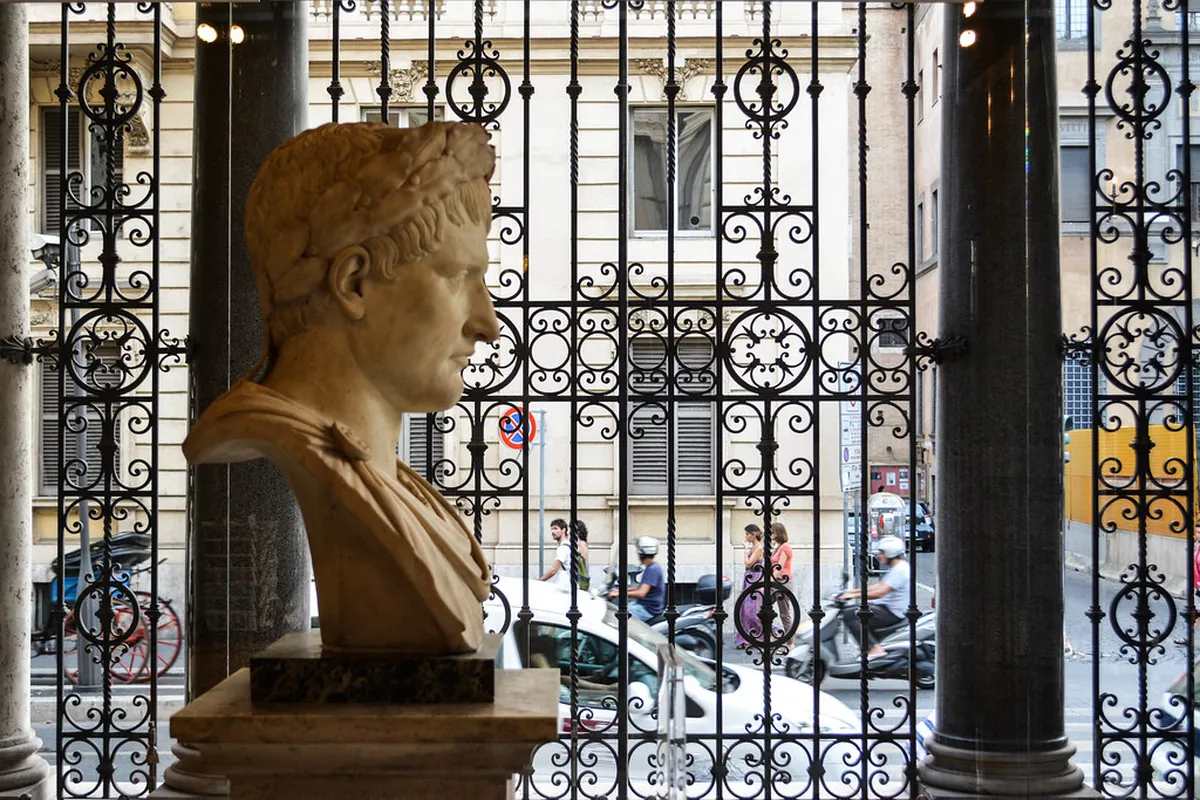
Museo Napoleonico
The Museo Napoleonico is a Rome civic museum near Piazza Navona, housed on the ground floor of Palazzo Primoli at Piazza di Ponte Umberto I. Part of the Musei in Comune Roma network, it preserves Count Giuseppe Primoli's collection of Napoleonic-era and Bonaparte-family art, memorabilia, and personal objects documenting the family's relationship with Rome.
Visitor guide →Rome's hidden gems by neighborhood
One of the quiet advantages of this list is how tightly clustered it is. Five of the eight sights sit in or beside the centro storico, so you can string several together on foot without ever touching a metro. Here is how they fall across the city.
- Centro storico & Via del Corso — This is the densest cluster. The Galleria Doria Pamphilj and Casa di Goethe face each other across Via del Corso, while Palazzo Colonna is a five-minute walk east toward Piazza Venezia. The Museo Napoleonico sits near Piazza Navona at the river end of the old centre.
- Campo de' Fiori & the Jewish Ghetto — Palazzo Spada and its Borromini perspective gallery is tucked just south of Campo de' Fiori, an easy add-on to a wander through Via Giulia and the Ghetto.
- Celio, beside the Colosseum — Basilica di San Clemente is a few hundred metres east of the Colosseum, which makes it the natural crowd-free counterpoint when you have already done the big-ticket archaeology.
- Via Veneto — The Capuchin Crypt sits at the foot of Via Veneto near Piazza Barberini, walkable from the Trevi Fountain or the Spanish Steps.
- Ostiense — Centrale Montemartini is the one outlier, south of the centre on Via Ostiense. It's a short Metro B hop (Garbatella) or a 15-minute walk from the Pyramid of Cestius, and well worth the detour.
Hidden gems by type
If you only have time for one or two, it helps to know what flavour of Rome each one delivers. The eight split cleanly into five categories.
- Private palace galleries — The Galleria Doria Pamphilj, Palazzo Colonna and Palazzo Spada are aristocratic collections shown in the very rooms they were assembled for — Velázquez, Caravaggio, Carracci and Bernini hung in gilded halls rather than white-cube museums. The Doria Pamphilj and Colonna are still family-owned.
- House-museums — Casa di Goethe recreates the apartment where the German writer lived during his Italian Journey of 1786–88; it's the only German museum outside Germany and a calm, literary half-hour.
- Underground & archaeology — Basilica di San Clemente lets you descend through three layers of Roman history in a single building, from a medieval church down to a pagan temple beside an underground stream.
- Macabre & unusual — The Capuchin Crypt is Rome's most genuinely strange sight: five chapels decorated entirely with the bones of around 4,000 friars, conceived as a meditation on mortality.
- Industrial art & history — Centrale Montemartini stages classical marble against the diesel engines and turbines of an early-20th-century power plant, while the Museo Napoleonico preserves the Bonaparte family's Roman chapter in a riverside palazzo.
Free vs paid: what each costs in 2026
Several of these gems are cheap by Rome standards, and one of the best is partly free. The upper basilica of San Clemente is free to enter — you only pay for the underground excavations. Here are the verified 2026 adult admission prices for the paid sights; concessions, students and under-18s are usually less, and children are often free.
- Galleria Doria Pamphilj — €16 (audioguide included)
- Basilica di San Clemente — upper church free; underground excavations €10 (advance online booking required)
- Centrale Montemartini — €11
- Palazzo Colonna — €15
- Capuchin Crypt — €10
- Casa di Goethe — €6
- Palazzo Spada — €6
- Museo Napoleonico — €7.50
Worth knowing: on the first Sunday of every month, Italy's state museums and many of Rome's civic (Musei in Comune) museums offer free admission. That can cover Palazzo Spada and the Museo Napoleonico, though it also brings bigger crowds — outside that day these sights stay quiet. For a deeper list of no-cost options, see our guide to the best places to visit in Rome for free.
Advance online booking is required for the underground excavations at Basilica di San Clemente.
Suggested hidden-Rome itineraries
Because most of these sights are small, you can pair several in a half-day or build a full crowd-free day around them. Both routes below are walkable apart from the Ostiense leg.
Half-day (centro storico, roughly 3–4 hours): Start mid-morning at the Galleria Doria Pamphilj on Via del Corso, then cross the street to Casa di Goethe for a quieter half-hour. Walk south through the centre to Palazzo Spada for the Borromini perspective trick, finishing near Campo de' Fiori for lunch. If it's a Saturday morning, swap in Palazzo Colonna at the start — its Great Hall is the showstopper of the three.
Full day (centre plus a detour): Begin near the Colosseum at Basilica di San Clemente and descend through its three layers, then walk the centro-storico loop above. In the afternoon, take Metro B south to Centrale Montemartini in Ostiense, and end the day with the unsettling Capuchin Crypt near Via Veneto. A key scheduling note: Palazzo Colonna is essentially Saturday-morning-only for general visitors, so if it's on your wishlist, build the whole day around a Saturday. For a longer plan, our hidden Rome 3-day itinerary spreads these and other lesser-known sights across a full visit.
Palazzo Colonna opens to general visitors only on Saturday mornings.
Getting around Rome's attractions
Rome's historic centre is compact and best explored on foot — most of the gems above are within a 20-minute walk of one another, and the cobbled streets between them are half the pleasure. The city's two main metro lines, Line A (orange) and Line B (blue), cross at Termini station; Line B is the useful one here, with the Garbatella stop a short walk from Centrale Montemartini and Piramide handy for the Ostiense district. An extensive bus network fills the gaps the metro doesn't reach, including much of the centro storico, where no metro runs to protect the archaeology underneath.
For tickets, a single 100-minute ride is inexpensive and the same flat fare works across metro, bus and tram. If you plan to move around a lot, the Roma Pass (a 48- or 72-hour card) bundles unlimited public transport with free or discounted entry to participating museums and sites — though note that several of the private palace galleries on this list are independently run and not covered by it, so check before you buy. Taxis and ride apps are reliable for the Ostiense leg if you'd rather not change metro lines.
Best time to visit
The two great advantages of this list are that the sights stay quiet and that timing is mostly within your control. The shoulder seasons — April to early June, and late September through October — give you mild weather and the thinnest crowds even at the famous monuments. Mornings are reliably calmest; the palace galleries in particular are at their most peaceful right after opening.
A few scheduling realities to plan around. Palazzo Colonna opens to general visitors only on Saturday mornings (typically until early afternoon), so it dictates the shape of any week that includes it. Many Roman museums close one day a week — commonly Monday or Tuesday — so always check the individual guide before you set out; Casa di Goethe, for instance, is closed Mondays. August is the trickiest month: the heat is fierce and some smaller, family-run sites reduce their hours or shut entirely around Ferragosto (15 August). If you're visiting in high summer, front-load your sightseeing into the morning and verify opening days in advance.
Frequently asked questions about Rome's hidden gems
How many of these hidden gems can you see in one day?
Comfortably three to five, because most are small and visits run 30–90 minutes. A realistic full day pairs the centro-storico cluster (Doria Pamphilj, Casa di Goethe, Palazzo Spada) in the morning with one or two outliers such as San Clemente or Centrale Montemartini in the afternoon. Trying to cram in all eight in a single day is possible but rushed — two relaxed days is a better fit.
Which of these is the most unusual?
The Capuchin Crypt is the standout for sheer strangeness — five chapels decorated entirely with the bones of around 4,000 friars. Close behind are Centrale Montemartini, where ancient statues are displayed against the turbines of an old power station, and Palazzo Spada's Borromini colonnade, an 8-metre corridor engineered to look 37 metres long.
Are Rome's museums free on the first Sunday of the month?
Many are. On the first Sunday of every month, Italy's state museums and a number of Rome's civic (Musei in Comune) museums offer free admission, which can include Palazzo Spada and the Museo Napoleonico. The trade-off is bigger crowds on that one day; outside it, these sights stay quiet. The privately owned palace galleries (Doria Pamphilj, Colonna) set their own pricing and are not part of the scheme.
Do you need to book these in advance?
For most, no — you can usually walk up. The clear exception is the underground excavations at Basilica di San Clemente, which require advance online booking. Palazzo Colonna's restricted Saturday-only opening also makes booking ahead wise. For the others, advance tickets mainly save you a short ticket-window wait rather than guaranteeing entry.
Which are good for a rainy day?
Almost all of them, since seven of the eight are entirely indoors — the palace galleries, both house-museums, Centrale Montemartini and the Capuchin Crypt all make excellent wet-weather choices. Basilica di San Clemente is especially atmospheric in the rain, as the underground levels are sheltered and cool whatever the weather above.
Are these attractions suitable for kids?
Some more than others. Centrale Montemartini's giant machines and the optical illusion at Palazzo Spada tend to capture children's imaginations, and the underground tunnels of San Clemente feel like an adventure. The Capuchin Crypt is fascinating but genuinely macabre, so judge it against your child's temperament; the quieter art galleries (Doria Pamphilj, Colonna) ask for more patience from younger visitors.
Which hidden gem is closest to the Colosseum?
Basilica di San Clemente, a few hundred metres east of the Colosseum on the Celio hill. It's the ideal crowd-free follow-up once you've finished the main archaeological zone — you descend through three layers of Roman history in one building, with almost none of the queues.
Is it worth visiting Rome's hidden gems instead of the famous sights?
They're best treated as a complement rather than a replacement. On a first trip you'll still want the Colosseum, the Vatican and the Pantheon. But for a second visit, a longer stay, or simply an afternoon away from the crowds, these eight show a richer, calmer Rome that most visitors never reach — and several rival the famous sights for art and atmosphere.
Plan your Rome trip
These eight gems are most rewarding as part of a wider itinerary that mixes the marquee monuments with the quiet corners. To go deeper into the lesser-known city, browse our roundup of the best unusual things to do in Rome and our guide to underground Rome, which expands on San Clemente with crypts, catacombs and buried streets across the city. When you're ready to map it all out, the hidden Rome 3-day itinerary ties the famous and the under-visited into one walkable plan.
Continue exploring
More guides you'll find useful