Basilica di San Clemente: Tickets, Hours & 3 Underground Layers
See all 3 levels of San Clemente in one visit: 2026 tickets, hours, access rules, and the medieval apse mosaic explained level by level.
On this page
Basilica di San Clemente Visitor Guide: Explore Rome's Underground Layers
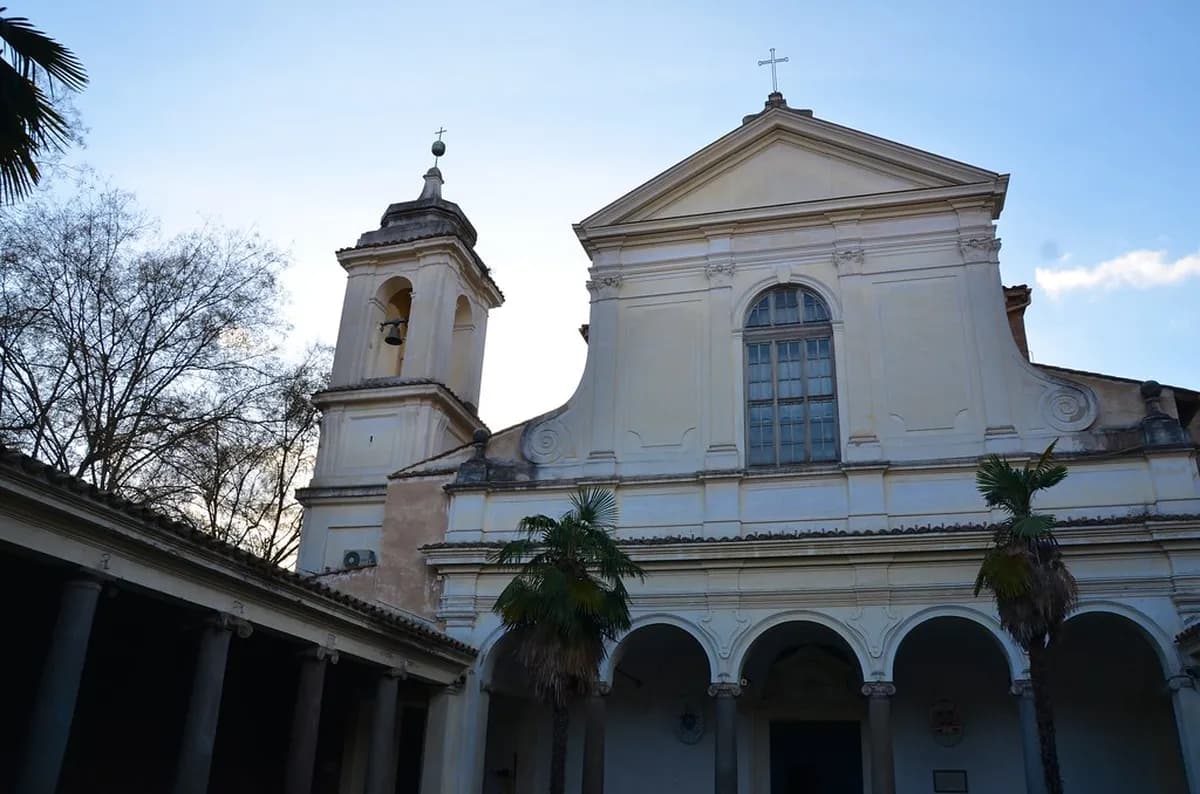
The Basilica di San Clemente is one of Rome's clearest lessons in layered history: a 12th-century basilica at street level, a 4th-century church below it, and 1st-century Roman structures deeper underground. This basilica di San Clemente visitor guide focuses on the practical details that matter in 2026: tickets, hours, access rules, timing, and what to look for on each level.
Come for the glittering medieval apse mosaic, then descend into early Christian frescoes, Roman masonry, and a Mithraic temple. The site is compact, but it rewards slow looking. It is best planned as a focused visit near the Colosseum rather than a quick stop between larger monuments.
Basilica di San Clemente: A Journey Through Time
The Basilica di San Clemente stands out because the story is vertical. Instead of seeing ruins spread across an open archaeological park, you move downward through three main tiers of Rome's history in one building. That makes it one of the most efficient and memorable historic sites among Rome's attractions.
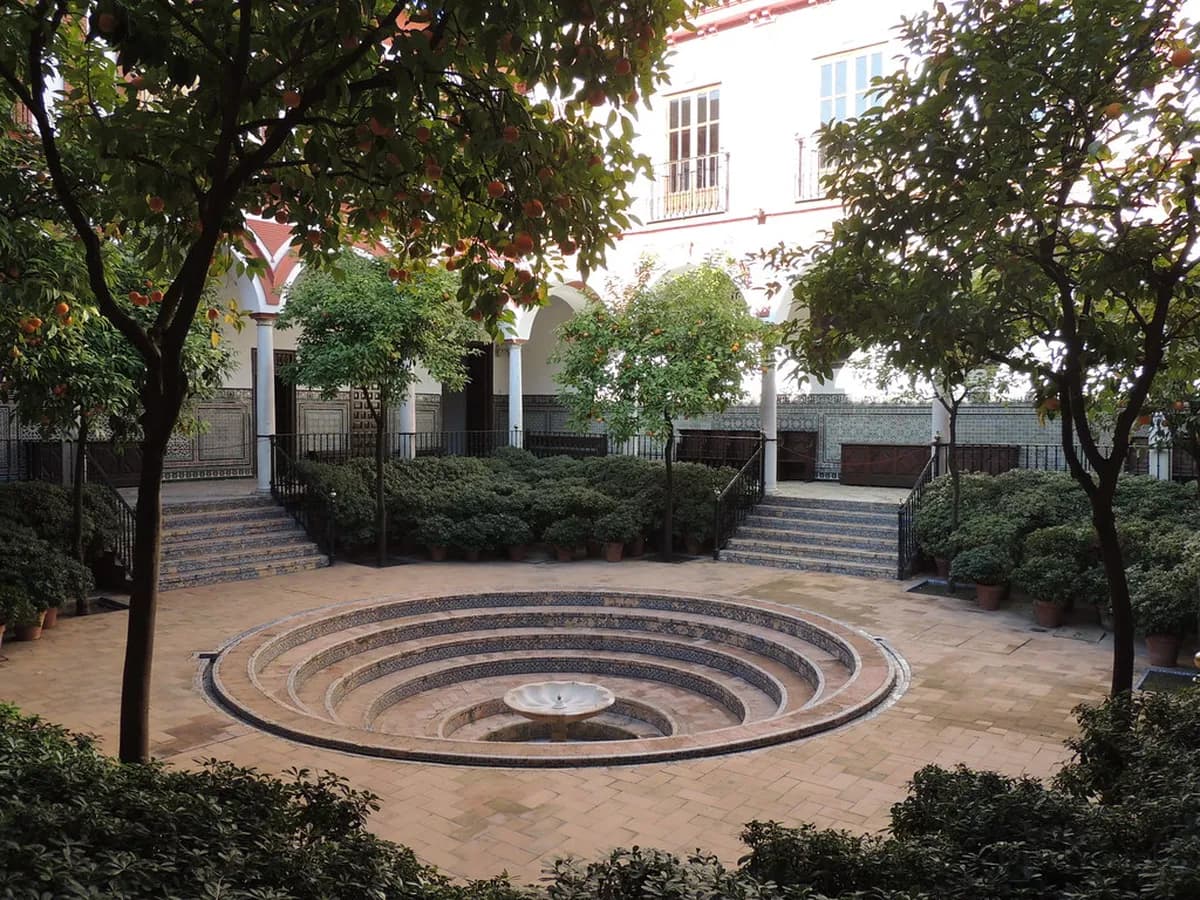
The upper church is the 12th-century basilica, rebuilt under Pope Paschal II and still used as a church. Its highlight is the apse mosaic of the Triumph of the Cross, a dense golden composition that is worth studying before you go below. The floor, choir enclosure, and frescoes also make this level more than just the entrance to the excavations.
Below it, the 4th-century basilica preserves early Christian space and medieval frescoes in a darker, lower setting. This is where the site's chronology starts to feel tangible: columns, walls, and painted scenes sit below the active church above. The lowest level reaches Roman buildings and a Mithraic temple, around 20 meters below street level, with masonry, narrow corridors, and the sound of flowing water linked in visitor accounts with the ancient Cloaca Maxima system.
The key mistake is treating San Clemente like a single church visit. Its value is in comparing the levels: medieval worship above, early Christian Rome below, and pre-Christian Roman life beneath that. Build enough time into your day to let those layers make sense.
Planning Your Visit: Tickets, Hours, and Essential Information
Timed entry is mandatory for the excavations, so book before you go rather than assuming you can walk in. Peak travel periods, especially April to June and September to October, are the most likely to sell out. The upper basilica is the easiest part of the visit, but the underground archaeological area is controlled to protect the site.
Book your timed-entry ticket in advance, especially during April–June and September–October when peak seasons regularly sell out.
The adult ticket for the archaeological excavations is €10. A reduced ticket of €5 applies to students under 26 and school groups. Admission is free for children under 16 accompanied by a paying adult, and for disabled visitors and their carers. Basilicasanclemente.com provides the official visit rules and booking guidance.
| Visitor Type | Price |
|---|---|
| Adult | €10 |
| Student (under 26) | €5 |
| Child (under 16) | Free |
| Disabled visitor | Free |
Monday to Saturday it is open 9:00–12:30 (last entry 12:00) and 14:00–18:00 (last entry 17:30). On Sundays and holidays it opens 12:00–18:00 (last entry 17:30). Arrive at the entrance 10 minutes before the time printed on your ticket, because the official visit rules specifically ask visitors to be present before their slot.
The timed admission window is short, but the visit should not feel rushed once you are inside. Allow at least 75 minutes if you want to see the upper basilica, the lower basilica, the Roman level, and the Mithraic temple with enough time to read signs or use a guide. If you are pairing this with the Colosseum area, put San Clemente before a long outdoor itinerary so you are not arriving late or tired.
What to See: Exploring Each Historical Layer
Exploring the Basilica di San Clemente means descending through multiple historical periods. The site is easiest to understand if you treat each level as a separate chapter, then connect them on the way back up.
Start in the 12th-century basilica. Look first at the apse mosaic, then at the patterned floor and choir area. This level sets the medieval frame for the visit and shows why San Clemente is still an important church, not just an archaeological attraction.
The 4th-century lower basilica is more atmospheric and less polished. Look for early Christian architecture, surviving frescoes, and the sense of scale created by being directly underneath the present church. This is the layer that best explains how Rome reused sacred space over time.
The Roman level is the most unusual part of the visit. The 1st-century Mithraic temple was dedicated to Mithras, and the main cult room, or speleum, is about 9.6 meters long and 6 meters wide. Nearby Roman rooms, walls, and corridors make the site feel closer to an underground neighborhood than a museum display. The flowing water heard below adds to the sense that ancient infrastructure is still present beneath modern Rome.
Choosing Your Guide: Audio vs. Live Tour Options
A guide is more useful here than at many Rome churches because the main story is archaeological, not just visual. Without context, the lower levels can look like a sequence of dim rooms and fragments. With context, they become a clear timeline from Roman domestic and religious life to early Christianity and the medieval basilica.
An audio guide works well if you like moving at your own pace and pausing in tight spaces. The brief's SERP evidence points to audio-guide pricing around €11, or about €21 when bundled with entry, but that figure comes from competitor data rather than the official rules page. Treat it as a planning estimate and verify before purchase.
A live guide is better if this is your main underground Rome experience or if you want help reading the frescoes and Mithraic temple. Small-group and private tours can vary widely in price and duration. Choose the option based on how much interpretation you want, not only on cost. For many visitors, an audio guide plus 75 minutes on site is enough; history-focused travelers may get more from a live expert.
Avoid overbooking the same time slot with multiple experiences. The official rules require reservations for the excavations and ask visitors to respect the visit structure, so keep your plan simple: one ticket, one guide format, and enough buffer before your next attraction.
Practical Tips for a Smooth Basilica di San Clemente Experience
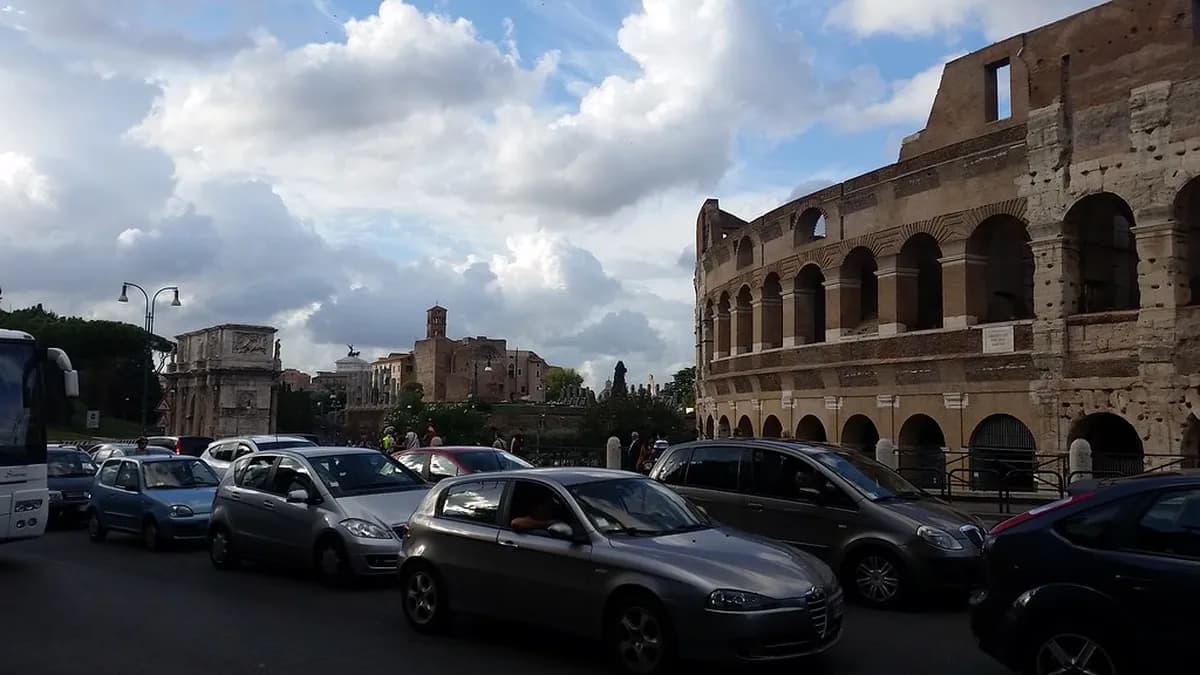
The entrance is from Piazza di San Clemente, close to Via Labicana and a short walk east of the Colosseum. From Colosseo metro station, plan on a simple walk rather than a transfer-heavy journey. If you are coming by taxi or rideshare, use the basilica name and Via Labicana 95, then look for the entrance on the piazza.
The best time to visit is usually the first available morning slot on weekdays or the early afternoon reopening on Monday to Saturday. These times help you avoid arriving behind large groups and give you better energy for the stairs. Sundays start later, so they are less useful if you want to combine San Clemente with a full morning in the Colosseum area.
Photography and filming are not allowed in the basilica or the excavations. Do not bring bulky objects, luggage, food, or drinks, because the official rules prohibit them. The common mistake is arriving with a suitcase after checkout or trying to squeeze the visit between timed bookings elsewhere. Keep your bag small and your schedule loose.
The lower levels are approximately 20 meters below street level and are reached by stairs. The official rules state that the excavations cannot be accessed in a wheelchair. Visitors with mobility concerns should treat the upper basilica and the underground archaeological area as different access experiences and contact the basilica before booking if the stairs are a concern.
Wear comfortable shoes and consider a light layer, as the underground spaces can feel cooler than the street. Give yourself at least 75 minutes, especially if this is your first underground Rome site. If you want another quieter historic stop nearby, compare it with related Rome attraction pages such as Capuchin Crypt or Centrale Montemartini.
Allow at least 75 minutes for a complete visit including all three levels. The lower levels are cooler underground, so bring a light layer even on warm days.
Frequently Asked Questions About Visiting San Clemente
Frequently Asked Questions
How long does it take to visit the Basilica di San Clemente?
You should allow at least 75 minutes for a full visit to the Basilica di San Clemente. This includes time to explore the 12th-century basilica, the 4th-century church, and the 1st-century Mithraic temple below. While the initial timed entry is 30 minutes, you can linger longer on the lower levels.
Do I need tickets for Basilica San Clemente?
Yes, tickets are required to enter the Basilica di San Clemente and its excavation levels. Timed entry is mandatory, so booking your tickets online in advance is highly recommended. This ensures your entry and helps manage visitor flow. You can purchase tickets through the Basilicasanclemente.com official website.
Is the Basilica di San Clemente worth visiting?
Absolutely, the Basilica di San Clemente is definitely worth visiting for its unique historical layers. It offers an unparalleled journey through Roman history, from ancient times to the medieval period. This site provides a fascinating glimpse into different eras of Rome's past. Many visitors find it one of Rome's most compelling historical sites.
Can you take photos inside Basilica di San Clemente?
No, photography is strictly prohibited inside the Basilica di San Clemente and its underground excavation levels. This rule helps preserve the delicate frescoes and ancient structures. Visitors are asked to respect this policy. You will find signs reminding you of this rule throughout the site.
Is San Clemente church accessible to all?
The upper 12th-century basilica is generally accessible to most visitors. However, the underground excavation levels are not wheelchair-accessible. These lower levels are reached via stairs. Visitors with mobility challenges should be aware of this limitation before planning their visit.
What are the opening hours for Basilica di San Clemente?
Monday to Saturday it is open 9:00–12:30 (last entry 12:00) and 14:00–18:00 (last entry 17:30). On Sundays and holidays it opens 12:00–18:00 (last entry 17:30). Check the official website before visiting in case liturgical events or site needs affect access.
How many levels are there in Basilica di San Clemente?
There are three main visitor levels: the 12th-century upper basilica, the 4th-century lower basilica, and the 1st-century Roman level with the Mithraic temple and ancient rooms. The contrast between these levels is the main reason the site is considered one of Rome's best underground visits.
Other Sites Where the City Is Stacked in Layers
San Clemente descends through a twelfth-century basilica, a fourth-century church and a Mithraic temple without leaving the building. Budapest's Aquincum takes the horizontal approach instead, laying out a whole Roman provincial town on the city's northern edge. In Athens, Hadrian's Library shows the same ground reused by Roman, Byzantine and Ottoman builders in turn.
The Basilica di San Clemente is worth visiting because it turns Rome's long history into a physical descent. The upper church, lower basilica, Roman rooms, and Mithraic temple are close together, but they need time and context to land properly.
For the smoothest 2026 visit, book the excavations in advance, arrive 10 minutes before your slot, travel light, and allow at least 75 minutes. Keep the visit focused and you will leave with a much clearer sense of the city beneath the city.
For more Rome planning, see our hidden gems in Rome guide, underground Rome sites, and Hidden Rome 3-day itinerary.
For authoritative information, refer to the Basilica di San Clemente on Wikipedia.
Continue exploring
More guides you'll find useful