Museo Napoleonico Visitor Guide: Hours, Tickets & What to See
Plan your visit to Rome's Museo Napoleonico with our comprehensive guide. Discover opening hours, free entry details, must-see collections, and nearby attractions.
On this page
Museo Napoleonico Visitor Guide: Plan Your Visit to Rome's Napoleon Museum
The Museo Napoleonico is one of Rome's quieter civic museums, set inside Palazzo Primoli beside the Tiber near Piazza Navona. It focuses on Napoleon Bonaparte, the Bonaparte family, and the family's Roman connections rather than on imperial battlefield history alone.
This 2026 Museo Napoleonico visitor guide covers the practical details that matter on the day: opening hours, ticket prices, access, transit, what to see first, and nearby Rome attractions that pair naturally with a short museum visit.
About the Museo Napoleonico: History and Collection Highlights
The Museo Napoleonico, also known as the Napoleonic Museum in Rome, occupies the ground floor of Palazzo Primoli at Piazza di Ponte Umberto I, 1. Count Giuseppe Primoli, a descendant of the Bonaparte family, donated his collection to the city in 1927, creating a museum that still feels personal rather than monumental.
The collection is strongest on family history, portraits, sculpture, furnishings, jewellery, documents, and personal belongings connected to the Bonapartes and their 19th-century life in Rome. That makes the museum especially useful if you want context for Napoleon Bonaparte's family after the fall of the empire, not just a general overview of Napoleonic wars.
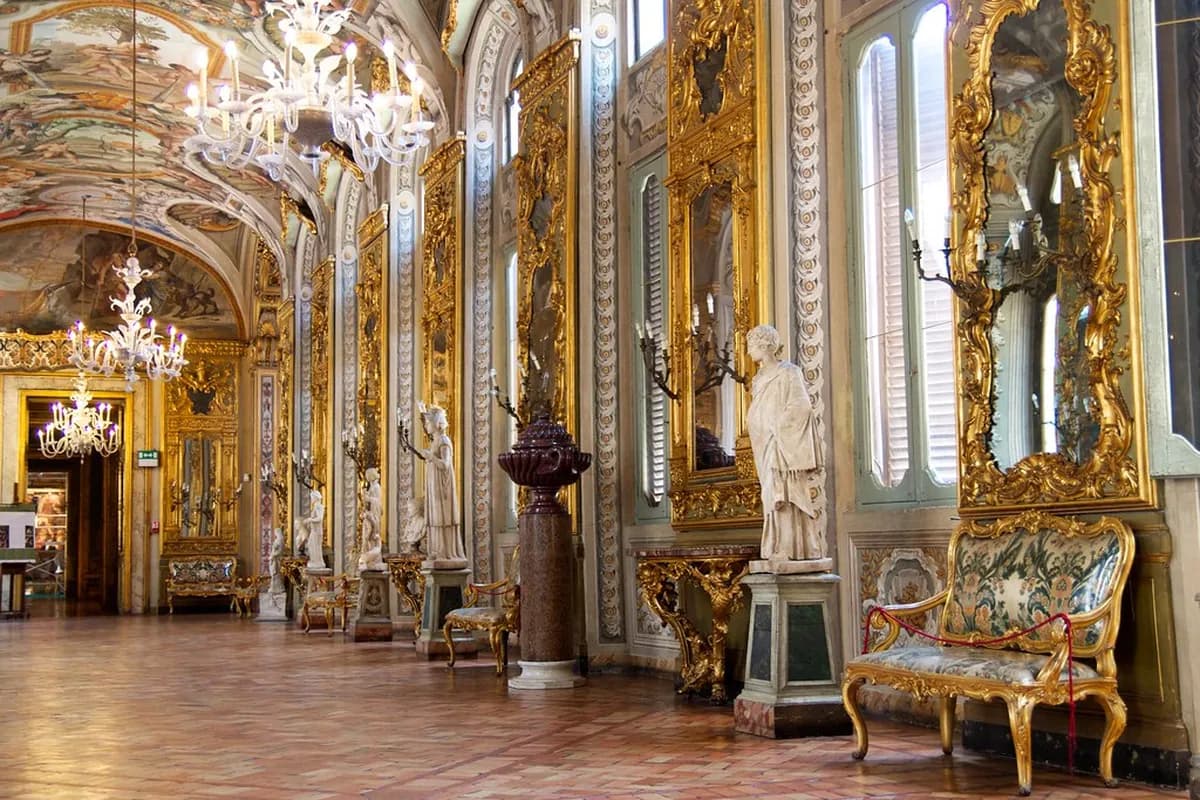
Palazzo Primoli is part of the appeal. The rooms preserve the atmosphere of an aristocratic residence, so the objects feel close to the people who owned, inherited, or collected them. Compared with Rome's larger museums, the Museo Napoleonico is compact, calm, and easy to absorb in a single focused visit.
The Museo Napoleonico focuses on the Bonaparte family's Roman connections and domestic life, rather than Napoleonic wars or military history. Visit on a weekday morning to experience the intimate rooms and personal collection at their best.
Planning Your Visit: Opening Hours, Tickets, and Best Time to Go
For 2026 planning, treat the Museo Napoleonico as a paid civic museum with specific free-entry exceptions. Do not assume it is always free just because older visitor posts describe it that way.
| Visitor detail | What to know |
|---|---|
| Opening hours | Tuesday to Sunday, 10:00 to 18:00, with last admission at 17:15. Closed Monday. |
| Holiday changes | On 24 and 31 December it opens 10:00-14:00. Closed on 1 January, 1 May, and 25 December. |
| Tickets | Full-price admission is €7.50 and the reduced rate is €6.00. |
| Audio guide | Available for €4.00 in Italian, English, and French. |
| Free entry | Free on the first Sunday of each month and for eligible categories, including children under 6, visitors with disabilities and their caregivers, ICOM members, EU-licensed tourist guides, and MIC card holders. |
The best time to visit is a weekday morning soon after opening, especially if you want the quiet, room-by-room pace that suits this collection. First Sundays can be good value because entry is free, but they may attract more visitors than a normal weekday.
Most visitors need about 60 to 90 minutes. Allow closer to two hours if you read labels carefully, use the audio guide, or have a specific interest in the Bonaparte family. The museum works well before lunch, before a walk to Piazza Navona, or as a quieter afternoon stop after busier central Rome sights.
Common mistakes are arriving on Monday, arriving too close to last admission, forgetting proof for a reduced or free-entry category, and planning the museum as if it were a large half-day institution. It is more rewarding when you treat it as a focused, intimate visit.
Entry is free on the first Sunday of each month for all visitors. Bring proof of identity if you qualify for a reduced or free-entry category. The audio guide (€4.00) is worth considering if you want deeper context on the family history and objects.
What to See: Must-Visit Rooms and Key Artifacts
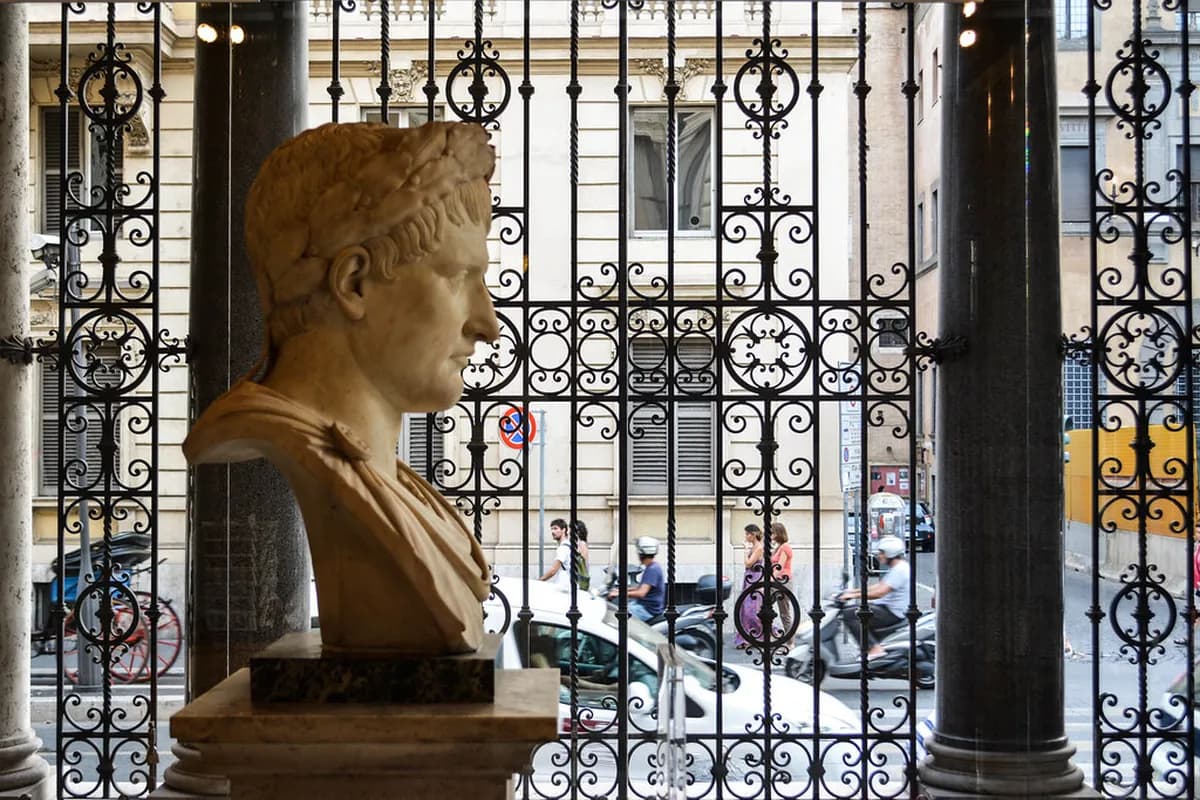
The Museo Napoleonico collection rewards close looking. Start with the portraits and busts of the Bonaparte family, because they establish the family network that shapes the rest of the museum. The objects are not arranged simply as trophies of empire; they show marriage ties, exile, inheritance, and the way a European dynasty remained visible in Rome.
Look for paintings and sculpture connected to Napoleon Bonaparte and his relatives, then slow down around the furnishings and decorative objects. These pieces are useful because they move the story from public power to domestic life. Jewellery, letters, and personal effects are often the most memorable items because they make the family history feel less abstract.
If you are short on time, use this route: first scan the family portraits, then focus on personal belongings and documents, and finish with the furniture and room settings that show the palazzo context. If you have more time, read the labels in sequence so the Roman branch of the Bonaparte family becomes clearer.
The museum is also a good choice for visitors who enjoy small historic houses. The rooms are part of the experience, so leave time to notice the scale of Palazzo Primoli, the relationship between the collection and the building, and the contrast with Rome's more crowded headline museums.
Museo Napoleonico Reviews: What Visitors Say
Museo Napoleonico reviews tend to emphasize the same strengths: a central location, a calm atmosphere, and a collection that feels more intimate than Rome's major archaeological and Vatican routes. Visitors who already have an interest in Napoleon, 19th-century Europe, or historic interiors usually get the most from it.
The museum can disappoint travelers expecting a large military museum or a broad biography of Napoleon. Its strongest angle is the Bonaparte family's connection with Rome, told through portraits, furnishings, documents, and personal objects. That focus is exactly what makes it distinctive, but it is worth understanding before you go.
In practical terms, this is a good attraction for a lighter Rome day, bad weather, repeat visitors, and anyone staying near Piazza Navona, Campo de' Fiori, or the Tiber. It is less suitable as a standalone anchor for a first-time Rome itinerary unless Napoleonic history is a priority.
Nearby Attractions: Exploring the Area Around the Museum
The Museo Napoleonico's location makes it easy to build a compact walking route. Piazza Navona is the natural pairing, with Bernini's Fountain of Four Rivers and several churches and cafes nearby. The Tiber riverfront is also close, so the museum fits well into a slow walk rather than a cross-city transfer.
Castel Sant'Angelo is another strong pairing if you want a larger historical site after the museum. Its fortress setting, river views, and papal history provide a very different experience from the domestic scale of Palazzo Primoli.
For another palazzo-based art experience, the Galleria Doria Pamphilj is a good follow-up. If you want a quieter museum day, combine the Museo Napoleonico with the Palazzo Colonna area or another central Rome museum rather than trying to cross the city.
The Ponte Sant'Angelo and the streets around Piazza Navona are good places to pause before or after the museum. For a broader plan, use our Rome attractions guide to group nearby sights by neighborhood instead of adding unnecessary travel time.
How to Get There: Transportation Tips
The address is Piazza di Ponte Umberto I, 1, 00186 Rome. The museum sits near the bridge of the same name, a short walk from Piazza Navona and the Tiber. If you are already in the historic center, walking is often simpler than trying to use the metro.
Useful bus lines include 30, 70, 81, 87, 492, and 628, which stop near Piazza di Ponte Umberto I or close enough for a short walk. From Piazza Navona, plan on walking; from the Spanish Steps area, the route is longer and may be better with a bus connection.
There is no metro station directly beside the museum. Spagna on Line A is one possible access point, but it still requires a longer walk or a connecting bus. Taxis can drop you close to Piazza di Ponte Umberto I, which is useful for visitors with limited mobility or tight timing.
For accessibility, note that entering the museum requires climbing a few steps. A stair lift for visitors with mobility difficulties is available nearby at Via Giuseppe Zanardelli 1, a short distance from the ticket office. If step-free access is essential, contact the museum before arrival so staff can confirm the current procedure.
FAQs About Visiting Museo Napoleonico
Frequently Asked Questions
Is the Napoleon museum in Rome free to enter?
No, the Museo Napoleonico is not free for general visitors. Full-price admission is €7.50 and the reduced rate is €6.00. Entry is free on the first Sunday of each month and for specific eligible categories, including children under 6, visitors with disabilities and their caregivers, ICOM members, EU-licensed tourist guides, and MIC card holders.
How long does it take to visit Museo Napoleonico?
Most visitors need 60 to 90 minutes. Allow up to two hours if you use the audio guide, read labels closely, or have a strong interest in the Bonaparte family and 19th-century Rome.
What can you see at the Museo Napoleonico?
The Museo Napoleonico displays Count Giuseppe Primoli's collection of Bonaparte-family material, including paintings, sculptures, furnishings, jewellery, documents, and personal belongings. The focus is on the family's relationship with Rome as much as on Napoleon Bonaparte himself. Learn more about things to do in Rome.
What are the opening hours for the Museo Napoleonico?
The Museo Napoleonico is open Tuesday to Sunday from 10:00 to 18:00, with last admission at 17:15. It is closed on Mondays. On 24 and 31 December it opens 10:00-14:00, and it is closed on 1 January, 1 May, and 25 December.
Is the Museo Napoleonico accessible for visitors with disabilities?
Entering the museum requires climbing a few steps. A stair lift for visitors with mobility difficulties is available nearby at Via Giuseppe Zanardelli 1, a short distance from the ticket office. Visitors with disabilities and their caregivers are entitled to free admission.
What are the etiquette rules for visiting this museum?
Keep voices low, avoid touching display cases or historic furnishings, step aside in narrow rooms when others are reading labels, and follow staff guidance on photography. Because the museum is small and quiet, considerate pacing makes the visit better for everyone.
The Museo Napoleonico is best approached as a compact, characterful attraction rather than a blockbuster museum. Its value lies in the Bonaparte family's Roman story, the intimate rooms of Palazzo Primoli, and the chance to slow down in a central area that is often busy.
For a smooth 2026 visit, check the Tuesday-to-Sunday schedule, budget for the current ticket price unless you qualify for free entry, arrive before last admission, and pair the museum with nearby Piazza Navona, Castel Sant'Angelo, or another central Rome attraction.
For more Rome planning, see our hidden gems in Rome guide and unusual things to do in Rome.
For the latest official information, see the Museo Napoleonico official site, Museo Napoleonico on Wikipedia, Museo Napoleonico on Wikipedia and Museo Napoleonico official site.
Continue exploring
More guides you'll find useful