Centrale Montemartini Visitor Guide Travel Guide
Plan centrale montemartini visitor guide with top picks, neighborhood context, timing tips, and practical booking advice for a smoother trip.
On this page
Centrale Montemartini Visitor Guide
Centrale Montemartini is one of Rome's most distinctive museums: ancient sculpture from the Capitoline collections displayed inside a former municipal power plant on Via Ostiense.
The visit works well for travelers who want classical art without the pressure of Rome's busiest museum circuit. Massive diesel engines, turbines, boilers, mosaics, sarcophagi, and marble statues share the same rooms, so the building is part of the experience.
This 2026 Centrale Montemartini visitor guide keeps the practical decisions close to the surface: how long to allow, how to get there, when to go, what to see first, and what mistakes to avoid.
Random Flickr photo tagged #microma by Musei in Comune Roma
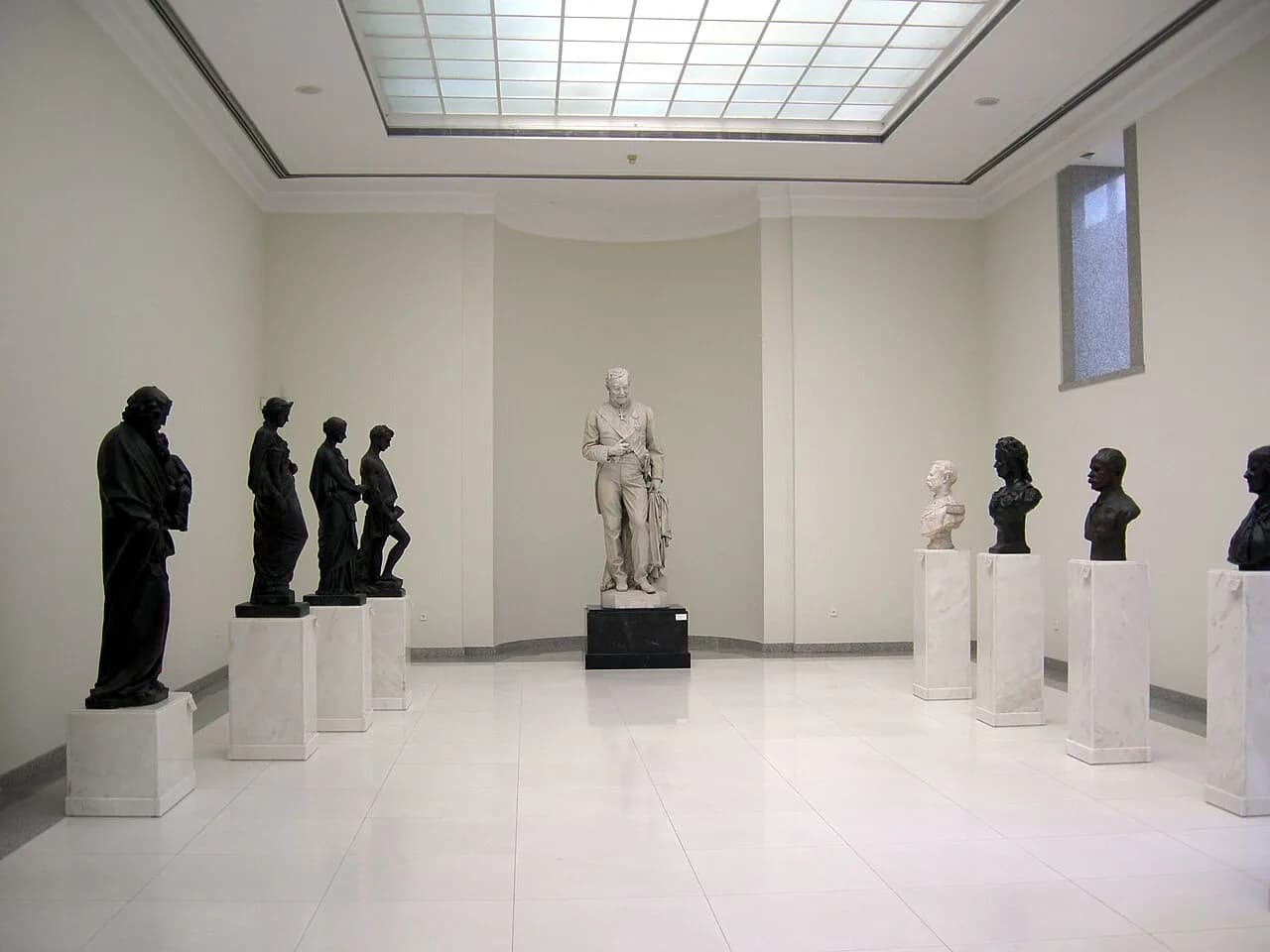
The official museum pages surface a "Random Flickr photo tagged #microma by Musei in Comune Roma" block, and it is useful because it shows how dramatic the galleries look in real visitor photos. The contrast between pale sculpture and dark machinery is easier to understand visually than in a normal museum description.
Use photos as a planning cue, not as a substitute for the visit. If you care about photography, prioritize the Hall of Machines and boiler-room spaces. Personal photos and videos are generally allowed for the works, but avoid tripods, selfie sticks, extra lights, and any restricted temporary-exhibition areas.
The biggest photo mistake is rushing straight to individual statues. Step back first, frame the engines and marble together, then move closer for details such as faces, drapery, inscriptions, and mosaics.
menu blocco calendario
The "menu blocco calendario" wording appears on official pages around the museum calendar. For visitors, the practical point is to confirm the day, last-entry rule, and any notices before setting out.
Centrale Montemartini is open Tuesday to Sunday from 9.00-19.00, with last admission one hour before closing time. On 24 and 31 December it opens 9.00-14.00. The museum is closed Monday, 1 May and 25 December.
For a first-time visitor, the best calendar choice is a weekday morning or early afternoon. The museum is usually calmer than the Vatican Museums, Borghese Gallery, or the main Capitoline Museums, but going earlier gives you better room for slow looking and photography.
Avoid arriving close to last admission if this is your first visit. Most travelers will want 1.5 to 2 hours rather than a quick lap.
Blog MiC
Blog MiC and the museum notices are most useful before a second visit or before a trip built around a temporary exhibition. First-time visitors do not need to study extensively in advance; the museum's main appeal is clear as soon as you enter the industrial rooms.
Use Blog MiC for context if you want to understand a specific exhibition, the history of the Capitoline collections, or why certain works are displayed at Centrale Montemartini rather than on Capitoline Hill. It can also help you spot temporary changes that may affect rooms, routes, or ticketing.
If you only have a few minutes for prep, check the practical notices and calendar first, then skim exhibition updates.
History of Centrale Montemartini
Centrale Montemartini began as Rome's first municipal thermoelectric power plant, inaugurated in 1912 and named for Giovanni Montemartini. Its industrial role matters because the preserved machines are not stage props; they are part of the original story of modern Rome.
The plant was later decommissioned, and in the 1990s it found a second life as a display space for works from the Capitoline Museums. The 1997 exhibition "Macchine e Dei" helped define the museum's identity: classical gods, portraits, sarcophagi, and mosaics placed beside machinery from the age of electricity.
That double history is why Centrale Montemartini feels different from a palace museum. You are looking at ancient Rome and industrial Rome at the same time, with neither layer hidden behind the other.
Book a Tour
Booking a guided tour is most worthwhile if you want help reading Roman portraiture, mythological subjects, sarcophagi, or the relationship between the ancient works and the original power-plant spaces. Casual visitors can still enjoy the museum independently because the route is manageable.
The museum provides a guided tour service lasting 90 minutes. These tours are available in several languages for international visitors. The total cost for a guided tour is €90, not per person. This makes it a cost-effective option for groups.
Requests for a guided tour must be submitted at least 48 hours in advance. Planning ahead matters more for the tour than for basic admission, because Centrale Montemartini is often easier to visit without long queues than Rome's headline museums. Confirm your booking details on the official Centrale Montemartini website.
For a half-day route, pair the museum with Ostiense rather than crossing back through the historic center immediately. Nearby options can include a walk toward the Pyramid of Cestius area, or a separate day built around another Rome art site such as Galleria Doria Pamphilj.
Guided tours are €90 total for the entire group, not per person, making them particularly cost-effective for families or groups of travelers.
FREE ADMISSION
Centrale Montemartini offers free admission or concessions under specific conditions. General admission typically costs €10 for adults, with concessions at €9. Special exhibitions might have different pricing structures.
For general admission without special exhibitions, the fee is €7.50 for adults and €6.50 for concessions. A combined ticket with the Capitoline Museum’s extensive collection costs €18, with concessions at €16. This combined ticket offers great value.
Several categories of visitors are eligible for free entry. These include children under six years old and visitors with disabilities plus a family member or carer. From February 2026, official concessions information also highlights free admission on the first Sunday of each month for residents in Rome and the Metropolitan City of Rome who show valid identity documentation.
Bring proof for any concession or free-entry category; do not assume staff can apply a reduced fare without documentation. Groups should also check concession rules carefully, because the official conditions distinguish age, residency, professional, educational, cardholder, and group categories.
Booking tickets online incurs an additional €1 fee. While convenient, this extra charge is worth noting. Consider purchasing tickets directly at the museum if you prefer to avoid the booking fee. This strategy can save a small amount, especially for larger groups.
Rome residents can enter free on the first Sunday of each month with valid local identity documentation, making it a budget-friendly option for residents planning a return visit.
Museum highlights
The museum's strongest highlights are not only individual masterpieces but also the rooms themselves. The Hall of Machines, diesel engines, steam turbines, and boiler spaces create the setting that makes the collection memorable.
Look for the colossal fragments associated with Fortuna Huiusce Diei, the mosaics and sculptures from elite Roman residences, the Temple of Apollo Sosianus material, funerary portraits, sarcophagi, and works connected with the Horti Sallustiani. The contrast is the point: polished marble, mythological figures, and republican portraits set against heavy industrial equipment.
First-time visitors should move from the big-room impression to smaller details. Start by taking in the machinery and gallery scale, then slow down for faces, hands, inscriptions, mosaic animals, and funerary objects. If you are visiting with someone less interested in archaeology, this sequence helps because the industrial setting gives the visit an immediate visual hook.
Exploring the museum takes about 1.5 to 2 hours for most visitors. Add more time if you plan to read labels closely, photograph the galleries, or use the visit as a quieter alternative to the most crowded central museums.
Spring Destinations
Spring is a strong season for Centrale Montemartini because the museum is slightly outside the most obvious tourist corridor and the walk from transit is more pleasant in mild weather. It is also a useful rainy-day or hot-afternoon choice because the experience is fully indoors.
Garbatella on Metro Line B is the usual first choice for public transport, about a 10-15 minute walk away. Piramide and Roma Ostiense are also workable if they fit your route, usually around 12-15 minutes on foot. Bus options in the area include lines 23, 271, 769 and 770.
Accessibility is better than the building's industrial origin might suggest, with lifts and ramps helping visitors move through the museum. Still, because the official visitor-service note acknowledges that historic buildings can have some barrier limitations, travelers with specific mobility needs should check current access notices before arrival.
Practical rules matter here: bulky bags, backpacks, umbrellas, food, and drink should not go into the galleries, and the self-service cloakroom is free. Baby prams are admitted inside the museum. After your visit, the Ostiense area makes more sense for a meal or coffee than immediately heading back across town.
Frequently Asked Questions
What is the Centrale Montemartini Museum?
The Centrale Montemartini Museum is a branch of the Capitoline Museums in Rome. It houses ancient Roman sculpture, mosaics, sarcophagi, and classical artworks inside a former thermoelectric power plant, creating a rare contrast between classical art and industrial archaeology.
Which Centrale Montemartini visitor guide options fit first-time visitors?
First-time visitors should use a simple self-guided plan unless they want deeper art-historical interpretation. Start with the Hall of Machines, allow 1.5 to 2 hours, check the calendar before traveling, and consider a guided tour only if your group wants a structured 90-minute explanation of the collection.
How much time should you plan for Centrale Montemartini visitor guide?
Most visitors spend about 1.5 to 2 hours exploring the permanent collection. Art and archaeology enthusiasts might easily stay longer. Plan for additional time if you book a guided tour or want to continue around Ostiense afterward.
What should travelers avoid when planning Centrale Montemartini visitor guide?
Travelers should avoid visiting without checking current opening hours, especially around holidays. The museum closes at 2 PM on December 24th and 31st. Do not forget to bring valid ID if you qualify for concessions or free admission. Avoid last-minute tour bookings, as they require 48 hours notice.
Is Centrale Montemartini worth including on a short itinerary?
Yes, Centrale Montemartini is worth including even on a short itinerary if you want a quieter museum with a strong visual identity. Its unique setting and impressive collection offer a memorable experience in a manageable timeframe. For another compact art-focused stop, compare it with Palazzo Colonna.
Which Blog MiC options fit first-time visitors?
First-time visitors should use Blog MiC mainly to check exhibition news and notices, then rely on the museum route itself. Returning visitors can use it more deeply for context about temporary shows, collection themes, and programming.
Classical Art in Repurposed Industrial Buildings
Putting Roman marbles among the diesel engines of a decommissioned power station was meant to be temporary; it worked too well to undo. Barcelona's Hospital de Sant Pau made the same move at civic scale, turning a modernista hospital complex into a public monument. Prague's Museum Kampa occupies a riverside mill and hangs Central European modernism in the grinding rooms.
Centrale Montemartini is strongest when you give it enough time to be strange: ancient sculpture, engines, boilers, mosaics, and industrial concrete all sharing one museum route. It is quieter than Rome's headline museums, but not minor.
For 2026, plan around the calendar, last admission, transit from Garbatella or Ostiense, documentation for concessions, and the museum's service rules on bags, photography, food, and accessibility. That small amount of planning is enough for a smooth visit.
If your Rome itinerary needs one museum that feels different from churches, palaces, and archaeological parks, Centrale Montemartini is a practical and memorable choice.
To verify current details, consult the Centrale Montemartini on Wikipedia and Centrale Montemartini official site.
Browse all of Rome's lesser-known sights in our Rome attractions hub.
For more Rome planning, see our hidden gems in Rome guide, unusual things to do in Rome, and Hidden Rome 3-day itinerary.
Continue exploring
More guides you'll find useful