8 Essential Tips for Your Certosa di San Martino Visit
Plan your visit to Naples' hilltop jewel with our Certosa di San Martino visitor guide. Covers tickets, opening hours, art highlights, and the best views in the city.

On this page
8 Essential Tips for Your Certosa di San Martino Visit
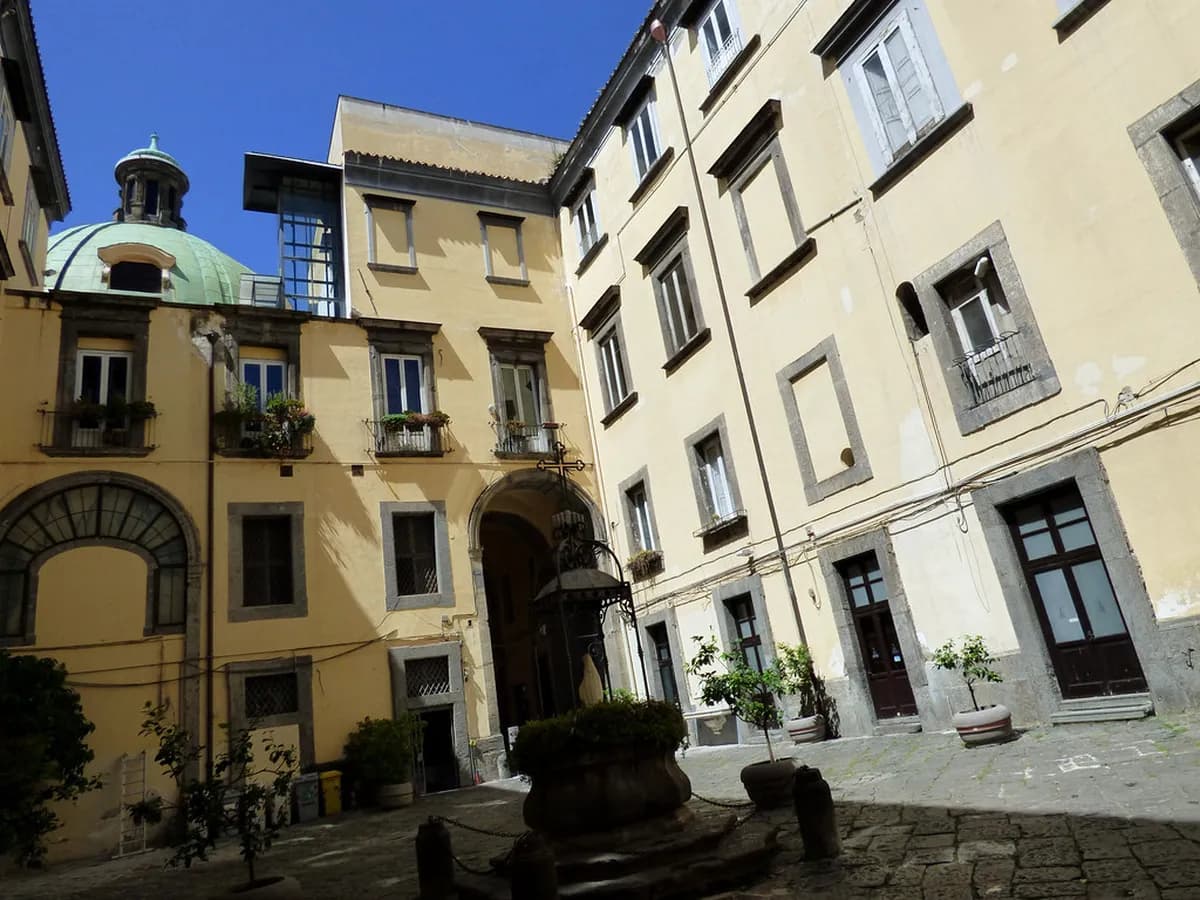
Perched high above the bustling streets of Naples, the Certosa di San Martino offers a peaceful escape with breathtaking views. This historic complex is one of the finest examples of Neapolitan Baroque architecture and one of the clearest introductions to the city's religious, artistic, and civic history. Our certosa di san martino visitor guide helps you navigate this hilltop landmark with ease and confidence. You will discover intricate marble work, a richly decorated church, rare museum collections, and the best panoramas of the Bay of Naples.
The monastery sits on the summit of Vomero Hill and overlooks the entire city landscape. While many tourists focus on the historic center, this site remains a calmer destination for culture lovers who want time to look closely. The Certosa is the former Carthusian monastery; the Museo Nazionale di San Martino is the collection now housed inside it. Plan to spend several hours exploring the cloisters, museum rooms, and terraced gardens rather than treating it as a quick viewpoint stop.
Why Certosa di San Martino is a Naples Must-See
The Certosa di San Martino is widely considered one of the defining landmarks of the Naples skyline. Its pale walls and neighboring fortress sit above Vomero Hill, so the complex appears in many classic views of the city. Travelers who enjoy art and history will find the visit deeply rewarding because the site combines a monastery, a museum, a church, cloisters, gardens, and a viewpoint in one address. It offers a perspective on the city that you cannot find from street level in Naples.
Stepping inside the gates feels like entering a different world far removed from the noisy traffic below. The quiet atmosphere allows you to appreciate the intricate details of the Baroque decorations and the older monastic plan beneath them. Every corner of the monastery reveals a new piece of history or a stunning architectural flourish. It is a strong choice for visitors who want spiritual history, visual inspiration, and a slower-paced break from the crowded historic center.
The site serves as both a museum and a monument to the Carthusian monks who lived here for centuries. You can see how the monks' rules of silence and solitude shaped the cloisters, cells, and circulation of the building. That restraint contrasts sharply with the later Baroque splendor of the church and chapels. The combination of art, religion, city history, and scenery makes it a top priority for a 2026 Naples itinerary.
A Brief History: From 14th-Century Gothic to Baroque Splendor
Construction of the monastery began in 1325 under the direction of the sculptor Tino di Camaino. Originally, the building followed a stricter Gothic language that reflected the discipline of the Carthusian Order. The Carthusians were known for silence, solitary prayer, and carefully separated daily routines within their cells and cloisters. You can still sense that older monastic logic beneath the later decoration.
The monastery underwent a massive transformation during the 16th and 17th centuries. Architects and artists, especially Cosimo Fanzago, turned the simpler medieval complex into a masterpiece of the Baroque era. This transition mirrored the growing wealth and artistic ambition of Naples under Spanish rule. Many visitors compare the richness of this site to the famous Cappella Sansevero in the city center, but San Martino spreads that drama across an entire monastery.
By the late 18th century, the monastery had reached its peak of artistic and political importance. The French occupation later led to the suppression of the Carthusian Order, and the monks were forced to leave. In 1866, the complex officially became a national museum to preserve its vast cultural heritage. Today, it stands as a layered record of medieval devotion, Baroque patronage, Bourbon Naples, and the modern museum system.
Top Highlights: The Great Cloister and the Church
The Great Cloister is the heart of the monastery and showcases the genius of Cosimo Fanzago. Its wide courtyard, elegant arches, and balanced proportions create a sense of peace and mathematical harmony. Pay close attention to the decorative elements on the marble balustrades, columns, and doorways because they reward a slow circuit rather than a quick glance. The space was designed to provide the monks with a beautiful area for silent walking and meditation.
One of the most striking features of the Great Cloister is the macabre Skull Balustrade. This marble railing features intricately carved bones and skulls that reflect the Carthusian focus on mortality. Visitors often find this artistic choice both eerie and beautiful against the bright stone. It is easy to miss if you move too quickly, so make it a deliberate stop during your cloister walk.
The Church of San Martino is equally impressive with ceiling frescoes, inlaid marble floors, gilding, and richly worked chapels. Every surface seems to carry a painting, a sculptural detail, or a precious stone pattern. You can admire works associated with major Neapolitan Baroque artists such as Ribera and Luca Giordano throughout the church and side chapels. The Chapel of San Bruno is also worth seeking out because it connects the lavish decoration back to the founder of the Carthusian tradition.
Exploring the Museo Nazionale di San Martino Collections
The Museo Nazionale di San Martino houses the legendary Presepe Cuciniello, a massive 18th-century nativity scene. This masterpiece includes hundreds of figures made from terracotta, wood, and silk, arranged as a miniature world of devotion, street life, markets, taverns, and domestic detail. You can spend a long time spotting tiny food displays, expressive faces, and traditional Neapolitan costumes. It remains a cornerstone of local culture and a highlight for any visitor to the museum.
Another fascinating section of the museum is the Hall of the Royal Boats. This area displays ornate ceremonial vessels associated with the Bourbon kings of Naples. The largest boat features elaborate gilded carving and reflects the maritime ceremony of the former kingdom. These artifacts help visitors understand Naples as a royal capital as well as a port city.
The museum also contains a vast collection of Neapolitan paintings, historical maps, views of the city, decorative arts, and objects tied to civic life. These galleries show how Naples evolved from a medieval port to a Baroque capital and then into a modern metropolis. You will find portraits of influential figures and scenes of daily life from centuries ago. It is a quieter experience than visiting the Catacombs of San Gennaro or other crowded sites, but it asks for more attention because the collection is broad.
- Don't-miss museum stops
- Presepe Cuciniello for Neapolitan Nativity culture
- Great Cloister and Skull Balustrade for monastic symbolism
- Church and Chapel of San Bruno for Baroque decoration
- Royal Boats for Bourbon court history
- Historic views and maps for the changing shape of Naples
The Best Views in Naples: Gardens and Terraces
The terraced gardens of the Certosa offer some of the most famous panoramic views in the city. From the Belvedere, you can look directly down onto the line of Spaccanapoli cutting through the historic center. The Bay of Naples stretches out before you with Mount Vesuvius in the distance. This perspective makes the relationship between the dense city, the harbor, the islands, and the volcano much easier to understand.
Photographers should aim for the late afternoon when the light softens across the bay and the city begins to glow. In summer, the middle of the day can be hot and harsh, while early morning gives you calmer rooms and clearer museum viewing before the terrace becomes the main event. If the forecast is hazy, prioritize the interiors first and check the viewpoint before leaving. You can capture the iconic silhouette of Castel dell'Ovo sitting on the water from this height.
The gardens themselves are maintained with citrus trees and traditional Mediterranean plants. Walking through the terraces provides a refreshing break from the urban heat of the lower city. You can sit on the stone benches and enjoy the silence while watching boats in the harbor. Many locals consider this one of Naples' most romantic places for a quiet afternoon stroll.
Essential Visitor Info: Tickets, Prices, and Opening Hours
Planning your visit ahead of time ensures a smooth experience at this popular hilltop destination. The museum is generally open from 8:30 AM to 7:30 PM throughout the year. However, it is typically closed on Wednesdays, so check the calendar before you make the climb. Always verify the latest schedule on the official site before you depart for the day, especially around holidays and special openings.
You should purchase your Certosa di San Martino Museum ticket online to avoid long queues. Online booking is especially helpful during the peak summer months, weekends, and free-admission days when demand can spike. Last admission is usually one hour before the doors close for the evening. Keep your ticket handy as you may need to show it at different points in the complex.
- General Admission Ticket Prices for 2026
- Adults: approximately 6 Euros
- Under 18s: free entry
- First Sunday: free for all
- Booking: online recommended
- Standard Opening Hours and Weekly Schedule
- Monday to Sunday: 8:30-19:30
- Closed: Every Wednesday
- Last entry: 18:30 daily
- Holiday hours: check official site
Getting There: Navigating the Funicular to Vomero Hill
Reaching the summit of Vomero Hill is part of the experience thanks to the city's funicular system. The Funicular di Montesanto is the most direct route from the historic center to the San Martino area. It provides a quick and efficient way to climb the steep hill without major physical effort. This is the best option for families, visitors with limited time, and anyone trying to save energy for the museum itself.
If you prefer a more scenic and active route, consider walking the Pedamentina staircase. This ancient path consists of more than 400 steps that connect the hill with the city below. The walk down offers constant views of the bay and surrounding neighborhoods, but climbing up can be punishing in warm weather. For most visitors, the smart version is to ride up by funicular and walk down afterward if your knees and shoes are up to it.
You can also take Metro Line 1 to Vanvitelli station and walk through the Vomero district. The walk from the station to the Certosa takes about ten to fifteen minutes through pleasant streets with cafes and shops. Taxis are useful if you are traveling with luggage or mobility constraints, but traffic can make them slower than expected from the historic center. Combining different transport methods can make your journey more varied and practical.
| Route | Best For | Effort | Watch Out For |
|---|---|---|---|
| Funicular di Montesanto | Fastest access from the historic center | Low | Short uphill walk after arrival |
| Metro Line 1 to Vanvitelli | Easy Vomero approach with cafes nearby | Low to moderate | Ten to fifteen minute final walk |
| Pedamentina staircase | Views and a memorable walk down | High | Steep steps, heat, and uneven surfaces |
| Taxi | Mobility constraints or tight schedules | Low | Traffic and limited curbside convenience |
Accessibility is mixed because the complex is historic and spread across uneven surfaces. The funicular or taxi is preferable to the stair routes, but visitors should still expect cobbles, thresholds, slopes, and some steps inside the site. If mobility is a concern, allow extra time and confirm current access arrangements before traveling up the hill. A common mistake is planning the Certosa after a long walking day; it is better enjoyed when you still have the energy to move slowly through the rooms and terraces.
Beyond Certosa di San Martino: Exploring Vomero
You should pair your visit with a stop at Castel Sant'Elmo, which is located right next door. This star-shaped fortress offers a broader 360-degree view across Naples and the Campania landscape. It provides a military and urban-planning perspective compared with the artistic and monastic focus of the Certosa. Many travelers find that visiting both sites gives a complete picture of Vomero Hill's strategic and cultural importance.
The simplest combined strategy is to arrive in the morning, visit the Certosa first while your attention is fresh, then continue to the fortress and finish with a late lunch or aperitivo in Vomero. If photography is your priority, reverse the order so you reach the Certosa gardens closer to late-afternoon light. Avoid squeezing both sites into the final hour of the day because last-entry rules and terrace time can make the plan feel rushed.
The Vomero district is also known for shopping streets, residential blocks, and a calmer pace than the old center. After your tour, you can find restaurants and gelaterias near Piazza Vanvitelli. It is a good place to experience a more modern and organized side of Neapolitan life. This area contrasts sharply with the underground, enclosed atmosphere of Naples Underground or the denser streets around the Spanish Quarters. For more hidden gems in Naples, explore our broader city guide.
If you have extra time on another day, consider a trip to Pompeii Tickets & Tours from the central station. However, staying in Vomero for the evening is a better match for this specific visit because you can enjoy sunset over the city without another long transfer. The neighborhood feels welcoming for tourists looking for a calmer dinner after the museum. It is one of the best things to do in Naples for a relaxed cultural day.
Frequently Asked Questions
How long does it take to visit Certosa di San Martino?
Most visitors spend between 2 and 3 hours exploring the entire complex. This allows enough time to see the church, the cloisters, and the museum collections. If you plan to enjoy the gardens and take photos, you might want to allow for a half-day visit.
Is the Certosa di San Martino accessible for people with mobility issues?
The site has some challenges due to its historic nature and hilltop location. While some areas are accessible, there are many steps and uneven stone surfaces throughout the cloisters. It is best to use the funicular to reach the summit rather than the staircases. Check current Naples travel tips before visiting if accessibility is a priority.
Can I buy tickets at the entrance of the museum?
Yes, you can buy tickets at the onsite office, but lines can be long. It is highly recommended to book online during the summer or on weekends. This ensures you have a guaranteed entry time and saves you from waiting in the sun.
What is the best way to get to the Certosa from the port?
The easiest way from the port is to take the Funicular Centrale from Via Toledo. This will take you up to the Vomero district quickly. From there, it is a short and scenic walk to the entrance of the monastery complex.
Other Charterhouses and Great Monasteries
A Carthusian monastery turned museum, with the cloister, the pharmacy and the best view of the bay all included. London's Charterhouse is the English survivor of the same order, running as an almshouse since the Dissolution. Barcelona's Monestir de Pedralbes preserves a three-storey Gothic cloister and the day cells around it.
The Certosa di San Martino is a true highlight for anyone exploring the rich culture of Naples in 2026. It offers a rare combination of world-class art, monastic history, civic collections, and the city's most famous views. By following this certosa di san martino visitor guide, you can make the most of your time on Vomero Hill without rushing the rooms that deserve slow attention. Do not miss the chance to see this Baroque masterpiece during your trip to Italy. Plan your Naples itinerary to include this essential stop alongside other cultural landmarks.
Whether you are interested in the macabre Skull Balustrade, the Presepe Cuciniello, the Bourbon boats, or the gardens, the site rewards visitors who arrive with a clear plan. Remember to check the opening hours, book tickets in advance during busy periods, and choose transport that matches your energy level. Enjoy the peaceful atmosphere and the stunning panoramas that only this hilltop complex can provide. Your visit to this former monastery will likely be one of your strongest memories of the city.
For the latest official information, see the Certosa di San Martino on Wikipedia and Certosa di San Martino official site.
Continue exploring
More guides you'll find useful