The Charterhouse London: Tours, Tickets & Opening Hours
Plan a visit to The Charterhouse London with free museum opening hours, guided tour ticket prices, historic rooms, Tudor highlights, and travel tips.
On this page
The Charterhouse Visitor Guide
The Charterhouse is one of central London's most rewarding off-the-beaten-path stops, a layered historic complex on Charterhouse Square in Clerkenwell that has been a medieval monastery, a Tudor mansion, a school, and — to this day — a working almshouse. This the charterhouse visitor guide focuses on the practical details you need in 2026: what you can see for free, which parts require a paid guided tour, ticket prices, opening days and hours, transport, and what to pair with your visit nearby.
Many travellers walk past the discreet gatehouse without realising how much history sits behind it. The site began as a Carthusian priory in 1371, was rebuilt as a grand courtyard house in the Tudor period, and has housed elderly residents known as "Brothers" since 1611. A free museum and visitor centre opened here in January 2017, giving the public regular access to a place that was closed to outsiders for centuries.
The Charterhouse works best for visitors who enjoy quiet heritage sites, Tudor architecture, and living history rather than crowds. It sits within easy reach of the City and Farringdon, so it slots neatly into a day of small, characterful museums. For more ideas in the same spirit, browse our full guide to London attractions once you have planned your Charterhouse stop.
The History of The Charterhouse: From Monastery to Almshouse
The Charterhouse takes its name from a Carthusian priory founded in 1371 on land that had earlier served as a Black Death burial ground. The Carthusians were a strict, silent order, and their monks lived in individual cells around a great cloister. This monastic phase ended violently during Henry VIII's Reformation, when the priory was dissolved in 1537 and several monks were executed or starved as the group later remembered as the Carthusian Martyrs of London.
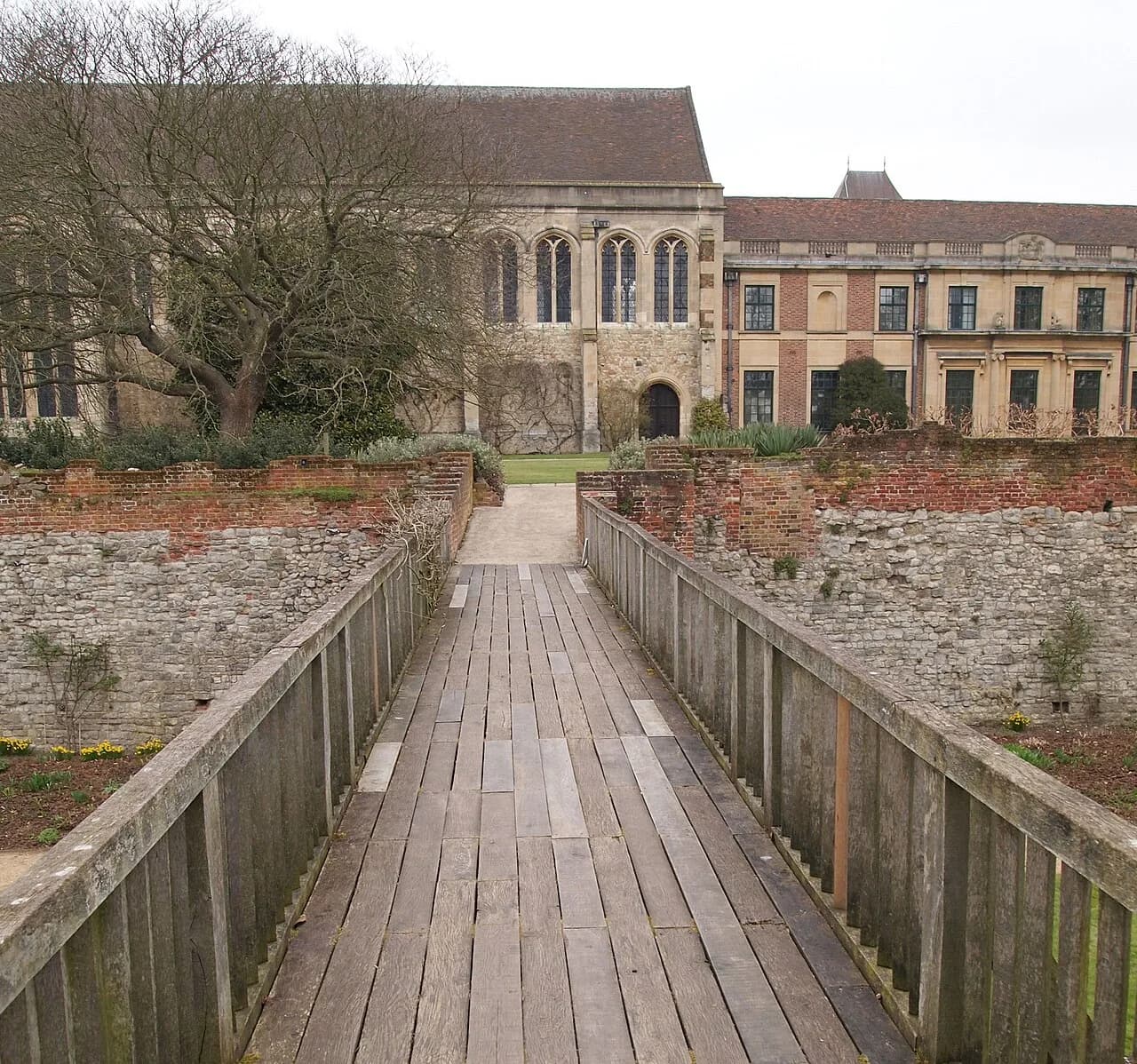
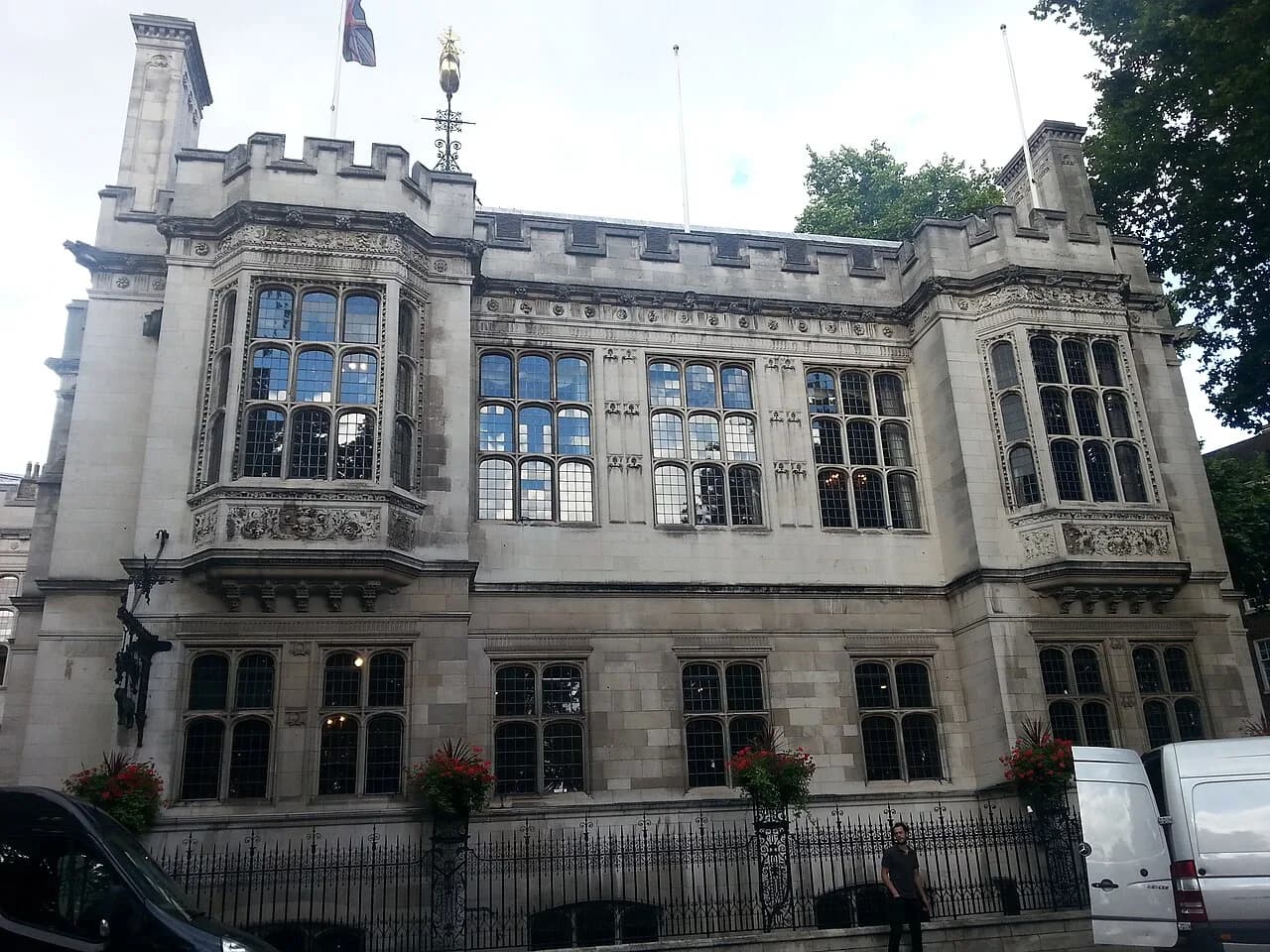
After the dissolution, the site was transformed into a luxurious Tudor courtyard mansion. Sir Edward North rebuilt much of the complex from 1545, and it later passed to Thomas Howard, 4th Duke of Norfolk, who added the Norfolk Cloister and was imprisoned here in 1570 for his involvement with Mary, Queen of Scots. This is the era that gives the Charterhouse its Great Hall, Great Chamber, and much of the atmospheric brick-and-timber character visitors see today.
In 1611 the philanthropist Thomas Sutton bought the property and founded a charitable institution: an almshouse for elderly men and a school for boys. Charterhouse School educated pupils here until it relocated to Godalming in Surrey in 1872, but the almshouse never left. The complex is a Grade I listed building, reflecting both its architectural importance and its remarkably continuous history.
What makes the Charterhouse unusual among London heritage sites is that it is still a home. Today more than 40 older people, the Brothers, live within these historic walls, supported by the charitable foundation Sutton established. Visiting the Charterhouse therefore means stepping into a place that is simultaneously a museum, a monument, and a functioning community.
Free vs Paid: What You Can See Without a Tour
The single most useful thing to understand before you go is the split between free access and ticketed tours. The museum and visitor centre — with its display of the site's history and a small shop — is completely free to enter during opening hours, and so is the Chapel. You can turn up, explore the exhibition, learn the outline of the Charterhouse story, and step into the Chapel without booking or paying anything.
Access to the rest of the historic buildings and rooms, however, is by guided tour only, and those tours are ticketed. The Great Hall, Great Chamber, cloisters, and other interiors that give the Charterhouse its grandeur are not part of the free self-guided experience. If seeing the Tudor state rooms is your main reason for coming, you will need to book a tour in advance rather than relying on the free museum alone.
The gardens are similarly a partly ticketed experience. The landscaped Charterhouse Square in front of the complex is a public open space, but the "secret" internal gardens are opened to visitors through seasonal, gardener-led garden tours rather than general free access. This is a common point of confusion, so plan around it if a garden visit matters to you.
Must-See Highlights: Chapel, Great Chamber & Tudor Architecture
The Chapel is the emotional heart of the Charterhouse and one of the highlights you can see for free. Built on medieval monastic foundations, it contains the tomb of founder Thomas Sutton and retains a quiet, contemplative atmosphere that reflects the site's Carthusian origins. Chapel services still take place here, so it functions as a living place of worship rather than a museum piece.
The Great Chamber, reached on a guided tour, is often described as one of the finest Elizabethan rooms in London. Along with the Great Hall, it showcases the ambition of the Tudor mansion phase, when the Charterhouse was a courtly residence fit to host visiting monarchs. The panelling, fireplaces, and ceilings here are exactly the kind of interiors that reward the paid tour.
Architecturally, the Charterhouse is a palimpsest — each era left its mark. You can trace the layout of the medieval cloister, admire Tudor brickwork, and see later almshouse ranges all within one enclosed complex. The Norfolk Cloister and the surviving fragments of monastic planning make the site a genuine lesson in how London's buildings evolve rather than simply survive.
Because the complex was heavily damaged during the Second World War and carefully restored, part of the interest lies in reading which fabric is original and which is reconstruction. Guides typically point this out, giving context that transforms a handsome old building into a story about resilience, patronage, and continuity across more than six centuries.
Guided Tours: Types, Schedules & What to Expect
Guided tours are the only way to see the Charterhouse's historic rooms, and there are a few distinct types to choose from. The standard Historic Buildings and Rooms tour lasts about 60 minutes and covers the highlights of the complex, including access to interiors closed to the free museum visit. It is the best all-round choice for first-time visitors who want the full architectural and historical sweep.
The Brother's tour is the most distinctive option. Lasting up to 90 minutes, it is led from the personal perspective of a resident Brother, so no two tours are quite the same — you hear the history of the site interwoven with first-hand insight into daily life in a modern almshouse. It is the tour to pick if you care as much about the living community as the old stones. Garden tours, led by a gardener, run seasonally and open up the enclosed gardens that are otherwise off-limits.
Because tours run to a set schedule and have limited capacity, treat date and time selection as part of your planning rather than something to sort out on arrival. Tours must be pre-booked, and the most popular slots — especially weekends and the seasonal garden tours — fill first. Check the official schedule and buy online before you travel.
The Brother's tour (up to 90 minutes) is unique to the Charterhouse — it is led by a resident of the almshouse, so you get a first-hand account of living in a working charitable community, not just an architectural walkthrough. Book ahead, as capacity is limited and these slots sell out fastest.
Visitor Information: Tour Tickets, Prices & Concessions
The free museum and Chapel need no ticket, but the guided tours are priced by type. As a rule of thumb, tour tickets range from roughly £15 to £25, with concessions available on each. Concessions typically apply to visitors with disabilities, over-65s, full-time students, and UK jobseekers, and you may be asked to show valid ID at entry to claim the reduced rate.
The standard Historic Buildings and Rooms tour is around £15 for adults and £12 for concessions. The Brother's tour, being longer and more personal, is priced higher at about £20 for adults and £18 for concessions. Garden tours are seasonal and priced separately, so check the current listings when they are running. Always confirm live prices on the official booking page before travelling, as rates and available tour dates change through the year.
For 2026 planning, avoid the common mistake of assuming one ticket covers everything. If you only want a quick, free look, the museum and Chapel are enough. If you want the Tudor rooms, book the standard tour; if you want the human story of the almshouse, book the Brother's tour; and if the gardens are the draw, watch for the seasonal garden tour dates specifically.
- Free Museum & Chapel
- Cost: Free
- Access: Museum display, shop, Chapel
- Booking: Not required
- Standard Historic Buildings Tour
- Cost: £15 adult / £12 concession
- Duration: ~60 minutes
- Booking: In advance online
- Brother's Tour
- Cost: £20 adult / £18 concession
- Duration: up to 90 minutes
- Booking: In advance online
| Experience | Price | What It Covers | Duration |
|---|---|---|---|
| Museum & Chapel | Free | Museum display, shop, Chapel | Self-guided |
| Historic Buildings & Rooms Tour | £15 (£12 concession) | Great Hall, historic interiors | ~60 minutes |
| Brother's Tour | £20 (£18 concession) | Site history from a resident's view | up to 90 minutes |
| Garden Tour | Seasonal (varies) | Enclosed "secret" gardens | Gardener-led |
The free museum and visitor centre are open Tuesday to Saturday, 10:30am to 4:30pm — closed Sunday and Monday. The historic rooms are accessible by pre-booked guided tour only, so do not rely on the free museum visit to see the Great Chamber or Tudor interiors. Confirm open days and tour dates before travelling.
The Museum, Learning Centre & Facilities
The free museum opened in January 2017 and gives a clear, well-paced introduction to more than 650 years of history on a single site. Displays trace the journey from Carthusian priory through Tudor mansion, school, and almshouse, using objects and interpretation to make sense of a complex story. It is compact enough to absorb in half an hour, which makes it an easy free addition to a Clerkenwell or City walk.
Alongside the museum, the Charterhouse runs a learning centre and an active programme of events, talks, and educational activities. This reflects its identity as a working charitable foundation rather than a purely commercial attraction — a good share of what happens here is aimed at schools, researchers, and the local community. Check the current events listings if you want to combine your visit with a talk or a special opening.
Facilities are those of a focused heritage site rather than a large national museum. There is a shop within the visitor centre for books and gifts, and the surrounding Clerkenwell and Farringdon streets are full of cafés and restaurants for refreshments before or after your visit. As a Grade I listed historic complex, some areas have the access limitations typical of very old buildings, so anyone with specific mobility needs should contact the Charterhouse ahead of a tour to confirm arrangements.
Location and Directions: Getting to Clerkenwell
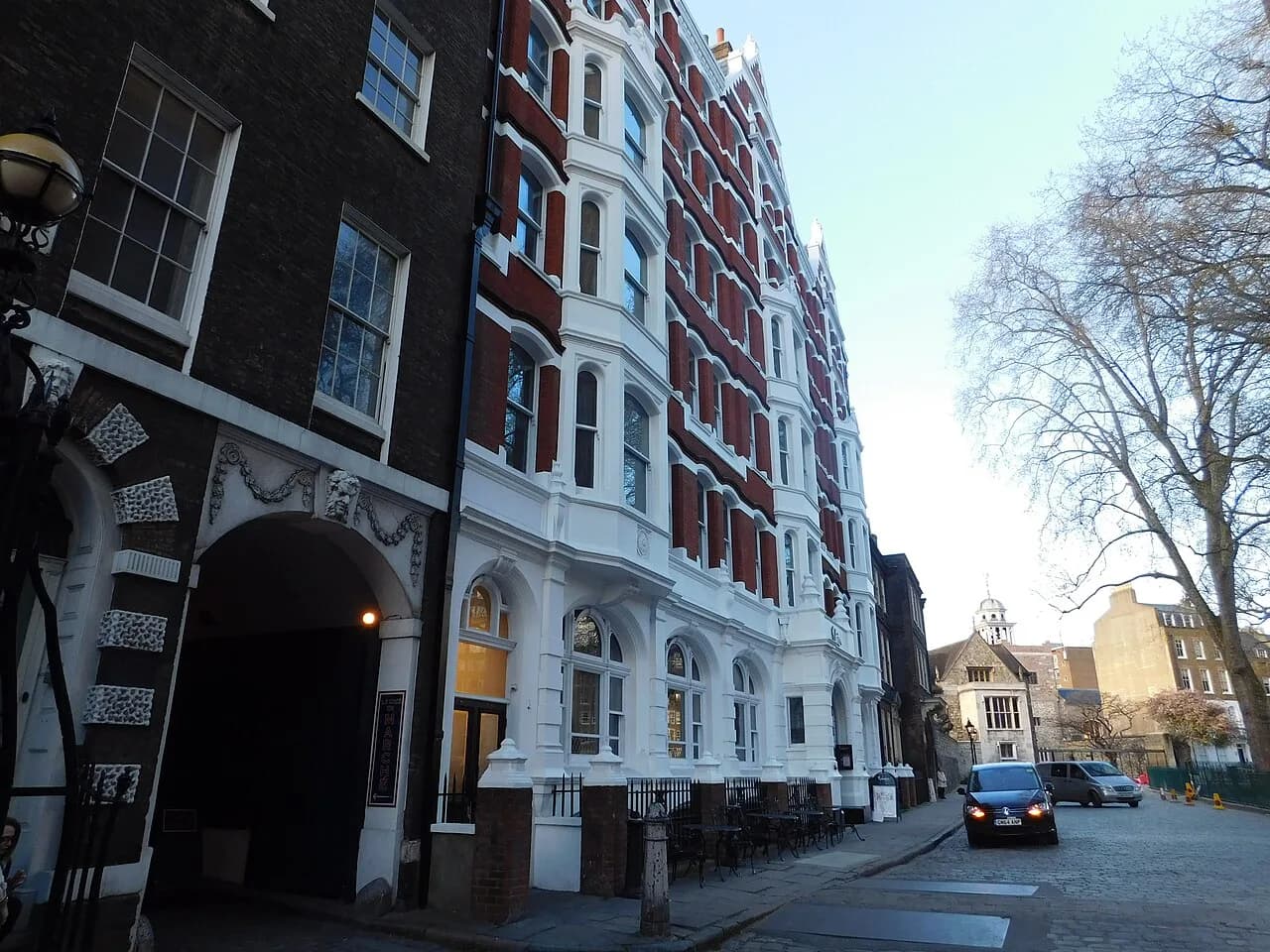
The Charterhouse sits on Charterhouse Square, London EC1M 6AN, in the Clerkenwell and Farringdon area on the northern edge of the City of London. The setting is unusually peaceful for such a central location: a tree-lined square tucked away from the main roads, so it can feel like a hidden pocket even though you are only minutes from major transport hubs.
The nearest Underground stations are Barbican and Farringdon, both a short walk away and served by multiple lines, with Farringdon also on the Elizabeth line and Thameslink for fast onward connections. Several bus routes, including the 4, 56, and 153, stop nearby on Aldersgate Street by Barbican station. The central location makes the Charterhouse simple to reach from almost anywhere in London and easy to combine with other stops.
The best approach is to arrive during the free museum's Tuesday-to-Saturday opening for a self-guided look, or to time your visit to a booked tour slot if you want the historic rooms. A natural route pairs the Charterhouse with the nearby Barbican, Smithfield, and the museums of Holborn, letting you build a full day of history without long journeys between stops.
- Underground (fastest)
- Stations: Barbican / Farringdon
- Walk: 3–7 minutes
- Lines: Multiple, plus Elizabeth line at Farringdon
- Bus
- Routes: 4, 56, 153
- Stop: Aldersgate Street (Barbican)
- Convenience: High
- On foot
- From: The City / Smithfield
- Setting: Quiet tree-lined square
- Note: Discreet gatehouse entrance
Nearby Attractions in Central London
The Charterhouse sits within easy reach of several of London's best small, characterful museums, so it is worth building a themed day around it. A short walk or one stop on the Underground brings you to the historic squares of Holborn, where a cluster of specialist collections rewards visitors who prefer atmosphere over crowds.
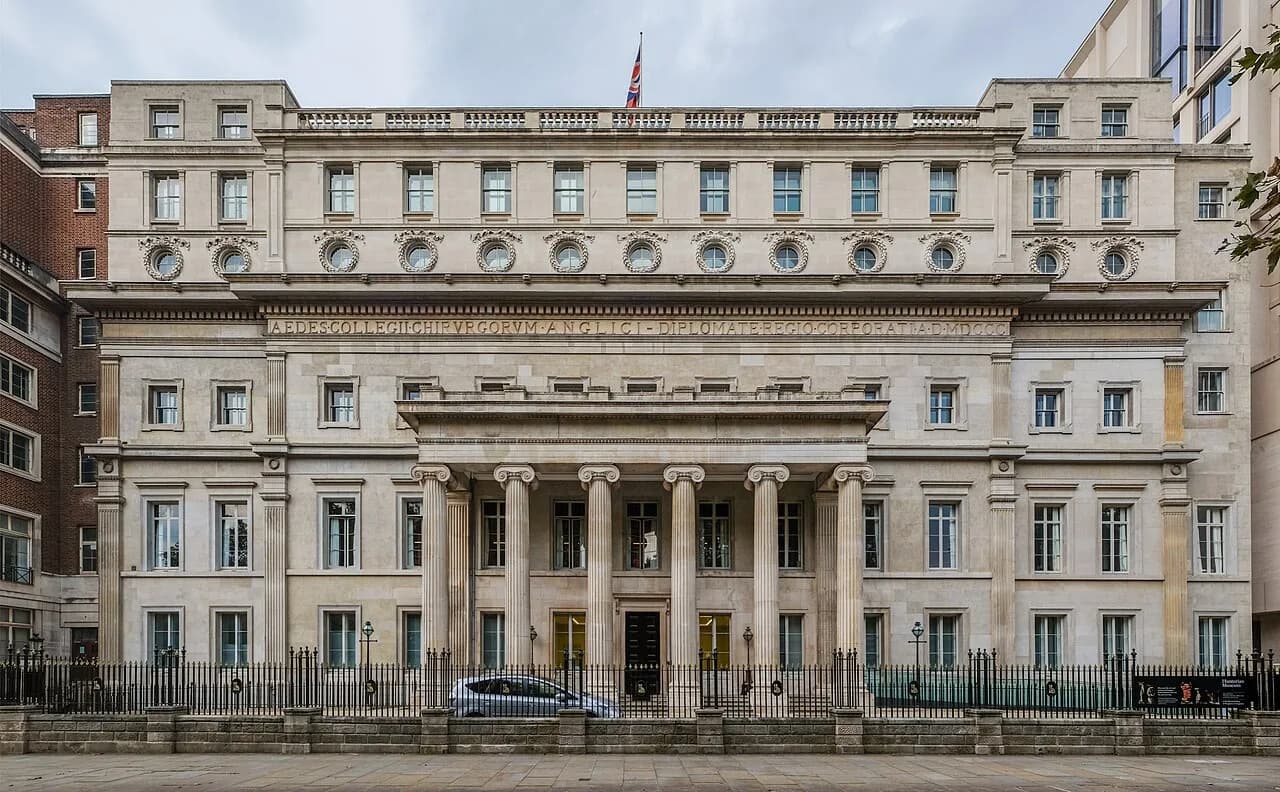
Top of the list is Sir John Soane's Museum in Lincoln's Inn Fields, a labyrinthine architect's house crammed with antiquities and paintings, and one of the most enjoyable free museums in the city. Nearby, the Hunterian Museum at the Royal College of Surgeons offers an extraordinary — and free — collection charting the history of anatomy and surgery.
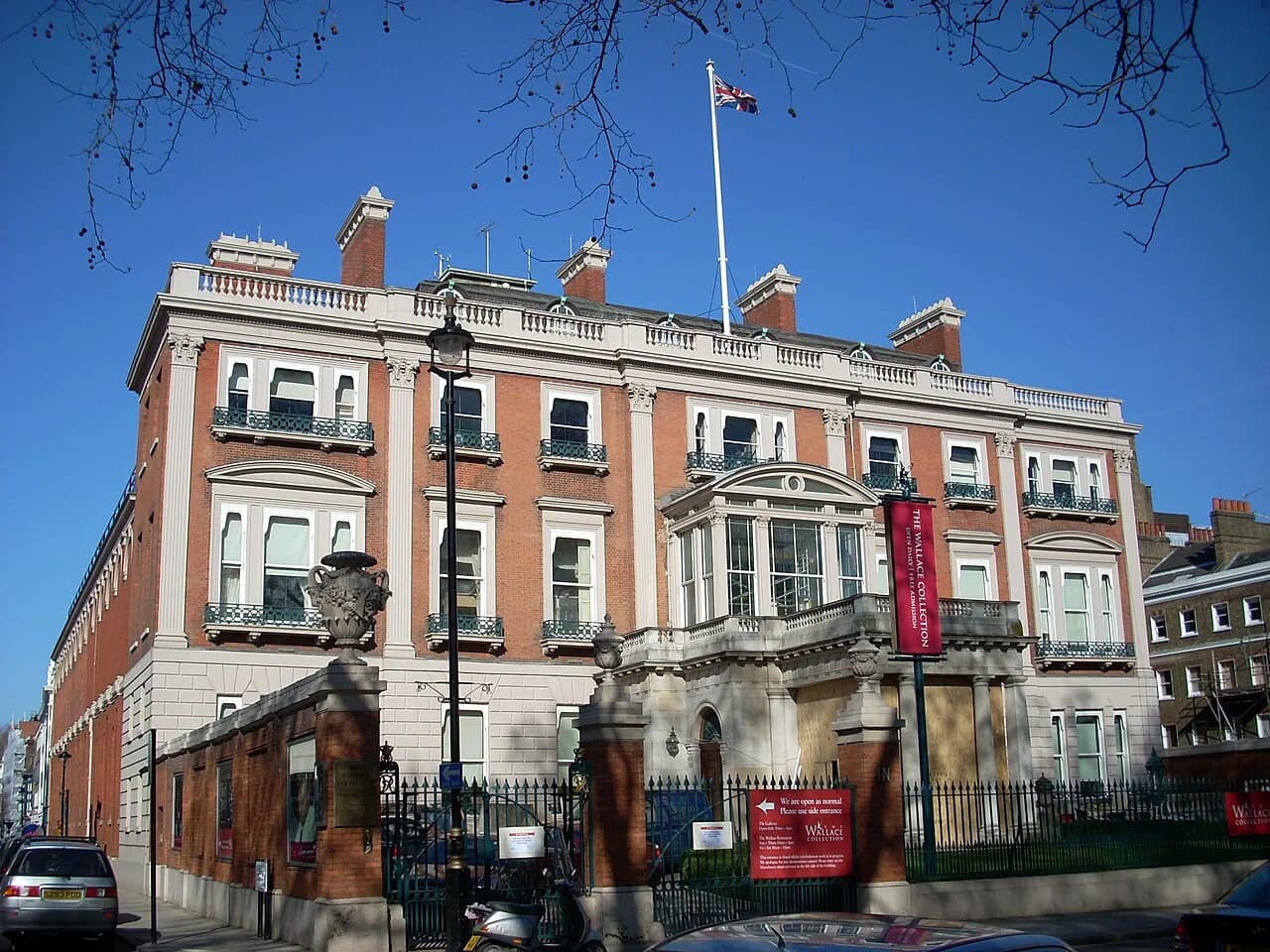
For more in the same vein of unusual medical and historical sites, the atmospheric Old Operating Theatre Museum near London Bridge is a memorable pairing, while art lovers can head west to the sumptuous Wallace Collection. London is full of these smaller treasures that offer a far more personal look at the city's history than the big-name blockbusters.
Is The Charterhouse Worth Visiting? Reviews & Tips
Visitors consistently praise the Charterhouse for its atmosphere and the depth of its history, and many single out the guided tours — particularly the Brother's tour — as the standout experience. Reviewers often note how surprising it is to find such a peaceful, layered site so close to the City, and how much they learned about a place they had walked past for years without noticing.
The main thing to understand before you go is the free-versus-paid structure. Visitors who arrive expecting to wander freely through the Great Chamber can be disappointed, because those rooms are tour-only. Those who plan around it — a free museum-and-Chapel visit, or a booked tour for the interiors — tend to come away impressed. Set your expectations to match the ticket you buy.
Practical tips from past visitors include booking tours well ahead, especially the Brother's and seasonal garden tours, and checking open days carefully since the museum closes on Sundays and Mondays. Combine the Charterhouse with the surrounding Clerkenwell and Holborn museums for a strong half or full day, and allow a little extra time simply to sit on the quiet square before or after your visit.
Frequently Asked Questions
Is The Charterhouse free to visit?
Yes, in part. The museum, visitor centre, and Chapel are free to enter during opening hours with no booking required. The rest of the historic buildings — including the Great Hall and Great Chamber — can only be seen on a paid, pre-booked guided tour.
How much are The Charterhouse tour tickets?
Tour prices generally range from about £15 to £25. The standard Historic Buildings and Rooms tour is around £15 for adults and £12 for concessions, while the longer Brother's tour is about £20 for adults and £18 for concessions. Concessions apply to disabled visitors, over-65s, full-time students, and UK jobseekers.
What are The Charterhouse opening hours?
The free museum and visitor centre are open Tuesday to Saturday, 10:30am to 4:30pm, and are closed on Sunday and Monday. Guided tours run to their own schedule and must be booked in advance, so check current tour dates and times before you travel.
What is the Brother's tour at The Charterhouse?
The Brother's tour is a guided visit of up to 90 minutes led by a resident of the almshouse, known as a Brother. It tells the history of the site from a personal perspective, so no two tours are the same, and it offers a rare insight into daily life in a working charitable community that has existed since 1611.
How do I get to The Charterhouse?
The Charterhouse is on Charterhouse Square, London EC1M 6AN, in Clerkenwell. The nearest Underground stations are Barbican and Farringdon, both a short walk away, and buses 4, 56, and 153 stop nearby on Aldersgate Street. Farringdon also has the Elizabeth line and Thameslink for fast connections.
Can you see the gardens at The Charterhouse?
The tree-lined Charterhouse Square in front of the complex is public open space, but the enclosed "secret" gardens are opened to visitors only through seasonal, gardener-led garden tours. Check the official listings for the dates when garden tours are running.
The Charterhouse is one of central London's most quietly remarkable sites — a monastery, mansion, school, and almshouse rolled into a single Grade I listed complex that is still home to its Brothers today. Its layered history, free museum and Chapel, and intimate guided tours make it a rich alternative to the city's busier landmarks.
For the smoothest 2026 visit, remember the free-versus-paid split: enjoy the museum and Chapel for free, but book a guided tour ahead if you want the Great Chamber, the Tudor interiors, or the seasonal gardens. Confirm open days before travelling, and leave time to combine the Charterhouse with the small museums of Clerkenwell and Holborn for a full day of hidden London history.
Continue exploring
More guides you'll find useful