Crossness Pumping Station: Open Days, Tickets, History Since 1865
Grade I listed Victorian marvel by Sir Joseph Bazalgette, opened 1865 near Abbey Wood. Ornate ironwork, 2026 open days, and ticket prices inside.
On this page
Crossness Pumping Station Visitor Guide
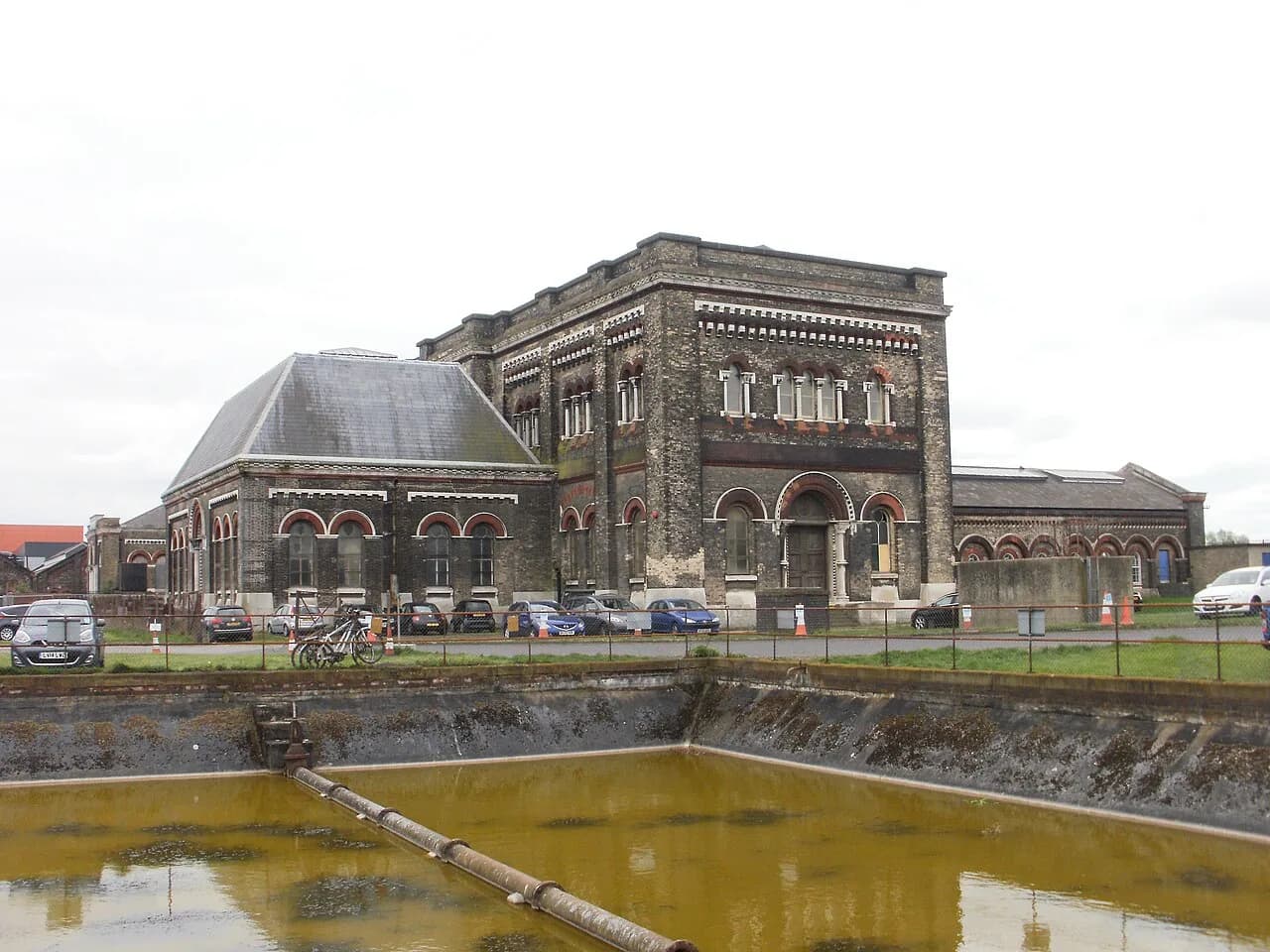
Crossness Pumping Station is one of the most extraordinary pieces of Victorian engineering in London, yet most visitors have never heard of it. Hidden away on the marshes at Abbey Wood in the far southeast of the city, this Grade I listed building was designed by the great sanitary engineer Sir Joseph Bazalgette and opened in 1865 as part of the system that finally cleaned up the River Thames. Behind its plain brick exterior lies a riot of ornate polychrome cast ironwork so spectacular that it has earned the nickname "the cathedral on the marsh." This crossness pumping station visitor guide covers everything you need to plan a 2026 trip: the all-important open-day schedule, ticket prices, the beam engines, transport, accessibility, and what to see nearby.
The single most important thing to understand before you go is that Crossness is not a daily museum. It is run largely by volunteers through the Crossness Engines Trust and opens to the public only on scheduled dates — Steaming Days, guided tours, and special events. Turn up unannounced on an ordinary weekday and you will find the gates firmly shut. Getting the timing right is the whole game, and this guide flags it repeatedly so your journey to the marshes is not wasted.
Crossness rewards travellers who enjoy industrial history, architecture, and genuinely off-the-beaten-path corners of the capital. You will learn how Bazalgette's sewers ended the deadly cholera epidemics, watch a colossal restored beam engine turn under steam, and stand beneath cast-iron arches painted in reds, greens, and golds that feel more like a chapel than a sewage works. It is a niche day out, but for the right visitor it is unforgettable.
The History of Crossness and the Great Stink
The story of Crossness begins with a crisis. By the 1850s London's population had exploded, and human waste flowed largely untreated into the Thames. The river became an open sewer, and repeated cholera outbreaks killed tens of thousands. Matters came to a head in the hot summer of 1858, when the stench from the river grew so overpowering that it became known as the Great Stink and forced Parliament itself to consider abandoning Westminster.
The solution fell to Sir Joseph Bazalgette, chief engineer of the Metropolitan Board of Works. His plan was one of the most ambitious infrastructure projects of the age: a network of intercepting sewers running east on both sides of the river to carry waste far downstream, away from the populated centre. On the south side, everything drained toward Crossness, where the sewage had to be lifted and stored before being released into the Thames on the ebb tide.
Construction ran from 1859 to 1865, with the contractor William Webster and architect Charles Henry Driver working under Bazalgette. The station officially opened on 4 April 1865, when Edward, Prince of Wales, ceremonially set the great engines in motion. It was a defining moment in the making of modern London — the point at which the capital began to master its own waste and, in doing so, dramatically reduced the waterborne diseases that had plagued it.
For nearly a century the engines worked, before newer electric pumping technology made them obsolete. The beam engines were decommissioned in 1956, and the magnificent building was left to decay. What survives today is both a monument to Victorian ambition and a rare surviving example of the machinery that made the sanitary revolution possible.
The Cathedral on the Marsh: Architecture and Ironwork
Nothing prepares first-time visitors for the interior of the Beam Engine House. From the outside it is a handsome but restrained Romanesque Revival brick structure. Step inside, however, and you are surrounded by some of the finest ornamental cast ironwork in Britain — a soaring, multi-storey octagon of columns, screens, and brackets painted in intricate polychrome reds, greens, and golds. It is this astonishing decoration that gives Crossness its nickname, the cathedral on the marsh.
The architectural historian Nikolaus Pevsner famously described Crossness as a masterpiece of engineering and "a Victorian cathedral of ironwork." The detailing was never merely functional; the Victorians took pride in dressing even a sewage pumping station with beauty, and the ironwork rewards close looking. Every bracket and panel carries decorative motifs, and the central octagon frames the four great beam engines like an altarpiece.
The building earned Grade I listed status in 1970, placing it among the most important historic structures in the country. That designation recognises not just the machinery but the exceptional artistic quality of the cast iron, which has been painstakingly cleaned and repainted during the restoration to something close to its original glory.
Photographers will find Crossness a dream subject, though light inside can be low and a steady hand or a fast lens helps. The ironwork looks its most dramatic on a Steaming Day, when the engines are moving and the whole interior comes alive with the rhythm and sound of Victorian machinery in motion.
The Beam Engines: Prince Consort and the Royal Quartet
At the heart of Crossness stand four enormous rotative beam engines, among the largest of their kind ever built. Constructed by James Watt & Co., each was given a royal name: Victoria, Prince Consort, Albert Edward, and Alexandra. In their working life they lifted sewage from the incoming sewers into a vast covered reservoir, ready for release into the Thames on the outgoing tide.
The figures are staggering. Each engine could raise around six tons of sewage per stroke, and the reservoir held some 27 million gallons. The beams themselves are massive iron castings, and standing beneath them you get a visceral sense of the scale on which the Victorians engineered their solutions.
The centrepiece for visitors today is the Prince Consort engine, which the Crossness Engines Trust has restored to full working order. On Steaming Days it turns under steam power, offering a rare chance to see a genuine Victorian beam engine operating rather than sitting silent as a static exhibit. It is worth planning your visit around a steaming date specifically to witness this.
- Victoria, Prince Consort, Albert Edward, Alexandra — the four original James Watt & Co. beam engines, named after the royal family.
- Prince Consort — the fully restored engine, run under steam on scheduled Steaming Days.
- Capacity — roughly six tons of sewage lifted per stroke, feeding a 27-million-gallon reservoir.
- Not always in steam — at some events (including certain festivals and guided tours) the engines are static; check whether your chosen date is a Steaming Day if seeing Prince Consort move matters to you.
Restoration and the Volunteer Trust
After the engines fell silent in 1956, Crossness slid into decades of neglect. The building deteriorated, the ironwork corroded, and the site became derelict. Its survival is owed almost entirely to the Crossness Engines Trust, a registered charity founded in 1987 by enthusiasts determined to rescue this extraordinary piece of heritage.
The restoration has been a long, painstaking labour, funded by more than £2 million in grants including a substantial contribution from the Heritage Lottery Fund. Volunteers cleaned and repainted the polychrome ironwork, rebuilt the Prince Consort engine, and created the visitor facilities that allowed the station to open properly to the public from 2016 onwards.
Crossness remains a volunteer-driven operation to this day, and that shapes the entire visitor experience. It is one of the reasons the site opens only on selected dates rather than daily — the guides, engineers, and stewards who bring it to life give their time freely. Talking to them is one of the pleasures of a visit; their knowledge and passion for the machinery are infectious.
Understanding the volunteer nature of Crossness also helps set expectations. This is not a slick, corporate museum with a café open seven days a week. It is a genuine working restoration, and the slightly informal, hands-on character is part of its charm.
Open Days and Steaming Days: How Visiting Works
This is the section that matters most, so read it carefully. Crossness Pumping Station is not open daily. It opens to the public only on scheduled dates: Steaming Days, guided tours, and special events such as festivals and open days tied to the London calendar. Between these dates the site is closed, and there is no casual drop-in access.
The headline event type is the Steaming Day, when the restored Prince Consort beam engine runs under steam and the building is fully open to explore. These are the days to aim for if you want the complete experience. In addition, the Trust runs occasional guided tours, educational visits, and themed events — for example architecture festivals and music-and-beer weekends — where the engines may or may not be in steam.
Because dates are released through the Trust's own calendar and change from season to season, you must check the official schedule before committing to a journey. Do not rely on this or any third-party guide for specific 2026 dates; confirm them on the official Crossness website and book your slot. The marshland location means a wasted trip is a genuinely long one to have made for nothing.
Crossness Pumping Station opens on scheduled Steaming Days and special events ONLY — it is closed on ordinary days and there is no walk-up daily access. A visitor who turns up unannounced will find the gates shut. Always confirm the specific open date on the official Crossness website and pre-book before making the journey to Abbey Wood.
Tickets, Admission Prices, and Booking
Crossness is a ticketed attraction, and admission helps fund the ongoing restoration. Prices vary by event type, with Steaming Days being the flagship (and priciest) experience because the engines are running and the full site is open. The figures below reflect Steaming Day pricing published by the Trust for 2026; Gift Aid versions cost slightly more but count as a charitable donation, while non-Gift-Aid prices are shown alongside.
Advance booking is strongly recommended. The Trust states that its events are very popular and advises pre-booking to avoid disappointment, as capacity on any given day is limited. Under-5s and carers are admitted free, and family tickets offer better value for groups with children. Prices for guided tours or festival days may differ from the standard Steaming Day rate, so always check the specific event listing when you book.
Buy tickets through the official Crossness ticketing site rather than any third party. Because the schedule is date-specific, your ticket is tied to a particular event date — treat choosing the right date as the first and most important step of booking.
- Adult Steaming Day admission — £22.50 with Gift Aid (£20.37 without)
- Child aged 5–17 — £8.00 with Gift Aid (£7.19 without)
- Under 5s and carers — free
- Family (1 adult + up to 3 children) — £29.99 with Gift Aid (£27.26 without)
- Family (2 adults + up to 3 children) — £49.99 with Gift Aid (£45.43 without)
| Ticket Type | Price (with Gift Aid) | Price (standard) | Notes |
|---|---|---|---|
| Adult (Steaming Day) | £22.50 | £20.37 | Full access, engines in steam |
| Child (5–17) | £8.00 | £7.19 | Accompanied by an adult |
| Under 5s & carers | Free | Free | No charge |
| Family (1 adult + 3 children) | £29.99 | £27.26 | Best value for solo parents |
| Family (2 adults + 3 children) | £49.99 | £45.43 | Best value for groups |
Steaming Days are the events where the Prince Consort engine actually runs under steam — they command a higher ticket price than static event days for good reason. If seeing a Victorian beam engine in motion is your goal, confirm your chosen date is specifically a Steaming Day, and note that at some festival or guided-tour dates the engines remain still.
Getting to Crossness: Abbey Wood and Directions
Crossness sits at The Old Works, Thames Road, Abbey Wood, London SE2 9AQ, in the London Borough of Bexley on the southern bank of the Thames. It is a remote, industrial-edge location on the marshes, so it takes a little planning to reach — another reason to be certain the site is open before you set out.
The nearest station is Abbey Wood, which is well served by both the Elizabeth line and Southeastern rail services, making it far quicker to reach from central London than it once was. On event days the Trust often runs a shuttle — historically a vintage Routemaster bus — between Abbey Wood station and the site, which is the easiest way to complete the last stretch across the industrial estate. Always check whether a shuttle is running for your chosen date.
Drivers can reach the site via the surrounding road network, and parking is generally available on event days, though you should confirm arrangements when booking. Cyclists and walkers can approach along the Thames Path, which passes close by and makes for an atmospheric arrival across the marshes for those who enjoy a longer approach on foot.
- Elizabeth line / Southeastern — alight at Abbey Wood, the nearest station.
- Event shuttle — a vintage Routemaster often connects Abbey Wood station with the site on open days (confirm per date).
- By car — parking usually available on event days; check when booking.
Facilities, Accessibility, and What to Expect
As a volunteer-run heritage site, Crossness offers a focused rather than a lavish visitor experience. On event days you will typically find refreshments, a shop selling books and souvenirs that support the restoration, and toilets. Facilities can vary between event types, so it is sensible to bring water and to treat the visit as a heritage outing rather than a full day-trip destination with extensive amenities.
Because it is a historic industrial building, accessibility is mixed. The main engine house floor is generally accessible, but some areas involve stairs and the character of a Victorian works. Visitors with specific mobility requirements should contact the Trust ahead of their visit to confirm what is possible on their chosen date, as arrangements can differ between Steaming Days and other events.
Allow a couple of hours to do the site justice — time to admire the ironwork, watch the Prince Consort engine on a Steaming Day, talk to the volunteer guides, and explore the exhibits on the Great Stink and Bazalgette's sewer network. Wear sensible footwear; this is a working restoration in an industrial setting, not a polished gallery.
The atmosphere is a large part of the appeal. Where a conventional museum keeps its exhibits behind glass, Crossness lets you stand within the machinery, hear it move, and sense the ambition of the engineers who built it. For visitors who like their history tangible, that immersion is exactly what makes the trip to the marshes worthwhile.
Nearby Attractions in Southeast London
Because Crossness opens only on scheduled dates, it pays to build a wider day around your visit. Southeast and central London hold a strong cluster of engineering, heritage, and offbeat attractions that pair naturally with an interest in Victorian industry and hidden corners of the capital.
The most obvious companion is the Brunel Museum in Rotherhithe, another engineering-heritage gem telling the story of the world's first tunnel under a navigable river — a natural double-bill for anyone drawn to Crossness. History lovers should also consider the Old Operating Theatre Museum near London Bridge, a preserved Victorian surgical theatre that captures the same era of dramatic medical and sanitary change.
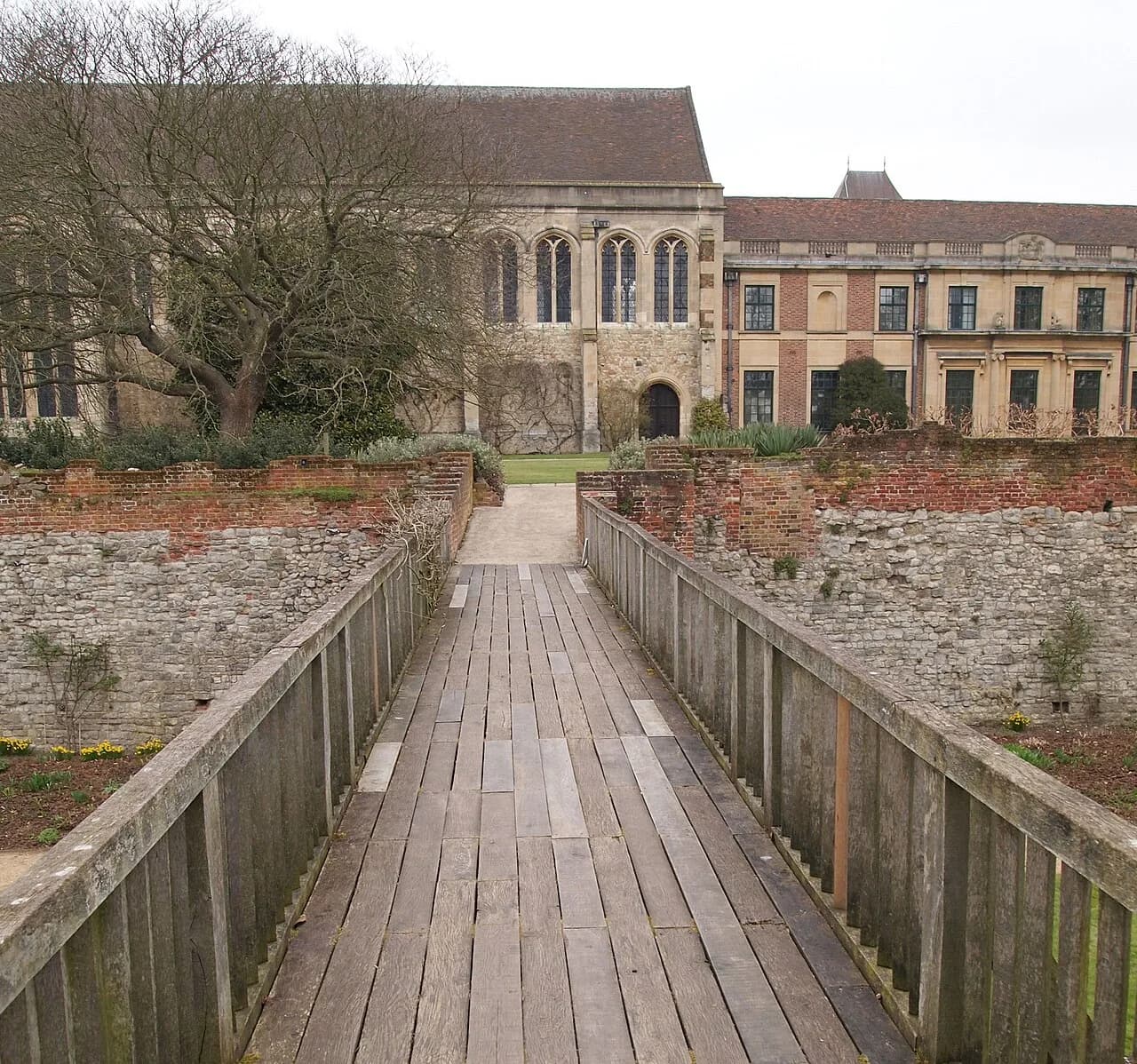
For something grander, Eltham Palace in nearby southeast London combines a medieval royal hall with a spectacular Art Deco house. If you want a burst of colour, the neon wonderland of Gods Own Junkyard in Walthamstow is one of the city's most photogenic quirks, while The Charterhouse in Clerkenwell offers centuries of layered history in a tranquil setting. Together these make Crossness the anchor of a genuinely rewarding heritage itinerary.
Frequently Asked Questions
Is Crossness Pumping Station open every day?
No. Crossness is emphatically not a daily museum. It opens to the public only on scheduled dates — Steaming Days, guided tours, and special events — and is closed the rest of the time. There is no walk-up daily access, so always confirm a specific open date on the official website and book before travelling to Abbey Wood.
How much are Crossness Pumping Station tickets in 2026?
Steaming Day admission is around £22.50 for adults with Gift Aid (£20.37 without) and £8.00 for children aged 5–17 with Gift Aid (£7.19 without). Under-5s and carers go free, and family tickets are available. Prices for guided tours or festival dates may differ, so check the specific event when booking.
Do I need to book Crossness tickets in advance?
Advance booking is strongly recommended. The Crossness Engines Trust states that its events are very popular and advises pre-booking to avoid disappointment, as capacity on each date is limited. Book through the official Crossness ticketing site for your chosen event date.
Will the beam engine be running when I visit?
The restored Prince Consort beam engine runs under steam only on designated Steaming Days. At some other events — certain festivals and guided tours — the engines remain static. If seeing a Victorian beam engine actually in motion is your priority, confirm that your chosen date is a Steaming Day.
How do I get to Crossness Pumping Station?
The site is at The Old Works, Thames Road, Abbey Wood, London SE2 9AQ. The nearest station is Abbey Wood, served by the Elizabeth line and Southeastern. On event days the Trust often runs a vintage Routemaster shuttle from Abbey Wood station to the site; check whether it is operating for your date.
Why is Crossness called the cathedral on the marsh?
The nickname comes from the building's spectacular ornamental cast ironwork — a soaring octagon of columns and screens painted in polychrome reds, greens, and golds that feels more like a chapel than a sewage works. Pevsner called it a Victorian cathedral of ironwork, and its Grade I listing recognises this exceptional artistic quality.
Other Infrastructure Built Like a Cathedral
Bazalgette's beam engines sit inside polychrome ironwork of a richness nobody would now spend on a sewage works, which is exactly why it survives. Lisbon's Mãe d'Água Reservoir gave its water supply a vaulted stone chamber on the same reasoning. Porto's Tram Museum keeps the everyday version — a working depot of cars from 1872 onward. In Barcelona, Hospital de Sant Pau applied the argument to medicine.
Crossness Pumping Station is one of London's great hidden treasures — a monument to the Victorian engineers who tamed the Great Stink and, in the process, created a building of unexpected beauty. From Bazalgette's world-changing sewer network to the restored Prince Consort engine turning under steam beneath its cathedral of painted ironwork, it offers a day out unlike anything else in the capital.
The one rule to remember is timing. Because Crossness opens only on scheduled Steaming Days and special events, the difference between a memorable trip and a wasted journey is simply checking the official calendar and booking ahead. Do that, aim for a Steaming Day if you can, pair the visit with the Brunel Museum or another southeast London heritage stop, and you will discover why enthusiasts consider this the most remarkable attraction most Londoners have never seen.
Continue exploring
More guides you'll find useful