Eltham Palace London: Tickets, Hours & Art Deco Highlights
Plan your Eltham Palace visit with ticket and opening-hour details, plus Art Deco interiors, the medieval great hall, and beautiful gardens.
On this page
Eltham Palace Visitor Guide
Eltham Palace and Gardens is one of southeast London's most surprising heritage sites, and a rewarding choice for anyone hunting the city's off-the-beaten-path corners rather than the well-worn central attractions. The property is genuinely two buildings in one: a glamorous 1930s Art Deco mansion built by the Courtauld family, grafted directly onto a surviving medieval great hall raised for a Yorkist king. This eltham palace visitor guide focuses on the practical details you need in 2026 — tickets, opening hours, the Art Deco interiors, the 19 acres of gardens, transport, and accessibility.
Managed by English Heritage in the Royal Borough of Greenwich, the site sits well away from the tourist crush of the West End, which is exactly its appeal. Visitors move from a soaring 15th-century hammerbeam hall into a stream of jazz-age rooms complete with a domed entrance hall, a gold-leaf bathroom, and a purpose-built room for a pet lemur. It is a rare place where royal medieval history and interwar Modernist design share a single roof, and it draws design lovers, garden enthusiasts, and history readers in roughly equal measure.
Because Eltham is a little further out than most first-time itineraries reach, a bit of planning pays off. This guide covers the full picture — the history, the must-see interiors and grounds, the ticket categories, the best time to arrive, and how to get there by train. For more ideas on pairing it with the capital's smaller treasures, browse the wider London attractions hub before you set out.
The History of Eltham Palace
Eltham began as a royal residence in 1305, when the Bishop of Durham gave the moated manor to the future Edward II. For the next three centuries it served as one of the crown's favourite country seats, a place where kings hunted in the surrounding parkland and held Christmas court. The young Henry VIII spent much of his childhood here, and it was at Eltham in 1499 that the scholar Erasmus was introduced to the future king — a meeting that became one of the palace's best-remembered footnotes.
The great hall you see today was built by Edward IV in the 1470s, a statement of Yorkist confidence with one of the largest hammerbeam roofs in England. Successive monarchs added and altered the buildings, but Eltham gradually slipped down the royal pecking order as Greenwich and other palaces closer to the Thames took precedence. By the time of the English Civil War the estate had fallen into serious neglect, and for the best part of three centuries the great hall survived largely as a barn while the rest of the palace crumbled into ruin.
The story took its remarkable modern turn in 1933, when Stephen and Virginia Courtauld — heirs to a textile fortune — acquired the lease and commissioned the architects Seely & Paget to build a state-of-the-art home beside the rescued medieval hall. The Courtaulds restored the hall and wrapped it into a bold new mansion, filling it with the latest design, technology, and comforts of the age. The couple left in 1944, and after decades of institutional use the site passed to English Heritage in 1995, which opened the fully conserved house and gardens to the public.
Understanding this layered timeline is the key to enjoying Eltham. It is not a single-period showpiece but a conversation between the 15th century and the 1930s, where a Gothic roof looks down on parquet floors and concealed lighting. That contrast — medieval grandeur meeting jazz-age glamour — is what makes the palace unlike anywhere else in the capital.
The Art Deco Interiors: The Courtauld House
The 1930s interiors are the reason most visitors make the journey, and they do not disappoint. The centrepiece is the triangular Entrance Hall, where daylight pours through a glazed dome onto blackbean veneer walls and inlaid marquetry panels depicting Italian and Scandinavian scenes. Designed with input from the Swedish artist Rolf Engströmer, it is one of the most photographed interwar rooms in Britain and sets the tone for everything that follows.
From there the house unfolds as a sequence of beautifully preserved rooms, including the dining room with its aluminium-leaf ceiling and the elegant drawing room. The most celebrated space is Virginia Courtauld's suite, designed by the Italian decorator Piero Malacrida de Saint-August: a circular bedroom leading to a striking en-suite bathroom lined with gold-leaf mosaic and onyx, with a statue of the goddess Psyche set into a niche above the bath. It is pure jazz-age indulgence and remains the single image most people carry away from a visit.
Eltham was also a technological showcase for its day. The house was fitted with centralised vacuum cleaning, synchronised electric clocks, underfloor heating, and a concealed sound system that could pipe music through the principal rooms — luxuries that felt almost futuristic in the 1930s. Interpretation panels and free audio guidance help explain how the Courtaulds lived, entertained, and travelled, giving the glamour a human context rather than presenting it as a museum set piece.
The house even accommodated an exotic resident. The Courtaulds kept a ring-tailed lemur named Mah-Jongg, brought back from their travels, who had his own centrally heated quarters on the upper floor. A small hatch connected his room to the flower room below so he could roam the house, and his story — hand-painted murals and all — is one of the details that most delights younger visitors.
The Medieval Great Hall
Step through from the Art Deco rooms and the atmosphere changes completely inside the great hall. Built by Edward IV in the 1470s, it is one of the finest surviving medieval halls in England, crowned by an enormous hammerbeam roof — often cited among the largest of its kind in the country. Where the Courtauld rooms feel intimate and modern, the hall is vast, timber-framed, and unmistakably royal.
The Courtaulds treated the hall with real respect, restoring the roof and using the space as a grand music room and entertaining hall rather than dividing it up. Today it stands largely open, so you can appreciate the scale that would have hosted Tudor feasts and royal gatherings. The minstrels' gallery, the tall traceried windows, and the sheer height of the roof timbers all speak to the ambition of late-medieval royal building.
What makes the hall so effective as a visitor experience is the juxtaposition. Very few historic houses let you walk directly from a 15th-century royal hall into a 1930s dining room within a few paces. That single doorway is the pivot of the whole property, and it is worth pausing there to take in just how boldly the two eras were stitched together.
The Gardens, Moat and Bridge
Eltham's 19 acres of award-winning gardens are a major part of the visit and, in good weather, reason enough to come on their own. The Courtaulds redesigned the grounds in the 1930s to complement the house, creating a series of distinct garden rooms: a sunken rose garden, a rock garden with a cascade, herbaceous borders, a wooded glade, and sweeping lawns that open up views back towards the mansion.
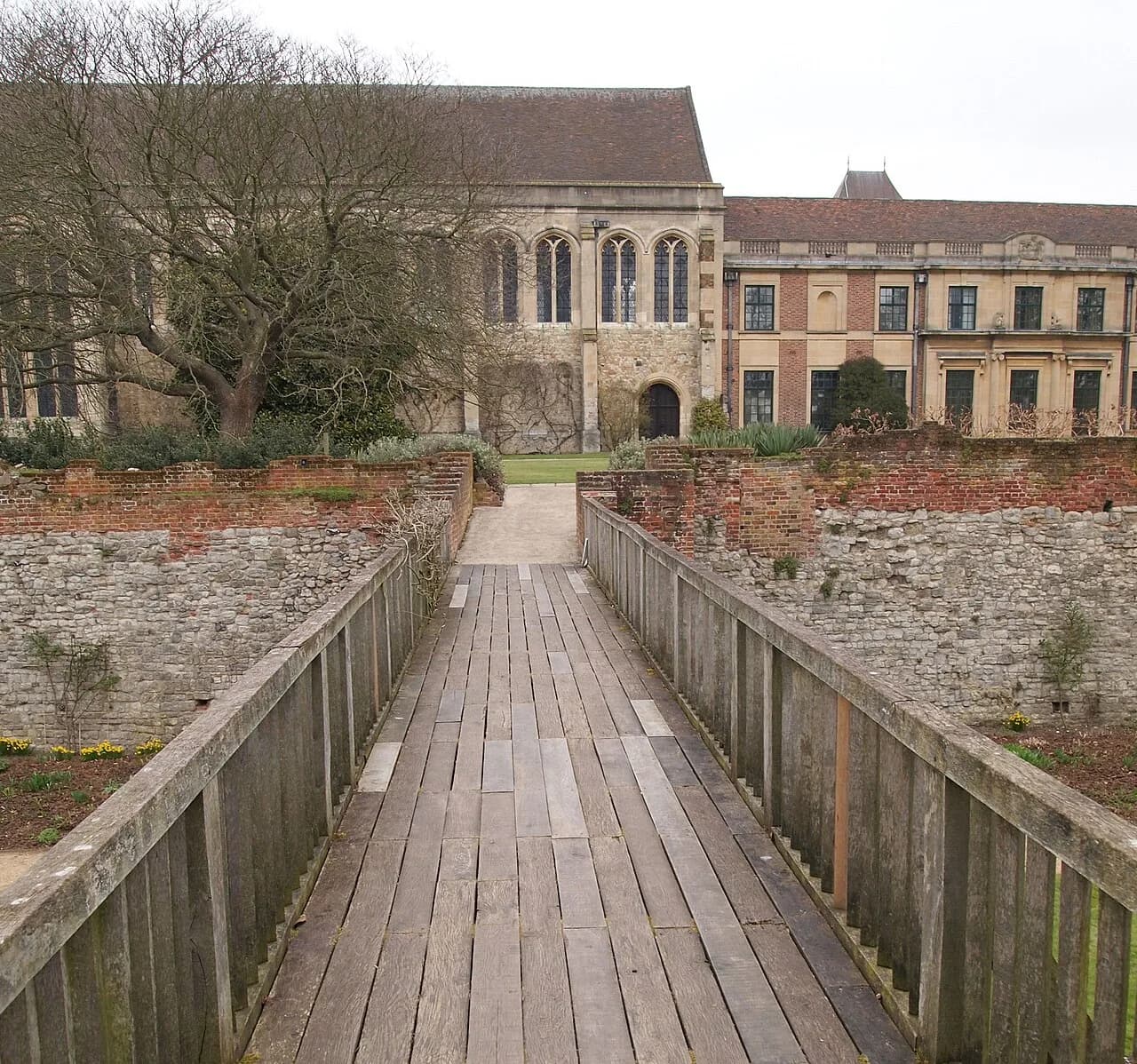
The moat is one of the palace's oldest survivals. A 15th-century stone bridge still carries visitors across the water to the house, a rare medieval feature that once formed the formal approach for arriving royalty. The moat, now planted and softened, wraps around part of the grounds and gives Eltham the feel of a country estate despite being firmly inside Greater London.
The gardens shift through the seasons — spring bulbs and blossom, high-summer borders, and rich autumn colour in the wooded areas — so there is rarely a dull time to wander. English Heritage sells a gardens-only ticket for visitors who want to focus on the grounds, which is worth considering on a fine day or for a repeat visit.
- Sunken rose garden with formal beds and clipped hedging
- Rock garden and cascade running down towards the moat
- The 15th-century moat bridge — the historic royal approach
- Wooded glade and wildflower areas, best in spring and autumn
- Long lawns and borders framing views of the Art Deco house
Visitor Information: Tickets and Admission Prices
Eltham Palace offers two main admission choices — a combined House and Gardens ticket, which is what most visitors want, and a cheaper Gardens-only ticket for those who mainly come for the grounds. For 2026 the standard adult House and Gardens ticket is around £17.50, with a child ticket around £10.50. Concession and family rates are also offered; because these can be adjusted seasonally, confirm the exact concession and family figures on the official English Heritage page before you travel rather than relying on a fixed number.
There is a genuine saving for planning ahead: English Heritage typically gives an extra 15% off when you book your timed ticket online in advance rather than paying the walk-up gate price. Advance booking also helps on busier weekends and during school holidays, when the house can reach capacity for a given entry slot.
Crucially, English Heritage members enter free. If you are visiting several English Heritage sites during a longer trip — or plan to return to Eltham's gardens across the seasons — an annual membership can pay for itself quickly and lets you skip the individual ticket cost entirely. Standard admission covers the Art Deco house, the medieval great hall, and the 19 acres of gardens.
- House & Gardens (Adult)
- Cost: around £17.50
- Access: House, great hall, and gardens
- Booking: 15% off online in advance
- House & Gardens (Child)
- Cost: around £10.50
- Access: Full site with an adult
- Family/concession: check official site
- Gardens Only
- Cost: lower than the full ticket
- Access: 19 acres of gardens
- Best for: fine-weather or repeat visits
| Ticket Type | Price (2026) | What It Covers | Notes |
|---|---|---|---|
| Adult (House & Gardens) | around £17.50 | House, great hall and gardens | 15% off booking online in advance |
| Child (House & Gardens) | around £10.50 | Full site with an accompanying adult | Under-5s usually free — confirm on site |
| Concession / Family | Check official site | Students, seniors and family groups | Rates vary by season |
| English Heritage Members | Free | Full site access | No individual ticket needed |
| Gardens Only | Reduced rate | 19 acres of gardens | Good value on a fine day |
Ticket prices at English Heritage sites are reviewed periodically, and Eltham runs timed entry. Always confirm the current 2026 adult, concession, and family prices — and book your slot — on the official English Heritage Eltham Palace page before travelling, especially at weekends and in school holidays.
Opening Hours and Best Time to Visit
Eltham Palace is generally open daily from 10:00 to 17:00, with last admission one hour before closing. Opening hours are reduced in the winter months, when the site typically closes earlier at around 16:00, and there can be closed days or seasonal breaks over the deep-winter period. Because English Heritage adjusts its calendar season by season, check the exact 2026 opening days and times on the official site before planning your journey.
The best time to arrive is late morning on a weekday if you want the Art Deco rooms relatively quiet, or a dry weekend if the gardens are your priority. Allow at least two to three hours to do the site justice — the house rewards a slow visit, and the 19 acres of gardens can easily absorb another hour on a fine day. Spring and early autumn offer the best balance of pleasant weather and manageable crowds.
If you are combining Eltham with other stops, treat it as a half-day out from central London rather than a quick tick-box visit. The train journey and the depth of the site both reward giving it proper time, and rushing the interiors to fit in another attraction tends to be a false economy.
Book online at least a day ahead to lock in your entry slot and claim the 15% advance discount, and arrive close to opening for the quietest run of the Art Deco rooms. Bring layers for the gardens — the site sits in open parkland and can feel breezy even in summer.
Location and Directions: Getting to Eltham
Eltham Palace sits at Court Yard, Eltham, in the Royal Borough of Greenwich, southeast London, postcode SE9 5QE. The easiest way to reach it by public transport is by train from central London to Eltham or Mottingham station, both roughly a 15-minute walk from the palace entrance. Trains from London Bridge, Charing Cross, Cannon Street, and Victoria serve these stations, making the site more accessible than its out-of-the-way reputation suggests.
From Eltham station you can walk up through the town or take a local bus part of the way; the palace is well signposted once you are close. Drivers will find on-site parking available, which makes Eltham a practical stop if you are exploring southeast London or Kent by car. If you are already in the Greenwich area, it combines naturally with a wider day out around Blackheath and the Greenwich parks.
Because the last admission is an hour before closing and the gardens take time, aim to arrive by early afternoon at the latest. A simple approach is to take a direct train from London Bridge or Charing Cross to Eltham, walk up to the palace, tour the house first, then finish with a slow loop of the gardens before heading back.
- Train to Eltham Station
- From: London Bridge / Charing Cross
- Walk: about 15 minutes
- Frequency: Regular services
- Train to Mottingham Station
- From: Victoria / Cannon Street
- Walk: about 15 minutes
- Alternative: Similar walking distance
- By Car
- Postcode: SE9 5QE
- Parking: On-site parking available
- Convenience: Good for Kent day trips
Facilities and Accessibility at Eltham Palace
The site has the facilities you would expect from a major English Heritage property, including a café serving hot drinks, lunches, and cakes, and a gift shop stocking books, souvenirs, and design-led items that suit the Art Deco theme. There are toilets on site and picnic areas in the grounds, so the gardens work well for families who want to make an afternoon of it.
Accessibility is reasonable given the age of the buildings. Much of the ground floor of the house and large parts of the gardens are accessible to wheelchair users, and English Heritage provides accessible parking and support on request. However, some historic areas and upper floors involve stairs, and paths in the grounds can be uneven in places, so visitors with specific step-free needs should check the current access information with English Heritage before booking.
Free audio guides and interpretation help bring both the medieval and 1930s stories to life, and the staff are on hand to answer questions about the Courtaulds, the house technology, and the great hall. Families will find the lemur's story and the design details a good hook for keeping children engaged throughout the visit.
Nearby Attractions and More London Gems
Eltham sits in a leafy pocket of southeast London that pairs naturally with the wider Greenwich area, from the parks and observatory to the riverside. If you have made the journey out here, it is easy to build a fuller day around the palace by heading towards Greenwich or Blackheath afterwards for a meal and a walk.
For visitors who enjoy Eltham's mix of design and history, London has a whole family of small, characterful house-museums worth seeking out. The Sir John Soanes Museum is a labyrinthine architect's house packed with antiquities, while the opulent Leighton House Museum offers a very different but equally lavish artistic interior in Holland Park.
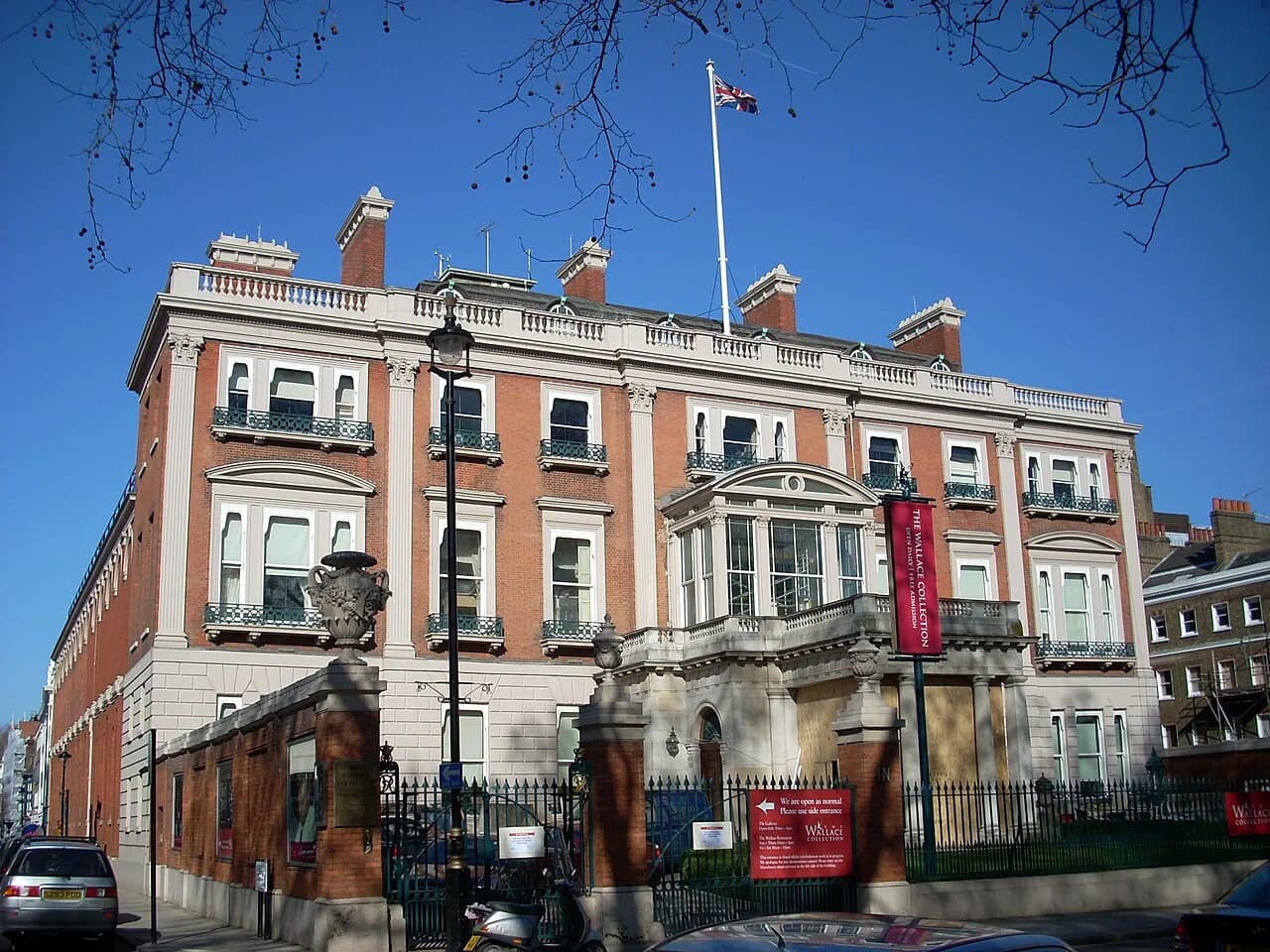
Design and collection lovers should also make time for the Wallace Collection, a free national museum in a grand townhouse, and for another engineering-and-history curiosity across the river, the atmospheric Brunel Museum in Rotherhithe. Each of these offers the same reward as Eltham — a personal, unhurried encounter with a distinctive corner of London's past.
Frequently Asked Questions
How much are Eltham Palace tickets in 2026?
For 2026, an adult House and Gardens ticket is around £17.50 and a child ticket around £10.50, with concession and family rates also available. You get an extra 15% off when booking online in advance, and English Heritage members enter free. Confirm the exact current prices on the official English Heritage Eltham Palace page before you travel.
What are Eltham Palace's opening hours?
Eltham Palace is generally open daily from 10:00 to 17:00, with last admission one hour before closing. Hours are reduced in winter, typically closing around 16:00, and there can be closed days over the deep-winter period. Always check the current 2026 calendar on the official site.
Do English Heritage members get into Eltham Palace free?
Yes. English Heritage members enter Eltham Palace and Gardens free of charge with no individual ticket required. If you plan to visit several English Heritage sites, membership can quickly pay for itself compared with buying single tickets.
How do you get to Eltham Palace by public transport?
Take a train to Eltham or Mottingham station, both about a 15-minute walk from the palace. Services run from London Bridge, Charing Cross, Cannon Street, and Victoria, making the site easy to reach from central London despite its southeast-London location. The postcode is SE9 5QE.
What makes Eltham Palace special?
Eltham is a rare blend of two eras: a lavish 1930s Art Deco mansion built by the Courtauld family, joined directly to a surviving 15th-century medieval great hall. Highlights include the domed entrance hall, Virginia Courtauld's gold-leaf mosaic bathroom, the pet lemur's quarters, the great hall's huge hammerbeam roof, and 19 acres of award-winning gardens with a medieval moat bridge.
How long should you spend at Eltham Palace?
Allow at least two to three hours to enjoy both the house and the gardens properly. The Art Deco interiors reward a slow visit, and the 19-acre grounds can easily fill another hour in good weather. Treat Eltham as a half-day out from central London rather than a quick stop.
Other Houses That Are Two Buildings at Once
The Courtaulds bolted a 1930s Art Deco house onto a medieval royal great hall and somehow made it work. Milan's Villa Necchi Campiglio is the purer version of the same moment, built new in 1935 with the fittings still intact. Madrid's Museo Cerralbo is the opposite instinct — a house deliberately frozen before the modern century began.
Eltham Palace and Gardens is one of London's most rewarding day trips for anyone who enjoys design, history, or gardens — and especially for those drawn to the places most visitors miss. Few sites let you walk from a 15th-century royal great hall straight into a jazz-age mansion, complete with a gold-leaf bathroom and a room built for a pet lemur, then out into 19 acres of gardens crossed by a medieval moat bridge.
For the smoothest 2026 visit, book your timed ticket online in advance to claim the 15% discount, confirm the current opening hours and concession or family prices on the official English Heritage page, and give yourself a good half-day to take it all in. English Heritage members can simply turn up and enter free. Pair Eltham with the wider Greenwich area or with London's other distinctive house-museums, and it becomes the anchor of a genuinely memorable day out.
Continue exploring
More guides you'll find useful