Prague Attractions: 8 Hidden Gems Most Tourists Miss (2026)
The best hidden-gem attractions in Prague for 2026 — Baroque gardens, historic libraries, alchemy tunnels and art museums most tourists walk straight past. Prices, opening hours, itineraries and tips for each.
On this page
Almost every Prague itinerary funnels visitors through the same four sights: Charles Bridge, the Astronomical Clock, Old Town Square and Prague Castle. They are extraordinary — and by mid-morning in 2026 they are also packed shoulder-to-shoulder. The Prague that rewards a slower traveller is the one hiding a few streets back: terraced Baroque gardens with free-roaming peacocks, frescoed monastery libraries that rank among the most beautiful rooms in Europe, a Renaissance alchemy laboratory found only after the 2002 floods, and intimate art museums where you can stand alone in front of a Bruegel.
This hub gathers 8 of Prague's best hidden-gem attractions — the underrated sights that consistently reward the detour but rarely top the "must-see" lists. They cluster in four compact, walkable districts: Malá Strana (Lesser Town), Hradčany around Prague Castle, and the Old Town. Four broad threads run through them: High Baroque gardens (Vrtba Garden, Wallenstein Garden), historic libraries (Strahov Monastery Library, Klementinum), art museums (Museum Kampa, Mucha Museum, Lobkowicz Palace) and the genuinely quirky and underground (Speculum Alchemiae's hidden alchemy tunnels). Each entry below links to a full visitor guide with verified 2026 opening hours, current ticket prices in Czech koruna (CZK), and the practical tips that don't make it into the official FAQ. Use this page as your starting point, then dive into whichever gems fit your route.
Top 8 attractions in Prague
Vrtba Garden
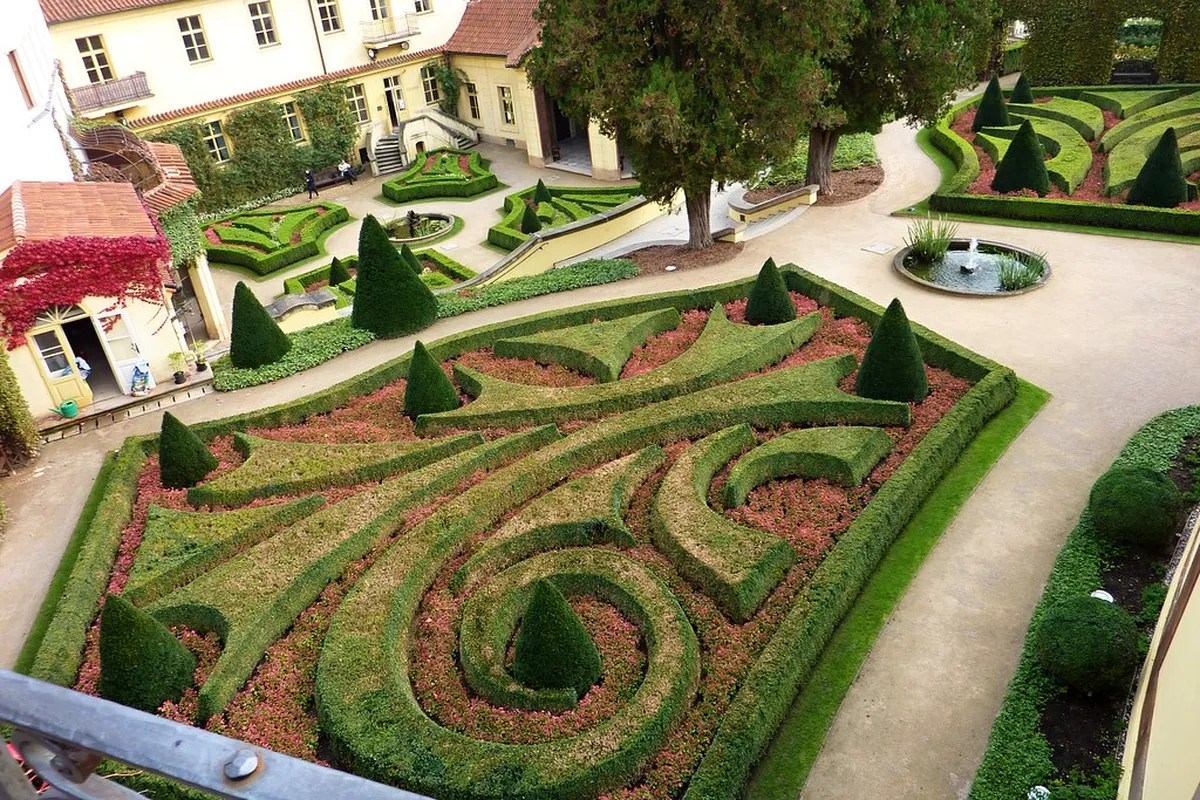
The Vrtba Garden (Vrtbovská zahrada) is a hidden-gem High Baroque terraced garden in Prague's Malá Strana, climbing the slope of Petřín Hill with sculptures, frescoes, and panoramic views over the city and Prague Castle.
Visitor guide →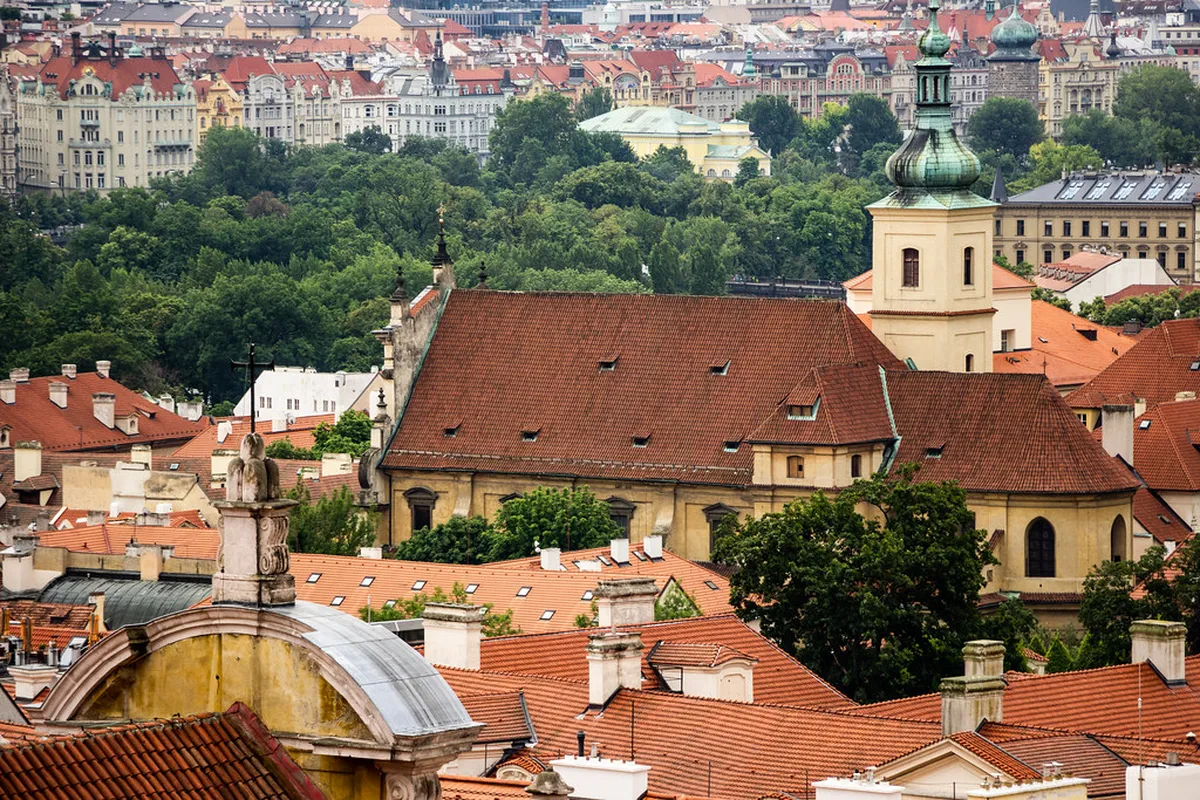
Lobkowicz Palace
Lobkowicz Palace is a privately owned museum inside the Prague Castle complex housing the Lobkowicz Collections — around 1,500 paintings including Bruegel, Canaletto, and Velázquez, alongside original Beethoven and Mozart manuscripts. The ticket includes an audio guide narrated by the Lobkowicz family.
Visitor guide →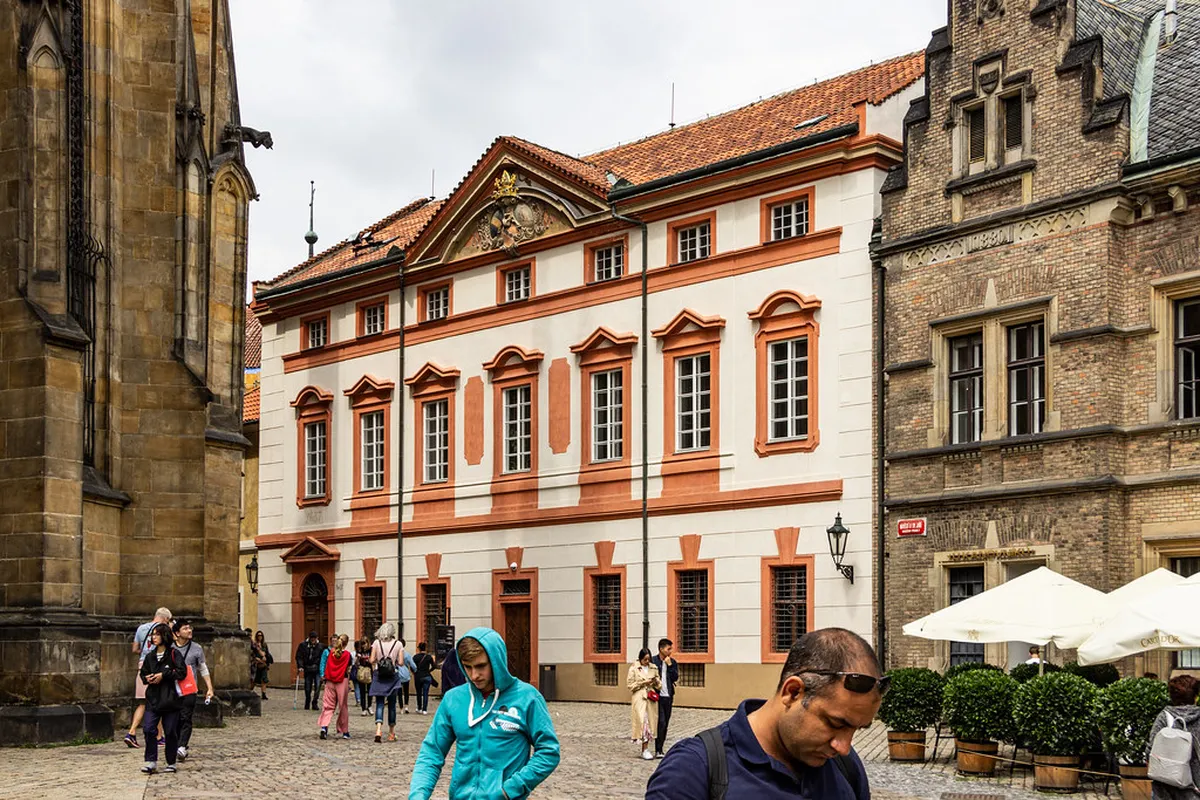
Strahov Monastery Library
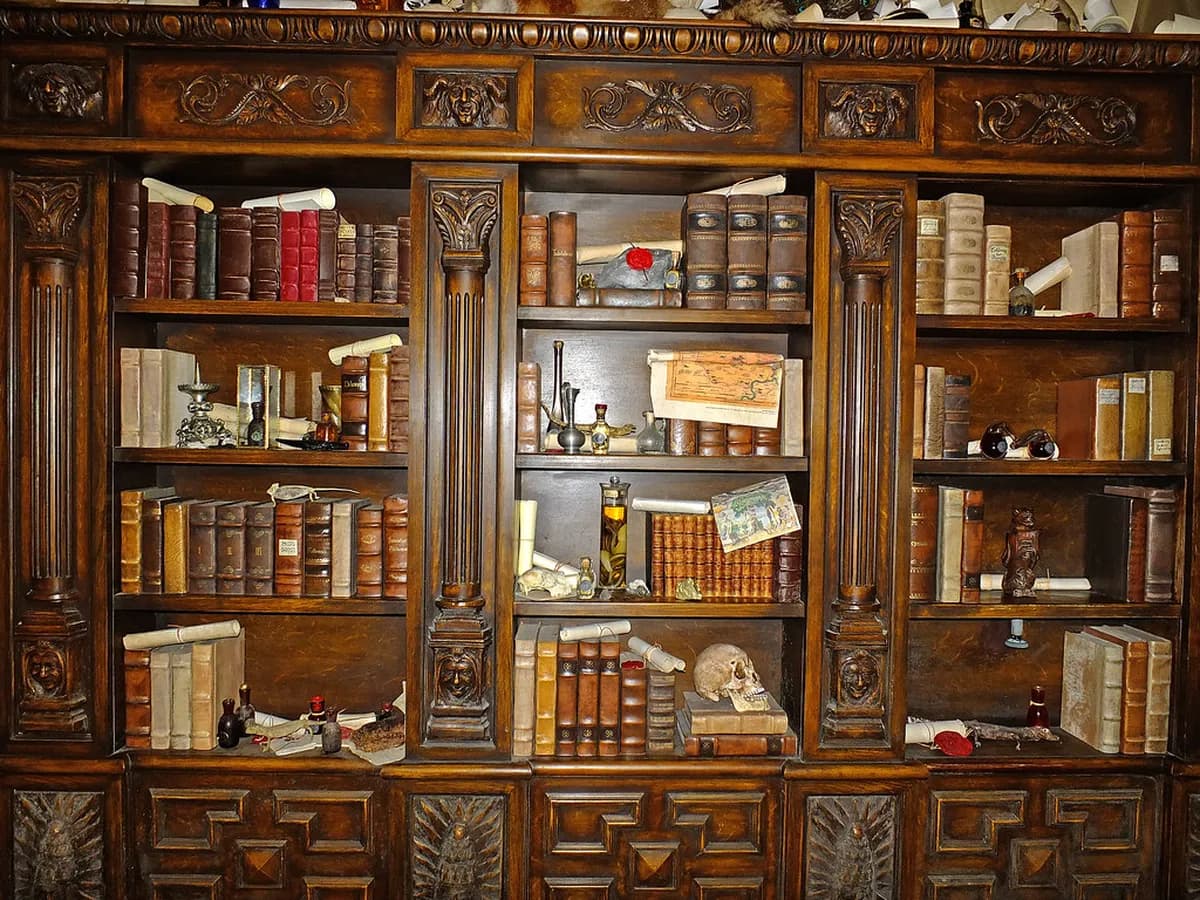
The Strahov Monastery Library in Prague is one of the world's most beautiful historic libraries, famed for its lavishly frescoed Baroque Theological Hall (1679) and Classical Philosophical Hall (1779). Visitors view the two halls from the doorways and explore an accompanying exhibition of rare books and curiosities.
Visitor guide →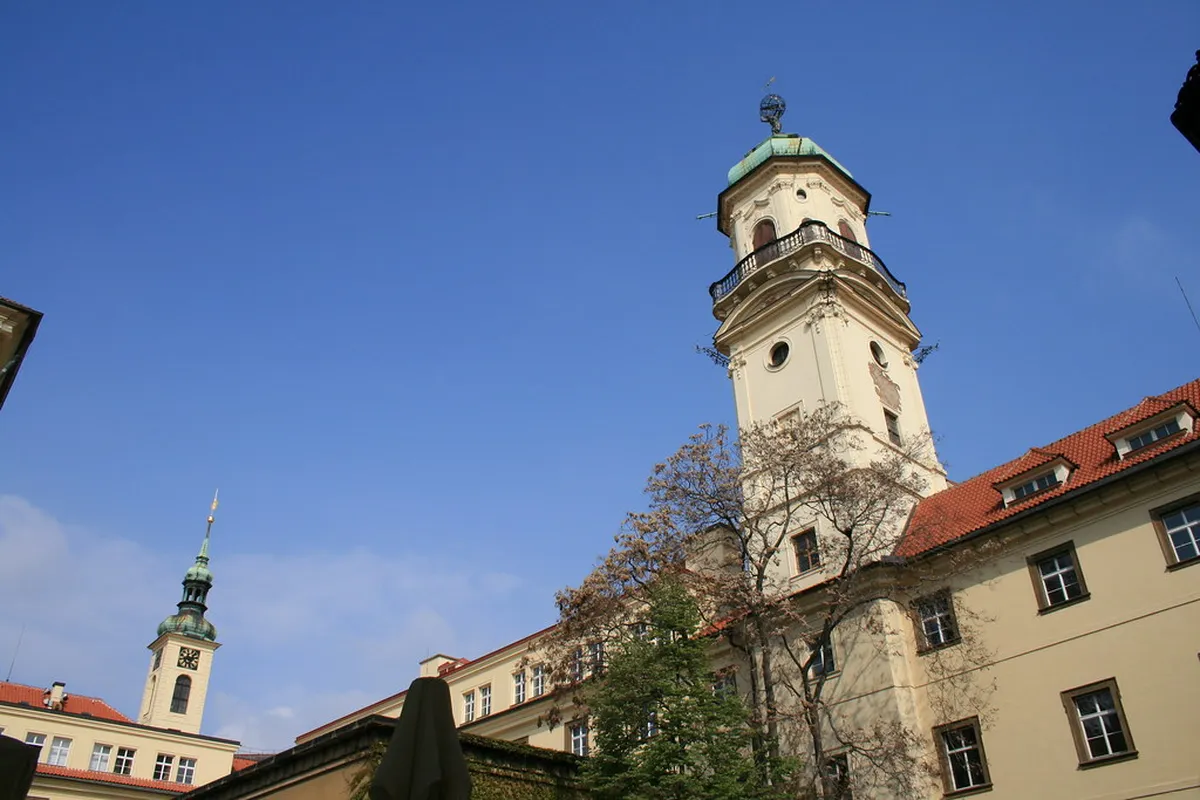
Klementinum
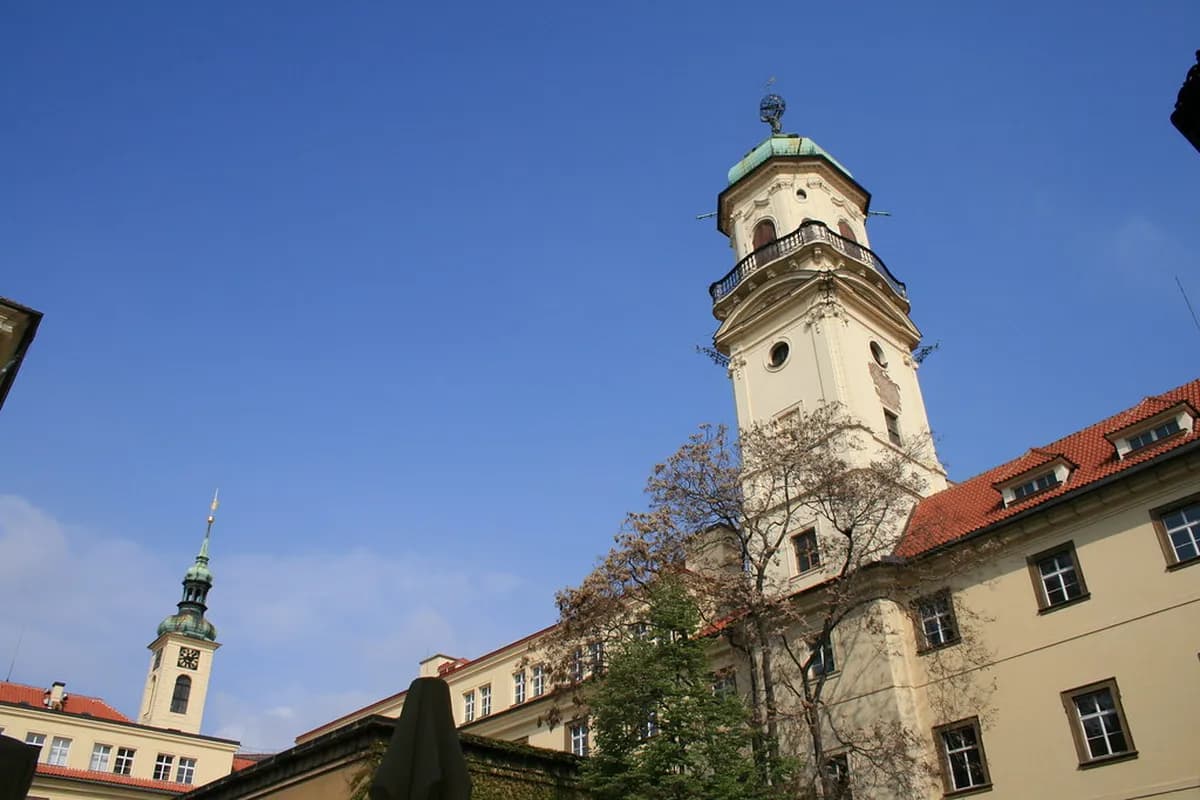
A guided tour of Prague's Baroque Klementinum reveals the breathtaking Baroque Library Hall and climbs the historic Astronomical Tower for sweeping views over the Old Town. The library and tower interiors can be seen on a guided tour only.
Visitor guide →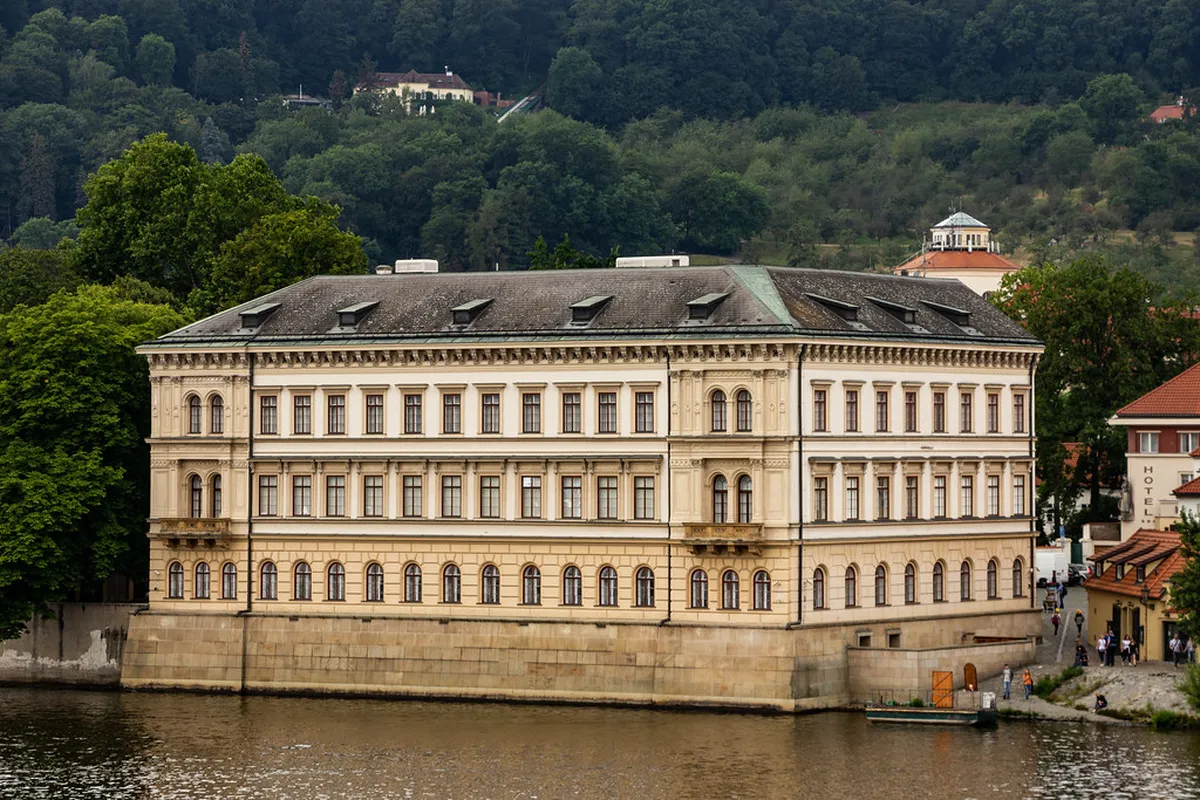
Museum Kampa
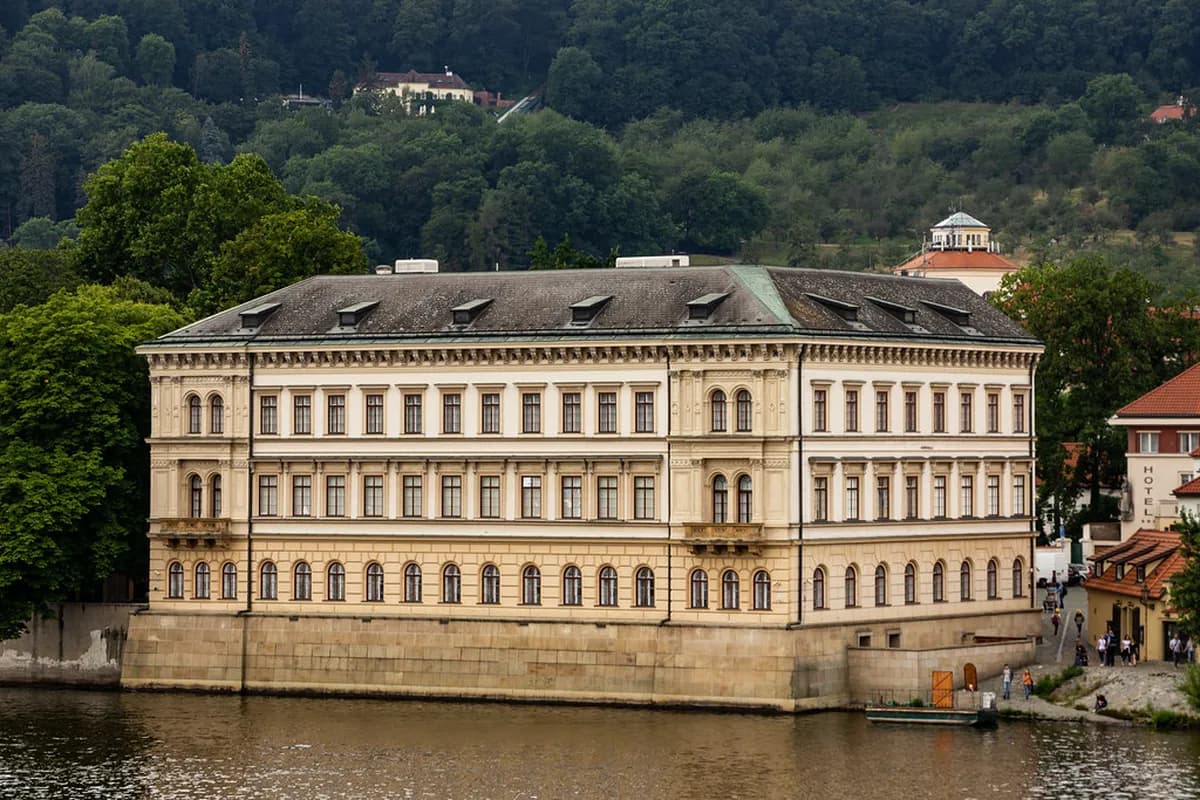
Museum Kampa is a modern-art museum set in the historic Sovovy mlýny (Sova's Mills) on Kampa Island beside the Vltava in Prague. It showcases Central European modern art, anchored by major collections of František Kupka and Otto Gutfreund.
Visitor guide →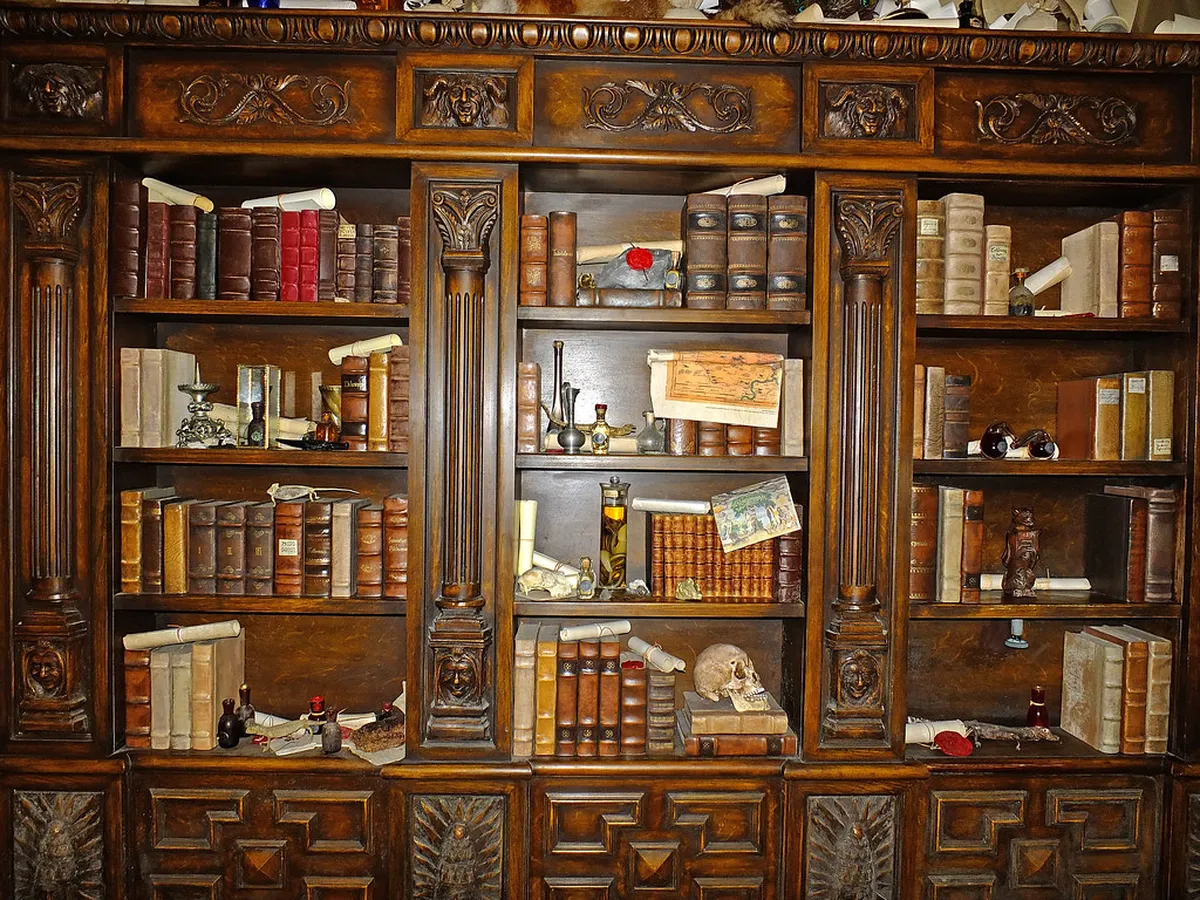
Speculum Alchemiae
Speculum Alchemiae is a small Old Town museum built around a hidden Renaissance underground alchemy laboratory that was rediscovered after the 2002 Prague floods. It is visited only via a 30-minute guided tour through the original subterranean workshops and tunnels.
Visitor guide →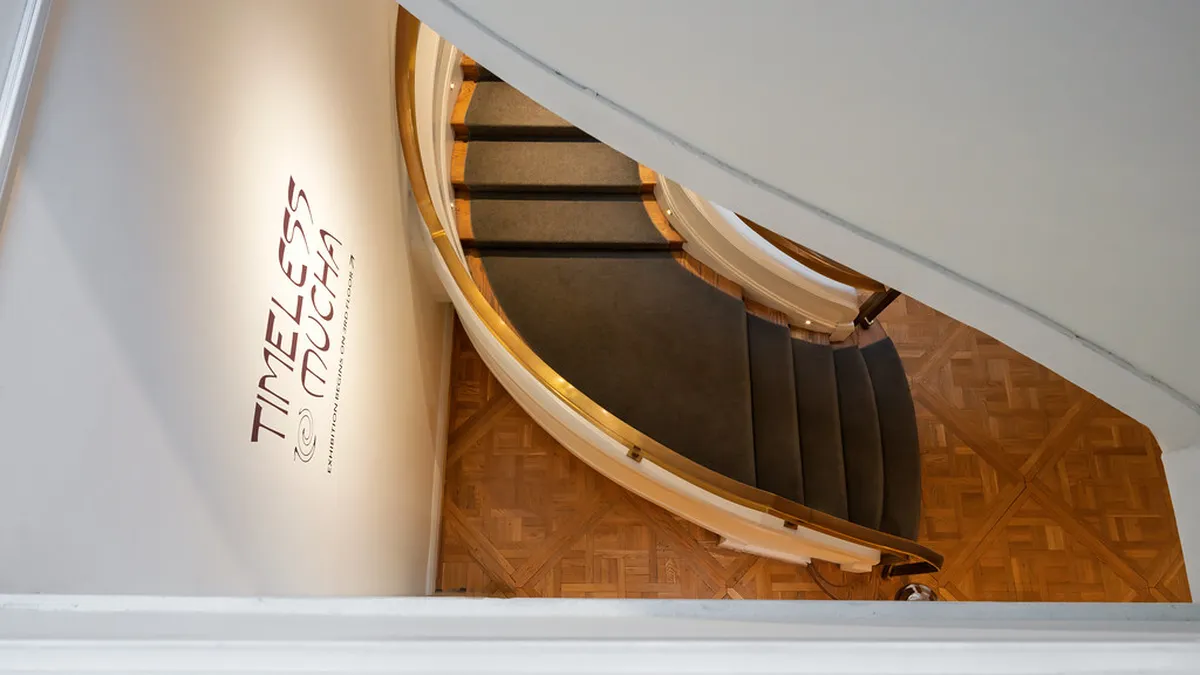
Mucha Museum
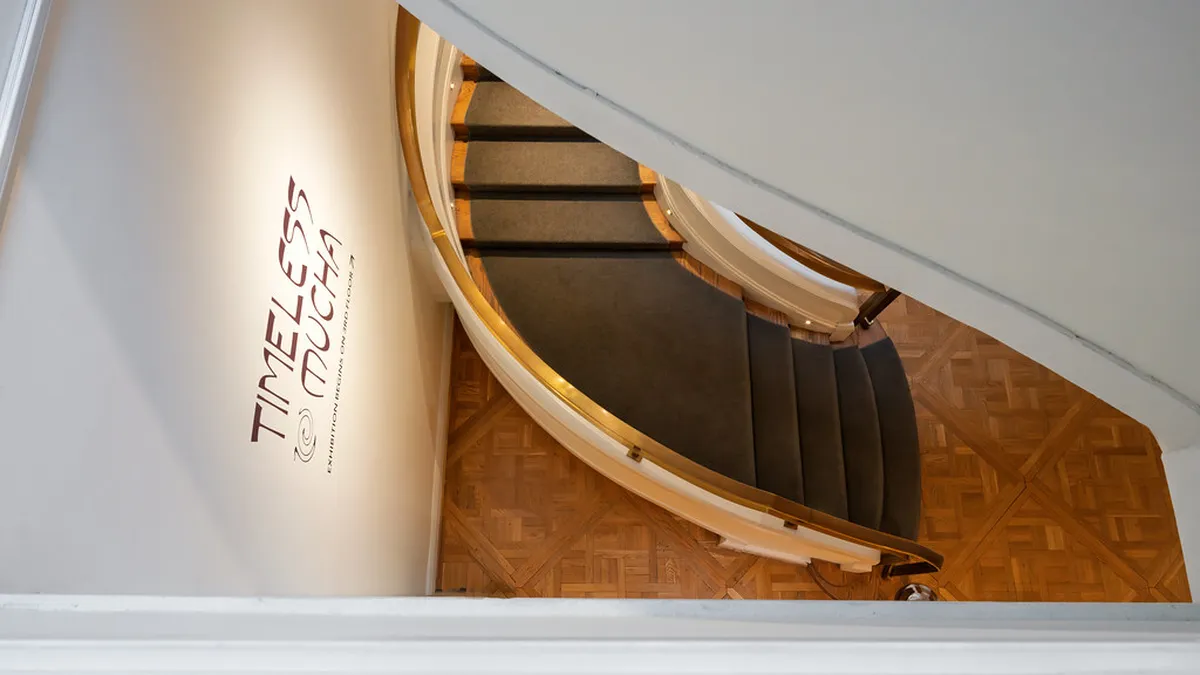
The Mucha Museum at Panská 7 in Prague's Kaunický Palace is billed as the world's first museum devoted to Art Nouveau master Alfons Mucha, showcasing his celebrated posters, decorative panels, and studies from the Ivan Lendl collection.
Visitor guide →
Wallenstein Garden
The Wallenstein Garden is a free-to-enter early-Baroque garden behind the Wallenstein Palace in Malá Strana, Prague, now part of the Czech Senate. Its star features are the sala terrena loggia, an artificial dripstone grotto, rows of bronze statues and free-roaming peacocks, open seasonally from April to October.
Visitor guide →Prague hidden gems by neighborhood
Prague's underrated attractions are not scattered randomly — they concentrate in three historic districts on the left bank of the Vltava and in the medieval core on the right. Grouping your visits by neighborhood is the single biggest time-saver, because it lets you walk between gems instead of backtracking across the river.
Malá Strana (Lesser Town)
The Baroque heart of Prague's hidden-gem scene sits just below Prague Castle. Vrtba Garden climbs the slope of Petřín Hill with statues, frescoes and a terrace view over the red rooftops; a few minutes away, Wallenstein Garden hides behind the Senate palace with its dripstone grotto, bronze statues and famous free-roaming peacocks. Across the cobbles on Kampa Island, Museum Kampa occupies a converted riverside mill. All three are an easy stroll from the Malostranská tram and metro stop, and you can comfortably link them on foot in an afternoon.
Hradčany & Prague Castle
Up the hill behind the castle, Strahov Monastery Library guards two of the most photographed historic library halls in the world, with a panoramic view over the city from the monastery terrace. Inside the castle complex itself, Lobkowicz Palace is the only privately owned building in the grounds — its collection runs from Bruegel and Canaletto to original Beethoven manuscripts, and its café terrace has one of the best free views in Prague. Both reward the climb that keeps most day-trippers away.
Old Town (Staré Město)
On the right bank, the Klementinum hides a jaw-dropping Baroque Library Hall and an Astronomical Tower a stone's throw from Charles Bridge, seen on guided tour only. Tucked into a quiet lane nearby, Speculum Alchemiae leads you underground into a rediscovered Renaissance alchemy laboratory. A short walk toward the New Town brings you to the Mucha Museum, devoted to Art Nouveau master Alfons Mucha. These three pair naturally with any Old Town wander once the Astronomical Clock crowds thin out.
Prague attractions by category
If you would rather plan around your interests than your map, here is how the eight gems sort by type.
- High Baroque gardens — Vrtba Garden and Wallenstein Garden are two of Czechia's finest formal gardens, both at their best from late April through September. Vrtba is terraced and intimate; Wallenstein is grand, geometric and free to enter.
- Historic libraries — Strahov Monastery Library (the frescoed Theological and Philosophical Halls, viewed from the doorways) and the Klementinum (a guided-tour-only Baroque Library Hall plus the Astronomical Tower climb) are unmissable for book lovers and architecture fans.
- Art & collections — Museum Kampa (Central European modern art, anchored by Kupka and Gutfreund), the Mucha Museum (the world's first museum devoted to Alfons Mucha) and Lobkowicz Palace (Old Master paintings, arms and music manuscripts) cover everything from medieval to modern.
- Quirky & underground — Speculum Alchemiae is the city's most unusual small museum: a 30-minute guided descent into the original subterranean alchemy workshops and tunnels, rediscovered after the 2002 Prague floods.
Free vs paid Prague attractions
Prague rewards budget travellers more than its reputation suggests. Of these eight gems, one is completely free and the rest are inexpensive by Western-European standards. Below are the indicative adult ticket prices for 2026 — always confirm current rates on each attraction's own guide before you go, as prices and seasonal closures change.
| Attraction | 2026 adult price | Notes |
|---|---|---|
| Wallenstein Garden | Free | Open seasonally (Apr–Oct); peacocks, grotto, statues |
| Vrtba Garden | CZK 150 | Seasonal (Apr–Oct); terraced Baroque garden |
| Strahov Monastery Library | CZK 190 | Halls viewed from doorways; photo fee may apply |
| Speculum Alchemiae | CZK 200 | 30-minute guided tour only |
| Mucha Museum | CZK 300 | Art Nouveau posters and panels |
| Museum Kampa | CZK 350 | Modern art in a riverside mill |
| Lobkowicz Palace | CZK 360 | Audio guide narrated by the family included |
| Klementinum | CZK 380 | Guided tour: Library Hall + Astronomical Tower |
Even visiting all eight in 2026 costs well under CZK 2,100 (roughly €85) per adult — and you can build a genuinely memorable day around the free Wallenstein Garden plus one or two paid highlights. Beyond this list, Prague's churches, riverside parks and the famous free walking tours that meet near the Astronomical Clock cost nothing at all.
Suggested itineraries
The gems group neatly by walking distance, so a little routing turns a long list into an easy day or two.
One day: Malá Strana & the castle hill
Start the morning in the Wallenstein Garden (free, quiet before the tour buses), then walk five minutes to Vrtba Garden for its terrace view. Cross to Kampa Island for Museum Kampa and lunch by the river. In the afternoon, climb to Hradčany for Strahov Monastery Library and, if time allows, Lobkowicz Palace inside the castle complex. Everything on this route is within a 20-minute walk of the next stop.
Two days: add the Old Town gems
Spend day two on the right bank. Book a morning slot for the Klementinum guided tour beside Charles Bridge, then walk to Speculum Alchemiae for its underground alchemy tour. Finish at the Mucha Museum near Wenceslas Square. This pairs perfectly with the classic Old Town sights, letting you duck into the quiet gems whenever the Astronomical Clock square gets too busy.
Getting around Prague's attractions
Prague's historic centre is compact and overwhelmingly walkable — the eight gems on this page sit within about 30 minutes' walk of one another, and Malá Strana and the Old Town are best explored on foot over their cobblestones. For the longer hops, the city's integrated public-transport network is fast, cheap and runs on a single ticket valid across trams, metro and buses.
- Trams are the most scenic option. Lines 22 and 23 are the classic "tourist" routes, climbing through Malá Strana to Prague Castle and saving your legs on the hill up to Strahov and Hradčany.
- Metro Line A (green) is fastest for crossing the city — Malostranská station drops you beside the Wallenstein and Vrtba gardens; Staroměstská serves the Klementinum and Old Town.
- On foot is the right call within each cluster. Wear comfortable shoes; the lanes of Malá Strana and the climb to the castle are uneven and often steep.
A short-term transit pass (24-hour or 72-hour) usually works out cheaper than single tickets if you plan to ride more than a couple of times a day.
Best time to visit Prague's attractions
Prague is a year-round city, but the experience of these particular gems shifts sharply with the seasons — and two of them close entirely in winter.
Vrtba and Wallenstein gardens close November through March, so plan your visit for late April through early October if these open-air Baroque spaces are a priority.
- Spring (April–June) is the sweet spot. The Vrtba and Wallenstein gardens open for the season (both are typically April–October only and closed through winter), flowers are in bloom, and crowds are lighter than in peak summer. Late April and May are especially good for the gardens.
- Summer (July–August) is warm and lively but busiest; aim for early mornings to enjoy the gardens and Klementinum before tour groups arrive.
- Autumn (September–October) keeps the gardens open into their final weeks and brings golden light and thinner crowds — arguably the best all-round month.
- Winter (November–March) is cold (daytime highs around 4°C) and the open-air gardens are shut, but the indoor gems — Strahov, Klementinum, the Mucha Museum, Museum Kampa and Lobkowicz Palace — are at their quietest and most atmospheric, and December adds Christmas-market magic across the city.
How to save money on Prague attractions
Prague is one of Central Europe's better-value capitals, and these gems make it easy to keep costs down without missing the highlights.
The Wallenstein Garden is completely free year-round and makes an excellent morning visit before purchasing tickets to paid attractions.
- Lead with the free gem. The Wallenstein Garden costs nothing, and a morning there plus one paid library or museum makes a full, satisfying day for very little.
- Visit the gardens in shoulder season. Vrtba and Wallenstein are seasonal, so timing a spring or early-autumn trip lets you enjoy them at their best while overall hotel prices are lower than peak summer.
- Look for combined and family tickets. Several attractions and the city's larger sights offer combined or discounted family rates; check each guide for current bundles before buying singles.
- Use a transit pass and walk the clusters. A 72-hour transit pass plus walking between same-neighborhood gems avoids both taxi fares and repeated single fares.
- Travel off-season for indoor gems. Winter trims accommodation costs and the indoor libraries and museums are open year-round and far less crowded.
Frequently asked questions about Prague attractions
What are the best hidden-gem attractions in Prague?
The standout hidden gems most tourists miss are the Baroque Vrtba and Wallenstein gardens in Malá Strana, the historic Strahov Monastery Library and Klementinum library halls, the underground Speculum Alchemiae alchemy laboratory, and three intimate museums — Museum Kampa, the Mucha Museum and Lobkowicz Palace. All eight reward the detour away from Charles Bridge and the Astronomical Clock.
How many days do you need to see Prague's attractions?
Three full days is the most-recommended length for a first visit, enough to cover the famous sights and still fit in several hidden gems. The eight attractions on this page can be enjoyed across one or two well-routed days, grouped by neighborhood, leaving the rest of your trip for the Old Town, the castle and day trips.
What are the best free attractions in Prague?
The Wallenstein Garden is the standout free attraction on this list — an early-Baroque garden with a dripstone grotto, bronze statues and free-roaming peacocks. Beyond it, Prague's churches, riverside parks such as Letná, the Vltava embankments and the free walking tours that meet near the Astronomical Clock all cost nothing.
What is the best time of year to visit Prague?
Spring (April–June) and early autumn (September–October) offer the best balance of pleasant weather, blooming or golden gardens and thinner crowds. The Vrtba and Wallenstein gardens are open seasonally (roughly April–October) and closed in winter, so visit in those months if open-air gardens are a priority. December is magical for Christmas markets but cold.
How much do Prague attractions cost in 2026?
The hidden gems on this page range from free (Wallenstein Garden) to about CZK 380 (Klementinum). Indicative 2026 adult prices are CZK 150 (Vrtba Garden), CZK 190 (Strahov Library), CZK 200 (Speculum Alchemiae), CZK 300 (Mucha Museum), CZK 350 (Museum Kampa) and CZK 360 (Lobkowicz Palace). Seeing all eight costs under CZK 2,100 per adult; confirm current rates on each attraction's guide.
Are Prague's attractions walkable?
Yes. The historic centre is compact and the eight gems here sit within about a 30-minute walk of one another, clustered in Malá Strana, around Prague Castle and in the Old Town. Trams (lines 22 and 23) and metro Line A handle the longer or uphill hops, and a single ticket covers trams, metro and buses.
Do you need a guide or advance tickets for these attractions?
A few do require it. The Klementinum Library Hall and Astronomical Tower are accessible by guided tour only, and Speculum Alchemiae is visited solely on a 30-minute guided tour, so booking ahead is wise for both, especially in peak season. The gardens and most museums can be entered without a tour, though Lobkowicz Palace includes a self-paced audio guide narrated by the family.
Which Prague attractions are best for art lovers?
Art-focused visitors should prioritise Museum Kampa for Central European modern art (notably František Kupka), the Mucha Museum for Art Nouveau, and Lobkowicz Palace for Old Master paintings including Bruegel, Canaletto and Velázquez. The frescoed halls of the Strahov Library and Klementinum add the architectural dimension.
Plan your Prague trip
Ready to build the rest of your itinerary around these gems? Our companion guides go deeper on the city beyond the headline sights. Start with our roundup of hidden gems in Prague for even more under-the-radar spots, plan a relaxed weekend with our Prague 3-day itinerary, and stretch your budget further with our list of free things to do in Prague.
Continue exploring
More guides you'll find useful