Lobkowicz Palace Visitor Guide Travel Guide
Plan lobkowicz palace visitor guide with top picks, neighborhood context, timing tips, and practical booking advice for a smoother trip.
On this page
Lobkowicz Palace Visitor Guide
Lobkowicz Palace stands as the only privately owned building within the historic Prague Castle complex. This visitor guide covers everything you need to plan a meaningful visit — from the standout artworks and musical manuscripts to practical ticket details and accessibility. The palace reopened as a public museum in April 2007 after years of restoration following the family's restitution, and it remains one of the most personal museum experiences in Central Europe.
The Lobkowicz Collections span approximately 1,500 paintings, decorative arts, arms and armour, porcelain, and rare musical manuscripts. Every entry ticket includes a family-narrated audio guide available in English and around a dozen other languages. The guide features commentary by current owner William Lobkowicz, which turns an art tour into something much closer to a family visit. Plan at least 90 minutes for the galleries alone.
Lobkowicz Palace
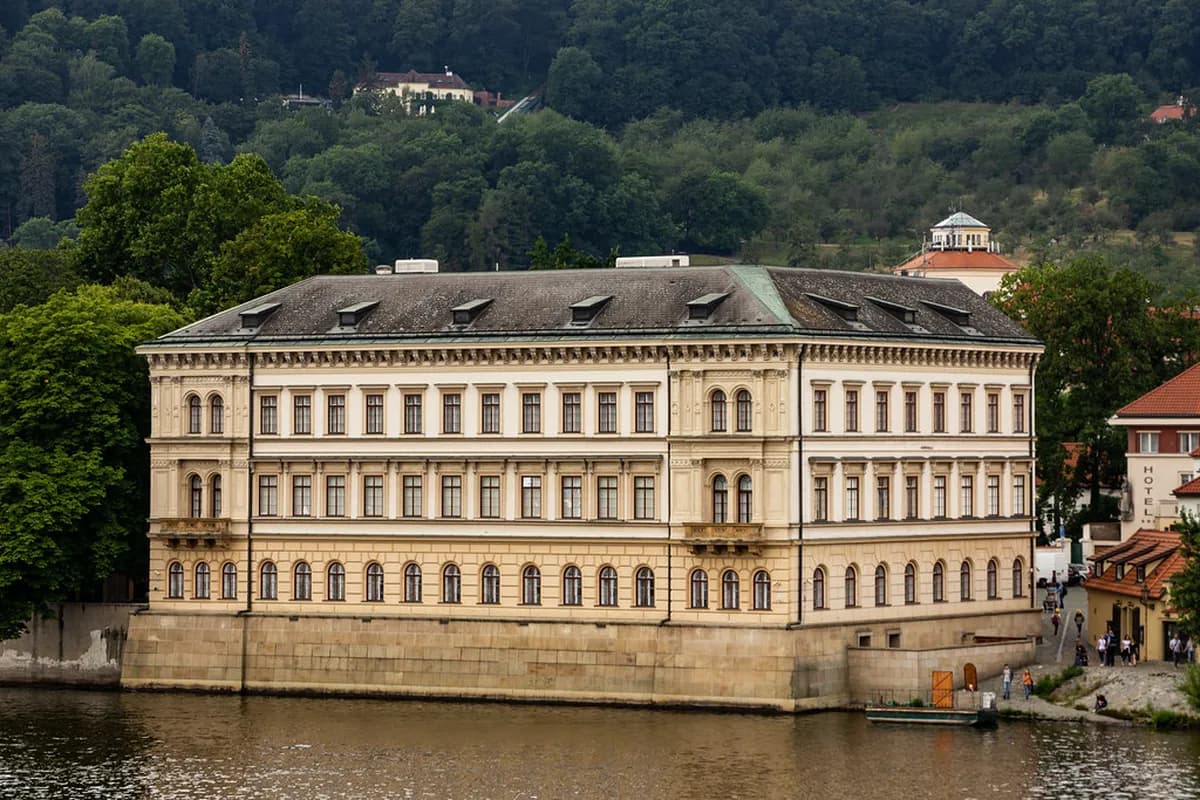
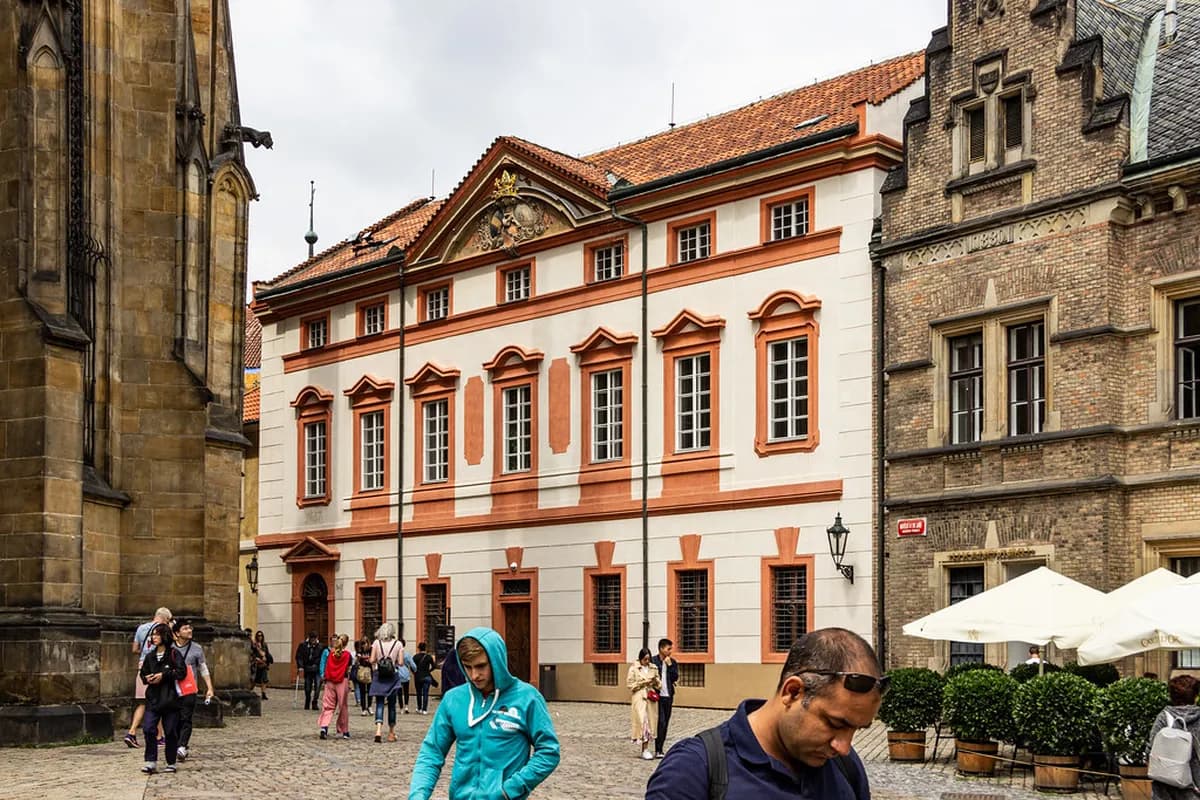
The palace sits at Jiřská 3, at the eastern end of Prague Castle near the Old Castle Steps — the last major building before you descend toward Malá Strana. It began as a Renaissance structure in the early 16th century under Wolf Krajíř of Krajk and was substantially expanded by the lords of Pernštejn between 1554 and 1577. The Lobkowicz family acquired it in 1627 when Polyxena of Lobkowicz purchased it, and the building was rebuilt in an early-Baroque style after a fire in 1625. Carlo Luragho oversaw the main reconstruction between 1651 and 1668.
The building has two courtyards with remnants of Renaissance sgraffiti and early-Baroque portals on Jiřská Street. The south-eastern wing contains a large hall decorated with 17th-century illusionistic wall paintings of architecture and sculptures. On the first floor, the St. Václav Chapel survives in near-original condition, with ceiling stucco by Domenico Galli and painted canvases by Fabian Václav Harovník from 1665 to 1669. After decades as a National Museum branch, the family regained ownership in 2002 and the palace opened to the public as the Lobkowicz Palace Museum in 2007.
The building is the only part of the entire Prague Castle complex that is privately owned. That distinction shapes the experience: you are walking through a functioning family seat, not a state institution. The audio guide makes this explicit — William Lobkowicz narrates the rooms his family has lived with, lost, and reclaimed.
The Lobkowicz Collections: Paintings and Portraits
The collection holds roughly 1,500 paintings covering Medieval, Renaissance, Baroque, and later periods. The most discussed works are by Pieter Brueghel the Elder, Canaletto, Velázquez, Rubens, Veronese, and Cranach — but the portraits tell the family's story as effectively as any audio guide. Visitors familiar with Velázquez's Las Meninas will recognize four-year-old Infanta Margarita in one of the Lobkowicz family portraits; the connection reflects the family's Spanish royal ties through Vratislav Pernštejn, the first Czech to receive the Order of the Golden Fleece.
The Croll Room features landscapes painted in the 1840s by Robert Croll specifically for Ferdinand Joseph Lobkowicz, depicting the family's Bohemian residences including Roudnice Chateau and Nelahozeves Chateau. The Dog Room displays portraits of the family's hunting dogs — a small but charming gallery that surprises most visitors. The Dining Room has magnificent allegorical ceiling frescoes, while the Firanesi Room hangs engravings of Rome. A 16th-century painting by Lucas Cranach the Elder shows Mary and the Christ child.
For more of Prague's art and gallery scene, the Kampa Museum on the riverside offers a strong contrast — 20th-century Central European modernism versus the Lobkowicz's Renaissance and Baroque holdings. Both can fit into one full day if you start at the castle early.
Pieter Brueghel the Elder and Antonio Canaletto
The most reproduced work in the collection is The Haymaking by Pieter Brueghel the Elder, one of only six surviving panels from a series representing the twelve months of the year (each panel covers two months). Art historians regard it as a landmark: it was among the first paintings in Western European tradition to treat landscape as a subject in its own right rather than a backdrop for religious narrative. The colours remain vivid despite their age. You can study the work up close with no protective glass barrier in the way — a rarity for a painting of this importance.
Two 18th-century views of the Thames in London by Antonio Canaletto hang nearby. These cityscapes demonstrate the family's international connections and the range of the collection beyond Bohemian subject matter. Seeing Brueghel and Canaletto in the same private gallery, both displayed without the institutional distance of a national museum, is one of the reasons visitors rate this above many larger Prague attractions.
Porcelain, Arms, and Musical Manuscripts
The decorative arts section holds an exceptional porcelain collection: Meissen pieces, majolica service, and tableware from Delft — including what is described as the largest surviving Delft dinner service in the world, dating from around 1685. The arms and armour gallery is substantial, covering Medieval and Renaissance examples that contextualise the family's military and political role across several centuries of Bohemian history.
Classical music is woven through the entire collection. The family were major patrons of Beethoven, Mozart, Handel, and Haydn, and the palace holds original hand-annotated manuscripts by all four composers. Beethoven's Third Symphony, the Eroica, is among the manuscripts — scholars note that the Lobkowicz family were the dedicatees of several of Beethoven's most important works. Seeing the actual score, with Beethoven's own handwritten corrections, is a different experience from any recording or reproduction.
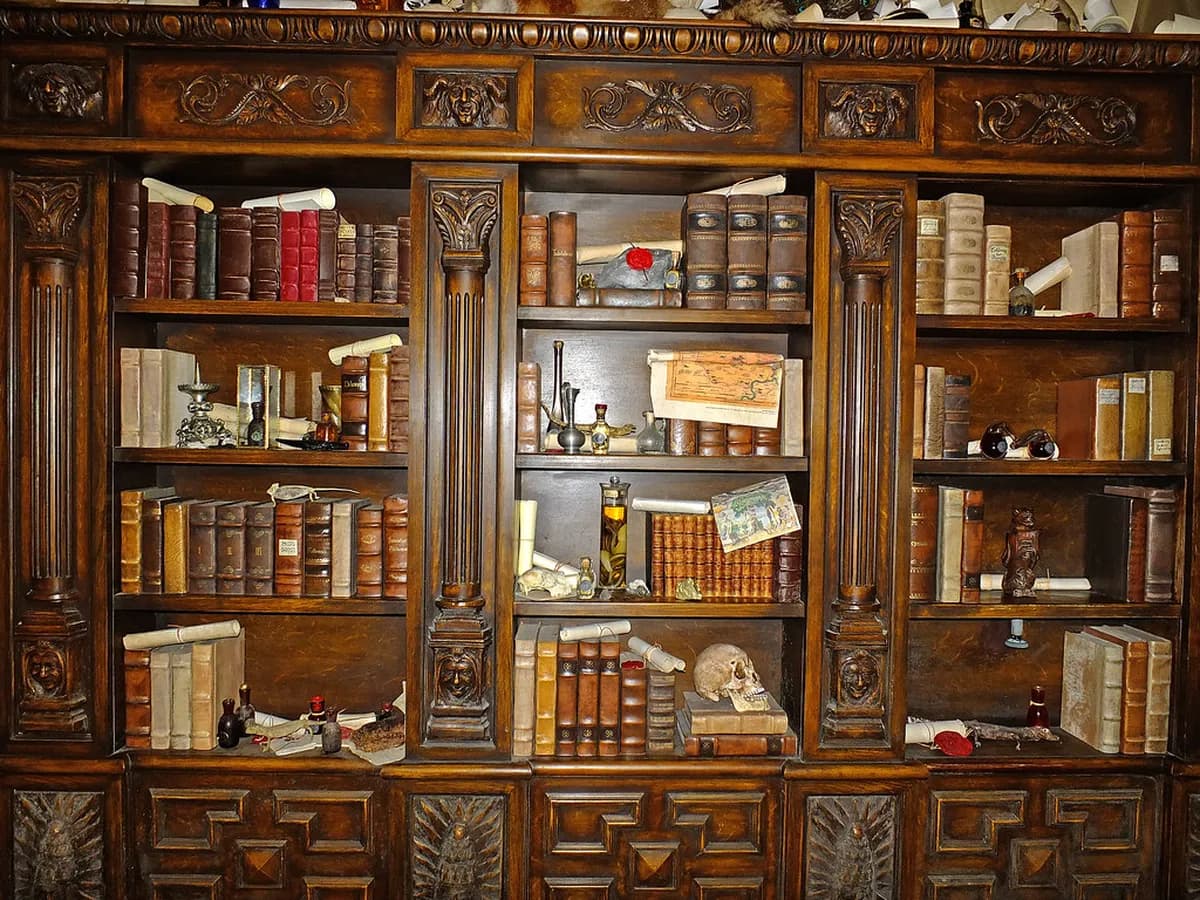
If you are visiting with a particular interest in the Strahov Monastery Library, the manuscript and rare-book angle links both sites. The Strahov holds printed books and illuminated manuscripts; the Lobkowicz holdings are personal musical papers from active working relationships between composers and their patron. Together they cover the intellectual and artistic culture of Central Europe across four centuries.
A Tale of Trials and Tribulations: Family History During the 20th Century
The 20th century cost the Lobkowicz family everything — twice. When the Nazis established the Protectorate of Bohemia and Moravia, they seized all of William Lobkowicz's grandfather Max's property, which included 13 castles. Max had been an active supporter of the democratic First Czechoslovak Republic and participated in anti-Nazi activities; his political positions made him a particular target. After the war ended, his property was returned. Then in 1948, the Communist takeover stripped the family of everything again. This time, the wait stretched to the Velvet Revolution of 1989 before any restitution was possible.
The restitution process that followed 1989 was complex and slow. The family formally regained the Prague palace in 2002, then spent four years and significant resources on restoration before opening it to the public in April 2007. The museum displays personal letters, documents, and photographs that trace this history in detail. William Lobkowicz narrates these sections of the audio guide himself, which gives the political and legal history an unusual emotional weight for museum content.
This history matters for understanding the collection as a whole. The pieces on display were scattered across multiple family properties and survived partly because the Communists used the palace as a National Museum branch, inadvertently preserving what they had confiscated. The reunion of the collection with its owners is part of what makes a visit to the palace feel like more than a standard art tour.
Concerts and Cultural Events in 2026
The 17th-century Baroque Concert Hall hosts classical music concerts regularly, typically at midday. Concert tickets are sold separately from museum admission. The acoustics in the hall are genuinely good — the low ceilings and stone walls create a close, warm sound that suits the chamber repertoire usually performed. The programming tends toward composers connected to the Lobkowicz patronage history: Beethoven, Mozart, and Haydn feature prominently alongside Czech composers including Dvořák.
In summer 2026, the palace is hosting the Summer Festivities of Early Music — Phantasy, with a scheduled performance on 30 July 2026 at 20:00. This annual early-music programme brings period instrument performers into the historic halls for evening concerts that extend well beyond the standard midday format. Early-music enthusiasts should check the official site at www.lobkowicz.cz for the full 2026 programme and to book in advance, as these events sell out.
The standing exhibition Portrait in Music (running through 2030) pairs musical portraits with recordings, allowing visitors to hear as well as see the family's musical connections. Inside Bruegel, also running through 2030, provides an immersive close reading of the Brueghel panel and its place within the wider series. Both are included with standard museum admission and work well alongside the audio tour rather than as separate visits.
Practical Visitor Information: Tickets, Hours, and Accessibility
The palace is open daily (Monday to Sunday) from 09:00 to 18:00, with the museum shop open 09:00 to 17:00 and the café and restaurant open 10:00 to 18:00. The audio guide is included with every ticket. Admission is CZK 360 for adults and CZK 290 for students, seniors, and children aged 7 to 15. A family ticket covering two adults and two children costs CZK 860. Children under 7 enter free. The Lobkowicz Palace admission is entirely separate from the Prague Castle circuit tickets — buying a Prague Castle combo pass does not cover entry here.
The building is partially wheelchair accessible. There is an elevator and wheelchair-accessible toilets. Cars are not permitted to enter the Prague Castle area without special permission, but if you contact the palace at least 24 hours in advance, the staff can arrange a parking permit that gets you as close as possible to the palace entrance at Jiřská 3. The phone number is +420 702 201 145 and the email is palace@lobkowicz.cz. This detail is worth knowing if you are travelling with reduced mobility and planning the castle visit carefully.
Arrive at the palace as close to 09:00 as you can manage. Prague Castle security checkpoints get busy from mid-morning, and the palace itself fills up between 11:00 and 14:00. If you want to attend the midday concert after the gallery tour, arriving at 09:00 gives you enough time to cover the galleries at a relaxed pace. Weekdays are significantly quieter than weekends throughout the 2026 tourist season.
Café, Shop, and What to Do After Your Visit
The Lobkowicz Palace Café and Restaurant sits in the palace with outdoor terrace seating overlooking the city. It is one of the better lunch stops within the castle grounds — the terrace view is genuinely good and the café is less crowded than the generic tourist restaurants near St. Vitus Cathedral. Museum ticket holders receive a discount at the café, so keep your ticket. The museum shop stocks high-quality items connected to the collection: prints, books, and reproduction items that are a step above the usual castle-district souvenirs.
After visiting the palace, the most natural next stop is the rest of the castle complex — St. Vitus Cathedral, the Old Royal Palace, and the Golden Lane are all within a short walk. If you want to continue the Lobkowicz family story beyond Prague, the family also owns Nelahozeves Chateau and Roudnice Chateau (both within day-trip range north of Prague, connected to Bohemian Renaissance architecture and a working winery respectively) and Strekov Castle, a Gothic ruin on a rocky outcrop above the Elbe in north Bohemia. None of these require pre-booking in the way the palace does, and they offer a different, quieter side of the Lobkowicz legacy.
For visitors combining the palace with other cultural sites across the city, the Wallenstein Garden in Malá Strana is a short walk down from the castle. The baroque garden is free to enter and provides an outdoor decompression stop between the dense museum content of the castle district and the rest of the city.
How to Plan a Smooth Lobkowicz Palace Day
Budget 90 minutes to two hours for the gallery tour with the audio guide, plus additional time if you plan to attend the midday concert (approximately 60 minutes). If you intend to visit the café or spend time in the shop, a three-hour block is comfortable. The palace is at the far eastern end of the castle complex, so it makes sense to walk the full castle circuit first (St. Vitus, Old Royal Palace, Golden Lane heading east) and arrive at the palace as your final castle stop before descending toward Malá Strana.
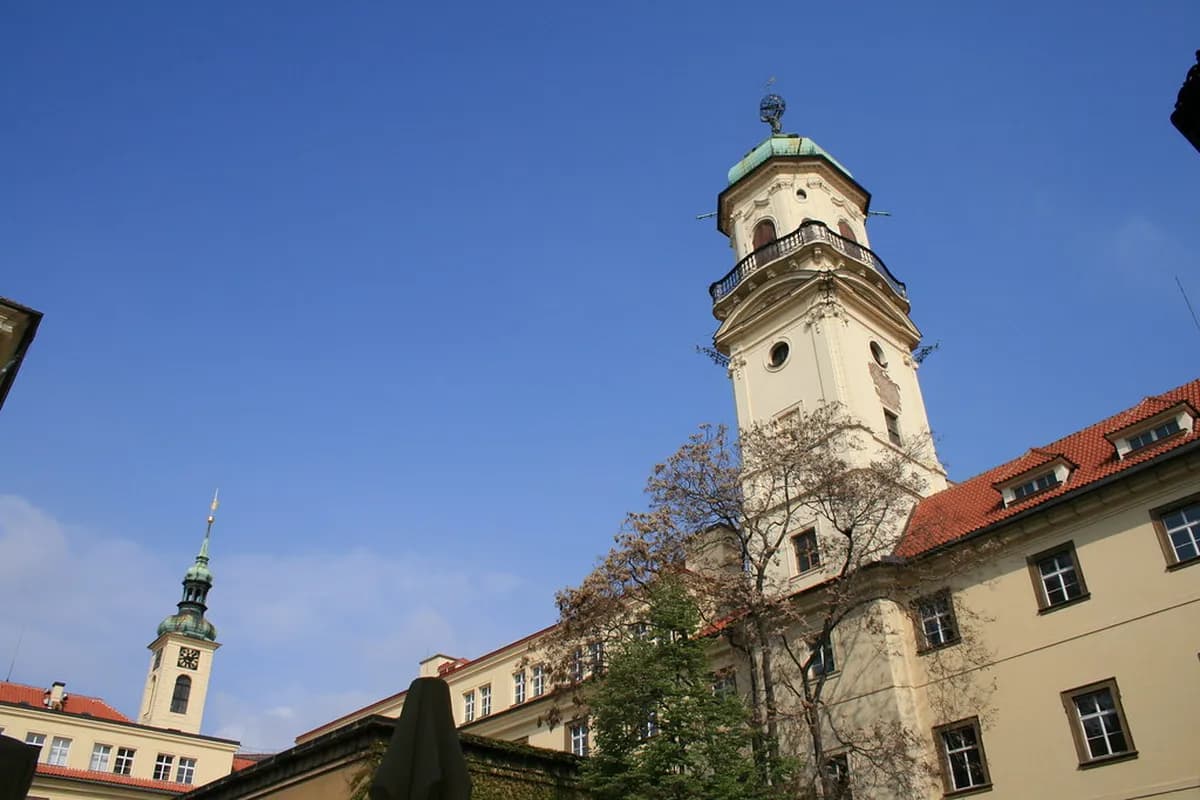
The Klementinum in the Old Town is a reasonable afternoon addition after descending from the castle — it covers Baroque library architecture and astronomical history in a compact format. Check the weather before committing to the terrace: clear days in Prague produce exceptional views from the palace café, while overcast conditions make the indoor galleries the better focus. The palace stays open year-round with no seasonal closures noted for 2026.
First-time visitors sometimes assume the Prague Castle ticket covers everything on the grounds. It does not cover Lobkowicz Palace. Buy your ticket at the palace entrance or online via the official site. Avoid peak summer weekends if your schedule allows — the castle complex becomes very crowded and the experience inside the palace is noticeably better with fewer people in the galleries.
Frequently Asked Questions
How long does a visit to Lobkowicz Palace usually take?
Most visitors spend about 2 to 3 hours exploring the museum and galleries. This time includes listening to the comprehensive audio guide and enjoying the views from the terrace. If you plan to attend the midday concert, add an extra hour to your total itinerary.
Is the Lobkowicz Palace included in the Prague Castle ticket?
No, the palace is a privately owned museum and requires a separate entrance ticket. You can buy tickets specifically for the palace at its entrance or online. For more tips on visiting the area, check our guide to Prague attractions.
What is the best time of day to visit the palace?
Arriving when the palace opens at 10:00 AM is ideal to beat the afternoon crowds. This timing also allows you to finish the museum tour just before the daily concert at 1:00 PM. Weekdays are generally quieter than weekends for a more relaxed experience.
Is the audio guide available in multiple languages?
Yes, the palace provides audio guides in several major languages including English, French, and German. The guide is included in the price of your museum ticket for all visitors. It features narration by members of the Lobkowicz family for a personal touch.
Are there other unique historical sites nearby?
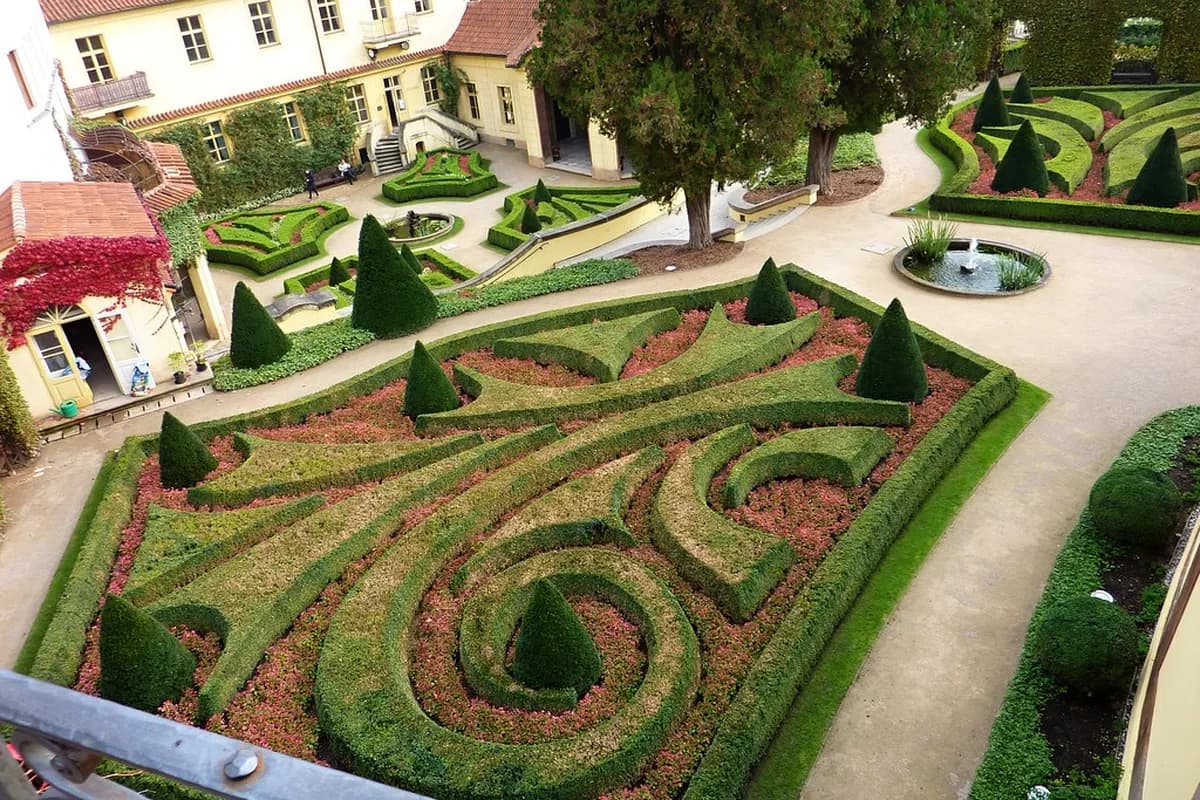
Yes, you can visit the Vrtba Garden for more stunning views and Baroque architecture. It is located a short walk from the castle district. Both sites offer a unique look at the city's rich aristocratic history.
Other Family Collections That Came Back
The Lobkowicz collection was confiscated twice in one century and returned after 1989, which is why the Beethoven manuscripts and Canalettos hang with unusual defensiveness. Rome's Palazzo Colonna never lost its pictures and still opens the Great Hall a few hours a week. Milan's Museo Bagatti Valsecchi passed intact from the brothers who assembled it to the city.
Lobkowicz Palace offers a rare and personal look at the history of the Czech Republic. The combination of world-class art, musical manuscripts, and a moving family story of dispossession and restitution makes it one of Prague's most rewarding museum visits in 2026. The audio guide narrated by William Lobkowicz turns the collection from objects into a living account of one family's survival through the worst of the 20th century.
Book concert tickets in advance if you want to hear music in the Baroque Concert Hall. Check lobkowicz.cz for the current programme, including the Summer Festivities of Early Music — Phantasy in late July 2026. The views from the terrace café will likely be a highlight of your entire Prague Castle visit. Every corner of the palace holds a new discovery for those who look closely.
For authoritative information, refer to the Lobkowicz Palace on Wikipedia.
Continue exploring
More guides you'll find useful