Speculum Alchemiae Visitor Guide Travel Guide
Plan speculum alchemiae visitor guide with top picks, neighborhood context, timing tips, and practical booking advice for a smoother trip.
On this page
Speculum Alchemiae Visitor Guide
Prague hides many secrets beneath its cobblestone streets and ancient facades. One of the most fascinating is the hidden world of Renaissance alchemy buried beneath a building in the Old Town. This speculum alchemiae visitor guide helps you explore a secret underground laboratory that was lost to time for centuries. Visitors can step back into the era of Emperor Rudolf II and experience the mystical science that consumed his court.
The museum sits inside one of the oldest surviving structures in the historic Jewish Quarter. It offers a rare look at workshops where alchemists once sought the philosopher's stone and the elixir of youth. The only way in is by guided tour, which runs every 30 minutes daily from 10:00 to 18:00. Planning your trip to Prague should always include this compact but genuinely unusual historical gem.
Speculum Alchemiae
The name Speculum Alchemiae translates to the Mirror of Alchemy in Latin. It also refers to an alchemical manual that first appeared in print in 1541, giving the museum its name and its intellectual anchor. This site served as a secret laboratory for alchemists working under the patronage of the most powerful ruler in Central Europe. Emperor Rudolf II was a fervent supporter of these mysterious and proto-scientific arts, and Rudolph made Prague his capital and a leading centre of art and experimental inquiry.
The building is officially known as U Rabbiho Loewa — the House of Rabbi Loew — after the legendary Jewish scholar associated with it. It is one of the very few structures in Josefov that survived both the great fire of 1689 and the controversial clearance of the Jewish ghetto in the early 20th century. Historians connect this underground space to prominent figures like Edward Kelley and John Dee, who were tasked by the royal court with finding the philosopher's stone. Whether the direct connection to Rudolf II can be fully verified, the space itself dates to the right period and tells a credible story of Renaissance-era alchemy.
Visiting this site in 2026 allows you to see ongoing preservation efforts in action. Archaeologists have continued to study artifacts pulled from the soot-covered walls since the original excavation. The museum explains the complex intellectual history of the Rudolfine era without dumbing it down. It remains one of the most atmospherically authentic historical experiences available anywhere in the city today.
A Forgotten Alchemist's Workshop
For hundreds of years, no one knew these laboratories existed beneath the house. The secret was only revealed during the cleanup following a major natural disaster. In August 2002, extreme flooding struck Prague's low-lying Old Town, damaging buildings along the Vltava and saturating foundations across Josefov. When the water receded, a section of pavement collapsed, opening a hole that exposed sealed underground chambers for the first time in centuries.
Workers found not one room but a complex of three distinct laboratories used for different alchemical processes. The chambers were packed with mud, which had to be cleared away meticulously before a picture of the work done here could emerge. One room was dedicated to production processes involving metals; another focused on distilling elixirs and herbal preparations; a third was used for drying herbs and preparing chemical bases. The discovery changed how historians viewed the city's alchemical heritage and demonstrated that these workshops were far more sophisticated than previously assumed.
Not many original artefacts survived the centuries of burial, but the guide will point out one original sealed bottle whose contents remain unidentified. The original kilns, the exhaust system for smoke, and the layout of the benches are all visible. The atmosphere in the workshop is dense with the weight of forgotten science, and the cold stone walls amplify it. It is rare to stand in a space this old that feels genuinely unfinished — as if its occupants simply walked away.
Visiting Speculum Alchemiae
Visits are only possible by guided tour — there is no self-guided access to the underground space. Tours depart every 30 minutes throughout the day, running from 10:00 to 18:00 daily with no closure days listed for 2026. Each tour lasts approximately 30 minutes, making this one of the most time-efficient unusual attractions in the Old Town. Having paid for your ticket at the entrance desk, you wait briefly in the ground-floor shop before the guide takes you through an antechamber where the historical context is set.
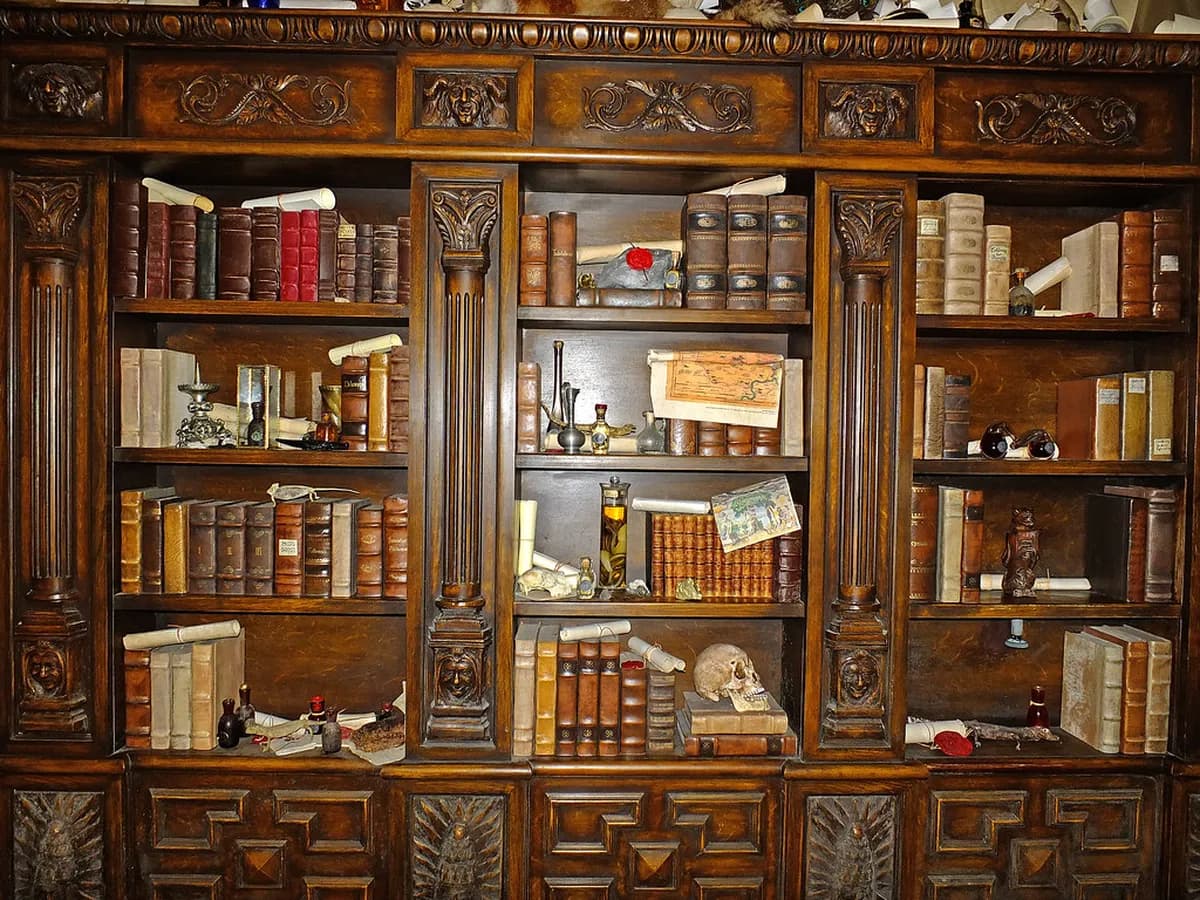
From the antechamber the tour descends through a secret door in a bookcase — a detail that is theatrical but also genuinely how the passage was concealed. Below ground, you move between the three rooms in sequence, learning about each phase of alchemical practice as you go. The guide explains what each tool was used for and how the elixirs were prepared, covering both the actual chemistry and the more legendary objectives. English tours are available without pre-booking on most days, but Czech-language tours are recommended to be booked in advance through the museum directly.
The whole experience takes about one hour including the shop visit and any waiting time at the entrance. Tours can fill up during the mid-morning peak in summer, particularly on weekends. Arriving before 10:30 or after 15:00 on weekdays typically means a shorter wait and smaller groups underground.
Good to Know Before You Go
The museum is cash-only — no card payments are accepted at the door. Bring Czech koruna (CZK) rather than euros; the museum lists CZK as the primary currency even though euros are technically accepted at some Prague attractions. Adult admission is CZK 200. Students aged 15–26 and seniors aged 65 and over pay CZK 150. Children aged 7–14 pay CZK 70, and a family ticket covering two adults and two children costs CZK 500. Children under seven enter free. These prices have been stable and are verified against the Prague City Tourism listing for 2026.
Bring cash in Czech koruna before arriving—the museum accepts no card payments and CZK is the primary currency listed.
| Visitor Type | Price (CZK) |
|---|---|
| Adults | 200 |
| Students (15–26) | 150 |
| Seniors (65+) | 150 |
| Children (7–14) | 70 |
| Children under 7 | Free |
| Family (2 adults + 2 children) | 500 |
Wear comfortable, flat shoes. The stairs leading underground are steep and stone, and the floors in the laboratory rooms are uneven and sometimes damp. The temperature below ground is noticeably cooler than street level even in summer, so a light layer is worth having. Photography is generally permitted in the above-ground areas; check with your guide before photographing the underground rooms.
The underground laboratory is cool and humid with steep stone stairs and uneven floors, so wear flat shoes and bring a light layer despite warm summer weather above ground.
The museum is located at Haštalská 1, 110 00, Staré Město — a short walk from náměstí Republiky metro station (Line B) or about eight minutes on foot from the Old Town Square. There is no dedicated parking nearby; public transit or walking from the Old Town are the most practical options. The entrance is on a quiet side street and easy to miss — look for the small sign rather than a prominent facade.
Must-See Speculum Attractions
The underground laboratory complex is the core draw and cannot be replicated anywhere else in Central Europe. The three rooms cover different stages of alchemical work: distillation, metal processing, and herb preparation. Each is equipped with period tools, and the guide connects what you see to the broader intellectual project of the Rudolfine court. The sealed mystery bottle, pointed out by every guide, consistently generates the most questions on tour.
The antechamber presentation is more theatrical than strictly historical, and some visitors find the staging slightly over-dramatised. However, the bones of the story — a 16th-century underground lab sealed for centuries and uncovered by a flood — are genuine. Look for the original exhaust channel built into the ceiling, which allowed smoke from the kilns to escape without revealing the workshop's location above ground. That functional detail is one of the clearest signs that the space served a real operational purpose rather than a ceremonial one.
The tunnel system reportedly connected this building to Prague Castle, the Town Hall, and the Barracks, allowing alchemists to move discreetly through the city. The accessible section shown on tour is short but gives a sense of scale. Combined with the three laboratory rooms, the tour covers enough ground to make the 30-minute runtime feel well-paced rather than rushed.
Museums, Art, and Culture Nearby
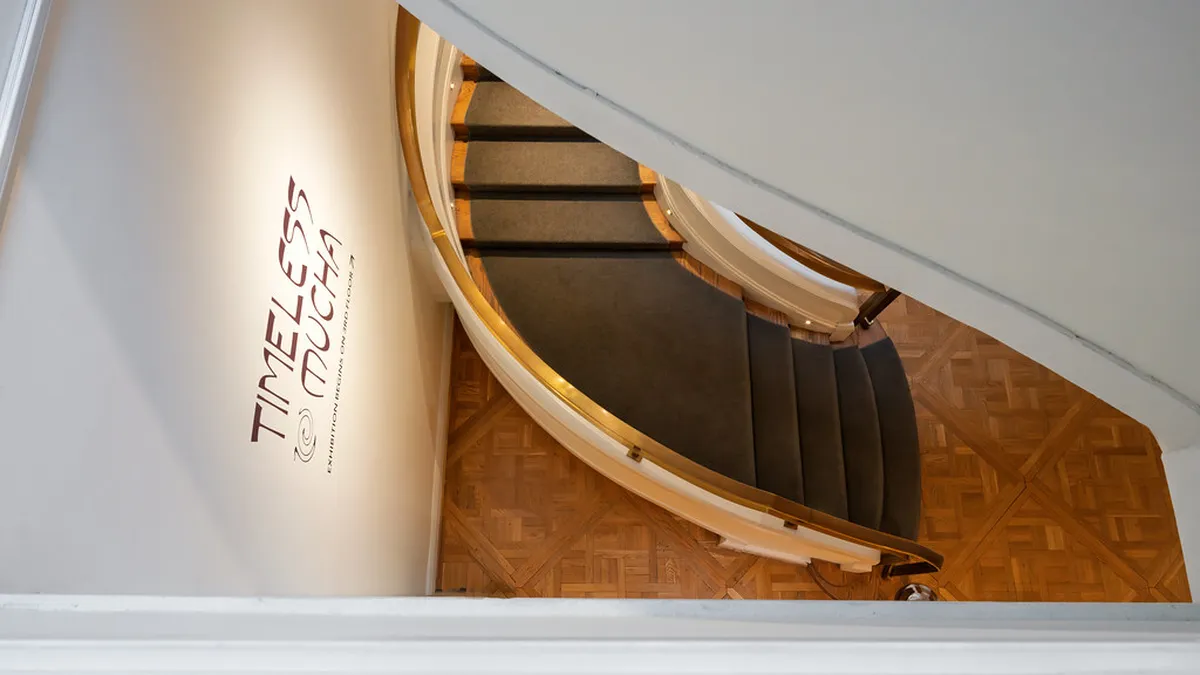
Alchemy was once the intersection of art, philosophy, and proto-chemistry in the Renaissance world. Prague became a European hub for thinkers, artists, and natural philosophers during the 16th century, and the traces of that era are still visible across the Old Town. The Mucha Museum is a short walk away and showcases later artistic styles that still echo the decorative mysticism of the Rudolfine period. It pairs well with Speculum Alchemiae as a second stop on the same morning.
The building itself is a masterpiece of survival rather than grand architecture. It endured the 1689 fire, the early 20th-century demolition of most of Josefov, and the 2002 floods. Inside, wooden ceilings and preserved murals reflect the scale of the former occupants' ambitions. The museum bridges the gap between medieval superstition and what would eventually become modern chemistry and pharmacology.
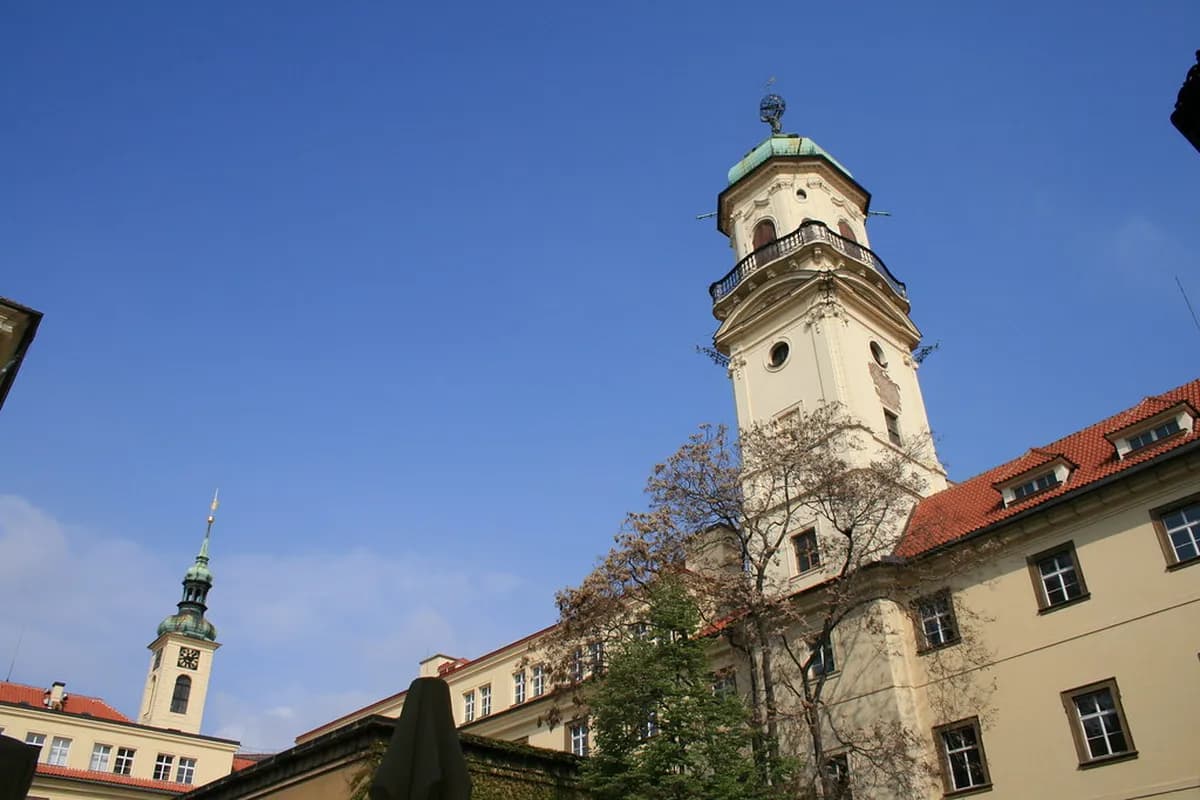
The Klementinum is a 15-minute walk and offers a complementary perspective on Prague's history of systematic knowledge-gathering. Its baroque library and astronomical tower show how the city's intellectual culture evolved from alchemy into astronomy and theology. Combining both visits in a single half-day gives you a full arc of how Prague valued the exploration of the unknown across three centuries.
Families and Budget Visitors
Families will find the storytelling format well-suited to older children — roughly aged ten and up. The guide frames the tour around the quest for gold and the elixir of youth, which lands well with kids who have any interest in fantasy or history. The physical setting reinforces the narrative: going down through a bookcase door, walking through low corridors, and entering rooms full of strange equipment makes it feel more like an adventure than a museum visit.
The family ticket at CZK 500 for two adults and two children represents good value against the individual prices. The underground rooms are small, which means large groups are broken up — your tour will rarely have more than 10–15 people, giving children space to look and ask questions. The gift shop sells small elixir bottles at accessible price points, and a CZK 200 bottle of the museum's herbal liqueur is an unusual souvenir that most kids can participate in choosing.
Budget travelers should note that the museum shop alone is worth a few minutes even if you are not buying. The handmade labels and the range of preparations on offer reflect the actual recipes described on the tour. Pairing this visit with the free historical markers and architecture of the surrounding Josefov streets costs nothing extra and doubles the amount of Rudolfine-era context you absorb.
Should I Visit?
Speculum Alchemiae is not a conventional museum with large collections and extensive galleries. There are relatively few original artefacts — most of what you see is reconstructed or staged. The value of the visit is the space itself: a genuinely old underground workshop with a plausible operational history, presented through a well-practised guided narrative. If you come expecting a research-grade historical institution, you may leave underwhelmed. If you come expecting an atmospheric 30-minute journey into a hidden piece of Prague's past, you will very likely leave satisfied.
It is a particularly good fit for history enthusiasts, curious generalists, and anyone who has been to the major Prague attractions and wants something off the standard circuit. Families with older children tend to respond well. Solo travelers and couples who enjoy unusual or Atlas Obscura-style discoveries consistently rate it highly. For travelers with only one full day in the city, it is easy to fold into a Josefov or Old Town morning without losing significant time elsewhere.
The one genuine caveat is transparency: the direct connection to Rudolf II and specific figures like Edward Kelley relies on the museum's own account and is not independently verified in published academic sources. Most visitors choose to take the story on its own terms and find the experience worth the CZK 200 admission. The tour's honest answer to its own question — is this real history or compelling myth? — is probably: some of both.
Nearby and in or around Prague
If you love the mystical side of history, the Strahov Monastery Library is a worthwhile half-day addition. It contains thousands of ancient books and rare texts on hermetic philosophy, housed in two of the most beautiful baroque halls in Central Europe. The library is located near the Castle, a 30-minute walk or easy tram ride from Josefov. Taken together with Speculum Alchemiae, the two sites trace how Prague's intellectual culture ranged from underground experimentation to grand institutional scholarship.
The Kampa Museum offers a very different kind of experience on the riverbank in Malá Strana. It focuses on 20th-century Central European art and shows how Czech creative culture evolved after the Rudolfine era. The park surrounding the museum is one of the quieter green spaces in central Prague and is a pleasant place to sit after a morning of dark underground corridors.
The Wallenstein Garden is across the river and fits the alchemy theme well: its grotto wall, built to resemble a stalactite cave, was deliberately designed to evoke the mysterious and the artificial. Peacocks roam the grounds, and the garden is free to enter. It is a calm contrast to the intensity of the underground visit and worth 20 minutes before or after crossing back to the Old Town.
Frequently Asked Questions
Is Speculum Alchemiae worth including on a short itinerary?
Yes, this museum is a top choice for a short trip because tours only take 30-45 minutes. It offers a unique underground experience that you cannot find anywhere else in Europe. You can easily fit it into a morning walk through the Jewish Quarter or Old Town.
How much time should you plan for a Speculum Alchemiae visit?
Most visitors should plan for about one hour in total for the experience. This includes the guided tour of the labs and time to browse the unique museum shop. It is a perfect mid-day activity that doesn't require a whole afternoon to enjoy properly.
What should travelers avoid when planning their visit?
Avoid arriving without checking the tour schedule, as access to the underground labs is by guided tour only. Do not wear high heels or slippery shoes, as the stairs and floors are old and uneven. Also, try to avoid the peak mid-day hours when large groups arrive.
Which Must-See Speculum Attractions options fit first-time visitors?
First-time visitors should focus on the underground laboratory tour and the secret tunnel walk. These are the most iconic parts of the museum and provide the best historical context. Make sure to visit the Klementinum nearby for a complete scientific history tour.
Other Alchemical and Frankly Uncanny Interiors
A laboratory found under the floor during flood repairs, complete with tunnels supposedly running to the castle — the claims outrun the evidence, but the rooms are real. Naples's Cappella Sansevero is the grander version of the same eighteenth-century mixture of science and secrecy. Venice's Libreria Acqua Alta has no occult pretensions at all and is somehow just as strange.
Speculum Alchemiae offers a rare glimpse into the mystical heart of old Prague. The combination of secret history and dramatic discovery makes it a genuinely unusual attraction that stands apart from the city's mainstream museums. Whether you are drawn by the science, the legends, or simply the thrill of going underground through a hidden door, the 30-minute guided tour delivers on its premise. Use this speculum alchemiae visitor guide to plan a visit that fits your schedule and your tolerance for theatrical history.
Prague remains a city of magic and mystery for every curious traveler. Bring cash in CZK, wear flat shoes, and aim for the first tours of the day to avoid the crowds. The secrets of the alchemists have waited centuries to be found — they will reward the visitor who comes prepared.
For official details, visit the Speculum Alchemiae official site.
Continue exploring
More guides you'll find useful