Madre Museum Visitor Guide: 10 Essential Tips and Highlights
Plan your visit to Naples' MADRE Museum with our guide to tickets, hours, and must-see contemporary art in the historic Palazzo Donnaregina.
On this page
Madre Museum Visitor Guide: 10 Essential Tips and Highlights
Naples hides a vibrant world of modern creativity behind its ancient stone walls. The Madre Museum is the city's key contemporary art stop, set inside Palazzo Donnaregina a few blocks from the cathedral and the Decumani. This madre museum visitor guide focuses on the practical choices that matter in 2026: when to go, how to arrive, what to see first, and how to avoid the common mistakes that make the building feel confusing.
Travelers often split Naples into ancient ruins, churches, and street life, but the Madre works best because it combines all three. The palace keeps the scale and texture of the historic center while the galleries introduce site-specific works, Arte Povera, Transavanguardia, and rotating contemporary exhibitions. If you are using the broader Naples attraction guide to plan your day, treat this as a focused indoor stop rather than a quick photo detour.
Essential Visitor Information: Hours, Tickets, and Location
Planning your arrival is the first step to a successful gallery visit. The Official MADRE Museum Website provides the most current schedule for 2026. Standard opening hours usually run from 10:30 AM until 7:30 PM. Keep in mind that the museum remains closed every Tuesday.
Sunday visits offer a special treat for night owls in the city. The galleries stay open late on Sundays until 11:00 PM. This extended schedule allows you to enjoy the art after a long dinner. Check the official site for any seasonal changes before you set out.
Tickets are generally affordable for most travelers visiting southern Italy. Adult entry typically costs around 8 Euros for the full experience. Reduced prices are often available for students and senior citizens. Always bring a valid ID to claim these specific discounts at the desk.
- Daily Opening Times
- Mon-Sat: 10:30 AM - 7:30 PM
- Sunday: 10:30 AM - 11:00 PM
- Closed: Every Tuesday
- Ticket Pricing
- Full: 8.00 Euro
- Reduced: 4.00 Euro
- Children: Often free under 6
| Visitor Category | Ticket Price |
|---|---|
| Adult (Full) | €8.00 |
| Students & Seniors (Reduced) | €4.00 |
| Children Under 6 | Free |
Student and reduced-price tickets cost €4 with valid ID. Bring your documentation to the desk to claim the discount.
The History of Palazzo Donnaregina: A 19th-Century Secret
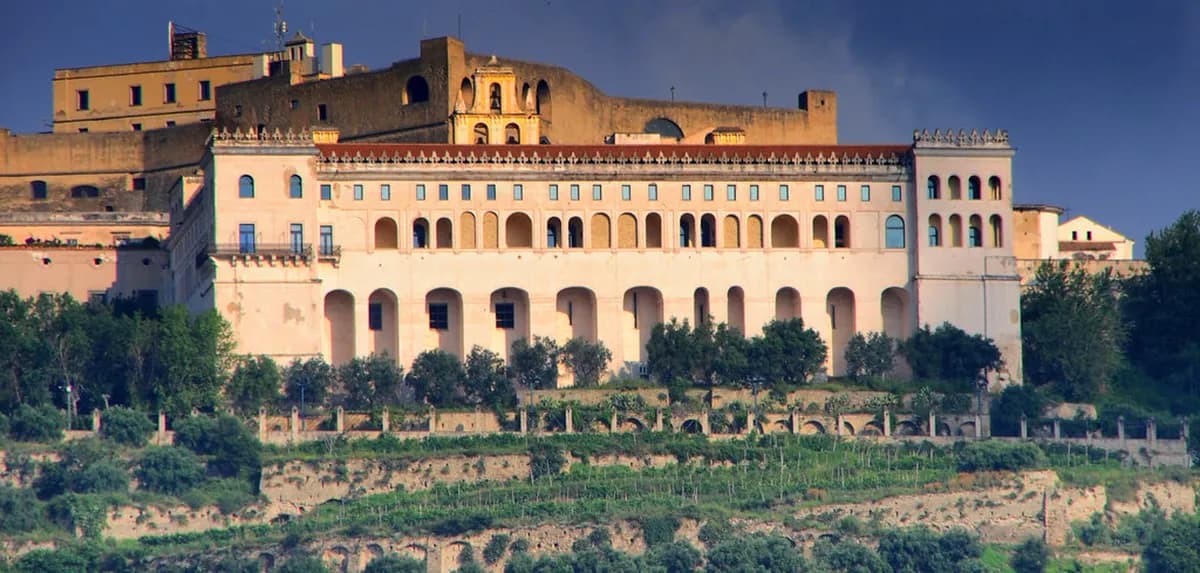
The museum building itself tells a story that spans several centuries. Palazzo Donnaregina grew out of a religious complex linked to the 13th-century monastery of Santa Maria Donnaregina, then took on the more formal character of a 19th-century palazzo. That layered history is still part of the visit: staircases, courtyards, thick walls, and unexpected room changes interrupt the clean white-cube rhythm of a modern museum.
The contemporary museum conversion in the early 2000s added glass, steel, and careful circulation without erasing the older structure. The result is useful for visitors as well as beautiful. Some rooms feel ceremonial, others feel narrow or almost domestic, so the art never sits in a neutral container. It is constantly in conversation with Naples' older architecture.
Restoration classes from the University of Federico II have studied the building's historic fabric, and that academic attention helps explain why the palace should be read as part of the collection. Look for the transitions: old masonry against polished floors, quiet galleries after loud streets, and modern installations framed by a building that still carries monastic and palatial memory.
Permanent Collection Highlights: Per_formare una collezione
The heart of the museum is its permanent collection project titled Per_formare una collezione. It began in 2013 and is best understood as a living collection rather than a fixed greatest-hits route. Displays can rotate, so check the museum map on arrival and give priority to the permanent-collection rooms before chasing temporary exhibitions.
Fans of Arte Povera and conceptual art should look for works connected with Jannis Kounellis, Sol LeWitt, and other artists who changed the language of postwar art. The wider collection has also featured names such as Andy Warhol, Jeff Koons, Lucio Fontana, and Mario Merz. The value of the visit is not just the artist list; it is the way those works sit inside a dense Neapolitan palace rather than an isolated museum campus.
The museum often frames contemporary art through Naples' relationship with archaeology, ruins, and civic memory. Detailed Pompei@Madre Exhibition Details show how ancient material culture can become a prompt for living artists. That makes the Madre especially useful if your Naples itinerary already includes underground sites, churches, or Roman remains.
Photography is allowed without flash. Early morning or late afternoon visits provide the best lighting and smaller crowds for photos at popular spots like Daniel Buren's colorful entrance.
Site-Specific Installations: Daniel Buren and Rebecca Horn
Several artists have created works specifically for the unique spaces in the palace. Daniel Buren designed the colorful entrance installation, using stripes, glass, and reflected light to turn the lobby into a threshold between the street and the museum. It is also the easiest place to understand the Madre's central idea: contemporary art is not hidden from Naples, it is layered directly onto it.
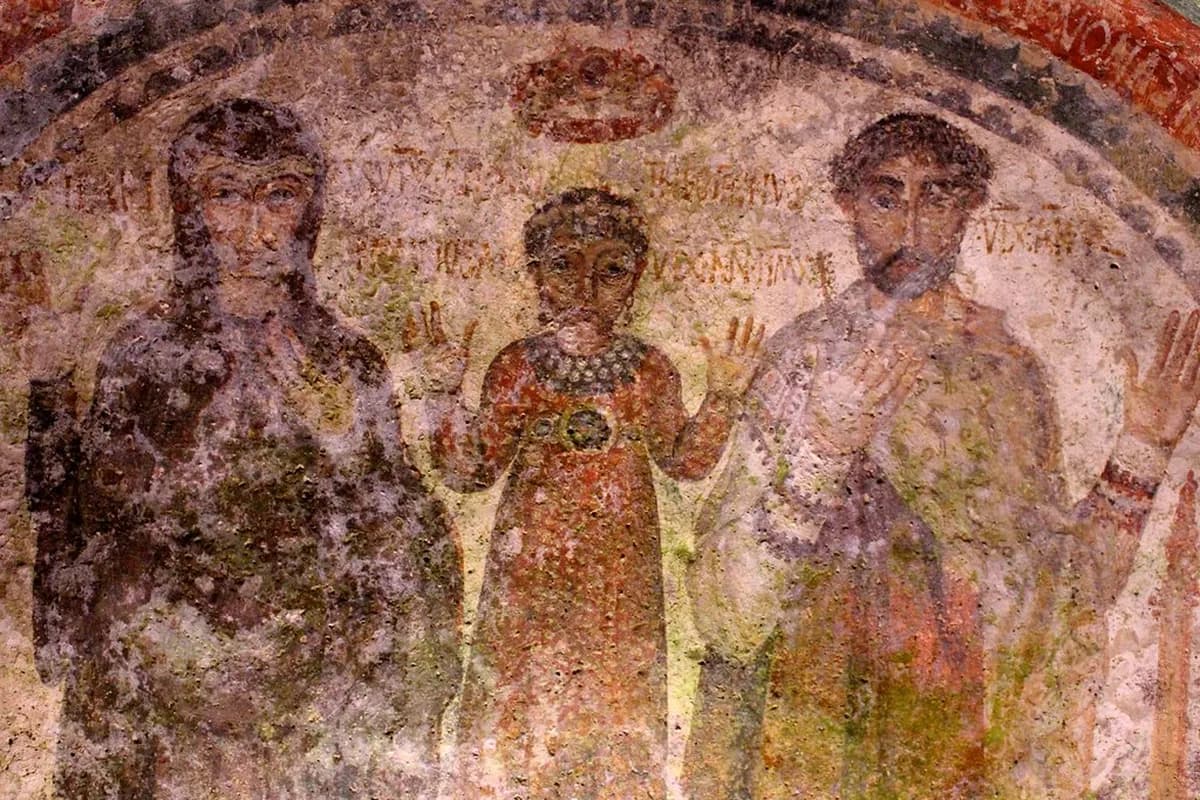
One of the most memorable works is Rebecca Horn's installation Spirits. Its rows of skull-like forms echo the city's long relationship with death, devotion, and underground ritual. If that theme interests you, pair the museum with the Catacombs of San Gennaro, where the sacred and subterranean side of Naples becomes much more explicit.
Francesco Clemente contributed Ave Ovo, a large fresco-like work filled with dreamlike imagery and local symbolism. Do not rush this room. It rewards slow looking and works well as a midpoint pause after the brighter Buren entrance and before the more demanding collection galleries.
Must-See Contemporary Art and Culture in Naples
The Madre Museum is the anchor for a wider contemporary art scene in the region. Naples has transformed many metro stations into public art spaces, and the historic center still supports small galleries, artist-run rooms, and temporary installations in old churches and palaces. Seeing the Madre first gives you a vocabulary for noticing that creative energy elsewhere in the city.
Art lovers should also visit the Pio Monte della Misericordia for a sharp old-meets-new contrast. It is best known for Caravaggio, but its setting also helps explain why Naples can place sacred history, civic charity, and contemporary programming so close together. That mix is one of the strongest reasons to add the Madre to a first-time Naples itinerary.
If you have a second museum slot, compare the Madre's contemporary focus with the Archaeological Museum area or the public art in the metro system. If you have only one cultural morning, combine the Madre with the Duomo and the Decumani rather than trying to cross the whole city.
Parks, Gardens, and Outdoor Spots Near the Museum
After exploring the indoor galleries, head to the rooftop terrace if it is open during your visit. This outdoor space gives a useful orientation point over the historic rooftops, with the cathedral area nearby and the hills beyond the center in the distance. It is also a good reset after the darker or more atmospheric rooms.
The neighborhood around the museum is part of the experience. San Lorenzo is one of the oldest and most atmospheric parts of Naples, with tight lanes, courtyards, shrines, workshops, and small squares where the street noise changes block by block. These hidden gems reward slow wandering after your gallery visit. Give yourself a little time after the museum rather than scheduling a taxi pickup immediately outside.
For a larger green space, consider Capodimonte Park later in the day. It sits uphill from the center and works better as a separate half-day than as a rushed add-on. If your priority is staying near the Madre, use the rooftop, cathedral square, and San Lorenzo streets as your outdoor breaks.
| Best Photo Spot | Why It Works | Best Time |
|---|---|---|
| Daniel Buren entrance | Color, reflection, and the clearest old-new contrast | Opening hour or late afternoon |
| Rooftop terrace | Historic rooftops and a wider sense of the neighborhood | Clear weather after the galleries |
| Palazzo circulation spaces | Stairs, thresholds, and palace details around the art | When tour groups have moved on |
Family-Friendly and Budget-Friendly Visiting Tips
Visiting a contemporary art museum with children can work well here because the scale changes from room to room. The Buren entrance, the rooftop, and the larger installations are easier for younger visitors than dense label-heavy galleries. Set a short route in advance, then let the building's dramatic spaces carry the visit.
Budget travelers should keep the verified ticket categories in mind and bring ID for reduced or free admission eligibility. Do not build your plan around rumored free-entry days unless the museum confirms them for your date. The better budget strategy is to pair the museum with nearby free walks through San Lorenzo, the cathedral area, and the Decumani.
Eating near the museum can also be very affordable if you avoid the busiest tourist corridors. Look for small pizzerias, bakeries, and simple lunch counters in the side streets. A compact museum visit followed by a low-key lunch nearby is usually smoother than trying to fit the Madre between two timed attractions.
How to Plan a Smooth Day at the Madre Museum
Navigating the museum can be tricky for English speakers because the building is historic, the route is not always intuitive, and not every artwork has the same depth of English interpretation. Download the museum page or a translation app before you arrive, then use the desk staff to confirm which floors have the permanent collection and which rooms are temporary exhibitions.
From Naples Central Station, the simplest approach is usually to take the metro or bus toward the historic center, then walk the final stretch through San Lorenzo. If you are already near the Duomo, the museum is an easy walk. Taxis can save time with luggage, but they are less useful once you are already inside the narrow historic-center streets.
Accessibility is better than the palace exterior may suggest, but visitors with mobility needs should check current lift access and temporary room closures before committing to a route. The most common mistakes are arriving too close to last admission, assuming every room will have full English labels, underestimating the dim lighting in atmospheric installations, and trying to combine the museum with too many timed bookings on the same afternoon.
Photography is generally allowed but usually without flash. The Daniel Buren entrance is one of the most popular photo spots, and early visits are best if you want clean images without people crossing the frame. Keep your camera use brief in narrow rooms so other visitors can read labels and move through the space comfortably.
Visitor Reviews and Local Perspectives (Giulia 'BLocal' Riva)
Local expert Giulia 'BLocal' Riva describes the museum as a kind of curtain between the street and a separate interior world. That image fits the visit well. One moment you are in the dense, noisy San Lorenzo neighborhood; a few steps later you are in a controlled sequence of color, silence, historic walls, and contemporary installations.
Many visitor reviews highlight that contrast. The museum can feel surprisingly calm compared with the surrounding streets, and staff are often mentioned as helpful when the layout becomes unclear. Ask practical questions at the entrance rather than trying to decode the whole route alone.
Some travelers are disappointed when they expect a conventional blockbuster museum with a simple one-way path. The better approach is to treat the Madre as a palace-based contemporary art experience. Move slowly, accept a few turns and pauses, and give yourself permission to spend more time with fewer rooms.
Nearby Attractions in the Heart of Naples
The Madre Museum is well placed for a compact day in the historic center. Naples Cathedral is only a short walk from the front doors, and its chapel of San Gennaro offers a sharp contrast to the museum's contemporary installations. This pairing works especially well if you want one sacred site and one modern cultural stop without using much transit.
A short walk further leads you toward the Sansevero Chapel. This small museum houses the famous Veiled Christ sculpture, but it requires more planning than the Madre because timed tickets can sell out. Book Sansevero first, then place the Madre before or after it depending on your entry slot.
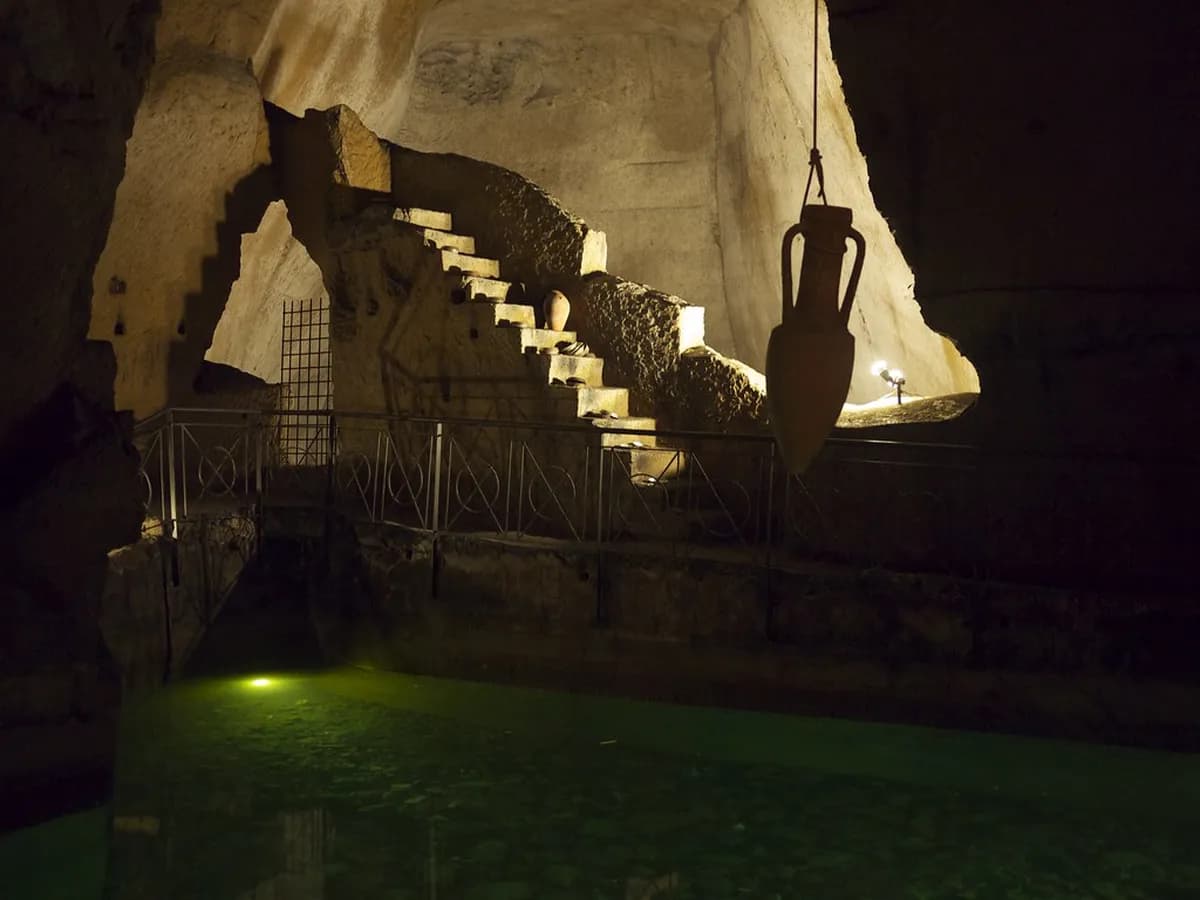
If you want to understand the foundations of the city, add Napoli Sotterranea. These underground tunnels reveal the Greek and Roman layers beneath the streets. For a death-and-devotion theme that connects directly with Rebecca Horn's Spirits, compare the museum with the Catacombs of San Gennaro on a separate route through Rione Sanita.
Frequently Asked Questions
What are the opening hours for the Madre Museum?
The Madre Museum is open from 10:30 AM to 7:30 PM daily, except for Tuesdays when it is closed. On Sundays, the museum offers extended hours until 11:00 PM. Always check the official site for 2026 holiday closures before visiting the city of Naples.
How much are tickets for Museo Madre Naples?
Standard adult tickets usually cost 8 Euros. Reduced tickets for students and seniors are available for 4 Euros with a valid ID. Some visitors may qualify for free entry during special events or on the first Sunday of the month.
Is the Madre Museum suitable for children?
Yes, the museum is very family-friendly due to its large and colorful installations. Children often enjoy the interactive site-specific works like the striped entrance by Daniel Buren. The spacious halls provide plenty of room for families to explore comfortably together.
What is the best way to get to the Madre Museum from Naples Central Station?
From Naples Central Station, take the metro or a local bus toward the historic center, then walk the final stretch through San Lorenzo. If you are already near the Cathedral, walking is usually easiest. Look for Palazzo Donnaregina on Via Settembrini and allow extra time for narrow streets and traffic.
The Madre Museum is a strong choice for visitors who want the modern side of Naples without leaving the historic center. Its blend of Palazzo Donnaregina, site-specific installations, and rotating contemporary art gives the city a different register from churches, ruins, and underground tours.
Plan it as a 90-minute to two-hour visit, arrive with the current route and exhibition floors in mind, and leave time for the rooftop or a short San Lorenzo walk afterward. Whether you care most about Arte Povera, Rebecca Horn's darker Naples references, or a quiet break between crowded sights, the museum adds a useful contemporary layer to a 2026 Naples itinerary.
To verify current details, consult the MADRE Museum on Wikipedia.
Continue exploring
More guides you'll find useful