18 Unusual Things to Do in Naples (2026)
Discover secret Naples with our guide to 18 unusual things to do, from the Doll Hospital to water biking the bay. Includes essential Italy travel tips.

On this page
18 Unusual Things to Do in Naples and Travel Tips
After my fourth visit to this chaotic and beautiful city, I finally stopped looking at the main sights. Naples reveals its true soul only when you step away from the crowded museum queues and into the shadows. This guide covers the secret corners where history, superstition, and modern life collide in unexpected ways.
Whether you want to explore underground tunnels, visit a hospital for dolls, or adopt a skull in a cave cemetery, Naples never ceases to surprise. Prepare for a journey that goes far beyond the typical pizza and ruins itinerary.
Explore the Pharmacy of the Incurables
The Farmacia degli Incurabili is one of the most arresting interiors in southern Italy. Built inside the Ospedale degli Incurabili — a working hospital that has been operating since 1522 — the 18th-century pharmacy is a riot of carved walnut shelving, over 400 hand-painted majolica jars, and ceiling frescoes where alchemy and early medicine meet. The hidden symbols in those frescoes reward anyone who looks up long enough to notice them.
Entry costs roughly €10 per person and is by guided tour only. Tours are available Tuesday through Saturday, but you must book in advance because the hospital retains clinical functions and walk-ins are not admitted. Check the official visitnaples.eu listing for the current booking link and schedule. Allow about 45 minutes and wear comfortable shoes — the tour moves through several connected historic buildings.
The Farmacia degli Incurabili is open Tuesday through Saturday and requires advance booking — walk-ins are not permitted because the hospital still operates clinically. Book as early as possible; tours fill up several days in advance.
Visit the Fontanelle Cemetery
Carved into a tuff quarry in the Materdei neighbourhood, the Cimitero delle Fontanelle holds roughly eight million skulls and bones stacked floor to ceiling along a cathedral-like central nave. The site was abandoned after a cholera epidemic, then reclaimed in the 1800s by locals who began practising the anime pezzentelle — a uniquely Neapolitan death cult in which families "adopted" a nameless skull, cleaned it, gave it a place of honour, and prayed to it for miracles in exchange for care. This is not a practice covered by other Naples travel guides: the Church formally banned it in 1969, but the altars, glass boxes, and small offerings left behind are still plainly visible throughout the cave. It tells you more about the Neapolitan relationship with death than any museum display ever could.
Entry is free, though small donations for preservation are welcome. The cemetery is open daily from around 10:00 to 17:00. Take Metro Line 1 to Materdei station and follow the signs for a ten-minute walk uphill through the neighbourhood. Visit on a weekday morning for the best experience of the silence and scale of the cave.
Tour the Ospedale delle Bambole (Doll Hospital)
On Spaccanapoli, behind a small shopfront, the Grassi family has been repairing broken dolls and toys since the 1800s. The current workshop is run by the fourth generation of the family. Clients bring in their "patients" — antique porcelain dolls, teddy bears, bisque heads — and the artisans carry out repairs in a recovery room lined with spare limbs, glass eyes, and vintage mechanisms. The intake process itself is a performance: each toy is registered, assessed, and given a case number just like a hospital patient.
Entry costs around €10. The Ospedale delle Bambole is open Monday through Saturday from 10:30 to 18:00. Watch the artisans at work through the glass partition — the delicate restoration of antique porcelain is genuinely mesmerising and unlike anything else in the city.
Descend into the Bourbon Gallery
King Ferdinand II commissioned this underground passage in 1853 as an escape route connecting the Royal Palace to the cavalry barracks in Piazza della Vittoria. During World War II, it was converted into a civilian air-raid shelter, and the objects left behind — cars, motorcycles, bicycles, furniture, wartime photographs — were never removed. Today it functions as one of the most atmospheric museums in Italy, a kind of accidental time capsule forty metres underground.
Guided tours depart from Vico del Grottone 4, near Piazza del Plebiscito, and cost between €10 and €15 depending on the route. Standard tours run on Friday, Saturday, and Sunday, with special night visits occasionally available. Bring a light jacket: the temperature drops significantly once you are in the stone corridors. Check the Bourbon Tunnel website for current schedules before visiting.
Take a Water Bike Tour of the Bay of Naples
Pedal across the waves on a specialised water bike to see the Posillipo coastline from an angle most visitors never experience. Tours typically depart from the Mergellina harbour, roughly three kilometres west of the historic centre. Book the morning slot rather than the afternoon: the midday sun is brutal on the water in summer, and the early light on the Posillipo Hill villas is far more photogenic. From the water you also get an unobstructed view of Vesuvius rising behind the city skyline.
A two-hour guided session costs approximately €30. Wear sunscreen, bring a waterproof bag for your phone, and arrive ten minutes early to get fitted. This is a calm activity suitable for most fitness levels — the bikes are stable and the guide sets a relaxed pace.
Admire the Spanish Palace (Palazzo dello Spagnolo)
Designed by Ferdinando Sanfelice in 1738, Palazzo dello Spagnolo sits in the Sanità district and is best known for its double-flight external staircase — a dramatic architectural device where two symmetrical ramps wind upward beneath a single vaulted arch, creating a perspective that looks impossible from the courtyard below. Sanfelice designed several such staircases around Naples, but this one in Sanità is the most theatrical.
The building is a private residence, but the street entrance and courtyard are usually open during the day and entry is free. Stand at the centre of the courtyard for the symmetrical photograph that most tourists who stay on the main streets entirely miss. Morning light hits the yellow-and-white facade at its best. The surrounding Sanità streets are worth an hour of wandering before or after.
Climb the Pedamentina Staircases
The Petraio and Pedamentina di San Martino are two interlocking staircase systems that connect the hilltop Vomero district to the historic centre below. The Pedamentina alone has 414 steps, and it starts at the Certosa di San Martino monastery — itself worth a visit for the panoramic terrace over the bay. The descent gives you a better experience than the climb: you keep your knees intact and the views of Vesuvius unfold gradually as you descend through a series of terraced gardens, laundry lines, and neighbourhood courtyards.
The walk is free and accessible at all hours, though sunset offers the best light for photography and the steps feel safest when they are busy. Allow about 30 to 45 minutes for a leisurely descent. Wear closed-toe shoes — the stone is worn smooth in sections and can be slippery when damp.
Discover the Art Nouveau Beauty of Liberty Naples
The Vomero hill neighbourhood contains a concentration of Liberty-style villas — the Italian variant of Art Nouveau — that most visitors never see because they take the funicular straight to Castel Sant'Elmo and come straight back down. Walk along Via Palizzi and the surrounding streets to find facades covered in floral plasterwork, wrought-iron balconies shaped like vines, and tiled entrance halls with stained glass. The contrast with the dense, crumbling baroque of the historic centre is striking.
This is a free self-guided walk. Allow about 90 minutes to cover the core Liberty streets at a comfortable pace. Finish at Piazza Vanvitelli, the social heart of Vomero, for a gelato and a seat at one of the outdoor bars. The neighbourhood is calmer and cooler than the centro storico and gives a clear picture of how upper-middle-class Neapolitans lived in the early 20th century.
Get Lost in the Libreria Colonnese Book Maze
Near Piazza San Domenico Maggiore, Libreria Colonnese is a bibliophile's rabbit hole. The shop is famous among Naples insiders for its labyrinthine layout — rooms branch off rooms, shelves lean into each other at odd angles, and alcoves hold stacks of material that could take an hour to sort through. The collection of vintage Neapolitan postcards alone is extraordinary, going back to the early 1900s and covering street scenes, festivals, and the bay before modern development.
Entry is free and the shop keeps standard business hours. Ask the staff about the Vedi Napoli e poi muori section for a concentrated dose of local history publishing. This is an excellent source of non-plastic souvenirs: rare editions, old maps, and regional guidebooks that you will not find in airport gift shops.
Walk Through the Gate of San Gennaro
Porta San Gennaro is the oldest surviving city gate in Naples, set at the entrance to the Vergini market at the top of the Rione Sanità. What makes it unusual is the fresco above the arch: a large devotional painting by Mattia Preti, commissioned by the city in gratitude after the plague of 1656 killed roughly half the population of Naples. Preti painted it on the exposed stone of the city wall as a public ex-voto, and it has remained there, weathering the centuries, ever since.
The gate is free to pass through at any hour. The morning market energy around it is the most authentic context for a visit. Look up at the painting and note the two protective saints flanking the central composition — San Gennaro on the left, the Virgin and Child in the centre. Most people walk under it without glancing up.
Join the Hunt for Naples' Best Pizza
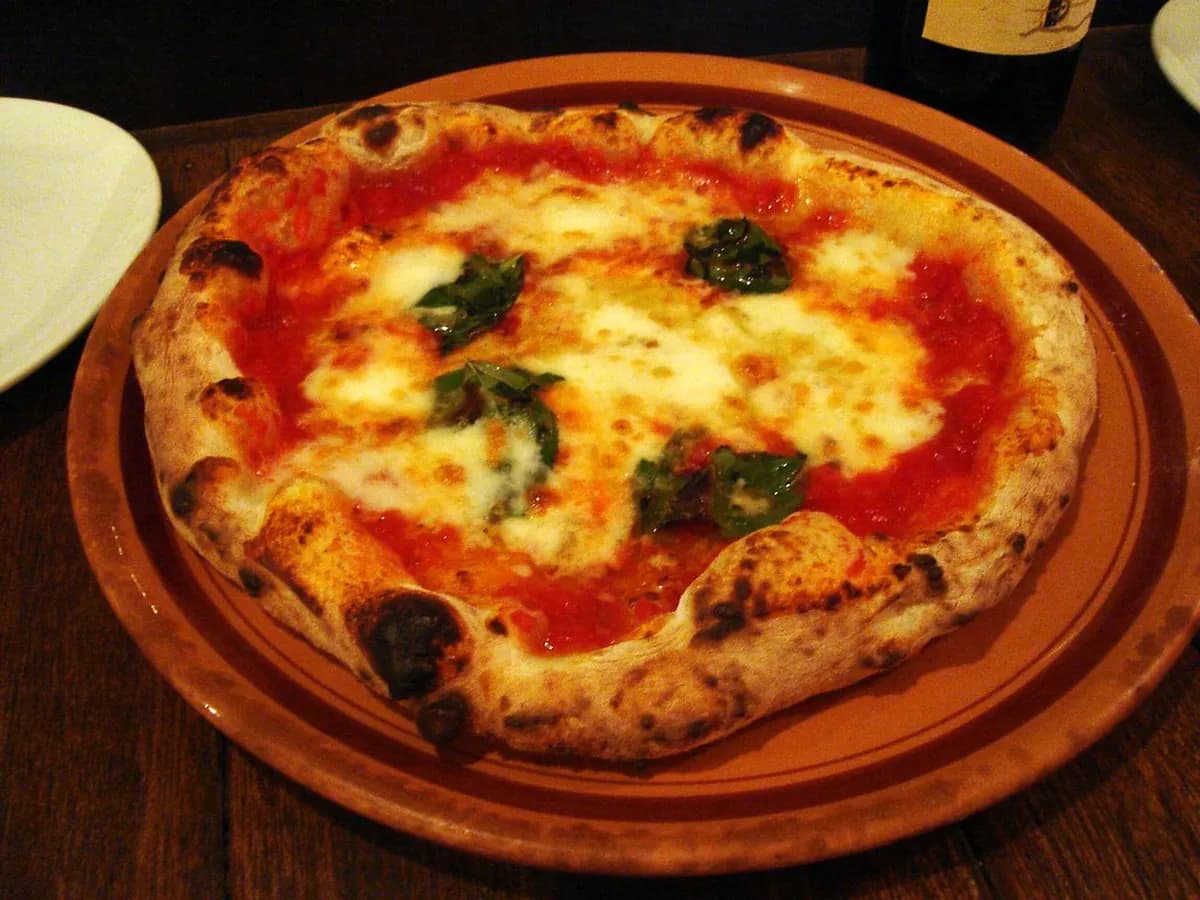
Pizza was invented here, and the Neapolitans have strong opinions about who does it best. Prices at serious pizzerias rarely exceed €6 to €8 for a margherita. The two most famous names are L'Antica Pizzeria Da Michele on Via Cesare Sersale — famously featured in Eat, Pray, Love — and Sorbillo on Via dei Tribunali. Both serve wood-fired pies with a char and chew that is genuinely different from anywhere else in the world.
For something off the main tourist circuit, Pizzeria 3.0 Ciro Cascella in the Sanità district draws almost entirely local crowds and is worth the detour. Arrive before 12:30 for lunch or before 19:30 for dinner to avoid the queue at all three spots. Do not complicate the order: margherita or marinara is the correct choice at any of them.
Taste Traditional Neapolitan Ragù at Tandem
Tourists often call it Bolognese, but the Neapolitan ragù is a different dish entirely. It is slow-cooked for a minimum of six to eight hours — sometimes longer — with whole pieces of meat (braised beef, pork ribs, Neapolitan sausage) that fall apart and meld into the tomato sauce. The Sunday ritual of making ragù is deeply embedded in Neapolitan family culture: the sauce is started early in the morning and simmers until midday dinner, filling the apartment building with smell for hours.
Tandem on Via Giovanni Paladino is the restaurant most associated with this dish. A bowl runs €12 to €18 depending on the serving size. Book ahead for dinner. If you want a lighter tasting option, order the scarpetta — just the sauce served with bread for dipping, no pasta. Tandem is open daily for lunch and dinner.
| Activity | Cost | Booking required | Duration |
|---|---|---|---|
| Farmacia degli Incurabili tour | ~€10 | Yes — advance only | ~45 min |
| Fontanelle Cemetery | Free (donation) | No | 1–2 hours |
| Ospedale delle Bambole | ~€10 | No | ~30 min |
| Galleria Borbonica (Bourbon Gallery) | €10–€15 | Recommended | 45 min–3 hours |
| Water Bike Tour (Bay of Naples) | ~€30 / 2 hours | Yes | 2 hours |
| Napoli Sotterranea (underground tour) | ~€10 adult | Recommended | ~90 min |
Take a Walk Under Naples (Napoli Sotterranea)
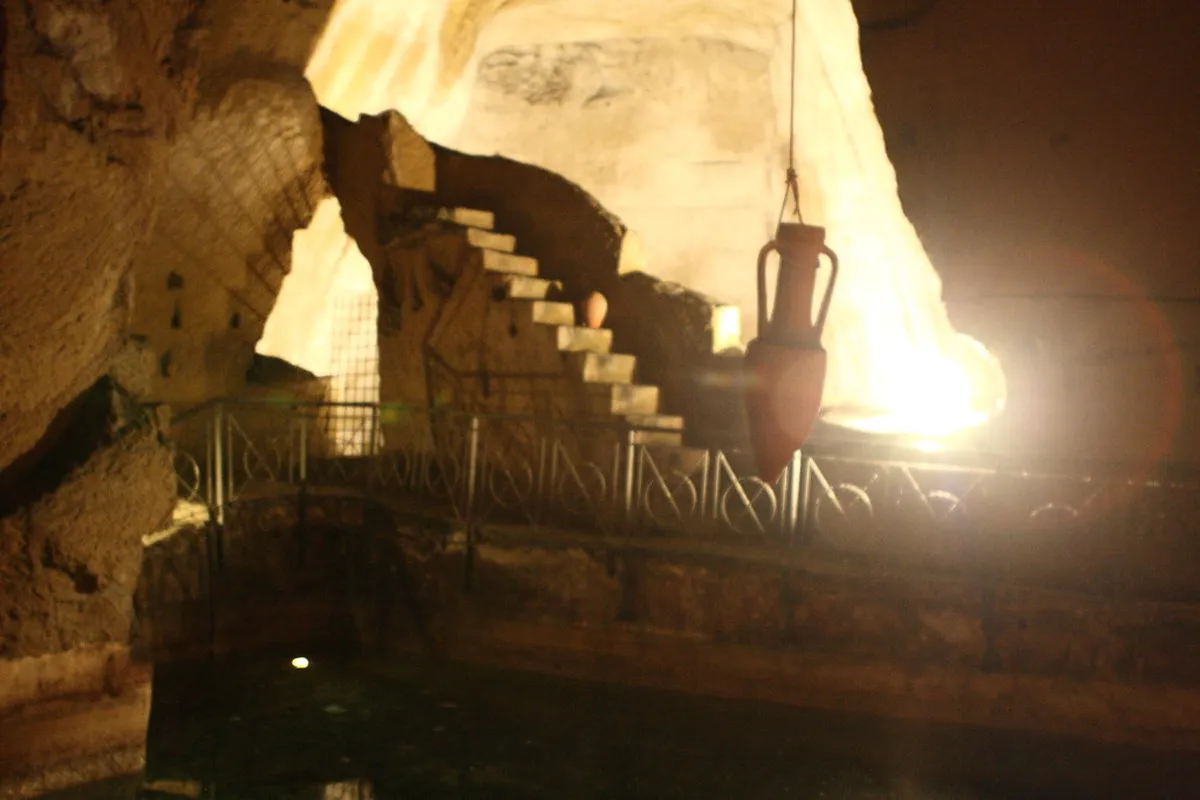
Forty metres below Piazza San Gaetano lies a network of Greek-Roman cisterns, tunnels, and the remains of a buried ancient theatre where locals hid during World War II bombing raids. The Napoli Sotterranea Underground Naples Travel Guide tours are among the most complete in the city: you walk through excavated cisterns that once supplied water to the whole ancient city, then squeeze through a candle-lit passage barely 70 centimetres wide before emerging into a WWII-era shelter still filled with period furniture and personal objects left behind.
Tours depart from Piazza San Gaetano daily from 10:00 to 18:00 and cost about €10 per adult. English-speaking guides are available every hour. If you are claustrophobic, skip the narrow tunnel segment and wait in the larger chambers — the guide will explain this option at the start. The site stays a consistent 15°C underground, so bring a layer regardless of the surface temperature.
How to Get to Naples, Italy
High-speed Frecciarossa trains from Rome Termini reach Napoli Centrale in about 65 minutes. From Milan the journey is around three hours. The train is the most comfortable and punctual option for most travellers arriving from within Italy. Book Trenitalia or Italo tickets in advance for the best prices, particularly on Friday afternoons and Sunday evenings when trains fill quickly.
Naples International Airport (NAP) at Capodichino is 6 kilometres from the historic centre. The Alibus shuttle runs every 20 minutes to Napoli Centrale and Molo Beverello harbour and costs €5. A taxi from the airport to the centro storico has a fixed tariff of €25. Ferry services from Molo Beverello connect the city to Capri, Ischia, Procida, Sorrento, Salerno, and the Aeolian Islands throughout the day.
Driving into the city is strongly discouraged. The ZTL restricted traffic zones cover most of the historic centre, and violations generate automatic fines. If you arrive by car, park in a monitored garage on the outskirts — Parcheggio Brin near Piazza Garibaldi is a reliable and affordable option — and use the metro or walk. The metro system is efficient and includes several art stations, particularly on Line 1, that are attractions in their own right.
Is Naples Safe for Offbeat Exploration?
Naples has an unfair safety reputation. The city is generally safe for attentive travellers, and the most common issue is opportunistic pickpocketing near Napoli Centrale and on crowded buses. Keep your bag in front of you on public transport, avoid wearing expensive jewellery in the historic centre, and you will have no problems. Neighbourhoods like Rione Sanità and Quartieri Spagnoli that carry a rough reputation are in fact vibrant family communities where residents are proud of the recent revitalisation.
Driving into Naples is strongly discouraged — the ZTL restricted traffic zones cover most of the historic centre and violations generate automatic fines. Park in a monitored garage on the outskirts and use the metro instead.
Stick to well-lit streets at night and follow the flow of local foot traffic. Trust your instincts: if a particular alley feels too quiet, step back to the main street. Neapolitan hospitality is genuine and effusive. Learning a few basic Italian phrases — buongiorno, grazie, scusi — builds immediate goodwill with shopkeepers and residents. The city's intensity is overwhelming at first, but that energy is precisely what makes it worth every visit.
Unusual Things to Do in Naples, Florida
For those searching for the Florida destination, there are plenty of unique activities away from the beach. The Naples Botanical Gardens features 170 acres of tropical plants across Brazilian, Caribbean, and children's themed sections. Adult admission is around $25 and the gardens are open daily from 09:00 to 17:00. It is a calm alternative to the Fifth Avenue South shopping crowds.
History buffs should visit The Naples Depot on 5th Avenue South, a restored 1927 passenger station now housing exhibits on rail history, vintage automobiles, and Collier County heritage. Entry is typically free. Car enthusiasts will find the nearby Revs Institute even more compelling — over 100 rare and vintage automobiles in fully operational condition, displayed without barriers, just six kilometres from downtown.
Nature lovers should book a visit to Corkscrew Swamp Sanctuary, about 45 kilometres northeast of Naples, for a boardwalk walk through the largest old-growth bald cypress forest in North America. The Collier-Seminole State Park offers kayaking through mangrove waterways for something more active. Both require tickets booked in advance, particularly in high season from November through April.
Best eSIM for Italy: Holafly
Navigating Naples' narrow alleys requires a reliable data connection. Physical SIM cards are a hassle to source and install in a foreign country. Using Holafly's Europe eSIM allows you to activate data coverage digitally before you leave home, with no physical card swap required. The eSIM connects automatically to the strongest available local network, which matters in Naples because signal quality varies significantly between the centro storico and the hilltop Vomero district.
Use the discount code HOLAKATE to save 5% on your purchase. Unlimited data is genuinely useful in Naples — you will be checking ferry schedules, booking timed-entry tickets on the go, and navigating streets that Google Maps occasionally misreads. The eSIM lets you keep your original number active for WhatsApp while using local data, which is more secure than relying on cafe Wi-Fi. Make sure your handset is carrier-unlocked before installing.
More Italy Travel Inspiration
Naples pairs naturally with several other Italian destinations. Pompeii is 35 minutes by Circumvesuviana train from Napoli Centrale and remains one of the most visceral archaeological sites in Europe. Herculaneum (Ercolano) is closer at 15 minutes and often less crowded, with rooms and mosaics better preserved than those at Pompeii. Both make easy half-day trips from the city.
The hidden gems of Naples extend well beyond this list. The Cappella Sansevero and the Veiled Christ are essential stops that most offbeat travellers add to their itinerary alongside the underground sites. If you have three days, the hidden Naples 3-day itinerary organises the best lesser-known sights by neighbourhood to minimise backtracking. Beyond the city, Procida — the smallest and least developed of the Bay of Naples islands — is a 35-minute hydrofoil from Molo Beverello and offers a coastal atmosphere entirely different from the tourist infrastructure of Capri.
Frequently Asked Questions
What is the most unusual museum in Naples?
The Ospedale delle Bambole, or Doll Hospital, is widely considered the most unusual museum. It features a working restoration shop for antique toys and is located in the heart of the historic center. Visitors can see the 'recovery room' filled with porcelain limbs and vintage dolls.
Are the Naples underground tours worth it?
Yes, the underground tours like Napoli Sotterranea and the Bourbon Gallery offer a fascinating look at the city's hidden layers. They provide essential context for how the city evolved over thousands of years. These tours are also a great way to escape the summer heat.
How do I get to the Fontanelle Cemetery?
Take the Metro Line 1 to the Materdei station and follow the signs for a ten-minute walk through the neighborhood. The walk itself is a great way to see a non-touristy side of Naples. It is best to visit during daylight hours for the best experience.
Naples rewards those who look beneath the surface. From the silent skulls of Fontanelle to the slow-simmered ragù at Tandem, every corner of this city tells a story that most visitors never hear. Pack your walking shoes, book the Pharmacy of the Incurables in advance, and leave room in the itinerary for the unexpected.
Continue exploring
More guides you'll find useful