Napoli Sotterranea Underground Naples Travel Guide
Plan napoli sotterranea underground naples with top picks, neighborhood context, timing tips, and practical booking advice for a smoother trip.
On this page
Napoli Sotterranea Underground Naples
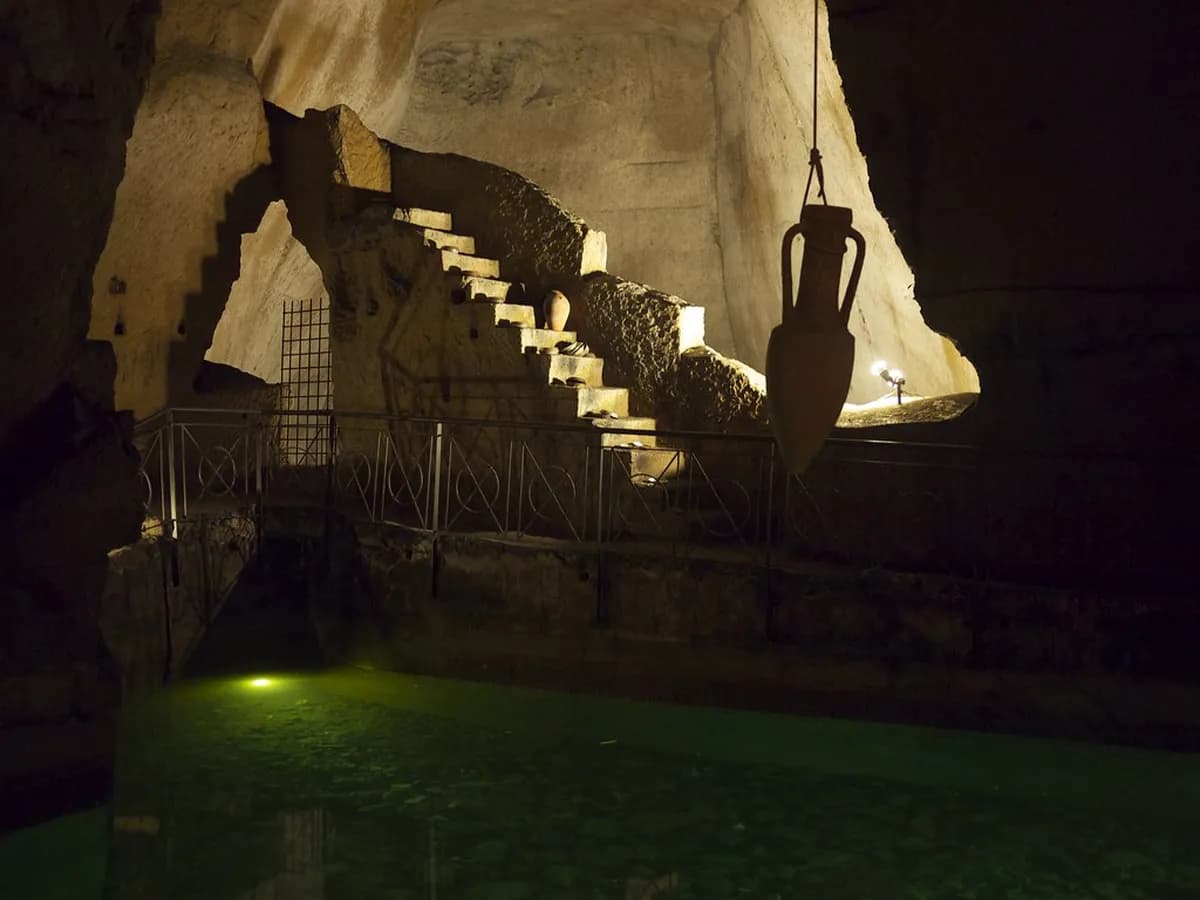
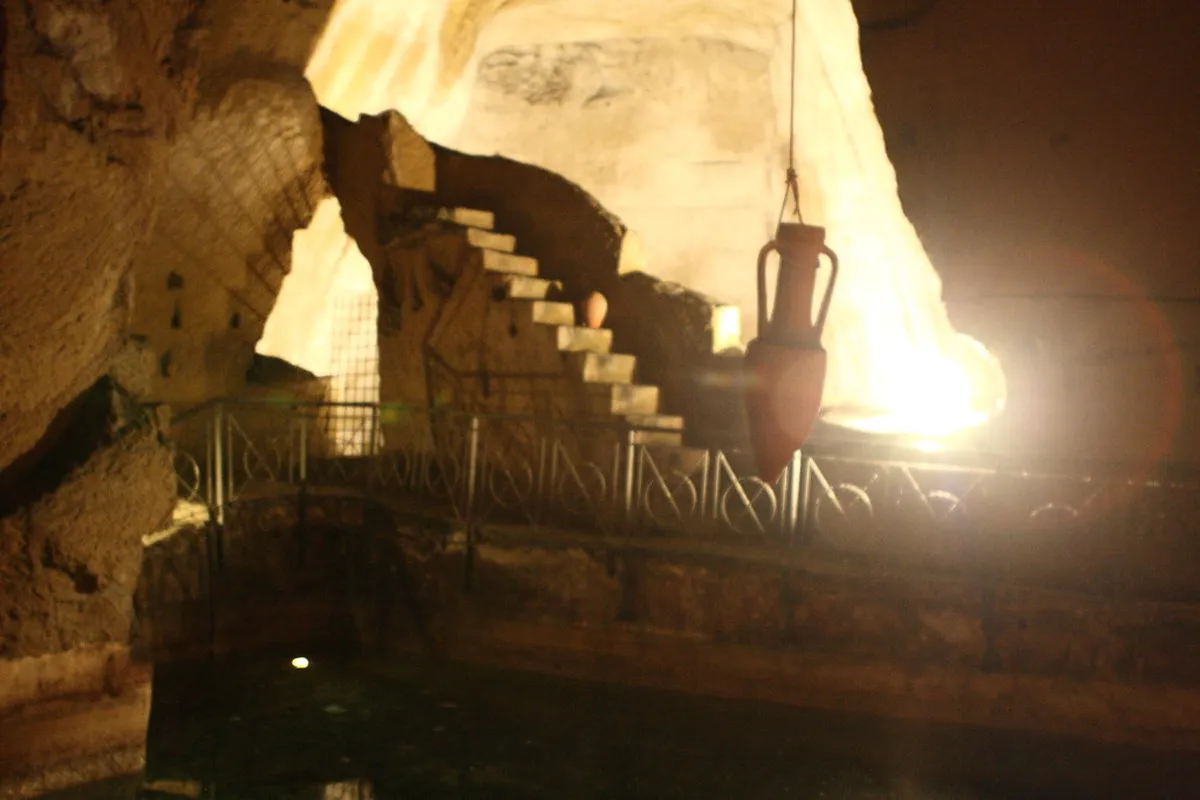
Beneath the noisy streets of Naples lies a second city carved from yellow volcanic tuff. This underground labyrinth stretches for kilometres and holds two millennia of overlapping history — Greek quarries, Roman aqueducts, medieval cisterns, and World War II air-raid shelters. Napoli Sotterranea is not a reconstruction; it is the genuine article, still damp and still dark, and it rewards the curious traveller far more than any above-ground museum.
The underground tour scene in Naples has expanded considerably in recent years. In 2026 you have at least five distinct sites to choose from, each with a different character, price point, and physical demand. This guide covers the major options, explains what separates them, and gives you the practical details — entrance locations, temperatures, booking channels, and the one local legend that no other travel guide seems to mention.
Best Ways to See Subterranean Naples
The phrase "Napoli Sotterranea" simply means "underground Naples," which explains why two competing tour operators share almost the same name. The more established of the two starts from Piazza San Gaetano in the historic centre, next to the Basilica di San Paolo Maggiore. This tour runs on fixed departures — roughly every hour from 10:00 to 18:00 — and takes you through the Greek-Roman aqueduct and the WWII bomb shelters before surfacing near the buried Teatro di Nerone. Adult tickets cost around €15; reduced tickets around €10. You can book directly on the official website or pay at the entrance, though summer queues justify booking ahead.
All underground sites maintain a year-round temperature of around 15–17°C regardless of surface weather. Bring a light jacket even in summer — the coolness surprises visitors who dress for a hot Naples day above ground.
The second tour, run by La Napoli Sotterranea, begins under the Quartieri Spagnoli from the Gambrinus coffee shop near Piazza del Plebiscito. It focuses more heavily on ancient Greek aqueducts dating to roughly 400 BCE and includes well-preserved wartime graffiti. The atmosphere is slightly more intimate and the groups tend to be smaller. This underground tour can be booked online with free cancellation up to 24 hours before your slot.
Both tours keep a year-round temperature of around 15–17°C, so a light jacket is essential regardless of what the weather is doing above ground. Neither tour suits visitors with severe claustrophobia — the narrowest corridors require turning sideways. Children from around age six generally manage the experience without difficulty, and family discounts are available at both entry points.
Five Underground Sites Compared
Beyond the two Napoli Sotterranea tours, several other sites give access to the city below. Each one occupies a different chapter of the city's history.
The Galleria Borbonica (Bourbon Tunnel) was dug in the 1850s as a royal escape route for King Ferdinand II and sits near Piazza del Plebiscito. It later served as a WWII shelter and then as a police vehicle depot — abandoned vintage cars and motorbikes from the 1950s and 1970s are still parked inside, which makes it unlike any other underground space in Italy. Four tour formats run here, from a standard 45-minute walk to a three-hour spelunking adventure. The standard tour is the most accessible and the only one that accommodates visitors with reduced mobility.
The San Lorenzo Maggiore excavations (Scavi di Neapolis) on Via Tribunali sit directly below the medieval church and reveal the Roman macellum — the ancient covered market — along with Greek-era streets and the city's original agora. Entry costs around €9 and you can explore much of it independently with an audio guide. It is the most archaeology-focused option and suits visitors who want to move at their own pace without a group tour.
For a more spiritual experience, the Catacombs of San Gennaro in the Rione Sanità neighbourhood trace their origins to the 2nd century CE and contain some of the earliest Christian frescoes in Southern Europe. (For more details, see the external resource.) The site is fully accessible for visitors with reduced mobility. Because it sits outside the historic centre, the operators recommend taking a bus from the National Museum. The catacombs of San Gaudioso lie directly underneath the Basilica di Santa Maria della Sanità in the same neighbourhood and include morbid — but genuinely fascinating — accounts of 17th-century burial practices explained by knowledgeable local guides.
Finally, the Fontanelle Cemetery in the Materdei district is a vast ossuary carved into a tuff hillside. It holds the anonymous bones of plague and cholera victims from the 16th through 19th centuries. Admission is free, hours are limited (check before visiting), and the atmosphere is unlike anything else on this list. It is raw, unpolished, and entirely authentic.
| Site | Entry price | Tour format | Best for | Accessibility |
|---|---|---|---|---|
| Napoli Sotterranea (San Gaetano) | €15 adult / €10 reduced | Guided, hourly | Greek–Roman aqueduct + WWII shelters | Limited — narrow passages |
| La Napoli Sotterranea (Quartieri Spagnoli) | Similar to above | Guided, smaller groups | Ancient Greek aqueducts, wartime graffiti | Limited |
| Galleria Borbonica | €10–€15 | Guided, 4 formats | Vintage cars, royal escape tunnel | Good (standard tour) |
| San Lorenzo Maggiore excavations | ~€9 | Self-guided / audio | Roman macellum, ancient agora | Partial — check site |
| Catacombs of San Gennaro | Paid | Guided | Early Christian frescoes, 2nd century CE | Fully accessible |
| Fontanelle Cemetery | Free | Self-guided | 19th-century ossuary, skull cult | Moderate |
Let's Go Back 2,400 Years
The story of underground Naples begins in the 4th century BCE when Greek colonists founded Neapolis and needed building material for their new city. The yellow tuff rock beneath their feet was soft enough to quarry by hand yet hardened when exposed to air — ideal for walls, temples, and harbour fortifications. The extraction process left behind enormous caverns up to 35 metres below street level.
When the Romans arrived, they connected those caverns into a continuous aqueduct system fed by the Serino springs roughly 70 kilometres to the east. This network supplied water to a city that at its Roman peak housed more than 300,000 people. The aqueduct remained in service for centuries, maintained and expanded by successive rulers, until a devastating cholera outbreak in 1884 prompted the city to switch to a modern piped system. The old tunnels were then sealed, forgotten, and used as rubbish dumps for decades.
When Allied bombs fell on Naples in 1943, residents broke through the sealed walls to reclaim the tunnels as shelters. Families lived underground for weeks at a stretch. The graffiti, toys, and makeshift furniture you still see today on the Piazza San Gaetano tour are exactly where the evacuees left them. Nothing has been staged for tourists.
The Legend of O' Munaciello
No guide to underground Naples is complete without the story of O' Munaciello — the Little Monk. This is the most specifically Neapolitan piece of folklore tied to the cisterns and tunnels, and it is absent from every standard tour description. The legend holds that a mischievous spirit, dressed in monk's robes and small enough to slip through the gaps in cistern walls, inhabits the underground water system beneath the old Spanish Quarter. He can bring good fortune or cause chaos depending on his mood and the behaviour of the household above him.
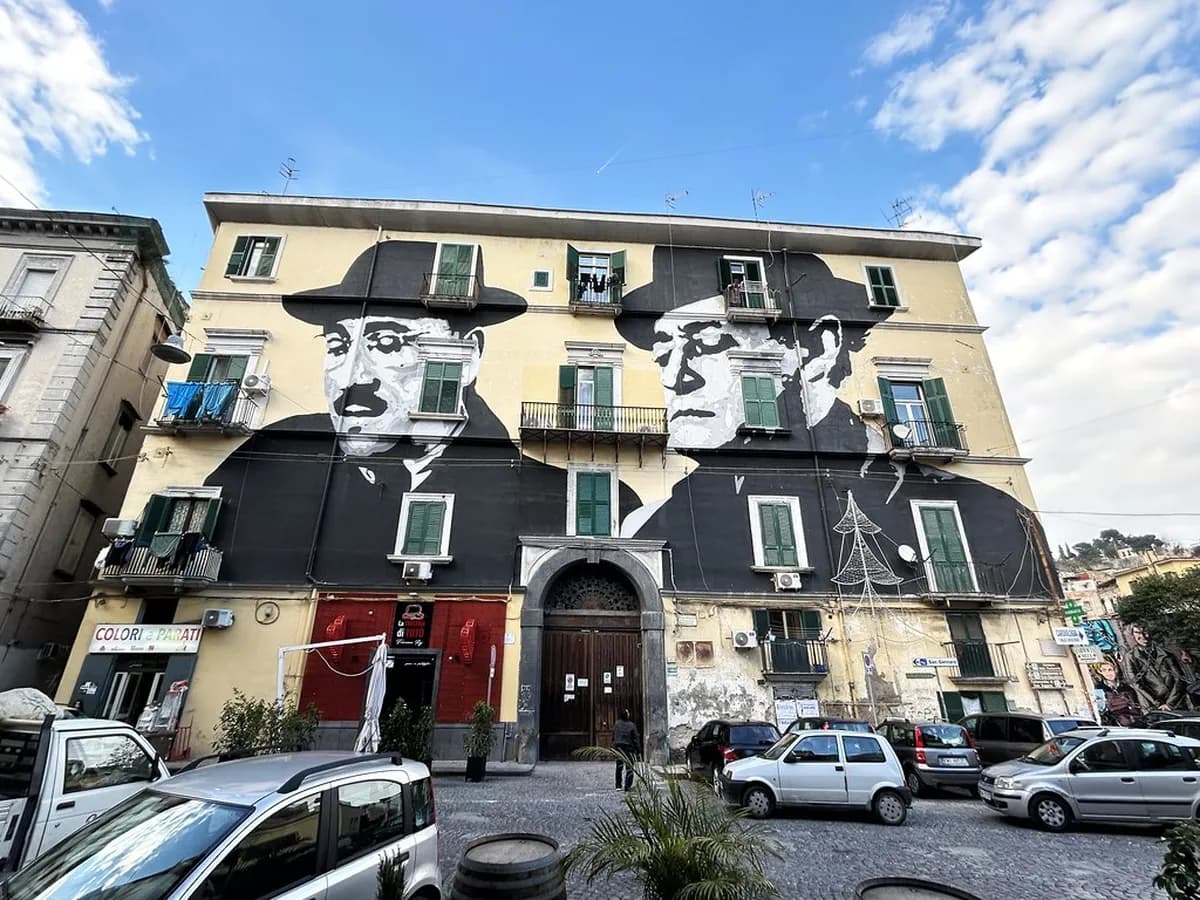
The rational origin of the legend is more interesting than the supernatural version. Cistern cleaners in Naples were traditionally young men, often orphans, who were thin enough to descend through the narrow maintenance shafts — called "piperni" — and clear blockages by hand. They moved unseen beneath family homes, sometimes emerging without warning inside kitchens or courtyards. Their sudden appearances, combined with the general unease Neapolitans felt about the world below their floors, gave rise to the Munaciello figure over centuries. Playwright Eduardo De Filippo drew on the legend for his 1948 play "Le bugie con le gambe lunghe," and the character appears in murals across the Quartieri Spagnoli today.
When you walk the San Gaetano tour and peer down a piperno shaft, you are looking at the exact infrastructure that fed this piece of living Neapolitan culture. It is the kind of detail that transforms an engineering tour into something genuinely memorable.
Planning Your Visit: Practical Details
The Piazza San Gaetano entrance is the easiest to reach on foot from the main tourist areas. It sits directly on Via dei Tribunali, Naples' famous street food corridor, so you can combine the tour with a walk along one of the best pizzerias in Naples — Gino e Toto Sorbillo is a five-minute walk away. Arrive early (09:45 for the 10:00 tour) to secure your spot without pre-booking, or book online and skip the queue entirely. Midday slots between 12:00 and 14:00 tend to be the busiest, particularly in July and August when cruise passengers arrive in force.
For the Quartieri Spagnoli tour, the meeting point near Gambrinus means you can start with an espresso at one of Naples' most storied 19th-century coffee houses before descending. The neighbourhood above has several small bars and a good night-time atmosphere if you book an evening slot. The Galleria Borbonica tour, meanwhile, has multiple entry points depending on the tour type — always check the specific meeting address when booking.
Budget roughly half a day for one underground site plus the surrounding neighbourhood. Trying to fit two underground tours into a single day is possible but tiring; the low ceilings and humidity take more out of you than a surface walk of the same duration. If you are visiting Naples as part of the Hidden Gems In Naples Travel Guide circuit, one well-chosen underground tour paired with an afternoon at a catacombs site makes for a well-paced itinerary. Those on a tighter schedule will find that the 18 Unusual Things to Do in Naples list offers strong surface alternatives that complement rather than duplicate the underground experience.
Accessibility and Family Tips
The underground sites in Naples vary significantly in what they can offer visitors with mobility limitations. The Galleria Borbonica standard tour and the Catacombs of San Gennaro are the most accessible, with wider corridors and relatively even ground. The Piazza San Gaetano Napoli Sotterranea tour involves several tight passages and a section with a low ceiling — it is not suitable for wheelchairs and challenging for visitors who use walking frames. The San Lorenzo Maggiore excavations are partially accessible; check with the site directly for current conditions.
Large backpacks and roller luggage cannot be taken underground at any of the Naples tunnel sites — leave them at your accommodation or a left-luggage service near the station before your tour slot.
Children typically find the Bourbon Tunnel the most exciting option because of the vintage cars and the story of royal intrigue. The Catacombs of San Gaudioso can unsettle younger children due to the guide's explanations of historical burial practices — that is either a draw or a reason to skip, depending on your family. All sites keep temperatures in the 15–17°C range year-round, so pack a layer for every member of the group regardless of the season.
Photography is generally permitted without flash at most sites. Large backpacks and roller luggage cannot be taken underground — leave them at your accommodation or use a left-luggage service near the station. For the Fontanelle Cemetery and the Purgatorio ad Arco church, dress codes apply: shoulders and knees should be covered as these remain active religious sites.
Frequently Asked Questions
Which napoli sotterranea underground naples options fit first-time visitors?
The classic tour starting from Piazza San Gaetano is best for first-time visitors. It covers the Greek-Roman aqueduct and the WWII air-raid shelters in one comprehensive walk. You get a perfect introduction to the city's layers. For more details, see our guide to 18 Unusual Things to Do in Naples.
How much time should you plan for napoli sotterranea underground naples?
You should plan for approximately 90 minutes to two hours for the full guided tour. This includes the time spent underground and the visit to the Roman theater. Allow extra time for finding the entrance and browsing the gift shop. Arriving early is always recommended for a smooth start.
What should travelers avoid when planning napoli sotterranea underground naples?
Avoid wearing open-toed shoes or high heels, as the ground can be damp and uneven. Travelers with severe claustrophobia should also be aware that some passages are quite narrow. Do not bring large backpacks, as they can be difficult to carry through the tighter sections. Always follow the guide's instructions.
Is napoli sotterranea underground naples worth including on a short itinerary?
Yes, it is absolutely worth including because it offers a dense concentration of history in a short time. It provides a unique perspective that you cannot get from surface attractions alone. Even if you only have one day in the city, this tour is a top priority. It is a truly unforgettable experience.
Napoli Sotterranea rewards preparation. Knowing which site fits your interests, your budget, and your physical comfort level makes the difference between a rushed tick on a list and a genuinely absorbing afternoon. The Piazza San Gaetano tour remains the best single introduction, but the Bourbon Tunnel, San Lorenzo excavations, and Rione Sanità catacombs each add something that no single underground tour can cover alone.
The city above — its pizza, its chaos, its light — makes more sense after you have seen what lies beneath it. Book one tour, walk the neighbourhood it sits in, and let the layers settle. Naples always has more to discover, both above and below the ground. Those looking to extend their stay can find further inspiration in our guide to the Hidden Gems In Naples Travel Guide and the wider 18 Unusual Things to Do in Naples.
Continue exploring
More guides you'll find useful