Napoli Sotterranea Visitor Guide 2026: Entrance & Tips to Know
Napoli Sotterranea guide: which entrance to use, how the tour feels, and 10 things to know for 2026 — tickets, history, and practical tips included.
On this page
Napoli Sotterranea Visitor Guide: 10 Things to Know Before You Go
Napoli Sotterranea is a massive network of tunnels, cisterns, and cavities located deep beneath the historic center of Naples. This subterranean world gives visitors a practical look at how the city evolved over more than two thousand years, from Greek quarries to Roman aqueducts and wartime shelters. This napoli sotterranea visitor guide focuses on the 2026 essentials: which entrance to use, how the tour feels, who should think twice, and how to avoid the common booking mistakes.
Exploring the underground city is one of the most popular activities for travelers comparing the main Naples attractions. The route sits around forty meters below the modern streets, yet it begins in the busy historic center just off Via dei Tribunali. That contrast is the point: Naples is a city of layers, with Greek stonework, Roman engineering, medieval streets, and World War II memories stacked beneath everyday street life.
What Exactly is Napoli Sotterranea?
The term Napoli Sotterranea refers to the extensive labyrinth of caves and tunnels carved into the volcanic tufa rock beneath the old city. These structures provided building material for the city above, then became essential for water storage and urban infrastructure. They form a parallel version of Naples that loosely follows the logic of the streets overhead.
The biggest planning issue is the "two Napoli Sotterraneas" confusion. The classic Napoli Sotterranea City Center route starts at Piazza San Gaetano in the historic center and is the one most visitors mean when they search for the official Naples Underground tour. A separate Napoli Sotterranea Spanish Quarter experience exists across town, with a different entrance, route, and atmosphere. Check your booking address before you leave your hotel, because the names are similar enough to send people to the wrong side of the city.
The underground complex is much larger than the visitor route. Guided tours cover only a controlled fraction of the total network, which keeps the experience manageable while still showing the most important historical layers. For a first-time visitor, the Piazza San Gaetano tour is usually the clearest introduction to Neapolis Underground, Greek quarrying, Roman water engineering, and wartime reuse in one visit.
The Layered History Beneath the Streets
The history of this site began with the ancient Greeks who founded the city of Neapolis. They excavated the tufa rock to build walls, temples, and houses above ground, leaving behind chambers that became the starting point for the underground network. Roman engineers later expanded these spaces into a sophisticated aqueduct system connected to the city's water needs.
During the 1884 cholera epidemic, the city finally closed the underground water system for health reasons. The tunnels then sat mostly empty until World War II, when local citizens transformed the ancient cisterns into bomb shelters during Allied bombing raids. You can still see traces of that period, including objects left by families who spent nights below the city.
The site also features a hidden Roman theater built into the foundations of private homes. Archaeologists accessed parts of the theater through domestic spaces, a detail that captures Naples' unusual continuity better than any museum label. The city did not simply preserve ruins in a separate archaeological zone; it kept living directly on top of them.
Main Underground Naples Sites to Explore
While Napoli Sotterranea is the most famous underground Naples attraction in the historic center, Naples offers several other subterranean sites. Each one answers a different question about the city: how it collected water, how it buried the dead, how royal Naples planned escape routes, and how modern residents reused old voids in moments of crisis.
If you only have time for one, choose by interest rather than by name recognition. The Catacombs of San Gennaro are better for early Christian art, spacious chambers, and a calmer visit. The Galleria Borbonica is stronger for Bourbon history, wartime shelters, old vehicles, and a route closer to Piazza del Plebiscito. Napoli Sotterranea is the classic choice for Greek quarries, Roman aqueducts, and the dense historic-center setting.
| Site | Type | Best For | Location | Cost |
|---|---|---|---|---|
| Catacombs of San Gennaro | Paleo-Christian burial site | Art and religion | Rione Sanità district | Approximately 11 Euros |
| Galleria Borbonica | Royal escape tunnel | Military history | Near Piazza del Plebiscito | Around 10–15 Euros |
| San Lorenzo Complex | Ancient Roman market | Archaeology fans | Via dei Tribunali | About 9 Euros |
- Catacombs of San Gennaro
- Type: Paleo-Christian burial site
- Best for: Art and religion
- Where: Rione Sanità district
- Cost: Approximately 11 Euros
- Galleria Borbonica
- Type: Royal escape tunnel
- Best for: Military history
- Where: Near Piazza del Plebiscito
- Cost: Around 10-15 Euros
- San Lorenzo Complex
- Type: Ancient Roman market
- Best for: Archaeology fans
- Where: Via dei Tribunali
- Cost: About 9 Euros
The Tour Experience: What You Actually See
The tour begins with a steep descent down 136 steps into the cool darkness. You will reach a depth of roughly 40 meters below the street level. The air feels noticeably cooler as you move away from the surface heat, especially in summer. The first descent is also the moment to be honest about knees, balance, and comfort with enclosed spaces.
One of the most memorable parts of the tour is the candle-lit aqueduct passage. You walk through very narrow corridors that are only wide enough for one person, with guides providing small candles to light the way. This section is optional for those who might feel uncomfortable in tight spaces, so tell the guide before the group enters if you prefer to wait at the exit point.
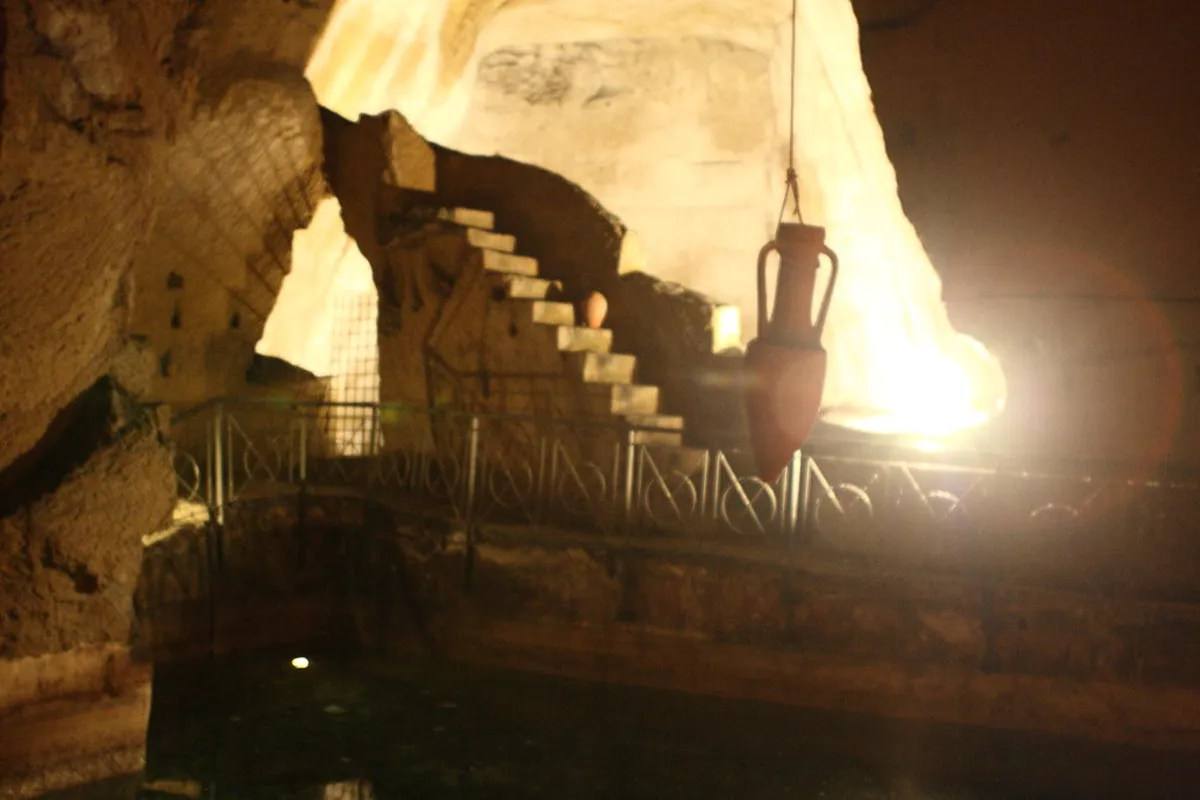
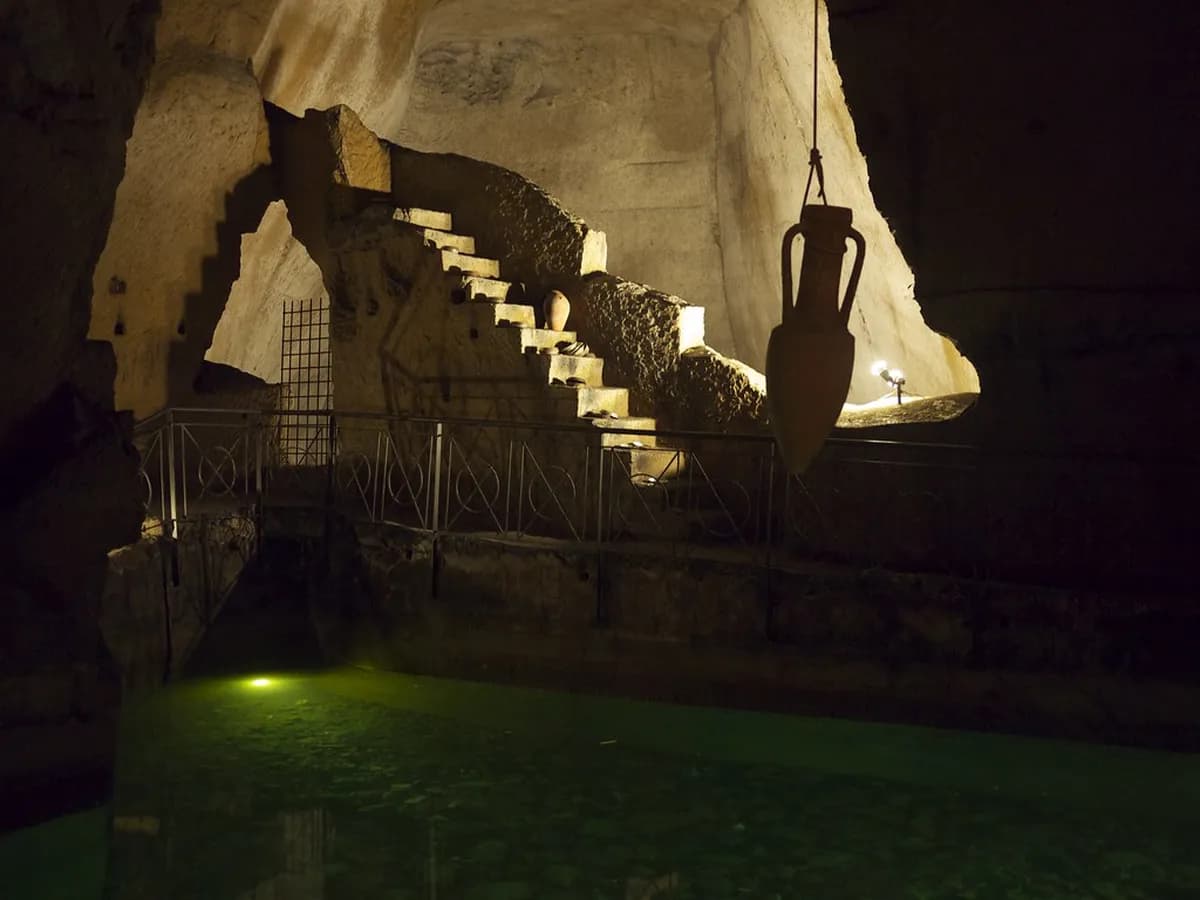
You will also see large cisterns that once held the city's water supply, with dramatic reflections and high tufa walls. The World War II shelter areas add a more recent human layer to the route. The visit then continues to the remains of the Roman theater, which gives the tour a useful finale above and below domestic Naples rather than ending only in the aqueduct chambers.
Tickets, Hours, and Booking Procedures
The official site is open every day from 10am to 6pm for visitors. English language tours typically run every two hours throughout the day. You can find these tours at 10am, 12pm, 2pm, 4pm, and 6pm. Arriving early is recommended as groups can fill up quickly during peak season.
Ticket prices generally range from 10 to 18 Euros for an adult entry. Discounts are often available for students, seniors, and large tour groups. It is wise to book your tickets online in advance to secure your preferred time. Check the official website for the most current pricing before you arrive.
Payment is usually accepted via cash or major credit cards at the ticket office. Keep your ticket handy as you may need to show it at different points. The tour lasts approximately 90 minutes from start to finish. This timing includes the time spent at the Roman theater ruins.
For 2026 planning, the safest booking habit is to match three details before paying: the Piazza San Gaetano meeting point, the tour language, and whether your confirmation says the historic-center route rather than the Spanish Quarter route. Third-party platforms can be useful, but the address matters more than the marketing title.
Practical Walkthrough: Getting There and Getting In
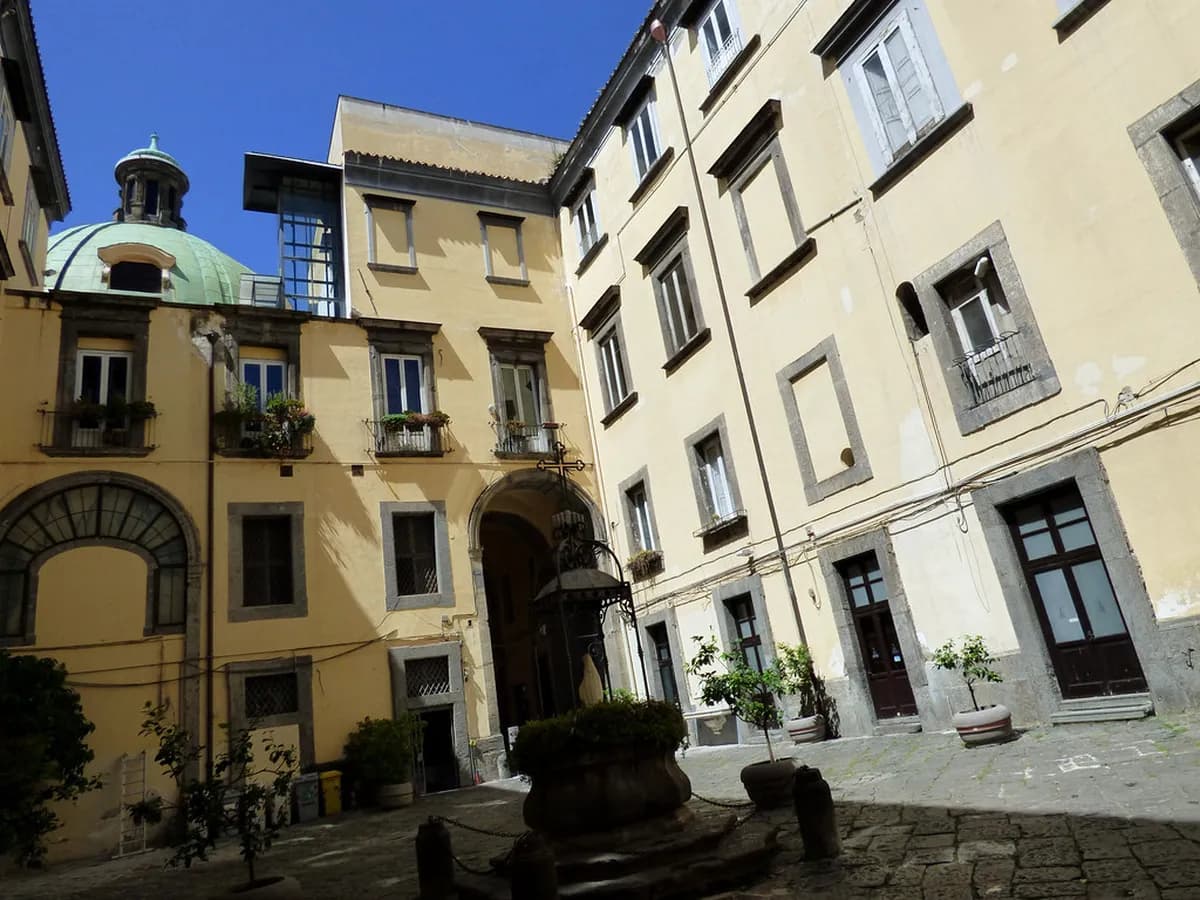
The main entrance is in Piazza San Gaetano, just off Via dei Tribunali. Look for the large signs for the underground city beside the basilica area rather than relying only on a map pin. This is the heart of the historic center, so walking is often faster than trying to approach by taxi through tight streets.
The nearest useful metro stop for many visitors is Dante on Line 1, followed by a walk through the historic center. From Piazza Garibaldi or Napoli Centrale, allow more time than the map suggests because the old streets are crowded and navigation can slow down. From Via Toledo or the Spanish Quarter, walk east only if your ticket clearly says Piazza San Gaetano; otherwise you may already be near a different underground site.
There are several small cafes nearby where you can wait for your tour time. The area is very busy, so keep an eye on your belongings at all times. Try to arrive at least fifteen minutes before your scheduled departure. This gives you enough time to check in, use the restroom elsewhere if needed, and meet your guide without rushing.
Essential Tips: What to Know Before You Go
The temperature underground stays around 15 degrees Celsius all year long. This can feel very cold if you are visiting during a hot Italian summer. Bring a light jacket or sweater to stay comfortable during the 90-minute walk. Wearing layers is the best way to handle the temperature change.
The underground temperature remains around 15 degrees Celsius year-round. Even in summer, you'll need a light jacket or sweater—dress in layers to adjust as you move between hot streets and cool tunnels.
Comfortable walking shoes are a must for this specific tour experience. You will be walking on uneven surfaces and climbing many stone steps. Avoid wearing flip-flops or high heels as they can be dangerous on the stairs. Good grip is essential for the damp sections near the old cisterns.
If you suffer from severe claustrophobia, you should consider the narrow sections carefully. The guides allow you to skip the tightest tunnels if you feel anxious. Always inform your guide if you feel uncomfortable at any point during the tour. They are trained to help and can show you an alternative path.
Part of the tour includes narrow candlelit tunnels wide enough for only one person. This section is optional—you can wait at the exit point while the group continues if tight spaces make you uncomfortable.
- Best time to visit: choose a morning slot if you want cooler streets before and after the tour, or a mid-afternoon slot if you are using the underground visit as a break from summer heat.
- Accessibility reality: the route is not suitable for wheelchairs, walkers, strollers, or anyone who cannot manage long staircases. The main chambers are spacious, but access still depends on steps.
- Bag strategy: avoid bulky backpacks. Narrow passages are easier when you carry a small crossbody bag or a compact daypack.
- Common mistake: do not schedule this immediately before a train from Napoli Centrale. The tour pace is controlled by the group, and the historic-center walk can take longer than expected.
Best Ways to See Subterranean Naples
Joining an authorized guided tour is the only way to see these hidden sites. The guides provide essential historical context that you would otherwise miss. They also ensure that everyone follows the safety rules in the dark tunnels. Most tours are conducted in groups, so the best experience comes from choosing the right route and arriving prepared rather than expecting independent exploration.
You might consider a combined ticket that includes other nearby attractions. Some packages offer entry to the Cappella Sansevero or other local museums. This can save you money if you plan to see several landmarks in one day. Always check for these deals at the main ticket office or online.
Photography is generally allowed, but you should avoid using a flash. Bright lights can be distracting to other visitors in the dark environment. Capturing a Photo2023 (CC BY 4.0) of the cisterns is a popular choice. Respect the rules set by your guide to ensure a good experience for all.
If you are asking which Naples underground tour is best, use this simple filter: Napoli Sotterranea for the classic historic-center aqueduct route, Galleria Borbonica for Bourbon tunnels and wartime artifacts, Catacombs of San Gennaro for early Christian history and a less cramped atmosphere, and the San Lorenzo Complex if you want Roman market ruins without the same tunnel-tour feeling.
How This Fits Into a Broader Naples Itinerary
A visit to the underground city pairs perfectly with a walk down Via dei Tribunali. This street is famous for street food, churches, and traditional pizzerias, so it works well before or after your tour. Nearby sights can fill the rest of the half day without adding much transit time.
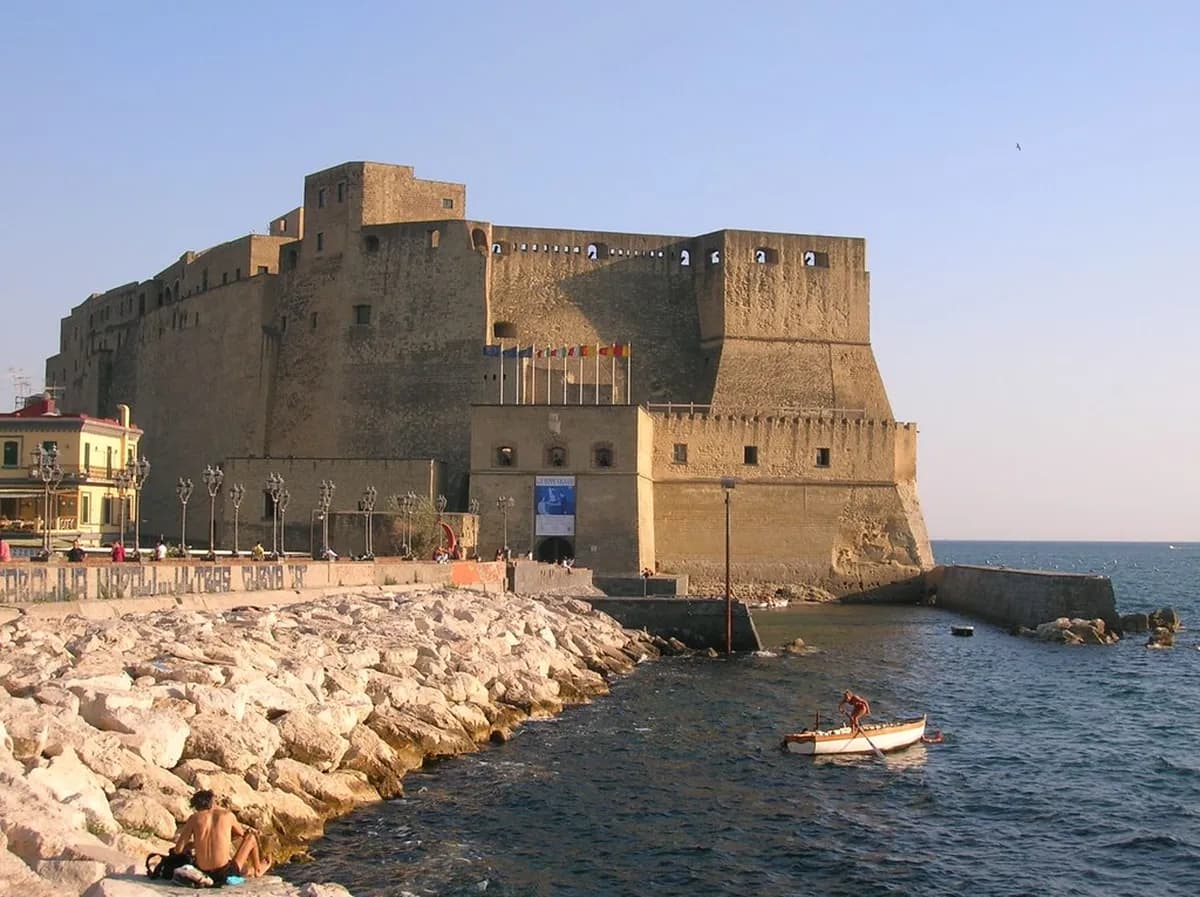
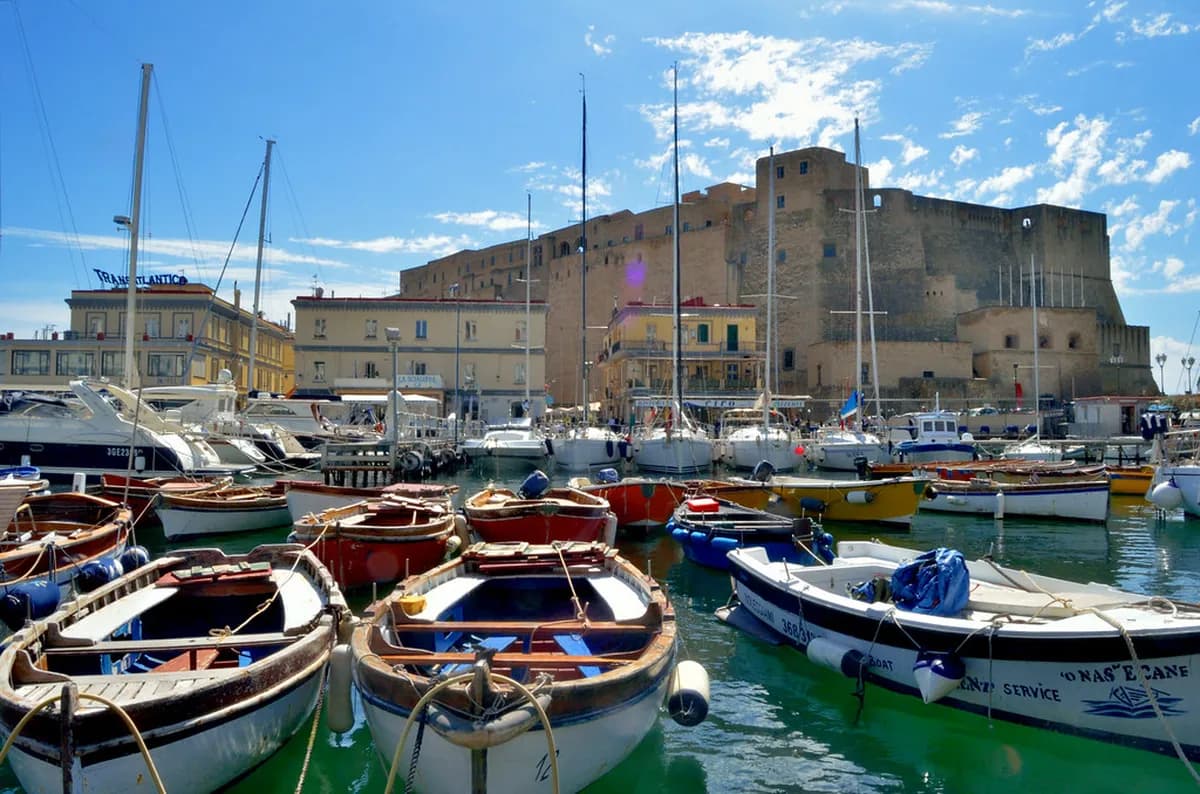
Consider visiting the Certosa di San Martino for wide views over the city after seeing its underground layers. This monastery offers a strong contrast to the dark tunnels you just explored. Adding a stop at the Castel dell Ovo by the sea is also a good way to balance the day with open air and waterfront scenery.
Two PAA questions often appear around Naples planning even though they are not about the attraction itself. First, where should you avoid staying in Naples? For most first-time visitors, the better question is where you will feel comfortable returning at night: many choose the historic center, Chiaia, Santa Lucia, or Vomero, while treating the immediate station area and empty late-night side streets with normal big-city caution. Second, what does Rick Steves say about Naples? His Naples overview frames the city as intense, brash, vibrant, and rewarding for travelers who push past first impressions, and he lists Napoli Sotterranea as a guided Greek and Roman archaeological site.
Most people spend about half a day exploring the historic center and the underground. This leaves time for other cultural activities in the afternoon. For a comprehensive overview of hidden gems, consult our full guide. Planning your route in advance helps you maximize your time in this busy city. Naples is best enjoyed when you mix history with local food, street life, and scenery.
Is It Worth It, and Who Might Disagree?
For most travelers, Napoli Sotterranea is worth it because the experience explains Naples in a way a surface walk cannot. You see the same city as quarry, aqueduct, shelter, theater, and living neighborhood. That layered story is why many visitors remember it more clearly than a conventional museum stop.
However, those with physical limitations may find the many steps quite challenging. The narrow tunnels can also be a deterrent for anyone who dislikes small spaces. If you prefer bright, open museums, this might not be the best choice for you. Consider your personal comfort levels before purchasing your tickets.
The tour is best for history-focused travelers, families with older children, and visitors who like guided storytelling. It is weaker for travelers who want to move independently, avoid groups, or need a fully accessible attraction. If you fall into that last category, the Catacombs of San Gennaro or Galleria Borbonica may be easier alternatives depending on the route you choose.
Frequently Asked Questions
Do you need tickets for Napoli Sotterranea?
Yes, you must have a ticket to enter the site. It is highly recommended to book online in advance to avoid long wait times. You can also purchase them at the ticket office in Piazza San Gaetano if space is available. Check the Naples guide for more travel tips.
How long does the Napoli Sotterranea tour take?
A standard guided tour typically lasts around 90 minutes. This includes the descent, the walk through the tunnels and cisterns, and the visit to the Roman theater. Plan for extra time to arrive and check in before your start time.
Is the underground tour safe for children?
Most children find the tour exciting and adventurous. However, the many stairs and dark environment might be difficult for very young kids or strollers. Parents should ensure their children are comfortable with walking and being in enclosed spaces for over an hour.
Other Cities With a Second City Underneath
Forty metres down, the Greek quarry that became a Roman aqueduct became a war shelter, and the graffiti of each stage is still on the walls. Budapest's Hospital in the Rock runs the same sequence and ends in a Cold War nuclear bunker kept operational. Berlin's Teufelsberg inverts it — a listening station built on top of a hill made from the city's own rubble.
Napoli Sotterranea offers an unforgettable journey into the hidden heart of one of Europe's oldest cities. From Greek quarries to WWII shelters, every layer tells a story of survival and ingenuity. Use this napoli sotterranea visitor guide to choose the right entrance, prepare for the stairs and narrow passage, and fit the tour into a realistic 2026 Naples itinerary. For a complete 3-day itinerary, see our comprehensive Naples planning guide.
For official details, visit the Napoli Sotterranea official site and Napoli Sotterranea on Wikipedia.
Continue exploring
More guides you'll find useful