Castel dell'Ovo: 10 Essential Visitor Tips, Views & Legend
Naples' legendary Egg Castle: our 2026 guide covers opening hours, the Virgil myth, top photography spots, and Borgo Marinari dining tips.
On this page
10 Essential Tips for Your Castel Dell'Ovo Visitor Guide
Castel dell'Ovo stands as a sentinel over the Gulf of Naples, offering visitors a direct encounter with the city's ancient maritime past. This legendary fortress sits on the islet of Megaride, where Greek colonists first established the settlement of Parthenope centuries ago. Travelers come for the sweeping views of Mount Vesuvius, the open water, and the small harbor village of Borgo Marinari below the walls. This 2026 visitor guide keeps the focus on what matters on the ground: how to get there, what is worth seeing, when to go, and what to check before you set out.
Quick Facts: The castle is located at Via Eldorado 3 in the historic Santa Lucia district. Admission is currently free for all visitors, making it one of the most accessible cultural sites in the region. Operating hours generally run from 9:00 AM to 7:00 PM on weekdays, with slightly shorter windows during public holidays. Always verify the current status on the Comune di Napoli - Official Castle Page before your arrival.
Visiting Castel dell’Ovo: An Essential 2026 Overview
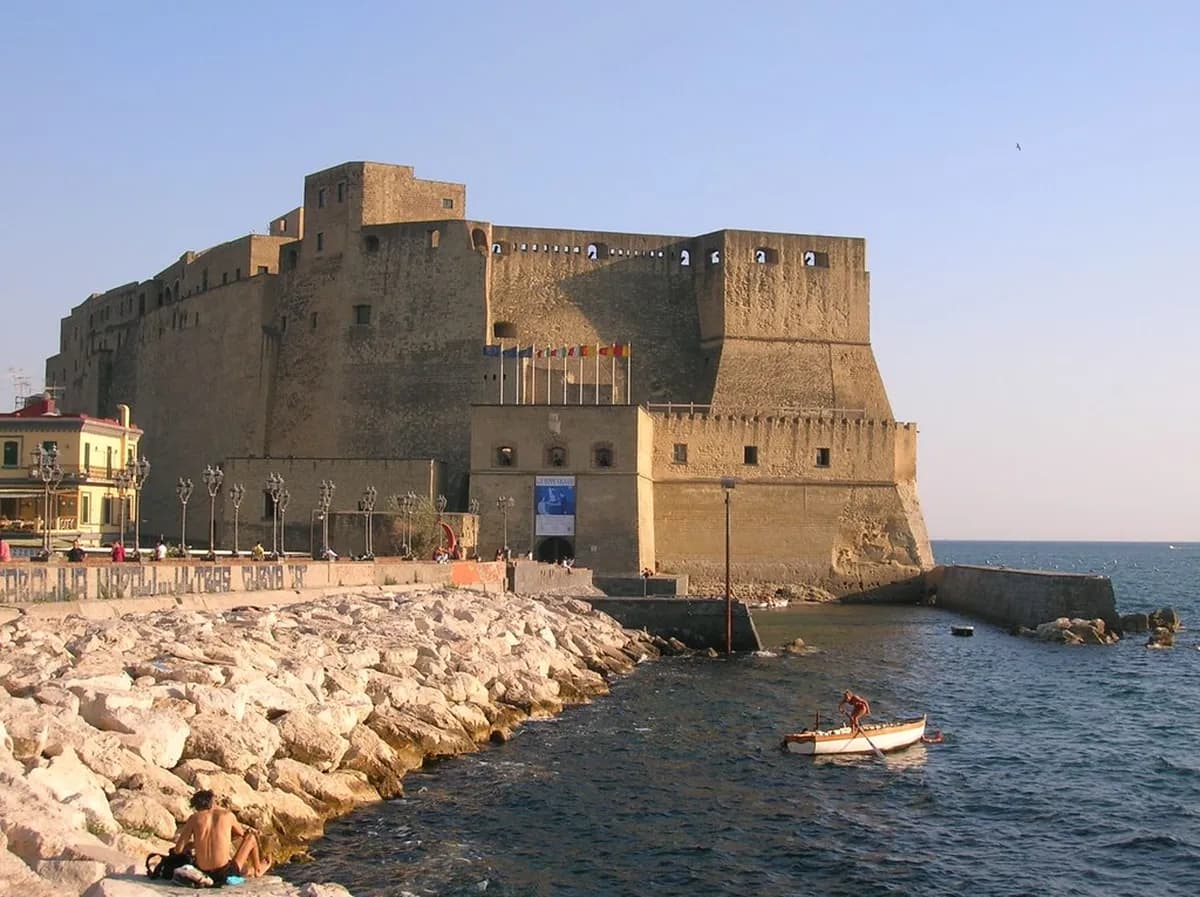
The castle remains the oldest standing fortification in Naples and serves as a physical timeline of the city's complex history. It was originally built upon the ruins of a grand Roman villa owned by the famous general Lucullus. Over the centuries, the structure evolved from a monastic retreat into a formidable Norman fortress and a royal residence. Walking across the stone causeway feels like stepping back through layers of medieval and Renaissance architecture.
The fortress has survived numerous sieges, volcanic eruptions, and urban transformations while maintaining its iconic silhouette on the water. Its sturdy yellow tuff stone walls glow with a warm golden hue during the late afternoon sun. Visitors will notice the blend of defensive bastions and internal courtyards that reflect different ruling dynasties, including Norman, Angevin, and Aragonese phases. Understanding this architectural evolution helps you appreciate the site beyond its postcard role as a coastal landmark.
Many travelers use this free seafront stop as a gentle starting point before exploring the wider things to do in Naples during their stay. The proximity to the center allows for an easy transition from the urban bustle around Piazza del Plebiscito to the quieter Santa Lucia waterfront. Plan for 60 to 90 minutes if you want the causeway, courtyards, ramparts, and photo stops without rushing. The castle often hosts temporary art exhibitions that add a modern cultural layer to the ancient stone corridors.
The Legend of Virgil's Egg and the Siren Parthenope
The name Castel dell'Ovo, or Egg Castle, stems from a fascinating medieval legend involving the Roman poet Virgil. Local lore suggests that Virgil, viewed as a powerful sorcerer, hid a magical egg within the castle's foundations. This egg was placed in a glass jar inside an iron cage to protect the entire city from disaster. Tradition holds that if the egg ever breaks, the castle will crumble and Naples will face great misfortune.
Beyond the magical egg, the islet of Megaride is also linked to the myth of the Siren Parthenope. Legend says the siren washed ashore here after failing to enchant Odysseus with her hauntingly beautiful song. The ancient Greeks founded their first colony around her burial site, giving birth to the Neapolitan identity. These stories imbue the stone walls with a sense of mystery that captivates both historians and casual tourists.
You can still feel the weight of these myths as you explore the lower chambers and dark passageways. The legend of the egg remains so significant that it was officially cited during historical reconstruction efforts in the 14th century. Neapolitans take great pride in these tales, often sharing them with visitors as a mark of local heritage. Exploring these myths provides a deeper emotional connection to the physical structures you see today.
Current Opening Hours and Entry Requirements
Navigating the logistics of a visit requires checking the latest updates from the Italia.it - Official Tourism Portal for seasonal changes. Standard opening times usually begin at 9:00 AM and conclude at 7:00 PM from Monday through Saturday. Sunday schedules are often reduced, typically closing by 6:00 PM to accommodate local maintenance or holiday observances. Entry is free of charge, though some specialized temporary exhibitions may require a separate, small ticket fee.
Recent years have seen periodic closures for structural renovations, which is why the most common planning mistake is assuming that the fortress is open just because the promenade is busy. Check the Comune page the same day if the castle is the main reason for your waterfront trip, especially after storms, public holidays, or local event closures. Large groups should arrive early in the morning to avoid the peak crowds that gather by midday. The castle does not currently require advanced reservations for general entry, allowing for flexible spontaneous visits. Keep in mind that the last entry is usually permitted thirty minutes before the official closing time.
- Standard Visitor Hours
- Mon-Sat: 09:00 - 19:00
- Sun/Holidays: 09:00 - 18:00
- Admission: Free
- Last Entry: 18:30
The Borgo Marinari Experience: Local Dining & Culture
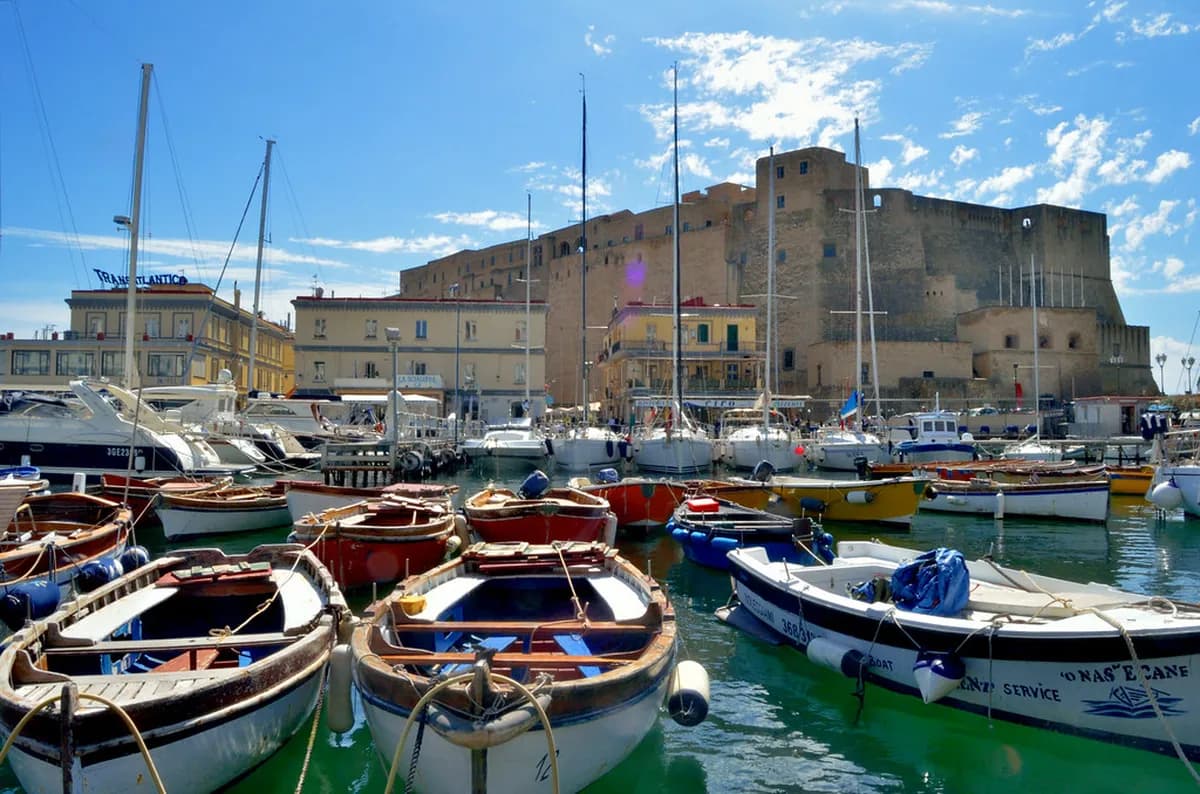
Borgo Marinari is the picturesque fishing village located directly at the foot of the castle's towering walls. It is separate from the fortress itself: the castle is the historic monument on Megaride, while Borgo Marinari is the harbor village wrapped around its base. This tiny marina creates a secluded atmosphere that feels worlds away from the chaotic streets of central Naples. It features a narrow network of alleys, historic buildings, and small boats bobbing in the water. The area serves as a social hub where locals and tourists mingle over fresh seafood and sea breezes.
Dining here offers a clear choice between casual, quick lunches and higher-end meals with waterfront views. Quick-service spots provide traditional fried snacks, simple pasta dishes, and espresso breaks that work well before or after the climb. Fine dining establishments offer white-tablecloth service and wine lists featuring regional Campania labels. Prices in the Borgo can be higher than in the Spanish Quarters, so check menus before sitting if you are watching your budget.
For the best experience, aim for a water-facing table near sunset or come earlier for lunch when service is calmer. Seafood is the natural order here, and many restaurants lean into the daily catch and classic Neapolitan preparations. Reservations are essential during the summer months and on weekend evenings when the village becomes crowded. Walking through the Borgo at night reveals a romantic side of the city that many travelers miss.
Reservations are essential during the summer months and on weekend evenings when the village becomes crowded.
Exploring Borgo Marinari and the Seafront Promenade
The walk along Via Partenope is widely considered one of the most beautiful seaside promenades in all of Europe. This pedestrian-friendly stretch connects the castle to the vibrant Piazza Vittoria and the lush Villa Comunale park. You will pass grand historic hotels and bustling cafes that offer prime people-watching opportunities throughout the day. The promenade provides an unobstructed view of the entire Gulf, from the Sorrento peninsula to the island of Capri.
The surrounding Santa Lucia district is rich with history and serves as the heart of Naples' maritime culture. Many famous Italian songs were inspired by the beauty and atmosphere of this specific coastal neighborhood. It is a fantastic area for a leisurely stroll before or after you explore the interior of the castle. Street performers and local artisans often set up along the seawall, adding a lively energy to the scenic route.
Travelers should take a moment to admire the Fountain of the Giant, located just a short distance from the causeway. This 17th-century masterpiece features intricate sculptures that highlight the city's artistic heritage and connection to the sea. The blend of monumental architecture and natural beauty makes this entire waterfront area a must-see destination. Ensure you wear comfortable shoes as the stone paths and promenade can involve significant walking over uneven surfaces.
Combining Your Visit with Other Naples Attractions
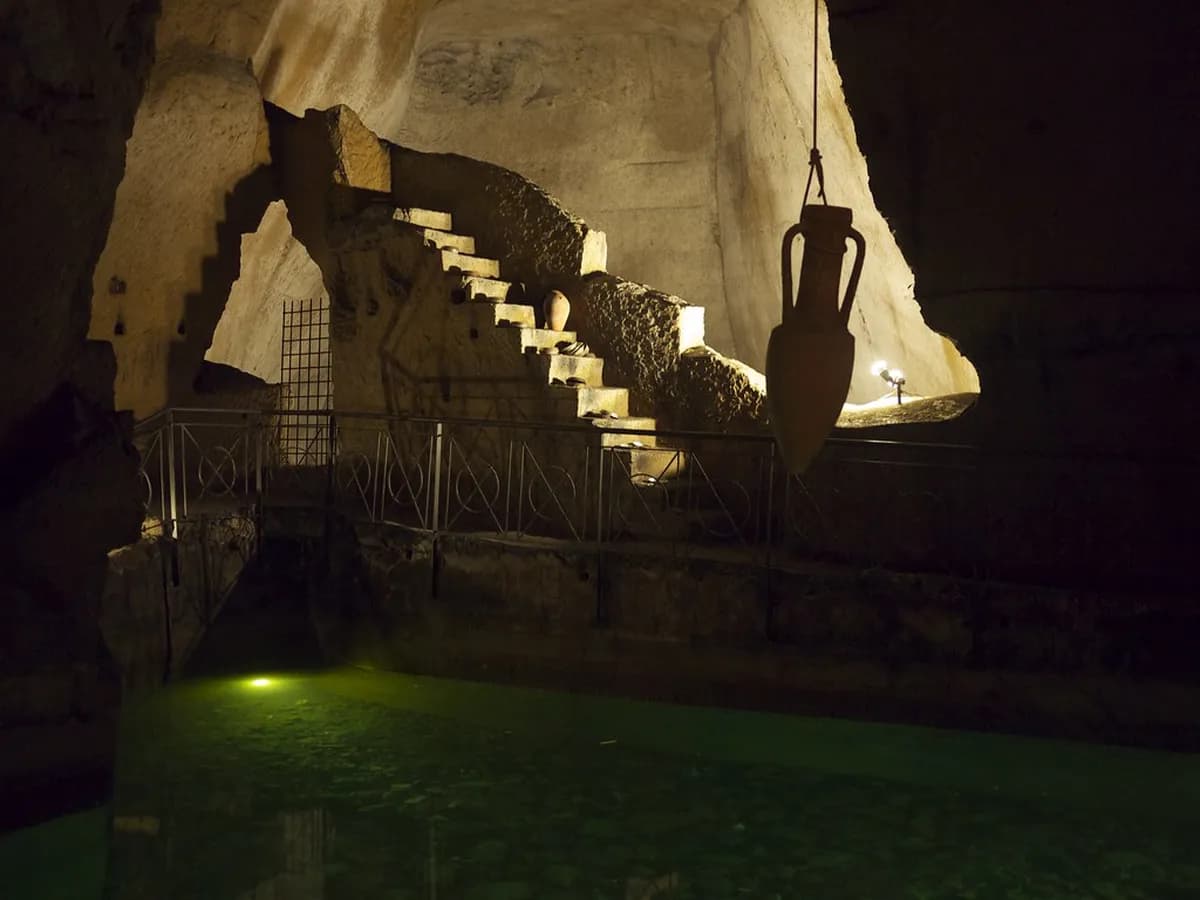
A visit to the castle pairs perfectly with an exploration of the nearby Galleria Borbonica for a full day of history. You can easily walk from the seafront to Piazza del Plebiscito to see the Royal Palace and basilica area before continuing into the historic center. Those interested in the city's hidden depths should also consider booking a tour of Napoli Sotterranea nearby. Combining these sites allows you to see both the open ramparts and the underground layers of the city.
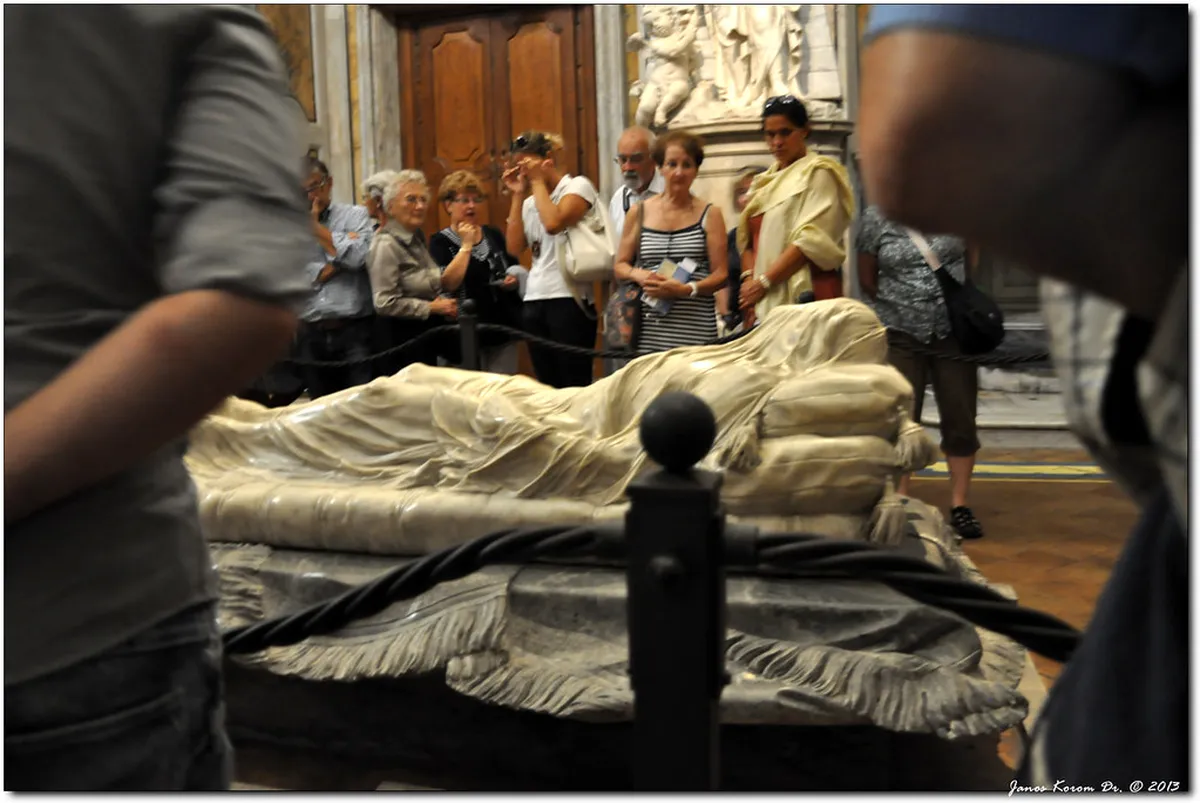
If you have more time, a short taxi ride can take you to the Cappella Sansevero for incredible sculpture. Art lovers might prefer heading toward the Certosa di San-Martino for more panoramic views and baroque architecture. Each of these locations offers a different perspective on the religious and social evolution of the Neapolitan people. Planning a logical route through these attractions helps maximize your time in this dense and complex urban landscape.
- Naples Castle Comparison Guide
- Castel dell'Ovo: Free entry, best sea views, moderate ramp climb.
- Castel Nuovo: Paid entry, historic armory, central port location.
- Castel Sant'Elmo: Paid entry, highest city view, funicular access.
| Castle | Entry | Key Features | Access |
|---|---|---|---|
| Castel dell'Ovo | Free | Best sea views | Moderate ramp climb |
| Castel Nuovo | Paid | Historic armory | Central port location |
| Castel Sant'Elmo | Paid | Highest city view | Funicular access |
What to See Inside: A Complete Tour Guide
While the interior of the castle is largely empty of furniture, the architectural features themselves are the main attraction. The Terrace of Cannons is the highlight for most visitors, offering a wide-angle view of the Mediterranean horizon. You can explore halls that once served as royal rooms, barracks, and defensive spaces during the medieval era. The stark stone walls and vaulted ceilings provide a somber contrast to the bright blue sky outside.
Don't miss the small church of San Salvatore, which is nestled within the castle's complex layout. This sacred space features ancient columns that were likely repurposed from the original Roman villa of Lucullus. The blend of pagan and Christian elements reflects the long and varied religious history of the islet. Quiet courtyards offer a peaceful escape from the wind and sun during the hotter months of the year.
The castle often hosts cultural events and art exhibitions in its larger halls throughout the winter and spring. These displays provide a reason to linger inside the cool stone rooms after enjoying the outdoor terraces. Informational plaques are scattered throughout the site to explain the defensive purpose of the various towers and bastions, but do not expect a fully furnished palace museum. The best route is to move steadily upward, pausing at each terrace until you reach the broadest bay views.
Best Photography and Instagram Spots
Capturing the perfect shot of Mount Vesuvius requires heading to the upper ramparts just before the sun begins to set. The best sunset route starts on the causeway, pauses at the Borgo Marinari harbor for boat-and-castle foregrounds, then continues up to the highest accessible terrace for an unobstructed view. Golden hour light creates a dramatic effect on the yellow tuff stone and the deep blue water of the bay. Photographers should also look for framing opportunities through the castle's arched windows and defensive slits.
The Borgo Marinari harbor offers a fantastic foreground of colorful wooden boats against the backdrop of the fortress walls. Early morning light provides a softer glow and fewer tourists, making it ideal for clean architectural photography. Experiment with different angles from the Via Partenope sidewalk to capture the full scale of the castle jutting into the sea. The contrast between the ancient stone and the modern city skyline provides a compelling visual narrative for your feed.
- Photography Strategy Tips
- Best Time: 30 minutes before sunset.
- Key Spot: Terrace of Cannons.
- ISO Setting: 100-200 for maximum detail.
- Lens: Wide-angle for full bay shots.
Local Insider Secrets for a Better Visit
The wind factor on the causeway is often underestimated by travelers who are used to the sheltered city streets. Breezes coming off the Gulf can be significantly cooler and stronger than they appear from a distance. Bring a light jacket or scarf even on sunny days if you plan to spend time on the open terraces. Secure loose items like hats before walking across the exposed stone bridge to the entrance.
Accessibility can be a challenge because the route to the upper levels involves steep ramps, uneven cobblestones, and long exposed stretches. While elevators may exist in parts of the complex, they are not a reliable feature to plan around, so visitors with limited mobility should check the latest access status before committing to the climb. The lower levels and the Borgo Marinari area are generally easier to navigate for wheelchair users and families with strollers. Plan for a slower pace if you are traveling with children or elderly companions due to the incline.
Visiting during the shoulder seasons of spring or fall offers the best balance of pleasant weather and manageable crowd levels. August can be punishingly hot on the exposed stone surfaces, with very little shade available on the upper ramparts; January can feel sharper than the rest of the city because of sea wind and damp air. Early morning visits allow you to enjoy the silence of the sea before the tour groups arrive around 11:00 AM. Local residents often visit in the late evening for a stroll, creating a more authentic and relaxed atmosphere.
Wind on the causeway is often underestimated. Breezes off the Gulf can be significantly cooler and stronger than they appear, so bring a light jacket and secure loose items like hats.
Practical Visitor Information and Logistics
Reaching the castle is straightforward via public transport, though it does require a bit of scenic walking. Take Metro Line 1 to Municipio and allow about twenty minutes on foot along the waterfront toward Santa Lucia. Alternatively, Bus 151 drops passengers at Piazza Vittoria, which is about a fifteen-minute stroll from the castle entrance. The walk itself is part of the experience, offering some of the best views in the city along the way.
Taxis can drop you close to the causeway, which is helpful if you want to avoid the long promenade walk or are arriving in summer heat. If you are driving, be aware that parking in the Santa Lucia area is extremely limited and often expensive. Public transport remains the most efficient way to reach this part of the Neapolitan coastline. If you are building a history-heavy day, combine the seafront fortress with the Catacombs of San Gennaro for a sharp contrast between open bay views and early Christian underground Naples.
Bring water and sunscreen, as the reflection of the sun off the pale stone can be intense. There are no public restrooms inside the castle itself, so use facilities in the Borgo Marinari area before entering. Small bags are generally allowed, but large backpacks may be subject to security checks at the main gate. The most common visitor errors are arriving late in the day, underestimating the climb, skipping the official closure check, and expecting a furnished castle interior rather than a scenic fortress.
Frequently Asked Questions
Is Castel dell'Ovo free to enter?
Yes, entry to Castel dell'Ovo is currently free for all visitors. This makes it one of the best value activities in the city. However, some special art exhibitions held within the castle walls may charge a small separate fee. Always check the official site for the latest updates on hidden gems and things to do in Naples.
Why is it called the Egg Castle?
The name comes from a legend about the Roman poet Virgil, who supposedly hid a magical egg in the foundations. The myth states that if the egg breaks, the castle and the city of Naples will fall. This story has been a central part of Neapolitan folklore for many centuries.
Is Castel dell'Ovo currently closed for renovations?
The castle occasionally closes for structural maintenance or safety upgrades. It is essential to check the official Comune di Napoli website before your visit to confirm it is open to the public. These closures can happen with little notice due to the age of the fortress and weather conditions.
How long does it take to visit Castel dell'Ovo?
A typical visit lasts between 60 and 90 minutes. This allows enough time to walk across the causeway, explore the internal courtyards, and enjoy the views from the upper terraces. If you plan to dine in the nearby Borgo Marinari, you should budget at least three hours total.
Castel dell'Ovo is more than just a historic site; it is a symbol of the enduring spirit and mystery of Naples. From the magical legends of Virgil to the views across the Mediterranean, it rewards visitors who treat it as both a viewpoint and a layered historic monument. Whether you are planning a quick free stop, a photography walk, or a meal in Borgo Marinari, the Egg Castle remains one of the clearest ways to understand Naples' relationship with the sea.
For more Naples planning, see our Castel dell'Ovo, Naples, Hidden Gems in Naples, and Hidden Naples 3-Day Itinerary guides.
For authoritative information, refer to the Castel dell'Ovo on Wikipedia and Castel dell'Ovo official site.
Continue exploring
More guides you'll find useful