Naples Attractions: Things to Do & Tourist Sights (2026 Guide)
The best Naples attractions for 2026 — Veiled Christ, San Gennaro catacombs, the Bourbon Tunnel, Caravaggio and more. Prices, neighborhoods, itineraries and money-saving tips.

On this page
Most "things to do in Naples" lists stop at pizza, the waterfront and a day trip to Pompeii. That sells the city short. The Naples attractions that actually reward a curious traveler in 2026 are layered — literally — through tuff caves and Greco-Roman aqueducts beneath the historic centre, the Baroque chapels of Spaccanapoli, and a sculpture so lifelike that visitors still argue it can't be marble. This hub is built around that cultural and underground core: the sights that turn a quick stopover into a real reason to stay.
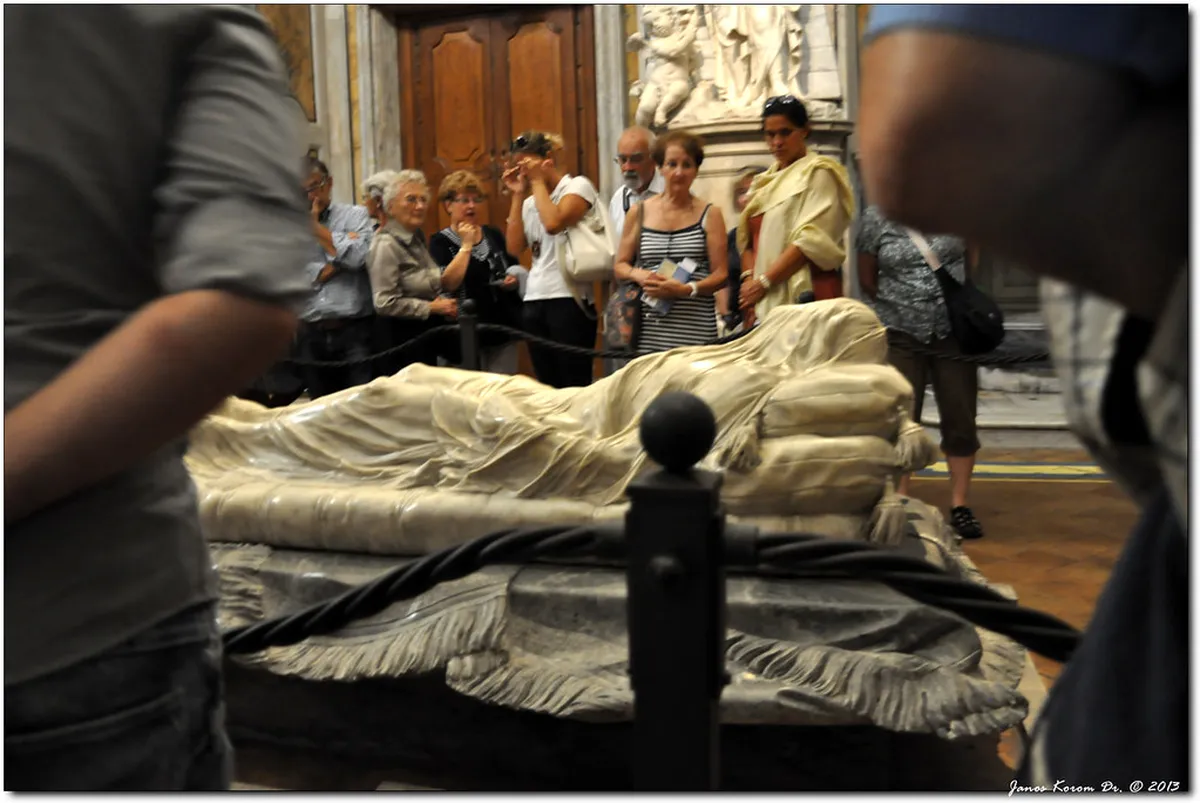
At the heart of it is Giuseppe Sanmartino's Veiled Christ in the Cappella Sansevero, routinely named Naples' single most astonishing artwork. Around it sit a cluster of underground experiences that confuse first-timers — the Catacombs of San Gennaro beneath the Rione Sanità, the WWII-era Bourbon Tunnel (Galleria Borbonica), and the Greco-Roman cisterns of Napoli Sotterranea off Via dei Tribunali — plus Caravaggio's Seven Works of Mercy hanging in the church it was painted for at Pio Monte della Misericordia, the monastery-museum of the Certosa di San Martino on the Vomero hill, the free seafront fortress of Castel dell'Ovo, and the contemporary art of the MADRE museum.
Below you'll find the eight sights we'd send any first-timer to, each linking to a full visitor guide with verified opening hours and current pricing. After the cards, the rest of this page does the planning work for you: attractions grouped by neighborhood and category, a plain-English breakdown of which underground site to pick, free-versus-paid pricing, 1-to-3-day itineraries, how to get around, when to go, and how to save money with the Campania ArteCard.
Top 8 attractions in Naples
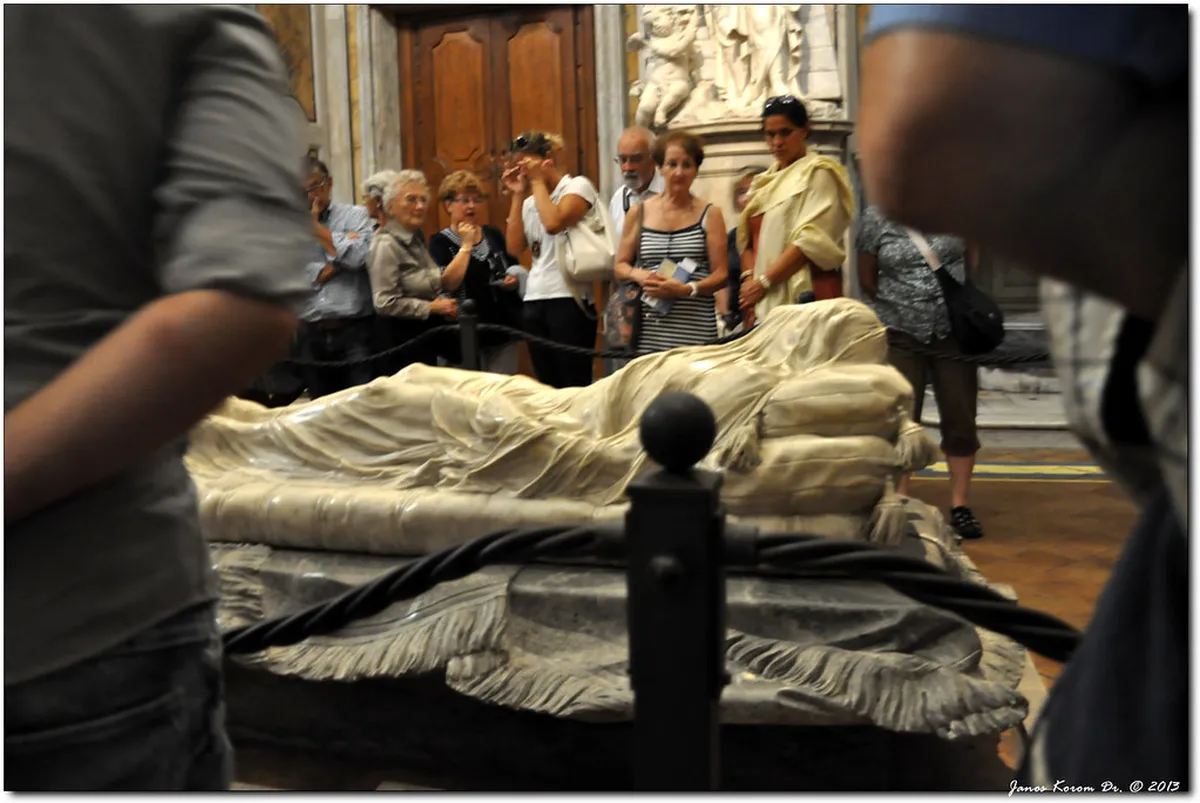
Cappella Sansevero
The Cappella Sansevero is a Rococo chapel-museum in the historic heart of Naples, Italy, home to Giuseppe Sanmartino's astonishing Veiled Christ and the enigmatic Anatomical Machines.
Visitor guide →
Catacombs of San Gennaro
The Catacombs of San Gennaro are Naples's largest early-Christian underground cemetery, a two-level tuff complex beneath the Rione Sanita decorated with 3rd-5th century frescoes and consecrated to the city's patron saint, San Gennaro. Visited on guided tours run by the local La Paranza cooperative, they are one of Naples's most evocative heritage sites.
Visitor guide →
Certosa di San Martino
The Certosa di San Martino is a Baroque former Carthusian monastery and museum on the Vomero hill in Naples, famous for its richly decorated church, world-class Neapolitan Nativity (presepe) collection, and panoramic views over the Bay of Naples.
Visitor guide →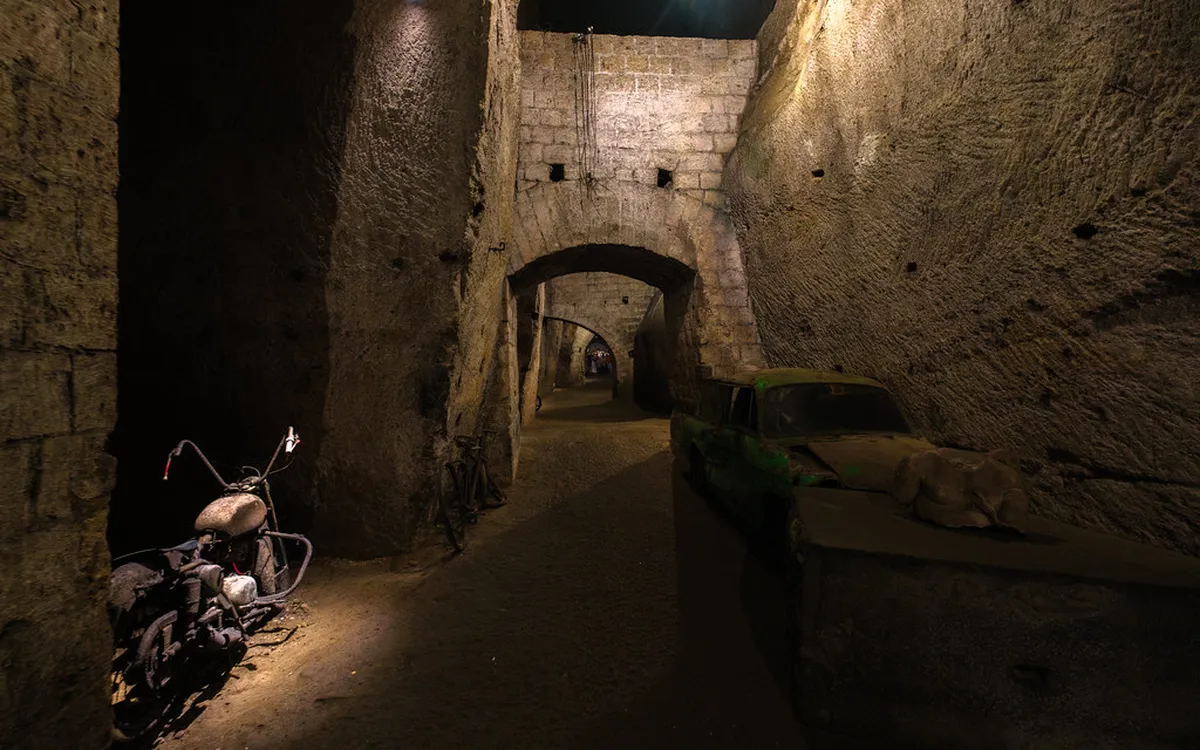
Galleria Borbonica
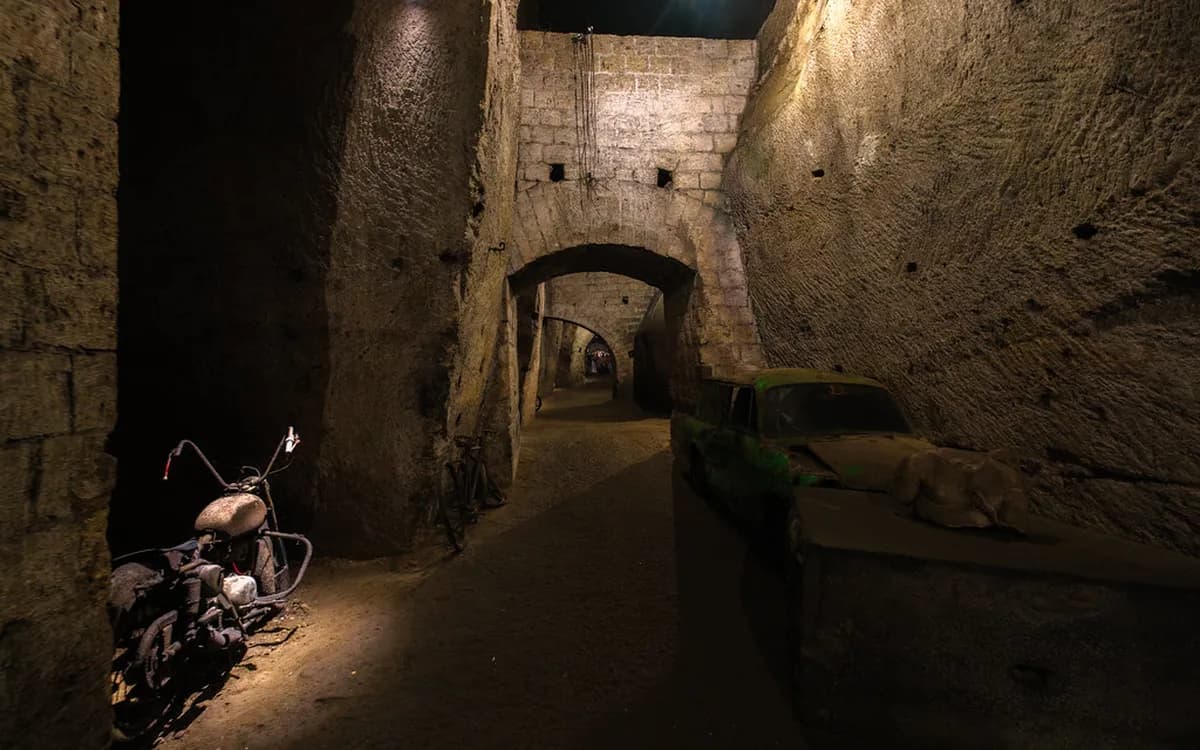
The Galleria Borbonica (Bourbon Tunnel) is a 19th-century underground passage beneath Naples, Italy, built for King Ferdinand II of Bourbon and later used as a WWII air-raid shelter, now toured for its cisterns, vintage cars and military history.
Visitor guide →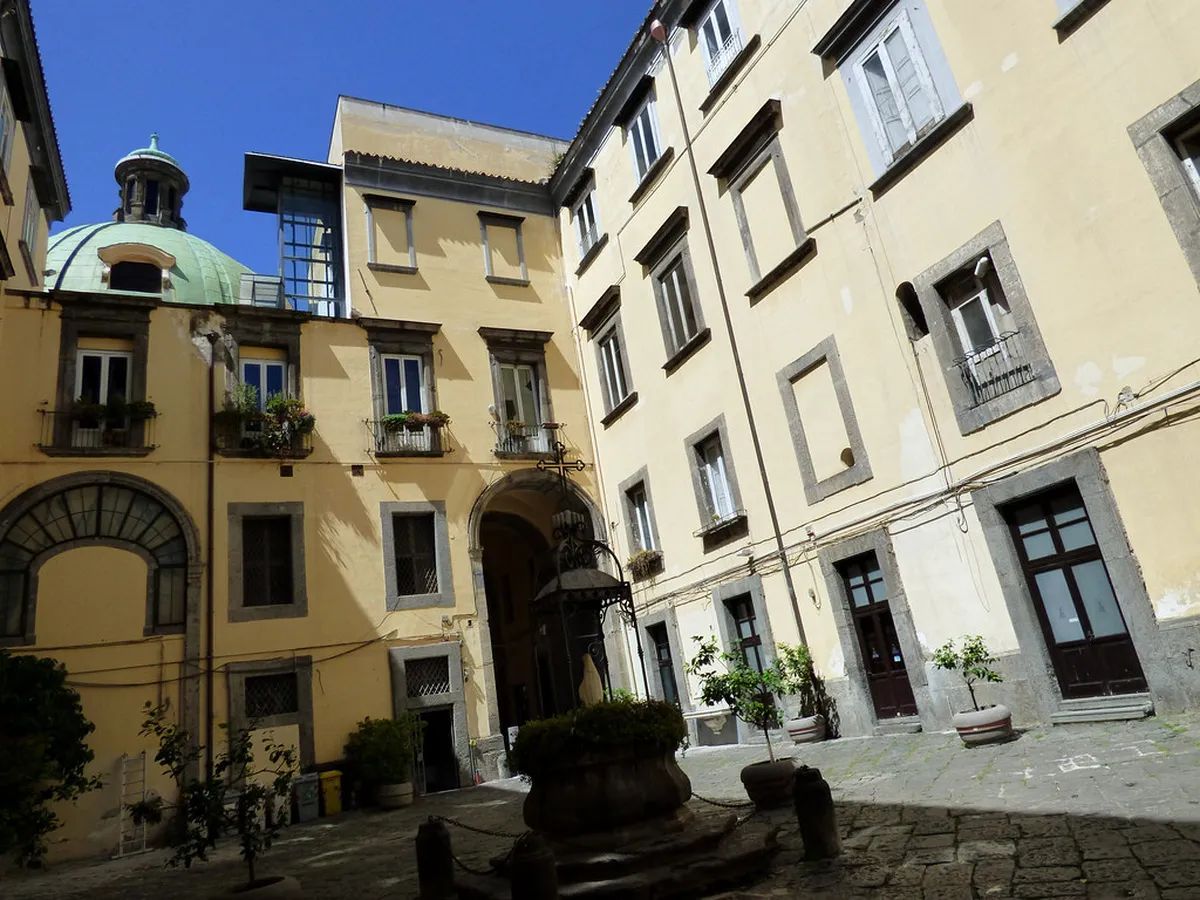
Pio Monte della Misericordia
Pio Monte della Misericordia is a 17th-century charitable institution and art museum on Via dei Tribunali in the historic centre of Naples, Italy, home to Caravaggio's altarpiece The Seven Works of Mercy and a picture gallery of Neapolitan Baroque masters.
Visitor guide →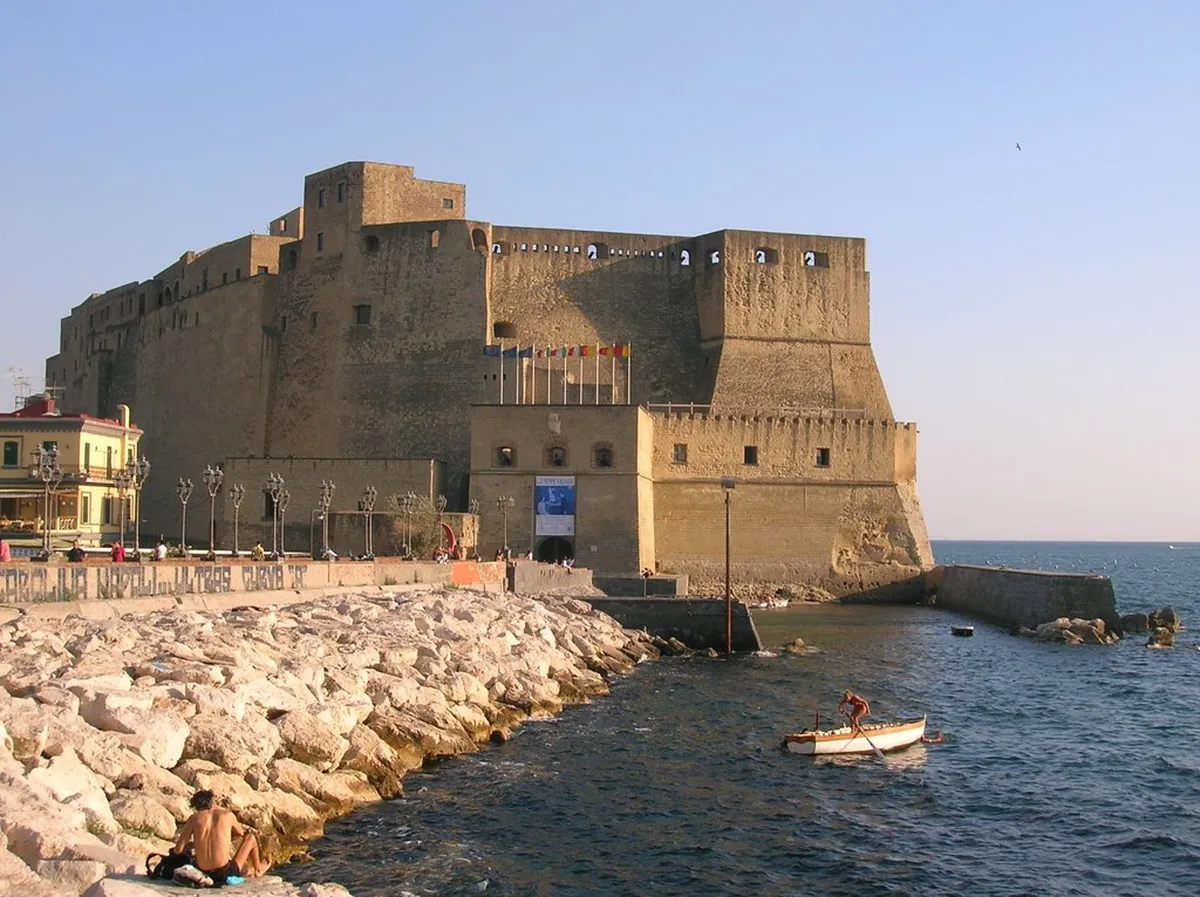
Castel dell'Ovo
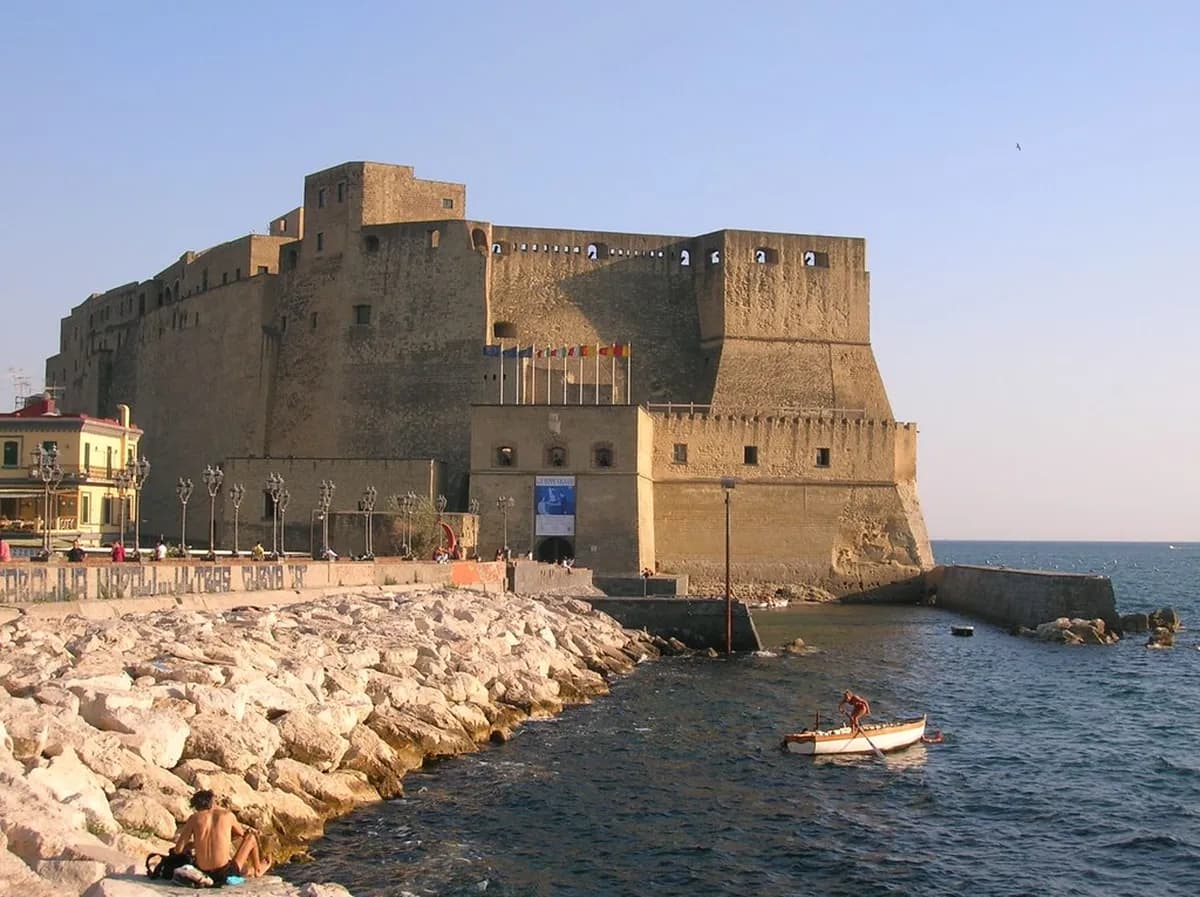
Castel dell'Ovo is the oldest castle in Naples, Italy, a seafront fortress on the islet of Megaride offering free access to panoramic ramparts over the Gulf of Naples and the fishing-village marina of Borgo Marinari.
Visitor guide →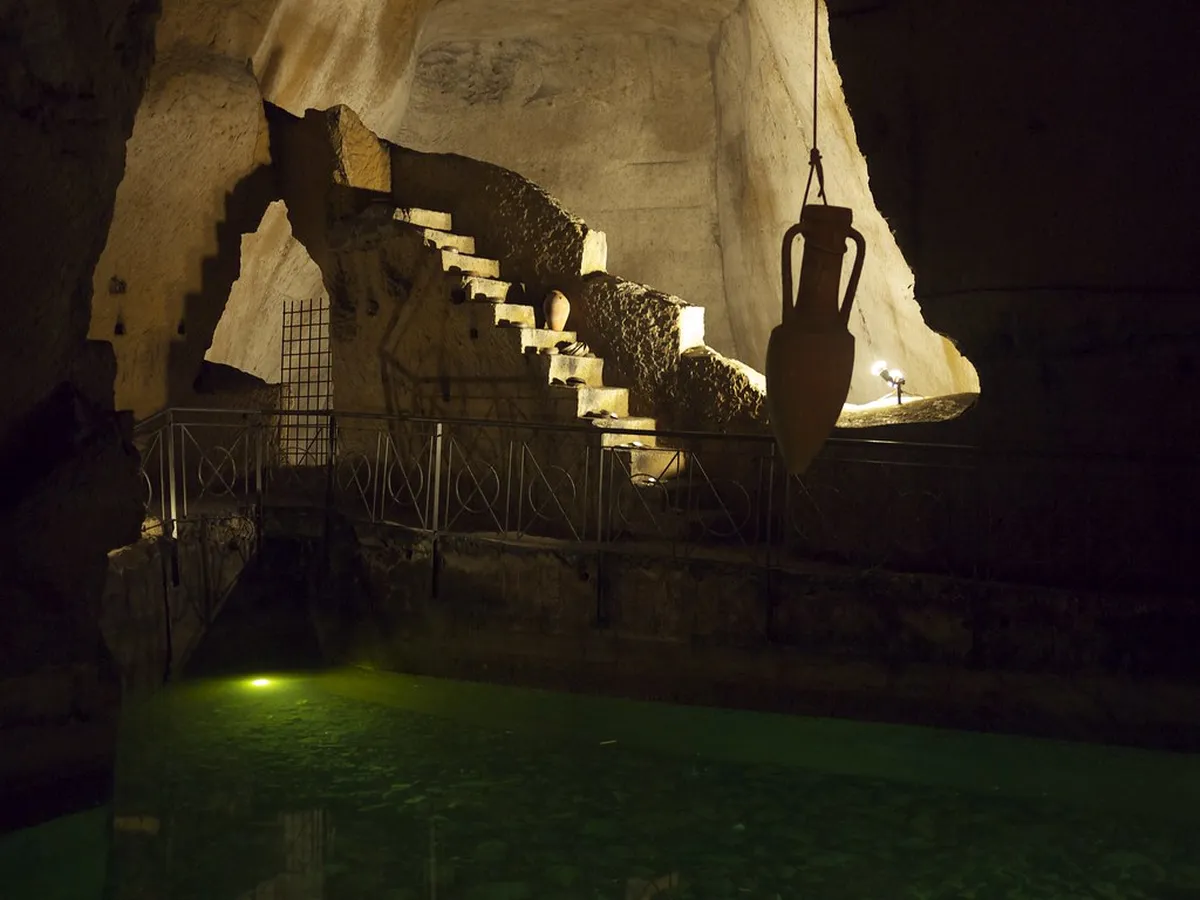
Napoli Sotterranea
Napoli Sotterranea is a guided-tour network of Greco-Roman aqueduct tunnels and cisterns about 40 metres beneath the historic centre of Naples, Italy, off Via dei Tribunali, which also served as a WWII air-raid shelter.
Visitor guide →
MADRE Museum
MADRE (Museo d'Arte Contemporanea Donnaregina) is Naples' leading contemporary art museum, housed in the historic Palazzo Donnaregina and home to site-specific works by artists such as Anish Kapoor, Francesco Clemente and Jeff Koons.
Visitor guide →Naples attractions by neighborhood
Naples is dense and walkable, but its attractions are spread across a few very different districts. Knowing which sight sits where is the fastest way to build a route that doesn't waste half your day on the funicular or the metro.
- Historic centre — Spaccanapoli & Via dei Tribunali: the UNESCO-listed core and where most of this hub clusters. The dead-straight alley of Spaccanapoli and the parallel Via dei Tribunali hold the Cappella Sansevero (Veiled Christ), Pio Monte della Misericordia (Caravaggio), the entrance to Napoli Sotterranea, and the MADRE museum just to the north. You can cover all four on foot in a single morning.
- Rione Sanità & Capodimonte: a once-overlooked working-class quarter north of the centre that has become Naples' most rewarding off-the-tourist-trail district. The Catacombs of San Gennaro are here, run by the local La Paranza cooperative, with the Capodimonte royal palace and picture gallery a short ride uphill.
- Vomero hill: the leafy hilltop district reached by three funiculars, crowned by the Certosa di San Martino monastery-museum and the neighbouring Castel Sant'Elmo — the best panorama over the whole bay.
- Seafront & Santa Lucia: the elegant waterfront strip where the free Castel dell'Ovo juts into the gulf on its islet, ringed by the seafood restaurants of Borgo Marinari. The Galleria Borbonica's tunnels run under the hill just behind it.
Naples attractions by category
If you travel by theme rather than by map, here's how this set breaks down — handy when you only have time for one type of experience.
- Underground Naples: Napoli Sotterranea (Greco-Roman aqueduct), the Catacombs of San Gennaro (early-Christian cemetery), and the Galleria Borbonica (19th-century royal escape route and WWII shelter). Three very different subterranean experiences — see the next section for which to pick.
- Churches & sacred art: the Cappella Sansevero for Sanmartino's Veiled Christ, and Pio Monte della Misericordia for Caravaggio's Seven Works of Mercy — arguably the two single most important artworks in the city.
- Museums & galleries: the MADRE contemporary art museum and the Certosa di San Martino, whose museum holds the world's finest collection of Neapolitan Nativity scenes (presepi).
- Castles & viewpoints: the free seafront Castel dell'Ovo at sea level, and the terraces of the Certosa di San Martino high on the Vomero for the classic Vesuvius-across-the-bay shot.
Underground Naples explained: which one to pick
The single most common question first-timers ask is which underground site to visit, because three of them sound interchangeable and you rarely have time for all three. They are genuinely different:
- Napoli Sotterranea takes you about 40 metres straight down beneath Via dei Tribunali into Greco-Roman aqueduct tunnels and cisterns that later served as WWII air-raid shelters. It's the central, most accessible option, with narrow candle-lit passages — pick this if you want the "city beneath the city" feeling and you're staying in the historic centre. Guided tour only.
- Catacombs of San Gennaro are not tunnels but a two-level early-Christian cemetery carved into soft tuff beneath the Rione Sanità, decorated with 3rd–5th-century frescoes and dedicated to the city's patron saint. Pick this for art and history rather than spelunking, and to support the social-enterprise cooperative that runs it. Guided tour only.
- Galleria Borbonica (Bourbon Tunnel) is a 19th-century passage built as a royal escape route, later a WWII bomb shelter and police impound — so it's full of rusted vintage cars and motorbikes alongside vast cisterns. Pick this for industrial and wartime history, and choose the "Adventure" or "Speleo" tour if you want the hands-on version.
If you can only do one and you're based in the centre, Napoli Sotterranea is the easiest yes. With a half-day to spare, add the Catacombs of San Gennaro for the frescoes. The Bourbon Tunnel is the pick for anyone travelling with WWII-history or car enthusiasts.
Free vs paid Naples attractions
Naples rewards a mixed budget — one of its great sights costs nothing, and the paid ones are mostly inexpensive by big-Italian-city standards. Prices below are the standard 2026 rates; always confirm on each attraction's own page before you go.
- Free: Castel dell'Ovo — the seafront fortress and its panoramic ramparts are free to enter, making it the best no-cost attraction in the city.
- Cappella Sansevero: a timed-entry ticket booked online for a specific slot. Demand is high, so book ahead via the official site rather than risk the queue — check the visitor guide for the current fare.
- Catacombs of San Gennaro: €13 adult, €9 reduced (students/youth), €6 children, guided tour included.
- Pio Monte della Misericordia: €10 adult, €8 reduced — includes the Caravaggio and the upstairs picture gallery.
- MADRE museum: €8 adult, €4 reduced (and free on Sundays — see the museum guide).
- Certosa di San Martino: around €6 — exceptional value for a Baroque monastery, the presepe collection and the bay views.
- Galleria Borbonica: from €15 for the guided Standard Tour, more for the Adventure and Speleo routes.
- Napoli Sotterranea: guided-tour ticket only — see the visitor guide and the official site for the current price.
Book the Cappella Sansevero's timed-entry slots well in advance via the official site, especially during peak summer months, to avoid long queues.
| Attraction | Adult ticket | Reduced | Notes |
|---|---|---|---|
| Castel dell'Ovo | Free | — | Seafront fortress and ramparts |
| Cappella Sansevero | Varies | — | Book online for timed slot |
| Catacombs of San Gennaro | €13 | €9 | Guided tour included |
| Pio Monte della Misericordia | €10 | €8 | Includes Caravaggio and gallery |
| MADRE Museum | €8 | €4 | Free on Sundays |
| Certosa di San Martino | €6 | — | Baroque monastery and presepi |
| Galleria Borbonica | €15+ | — | Standard Tour; Adventure/Speleo more |
Suggested Naples itineraries
Here's how we'd pair these sights to keep walking to a minimum and avoid backtracking across the city.
One day (the cultural core): Start in the historic centre with the Cappella Sansevero at opening time, walk five minutes to Pio Monte della Misericordia for the Caravaggio, then drop underground at Napoli Sotterranea on Via dei Tribunali after lunch. Finish with a sunset stroll out to the free Castel dell'Ovo on the seafront.
Two days: Day one as above. On day two head north to the Catacombs of San Gennaro in the Rione Sanità in the morning, then take a funicular up to the Vomero for the Certosa di San Martino and its bay panorama in the afternoon.
Three days: Add a third day for the things first-timers miss: the Galleria Borbonica for WWII history near the seafront in the morning, the MADRE museum for contemporary art in the afternoon, and the rest of the day for the markets and street life of Spaccanapoli. With three days you also have room for a half-day out to Pompeii or up Vesuvius.
Getting around Naples' attractions
You can reach nearly every sight on this page on foot or with one short ride.
- Metro Line 1 — the "art stations": Naples' newest metro line doubles as an underground gallery. Toledo station (often ranked among Europe's most beautiful) and Università are worth riding through even if you don't need them. Line 1 connects the centre, the Vomero (via the Vanvitelli stop) and the main stations.
- Funiculars to the Vomero: three historic funicular railways climb the hill to the Certosa di San Martino — the Centrale from near Via Toledo is the most useful for visitors.
- Walking Spaccanapoli: the entire historic-centre cluster (Cappella Sansevero, Pio Monte, Napoli Sotterranea, MADRE) is a flat 15-minute walk end to end, so plan it as a single on-foot loop.
- Safety & street-smarts: central Naples is busy and chaotic rather than dangerous, but keep bags zipped and phones away from the kerb (scooters), and use registered taxis or the metro at night rather than wandering unfamiliar back-streets. The Rione Sanità is best visited by day.
Best time to visit Naples' attractions
Naples is a year-round city, but the experience changes a lot by season — and several attractions have closure days that catch visitors out.
- Spring (Apr–Jun) and autumn (Sep–Oct) are ideal: warm but not the brutal August heat, and lighter crowds than peak summer.
- Summer is hot and humid — the underground sites are a welcome cool escape, but book the Cappella Sansevero's timed slots well ahead.
- San Gennaro feast days: the city celebrates its patron saint three times a year — the first Saturday in May, 19 September and 16 December — when the faithful gather for the "miracle" of the saint's blood. These are atmospheric but very busy days in and around the Duomo and the Sanità.
- Closure days: always check before you go — several Naples museums close one weekday. The MADRE traditionally closes on Tuesdays, and many civic museums close Tuesday or Wednesday, so never build a single fixed-museum day around one of those.
Several Naples museums close on specific weekdays—the MADRE traditionally closes Tuesdays and many civic museums close Tuesday or Wednesday, so verify opening days before planning a museum day.
How to save money on Naples attractions
A little planning cuts the cost of a Naples sightseeing trip noticeably.
- Campania ArteCard: the regional culture pass bundles free or discounted entry to dozens of sites across Naples and Campania (including the national archaeological museum and Pompeii) plus public transport. If you're visiting several paid attractions in a few days, the 3-day Naples or 7-day Campania card usually pays for itself.
- Lead with the free sight: the Castel dell'Ovo costs nothing and delivers one of the best views in the city — pair it with a free seafront walk to balance a day of paid tickets.
- Free museum days: the MADRE is free on Sundays, and Italy's state museums run periodic free-entry Sundays — check dates before you lock in a paid visit.
- Guided-tour combos: several operators bundle two underground sites (for example Napoli Sotterranea plus a centre walking tour) at a lower combined price than buying separately — worth it if you've decided to do more than one.
Frequently asked questions about Naples attractions
What are the must-see attractions in Naples?
The Veiled Christ at the Cappella Sansevero, the underground sites (Napoli Sotterranea and the Catacombs of San Gennaro), Caravaggio's Seven Works of Mercy at Pio Monte della Misericordia, and the seafront Castel dell'Ovo are the sights most first-timers prioritise. Add the Certosa di San Martino on the Vomero for the best view over the bay.
Is Naples worth visiting for sightseeing?
Yes. Beyond pizza and the waterfront, Naples has one of Italy's deepest concentrations of Baroque art, early-Christian heritage and unique underground sites, plus easy day trips to Pompeii and Vesuvius. It rewards travelers who go beneath the surface — literally and figuratively.
How many days do you need in Naples?
Two full days cover the cultural and underground core comfortably. A third day lets you add the Bourbon Tunnel, the MADRE and a half-day trip to Pompeii or Vesuvius without rushing.
Which underground tour in Naples is best?
For a first visit from the historic centre, Napoli Sotterranea (Greco-Roman aqueduct, 40m down) is the easiest pick. Choose the Catacombs of San Gennaro for early-Christian frescoes, or the Galleria Borbonica for WWII history and vintage vehicles.
Are Naples attractions free?
The Castel dell'Ovo is free to enter, the MADRE is free on Sundays, and Italy's state museums hold periodic free-entry days. Most other sights here are paid but inexpensive — typically €6–€15.
Where is the Veiled Christ in Naples?
The Veiled Christ is in the Cappella Sansevero, a Rococo chapel-museum in the historic centre near Spaccanapoli. Entry is by timed ticket, so book online for a specific slot.
Is Naples safe for tourists?
Central Naples is busy and chaotic rather than dangerous. Use normal city precautions — keep bags zipped, watch for scooters, and stick to the metro or registered taxis at night. The Rione Sanità is best explored by day.
Plan your Naples trip
Ready to go deeper? Our Naples blog goes well beyond this attractions hub — start with our guide to underground Naples for the full picture on the tunnels and catacombs, browse the hidden gems in Naples for the sights most visitors miss, and check our roundup of free things to do in Naples to stretch your budget. Each individual attraction guide above links back to these for the full neighborhood context.
Continue exploring
More guides you'll find useful