San Maurizio al Monastero Maggiore Visitor Guide: 7 Essential Tips
Discover Milan's "Sistine Chapel" with our San Maurizio al Monastero Maggiore visitor guide. Includes fresco highlights, Roman history, and booking tips.
On this page
San Maurizio al Monastero Maggiore Visitor Guide: 7 Essential Tips
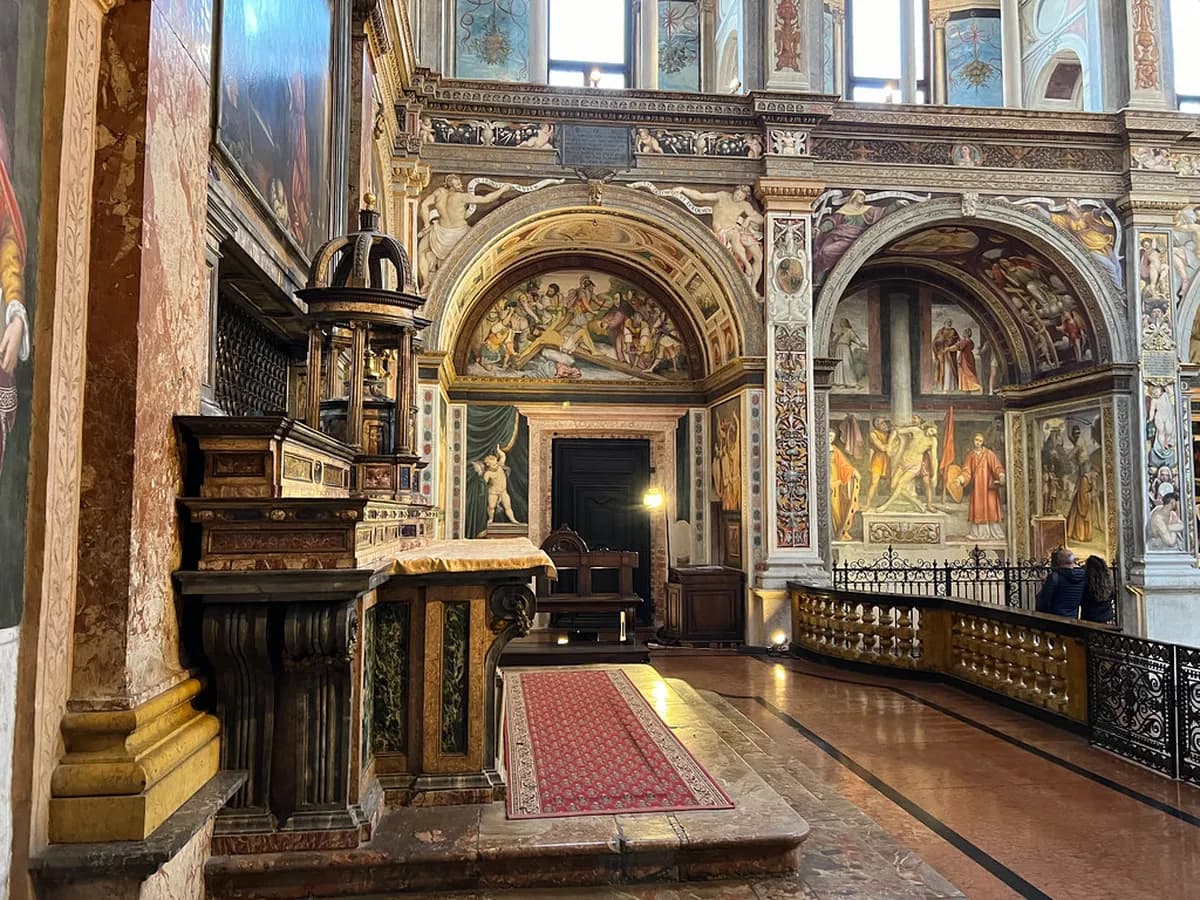
Stepping inside San Maurizio al Monastero Maggiore feels like entering a hidden world of vibrant color and gold.
Known as the "Sistine Chapel of Milan," this church holds one of the most impressive collections of 16th-century frescoes in the city.
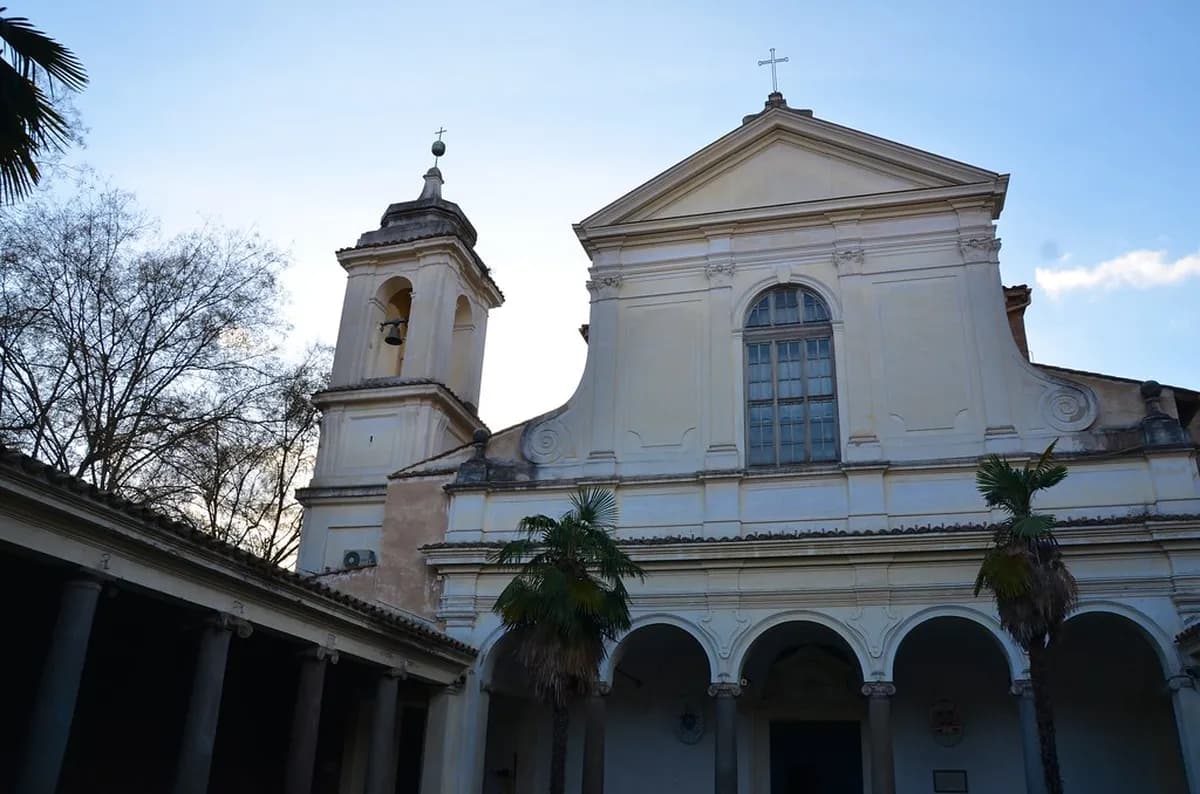
While the exterior on Corso Magenta looks plain, the interior reveals a breathtaking display of Renaissance artistry just a short walk from the Last Supper area.
This 2026 San Maurizio al Monastero Maggiore visitor guide helps you find the entrance, understand the two-hall layout, and avoid the common mistakes that make visitors rush through too quickly.
History of the "Sistine Chapel of Milan"
The church served as the seat of the most important female Benedictine convent in Milan for centuries.
Powerful families like the Sforza and Bentivoglio funded the construction and decoration of this sacred site.
Construction began in 1503 on the ruins of ancient Roman structures that once defined this part of the city.
Artists covered nearly every inch of the walls and ceilings with biblical stories, saints, martyrs, and portraits of noble donors.
Look for the kneeling patrons in the Laymen's Hall, often identified with Alessandro Bentivoglio and Ippolita Sforza, because they explain why a convent church could afford such lavish decoration.
- The Sforza Family Connection
- Role: Major financial patrons
- Impact: Commissioned top artists
- Legacy: Portraits in frescoes
- Period: Early 16th century
- The Benedictine Order Influence
- Status: Wealthy noble nuns
- Daily life: Cloistered silence
- Artistic focus: Religious devotion
- Closure: Late 18th century
The Unique Architecture: Laymen’s Hall vs. Hall of Nuns
A massive dividing wall splits the church into two distinct areas for the public and the nuns.
The front section, known as the Laymen’s Hall, allowed the general public to attend religious services.
Behind the altar lies the Hall of Nuns, where the cloistered sisters could pray without being seen.
This architectural split reflects the strict social and religious boundaries of the Renaissance era in Milan, and it is the key detail to understand before you start looking at the frescoes.
| Area | Original purpose | What to notice | Visitor tip |
|---|---|---|---|
| Laymen’s Hall | Public worship space | Side chapels, donor portraits, and the painted partition wall | Start here so the convent layout makes sense |
| Hall of Nuns | Hidden choir for cloistered Benedictine nuns | Wooden choir, frescoed walls, and quieter acoustics | Do not miss the passage beyond the front hall |
- The Public Laymen Hall
- Access: Main street entrance
- Atmosphere: Open and grand
- Key feature: Side chapels
- Art: Donor portraits
- The Private Hall of Nuns
- Access: Via side passage
- Acoustics: Exceptional for singing
- Key feature: Wooden choir
- Art: Life of Christ
Masterpieces of Lombard Painting: The Frescoes
Bernardino Luini and his sons are responsible for the majority of the stunning artwork found here.
Luini worked in the orbit of Leonardo da Vinci, which is evident in the soft expressions, gentle modeling, and calm gestures of his figures.
The Besozzi Chapel stands out as a highlight, featuring the dramatic martyrdom of Saint Catherine on the third chapel to the right.
Spend extra time there before moving on, because the chapel is one of the easiest places to compare narrative detail, donor prestige, and theatrical Renaissance storytelling in a single corner.
Studying these walls provides a deep look into the evolution of Lombard painting during its golden age.
- Bernardino Luini Highlights
- Style: Leonardesque and soft
- Main work: Dividing wall
- Theme: Passion of Christ
- Quality: Masterful detail
- The Besozzi Chapel Details
- Patron: Paolo Lualdi Besozzi
- Subject: Saint Catherine
- Artist: Bernardino Luini
- Year: Painted around 1530
The Roman Towers and the Archaeological Museum
The church complex incorporates two massive towers from the ancient Roman city of Mediolanum.
One tower is square and served as part of the Roman Circus where chariot races occurred.
The other tower features twenty-four sides and was originally a defensive structure for the city walls.
The cloister now belongs to the Civic Archaeological Museum, so treat the church and museum as connected but separate visits: the church is the fresco stop, while the museum is where Roman Milan becomes easier to read.
Visitors can see these towers up close by walking through the connected archaeological district nearby.
- The Square Circus Tower
- Origin: Roman Circus
- Current use: Church belltower
- Height: Visible from street
- Condition: Extremely well preserved
- The 24-Sided Polygonal Tower
- Origin: Defensive walls
- Location: Museum cloister
- Access: Museum ticket required
- Style: Late Roman masonry
Practical Information: Opening Hours and Entry
Entry to San Maurizio is usually free, though volunteers often suggest a small donation for maintenance.
The church typically opens from Tuesday to Sunday, but it often closes for a few hours during midday.
Check the Official Archaeological Museum Page for the most current 2026 opening times.
Volunteers from the Touring Club Italiano often provide helpful brochures to guide you through the chapels.
The easiest metro choices are Cadorna for a direct approach from the west and Conciliazione if you are pairing the church with Santa Maria delle Grazie.
Accessibility is better than in many historic churches, but the old complex still has uneven surfaces, narrow transitions, and occasional bottlenecks near the passage to the Hall of Nuns.
- Getting to Corso Magenta
- Metro: Cadorna or Conciliazione
- Tram: Lines 16 or 19
- Walking: 10 mins from Duomo
- Signage: Look for the museum
- Visitor Entry Costs
- General: Free admission
- Donation: 2 to 5 Euros
- Museum: Separate paid ticket
- Tours: Private fees apply
How to Combine San Maurizio with The Last Supper
San Maurizio sits just 300 meters away from the church of Santa Maria delle Grazie.
Most travelers visit the Last Supper first and then walk down Corso Magenta to see these frescoes.
This area is a hub for Milan attractions that showcase the genius of the Renaissance.
The short walk between the two sites takes less than five minutes and passes several historic palaces.
If you are coming from the Duomo, walk northwest toward Cordusio and continue along Via Meravigli and Corso Magenta; from Castello Sforzesco, approach through the quieter streets south of the castle and watch for the modest church facade.
- The Ideal Walking Route
- Start: Santa Maria Grazie
- Street: Corso Magenta
- Stop: San Maurizio entrance
- End: Archaeological Museum
- Nearby Cultural Stops
- Site: Palazzo Litta
- Site: Casa degli Atellani
- Site: Bar Magenta
- Site: Biffi Pasticceria
Essential Tips for Your Visit
Morning light provides the best illumination for the frescoes in the Hall of Nuns, especially when the side walls are easier to see without glare.
Morning light provides the best illumination for the frescoes in the Hall of Nuns, especially when the side walls are easier to see without glare.
Photography is allowed, but you must keep your flash turned off to protect the delicate pigments.
While accessibility is better than many historic churches, the complex features uneven surfaces, narrow transitions, and occasional bottlenecks near the passage to the Hall of Nuns.
Consider visiting on a weekday morning to avoid the larger tour groups that arrive in the afternoon.
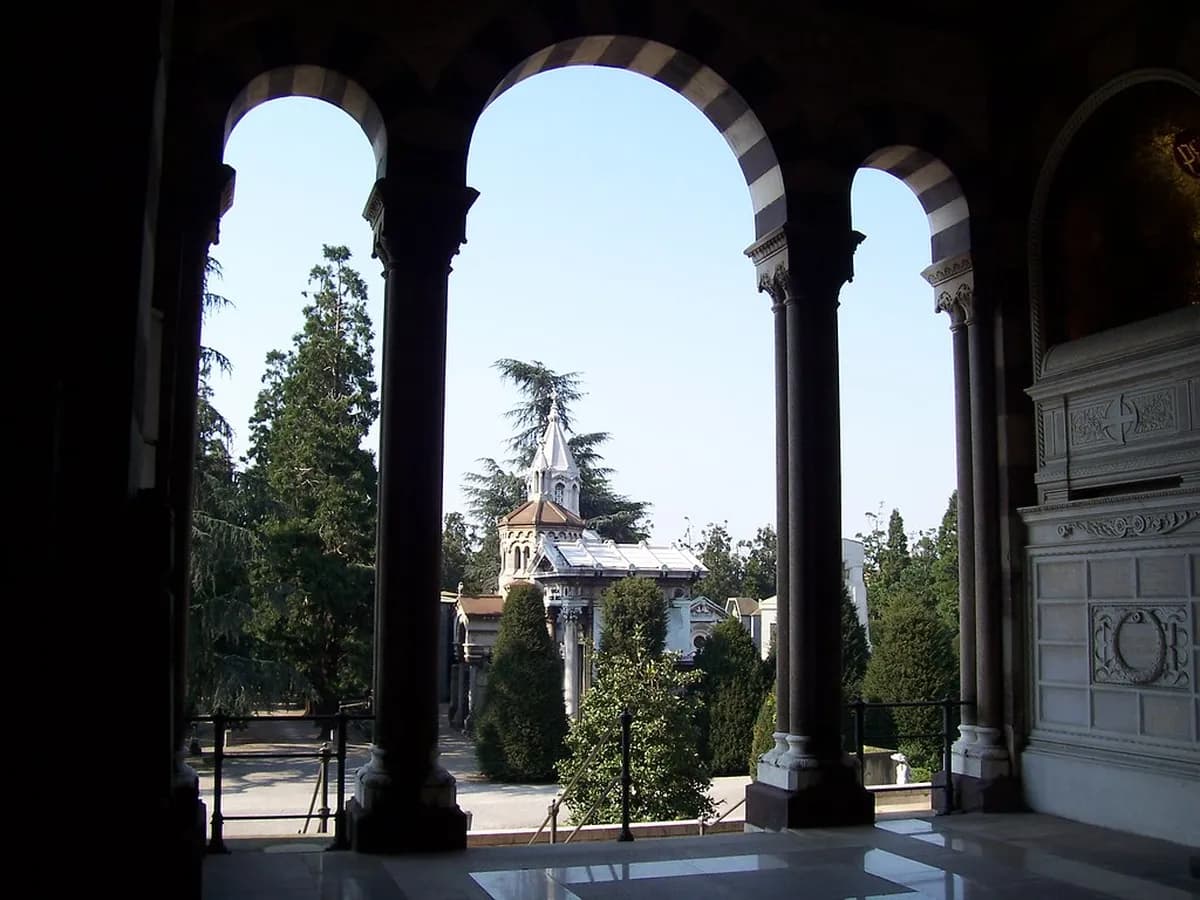
Like the Cimitero Monumentale, this site requires a quiet and respectful atmosphere for all visitors.
The biggest mistake is treating San Maurizio as a quick filler stop after the Last Supper; plan enough time to cross into the Hall of Nuns, look back at the dividing wall, and read the chapel sequence instead of photographing only the first nave.
- Optimizing Your Lighting
- Best time: 10:00 AM
- Reason: Soft natural light
- Winter: Early afternoon
- Summer: Morning is cooler
- Photography and Etiquette
- Flash: Strictly prohibited
- Tripods: Not allowed
- Phone tip: Lower exposure for gold details
- Dress: Shoulders covered
- Common Mistakes to Avoid
- Skipping: Hall of Nuns
- Rushing: Allow 30 to 45 minutes
- Confusing: Church and museum entry
- Arriving: During midday closure
Frequently Asked Questions
Is San Maurizio al Monastero Maggiore free to visit?
Yes, entry to the church is free for all visitors. However, the site is managed by volunteers who appreciate small donations to help with preservation. If you wish to visit the adjacent Archaeological Museum to see the Roman towers, a separate paid ticket is required.
How far is San Maurizio from the Last Supper?
The church is located only 300 meters from Santa Maria delle Grazie, where the Last Supper is housed. It takes about five minutes to walk between the two sites along Corso Magenta. This makes it very easy to combine both famous landmarks into a single morning itinerary.
Why is San Maurizio called the Sistine Chapel of Milan?
It earned this nickname because every inch of the interior is covered in high-quality 16th-century frescoes. The sheer scale and beauty of the artwork rival the famous chapel in Rome. Much of the work was completed by Bernardino Luini, a prominent follower of Leonardo da Vinci.
Do you need to book tickets for San Maurizio al Monastero Maggiore?
No advance booking is required for individual visitors to the church. You can simply walk in during the standard opening hours. For the most up-to-date schedule, check the YesMilano Venue Profile before your visit to ensure the doors are open.
Other Rooms Frescoed Wall to Wall
Luini and his workshop covered every surface here, which is why the church gets called Milan's Sistine Chapel by people who have run out of comparisons. Florence's Brancacci Chapel is the more consequential room — Masaccio's perspective changed what came after it. In Naples, Cappella Sansevero takes the total-design idea into sculpture and iconography that nobody has fully decoded.
San Maurizio al Monastero Maggiore remains one of the most rewarding hidden gems in all of Italy.
Its combination of Roman history and Renaissance art offers a unique perspective on the layers of Milanese culture.
Planning your visit around the morning light will ensure you see the frescoes in their best possible state.
Do not miss the chance to experience this quiet sanctuary of beauty during your next trip to the city.
To verify current details, consult the San Maurizio al Monastero Maggiore on Wikipedia.
For more Milan planning, see our Milan Things to See, What to Do in Milan for 3 Days, and Best Churches in Milan guides.
Continue exploring
More guides you'll find useful