What To Do In Milan For 3 Days: The Ultimate Local Itinerary
Plan your perfect 3-day Milan itinerary with local tips on the Duomo, Last Supper bookings, Navigli canals, and a Lake Como day trip.

On this page
What To Do In Milan For 3 Days: The Ultimate Local Itinerary
Milan is often misunderstood as a grey industrial hub by those who only see the train station. The city reveals its real character slowly through hidden courtyards, marble facades, and canal-side bars that fill up every evening. This guide gives first-time visitors a clear, chronological plan to cover the essential landmarks without feeling rushed. All booking advice and prices have been checked for accuracy in 2026.
Three days is the sweet spot for Milan. You can cover the historic heart, the art and fashion districts, and the canal neighborhood without sacrificing the slow lunches and evening aperitivo that make the city worth visiting. Understanding what Milan is famous for helps you prioritize the right galleries and districts from day one. First-timers should lock in their core bookings before anything else.
Milan Planning Cheatsheet: Essential Logistics
The best time to visit Milan for a three-day trip is spring (April to mid-June) or early autumn (September to October). Temperatures sit between 15°C and 24°C, the outdoor cafes are in full swing, and the city is not yet at peak tourist density. Summer is viable but July and August bring 35°C heat and heavy crowds around the Duomo. Winter is underrated: flights are cheaper, the Christmas market in Piazza Duomo runs through late December, and the Navigli bars are just as lively.
Last Supper booking: Book exactly three months ahead through cenacolovinciano.org at 9:00 AM release day — tickets sell out within minutes. Lake Como train: Milano Centrale to Varenna takes under 60 minutes for about €8 one-way; ideal for a full-day side trip with ferry circuits across the mid-lake villages.
Book the Last Supper exactly three months before you want to visit. The official site at cenacolovinciano.org releases tickets in three-month blocks and they sell out within minutes of release. Set a calendar reminder and check the site at 9:00 AM on the release date. For the Duomo rooftops, two to three weeks in advance is usually enough. Teatro alla Scala opera tickets sell out four to six weeks ahead; the museum is walk-in.
The Malpensa Express train from Milano Malpensa Airport to Milano Centrale takes 52 minutes and costs €13. From Linate Airport, bus line 73 or the Starfly shuttle connects to the city center in 30 to 40 minutes for around €5. Taxis from Malpensa are fixed at roughly €95 to the center. Staying near the Duomo or Brera puts every major Day 1 and Day 2 sight within a 20-minute walk.
Best Neighborhoods and Places to Stay in Milan
Brera is the top recommendation for first-timers. The cobblestone streets, independent galleries, and proximity to the Pinacoteca make it the most charming base in the city. Hotels here run €200 to €400 per night, but being within walking distance of most the top sights in Milan means you save on transport costs every day.
Navigli suits travelers who prioritize nightlife and atmosphere over proximity to the main monuments. The canal district is a 25-minute metro or tram ride from the Duomo, but the trade-off is a livelier neighborhood with more affordable boutique hotels and guesthouses in the €100 to €200 range. This is also the best base if you plan to explore the canal markets and vintage shops on Day 3.
Porta Nuova offers a modern alternative with the Bosco Verticale towers and the Biblioteca degli Alberi park. It connects directly to Milano Centrale train station, which makes it ideal for anyone adding a Lake Como day trip. Prices here range from €180 to €350 per night. The Cinque Vie neighborhood, tucked into narrow lanes southwest of the Duomo, is worth considering for longer stays: quieter than Brera, central, and less touristy.
Transportation: How to Get Around Milan Efficiently
Milan's center is walkable. The Duomo to Sforza Castle is a 15-minute walk along Via Dante. Brera to the Last Supper venue at Santa Maria delle Grazie takes about 25 minutes on foot. For longer distances, the metro and tram network covers everything on this itinerary efficiently. Buy tickets via the ATM Milano app and ticketing system, at vending machines inside metro stations, or by tapping your contactless card at the turnstile.
The metro has four lines. Line M1 (red) and M3 (yellow) serve the Duomo area. Line M2 (green) connects Cadorna and Centrale stations, which matters for Lake Como day trips. A single ride costs €2.20 and is valid for 90 minutes across metro, tram, and bus. A 24-hour pass costs €7 and a 48-hour pass costs €12. If you plan to move around a lot, the 24-hour pass pays for itself on the first day.
Several vintage orange trams still run on lines 1, 5, and 10. They are slower than the metro but useful for getting from the Navigli district back toward the center. Taxis cannot be flagged on the street; use the itTaxi or FreeNow apps, or head to a marked taxi rank. Uber Black operates for airport transfers only.
Day 1: The Historic Heart and Iconic Landmarks
Start at Piazza del Duomo by 09:00. The Duomo di Milano is the third-largest cathedral in the world, built over five centuries and finished with more than 3,000 statues on its exterior. Rooftop terrace tickets cost €15 by stairs or €20 by elevator; book online in advance to skip the security queue. You can book directly through the official Duomo website for rooftop access. On a clear morning you can see the Alps from the top terrace. Allow two hours for the cathedral, rooftop, and the small museum across the street.
Walk directly into Galleria Vittorio Emanuele II, Milan's 19th-century covered arcade. The original Prada store opened here in 1913, and the glass dome and mosaic floor remain one of the city's great architectural interiors. Beneath the central dome, look for tourists spinning on the mosaic bull for good luck — it is genuinely a Milan tradition. The Marchesi 1824 pastry shop on the upper floor serves exceptional espresso and cornetti; it opens at 08:00 if you want to start your morning here before the Duomo.
Spend the afternoon at the Sforza Castle (Castello Sforzesco). The castle grounds are free to enter; the internal museums charge around €5 and include a restored fresco by Leonardo da Vinci and Michelangelo's unfinished Rondanini Pietà. Afterward walk north along Via Dante into Brera, stopping at the Brera University Botanical Garden — entrance is free and it is one of the few genuinely quiet spots in central Milan. In the evening, the Brera bars along Corso Garibaldi fill up for aperitivo from 18:00 onward.
| Day | Focus | Key stops |
|---|---|---|
| Day 1 | Historic Heart and Iconic Landmarks | Piazza del Duomo, Duomo rooftop, Galleria Vittorio Emanuele II, Sforza Castle, Brera neighborhood |
| Day 2 | Art, High Fashion, and Modern Architecture | Last Supper at Santa Maria delle Grazie, Pinacoteca di Brera, Quadrilatero della Moda, Bosco Verticale, Biblioteca degli Alberi |
| Day 3 | Canals, Vintage Style, and Aperitivo | Parco Sempione, Torre Branca, Navigli district, vintage shops on Via Corsico, canal aperitivo experience |
Day 2: Art, High Fashion, and Modern Architecture
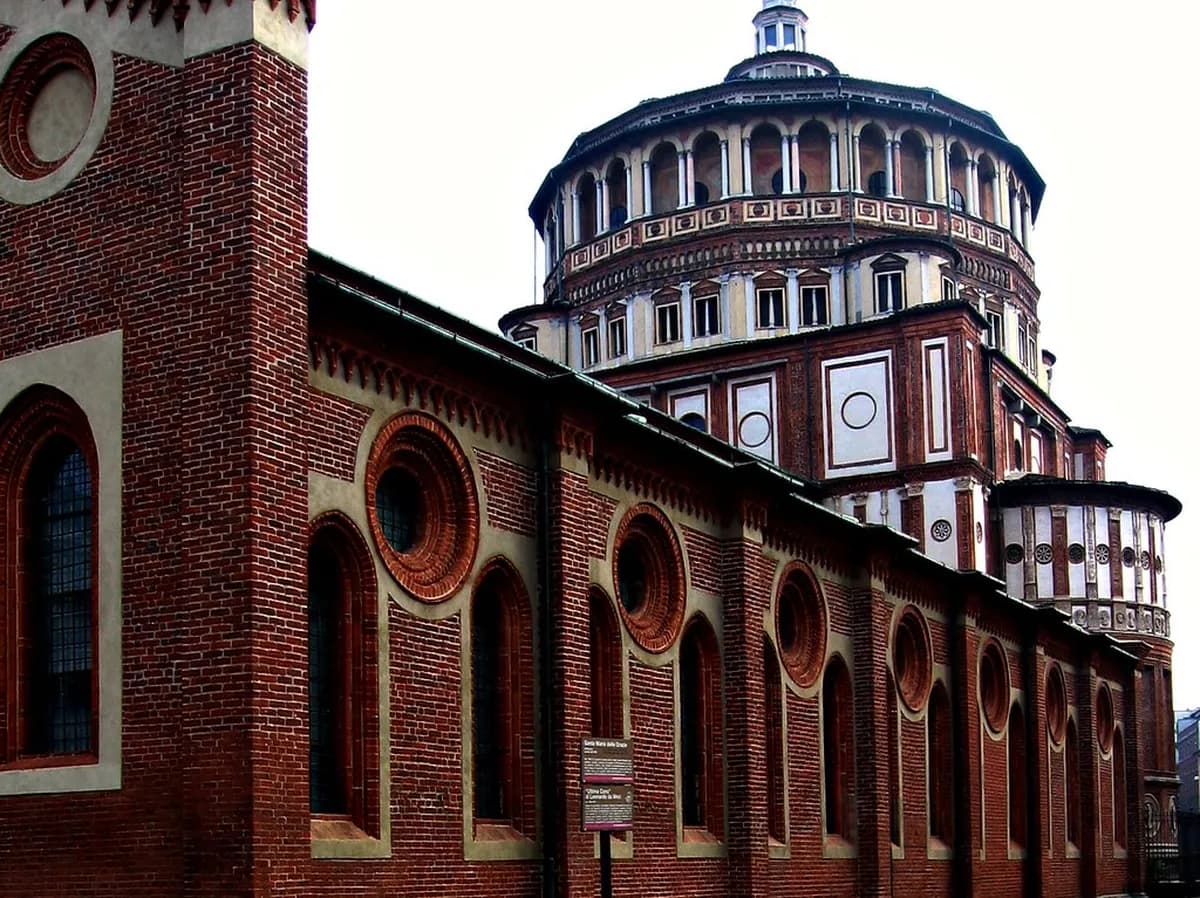
The Last Supper at Santa Maria delle Grazie must be your first stop. Arrive early: viewing slots begin at 08:15 and each group gets exactly 15 minutes with the painting. Book tickets (€15) directly via the Leonardo's Last Supper official ticketing site. The museum is closed on Mondays. If you missed the advance booking window, a guided tour through a reputable operator typically bundles entry and is easier to secure than standalone tickets, though it costs around €50 to €70 per person.
Spend your afternoon in the Brera district at the Pinacoteca di Brera. The gallery holds works by Raphael, Caravaggio, and Mantegna, and a glass-walled restoration lab inside the building lets you watch conservators at work. Tickets cost €15. From Brera, walk southeast into the Quadrilatero della Moda — the fashion quadrangle formed by Via Montenapoleone, Via della Spiga, Via Sant'Andrea, and Corso Venezia. This is where you are most likely to spot Milan's legendary elderly fashion icons, the Sciure: immaculately dressed women in their seventies and eighties who treat a Tuesday afternoon walk as a full couture event. The fur coats and oversized sunglasses are genuine, not performative.
Finish the afternoon at Bosco Verticale in Porta Nuova. The two residential towers with 900 trees growing on the balconies are best photographed from the Biblioteca degli Alberi park directly opposite. The park has a wide lawn and is a popular local evening spot. Visit the Milan's top museums like the Museo del Novecento if modern Italian art interests you — it is a short walk from the Duomo and open until 19:30 most evenings.
Day 3: Milan Like a Local — Canals, Vintage Style, and Aperitivo
Start at Parco Sempione, the large park behind Sforza Castle. The Torre Branca observation tower inside the park offers panoramic city views for €4 and is often missed by visitors. The Triennale design museum on the park's western edge has rotating exhibitions and a good café. From the park, take tram line 3 or the M2 metro to Porta Genova station and walk five minutes to the Naviglio Grande canal.

The Navigli district is best explored mid-afternoon when the vintage clothing shops and record stores along Via Corsico and Via Vigevano are all open. The canal itself was built in the 12th century to transport marble for the Duomo; today the towpaths are lined with galleries, bookstores, and small antique dealers. Budget two to three hours for wandering. Those looking for the what to eat in Milan should try Osteria del Binari for classic Milanese dishes or El Brellin for risotto alla Milanese; both are within a five-minute walk of the canal.
Aperitivo starts at 18:00 and is the ideal way to close your last evening. Most bars in Navigli charge €8 to €12 for a Campari soda or Aperol Spritz and set out a free snack buffet — this is a genuine local tradition, not a tourist add-on. The heavily marketed bars right on the canal embankment tend to be crowded and overpriced. Walk one street back to Via Corsico or Ripa di Porta Ticinese and you will find the same ritual at half the crowd level. If you want the best of both worlds, Pasticceria Sissi on Alzaia Naviglio Grande is a quieter local favorite that serves excellent Negroni and a refined aperitivo spread.
Where to Eat: Authentic Milanese Dining and Aperitivo
Milan's defining dishes are cotoletta alla Milanese (breaded veal cutlet, served flat and bone-in), risotto alla Milanese (saffron risotto with bone marrow), and ossobuco (braised veal shank). These are slow, rich dishes that reflect the city's northern European culinary heritage. Find them at trattorias like Trattoria Milanese on Via Santa Marta or Masuelli San Marco in Porta Vittoria — both serve local clientele and have been open for decades.
For breakfast, Milan runs on espresso and cornetto. Ordering a cappuccino after 11:00 will earn you a disapproving look from the bar staff; switch to espresso or macchiato by midday. Pasticceria Cova on Via Montenapoleone has been operating since 1817 and is worth the premium for the millefoglie and cream-filled cannoncini. Bar Luce inside Fondazione Prada, designed by Wes Anderson, is a legitimate local café in a genuinely striking space — not just an Instagram stop.
For the many Milan after dark that involve eating, the Brera trattorias around Corso Garibaldi are reliable for dinner from 19:30 onward. Porta Romana is the neighborhood that locals tend to eat in when they want to avoid the tourist premium; tram line 9 connects it from the city center in about 20 minutes. Those traveling visiting Milan on a budget can find panzerotti (fried pizza pockets) at Luini near the Duomo for under €3.
Optional Day 4: A Day Trip to Lake Como
Lake Como is the most popular extension for a Milan itinerary and is reachable in under one hour. The key decision is which train station you depart from, because they serve different parts of the lake. Trains from Milano Centrale (the main station) go to Varenna-Esino in about 60 minutes for around €8 one-way. Varenna is the best base for the mid-lake ferry circuit that connects to Bellagio and Menaggio in one day using a single day pass for the car ferry service (around €17).
Trains from Milano Cadorna (served by the Malpensa Express line) go to Como San Giovanni in 45 minutes for around €5. Como town has a beautiful Romanesque-Gothic cathedral, a funicular to Brunate village, and a pleasant lakefront promenade. It is quieter than Bellagio and better for a half-day visit if you want to combine the lake with an afternoon back in Milan. Do not confuse Cadorna and Centrale — they are on different metro lines and serve genuinely different destinations on the lake.
Take the earliest morning train regardless of which route you choose. The mid-lake villages get crowded by midday in spring and summer. Check the return train schedule before you leave the station to avoid missing the last direct service, which typically runs before 22:00. Explore more options for getting out of the city in our guide to the day trips from Milan.
Frequently Asked Questions
Which neighborhood in Milan is best for first-timers?
Brera is the best neighborhood for first-time visitors because it is central and very walkable. You will be close to the Duomo and the major art galleries. The area also offers plenty of charming cafes and restaurants.
How far in advance should I book the Last Supper tickets?
You should book Last Supper tickets exactly three months in advance through the official website. These tickets sell out almost instantly upon release. If you miss the window, consider booking a guided walking tour instead.
Is a day trip to Lake Como worth it from Milan?
A day trip to Lake Como is definitely worth it if you have an extra day. The train ride takes less than an hour from Milano Centrale station. It provides a beautiful escape into the Italian Alps and lake scenery.
Milan rewards the traveler who moves at a deliberate pace. Lock in the Last Supper booking three months out, build your days around the neighborhood clusters, and reserve at least one evening for a proper canal-side aperitivo. The city is both more accessible and more layered than most first-timers expect.
The mix of Gothic cathedral, Renaissance painting, high fashion, and industrial canal history means every day feels genuinely distinct. Follow this structure, wear comfortable shoes, and leave a morning free for the slow coffee rituals that Milan takes seriously. Safe travels on your Italian adventure.
Looking for the secret side of the city? Pair this with our guide to Milan's hidden gems — the offbeat spots most visitors walk straight past.
Continue exploring
More guides you'll find useful