What to Do in Milan for a Day: 1-Day Itinerary
Maximize your 24 hours with this perfect one day in Milan itinerary. Includes the Duomo, The Last Supper, hidden gems, and Navigli dining tips for first-timers.
On this page
The Perfect 1-Day Itinerary: What to Do in Milan for a Day
Milan rewards visitors who plan ahead. You can see the Duomo terraces, Leonardo da Vinci's Last Supper, the Galleria, Sforza Castle, and the Navigli canals in a single day — but only if you book the right things at the right time. This guide walks through every stop in the order you should visit, with exact prices, metro lines, and the one booking trick most travelers miss.
Many travelers wonder what Milan is famous for beyond fashion and football. The answer is one of the world's most complex Gothic cathedrals, a 15th-century fresco that changed art history, and a canal district that feels nothing like the tourist centre a kilometre away. You will discover that the the top sights in Milan range from grand public squares to free hidden gems most tourists walk straight past.
Milan also co-hosted the 2026 Winter Olympics alongside Cortina d'Ampezzo, staging figure skating and speed skating events at the city's arenas. The spotlight has made accommodation more expensive in peak months, but the sights are unchanged. Arrive early, have your tickets on your phone, and you will leave wondering why you only gave the city one day.
Milan Day Trip At a Glance
This itinerary works whether you are spending a full day in Milan or making a strategic stopover between Florence and Venice. The city's main sights cluster within two metro stops of Milano Centrale, so you lose almost no time in transit. A well-organized day covers eight distinct stops from 08:30 to 21:00.
Most visitors arrive by Frecciarossa high-speed train from Florence (about 2 hours 45 minutes) or Venice (about 2 to 3 hours). Store your bags at the Deposito Bagagli inside Milano Centrale — allow 10 to 15 minutes for drop-off and pick-up, and factor that into your schedule. A single metro ticket costs €2.20 and covers any journey within the city.
| Time | Activity | Metro Line |
|---|---|---|
| 08:30–12:30 | Last Supper → Duomo terraces → Galleria Vittorio Emanuele II → La Scala | M2 (green), M1/M3 |
| 13:00–17:30 | Brera lunch → Pinacoteca di Brera → Sforza Castle → Sempione Park | M2, M1 |
| 18:00–21:00 | Aperitivo and dinner in the Navigli canal district | M2 |
Book Last Supper tickets at least 2–3 months in advance; slots are released in batches on VivaTicket and sell out within hours. A single metro ticket costs €2.20 and covers any journey within Milan.
The Last Supper: How to Actually Get Tickets
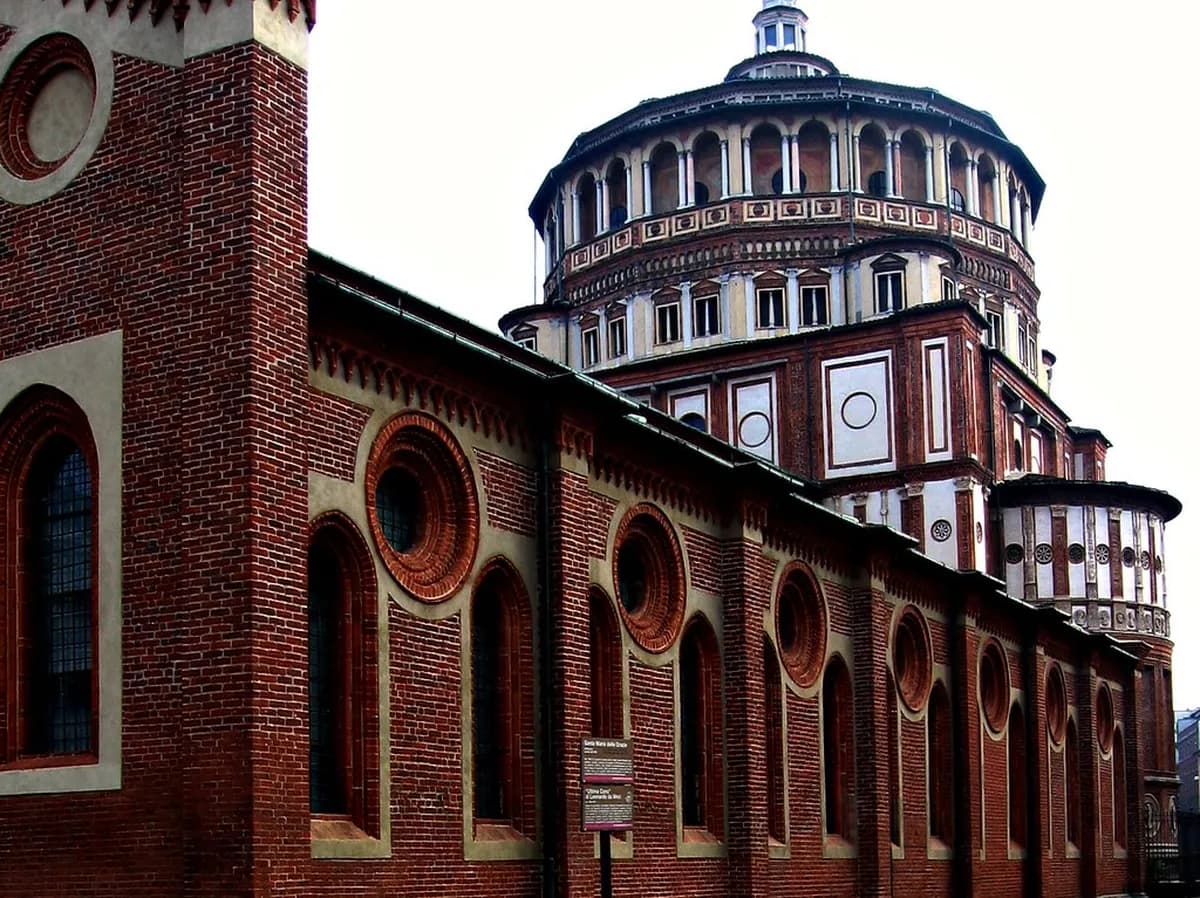
Start your day here if your ticket time allows it. Santa Maria delle Grazie is on the M2 green line, five stops from Milano Centrale to Cadorna, then a 10-minute walk. Only 30 visitors are admitted every 15 minutes to protect the fragile mural, so your time slot is fixed and non-negotiable. Arrive 30 minutes before your entry time to exchange your receipt and ID for official tickets at the desk. Photography is prohibited inside. The mural, painted by Leonardo da Vinci between 1495 and 1498, remains one of the world's most iconic religious paintings.
The booking strategy is what most guides skip. Tickets (€15 including the reservation fee, free for EU residents under 18) are sold on the official VivaTicket website — listed as Cenacolo Vinciano. They are released in batches covering three months at a time, typically at noon on the release date. On 17 December 2025, tickets for February, March, and April 2026 went live; within hours, most slots were gone. Mark the release date in your calendar, be on the website at noon, and have your card ready. You are limited to five tickets per booking.
If you missed the official release, third-party guided tours pre-purchase tickets in bulk and typically have availability even on short notice. These cost more — usually €30 to €45 — but they include a guide and skip the check-in queue. The site is open Tuesday through Sunday, 08:15 to 19:00. It is closed on Mondays, which is worth double-checking before you plan your itinerary.
Piazza del Duomo & the Duomo Terraces
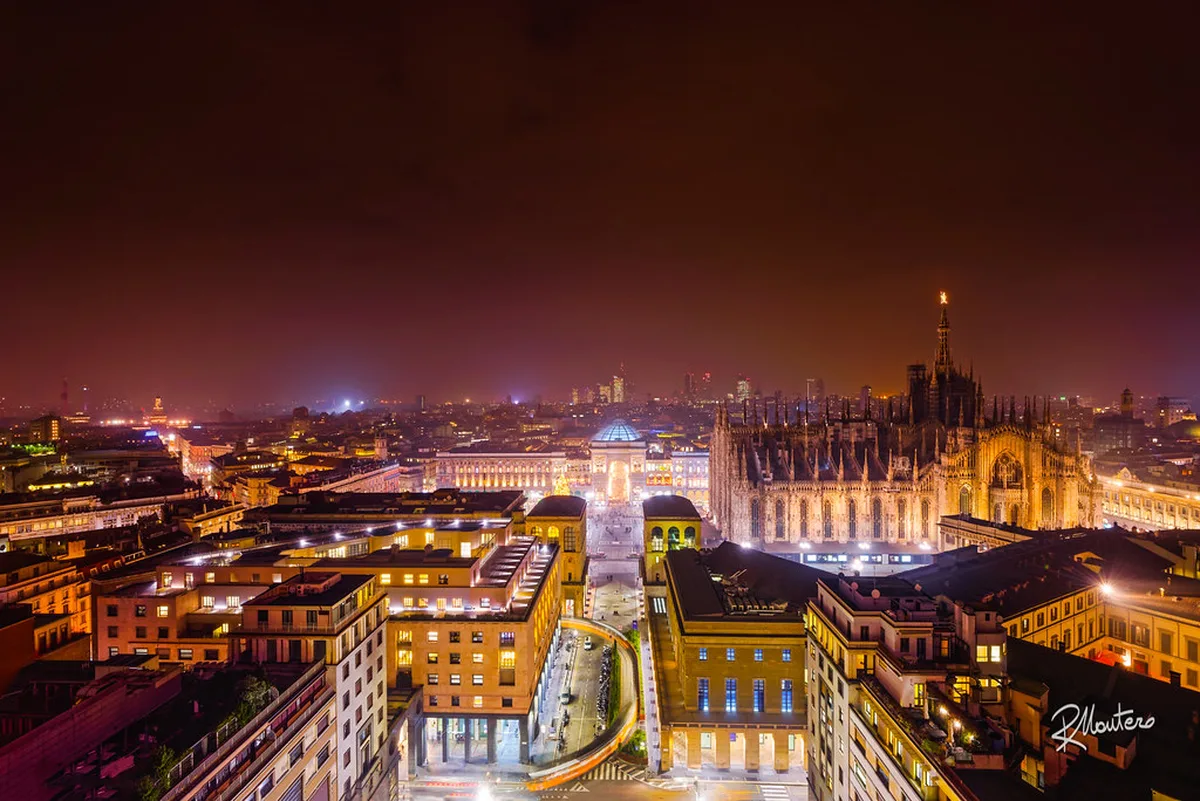
After the Last Supper, take the M2 to Cadorna, then switch to the M1 or walk 20 minutes to Piazza del Duomo. The cathedral is the third-largest in the world and took over 500 years to complete — construction changes were still being made in the 1900s. The exterior is an intricate forest of 135 spires and more than 2,000 marble statues, each one carved individually. Arrive no later than 08:30 if you skipped the Last Supper opening; the square fills with tour groups by 09:30. For official ticketing, visit the Milan Duomo official website for rooftop and museum entry.
The terraces are the highlight. You walk among the spires at close range and can see the Alps on a clear day. Elevator access costs €18; stairs cost €16. Book your timed entry online in advance — midday slots sell out quickly in summer. The cathedral interior (€10) and rooftop can be combined for €22 by stairs or €26 by elevator. If you are short on time, choose the rooftop over the museum. The Duomo museum is closed on Wednesdays.
One insider detail: the seventh floor of La Rinascente department store, directly facing the cathedral, has a terrace café. You can have a coffee with an unobstructed view of the Duomo roofline without paying cathedral entry. It is one of the better free vantage points in the city and most visitors walk straight past the entrance on Via Santa Radegonda.
Galleria Vittorio Emanuele II
The Galleria sits directly between the Duomo and La Scala — it takes five minutes to walk through and requires no ticket. Italy's oldest shopping arcade opened in 1867 and has barely changed: the same glass barrel vault soars overhead, the same mosaic floors stretch underfoot, and historic cafés like Biffi and Savini still occupy the same corners they have for 150 years. Louis Vuitton and Prada have flagship stores here, though unless you are spending, there is no need to enter them.
Look down at the floor mosaic at the central octagon. The bull in the Turin coat of arms is embedded in the floor, and a local tradition holds that spinning on the bull's testicles brings good luck. The mosaic is now visibly worn from decades of heels grinding into it. Do it — it takes three seconds and every local knows the custom.
Visit before 09:00 if you want the gallery nearly to yourself. By 10:00, tour groups with umbrellas and selfie sticks fill both corridors. The gallery does not close, so you can also pass through it on your way back from La Scala without losing any itinerary time.
Piazza della Scala & La Scala Opera
Exit the Galleria on the north side and you arrive at Piazza della Scala, a smaller square anchored by a statue of Leonardo da Vinci. The square itself is modest, but the building facing it — Teatro alla Scala — is one of the most famous opera houses on earth. Dating to 1778, it premiered works by Rossini, Verdi, and Puccini and remains a working theatre with a full calendar running from December through July.
On most mornings, rehearsals are underway and the theatre is not fully accessible. The La Scala museum (Museo Teatrale alla Scala) is open daily and gives you a glimpse of the auditorium from a small balcony and a collection of historical instruments, portraits, and costumes. Entry costs around €12. Afternoon guided tours, which run when rehearsals are finished, allow proper access to the stalls and stage — check the La Scala website for the current tour schedule before your visit.
If La Scala is a priority, adjust your itinerary to arrive at Piazza della Scala after 13:00 when afternoon tour slots typically open. Otherwise, a 10-minute stop to see the exterior and the Leonardo statue is enough to give you the full picture of this corner of the city.
Brera District & the Pinacoteca di Brera
Walk or take the M2 to Lanza and spend your lunch hour in Brera, Milan's most walkable neighbourhood. It has shed its 1970s bohemian identity for something more expensive but it retains genuine character: cobblestone streets, independent galleries, and a piazza anchored by a bronze statue of Napoleon. The streets between Via Brera and Via Madonnina are dense with trattorias and wine bars. Try a risotto alla Milanese — saffron-yellow and finished with bone marrow — or a panzerotto from a street-food window for €3.
The Pinacoteca di Brera shares a courtyard with the Brera Academy of Fine Arts and houses one of Italy's finest collections of northern Italian painting. Mantegna's Dead Christ and Raphael's Marriage of the Virgin are in the permanent collection. Entry costs €15; on the first Sunday of each month it is free. Book ahead on weekends — it fills quickly. If you only have 30 minutes, the main rooms covering the 14th to 17th centuries are on the first floor immediately to your right after entry.
Inside the same palace, the Biblioteca Nazionale Braidense — one of Italy's most beautiful 18th-century libraries — is free and takes five minutes to walk through. Most visitors to Brera never notice the entrance. The main reading room, lined with carved wood shelving and painted ceilings, is accessible to visitors as a cultural space during opening hours (closed Sundays). It is a genuine hidden gem that costs nothing and takes almost no time.
Sforzesco Castle & Sempione Park
Walk northwest from Brera (about 15 minutes) or take the M1 to Cairoli for Castello Sforzesco. The castle was built on 14th-century fortifications by the Sforza family and now encloses several museums including a collection of Michelangelo's final unfinished sculpture, the Rondanini Pietà. Entry to the castle grounds is free; entry to the museums costs €5. The courtyard and the Fontana di Piazza Castello are worth 20 minutes on their own even if you skip the museums.
Behind the castle, Sempione Park is Milan's answer to Central Park — 47 hectares of paths, a small lake, and the Arena Civica. At the far western end, the Arco della Pace (Arch of Peace) frames the road into the park. It is a 10-minute walk from the castle and resembles Paris's Arc de Triomphe, built in the same era. If you are running short on time, the view of the arch from the castle side is nearly as good as walking all the way to it.
One useful stop: the Triennale Design Café, on the top floor of the La Triennale di Milano design museum at the park's eastern edge. It is largely tourist-free, the food is good, and the terrace has views over the park toward the castle. It makes a better late-afternoon break than most of the tourist-facing cafés near the Duomo.
The Navigli District: Canals and Aperitivo
Take the M2 from Cadorna to Porta Genova and walk five minutes to the Naviglio Grande, the larger of Milan's two remaining canals. The neighbourhood surprises most visitors who expect the city to be all glass towers and luxury boutiques. Instead, you find low buildings painted in faded ochre and terracotta, boats moored along the towpath, and a density of bars and restaurants that begin filling at 18:00.
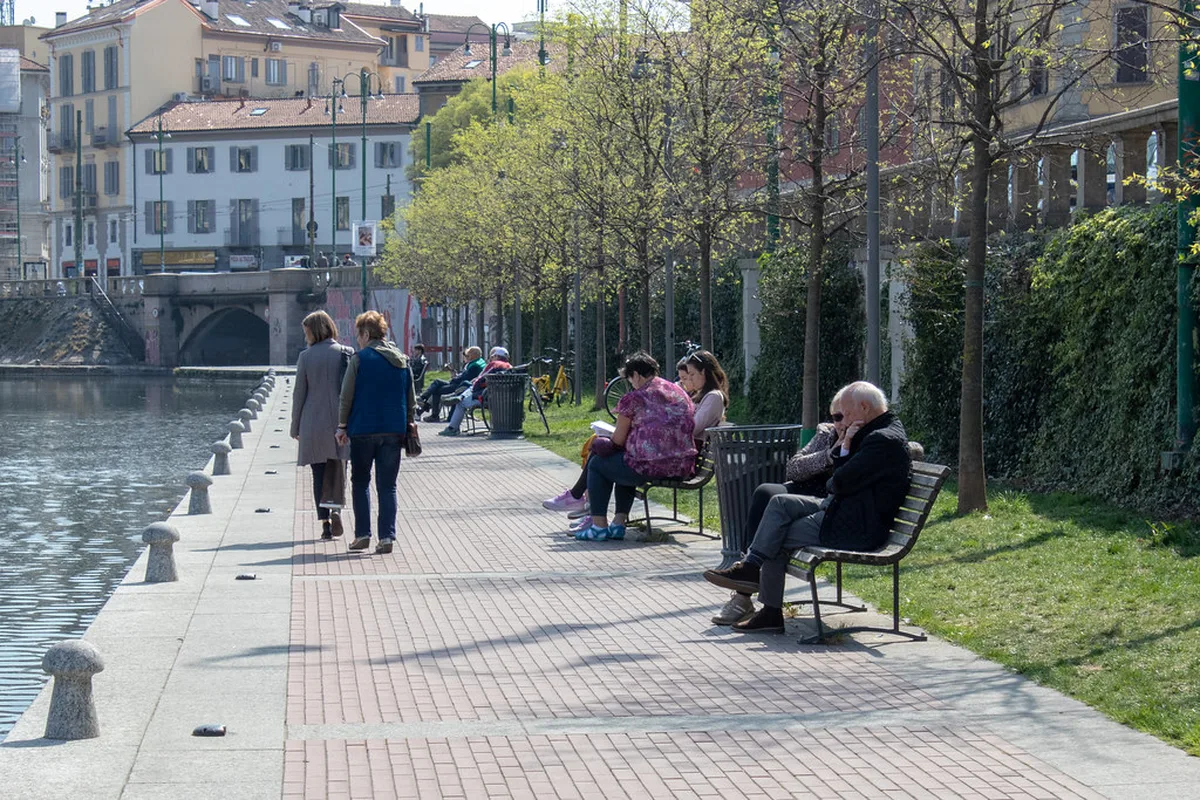
Aperitivo in Milan is not just a drink — it is a meal system. Pay €8 to €12 for a Campari Spritz or Aperol Spritz and the bar puts out a spread of snacks: bruschetta, olives, risotto bites, miniature panini. Arrive between 18:00 and 19:00 before the best bars run out of food. The strip along the Naviglio Grande between Via Vigevano and Via Casale has the highest concentration of aperitivo bars. Reservations are not needed; just walk in and take a canal-side table. For visitor advice and event listings, check Yes Milano's official guide to neighbourhood happenings.
If you want dinner rather than aperitivo, sit-down restaurants along the canals typically open at 19:30. Risotto alla Milanese with bone marrow is the dish to order — every serious restaurant on the canal strip serves a version of it. The Navigli is also the only part of the itinerary where you can linger without feeling rushed. You have earned it by this point in the day.
Milan Day Trip from Florence or Venice: Train Logistics
Milan sits directly on Italy's high-speed rail corridor, making it one of the easiest stopovers in the country. From Florence, the Frecciarossa takes about 2 hours 45 minutes with direct departures throughout the day. Aim for the 07:30 departure to arrive by 10:15 and give yourself a full afternoon. From Venice, the journey is 2 to 3 hours — leave at 07:30 and you arrive by 10:00. On the return, trains toward Florence, Venice, or the Cinque Terre run until late evening, so a 17:30 departure typically works.
Book Frecciarossa tickets on Trenitalia directly — prices are lowest when booked early. ItaliaRail is easier for non-Italian speakers but charges a small booking fee. Trains rarely sell out, but fares increase closer to the date. For a day trip, €30 to €50 each way is a reasonable budget in advance; last-minute bookings can reach €80 or more on popular routes.
For travelers passing through as a stopover — arriving from Florence in the morning and continuing to Venice in the evening — store your bags at the Deposito Bagagli at Milano Centrale. The office is at street level near the main entrance and operates daily from 06:00 to 23:00. Cost is approximately €6 per bag for the first five hours. This is the single most important logistical detail for stopover visitors: do not try to navigate the Duomo terraces or the Last Supper with rolling luggage.
Pink Flamingos, the Bronze Ear, and Milan's Free Oddities
Two quick stops near each other in the eastern Porta Venezia neighbourhood reward the curious with zero cost and five minutes each. Villa Invernizzi on Via Mozart is a private villa with a flock of pink flamingos living in the garden. You cannot enter the property, but the flamingos are visible through the iron fence on the street side. It is a genuinely surreal sight in the middle of a city of 1.3 million people and takes as long as it takes to photograph.
A few streets away, Casa Sola-Busca on Via Serbelloni has a bronze ear mounted on its facade at roughly shoulder height — a sculptural detail that divides locals between those who consider it an art-historical curiosity and those who have simply never noticed it. There is no sign explaining it, no entry fee, and no crowd. It requires a small detour from the standard itinerary (about 15 minutes by tram from the Duomo centre), which is why most day-trippers skip it.
Neither stop is essential. But if you want free things to do in the city that give you something to talk about at dinner, these two deliver. They sit close to the day trips from Milan corridor heading east, so they slot neatly into an afternoon if you have any flexibility.
Booking Timeline: What to Reserve and When
The Last Supper requires the most lead time of any attraction in Italy. Tickets go on sale on VivaTicket in batches, usually covering three months at a time, and slots at popular viewing times (10:00 to 14:00) vanish within hours of release. The practical advice: find out when the next batch drops, set a calendar reminder for noon on that day, and book the moment the page loads. If you cannot get an official ticket, third-party guided tours with pre-purchased access typically have availability within two to four weeks.
The Duomo rooftop sells out midday slots days in advance during summer (June to August) and should be booked at least one week ahead. Early morning slots (09:00 to 10:00) and late afternoon slots (after 16:00) have more availability. The Pinacoteca di Brera benefits from a weekend reservation but is usually walk-in accessible on weekdays. La Scala museum is generally walk-in; afternoon guided theatre tours should be reserved a few days in advance.
- Last Supper: book as far ahead as possible, minimum 2 to 3 months in peak season
- Duomo rooftop: book 1 to 2 weeks ahead, earlier in summer
- Pinacoteca di Brera: same-week booking usually sufficient on weekdays
- La Scala afternoon tour: 2 to 3 days ahead is generally fine
- Navigli, Galleria, Sforzesco Castle grounds: no booking required
Frequently Asked Questions
Can I see the Last Supper without a booking?
It is very rare to get a ticket on the day. You must book at least three months in advance. Sometimes last-minute spots open up on guided tours.
Is Milan walkable for a one-day trip?
The city centre is very walkable for most visitors. You can reach the Duomo and Sforza Castle on foot. Use the metro for longer distances like Navigli.
How do I get from the train station to the Duomo?
Take the M3 yellow metro line from Milano Centrale. It takes about 10 minutes to reach the Duomo stop. The fare is roughly €2.20 per ride.
Milan is a city that blends modern style with ancient history. This one-day itinerary covers the best sights for a quick visit — from the Gothic spires of the Duomo to the canal-side aperitivo bars of Navigli. Book the Last Supper first, plan everything else around that slot, and you will leave with a clear picture of why this city rewards even the shortest visit.
Remember to store your luggage at Milano Centrale if you are passing through, and keep your digital tickets accessible on your phone. The city is waiting to surprise you with its hidden artistic treasures.
Looking for the secret side of the city? Pair this with our guide to Milan's hidden gems — the offbeat spots most visitors walk straight past.
Continue exploring
More guides you'll find useful