16 Hidden Gems in Milan: A Local's Guide to Secret Spots (2026)
Discover 16 hidden gems in Milan, from spooky bone churches and secret flamingos to the best local aperitivo spots and sustainable dining. Plan your 2026 trip!
On this page
16 Hidden Gems in Milan
After five visits to Milan, I finally stopped looking at the Duomo's spires and started peering behind heavy wooden doors. The city's real soul hides in quiet residential courtyards and forgotten Art Deco villas. I discovered that the most rewarding experiences often require leaving the crowded main squares behind. This guide helps you find those secret corners that even some locals might overlook.
Refreshed for 2026, this list reflects the latest opening times and pricing for the current season. Milan is constantly evolving, blending its industrial heritage with cutting-edge sustainable design. Whether you have three days in Milan or just a quick afternoon, these spots offer a deeper connection to the city. Prepare to see a side of Italy's fashion capital that is both eerie and elegant.
Navigating these unusual things to do in the city requires a bit of curiosity and comfortable walking shoes. Some locations are tucked away in the Quadrilatero del Silenzio, while others sit in the modern Porta Nuova district. I recommend using an eSIM to maintain a steady GPS signal in the narrow, winding alleys of the historic center. Let's dive into the secret history and modern marvels that make this city truly unique.
Key Takeaways
- Best overall hidden gem: San Maurizio al Monastero Maggiore for its incredible frescoes.
- Best for families: Spotting the flamingos at Villa Invernizzi in the city center.
- Best rainy-day activity: Exploring the Art Deco interiors of Villa Necchi Campiglio.
- Best free experience: Walking through the artistic monuments of the Cimitero Monumentale.
Hidden Churches and Spooky History
Milan's darker past surfaces in a handful of churches and palaces that most visitors walk straight past. San Bernardino alle Ossa, tucked behind the Piazza Santo Stefano near the Duomo, is the most arresting of these. A side chapel on the right of the main nave is decorated entirely with thousands of human skulls and bones collected from nearby cemeteries in the 17th century. The ceiling frescoes by Sebastiano Ricci soar above the ossuary in a startling contrast of spiritual beauty and mortality. Entry is free and the church is generally open Monday to Friday from 08:00 to 18:00.

A short walk away on Corso di Porta Romana, Palazzo Acerbi carries a different kind of legend. The 17th-century building is said to have sheltered the Devil himself during the plague years, and a cannonball lodged in the facade dates to the Five Days of Milan uprising in 1848. The interior is private, but viewing the ornate stone carvings from the street takes only a few minutes and costs nothing. The combination of dark folklore and tangible history makes it one of the most satisfying stops on any self-guided walk.
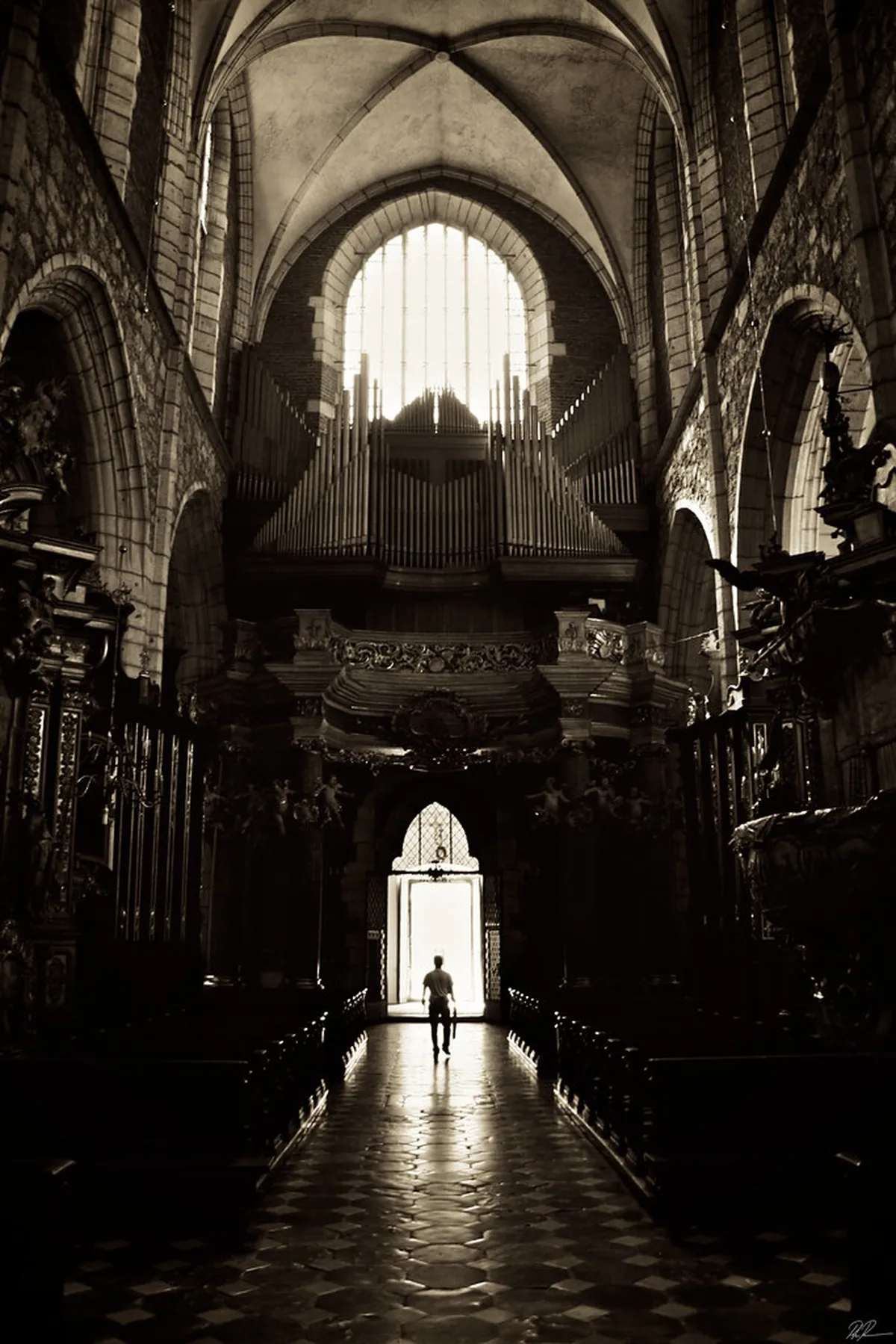
San Maurizio al Monastero Maggiore is often called the Sistine Chapel of Milan, and the comparison holds up. The 16th-century frescoes cover nearly every surface of the nave and a hidden hall where Benedictine nuns once worshipped in seclusion. Admission is free and the church is open Tuesday to Sunday until 17:30. Sit in the hall of the nuns for a few minutes to appreciate both the painted ceiling and the extraordinary acoustics of the space.
Private Villas and House Museums
Milan's house museums are among the most undervisited sights in northern Italy. Villa Necchi Campiglio on Via Mozart is the finest example — a 1935 Art Deco residence designed by Piero Portaluppi with a heated swimming pool, a smoking room lined in walnut, and interiors that look untouched since the family left. It served as a filming location for the 2009 film I Am Love. Tickets cost around €15 for adults, and the villa opens Wednesday to Sunday from 10:00 to 18:00. Book online in advance to secure a spot on an English-language guided session.
Casa Museo Boschi di Stefano in Via Jan is the second essential stop. This former private apartment on the first floor of a residential building houses over 300 works of 20th-century Italian art arranged exactly as the owners displayed them — paintings hang from floor to ceiling, ceramics fill shelves, and mid-century furniture anchors every room. Entry is free and the museum opens Tuesday to Sunday from 10:00 to 17:30. The intimacy of the space is something no conventional gallery can replicate.
Further east, the Casa degli Atellani and Leonardo's Vineyard near Santa Maria delle Grazie combines Renaissance architecture with living history. Leonardo da Vinci cultivated a vineyard in the back garden of this palazzo, and a reconstruction of the vine — grown from cuttings traced to Leonardo's original planting — is the centerpiece of the tour. The seven-room itinerary through the Renaissance dwelling takes about 40 minutes. If you have already booked the Last Supper at the adjacent church, cross the street and visit both on the same morning.
Modern Architecture and Design
The Bosco Verticale in Porta Nuova is the most photographed building in modern Milan, and rightly so. The twin residential towers between Via Gaetano de Castillia and Via Federico Confalonieri are wrapped in over 900 trees and 20,000 shrubs — a genuine vertical forest rather than a marketing concept. Viewing them from the Biblioteca degli Alberi park directly below is free at any hour. The best light is at golden hour when the foliage shimmers against the glass.
The Biblioteca degli Alberi itself is worth the trip on its own terms. The park was designed by the Dutch landscape firm Inside Outside and opened in 2018. It is one of the few green spaces in Milan built to a genuinely metropolitan scale, with 135 circular botanical gardens arranged in a geometric grid. Locals use it for lunch breaks and weekend runs, which tells you more about its quality than any travel review can.
The Brera Design District surrounding Via Solferino and Via Palermo is the most concentrated expression of Milan's design identity outside a museum. The dense cluster of independent galleries, showrooms, and design studios changes its character entirely during Salone del Mobile each April, but even in the quieter months the shopfronts and courtyard installations repay a slow walk. The Pinacoteca di Brera on Via Brera 28 anchors the neighborhood culturally — it holds one of the foremost painting collections in Italy and its weekday mornings are noticeably quieter than the major tourist museums.
Secret Parks, Flamingos, and Unexpected Spots
Villa Invernizzi on Via Cappuccini keeps a flock of pink flamingos in its private garden, visible through the iron fence from the public sidewalk. The villa belongs to the family of a well-known Italian cheese industrialist, and the flamingos have been a fixture of the Quadrilatero del Silenzio neighborhood for decades. The birds are most active in the morning and viewing them from the pavement is free at any hour. The nearest metro stop is San Babila on Line M1, a three-minute walk away.
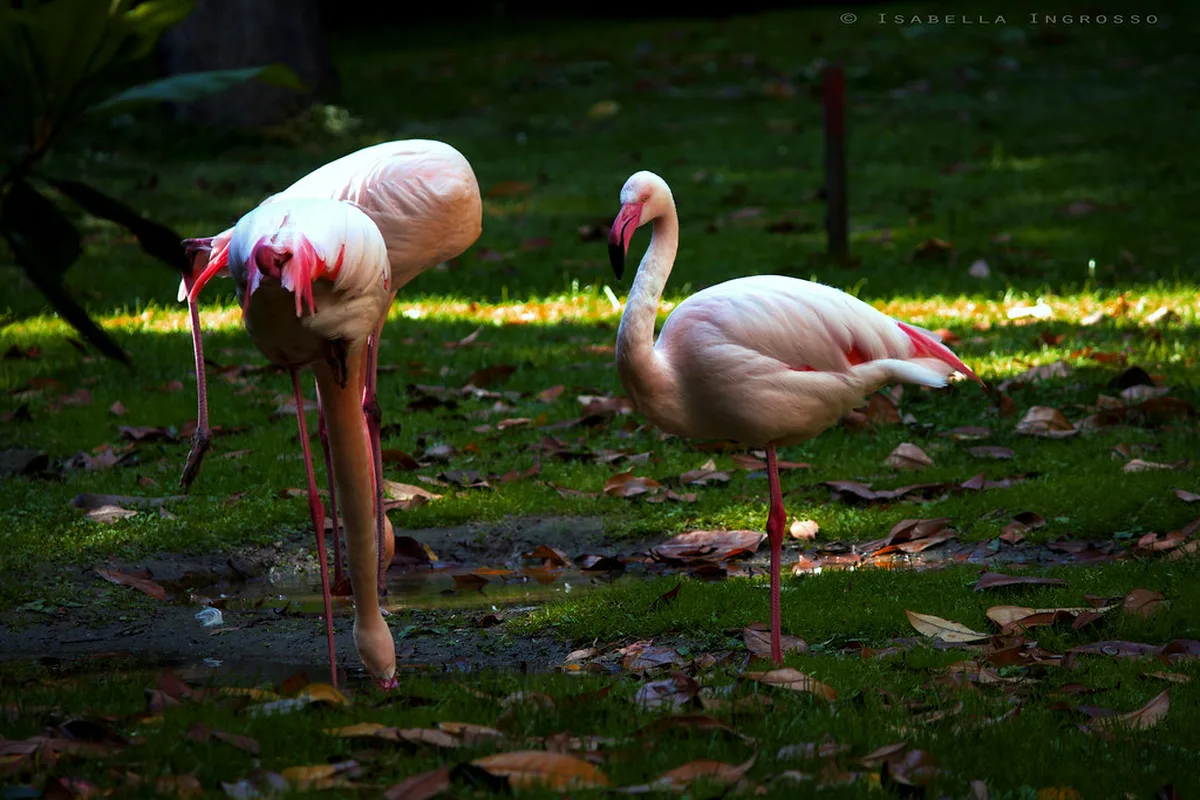
Many of Milan's hidden gems are completely free to view from outside — flamingos at Villa Invernizzi, the facades of Palazzo Acerbi, and the Vicolo dei Lavandai laundry basins all cost nothing and require no booking, making them perfect for budget travelers.
The Orto Botanico di Brera is a botanical garden hidden behind the Palazzo Brera that almost nobody visits. A centuries-old ginkgo biloba tree and a working sundial anchor the small walled garden, which opens daily from 10:00 to 18:00 at no charge. It is the kind of place that feels like a private garden discovered by accident — the noise of Via Brera disappears the moment you step through the gate. For another free artistic experience, the Cimitero Monumentale showcases exceptional sculpture and monumental architecture among the graves of Milan's notable residents.
The Walk of Fame on Corso Europa embeds handprints and brass stars from 1980s celebrities — Sylvester Stallone, Sharon Stone among them — directly in the pavement. Most pedestrians cross it without looking down. The Vicolo dei Lavandai in the Navigli district preserves the stone washbasins where laundry was done for centuries, and the Memoriale della Shoah at Binario 21 beneath Milano Centrale occupies the hidden platform used for wartime deportations. All three are free, require no booking, and sit within reach of regular tourist routes.
Authentic Milanese Food Culture and Aperitivo Traditions
The aperitivo runs from 18:00 to 21:00, and understanding its two distinct formats saves you both money and disappointment. Tourist-area bars near the Duomo and Galleria typically offer an all-you-can-eat buffet with your drink — quality is variable and crowds are constant. Neighborhood bars in Brera and Isola operate the older format: one drink arrives with a carefully selected plate of two or three small dishes. This version costs roughly the same (€8–€12 per drink) but the produce is better and the atmosphere is markedly calmer. Bar Basso on Via Plinio, a fixture of Milanese cocktail culture since 1947, is the standard reference for the neighborhood format.
The aperitivo window is strictly 18:00–21:00; bars stop serving the complimentary plates outside this window. Budget €8–€12 per drink in neighborhood bars, and always ask for the neighborhood format (piatto) rather than the tourist buffet to get authentic Milanese experience with better quality produce.
True Milanese cuisine focuses on saffron risotto (risotto alla Milanese), breaded veal cutlet (cotoletta alla Milanese), and slow-braised shin of beef (ossobuco). None of these dishes are common on tourist menus. To find them, look for trattorias in Porta Romana or Porta Venezia displaying the 'Insegna Storica' plaque — a city designation for long-standing businesses. Booking a table for weekend dinner is essential at any of these spots, even at addresses that look small and informal.
The best hidden gem restaurants in Milan rarely advertise in English. The practical signal is a handwritten daily menu on a blackboard, a narrow room, and no staff outside waving you in. These places have no reason to recruit passing tourists because local regulars fill the tables every service. Walking two blocks further from any major landmark significantly improves the ratio of locals to tourists at the restaurants you pass.
Sustainability in Milan's Hidden Gem Dining Scene
Milan is developing a serious sustainable dining scene, concentrated in the Isola and Navigli districts. Restaurants that carry the 'Chilometro Zero' label source almost all produce from within Lombardy, changing their menus weekly according to what the regional farms supply. The price point is typically higher than a standard trattoria — expect €35–€50 per person for a full meal — but the quality of the produce is noticeably different. Old warehouses along the Naviglio Grande canal are the most common setting for these restaurants, giving them an industrial-meets-garden aesthetic that is distinctive to Milan.
Several spots in the Isola district maintain their own urban kitchen gardens on rooftop terraces or in adjacent courtyards. The herbs and several salad crops come directly from these gardens to the kitchen. Natural wines from small Lombard producers and craft beers from local breweries complete the sourcing picture. It is worth phoning ahead rather than walking in, since covers are limited and these restaurants fill up on weekends from local regulars rather than tourists.
The sustainability movement here also surfaces at market level. The Mercato di Via Benedetto Marcello runs on Saturdays and brings Lombard producers directly to central Milan. Buying cheese, cured meats, and seasonal vegetables here and eating them in one of the nearby parks costs a fraction of a restaurant meal and involves exactly the same producers supplying the zero-waste restaurants. It is a practical way to understand where the food culture in this city actually comes from.
Milan at Night: Rooftop Terraces and Cultural Events
Milan after dark rewards those who move away from the obvious Navigli weekend crowds. The rooftop bar at the Terrazza Triennale on the top floor of the Triennale di Milano design museum offers a view of Parco Sempione and the Castello Sforzesco — a genuinely Milanese panorama rather than the Duomo-centric view sold to tourists. Drinks are fairly priced and the terrace fills with local designers and students rather than tour groups. It is open until midnight on most evenings and the entry fee for the museum can be skipped if you head straight to the bar.
The QC Termemilano spa built into the 16th-century Spanish walls offers an evening 'Aperiterme' that combines the thermal pools with a buffet from around 19:00. Day passes start at approximately €55 and rise at weekends. The sauna inside a converted 1920s tram car parked in the garden courtyard is one of the most singular experiences in Milan. Booking 48 hours ahead is strongly recommended for Friday and Saturday evenings.
Teatro alla Scala runs its main opera and ballet season from October through July, with tickets from €15 for upper-tier seats. The Piccolo Teatro on Via Rovello runs contemporary theatre and dance year-round with tickets from €10 for under-30 cardholders. Both venues post their schedules at teatroallascala.org and piccoloteatro.org respectively. Gallery openings in Brera and the area around Fondazione Prada cluster on Thursday evenings, with many free to attend — check local listings on Milano Weekend for the current week's programme.
Modern Art and Gallery Scene: Beyond the Major Museums
Fondazione Prada, housed in a converted early 20th-century distillery near Largo Isarco, is the most ambitious contemporary art venue in Milan. The complex combines restored industrial buildings with new structures including a gold-leaf tower designed by Rem Koolhaas. Full tickets cost around €15 and the site is open Wednesday to Monday from 10:00 to 19:00. The permanent collection includes works by Robert Gober, Pino Pascali, and Carsten Höller, and the temporary exhibitions change every season. The Haunted House installation requires a separate timed reservation, so check the website before your visit.
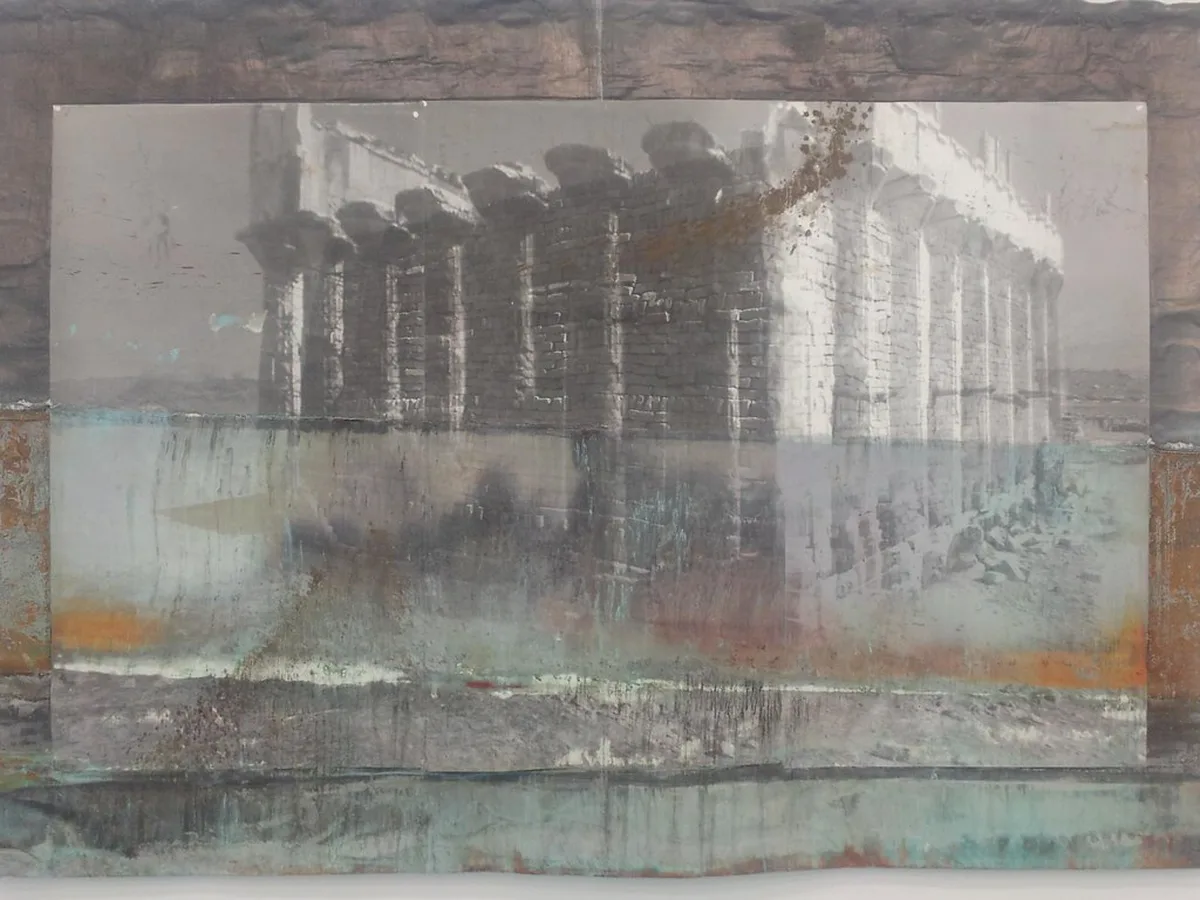
The Hangar Bicocca in the northern Bicocca district is less visited but equally serious. The converted factory space hosts large-scale installation art that would be physically impossible in a conventional gallery. Anselm Kiefer's permanent installation 'The Seven Heavenly Palaces' — seven concrete towers between 8 and 14 metres tall — occupies the entire length of the main hall. Entry is free on Thursday evenings. The venue is a 15-minute tram ride from Centrale on line 7.
Bar Luce at Fondazione Prada, designed by Wes Anderson, is worth visiting as a designed object even if the museum queue feels long. The pastel Formica interior recreates the aesthetic of a classic 1950s Milanese bar. You do not need a museum ticket to enter, prices are standard café rates, and the bar is open daily from 09:00 to 20:00. It is a genuine neighbourhood café that happens to look like a film set rather than a tourist attraction dressed up as a café.
Milan Day Trips: Lake Como and Train Routes from Milano Centrale
Escape the city heat by taking one of the many day trips from Milan by rail. The journey from Milano Centrale to Varenna-Esino on Lake Como takes roughly one hour on a regional Trenord service and costs €8–€12 for a one-way ticket. Varenna is the locals' preferred lakeside village — quieter than Bellagio, reached by a short downhill walk from the station, and served by frequent ferries to the rest of the lake. Check the Trenord app rather than the Trenitalia website for regional lake trains, as the two networks are distinct and the routes to Como and Varenna run on Trenord's regional timetable.
One common mistake is forgetting to validate a paper ticket before boarding. Small yellow or green validation machines stand at the head of each platform. Stamp the ticket before stepping onto the train or the conductor will issue a fine regardless of whether you have paid. Digital tickets purchased through the Trenord or Trenitalia app validate automatically on purchase and do not need stamping, but keep the confirmation screen visible during the journey.
Milano Centrale is a large station on two levels — the platforms are on the upper level and the screens there display final destinations. For Varenna, look for trains headed toward Tirano or Sondrio and confirm the stop list on the platform screen. Arrive at least 20 minutes before departure. Bergamo is the second most practical day trip: local trains from Centrale reach Bergamo in about an hour, and the upper city (Città Alta) sits on a hilltop reached by a short funicular ride from the lower station. Neither trip requires advance booking, which makes them ideal for filling a free afternoon.
See Milan's Hidden Side on a Private Tour
Most of the sites on this list are navigable independently, but certain locations — particularly the house museums and the more tucked-away churches — reward having someone with local knowledge to provide context. A private local guide can also adapt the day around opening-hour constraints, which shift seasonally and are not always reflected in online listings. The main platforms connecting independent Milan guides are City Unscripted and Withlocals, both of which list vetted hosts with English-language reviews.
Private half-day tours in Milan typically run €120–€180 per group for up to four people, compared to €25–€40 per person for a group walking tour. The economics shift in favour of private guides for couples or small families. A guide who focuses on the Brera and Quadrilatero del Silenzio area can cover Villa Necchi, Casa Museo Boschi di Stefano, San Bernardino alle Ossa, and the Orto Botanico di Brera in a single four-hour morning walk with time for a café stop at the marble-counter bar at the foot of Via Brera.
Solo travelers who prefer independent navigation can use the official YesMilano itineraries as a free planning tool. The city's tourism office publishes themed walking routes that include many of the sites covered in this guide, with GPX files downloadable for offline use. Combine these with an eSIM for reliable navigation in the narrower streets of the Quadrilatero del Silenzio and you have a self-guided experience that costs nothing beyond entrance fees.
Practical Tips for Navigating Milan
The Milan metro (ATM) covers most tourist areas efficiently. Line M1 (red) connects Cadorna to San Babila and is the fastest route between the Castello Sforzesco area and the Quadrilatero del Silenzio. Line M2 (green) runs to Porta Genova for the Navigli district. Single tickets cost €2.20 and a 24-hour pass costs €7.60. Many of the sites in this guide sit within walking distance of each other — the route from Piazza Santo Stefano (San Bernardino alle Ossa) to the Orto Botanico di Brera takes about 25 minutes on foot through the city center.
Milan Malpensa Airport connects to Milano Centrale by the Malpensa Express train, running every 30 minutes and taking 45 minutes. Linate Airport is served by frequent buses to the city center (20–25 minutes). Neither journey requires advance booking. For day trips, purchase Trenord regional tickets at the self-service machines on the lower level of Centrale before going up to the platforms — the queues at staffed windows can be long on summer weekday mornings.
The best months to visit for comfortable walking are April through June and September through November. Fashion Week (February and September) and Salone del Mobile (April) push hotel prices sharply upward but bring the city's creative energy to its peak. If your trip overlaps with Salone, the Fuorisalone events running in parallel across Brera, Isola, and Tortona are free to attend and are where most of the genuinely interesting design work is actually shown.
Explore hidden gems in other cities
- Florence's hidden gems
- Venice's hidden gems
- Verona's hidden gems
- Turin's hidden gems
- Helsinki's hidden gems
- Reykjavik's hidden gems
- Tallinn's hidden gems
- Ljubljana's hidden gems
- Split's hidden gems
- Bologna's hidden gems
- Dubrovnik's hidden gems
- Istanbul's hidden gems
- Stockholm's hidden gems
- Krakow's hidden gems
- Brussels's hidden gems
- Copenhagen's hidden gems
- Munich's hidden gems
Frequently Asked Questions
Is the San Bernardino alle Ossa church free to enter?
Yes, entry to the church and the bone chapel is free for all visitors. It is open daily from 8:00 am to 6:00 pm, though it may close briefly during midday. Please remain quiet and respectful as it is an active place of worship.
How do you see the flamingos at Villa Invernizzi?
The flamingos are visible through the iron fence of the private garden on Via Cappuccini. You do not need a ticket as you view them from the public sidewalk. They are most active and visible during the morning hours.
What are the best non-touristy restaurants in Milan?
Look for family-run trattorias in the Isola or Porta Romana districts for an authentic meal. These areas are popular with locals and offer better value than the city center. Check for the 'Insegna Storica' sign to find long-standing, traditional eateries.
Milan is a city of layers, where the most beautiful sights are often tucked away from the main streets. By exploring these 16 hidden gems, you get a much richer understanding of the city's complex identity. From the eerie bone chapel to the futuristic vertical forest, Milan offers something for every type of traveler. I hope this guide encourages you to step off the beaten path during your next Italian adventure.
Remember to book your villa tours in advance and always validate your train tickets for day trips. Savor the local aperitivo culture and take the time to enjoy the quiet beauty of the city's secret gardens. Milan is ready to surprise you if you are willing to look beyond the famous landmarks. Safe travels as you discover the secret side of this magnificent European fashion capital.
Explore More Milan Guides
Plan every part of your Milan trip — from where to spend your days and what to eat, to free museums, romantic evenings, and easy day trips from the city.
Itineraries & Planning
Culture, Museums & Churches
Food, Aperitivo & Nightlife
Free & Budget Milan
Neighborhoods & Day Trips
For Couples & Young Travelers
Continue exploring
More guides you'll find useful