Casa Museo Boschi Di Stefano Visitor Guide: 8 Key Insights
Plan your visit to Casa Museo Boschi di Stefano with our guide to the 20th-century Italian art collection, Portaluppi architecture, and free booking tips.
On this page
Casa Museo Boschi Di Stefano Visitor Guide: 8 Key Insights
Casa Museo Boschi di Stefano is one of Milan's most rewarding small museums: a free house-museum where major 20th-century Italian art still feels connected to the rooms where it was collected. Set on the second floor of a Piero Portaluppi-designed building at Via Giorgio Jan 15, the museum displays roughly 300 works from Antonio Boschi and Marieda Di Stefano's collection in an intimate domestic setting. Use this 2026 guide to plan the visit, understand what to look for, and avoid the common mistakes that make a small museum feel rushed.
The Legacy of Antonio Boschi and Marieda Di Stefano
Antonio Boschi and Marieda Di Stefano began married life in 1927 and soon made collecting part of their daily routine. Antonio was an engineer at Pirelli, where his patents included the GIUBO elastic joint, while Marieda was a ceramicist whose school later operated in the same Via Jan building. Their resources, taste, and direct relationships with living artists allowed them to assemble more than 2,000 paintings, sculptures, and drawings.
The couple donated the collection to the Municipality of Milan in 1974, and the apartment opened to the public as Casa Museo Boschi Di Stefano on February 5, 2003. That history matters when you visit: this is not a neutral white-cube gallery, but a civic gift shaped by private choices. The rooms still communicate the couple's belief that modern art belonged in everyday life, beside furniture, books, music, and conversation.
For deeper background before or after your visit, the Official Foundation Website gives useful context on the collectors, the donation, and the foundation's role in furnishing the house-museum.
Architecture of the Via Jan Building by Piero Portaluppi
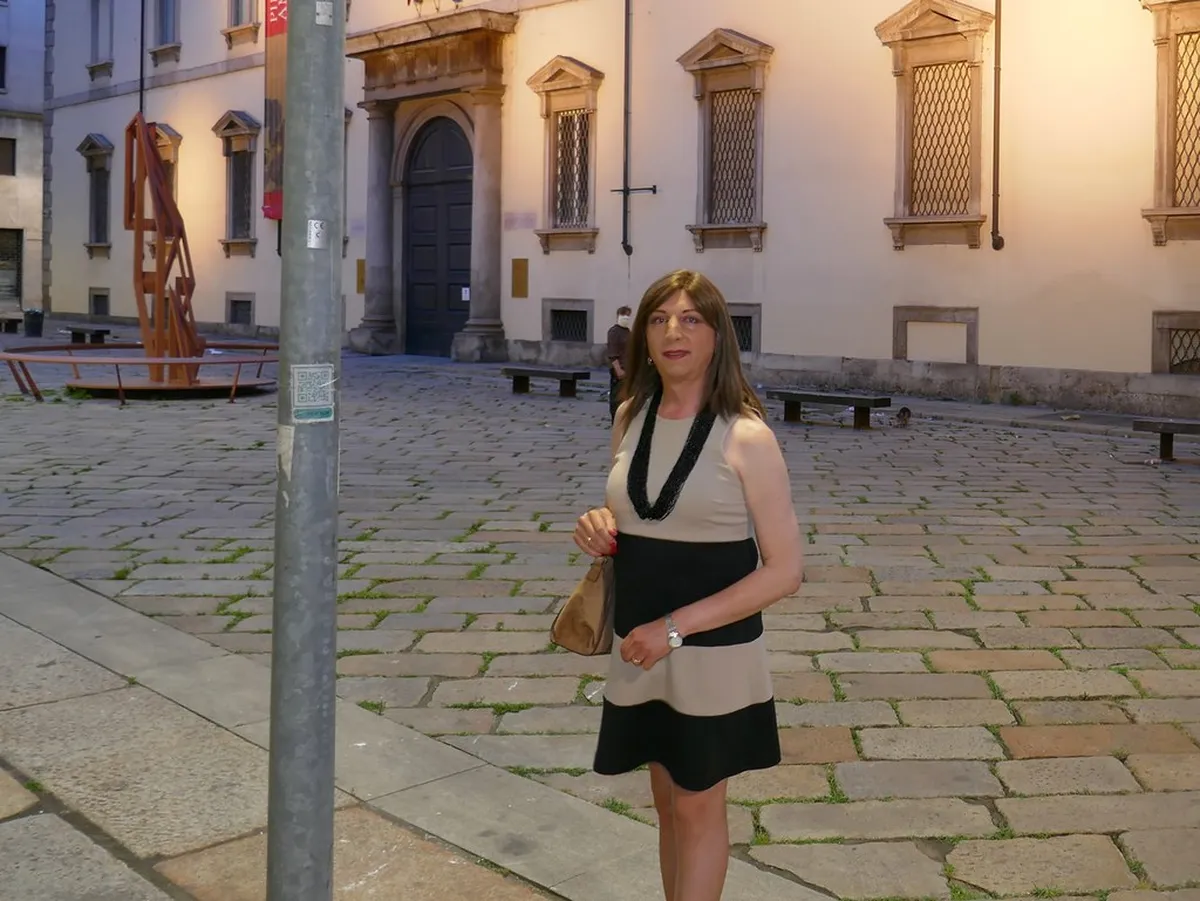
The museum sits inside a residential building constructed in the early 1930s by Piero Portaluppi, one of Milan's defining modern architects. The exterior and common spaces show the restrained geometry, careful materials, and urban confidence associated with interwar Milanese design. Arrive a few minutes early so you are not just hurrying through the entrance: the building itself is part of the experience.
The apartment is reached from the building's internal circulation rather than through a grand museum lobby, which reinforces the house-museum character. Portaluppi's architecture gives the collection a precise Milanese frame, balancing domestic scale with the city's modernist ambitions. If you are also visiting Villa Necchi Campiglio, the comparison is especially useful because both sites reveal different sides of elite Milanese living and design.
Highlights of the 20th-Century Italian Art Collection
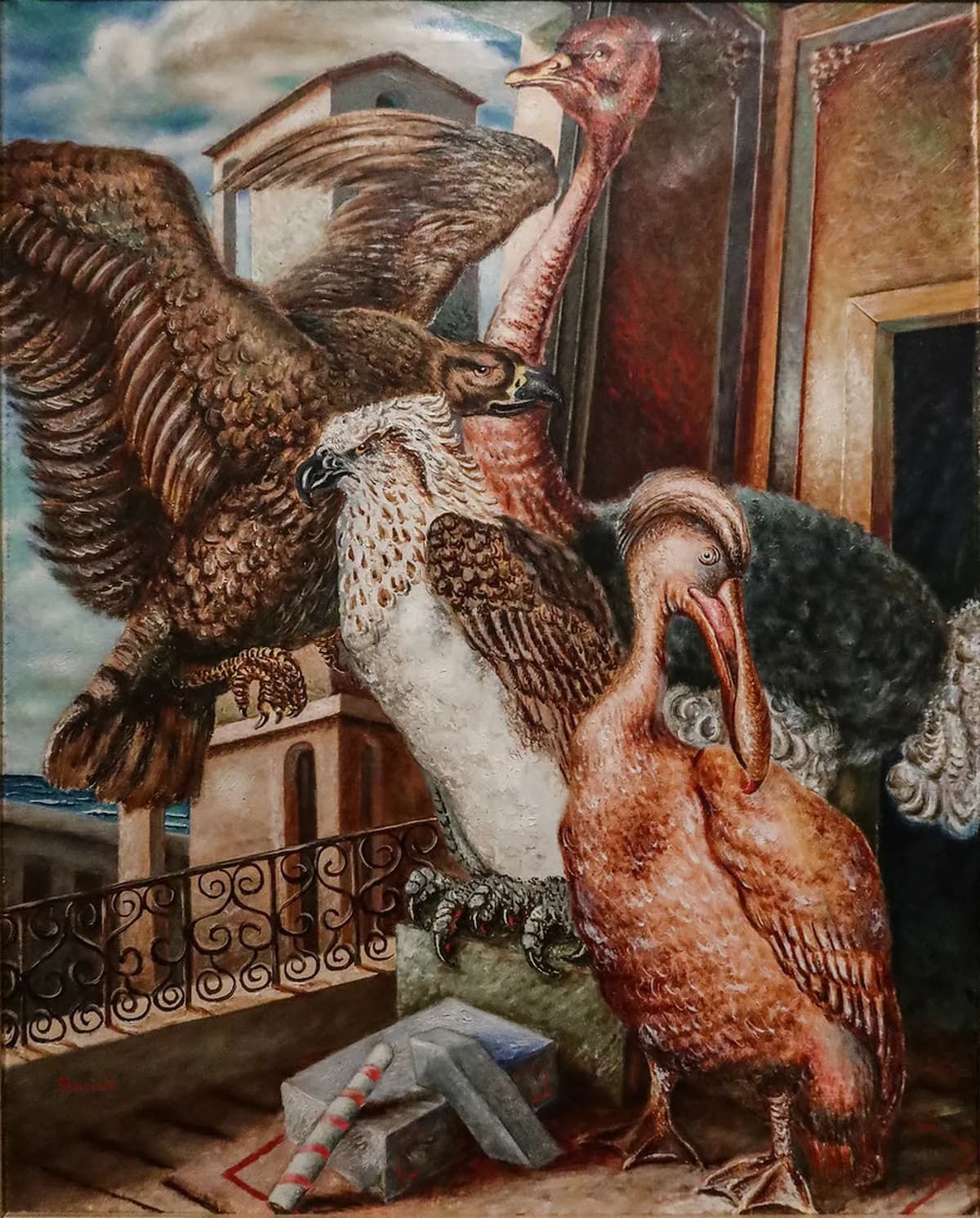
The house displays approximately 300 selected works across eleven exhibition spaces, drawn from a total collection of more than 2,000 pieces. The route is arranged in chronological succession and qualitative selection by Maria Teresa Fiorio, so it works best if you follow the rooms in order instead of jumping straight to famous names. The collection traces Italian art from the first decade of the 1900s through the late 1960s, with paintings, sculptures, ceramics, and drawings appearing in close quarters.
The rest of the collection is not simply hidden away. Other Boschi Di Stefano works are displayed at the Museo del Novecento, and the Museum of the Twentieth Century is the natural companion visit if you want a broader view of Italian modernism. Pairing the two museums helps you see both sides of the gift: the intimate home and the civic museum context.
| Room or Focus | What to Notice |
|---|---|
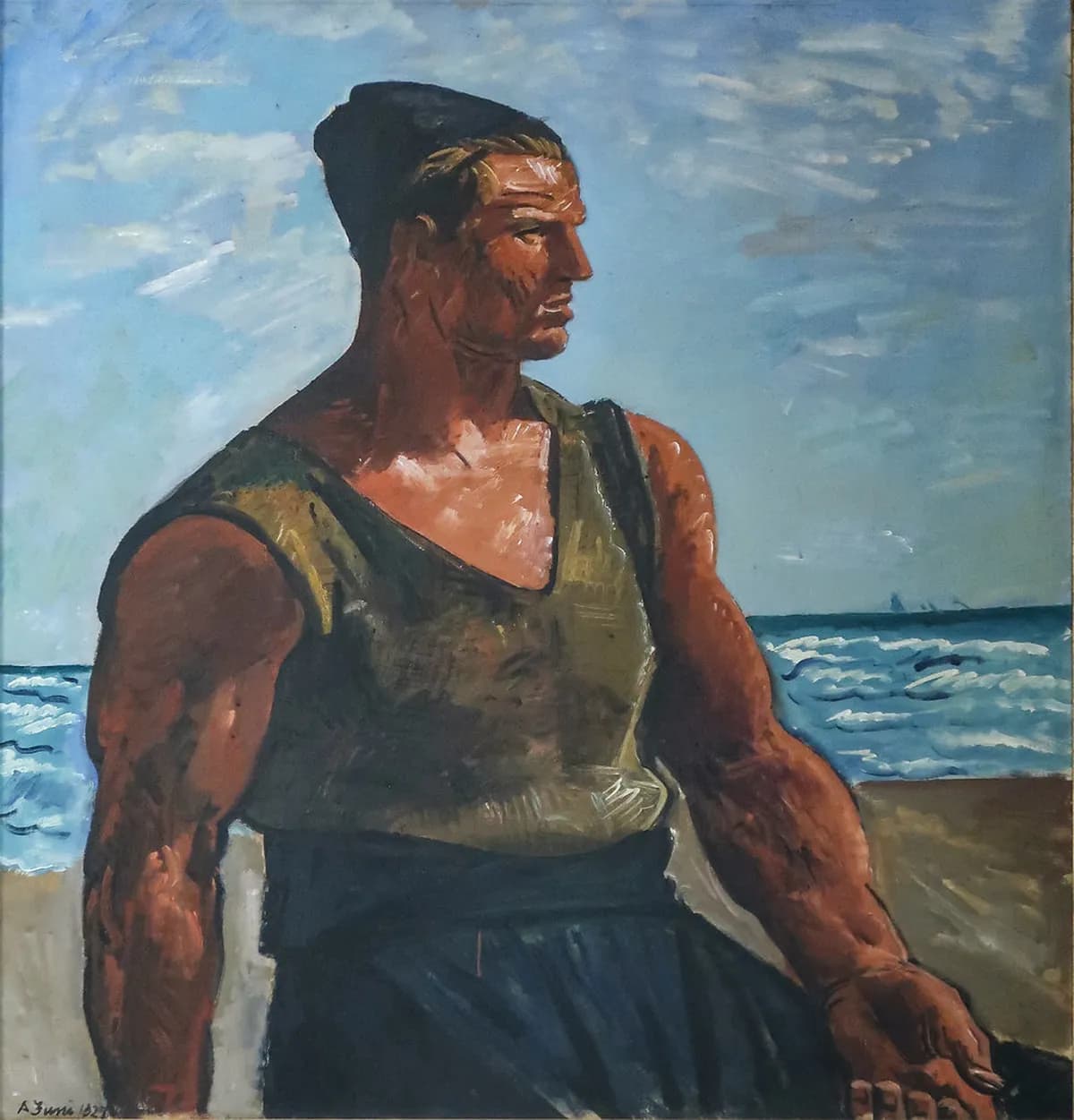
| Sironi Room | A concentrated view of Mario Sironi, with the monumental language of Novecento Italiano. |
| Italiens de Paris and Metaphysical works | Giorgio de Chirico, Alberto Savinio, and artists who connected Italian art to wider European movements. |
| Fontana Room | A strong group of Lucio Fontana works that shows why Spatialism became central to postwar Italian art. |
| Final rooms | Post-Cubist, Spatialist, Nuclear, and Informal works, including later experiments by artists such as Piero Manzoni. |
Period Furnishings and the Mario Sironi Dining Room
The furnishings are not background decoration. They explain how the apartment was reconstructed as a believable house-museum after conservation needs made it impossible to preserve every original domestic arrangement. Look for the small table designed by Portaluppi, the Bechstein piano, and carefully chosen period pieces that match the era and the art.
The most important furniture highlight is the dining room designed by Mario Sironi in 1936 and presented at the VI Triennale di Milano. It is a useful pause point because it joins three strands of the visit: the artist on the wall, the design object in the room, and the social world of the collectors. Do not treat the furniture as a quick pass-through; it is one of the clearest ways to understand the apartment as an inhabited collection.
Essential Visitor Info: Hours, Tickets, and Booking
Planning your visit is easy because the museum is open from Tuesday to Sunday each week. Visitors can enter the house between 10:00 am and 5:30 pm throughout the year, with last entry around 5:00 pm. Admission is completely free. Booking through the Vivaticket Booking Link is recommended, but not mandatory, for individual visitors.
Do not make the common mistake of arriving just before closing. The apartment is compact, but the collection is dense; allow 45 to 75 minutes if you want to follow the chronological route properly. Weekday mornings are the best time to visit if you want quieter rooms, while late afternoon works well if you are combining the museum with Corso Buenos Aires or Porta Venezia.
Group visits need more planning because the apartment has limited space. Groups of up to 20 people can access the museum, while larger groups are asked to divide along the exhibition path. The museum also closes on some public holidays, including 1 January, 1 May, and 25 December, so check the official calendar before locking in a 2026 Milan itinerary.
Admission is completely free and booking through Vivaticket is recommended but not mandatory for individual visitors.
Transportation Guide: Reaching Via Giorgio Jan 15
The museum is in a residential street just off the Corso Buenos Aires area, so public transport is usually easier than driving. The simplest route is the M1 red line to Lima, then a short walk to Via Giorgio Jan 15. Loreto on the M2 green line is also workable if it better fits your route across the city.
- Metro M1: Lima station, about 260 meters on foot.
- Metro M2: Loreto station, about 800 meters on foot.
- Tram: Lines 1 and 5 to Via Vitruvio, about 650 meters on foot.
- Bus: Lines 60 and 81 to Via Plinio/Piazza Bacone, about 190 meters on foot; line 92 also serves Piazza Bacone.
- Suburban rail: Porta Venezia station, about 550 meters on foot.
| Transport | Station/Stop | Distance |
|---|---|---|
| Metro M1 (Red Line) | Lima | 260 m |
| Bus | Via Plinio/Piazza Bacone | 190 m |
| Suburban rail | Porta Venezia | 550 m |
| Tram | Via Vitruvio | 650 m |
| Metro M2 (Green Line) | Loreto | 800 m |
Driving is rarely the best choice unless you need accessible parking. Street parking is limited and local traffic rules can be confusing for visitors. If you do arrive by car with a valid disability parking permit, YesMilano notes reserved spaces on Via Ulisse Aldrovandi and free use of blue-marked spaces in the surrounding streets for badge holders.
Accessibility Services and On-Site Facilities
The museum has detailed accessibility information in the YesMilano Accessibility Guide, and it is worth reading before you go if lift dimensions or restroom access matter for your visit. The exhibition route itself has no steps or architectural barriers, and the rooms provide enough space for wheelchair users, but reaching the route involves staff-assisted lift access in a historic building.
- Wheelchairs: A courtesy wheelchair is available; a valid ID such as an identity card or driving licence must be left as a deposit.
- Lift access: A platform lift connects the ground floor to the mezzanine, and a lift connects onward to the exhibition level; both are staff-assisted and have limited dimensions.
- Audio: Free Italian and English audio tracks are available through QR codes placed along the route.
- Easy-to-read guide: Available in print and as a downloadable PDF.
- Restrooms: An accessible restroom is on the mezzanine level; the first-floor museum-route bathroom is not wheelchair accessible.
Staff are present throughout the route and can help with practical questions. If you use a wheelchair or have limited mobility, use the intercom at the entrance and allow extra time at arrival rather than planning a tight connection after the museum.
Free audio guides in Italian and English are available via QR codes along the route, and the exhibition has eleven rooms arranged in chronological order, so allow 45 to 75 minutes to follow the complete route.
Beyond the House: The Circuito Case Museo Network
Casa Museo Boschi Di Stefano belongs to the Circuito Case Museo, the Milan network of historic house museums. Visit it with Villa Necchi Campiglio if you want a design-focused half day, or add the Museo Bagatti Valsecchi for a sharper contrast between Renaissance revival collecting and 20th-century modernism.
Art lovers can extend the route with the Pinacoteca Ambrosiana for older masterpieces or the San Maurizio al Monastero Maggiore church for frescoes. The important planning point is time: Casa Museo Boschi Di Stefano is free and compact, but it is most rewarding when treated as a focused visit rather than a filler stop between shopping and dinner.
Frequently Asked Questions
Is admission to Casa Museo Boschi Di Stefano really free?
Admission to Casa Museo Boschi Di Stefano is completely free for all visitors. Online booking through Vivaticket is recommended, but not mandatory, for individual visitors. Groups and guided visits should plan ahead because the apartment has limited space.
How do I get to the museum using public transport?
Take the M1 red line to Lima for the fastest route, then walk about 260 meters to Via Giorgio Jan 15. M2 Loreto, tram lines 1 and 5, bus lines 60 and 81, and Porta Venezia suburban rail station also work depending on where you are coming from in Milan.
What are the opening hours for the Boschi Di Stefano house?
The museum is open from Tuesday to Sunday each week for all visitors. You can visit the art collection between 10:00 am and 5:30 pm daily. It is closed on Mondays and certain public holidays throughout the year. Always check the official website for any sudden schedule changes before you travel to the museum.
How much time should I spend at the museum?
Most visitors spend about 45 to 75 minutes exploring the eleven rooms of the apartment. That is enough time to follow the chronological route, pause in the Sironi dining room, and look closely at the Fontana and de Chirico works without rushing.
Other Apartments Left Hung With a Collection
Two thousand works in a normal Milanese flat, hung floor to ceiling exactly as the Boschi di Stefano couple lived with them. Madrid's Museo del Romanticismo reconstructs a nineteenth-century bourgeois interior room by room to a similar end. Prague's Lobkowicz Palace is the aristocratic version — one family's pictures, instruments and manuscripts, returned after two confiscations.
Casa Museo Boschi Di Stefano works because it keeps Milan's modern art history at human scale. In a single free visit, you get Portaluppi architecture, a private collection of national importance, the Sironi dining room, and a clear route through Italian art from the early 1900s to the 1960s. Plan around the Tuesday-to-Sunday schedule, arrive with enough time before last entry, and treat the house as one of Milan's strongest small-museum stops in 2026.
To verify current details, consult the Casa Museo Boschi di Stefano official site and Casa Museo Boschi di Stefano on Wikipedia.
Continue exploring
More guides you'll find useful