8 Best Free Museums and Cultural Tips for Milan (2026)
Discover the best free museums in Milan, including Sunday at the Museum tips, booking advice for Brera, and hidden gems in Pavia. Plan your budget trip today!
On this page
8 Best Free Museums and Cultural Tips for Milan
Milan hides an extraordinary amount of high culture behind a reputation for expensive fashion and nightlife. Budget travelers who do their homework can spend days in world-class galleries without buying a single ticket. My four visits to the city over the past decade have taught me exactly which systems to work and which pitfalls to avoid.
This guide is updated for 2026 and focuses on the best free things to do in the city while keeping quality high. It covers the Domenica al Museo initiative, the specific booking portals that confuse first-timers, and the civic last-hour rule that most guides only mention in passing. You will also find practical details on demographics that qualify for permanent free entry and two underrated day trips from the city.
The city has shifted many of its free initiatives toward online reservation systems to manage crowds. Understanding which portal to use for which museum is the single most important skill for anyone planning visiting Milan on a budget. Getting that wrong means turning up to a queue that will not let you in, even on a legitimately free day.
Top Must-See Free Museums in Milan
The eight sites below cover the full range of Milan's no-cost cultural offer — from the civic museums clustered around the historic centre to the sprawling industrial art spaces in the north. Each entry notes the free access mechanism, the standard ticket price you avoid, and the nearest metro stop.
- Sforzesco Castle Museums and the Rondanini Pietà — Free entry every first and third Tuesday of the month after 14:00. The castle houses Michelangelo's unfinished final sculpture and a Museum of Musical Instruments. Standard adult ticket: 5 EUR. Metro M1 to Cairoli. Book your slot online even for the free sessions to guarantee entry.
- Pinacoteca di Brera — Free on the first Sunday of every month (Domenica al Museo). Masterpieces by Mantegna, Raphael, and Caravaggio inside a Napoleonic-era palace. Standard ticket: 15 EUR. Metro M2 to Lanza. Booking strictly mandatory via brerabooking.org — slots sell out weeks in advance.
- Museo del Novecento — Free entry during the final hour of operation every day (typically from 18:30 to 19:30, verify on the day). Italian Futurism and Spatialism next to the Duomo. Standard ticket: 5 EUR. Metro to Duomo, follow signs for Palazzo dell'Arengario at Piazza del Duomo 8.
- Pirelli HangarBicocca — Always free, all year. A converted industrial hangar in the northern Bicocca district holding monumental installations, including Kiefer's Seven Heavenly Palaces. Check the seasonal schedule as the space occasionally closes between exhibitions. Metro M5 to Ponale, then a ten-minute walk.
- Casa Boschi di Stefano — Always free. A preserved private apartment with one of the largest collections of 20th-century Italian art in a domestic setting. Open Tuesday to Sunday until 17:30. Metro M1 to Lima, then two blocks on foot. Ring the doorbell to enter.
- Palazzo Morando — Always free for the permanent collection covering Milanese fashion and urban history. Located in the Quadrilatero della Moda district. Metro M3 to Montenapoleone.
- Gallerie d'Italia — Free on the first Sunday of every month. Three interconnected historic palaces across from La Scala, with major 19th-century Italian paintings. Standard ticket: 10 EUR. Metro M1/M3 to Duomo, Piazza della Scala 6.
- Civic Archaeological Museum — Free every first and third Tuesday after 14:00. Built on the remains of a Roman circus, with two surviving towers you can climb. Standard ticket: 5 EUR. Metro M1/M2 to Cadorna. Address: Corso Magenta 15.
Free entry is available on the first and third Tuesday of the month after 14:00 at Sforzesco Castle and the Archaeological Museum, and during the final operating hour (typically 18:30–19:30) at the Museo del Novecento. Always book your free slot online in advance, especially for the Pinacoteca di Brera, where bookings open four weeks ahead and sell out within hours on the first Sunday of the month.
State Museums with Free Sunday Entry (Domenica al Museo)
The Domenica al Museo initiative is run by Italy's Ministry of Culture and opens state-owned sites on the first Sunday of every month at no charge. In Milan for 2026, this covers the Pinacoteca di Brera, the Museo del Cenacolo Vinciano (Last Supper), the Gallerie d'Italia, and the Fondazione Luigi Rovati at Corso Venezia 52. The Armani/Silos normally participates but was temporarily closed for refurbishment in late 2025 — check their official site for current status.
Crowds on these days are substantially heavier than on a regular weekday. Arriving at the very first timed entry slot is the most reliable way to avoid spending half your morning in a queue. The Ministry of Culture publishes the confirmed museum list each month on their website, and individual museum sites post their specific free-day slots three to four weeks ahead.
While the state initiative does not charge a ticket price, some venues collect a small booking fee of 1 to 2 EUR when you reserve a slot. That fee is separate from the admission waiver and is non-refundable. Always check whether a booking fee applies when you register, especially for Brera, where the portal makes this easy to miss.
| Museum | Free When | Booking Portal |
|---|---|---|
| Pinacoteca di Brera | First Sunday (Domenica al Museo) | brerabooking.org |
| Leonardo's Last Supper | First Sunday (Domenica al Museo) | vivaticket.com |
| Sforzesco Castle | 1st & 3rd Tuesday after 14:00 | biglietti.milanocastello.it |
| Museo del Novecento | Daily final hour (18:30–19:30) | Walk-in or official site |
| Gallerie d'Italia | First Sunday (Domenica al Museo) | Official site or 800 167619 |
Always-Free Art Galleries and Cultural Spaces
Beyond the Sunday specials, several high-quality venues in Milan charge nothing, ever. Pirelli HangarBicocca is the most impressive of these — a former locomotive factory converted into one of Europe's largest contemporary art spaces. The installations are genuinely monumental and the experience is unlike anything in the city centre. It rewards a dedicated half-day rather than a quick stop.
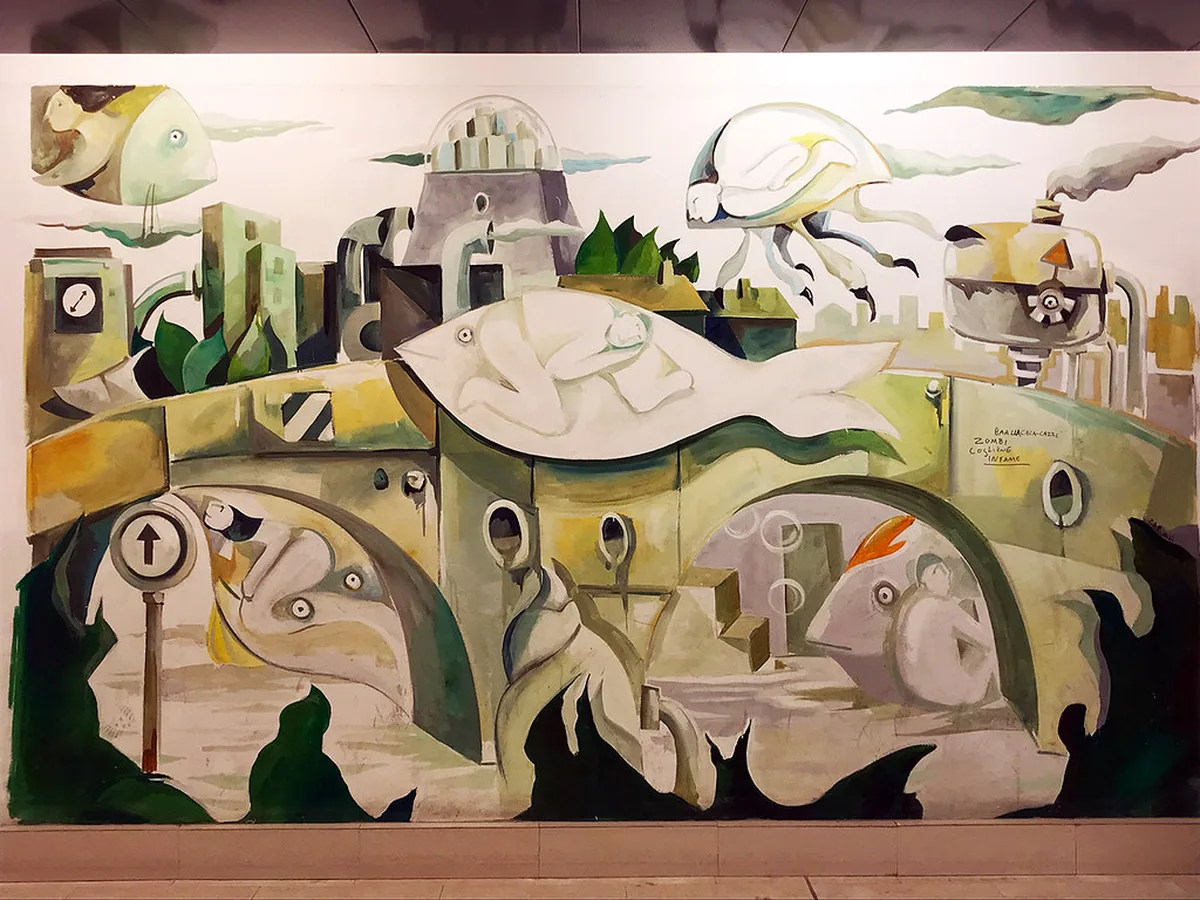
House museums like Casa Boschi di Stefano and Palazzo Morando offer a quieter alternative when the main sites feel overwhelming. These spaces are rarely crowded even during peak tourist season, and the intimacy of the settings adds something that larger galleries cannot replicate. You can find more of these off-the-beaten-path options in our guide to hidden gems in Milan.
The Acquario Civico near the Sforzesco Castle is also permanently free and worth thirty minutes, particularly if you are travelling with children. It is small by international aquarium standards, but the Victorian-era building and the jellyfish tanks make it a pleasant break between larger sites. Hours vary seasonally so confirm before you go.
Free Admission for Kids, Young Adults, and Other Groups
Italian state museums grant permanent free entry to EU citizens under 18 years old. For the Domenica al Museo list, this applies regardless of which day you visit — not just on free Sundays. Children in this age bracket do not need to book a separate ticket but must carry proof of age or an EU identity document for inspection at the entrance.
Young adults between 18 and 25 holding EU citizenship pay a reduced rate at most state museums — typically 2 EUR instead of the full adult price. Some civic museums in Milan go further and offer complete free entry to anyone under 26 on designated days; the Sforzesco Castle and Museo del Novecento both apply youth pricing on their free-hour windows without restriction. Always carry a valid ID and confirm the age bracket on the specific museum's site before your visit.
EU citizens over 65 receive free or heavily discounted entry at state-run sites. Disabled visitors and one accompanying carer are also entitled to free entry across the full state museum network, including the Pinacoteca di Brera. Teachers with verified credentials from EU institutions can access many sites for free as well. For a family planning the Milan's top museums, the combination of under-18 free entry and the Domenica al Museo initiative makes it entirely possible to have a full culture day at zero cost.
Essential Booking Portals and Planning Tips
The biggest source of confusion for visitors is that Milan's free museums use three different booking systems. Getting this wrong wastes your free-Sunday slot entirely. Here is the breakdown for 2026:
- Pinacoteca di Brera — Book via brerabooking.org. Free-Sunday slots open approximately four weeks in advance and are gone within hours. A 1 EUR booking fee applies. Do not attempt to walk in on the day without a reservation — the door staff will turn you away.
- Leonardo's Last Supper (Cenacolo Vinciano) — Book via vivaticket.com or by phone on 02 92800360. Reservations are compulsory on all days including free Sundays. Address: Piazza Santa Maria delle Grazie 2. Free-day slots are released on a different schedule from paid slots, and many sell out months ahead. If you cannot secure a free-day ticket, do not use third-party resellers — buy the standard paid ticket directly.
- Civic museums (Sforzesco, Novecento, Archaeological) — Use the Comune di Milano portal at biglietti.milanocastello.it for Sforzesco, or visit in person during the last-hour free window without a reservation. Walk-in is generally possible for last-hour access, but booking is recommended for the Tuesday free-afternoon slots, especially in summer.
- Gallerie d'Italia and Fondazione Rovati — Free-Sunday access at Rovati is strictly walk-in, no bookings accepted. Gallerie d'Italia accepts reservations via their official site; calling 800 167619 is also reliable for confirmation.
The Last Hour rule at civic museums (free entry in the final 60–90 minutes of the operating day) is a consistent daily option that bypasses the Sunday competition entirely. At the Museo del Novecento this typically means arriving from 18:30 onward. The trade-off is less time inside, but for a focused visit to one or two rooms it works well. Check the official site the morning of your visit to confirm that day's closing time, as it varies by season.
Consult the YesMilano definitive guide for the most current updates on participation changes and any temporary closures. Municipal holidays occasionally shift free-day schedules, and the official city guide is updated faster than most travel blogs. Always check the specific museum site as a second confirmation before setting out.
Day Trips from Milan: Pavia and Melegnano
If you have a spare afternoon after covering the city's main free sites, two nearby towns offer genuinely rewarding cultural stops. The Church of San Michele Maggiore in Pavia is a supreme example of Lombard Romanesque architecture, built between the 10th and 12th centuries and free to enter. Pavia is 35 kilometres south of Milan; Trenord regional trains run roughly every 30 minutes from Milano Centrale and the journey takes about 35 minutes. From Pavia station it is a 15-minute walk through the old town to the church.
Melegnano, 16 kilometres south-east of Milan, is home to the Castello Mediceo — a 14th-century fortress that now hosts digital art exhibitions and occasional free cultural events. The castle has been developing a programme of immersive digital installations that bring its Renaissance history to life without a standard museum format. Check the castle's website before visiting as the programme varies by season. The quickest route from Milan is by car via the A1 motorway; by public transport, take a Trenord train from Milano Centrale toward Lodi (about 15 minutes) then a local connection or taxi.
Neither Pavia nor Melegnano requires a full day. A morning at San Michele paired with lunch in Pavia's historic centre and an early-afternoon return to Milan leaves you time for an evening last-hour visit to the Museo del Novecento. For anyone staying in Milan's outer districts, these towns are genuinely easy additions to a three-day itinerary.
Budget Timing and the Local Approach to Free Culture
Milanese residents treat the free Sunday initiative as a normal part of city life, not a tourist hack. The result is that some sites — particularly Brera and the Last Supper — feel like local events with deep demand that tourists are competing for. Going on a free Sunday without a booking secured weeks earlier is rarely worth the effort at these two sites. Treat them as paid-ticket museums where you happen to have a slot reserved for zero cost.
For the always-free and last-hour sites, timing within the week matters more than most guides acknowledge. Tuesday afternoons at the Sforzesco Castle and the Archaeological Museum offer free access with far smaller crowds than free Sundays. The Last Hour window at the Museo del Novecento on a Wednesday or Thursday evening is genuinely pleasant — locals treat it as a pre-dinner cultural stop, the galleries clear out noticeably, and the neon light installations glow at their best just before closing.
Public transport covers all of these sites efficiently. A 48-hour travel card (approximately 7 EUR in 2026) covers unlimited metro, tram, and bus travel across the city centre and is the most cost-effective option for a two-day museum crawl. For a fully planned three-day itinerary in Milan, pairing free-Sunday bookings with always-free venues and one or two paid highlights gives the best balance of depth and cost control.
Secure free-Sunday bookings at Pinacoteca di Brera and the Last Supper at least four weeks in advance—they sell out within hours of release. For all other sites, the always-free options (Pirelli HangarBicocca, Casa Boschi di Stefano) and last-hour windows offer genuine flexibility without the booking race. A 48-hour travel card (€7) covers unlimited metro, tram, and bus access across the entire city centre and is ideal for a multi-site cultural crawl.
Frequently Asked Questions
Which free museums in Milan require advance booking?
The Pinacoteca di Brera and Leonardo's Last Supper strictly require advance online booking for free Sundays. Most other civic museums allow walk-ins during free hours, but checking the official portal is recommended to avoid long queues.
Is the Last Supper free on the first Sunday of the month?
Yes, the Last Supper participates in the national free Sunday initiative. However, tickets are extremely limited and must be reserved online months in advance. They typically release these specific slots on a dedicated booking website.
What are the best free museums for families in Milan?
Sforzesco Castle is excellent for families because of its large courtyards and diverse historical displays. The Natural History Museum also offers free entry windows and is located within the beautiful Giardini Pubblici park area.
Milan is a city where luxury and accessibility coexist if you know where to look. By timing your visits to coincide with free Sundays, last-hour windows, or always-free venues, you can see world-class art without touching your dining budget. The key is securing bookings weeks in advance for Brera and the Last Supper, then building the rest of your schedule around the more accessible civic sites.
Planning ahead is the most important factor for 2026, when digital booking requirements have become non-negotiable at the top-tier sites. Whether you are a student, a family, or a seasoned traveler, Milan's cultural wealth is distributed generously across free and subsidised access points. The city rewards visitors who treat its museum system as a puzzle worth solving.
Continue exploring
More guides you'll find useful