Milan On A Budget: 10 Essential Tips for an Affordable Trip
Discover how to visit Milan on a budget with 10 essential tips on cheap accommodation, free attractions, and affordable dining in Italy's fashion capital.
On this page
Milan On A Budget: 10 Essential Tips for an Affordable Trip
Milan has a reputation as Italy's most expensive city. Many travelers skip it entirely, put off by the price tags in the fashion district and the luxury hotel rates near the Duomo. The truth is that the city rewards careful planning with a surprisingly deep roster of free sights, cheap eats, and low-cost experiences. Updated for 2026, this guide covers everything you need to spend less and see more.
We spent €640 total over five days for two people, flights excluded. That covered a comfortable guest house, aperitivo dinners, daily public transit, and several museum entries. Shoestring travelers can do better. The key is knowing which tourist habits are worth skipping and which local ones are worth adopting.
Finding Affordable Accommodation in Milan
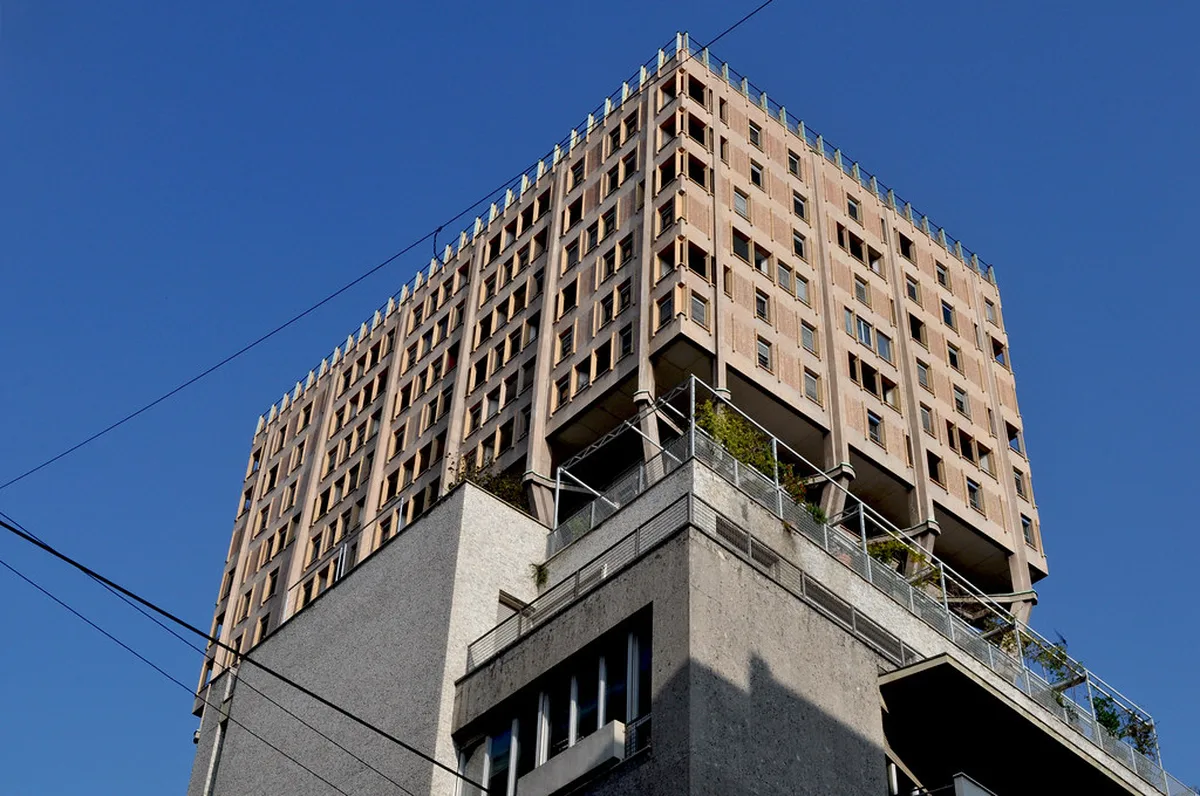
Where you sleep determines more of your daily budget than anything else in Milan. The neighborhoods closest to the Duomo carry a heavy location premium — rooms in that zone often cost 40 to 50 percent more than equivalent places one metro stop out. The best-value districts are Porta Venezia, Città Studi, and the area around Milano Centrale station. All three are on the metro and put you within ten to fifteen minutes of the main sights.
Hostel dorms are the most affordable choice for solo travelers. Expect to pay €35 to €50 per night for a clean bed in a shared room in 2026. Couples often find better value in small guest houses or Airbnb apartments, particularly in Porta Venezia, where a private room runs €70 to €100 and feels genuinely local. Pod-style hostels near Porta Venezia metro offer private capsule beds with lockers and included breakfast — worth checking before defaulting to a traditional hostel.
Always confirm whether breakfast is included. A free coffee and pastry saves you roughly €5 to €7 every morning, which adds up across a five-day stay. Book at least six to eight weeks in advance, and avoid traveling during Fashion Week (February and September) or the Salone del Mobile furniture fair (April) when rates spike sharply across the city. You can find many Milan for young adults within easy reach of these neighborhoods.
Navigating Milan's Public Transport for Less
Milan's ATM network covers the city with four metro lines, dozens of tram routes, and an extensive bus system. A single ticket costs €2.20 and is valid for 90 minutes across all modes of transport. For most stays of two to four days, the blochetto (10-ticket carnet) at €19.50 is the best value — you use the tickets at your own pace and they never expire. The 24-hour pass at €7.60 makes sense only if you plan four or more separate journeys in a single day.
Download the ATM Milano app to buy digital tickets and plan routes in real time. Avoid taxis entirely; a five-minute city-center ride easily costs €15 or more in traffic. The metro runs until about 00:30 on weekdays and 01:30 on weekends, so late nights in Navigli are covered without a taxi. Most of the city center — Duomo to Castello to Brera — is walkable in twenty minutes on foot, which is the cheapest option of all for exploring the city-centre highlights.
BikeMi, the city's public bike-share scheme, is an underused budget tool. A 24-hour pass costs €4.50 and the first 30 minutes of each ride are free. For flat cross-city legs — say, Centrale down to the Navigli or across to Parco Sempione — it beats the metro on both cost and convenience. Stations are spaced about 300 metres apart in the centre, so returning a bike is rarely a problem.
| Ticket Type | Cost (Euro) | Best For |
|---|---|---|
| Single Ticket | €2.20 | One-off trips, airport connection |
| 10-Ticket Blochetto | €19.50 | Casual 2–4 day stay, never expires |
| 24-Hour Pass | €7.60 | Heavy sightseeing days (4+ trips) |
| 3-Day Pass | €15.50 | Full weekend stays |
| BikeMi 24h | €4.50 | Flat cross-city legs, first 30 min free |
BikeMi's 24-hour pass costs just €4.50 with the first 30 minutes of each ride free — making it cheaper than the metro for short hops across the city. Combine this with the 10-ticket blochetto (€19.50) and you'll spend less than €25 on transport for a full week.
Must-See Milan Attractions on a Budget
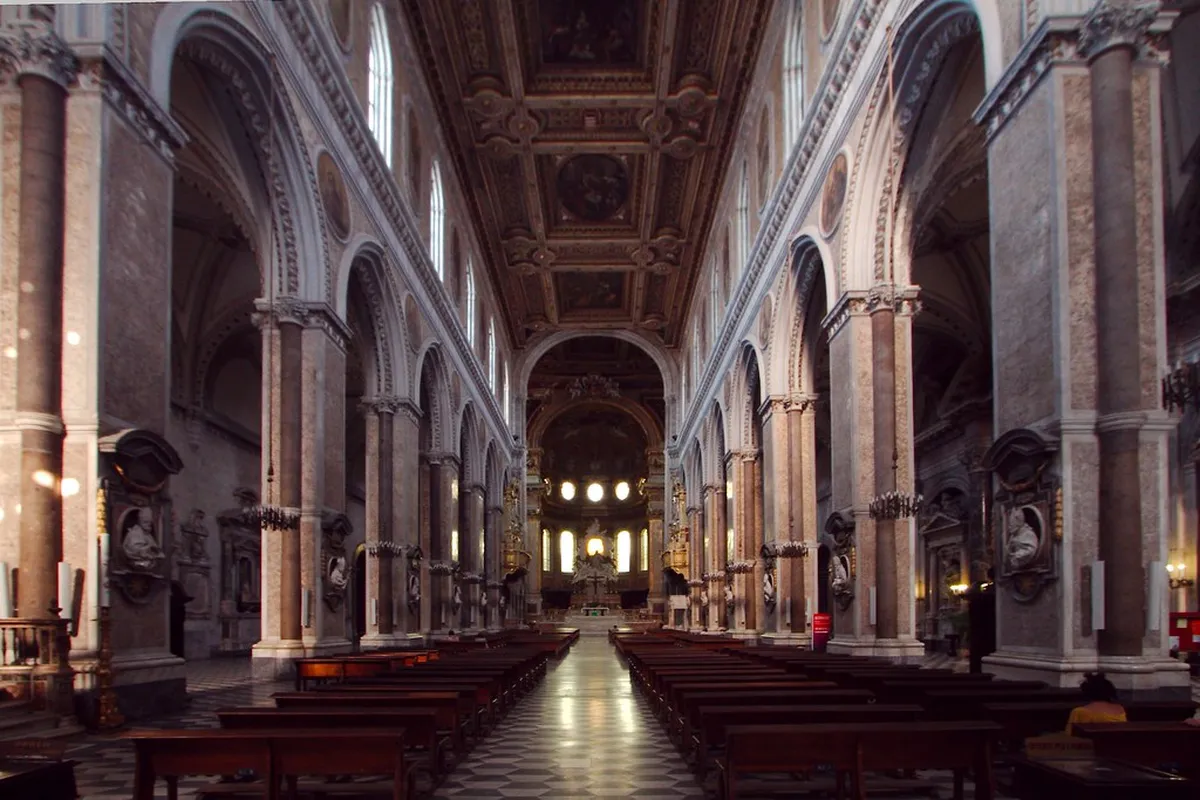
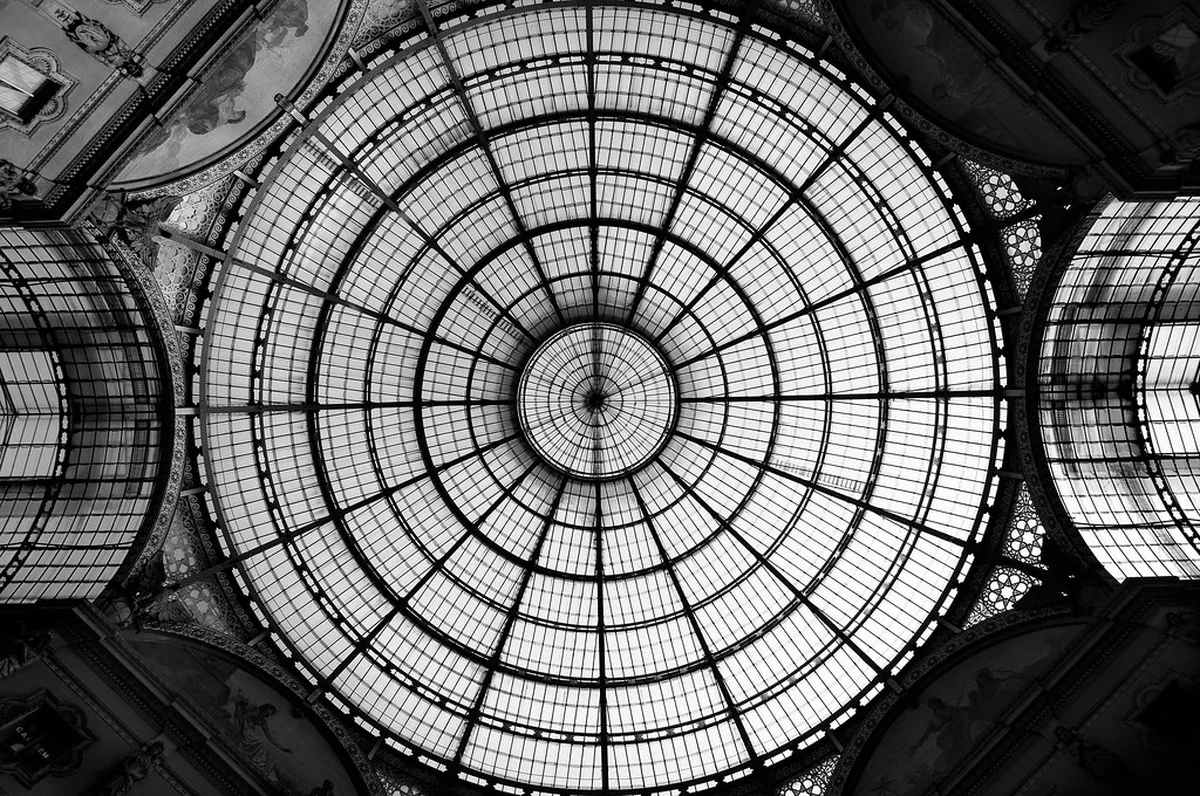
The Duomo di Milano costs nothing to view from the outside, and the exterior alone is one of the most spectacular Gothic facades in Europe. The cathedral interior requires a ticket (around €5 for basic entry in 2026), while roof access via elevator runs €14 to €16. Sunrise on the piazza is free and uncrowded. The Galleria Vittorio Emanuele II next door — the oldest shopping mall in Milan, open since 1877 — is a free architectural spectacle. Walk through it, find the bull mosaic on the floor, and leave before being tempted by an €8 espresso at one of the arcade cafes.
Castello Sforzesco is another zero-cost landmark. The massive courtyard and castle grounds are free to enter all day. The castle's internal civic museums charge €3 for adults (€1.50 reduced), and admission is free for all visitors between 16:30 and 17:30 Tuesday through Friday. Arriving in that final hour is a legitimate way to catch the permanent collections at no cost. Check out our guide on the top sights in Milan for a full list of what's inside.
If Da Vinci's The Last Supper is on your list, book well in advance through the official reservation site — tickets at €17.50 per adult sell out months ahead and no walk-ins are permitted. Entry to the Santa Maria delle Grazie church adjoining the refectory is free separately. The adjacent Archaeological Park and Roman Antiquarium costs just €5 and is almost always quiet.
Museums, Art, and Culture in Milan
Milan's civic museums — including the collections inside Castello Sforzesco — offer free admission on the first Sunday of every month. Planning at least one free-museum day around this date is one of the simplest ways to cut your budget. Students and travellers under 26 should carry their ISIC card (International Student Identity Card, around €22/year) for reduced entry at most paid galleries and museums across the city.
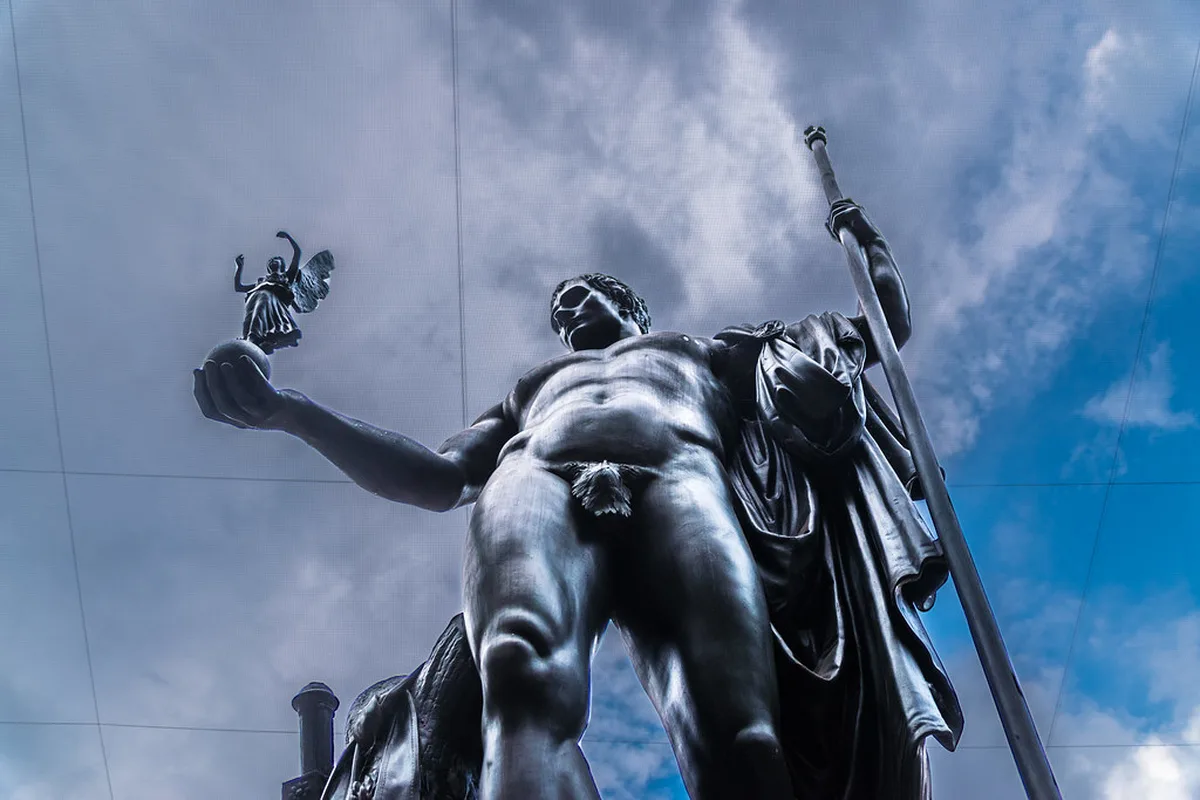
Civic museums across Milan are free on the first Sunday of each month — plan your visit accordingly to explore Castello Sforzesco, the Brera Academy, and Natural History Museum without paying admission. This alone can save €15 to €20 per person on your entire trip.
The Teatro alla Scala Museum charges just €5 and lets you stand inside one of the world's great opera theaters, browse original Verdi manuscripts, and see costume collections up close. It is exceptional value for a cultural experience. Check the website for rehearsal schedules — occasionally you can hear singers practicing as you tour. San Siro Museum, dedicated to the two Milan football clubs, costs €7 for adults and is free for children under six.
The Brera district rewards slow walking. Smaller private galleries here often run free exhibitions, and the Orto Botanico di Brera — the botanical garden tucked behind the Brera Academy — is a hidden green space that most first-time visitors never find. Entry is free and it is a genuinely peaceful place to rest mid-afternoon. You can explore the Milan's top museums across several days without spending more than €20 total if you time your visits well.
Parks, Gardens, and Outdoor Spots in Milan
Parco Sempione is the city's main green lung, directly behind Castello Sforzesco. The park is completely free and large enough to spend a full morning in. Locals use it for cycling, jogging, and weekend picnics. Pick up provisions from a nearby supermarket — a full picnic lunch for two costs around €8 to €10 — and eat in the park rather than paying restaurant prices. The park also contains a small free-access arena and a tower with city views for just a few euros.
Indro Montanelli Gardens in the Porta Venezia area are more formal and a good base for visiting the Natural History Museum next door, which is among the cheapest indoor options in the city. Children under certain ages enter for free; check the current age threshold with your ID ready. The gardens connect visually to the Liberty-style architecture along Corso Buenos Aires, making a walk here genuinely scenic even for adults without children.
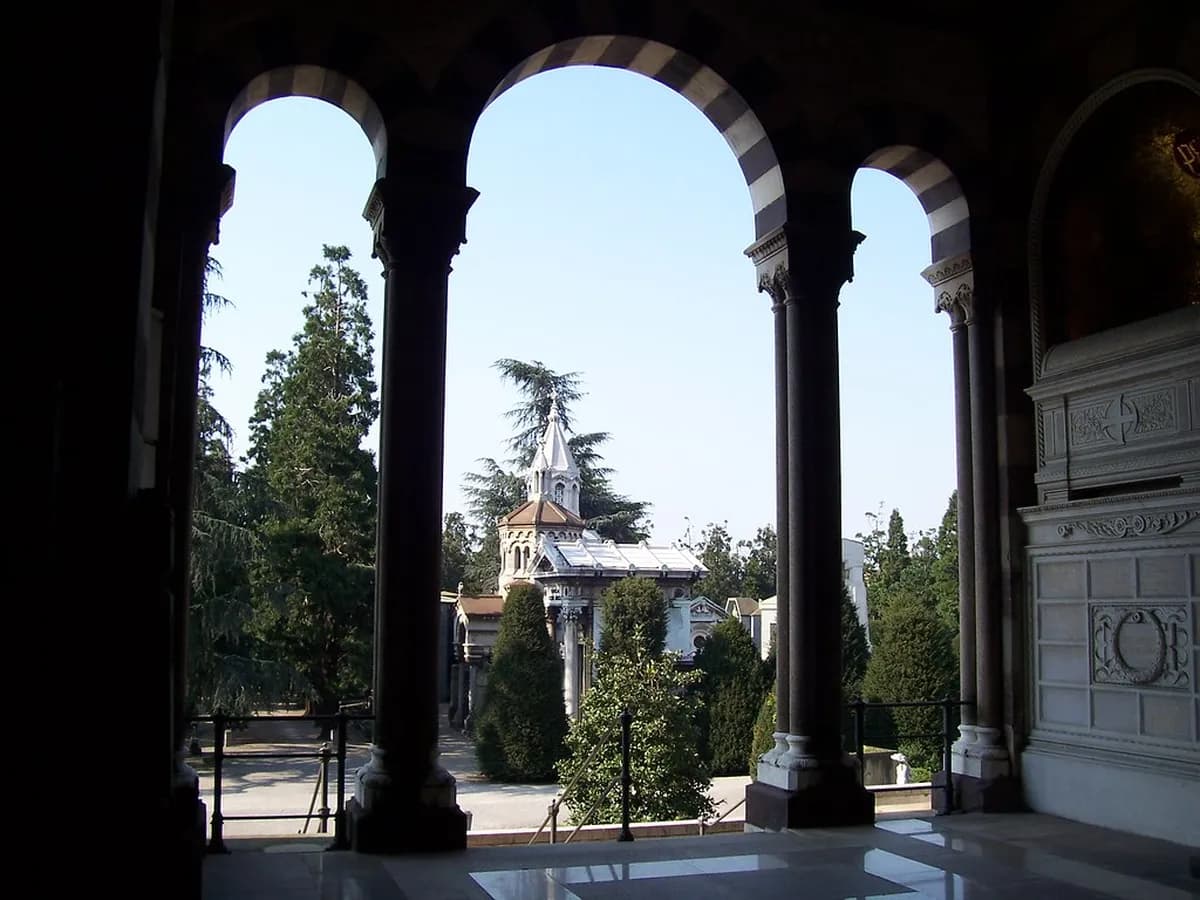
Cimitero Monumentale, just north of the centre near Monumentale metro stop, functions as a free open-air museum of extraordinary scale. The monumental tombs contain sculptures by some of Italy's finest nineteenth and twentieth-century artists. We spent over two hours here on our visit and encountered almost no other tourists. It is one of the most rewarding and completely free experiences in the city — and almost entirely absent from mainstream travel itineraries.
Isola and Navigli: Two Neighborhoods Worth Your Time
The Navigli canal district is Milan's most famous budget-evening destination and well covered everywhere. Less discussed is Isola, just north of Garibaldi station, which offers something different: a former working-class district transformed into a hub of street art, independent cafes, architecture studios, and weekend markets. Walking its streets is free, the street art is dense and constantly changing, and the cafes charge local prices rather than tourist rates. It was isolated from the rest of the city for much of its history — literally cut off by railway lines — which gave it a distinct identity it has never lost.
The Navigli canals are best at sunset when the aperitivo bars start filling up. This is also where you find some of Milan's cheapest evening entertainment — walk the canal, buy a single drink for €10 to €15, and the stuzzichini (free food buffet) takes care of dinner. Weekend antique and vintage markets along the canal add free browsing to the mix. Both neighborhoods are connected by tram or a BikeMi ride and work well as a single evening loop.
Where to Find Cheap Eats and Aperitivo Deals
The aperitivo culture is Milan's most powerful budget tool and the one visitors are slowest to use properly. Order one drink (€10 to €15) at a bar anywhere between 18:00 and 22:00 and you get access to a laid-out buffet — stuzzichini — typically including pasta, pizza, bruschetta, salads, olives, and cheese. In the Navigli and Isola districts this is genuinely filling and negates the need for a separate dinner. It is not a snack; it is a meal with a drink attached.
For lunch, look for 'menu del giorno' signs at any trattoria or osteria on weekdays. A two-course set menu with water and coffee runs €12 to €15. Locals use this as their main meal of the day; tourists tend to reverse the pattern and end up paying dinner prices twice. Street food is another reliable option: a slice of focaccia or a filled tramezzino sandwich from a bakery costs €3 to €5 and holds you until aperitivo hour. Check our guide to the what to eat in Milan for neighborhood-specific recommendations.
Never pay for bottled water. Milan's vedovelle street fountains dispense clean, cold drinking water across the city. Carry a reusable bottle and fill it freely all day. Avoid the cafes inside Galleria Vittorio Emanuele II where a simple espresso costs €6 to €8 — step one street back and pay €1.50 at a regular bar. Via Speronari, a short block from the Duomo, has a classic tavola calda where you can pick up freshly baked bread and hot food at normal prices.
Shopping the Fashion Capital Without Breaking the Bank
The Quadrilatero della Moda — Milan's luxury fashion district — is best visited before 10:00 on a weekday morning. The boutiques are open, the architecture is fully visible, and the streets are quiet enough to actually look at the buildings. Browsing the window displays of Prada, Gucci, and Versace costs nothing and gives you the full fashion-capital experience without the pressure of a busy shop floor. The architecture itself is as much the draw as the merchandise.
For actual purchases, the Fiera di Senigallia flea market runs every Saturday morning along Viale d'Annunzio near the canals. Leather goods, vintage clothing, books, and jewelry at prices far below the boutiques. Milan also has an active vintage and secondhand clothing scene in Isola and along Corso di Porta Ticinese. These are the neighborhoods where you find real local fashion culture, not the curated luxury of the Quadrilatero. The city's main Coin and Rinascente department stores run seasonal sales (January and July) where mid-range Italian brands hit reasonable prices.
Family-Friendly and Budget-Friendly Options in Milan
Parco Sempione and the Indro Montanelli Gardens give families large, free outdoor spaces without the cost of ticketed attractions. A supermarket picnic in either park covers lunch for a family of four for less than €15. The Natural History Museum adjacent to the Montanelli Gardens is very affordable and engages children across most age ranges. Children under a certain age enter Milan's civic museums for free — carry proof of age.
The Castello Sforzesco free entry window (16:30 to 17:30 Tuesday to Friday) is worth timing for families. The castle's sheer scale impresses children even before entering the museums. For a half-day outing, the San Siro Museum at €5 per adult is popular with football-loving families and includes a stadium tour component. Day trips to nearby lakes are another high-value option: regional trains from Centrale reach Lake Como in under an hour, and the ticket costs under €10 each way. You can find detailed options in our roundup of the day trips from Milan for families on a budget.
How to Plan a Smooth Milan Budget Day
Start before 09:00. The Duomo piazza and the Galleria are best in early morning light and nearly empty before the tour groups arrive. Walk to the Galleria, find the bull mosaic, and continue through to La Scala. Visit the Teatro alla Scala Museum when it opens (€5) then walk up into the Brera district for the botanical garden. A bakery stop somewhere in Brera handles breakfast for €5 or less. This first half of the day covers three major sites and the city's most beautiful neighborhood for under €10 total.
After lunch — ideally a menu del giorno in a local trattoria — head to Castello Sforzesco. Walk the courtyards freely and arrive near 16:30 if you want the museums at no charge. From the castle it is a short walk into Parco Sempione. Finish in Navigli or Isola for aperitivo between 18:00 and 20:00. The total spend for this full day, including transit on the blochetto, runs around €65 to €70 per person including accommodation. You can build out a longer trip around this framework using our 3 days in Milan guide.
- Sample daily cost breakdown
- Morning: Galleria + La Scala Museum (€5)
- Bakery breakfast (€5)
- Brera botanical garden (free)
- Weekday lunch menu del giorno (€14)
- Castello Sforzesco courtyards (free)
- 2 metro trips on blochetto (€4.40)
- Aperitivo dinner in Navigli (€13)
- Hostel dorm bed (€42)
- Daily total: approximately €83
Sample Daily Budget and Real Trip Costs
Milan can be managed on several different budget levels. A true shoestring traveler staying in a dorm, eating aperitivo and picnic lunches, and sticking entirely to free attractions can get by on €60 to €65 per day. A more comfortable mid-range visit — private room, one paid museum per day, café lunches, aperitivo dinners — costs around €120 to €150. The city is not cheap by European standards, but it is far more affordable than the fashion-week stereotype suggests.
The verdict on the under-€100/day question: yes, it is achievable and not particularly uncomfortable. The aperitivo dinner strategy alone saves €15 to €25 versus a restaurant meal. Combining the blochetto transport pass with BikeMi for flat daytime legs cuts daily transit to €3 to €4. Choosing Porta Venezia over the Duomo zone for accommodation saves €30 to €50 per night without any meaningful increase in commute time.
| Budget tier | Lodging | Food | Transport | Attractions | Daily total |
|---|---|---|---|---|---|
| Shoestring (hostel dorm) | €35–50 | €20–25 | €4–5 | €0–5 | €60–85 |
| Mid-range (guest house / Airbnb) | €70–100 | €35–50 | €7–8 | €10–15 | €122–173 |
| Comfort (3-star hotel) | €120–160 | €55–80 | €10 | €20–30 | €205–280 |
Frequently Asked Questions
Is Milan expensive for tourists?
Milan is Italy's most expensive city, but it is manageable. You can save by eating aperitivo and visiting free landmarks. Budget around €70 to €90 per day for a comfortable experience.
How much does a meal cost in Milan?
A casual lunch costs about €12 to €15 with a drink. Dinner can be €25 or more at a restaurant. Use the aperitivo hack to eat for roughly €12 in the evening.
Can you see Milan in one day on a budget?
Yes, you can see the main sights in one day. Focus on the Duomo exterior, Castello Sforzesco, and the Navigli district. Most of these iconic spots are free to view.
Milan is a city of hidden value that rewards smart travelers. By choosing the right neighborhoods and eating like a local, you can save hundreds. We hope our personal spending tips help you plan your own affordable adventure. Enjoy the style and history of this Italian gem without overspending.
Remember to book your accommodation early and use the public transit passes. Explore the free museums and parks to get the most out of your visit. Milan on a budget is not just possible, it is a fantastic way to see the city. Safe travels and enjoy every moment of your trip to Italy!
Looking for the secret side of the city? Pair this with our guide to Milan's hidden gems — the offbeat spots most visitors walk straight past.
Continue exploring
More guides you'll find useful