12 Essential Things to Do in Milan City Centre (2026)
Discover the best things to do in Milan city centre, from the iconic Duomo to hidden bone chapels. Includes local tips on aperitivo and booking The Last Supper.
On this page
12 Essential Things to Do in Milan City Centre
Milan's central core packs more art, architecture, and local culture per square kilometre than almost any other Italian city. The Duomo, the Galleria, and the Last Supper are all within a 20-minute walk of each other, yet most visitors miss the small bone chapel tucked behind the cathedral and the canal district that comes alive at dusk. This guide covers the twelve experiences that actually matter, in enough detail to help you plan and book without wasting a day.
Whether you are planning a 3-day Milan itinerary or arriving for 24 hours, the selections below represent the full range of the city centre — from free public parks to tightly-ticketed world-famous murals. All prices and opening hours were verified in 2026. Book the big-ticket items well ahead; the notes below tell you exactly how far.
Marvel at the Duomo di Milano and Rooftops
The Duomo di Milano is the largest church in Italy and one of the most ornate Gothic buildings in the world. Construction began in 1386 and only officially finished in 1965, meaning the building spans nearly six centuries of architectural effort. The facade alone has over 3,400 marble statues, each carved individually — the detail is staggering even from street level.
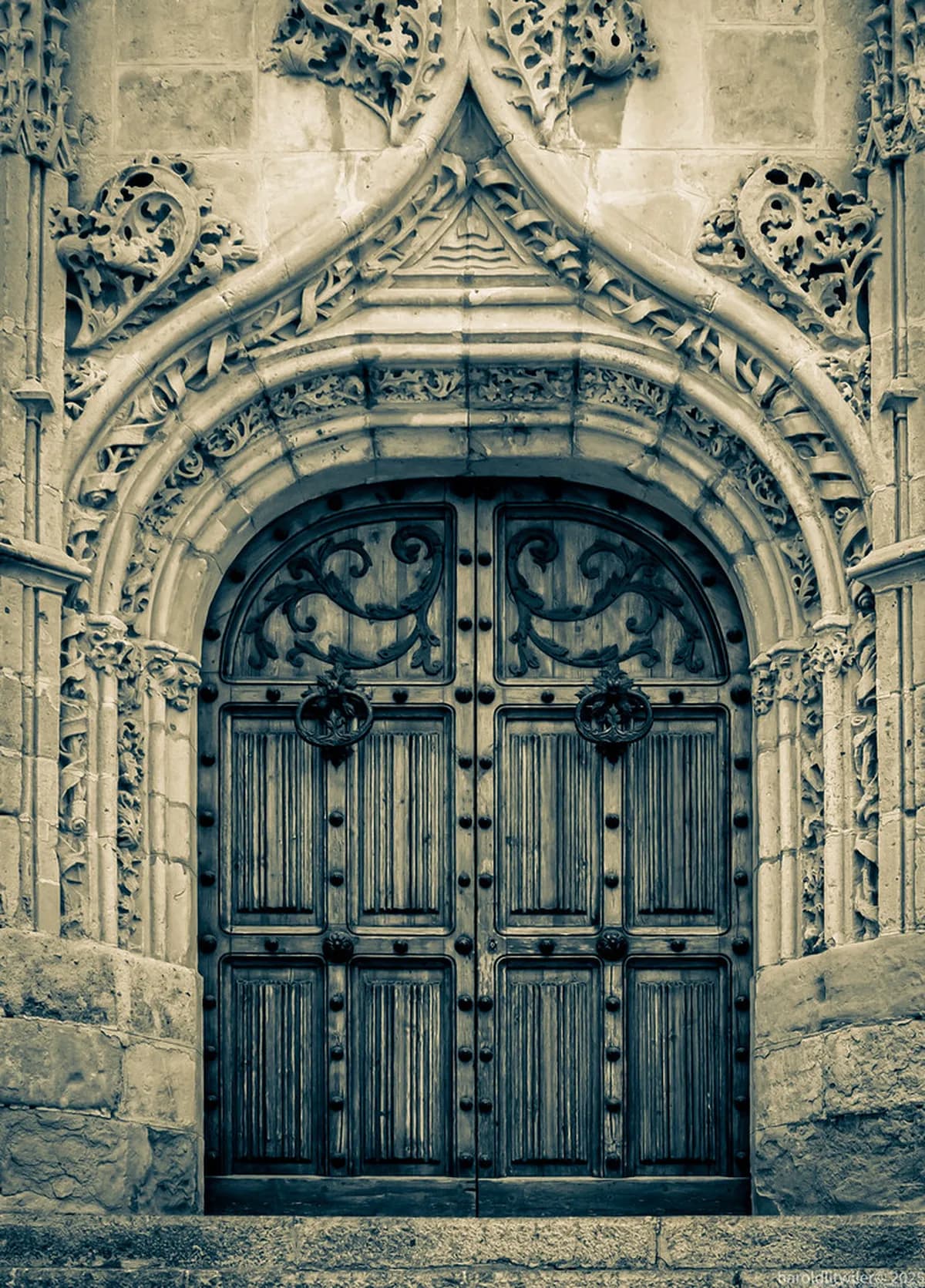
Inside, look for the statue of Saint Bartholomew Flayed, which depicts the martyred saint draped in his own skin over his shoulders — unsettling and brilliantly executed. Beneath the nave, the Archaeological Area reveals excavated remains of the 4th-century Baptisteries of Saint John and Santa Tecla, included in the cathedral ticket. The combination ticket covering the cathedral interior, the archaeological area, and the museum runs €10 for adults.
The rooftop is the highlight. You walk among the Gothic spires at close range, with the Alps visible on a clear day and the whole city spread below. Stairs-only access costs €16; lift access costs €18–28 depending on the package. Book timed entry online at least a week ahead during summer via the official Duomo di Milano site, and aim for the last evening slot — the light on the marble spires in the final hour before closing is exceptional.
A strict dress code applies: shoulders and knees must be covered for everyone, regardless of the weather or ticket type. Security guards at the door enforce this consistently and will turn you away. Keep a light scarf in your bag.
Walk the Galleria Vittorio Emanuele II
The Galleria is Italy's oldest active shopping mall, opened in 1877 and immediately nicknamed il salotto di Milano — the drawing room of Milan. Two intersecting glass-roofed arcades meet under a central octagonal dome, with a mosaic floor depicting the coats of arms of the three historic capitals of the Kingdom of Italy alongside the Milanese bull.
Walking through the Galleria costs nothing. The luxury boutiques — Prada, Louis Vuitton, Gucci — are priced accordingly, but the architecture is a public space. On the floor at the central mosaic, look for the bull from Turin's coat of arms. Locals traditionally spin on their heel in the depression worn into the tile for good luck, though this has become mostly a tourist ritual in recent years.
For a drink with maximum context, the Camparino in Galleria has been serving Campari cocktails since 1915. A Campari Spritz here costs around €10–12 and comes with a century of history. It is the closest bar in the world to the place where Campari was invented.
Visit the Historic Teatro alla Scala
La Scala has been one of the world's leading opera houses since it opened in 1778. Verdi and Puccini both premiered major works here. The building sits just a minute's walk north from the Galleria and is easy to combine with the cathedral area in a single morning.
If you cannot get tickets for a performance — or the budget does not stretch — the Museo Teatrale alla Scala is the practical alternative. The museum walks you through the house's history via instruments, costumes, and portraits, then grants access to some of the theatre boxes depending on the rehearsal schedule. Adult entry costs approximately €10–15. The museum is open daily from 09:00 to 17:30. Guided behind-the-scenes tours run on a limited schedule and cost more, but go considerably deeper into the building.
For performances in the 2025–2026 season, book through the official La Scala website well in advance. Good seats in the stalls sell out months ahead; upper-tier standing tickets (called loggione) are cheaper and available closer to the date, and the Milanese audience in those sections is famously passionate.
See Leonardo da Vinci's Last Supper
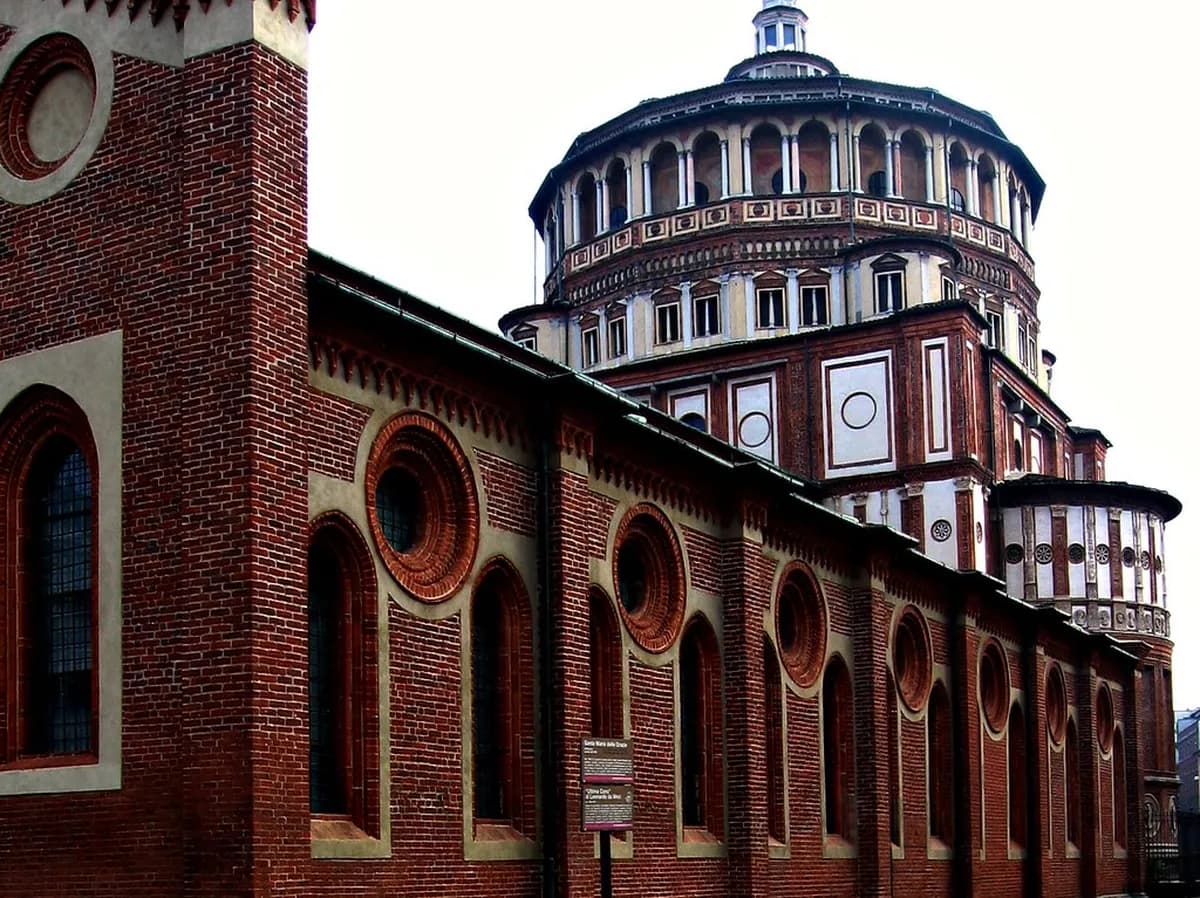
The Last Supper is painted on the wall of the refectory of Santa Maria delle Grazie, a 15-minute walk west of the Duomo. Leonardo completed the mural in 1498, experimenting with oil-based techniques on plaster rather than the standard fresco method — which meant deterioration began almost immediately. The 21-year restoration completed in 1999 stabilised what remained. What you see is partial but still extraordinary: the perspective draws your eye to Christ at the centre, and the individual expressions of the apostles are genuinely moving even after five centuries of reproduction.
The ticketing system is the hardest part. Only 40 visitors enter at a time in strictly timed 15-minute slots. Tickets cost €15 per adult (free under 18) and are released on the official Vivaticket website in quarterly batches approximately 90 days before each date. A single buyer may purchase a maximum of five tickets per transaction and five per calendar year. These sell out within hours or days of release. If you are planning a trip more than three months out, set a calendar reminder for the exact release date and book the moment the batch goes live.
If individual tickets are unavailable, guided tour operators hold a separate allocation. Tours typically cost €50–65 per person all-in and often have availability even when direct tickets are gone. Check at midnight on the official site for last-minute cancellations — slots do reappear, particularly on weekday mornings. No food, drinks, or backpacks are allowed inside; free lockers are provided at the entrance, so arrive ten minutes early to use them.
Explore Castello Sforzesco and Parco Sempione
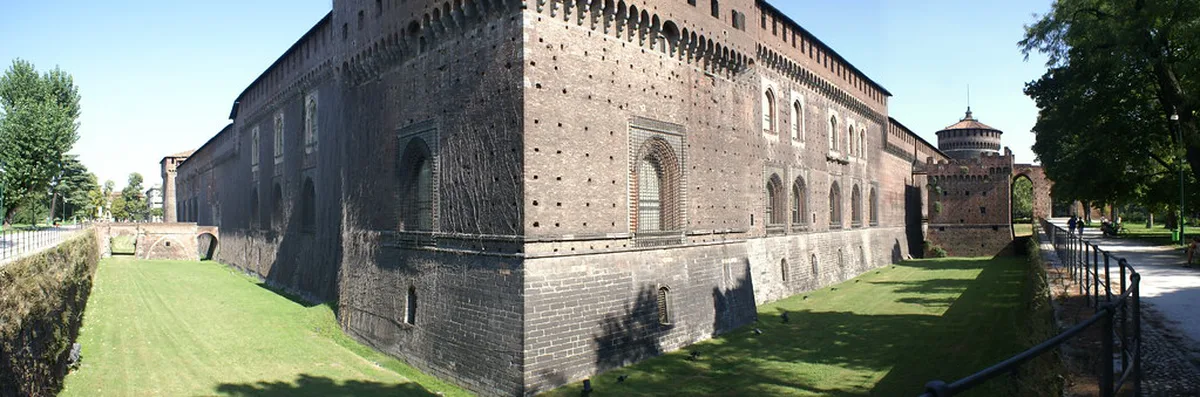
The Sforza family built this red-brick fortress in the mid-15th century on the foundations of an older castle, hiring Leonardo da Vinci and Bramante among others to decorate the interior. Today the castle grounds are free to enter and open from 07:00 to 19:30 daily. Inside the walls, eight municipal museums cover Renaissance painting, ancient sculpture, musical instruments, Egyptian artefacts, and medieval armour. A single €5 ticket (€3 reduced) covers all eight museums — remarkable value given the Michelangelo Rondanini Pietà alone, his last known sculpture, is among the collection.
Directly behind the castle, Parco Sempione covers 38 hectares in the English garden style. The park runs from the castle battlements all the way to the neoclassical Arco della Pace at the north end. On weekends, Milanese families fill the lawns; musicians and food vendors set up near the small lake. Entry is free and the park stays open from sunrise to late evening. Inside the park, the 108-metre Branca Tower offers a panoramic viewing platform with an elevator — a good alternative viewpoint to the Duomo rooftop if queues there are long.
The Triennale design museum is also within the park grounds, with a programme of temporary exhibitions focused on Italian and international design. If you are spending a full day in the castle and park area, the Triennale makes a logical afternoon addition.
Admire Art at Pinacoteca di Brera
The Pinacoteca di Brera is Milan's primary public art gallery, housed in a Baroque palace in the bohemian Brera neighbourhood north of the Duomo. The permanent collection spans Italian painting from the 13th to the 20th century, with major works by Raphael, Caravaggio, Mantegna, and Canaletto. Raphael's Betrothal of the Virgin and Mantegna's Lamentation over the Dead Christ — with its striking foreshortening — are the two works that stop most visitors in their tracks.
Standard adult entry costs €15. The gallery is open Tuesday to Sunday from 08:30 to 19:15. One unusual feature worth noting: the museum publicly displays ongoing restoration work, so you may see conservators working on paintings behind glass screens as you move through the rooms. It adds a layer of context that most galleries do not offer.
After the gallery, the surrounding streets of Brera are among the most pleasant in central Milan for a slow walk. The cobblestone lanes have boutique shops, wine bars, and small restaurants that serve better food at better prices than anything near the cathedral. Plan the Brera visit for an afternoon and extend into the neighbourhood for dinner.
Discover the Royal Palace of Milan
The Palazzo Reale sits immediately to the right of the Duomo, sharing the same piazza. It served as the seat of Milan's various rulers for centuries before becoming an exhibition space. Today it hosts rotating international art shows that bring major travelling exhibitions to the city — past seasons have featured Dalí, Rembrandt, and Monet retrospectives.
Ticket prices vary by exhibition, typically ranging from €12 to €17 per adult. Opening hours generally run from 10:00 to 19:30, with Thursday evening openings until 22:30. Check the current programme before visiting, since the palace is essentially a blank-canvas venue: the experience depends entirely on which show is installed. If the current exhibition does not interest you, the exterior courtyard and the location next to the Duomo are worth a brief look regardless.
The palace also has a permanent display area tracing the history of the building and its royal occupants, which is included in the exhibition ticket. It provides useful context for understanding Milan's political history beyond the Sforza dynasty.
Visit the San Bernardino alle Ossa Chapel
Five minutes' walk east of the Duomo, on Via Verziere, San Bernardino alle Ossa is one of the most overlooked buildings in the city centre. The church itself is modest; the ossuary chapel attached to it is extraordinary. In 1210, the cemetery next to the church ran out of space, so the bones were moved into a specially constructed room where they have remained ever since — arranged into geometric patterns covering the walls and ceiling.
Entry is free. The chapel is generally open to visitors from 09:00 to 18:00, though hours can vary. Compared to the more famous Capuchin crypt in Rome, this ossuary is smaller and quieter — which makes it easier to spend time actually looking rather than being swept through by a tour group. It is a genuinely unusual experience in the middle of an otherwise standard tourist circuit.
The surrounding neighbourhood of Porta Romana has a local feel that contrasts with the Duomo area. After the chapel, the what to eat in Milan at a neighbourhood price point is more accessible here than at any restaurant within sight of the cathedral.
Shop the Quadrilatero della Moda
The Fashion Quadrilateral is bounded by Via Montenapoleone, Via della Spiga, Via Manzoni, and Corso Venezia — a ten-minute walk northeast of the Duomo. This is where the global luxury industry maintains its Milan outposts: Prada, Versace, Armani, Fendi, and dozens of other houses have flagship stores in these streets.
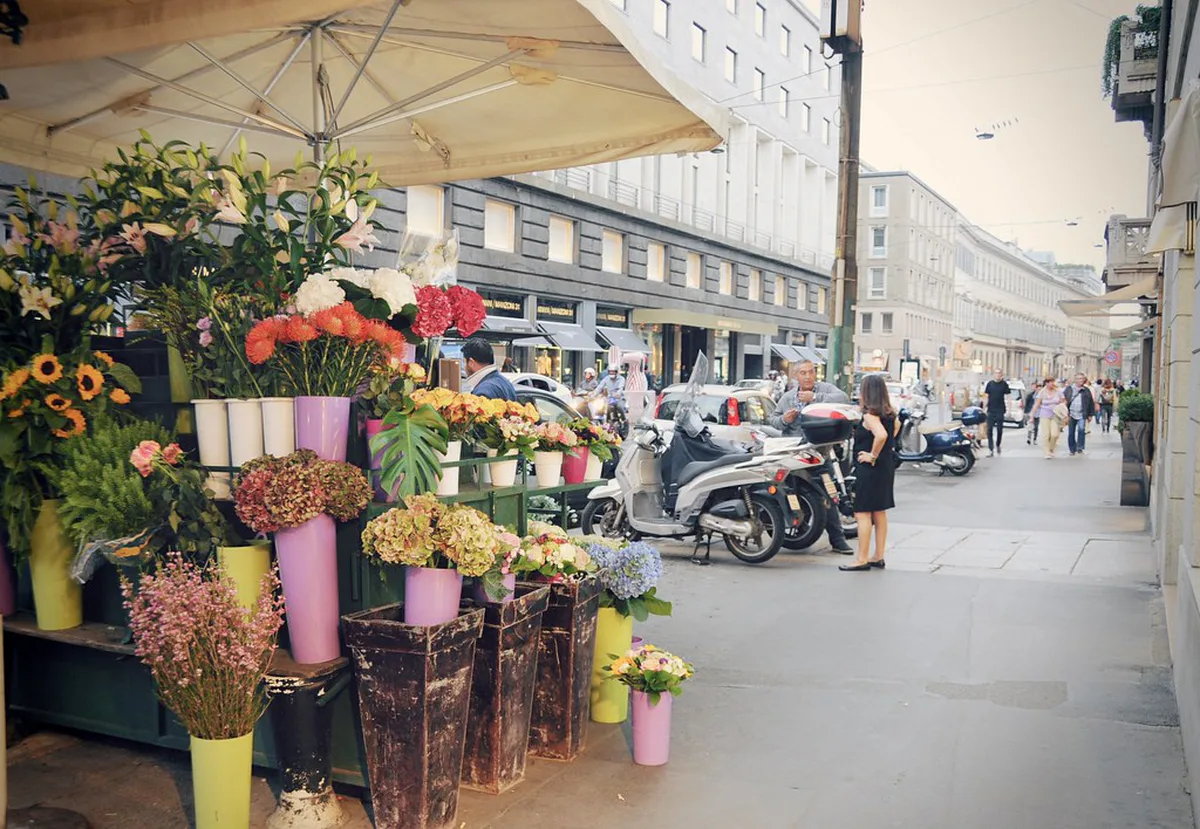
Window shopping costs nothing and the displays are genuinely impressive. The spring and autumn fashion weeks bring the most elaborate windows, but the district is visually interesting year-round. Via della Spiga is generally considered the quieter, more elegant of the main streets; Via Montenapoleone handles the higher foot traffic. The Museo Poldi Pezzoli, a charming private collection housed in an old palace at Via Manzoni 12, is located within the quadrilateral and provides an indoor option if the weather turns. Entry costs around €12.
The best time to walk the district is late afternoon on a weekday, when the shops are active but the pavements are not congested. On Saturday afternoons the narrow streets can feel uncomfortably crowded, and the bars and cafes charge a noticeable premium for proximity to the fashion labels.
Experience Aperitivo in the Navigli District
The Navigli canal district is roughly 2 kilometres south of the Duomo, reached in about 20 minutes on Metro Line 2 to Porta Genova FS. Two canals remain from what was once a 12-century network that connected landlocked Milan to the northern lakes — the marble used to build the Duomo arrived along these canals. The canalside streets are now lined with bars, restaurants, art galleries, and bookshops, and the area is the centre of Milanese nightlife.
The aperitivo tradition here is specific and worth understanding before you arrive. Between roughly 18:00 and 21:00, most bars charge a single drink price of €8–15 and include a generous spread of food — bread, cured meats, cheeses, pasta, and hot dishes at the better spots. This is not bar snacks; it is effectively dinner for many locals. You pay for the drink; the food comes with it. Arriving closer to 18:00 means the buffet is freshest and the bar has not yet filled up.
One thing tourists sometimes get wrong: not every bar offers the full buffet-style spread. Some serve only chips and olives with the drink. Look for aperitivo con buffet signs in the window, or ask before ordering. Osteria Conchetta on Vicolo dei Lavandai is a reliable option for a proper meal if you want to sit down; El Brellin, set by a former washhouse on the same lane, focuses on traditional Lombard dishes and has a strong local following.
Ride the Historic Line 1 Tram
Milan operates a fleet of 1920s-era wooden trams on several central routes, and the Line 1 tram is the most scenic. It runs from Arco della Pace at the north end of Parco Sempione through the city centre, passing the Castello, the Brera neighbourhood, and continuing toward the eastern districts. A standard ATM transit ticket costs €2.20 and is valid for 90 minutes — enough time for a round trip that covers most of the central sightseeing area.
The trams are fully functional public transport, not tourist rides, which means locals use them and tickets are cheap. Sitting near the back or standing at the rear platform gives the best views of the passing streetscapes. The wooden interiors, brass fittings, and the rattle of the tracks through the cobblestone streets make this the most atmospheric way to move between the northern and central sights.
This is one of the few Milan experiences that no competitor guide covers in practical terms. Route maps are available on the ATM Milano app. Validate your ticket in the yellow machine as soon as you board — inspectors operate on these lines regularly, and the fine for travelling without a valid validated ticket starts at €60.
Never board a Milan tram or metro without validating your ticket in the yellow machine immediately upon entry. Inspectors conduct frequent checks, and the penalty for an unvalidated ticket exceeds €60. A standard ATM ticket costs €2.20 and is valid for 90 minutes — enough for a complete round trip through the central sights.
Practical Milan City Centre Travel Tips
Milan has two main sightseeing passes aimed at city centre visitors. The YesMilano City Pass (previously CityPass) bundles Duomo access, public transport, and a selection of museum entries, starting from around €30 for a one-day version. The Milan Pass covers the Duomo terraces, Castello Sforzesco museums, the Teatro alla Scala museum, and several other sites, with 24-hour versions from approximately €45 and 48-hour versions from €65. Neither pass includes the Last Supper, which must always be booked separately on its own ticketing system. For historical context on Milan's development as a city, Britannica's Milan history overview traces its journey from Roman times through the Renaissance to modern day.
Which pass is worth it depends on your itinerary. If you are hitting the Duomo rooftop, the Scala museum, and the Sforzesco museums in a single day, the Milan Pass saves money. If your priority is walking, eating, and spending longer at one or two paid sites, buying tickets individually is likely cheaper. Calculate your planned entries before purchasing — the passes are non-refundable.
The YesMilano City Pass starts around €30 for a one-day version and includes the Duomo, public transport, and museum access. The Milan Pass runs approximately €45–€65 depending on duration. Neither includes The Last Supper, which has a separate ticketing system and must be booked 90+ days in advance during peak season.
The dress code for churches is strictly enforced throughout the city centre: both shoulders and both knees must be covered, for men and women. Tank tops, shorts, and miniskirts will result in being turned away at the door regardless of ticket status. A light scarf is sufficient to cover shoulders if you are dressed for summer heat. Keep it in your bag at all times.
For getting around the central area, walking is efficient for most combinations of sites. The Duomo, Galleria, Scala, Palazzo Reale, and San Bernardino alle Ossa are all within ten minutes on foot of each other. The Sforzesco and Pinacoteca di Brera add another 15–20 minutes of walking north. The Navigli and the Last Supper require a metro or tram ride; both are straightforward. Buy an ATM 24-hour travel card (€7) if you are making more than three separate journeys. For the famous Milanese museums beyond the city centre, the metro network reaches every major district efficiently.
Frequently Asked Questions
How far in advance should I book The Last Supper?
You should book tickets at least 90 days in advance. Tickets are released in quarterly batches on the official website. If they are sold out, check for last-minute cancellations or join a guided tour group.
Is the Duomo rooftop worth the extra cost?
Yes, the rooftop is widely considered the highlight of any Milan visit. It offers a unique perspective on the Gothic architecture and statues. On clear days, you can see as far as the Italian Alps.
What is the best way to get around the city centre?
Walking is the most efficient way to see the main central sites. For longer distances, use the extensive metro system or the historic trams. You can find more advice on Ricksteves.com regarding local transit.
Milan city centre is a masterclass in urban elegance, offering a dense concentration of art, history, and world-class style. By focusing on these twelve essential experiences, you can capture the essence of the city without feeling overwhelmed by the crowds. The key to a successful trip is balancing the famous landmarks with quiet moments in the parks and side streets.
Whether you are admiring Da Vinci's brushstrokes or simply riding a vintage tram, the city's central core never fails to impress. I hope this guide helps you navigate the streets of Milan with the confidence of a seasoned local. Enjoy your journey through one of Italy's most dynamic and sophisticated urban landscapes.
Continue exploring
More guides you'll find useful