10 Things Milan is Famous For: A Complete Guide (2026)
Discover what Milan is famous for, from the Duomo and Da Vinci's Last Supper to world-class fashion, football, and the authentic aperitivo culture.
On this page
10 Things Milan is Famous For
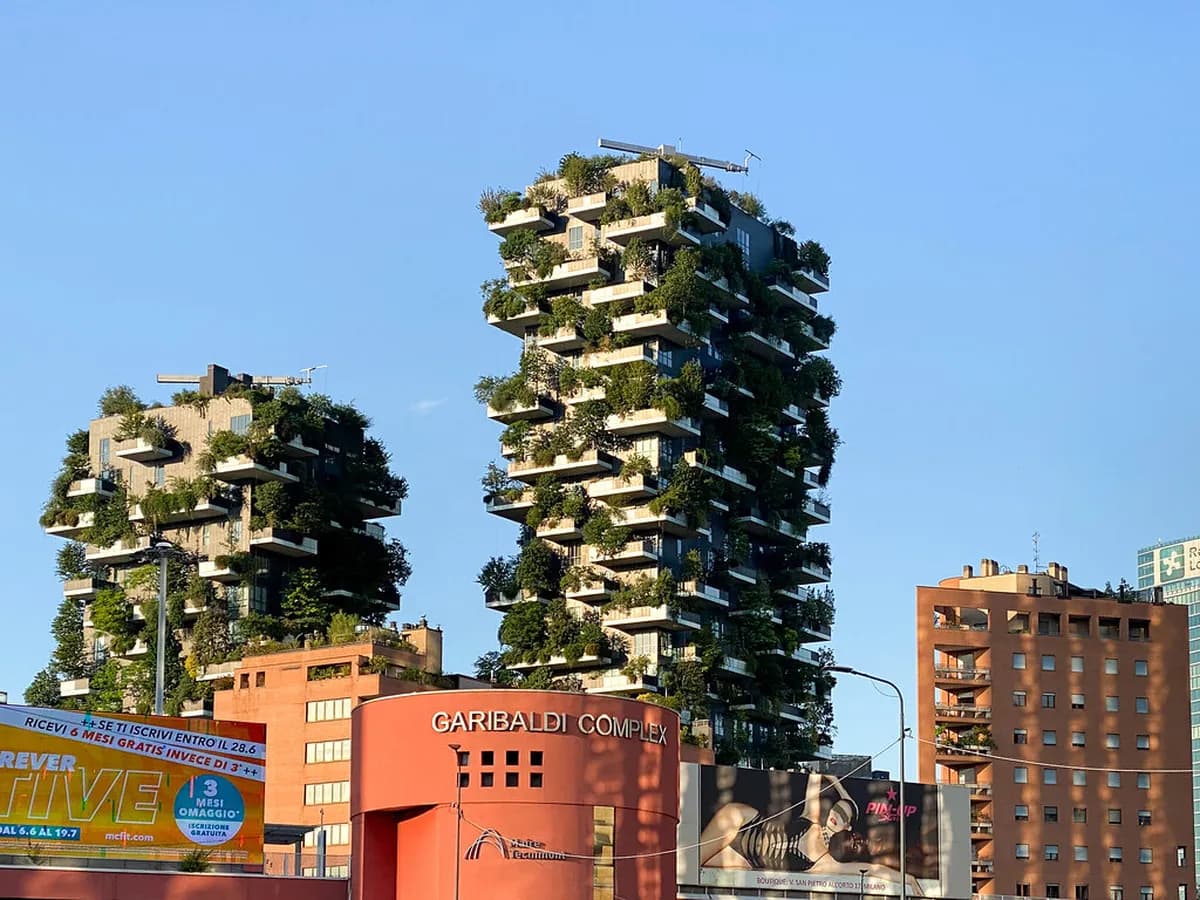
Milan is Italy's most forward-looking city — a place where a 14th-century Gothic cathedral stands within walking distance of a vertical forest apartment block. While Rome claims the ancient ruins, Milan holds the country's fashion houses, design studios, and financial institutions. Understanding what the city is famous for helps you plan a more purposeful visit, because each of these ten things requires a different approach and, in some cases, booking months in advance.
This guide covers the cultural, architectural, culinary, and sporting landmarks that define Milan's global reputation in 2026. Whether you are planning a three-day itinerary or just passing through on a longer Italian trip, these are the highlights that make the city worth a dedicated stop.
The Iconic Duomo di Milano
The Duomo di Milano is the defining image of the city and the largest Gothic cathedral in Italy. Construction began in 1386 and continued for nearly six centuries, which explains the cathedral's layered architectural styles — each era left its mark on the white marble exterior. The result is a forest of 135 spires topped by the gilded Madonnina statue, which has watched over the city since 1774.
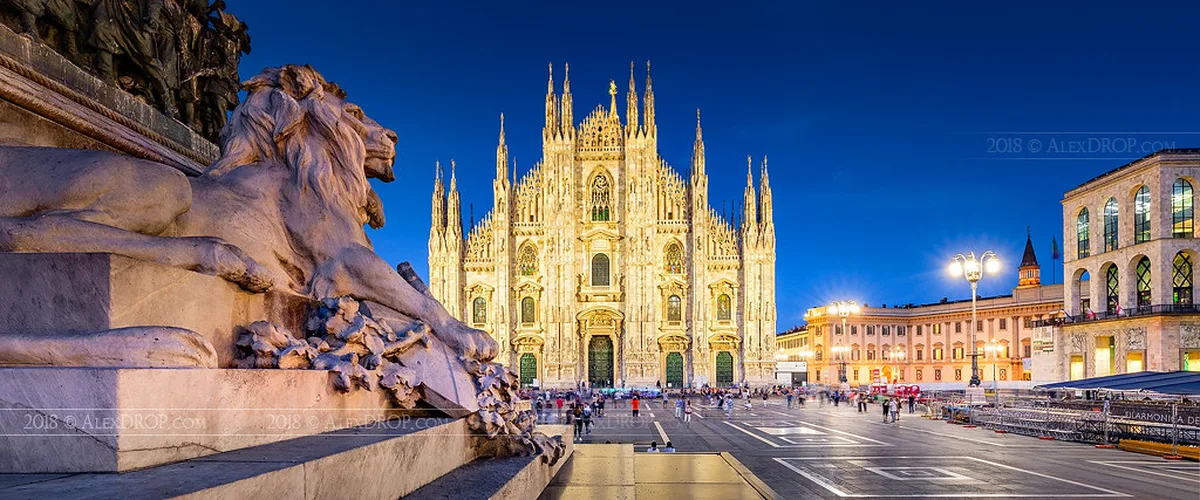
Visitors can enter the cathedral itself for free, but the real draw is the rooftop terrace, where you walk between the spires at close range. Rooftop access costs between €10 and €20 depending on whether you take the stairs or elevator. Book through the official Duomo ticket portal in advance, particularly from June through September when queues for the elevator exceed two hours. The cathedral is open daily from 09:00 to 19:00, with the rooftop closing at 19:00 as well.
The Piazza del Duomo surrounding the cathedral is always free and crowded. Arrive early in the morning to photograph the facade without tour groups filling the frame. The square also connects directly to the Galleria Vittorio Emanuele II, making it a natural starting point for a morning walk through the historic center.
The Global Epicenter of Fashion
Milan sits alongside Paris, New York, and London as one of the four global fashion capitals, but many argue it holds the top position for luxury ready-to-wear. The Quadrilatero della Moda — bounded by Via Montenapoleone, Via della Spiga, Via Manzoni, and Corso Venezia — is where Prada, Versace, Gucci, Armani, and dozens of other Italian houses maintain their flagship stores. Walking these streets costs nothing and serves as an open-air museum of Italian craft and design.
Milan Fashion Week takes place twice a year: in February for womenswear autumn/winter and again in September for spring/summer collections. The Milan Fashion Week official site publishes the full schedule each season. Most runway shows are closed to the public, but the energy in the city during these weeks — the street style, the showroom openings, the press events — is visible even to casual visitors. Accommodation prices rise sharply during fashion weeks, so book several months ahead if your visit coincides.
Milan Fashion Week occurs in February (autumn/winter collections) and September (spring/summer). Even without show tickets, the city's energy during these weeks is palpable — expect higher accommodation prices but unmatched street style.
For those interested in fashion without the flagship price tags, Corso Buenos Aires is a long shopping street in the Porta Venezia neighborhood offering mainstream Italian and European brands at mid-range prices. The Serravalle Designer Outlet, about 60 km southeast of Milan, provides access to designer stock at significant reductions and is reachable by direct bus from Lampugnano metro station in around 90 minutes.
Leonardo da Vinci's "The Last Supper"
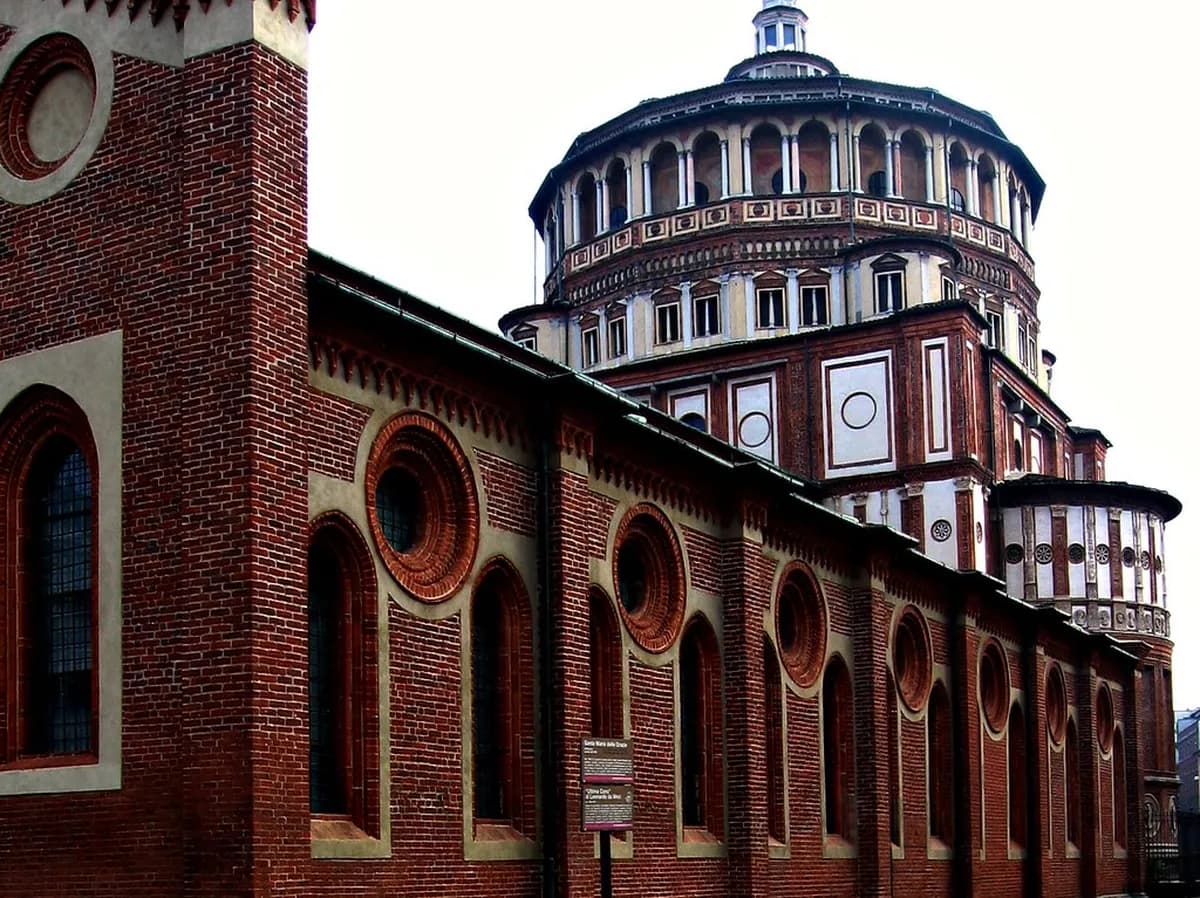
The Last Supper is housed in the refectory of the Convent of Santa Maria delle Grazie, a UNESCO World Heritage Site in the Magenta neighborhood. Da Vinci painted the mural between 1495 and 1498 using an experimental tempera-on-plaster technique that, unlike traditional fresco, proved fragile over time. The work has survived humidity, floods, a World War II bomb that destroyed the adjacent wall, and multiple restorations. What you see today is the result of a 21-year restoration completed in 1999.
Tickets cost approximately €15 plus a €2 booking fee and are strictly timed for groups of 25 visitors in 15-minute slots. This is the single most important logistics alert for any Milan trip: tickets routinely sell out three months in advance. Check the official booking portal every Tuesday morning when new slots are occasionally released due to cancellations. If you arrive without a booking, some licensed tour operators include guaranteed entry as part of a guided walking tour, which is worth paying the premium for rather than missing the painting entirely.
The convent itself is worth time beyond the refectory. The church nave contains decorative work by Donato Bramante, and the cloisters provide a quiet escape from the surrounding streets. The Convent is open Tuesday through Sunday from 08:15 to 19:00, closed Mondays. Tram line 16 from the Duomo area reaches the site in about 12 minutes.
The Historic Teatro alla Scala
Teatro alla Scala opened in 1778 and has served as the premier opera house in the world for nearly 250 years. The list of world premieres staged here reads like a catalogue of the operatic canon: Rossini, Donizetti, Bellini, and Verdi all chose La Scala for their most important new works. The building was destroyed by Allied bombing in 1943 and meticulously restored to its original design by 1946, which speaks to the cultural importance Milanese society places on the institution.
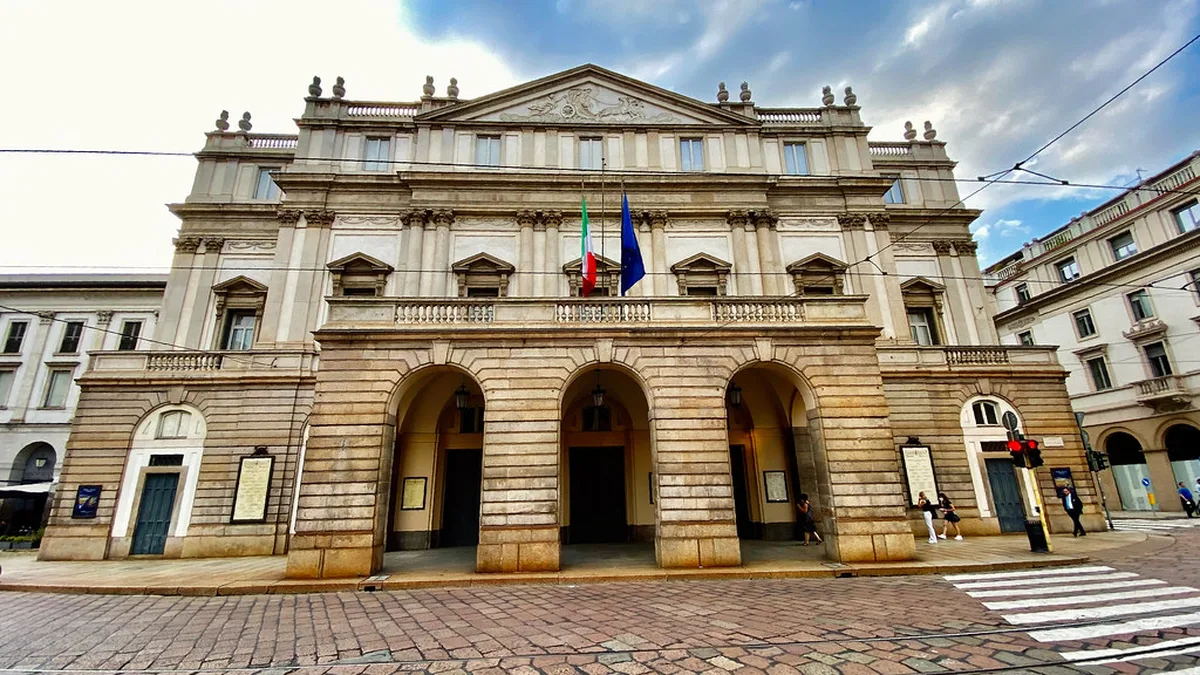
The attached Museo Teatrale alla Scala is open daily from 09:00 to 17:30 and charges around €12 for entry. The museum holds an extraordinary collection of costumes, set designs, musical instruments, and portraits spanning four centuries of operatic history. On days without a matinee rehearsal, visitors can peer into the auditorium from the museum's upper gallery to appreciate the famous red-velvet interior and chandelier. Evening performance tickets range from roughly €30 for gallery seats to over €250 for orchestra stalls; book through the official La Scala website well in advance for the main season, which runs from December through July.
The traditional season opening on December 7 — the feast day of Milan's patron saint Ambrose — is one of the most prestigious cultural events in Italy. Tickets for that specific evening sell out within minutes of release and are an event for which Milanese families plan years ahead.
The Charming Navigli District
The Navigli district takes its name from the network of navigable canals that once ran across the entire city. Leonardo da Vinci contributed engineering designs to the canal lock system in the late 15th century, which was used to transport marble from Lake Maggiore for the Duomo's construction. Most of the inner-city canals were filled in during the 1930s to create roads, but the Naviglio Grande and Naviglio Pavese survived and now anchor one of Milan's most atmospheric neighborhoods.
The area is free to explore and transforms through the day. In the morning, locals walk dogs along the canal banks and café terraces open for espresso. By late afternoon, restaurants and bars prepare for the aperitivo rush. After 22:00, the music gets louder and the area becomes the city's primary outdoor nightlife corridor, particularly from April through October when outdoor seating dominates the scene. The last Sunday of each month hosts a large antique and vintage market along the Naviglio Grande, drawing dealers and browsers from across Lombardy.
A short walk south from the main canal strip leads to the Darsena, a large basin where the city's canals once met. The area was renovated for the 2015 Milan Expo and now serves as a public space with outdoor seating, food vendors, and occasional open-air events. It is one of the few places in central Milan that feels genuinely spacious.
Traditional Milanese Gastronomy
Milanese cuisine is built on butter, cream, and saffron rather than the olive oil and tomato that dominate southern Italian cooking. The city's flagship dish is Risotto alla Milanese — short-grain rice cooked slowly in bone marrow stock and finished with saffron, which gives it a deep yellow colour and a rich, slightly earthy flavour. Traditionally served alongside Ossobuco, braised cross-cut veal shank, the pairing represents one of the most complete expressions of Lombard cooking and is available year-round in any serious trattoria.
The Cotoletta alla Milanese is a breaded, bone-in veal cutlet fried in butter, similar in appearance to a Wiener Schnitzel but thicker and with the bone left attached. Milan and Vienna have long disputed the origin, though historical records in the Basilica di Sant'Ambrogio archives from 1134 suggest Milan got there first. A traditional meal at a good trattoria — risotto or cotoletta, a side, and house wine — typically costs €30 to €50 per person. Avoid the restaurants immediately facing Piazza del Duomo; walk ten minutes toward Brera or Missori for kitchens serving locals at honest prices.
Milan is also the birthplace of Panettone, the tall, dome-shaped leavened bread enriched with candied fruit and raisins traditionally eaten during Christmas. Historic bakeries like Pasticceria Marchesi (Via Santa Maria alla Porta 11a) still produce it using long-fermentation methods, and the product is a serious point of civic pride. For a look at more local food options, the best food in Milan guide covers neighbourhood-by-neighbourhood recommendations beyond the central classics.
The Vibrant Aperitivo Culture
The Milanese aperitivo is not the same thing as happy hour elsewhere in Europe. It is a pre-dinner social ritual that runs from roughly 18:00 to 21:00 and functions as the city's primary mode of unwinding after work. You order a drink — typically a Negroni, Spritz, or Campari Soda — and in exchange gain access to a spread of small plates that ranges from chips and olives at the budget end to bruschetta, arancini, cold cuts, and mini pasta at the more generous establishments. One drink plus food typically costs €10 to €18, which makes it a practical and social alternative to a sit-down dinner.
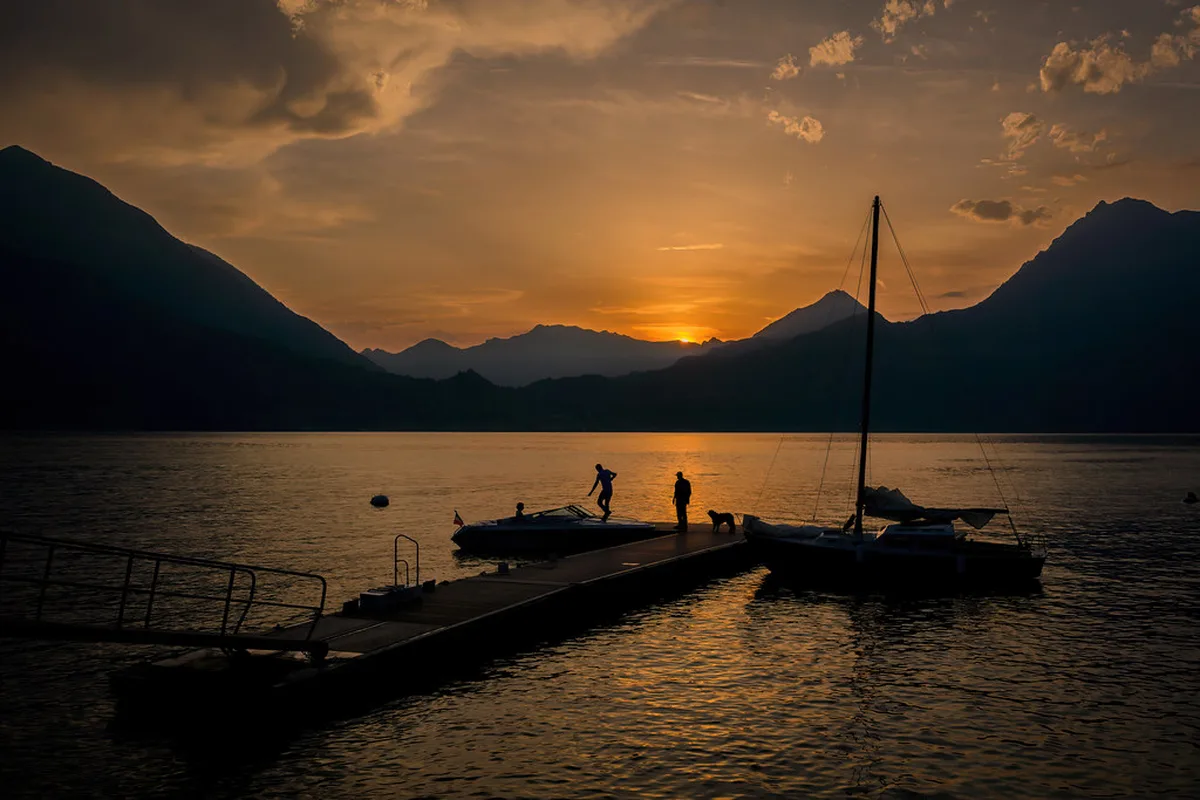
The right neighbourhood for aperitivo depends on the atmosphere you want. Navigli is the loudest option — young crowds spill onto the canal banks and bars compete for attention with DJ sets and elaborate buffet spreads. Brera offers a more composed experience: cobblestoned streets, independent art galleries, and bars with actual table service and a quieter soundtrack. Isola, north of Porta Garibaldi, is the emerging choice for locals who find Navigli too touristy — craft cocktail bars and a neighborhood feel dominate here, with fewer English-language menus.
If you visit only one aperitivo strip, Naviglio Grande between Ripa di Porta Ticinese and Via Vigevano covers the most ground in the least distance. Bar Basso on Via Plinio in the eastern part of the city is the historical birthplace of the Negroni Sbagliato (a Negroni with prosecco in place of gin) and worth a dedicated visit for the provenance alone.
World-Class Football: AC Milan and Inter
Milan is one of only a handful of cities in the world that hosts two clubs of the absolute highest level. AC Milan, founded in 1899, and FC Internazionale (Inter), founded in 1908, share the Stadio Giuseppe Meazza — universally known as San Siro — in the San Siro neighborhood in the city's west. Both clubs have won the UEFA Champions League multiple times, and the fixture between them, the Derby della Madonnina, is one of the most emotionally charged matches in European football.
Stadium tours and the attached museum are available daily from 09:30 to 18:00 and cost approximately €20 per adult. The tour covers the pitch, dressing rooms, and the museum's extensive trophy display. Match tickets for Serie A games should be purchased directly from each club's official website; for the Derby, they routinely sell out months in advance regardless of the season's standings. Take metro line M5 (purple) to the San Siro Stadio stop for direct access from the city center in around 20 minutes.
Both clubs are currently planning or executing a move to a new purpose-built stadium to replace San Siro, which was built in 1926 and expanded twice. The new stadium project — provisionally planned near the current site — has been debated since 2019, and if completed will fundamentally change the matchday experience. San Siro in its current form may not be available for much longer, which adds an argument for visiting sooner rather than later.
Galleria Vittorio Emanuele II
The Galleria Vittorio Emanuele II is one of the world's oldest covered shopping arcades, built between 1865 and 1877 by architect Giuseppe Mengoni. The building connects Piazza del Duomo to Piazza della Scala via a cruciform arcade topped by an octagonal glass-and-iron dome soaring 47 metres above the mosaic floor. Mengoni died the day before the official opening in 1877, falling from the scaffolding during final inspection — a detail that local guides never fail to mention.
The gallery is a public thoroughfare, free to enter 24 hours a day. The ground-floor tenants include the flagship stores of Prada, Louis Vuitton, and Gucci alongside historic establishments like Caffe Biffi (open since 1867) and Savini restaurant. Find the mosaic of a bull's head embedded in the floor near the central octagon and spin on the bull's genitals — an old Milanese custom said to bring good luck. The floor has developed a visible cavity from decades of spinning tourists, and the mosaic is periodically restored.
The upper floors of the Galleria were converted into a luxury hotel, Galleria Vik Milano, allowing a small number of guests to sleep directly above the arcade. For everyone else, the gallery serves as the most elegant shortcut in the city, connecting the cathedral square to La Scala in about two minutes of walking through extraordinary 19th-century architecture.
Italy's Financial and Industrial Heart
Milan is Italy's economic capital by every measurable indicator. The city generates roughly a quarter of Italy's total GDP and hosts the Borsa Italiana (Italian Stock Exchange) at Piazza Affari, the headquarters of major banks including Intesa Sanpaolo and UniCredit, and the Italian fashion and publishing industries. Rome may be the political capital, but Milan is where the money moves. This produces a distinctly different atmosphere: the pace is faster, appointments run on time, and cafés fill early because Milanese mornings start earlier than in the south.
Beyond finance, Milan is the undisputed global capital of industrial design. The Salone del Mobile furniture fair — held annually at Rho Fieramilano, about 20 minutes by metro from the city center — is the largest furniture and design trade fair in the world. In April 2026, the event runs April 8–13, drawing buyers and press from 180 countries. Alongside it, the Fuorisalone transforms the entire city into a design festival: studios, courtyards, warehouses, and public squares across the Brera Design District, Isola, and Tortona host free public installations by the world's leading designers. You do not need a trade pass to experience Fuorisalone — just a city map and comfortable shoes.
Fuorisalone runs parallel to the Salone del Mobile (April 8–13, 2026). Free public design installations transform the city during this period — explore the Brera Design District, Isola, and Tortona for cutting-edge installations by world-class designers. No trade pass required.
The Triennale di Milano museum in Parco Sempione provides a year-round window into this design legacy. It holds the permanent collection of the National Design Museum and hosts rotating exhibitions on architecture, fashion, and visual communication. Entry is typically €10 to €15 depending on the current show. The adjacent Parco Sempione is one of the city's largest green spaces and worth a walk between the Triennale and the nearby Castello Sforzesco, which houses Michelangelo's unfinished Pietà Rondanini in its museum complex.
Frequently Asked Questions
What is Milan most famous for?
Milan is most famous for its stunning Gothic Duomo, its status as a global fashion capital, and Leonardo da Vinci's The Last Supper. It is also recognized as Italy's financial hub and a leader in industrial design.
Is Milan worth visiting for a few days?
Yes, Milan is worth a 2-3 day visit to experience its world-class museums, luxury shopping, and unique dining culture. It also serves as an excellent base for day trips to Lake Como or the Alps.
What food is Milan famous for?
The city is famous for Risotto alla Milanese, which is flavored with saffron, and the Cotoletta alla Milanese veal cutlet. It is also the traditional home of the Panettone Christmas cake and the modern aperitivo ritual.
Milan rewards visitors who plan ahead. The Last Supper requires booking three months out, La Scala's opening night sells out in minutes, and the Derby della Madonnina is nearly impossible to attend on short notice. But the Duomo rooftop at sunset, the aperitivo circuit in Navigli, and the free design installations during Fuorisalone are experiences that require little more than showing up at the right time. The city has enough depth to justify repeat visits — each time you look past the fashion week headlines, you find another layer worth exploring.
For those exploring the city center, most of the landmarks on this list are within 20 minutes of each other on foot. Start at the Duomo, walk through the Galleria to La Scala, continue to Brera for lunch, and end the evening at Navigli for aperitivo — that route alone covers six of the ten things Milan is most famous for.
Continue exploring
More guides you'll find useful