Basilica Di Sant'ambrogio Visitor Guide Travel Guide
Plan basilica di sant'ambrogio visitor guide with top picks, neighborhood context, timing tips, and practical booking advice for a smoother trip.
On this page
Basilica Di Sant'ambrogio Visitor Guide
The Basilica of Sant’Ambrogio stands as a definitive symbol of faith and history in the heart of Milan. This ancient structure offers a quiet retreat from the busy city streets while showcasing centuries of Italian craftsmanship. Using this 2026 basilica di sant'ambrogio visitor guide helps you navigate the complex layers of Romanesque art, Ambrosian worship, and practical visitor logistics.
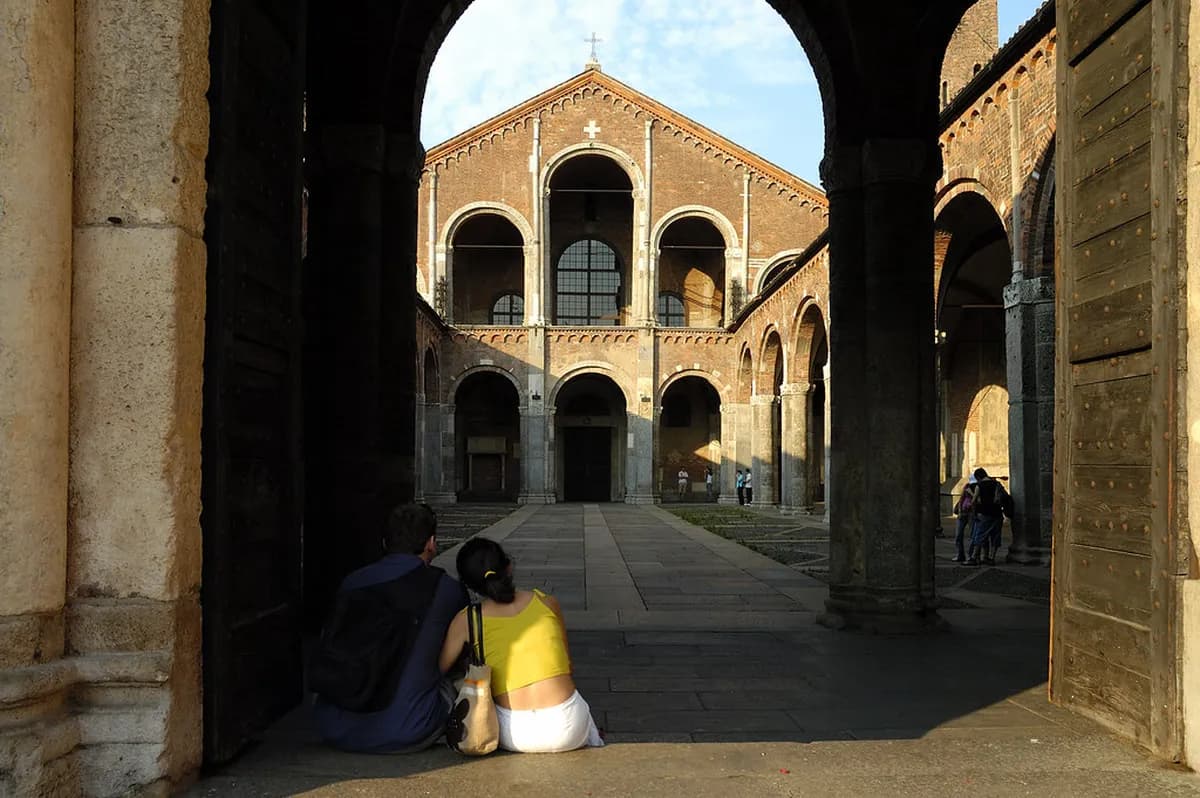
Visitors often feel a deep sense of awe when entering the vast brick atrium that precedes the main entrance. Every stone in this sacred space tells a story of the city's early Christian roots, from Saint Ambrose and the martyrs Gervasius and Protasius to the later Romanesque rebuilding. The basilica remains a living church, so the best visit balances sightseeing with respect for worshippers and services.
Planning a visit requires a bit of foresight to ensure you see the most important relics and hidden chapels without rushing. From the shimmering golden altar to the crypt and the small mosaic chapel of San Vittore in Ciel d'Oro, the highlights reward slow looking. This guide focuses on what to prioritize, how to arrive, what to avoid, and how to fit the basilica into a short Milan itinerary.
Must-See Basilica Attractions
The Golden Altar of Vuolvinus remains the most famous masterpiece within the church and dates back to the ninth century. This work of art features intricate gold and silver panels decorated with precious gemstones and enamel. First-time visitors should make it their main interior priority because it explains why Sant'Ambrogio matters for both faith and medieval art.
Directly beneath the high altar lies the crypt where the remains of Saint Ambrose are visible to the public. He rests between the martyrs Saint Gervasus and Saint Protasius in a glass-fronted silver sarcophagus. Many pilgrims travel from across the world just to spend a few quiet moments in this somber and holy space, so keep the area quiet and move aside if worshippers are waiting.
Look closely at the Sarcophagus of Stilicho which is located under the pulpit and features remarkably detailed fourth-century carvings. These stone reliefs depict biblical scenes and represent a transition from late Roman to early Christian artistic styles. If you have limited time, use the atrium, Golden Altar, crypt, San Vittore chapel, and Devil's Column as your core route.
- First-time visitor route
- Start: Brick atrium and carved capitals
- Main stop: Golden Altar of Vuolvinus
- Quiet stop: Crypt of Saint Ambrose
- Detail stop: Sarcophagus of Stilicho
- The Devil's Column
- Location: Left of atrium
- Feature: Two horn holes
- Legend: Marks devil's defeat
- Cost: Free to view
Museums, Art, and Culture in Basilica
The Treasury Museum houses an impressive collection of liturgical objects and ancient tapestries that span over a thousand years. You can view delicate silk vestments and silver reliquaries that have been preserved with care by the church. Choose the museum if you want more context than a free self-guided walk can provide, especially on the symbolism of relics and altar decoration.
Art enthusiasts should not miss the San Vittore in Ciel d'Oro chapel which is famous for its fifth-century mosaics. The ceiling is covered in shimmering gold tiles that surround a portrait of Saint Victor the Moor. This chapel is one of the oldest parts of the complex and offers a rare glimpse into early Christian Milan before the city's Renaissance reputation took over.
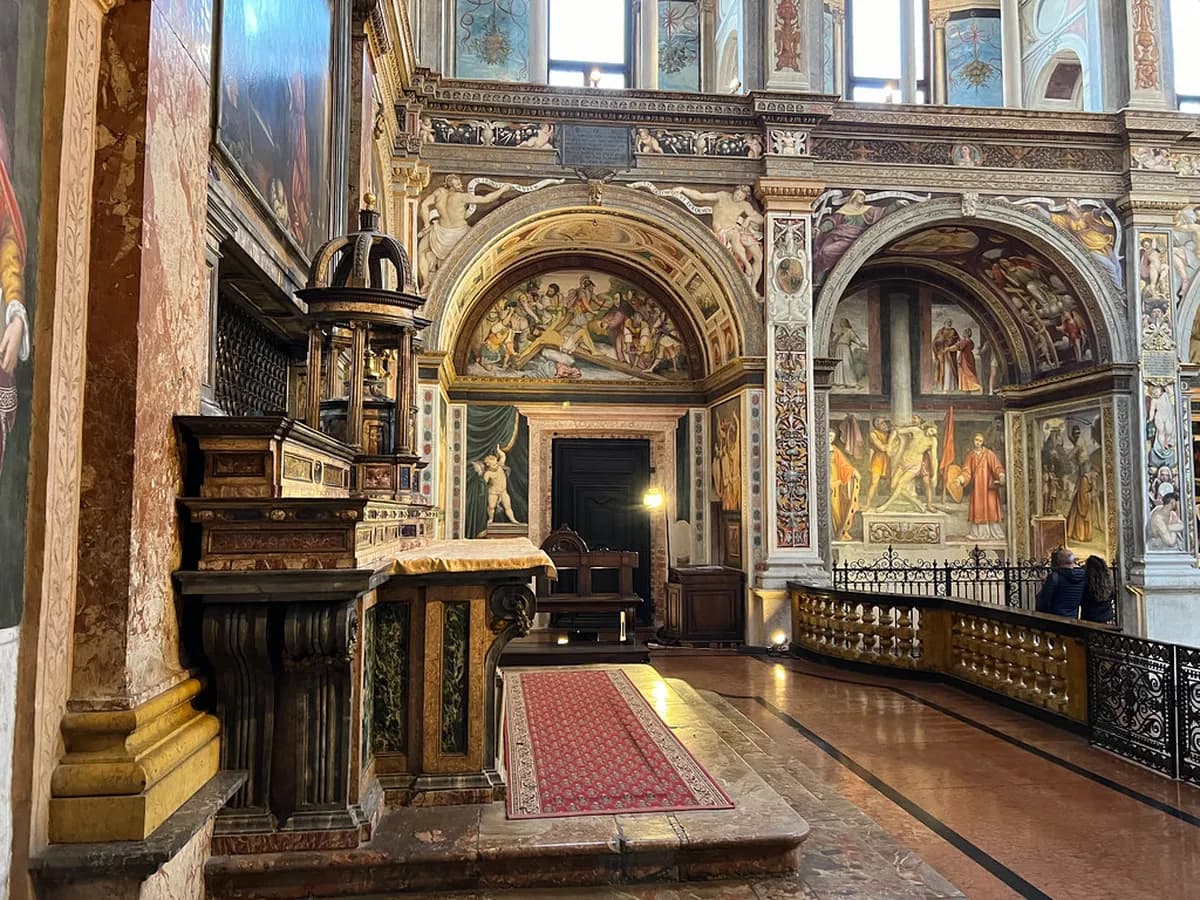
If you enjoy religious art, consider visiting the Pinacoteca Ambrosiana after exploring the basilica to see more local treasures. The church itself features Romanesque frescoes, carved capitals, and wooden details that reward close inspection. For travelers comparing museums, Sant'Ambrogio is best for early Christian and medieval atmosphere, while the Pinacoteca Ambrosiana is better for manuscripts and gallery-style masterpieces.
Parks, Gardens, and Outdoor Spots in Basilica
The large courtyard or atrium at the front of the church provides a peaceful outdoor space for reflection and photography. High brick arches surround the perimeter and create a rhythmic pattern that is typical of the Lombard Romanesque style. The atrium is also the easiest place to orient yourself before entering because the main facade, bell towers, and side access points are visible at once.
Nearby you will find the Bramante Cloisters which are now part of the Catholic University but remain architecturally significant. These elegant walkways were designed by the famous Renaissance architect Donato Bramante and offer a stark contrast to the older basilica. Walking through these spaces reveals the layers of history that define the city's urban landscape.
For a short walk in a more open area, visit the San Maurizio al Monastero Maggiore complex which is just a few blocks away. You can also find the Tempio della Vittoria located about 200 meters behind the basilica for a quiet moment. This monument honors fallen soldiers and works well as a brief second stop after the church if you want to stay close rather than cross the city.
Family-Friendly and Budget-Friendly Options
Entering the main body of the church is free for all visitors which makes it a great choice for budget travelers. You can explore the nave and the atrium without spending a single Euro while still enjoying world-class history. Travelers deciding between a free visit and a paid add-on should use the free route for atmosphere, then choose the treasury or a guided visit only if they want deeper art-historical interpretation.
Families with children will appreciate the wide open spaces of the atrium where kids can move around more freely before entering the quieter nave. The local legend of the Devil's Column often captures the imagination of younger visitors who enjoy searching for the horn marks. The carved animals in the quadriportico capitals also give children something concrete to look for without turning the visit into a long lecture.
To save money on a full day of sightseeing, consider visiting the Museo del Novecento for modern art after your morning at the basilica. Many nearby cafes offer affordable lunch deals for students and locals that are perfect for a quick family meal. Keep in mind that the basilica is still a sacred site, so snacks and loud breaks are better saved for the surrounding streets and squares.
How to Plan a Smooth Basilica Attractions Day
To make the most of your basilica di sant'ambrogio visitor guide, try to arrive early in the visitor window or later in the afternoon after the busiest guided groups have moved on. Most tour groups tend to visit in the late morning or mid-afternoon which can make the smaller chapels feel cramped. If your goal is photography, the atrium is usually more comfortable before the midday flow of visitors builds.
Check the schedule for religious services before you arrive to avoid any unexpected closures of the main altar area. While tourists are usually welcome, certain sections may be restricted during active mass, special services, or wedding ceremonies. The most common mistake is treating the basilica like a museum only: plan enough flexibility for worship activity and keep the crypt visit short if pilgrims are present.
Combine your visit with a stop near the Leonardo da Vinci Museum of Science and Technology for a full day of discovery, or keep the itinerary compact with San Maurizio al Monastero Maggiore and the Tempio della Vittoria. The neighborhood is very walkable and filled with small boutiques and traditional Italian bakeries. Planning your route in advance helps you avoid backtracking and saves energy for more exploring. As part of your Milan itinerary, the basilica ranks alongside the city's best churches in Milan.
The atrium is usually less crowded before midday, making it ideal for photography and observation before tour groups arrive in the late morning or mid-afternoon.
- Best fit for first-time visitors: self-guided church, atrium, crypt, and San Vittore chapel
- Best fit for art-focused visitors: treasury museum plus Golden Altar and mosaics
- Best fit for families: atrium, carved capitals, Devil's Column, and a short interior loop
- Best fit for tight itineraries: 45 to 60 minutes focused on the main highlights
Info & Tickets Basilica of Saint Ambrose
While the church itself is free to enter, there are fees associated with the Treasury Museum and specialized guided tours. A general guided tour often costs around €14 per person and typically includes a microphone for clear listening. You should verify current prices on the official site at Ambrosiusiltesorodellabasilica.it before your trip.
Tickets for the museum can usually be purchased on-site at the entrance to the treasury area. It is rarely necessary to book these far in advance unless you are traveling with a very large group, visiting with a school, or booking an English-language guided slot. Group visits often have microphone requirements, so do not assume that an independent guide can simply arrive without the required audio system.
In 2026, some sections may have updated hours due to ongoing conservation efforts or local religious festivals. Always check the latest updates on the official website to ensure the museum is open on your planned date. Budgeting a small amount for the audio guide is highly recommended for a deeper understanding of the artifacts, especially if you want to understand the Golden Altar rather than only photograph it.
One of the most ancient and venerated churches in Milano
Saint Ambrose founded this church in 379 AD on a site where many Christian martyrs had been buried previously. It originally bore the name Basilica Martyrum and served as a focal point for the growing Christian community in northern Italy. The current Romanesque appearance mostly dates from the twelfth century when the structure was significantly rebuilt.
The history of the building reflects the power and influence of the Bishop of Milan throughout the late Roman Empire. It has survived wartime bombings, restorations, and the growth of the modern city around it while remaining a steadfast anchor for the local population. Visiting this site is like walking through a physical timeline of the city's spiritual and political evolution.
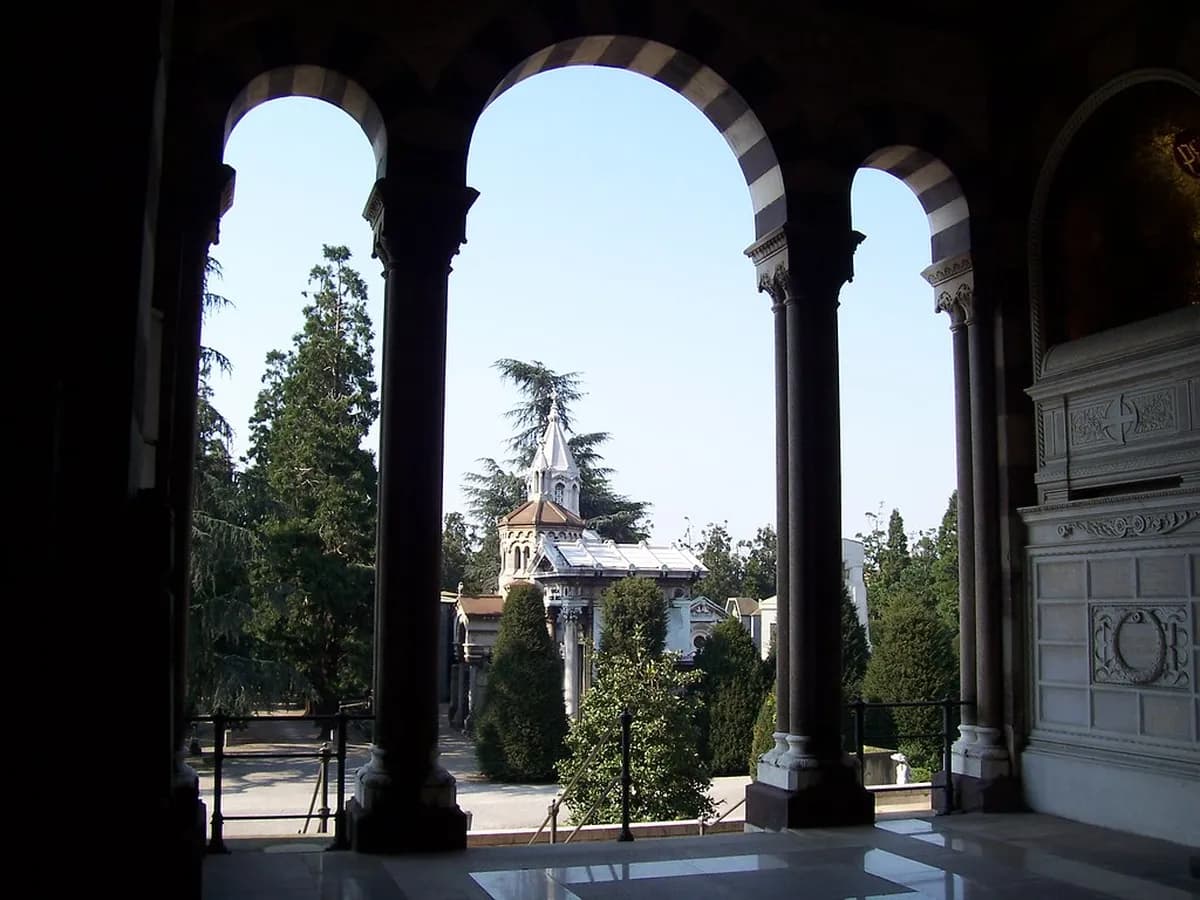
You can find other historic sites like the Cimitero Monumentale to see how the city's approach to honor and memory has changed. The basilica remains unique because it houses the actual remains of its founder in the very place associated with his Milanese legacy. This direct connection to the past makes it one of the most significant religious sites in Europe, not just another stop on a church checklist.
Visit the 'Basilica of Saint Ambrose' in Milan
Maintaining a respectful demeanor is essential when you visit the 'Basilica of Saint Ambrose' in Milan for any reason. Visitors should wear clothing that covers their shoulders and knees as a sign of respect for the sacred environment. Security staff may deny entry to those who are not dressed appropriately for a religious building, and this can be harder to fix quickly if you are on a tight itinerary.
Keep your voice low and turn off your cell phone ringer before entering the nave to maintain the quiet atmosphere. Photography is generally allowed for personal use but you should avoid using a flash or tripods inside the church. Be mindful of worshippers who may be praying in the side chapels or near the main altar.
For more cultural insights, you might also enjoy visiting the Museo Bagatti Valsecchi to see how historic art is preserved in private settings. The official website at Basilicasantambrogio.it offers a full list of visitor rules and current opening times. Following these guidelines ensures a positive experience for both tourists and the local congregation.
Dress modestly with shoulders and knees covered—security staff may deny entry to those not dressed appropriately for a sacred religious building.
Supporting and Financing Partners
The maintenance of such a massive and ancient structure requires significant financial support from various local and private organizations. The Fondazione Basilica di Sant'Ambrogio plays a vital role in managing restoration projects and daily operations. These partners ensure that the delicate mosaics, brickwork, treasury objects, and visitor routes are preserved for future generations to enjoy.
Public funding from the city and regional government often supplements private donations to cover large-scale structural repairs. You may occasionally see scaffolding in certain areas where specialists are working to stabilize ancient walls or clean historic frescoes. Do not treat scaffolding as a failed visit; restoration is part of how an active medieval site remains open.
Founding partners and corporate sponsors also contribute to the educational programs and museum exhibitions held within the complex. Their support allows the church to offer high-quality guided tours and maintain the treasury museum's extensive collection. Visitors indirectly support these efforts through their museum ticket purchases, guided visits, and small donations at the entrance.
Founding Partners and Visitor Trade-Offs
For most travelers, the practical question is not who funds the basilica but which visit format makes the best use of time and money. A free self-guided stop is the right fit if you want atmosphere, architecture, and a short break from central Milan crowds. A museum or guided option is better if you want the Golden Altar, treasury objects, and Ambrosian history explained in a more structured way.
Time is the biggest trade-off. A quick church visit can work in under an hour, but a deeper route with the treasury, San Vittore chapel, and careful reading of the artworks is closer to 90 minutes. Cost-conscious visitors should start with the free highlights and add paid areas only if early Christian art is a priority.
Access is another planning factor because the basilica is an active religious site rather than a purpose-built visitor attraction. Leave room for service restrictions, group movements, and restoration work. This flexible approach usually creates a better visit than trying to force every chapel and artifact into a rigid schedule.
Where is the Basilica di Sant'Ambrogio in Milan?
The church is located in the western part of the historic center and is very easy to reach using public transportation. You can take Metro Line 2 or Metro Line 4 and get off at Sant'Ambrogio station, which is just steps away. This convenient location makes it a practical stop during a day of exploring Milan attractions.
Several bus and tram lines also stop near the basilica which provides flexibility for those staying in different neighborhoods. Walking from the Duomo takes about twenty minutes and leads you through some of the city's most charming historic streets. Visitors with reduced mobility should look for the ramp access on the right side of the main entrance area and allow extra time for uneven historic surfaces.
For more detailed maps and transit tips, you can visit Yesmilano.it for official city travel information. Parking in this area is extremely limited and often restricted to residents with special permits. Using the metro or walking is the most stress-free way to arrive at the site without worrying about traffic.
Frequently Asked Questions
Where is the Basilica di Sant'Ambrogio in Milan?
The Basilica is located at Piazza Sant'Ambrogio, 15, in the southwestern part of Milan's historic center. It is easily accessible via Sant'Ambrogio station on Metro Line 2 or Metro Line 4. You can also walk there from the city center in about twenty minutes.
Which Basilica di Sant'Ambrogio visitor guide option fits first-time visitors?
First-time visitors should focus on the atrium, Golden Altar, crypt, San Vittore in Ciel d'Oro, and Devil's Column before adding anything else. This route covers the basilica's architecture, relics, mosaics, and local legends without making the visit too long. Add the treasury museum or a guided tour if medieval art is a major interest.
How much time should you plan for the visit?
Travelers should plan for approximately 60 to 90 minutes to explore the main church and the treasury museum. This timeframe allows for a slow walk through the atrium and the crypt area. If you enjoy studying ancient mosaics, consider adding an extra thirty minutes to your schedule.
Is the Basilica di Sant'Ambrogio worth including on a short itinerary?
Yes, it is absolutely worth visiting because it offers a unique look at Milan's early Christian history that differs from the Duomo. The Romanesque architecture provides a peaceful contrast to the city's more modern areas. It is a quick but deeply impactful stop for any history lover.
What should travelers avoid when planning their visit?
Avoid visiting during Sunday morning mass if you primarily want to take photos and explore the side chapels. You should also avoid wearing shorts or sleeveless tops as this will prevent you from entering. Do not forget to check for any temporary closures on the official website before you go.
Which museums, art, and culture stops pair best with the basilica?
The treasury museum is the closest cultural add-on because it is part of the basilica experience. For nearby religious art, pair the visit with San Maurizio al Monastero Maggiore. For a broader Milan art day, continue to the Pinacoteca Ambrosiana or Museo del Novecento depending on whether you prefer manuscripts and old masters or modern art.
Which other nearby sites are recommended for visitors?
You should consider visiting the Villa Necchi Campiglio for a look at 20th-century Milanese architecture. The Leonardo da Vinci Science Museum is also located very close to the basilica. These sites together provide a well-rounded view of the city's diverse cultural and scientific history.
The Basilica of Sant’Ambrogio remains a cornerstone of Milanese identity and a must-see for anyone interested in European history. Its ancient walls and golden treasures offer a profound connection to the early days of Christianity in Italy. By following this basilica di sant'ambrogio visitor guide, you can experience the site with clarity and respect.
Whether you are drawn by the stunning mosaics or the quiet atmosphere of the atrium, the church provides a memorable experience. It stands as a testament to the endurance of faith and the skill of generations of builders. Make sure to take your time and soak in the details that make this place so special.
As you leave the historic grounds, you will carry a deeper understanding of the city's complex and beautiful past. This sacred landmark continues to inspire visitors from all walks of life with its timeless beauty. Enjoy your journey through one of the most venerated spaces in all of Milan.
To verify current details, consult the Basilica di Sant'Ambrogio on Wikipedia.
Continue exploring
More guides you'll find useful