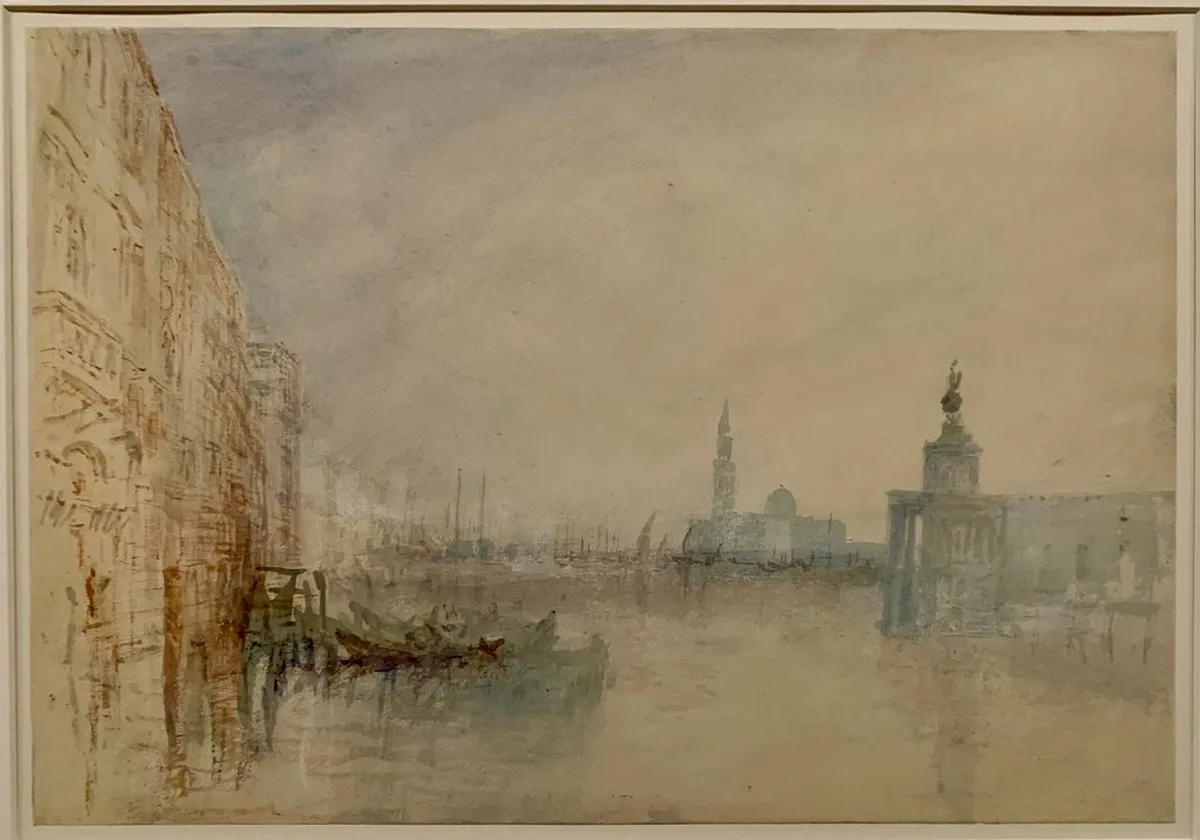
Milan Attractions Beyond the Duomo: 8 Hidden Gems (2026 Guide)
The best Milan attractions beyond the Duomo: 8 hidden-gem house-museums, frescoed churches and art museums with 2026 ticket prices, opening hours, neighborhood maps and suggested itineraries.
On this page
Almost every guide to Milan attractions opens with the same three names: the Duomo, the Galleria Vittorio Emanuele II, and Leonardo's Last Supper. They earn their fame — but they also come with timed tickets booked weeks ahead, ticket-window queues, and crowds that flatten the experience. This hub is built for the trip after that first lap of the headline sights: a curated set of 8 lesser-known Milan attractions that reward culture-minded travelers and repeat visitors who want the city locals actually treasure.
What ties these eight together is depth rather than scale. You'll find Rationalist and Renaissance house-museums frozen in time, a 16th-century church so densely frescoed it's called the "Sistine Chapel of Milan," an open-air sculpture cemetery, and two collections of twentieth-century Italian art. Several are completely free; the ticketed ones rarely top €17. Most sit in walkable, low-tourist districts — the Quadrilatero del Silenzio, Sant'Ambrogio, Porta Venezia — where you can spend an afternoon without queuing for anything.
Each card below links to a full 2026 visitor guide with verified opening hours, current ticket prices, transit directions and the practical tips that don't make the official FAQ. Below the grid you'll find these Milan tourist attractions organized by neighborhood and by category, a free-vs-paid breakdown, ready-made half-day to two-day itineraries, transport notes, the best times to visit, money-saving tips, and answers to the questions travelers ask most. Bookmark this page as your starting point for things to do in Milan beyond the obvious.
Top 8 attractions in Milan
Villa Necchi Campiglio
Villa Necchi Campiglio is a 1930s Rationalist mansion and FAI house museum in central Milan, designed by Piero Portaluppi, with Art Deco interiors and a private garden.
Visitor guide →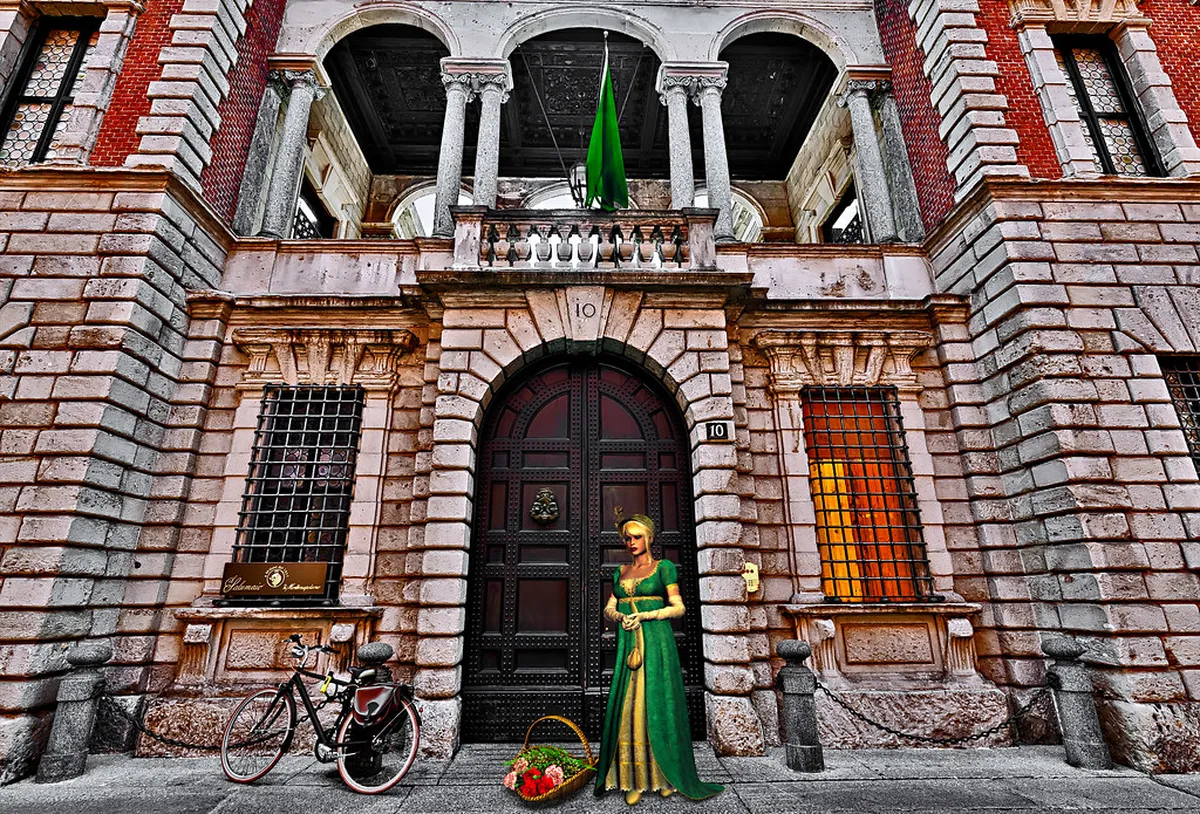
Museo Bagatti Valsecchi
The Museo Bagatti Valsecchi is a Renaissance-style historic house museum in Milan's Montenapoleone district, showcasing decorative arts and the preserved 19th-century home of the Barons Bagatti Valsecchi.
Visitor guide →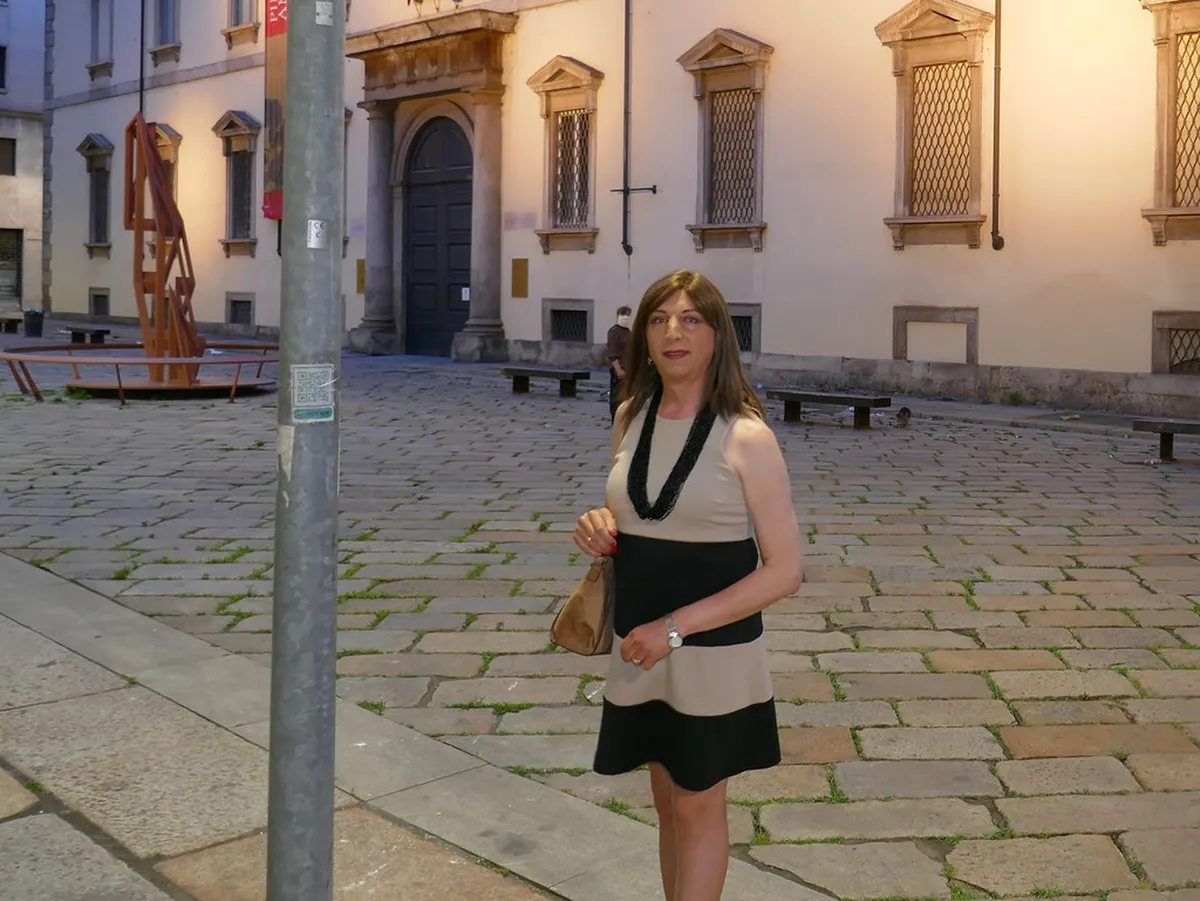
Pinacoteca Ambrosiana
The Pinacoteca Ambrosiana is a historic art gallery in central Milan, home to Leonardo da Vinci's Codex Atlanticus and Caravaggio's Basket of Fruit within the 1609 Biblioteca Ambrosiana.
Visitor guide →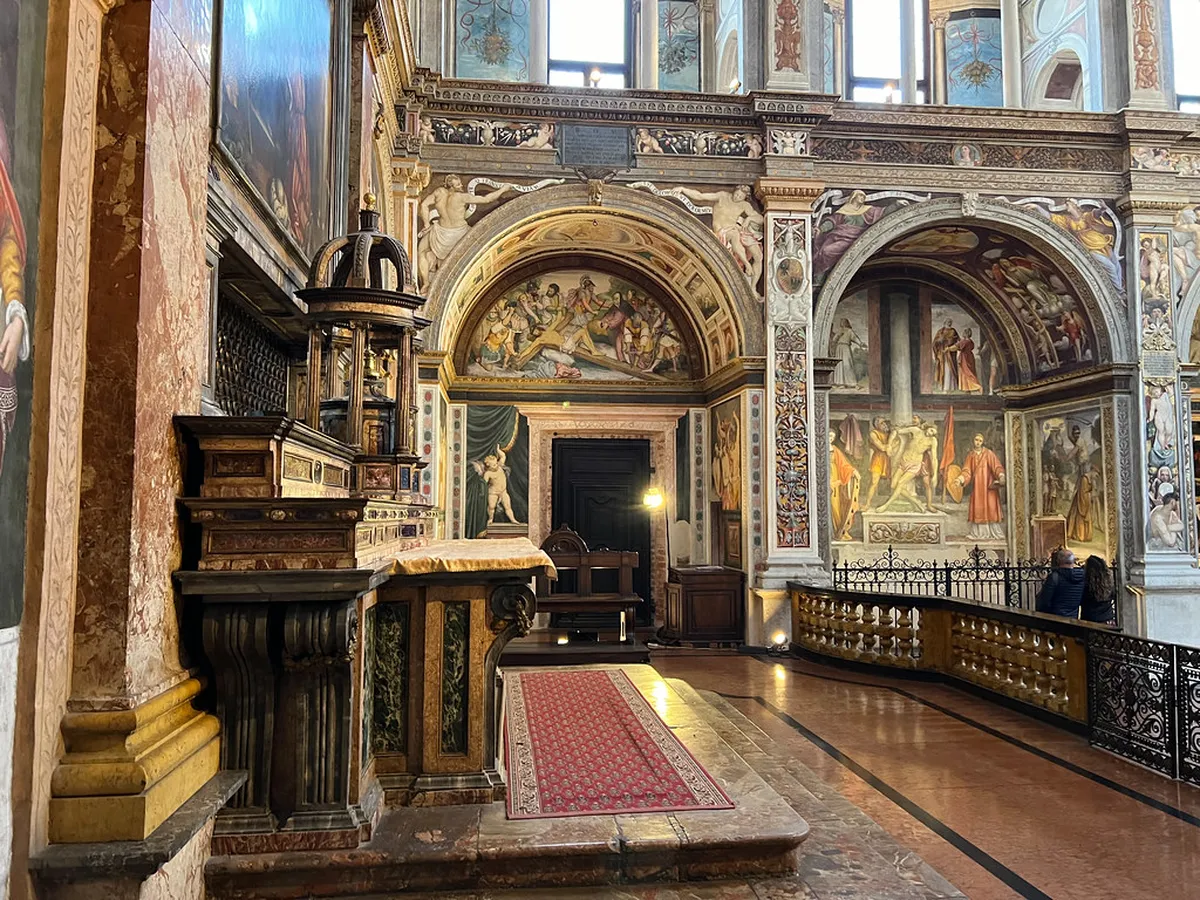
San Maurizio al Monastero Maggiore
San Maurizio al Monastero Maggiore is a free-to-enter Renaissance church in Milan, Italy, famed as the 'Sistine Chapel of Milan' for its dazzling cycle of 16th-century frescoes by Bernardino Luini and other Lombard masters.
Visitor guide →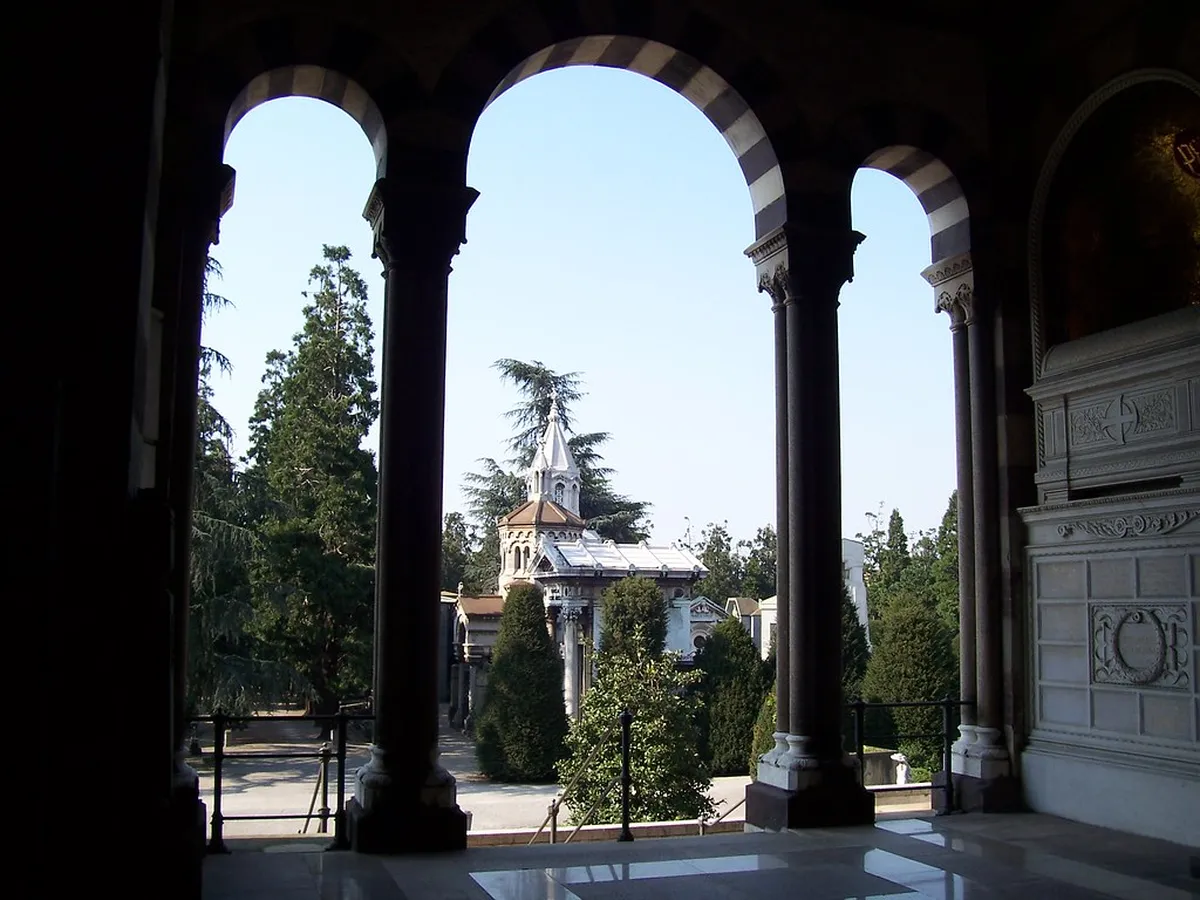
Cimitero Monumentale di Milano
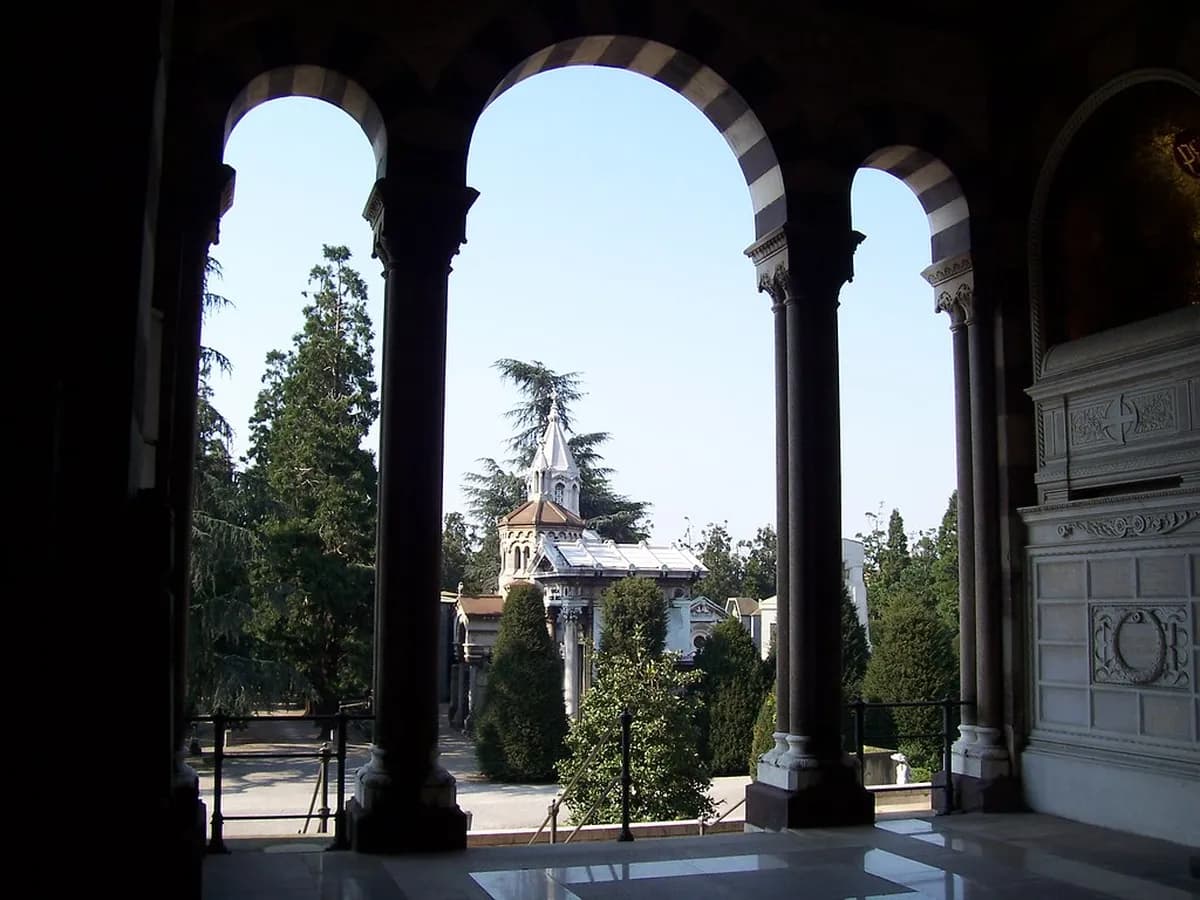
The Cimitero Monumentale di Milano is a celebrated open-air sculpture cemetery in Milan, Italy, famed for its monumental artistic tombs and free public admission.
Visitor guide →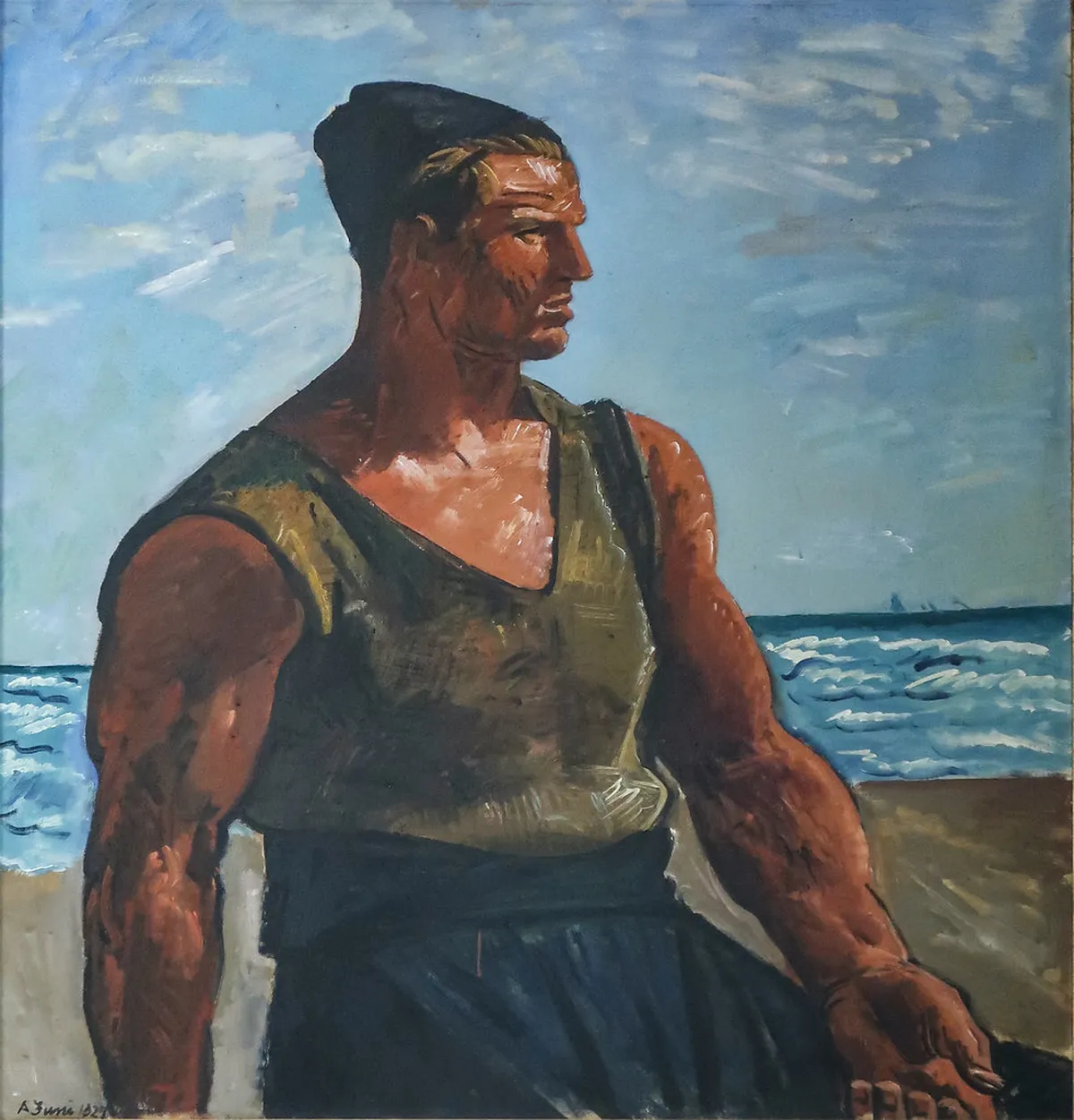
Casa Museo Boschi di Stefano
Casa Museo Boschi di Stefano is a free house-museum in Milan showcasing over 200 works of 20th-century Italian art inside an original Art Deco apartment designed by Piero Portaluppi.
Visitor guide →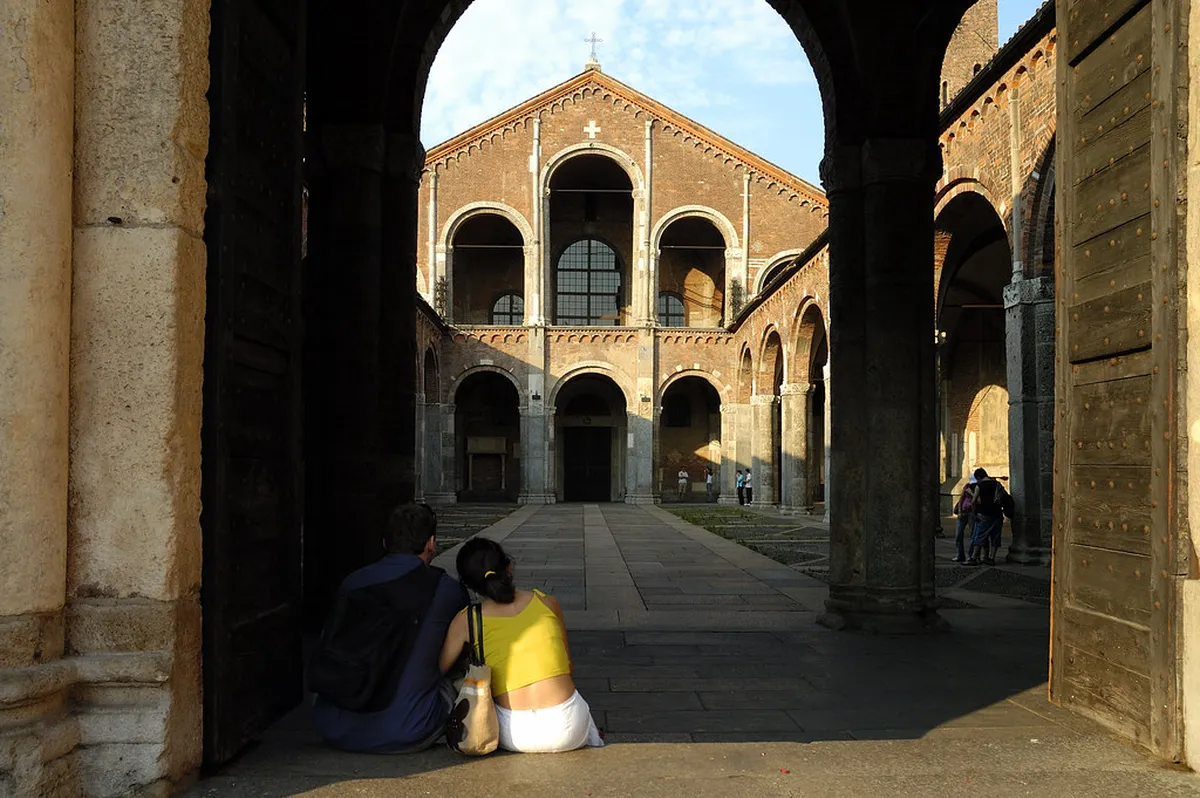
Basilica di Sant'Ambrogio
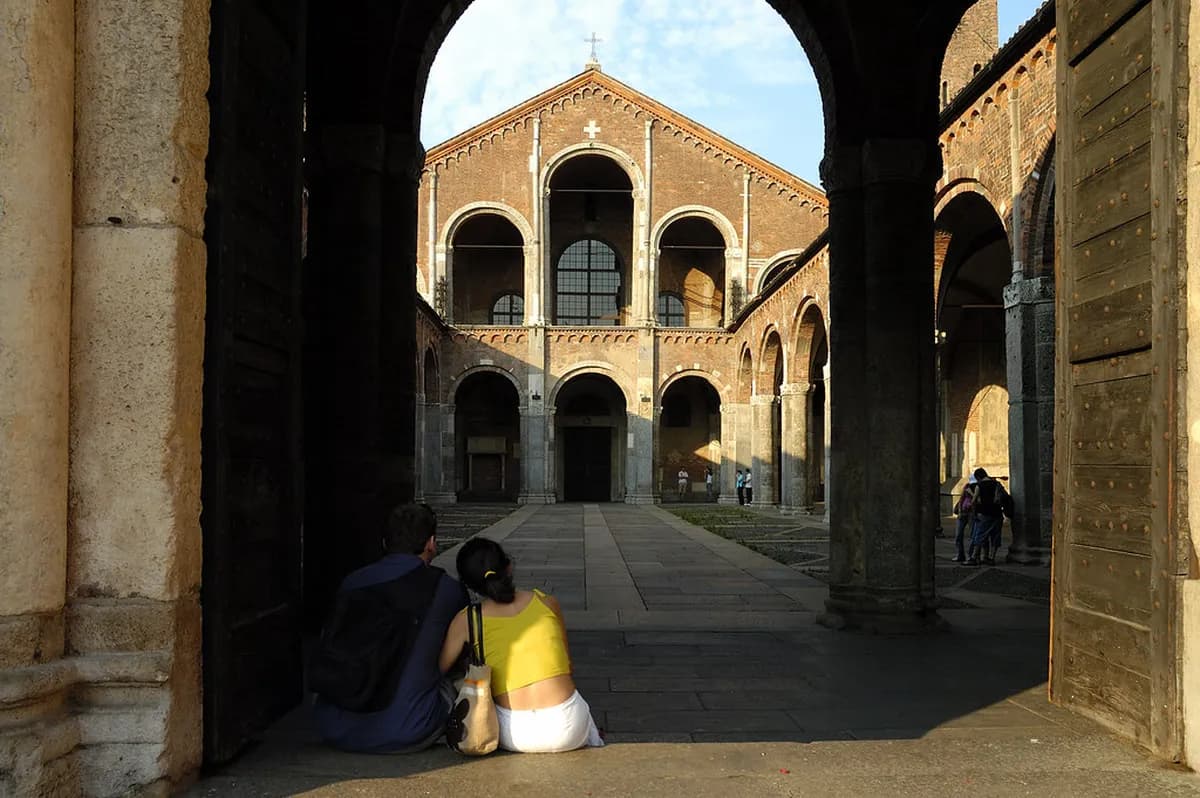
The Basilica di Sant'Ambrogio is one of the oldest and most important churches in Milan, a masterpiece of Lombard Romanesque architecture founded by Saint Ambrose in the 4th century.
Visitor guide →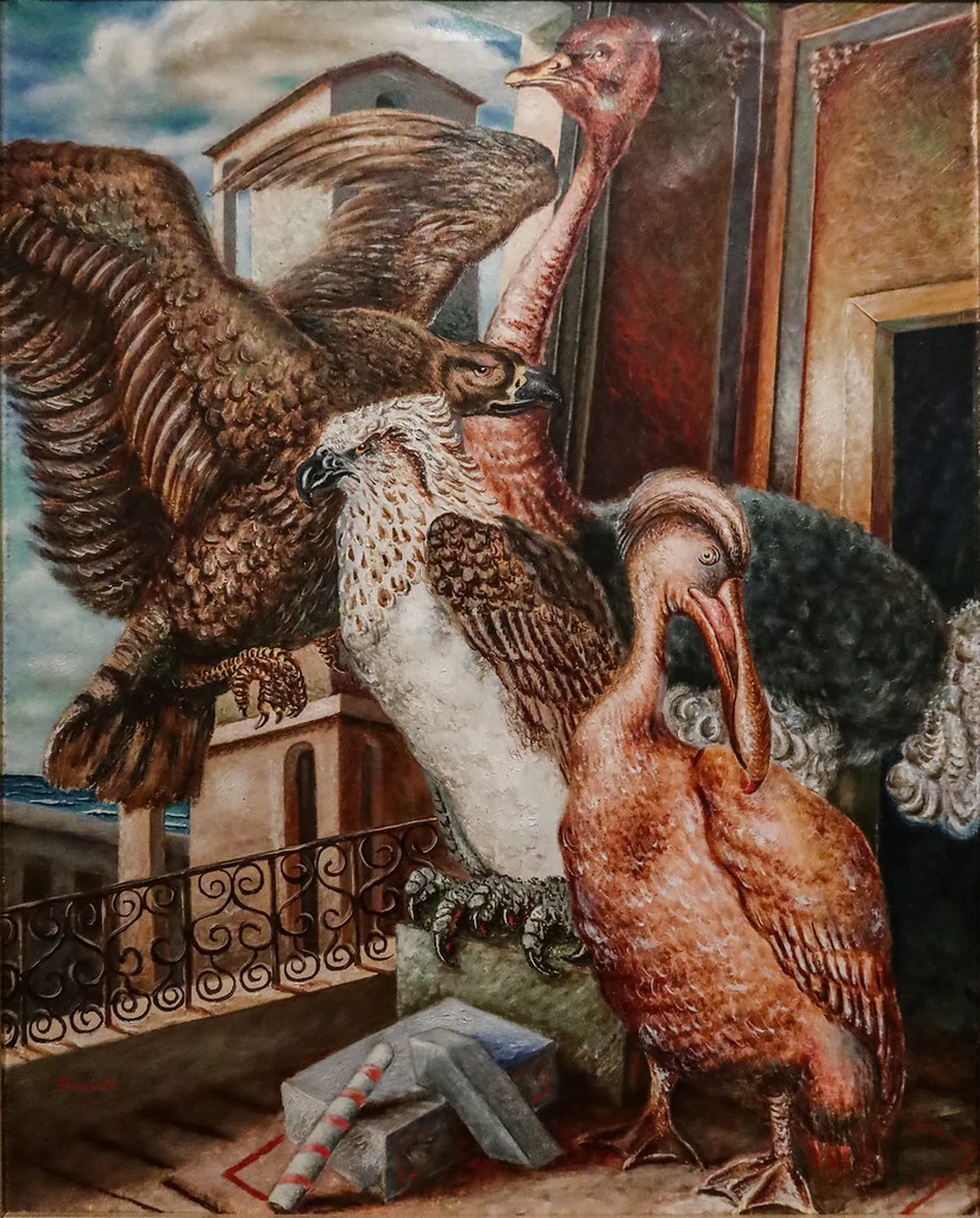
Museo del Novecento
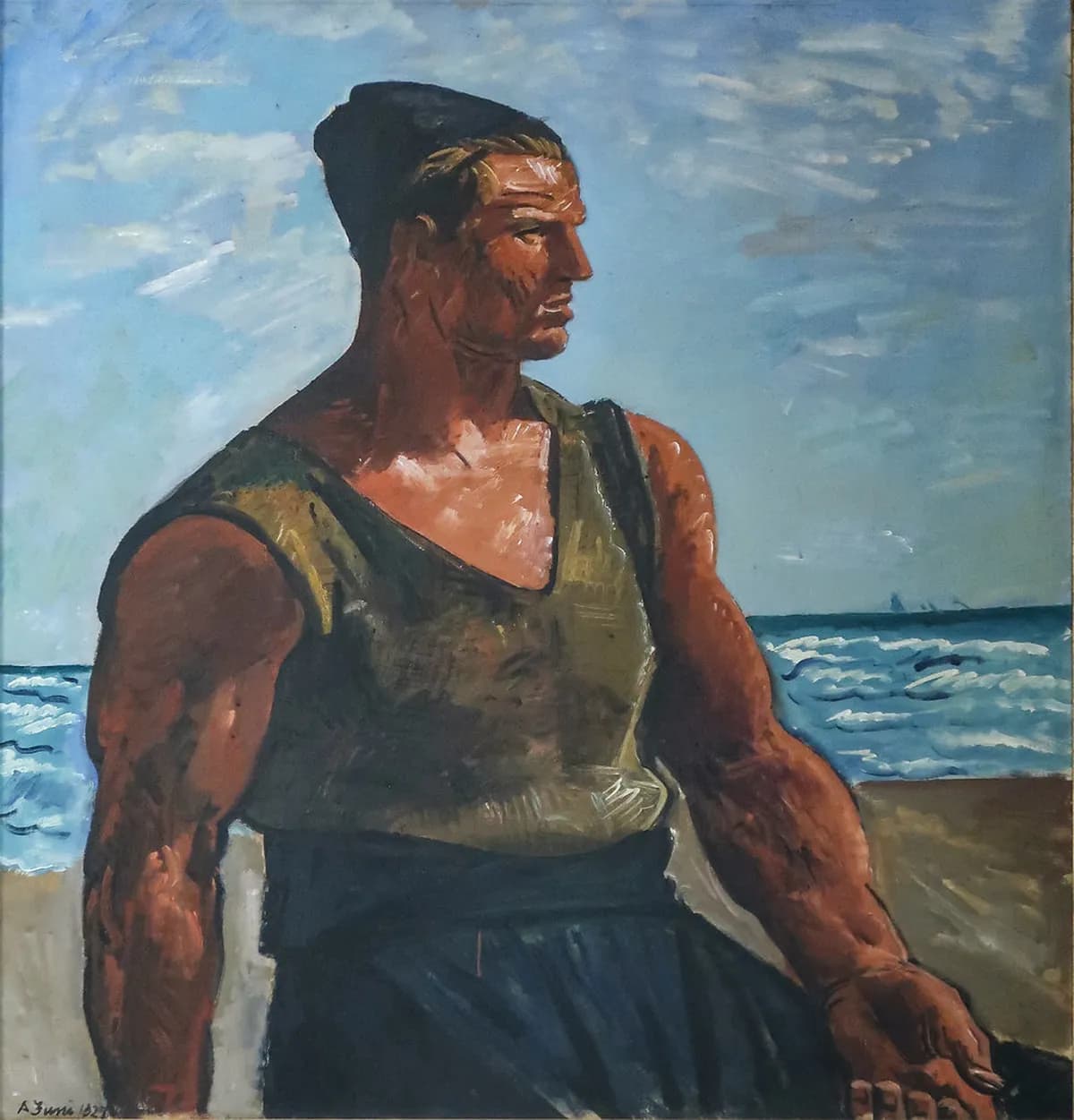
The Museo del Novecento is Milan's museum of twentieth-century art, set in the Palazzo dell'Arengario on Piazza del Duomo in the city centre.
Visitor guide →Milan attractions by neighborhood
Milan is compact and ringed by an efficient metro, so these eight attractions fall into a handful of distinct districts. Grouping your visits geographically is the single biggest time-saver — you avoid criss-crossing the centre and can fold in a coffee or aperitivo between stops.
- Quadrilatero del Silenzio & Montenapoleone (Porta Venezia / Palestro): The hushed luxury quarter east of the centre holds two of Milan's finest house-museums. Villa Necchi Campiglio, a 1930s Rationalist mansion with a private garden, sits steps from the M1 Palestro stop, while the Renaissance-style Museo Bagatti Valsecchi is buried in the Montenapoleone fashion district.
- City centre & Piazza del Duomo: Even on a hidden-gems trip you'll pass through the centre. On the Duomo square itself, the Museo del Novecento showcases twentieth-century art with a famous window framing the cathedral. A short walk away, the Pinacoteca Ambrosiana guards Leonardo's Codex Atlanticus and Caravaggio's Basket of Fruit.
- Porta Venezia: This leafy, liberty-architecture neighborhood holds the Casa Museo Boschi di Stefano, a free apartment-museum hung floor to ceiling with Italian modern art.
- Sant'Ambrogio & Magenta: West of the centre, the 4th-century Basilica di Sant'Ambrogio anchors Milan's oldest religious quarter, with the frescoed San Maurizio al Monastero Maggiore a few minutes' walk toward Corso Magenta.
- Porta Garibaldi & the Monumentale: North of the centre, the Cimitero Monumentale is a free open-air gallery of monumental tombs and sculpture, easily paired with the modern Porta Nuova skyline nearby.
Milan attractions by category
If you travel by interest rather than by map, these eight sights sort cleanly into four cultural categories — pick the ones that match your taste.
- House-museums: Three of the eight are preserved private homes opened to the public. Villa Necchi Campiglio (Art Deco and Rationalist), the Museo Bagatti Valsecchi (a 19th-century Renaissance fantasy), and Casa Museo Boschi di Stefano (a Portaluppi-designed apartment) each freeze a moment of Milanese domestic taste.
- Frescoed churches: San Maurizio al Monastero Maggiore is wall-to-wall with Bernardino Luini frescoes — the "Sistine Chapel of Milan" — while the Basilica di Sant'Ambrogio is a masterpiece of Lombard Romanesque founded by Milan's patron saint.
- Art museums & galleries: The Pinacoteca Ambrosiana (Old Masters and Leonardo manuscripts) and the Museo del Novecento (Futurism, Boccioni, Fontana) bookend Milanese art across four centuries.
- The monumental cemetery: The Cimitero Monumentale stands alone as an open-air sculpture museum, where Milan's industrial dynasties commissioned tombs from the city's leading sculptors and architects.
Free vs paid Milan attractions
One of the joys of this list is how much of it costs nothing. Half the sights here are free to enter — a rarity among major-city attractions — and the paid ones stay well under €20.
Free attractions:
Four sights on this list are free to enter — a rarity among major-city attractions. Lead with San Maurizio, the Cimitero Monumentale, Casa Boschi di Stefano, and the Basilica di Sant'Ambrogio to fill a rich day for €0.
- San Maurizio al Monastero Maggiore — free entry to one of the most spectacular fresco cycles in Lombardy.
- Cimitero Monumentale — free public admission to the open-air sculpture cemetery.
- Casa Museo Boschi di Stefano — free entry to the 20th-century art apartment.
- Basilica di Sant'Ambrogio — the church is free to enter (a small charge applies only for the crypt/museum area).
Paid attractions (2026 prices):
| Attraction | Ticket price | Hours |
|---|---|---|
| Villa Necchi Campiglio | €15 | Wed–Sun 10:00–18:00 |
| Museo Bagatti Valsecchi | €14 | Wed–Sun 10:00–18:00 |
| Pinacoteca Ambrosiana | €17 | Closed Wed |
| Museo del Novecento | Check site | Check site |
- Villa Necchi Campiglio — €15 full adult ticket (FAI property), open Wed–Sun 10:00–18:00.
- Museo Bagatti Valsecchi — €14 full adult ticket, open Wed–Sun 10:00–18:00.
- Pinacoteca Ambrosiana — €17 full adult ticket; note it is closed on Wednesdays.
- Museo del Novecento — a low-cost municipal museum; check the official site for the current ticket price and free-entry windows before you go.
Confirm the latest pricing in each linked visitor guide above — house-museum hours in particular run on a Wed–Sun schedule, so build your week around them.
Suggested Milan itineraries
Because these sights cluster by neighborhood, you can pair them into tidy routes. Below are three ready-made plans depending on how much time you have.
Half-day (3–4 hours): Start in the Quadrilatero del Silenzio with Villa Necchi Campiglio (book the first slot), then walk 10 minutes to the Museo Bagatti Valsecchi in Montenapoleone. Both are house-museums on the same Wed–Sun schedule, so it's the most reliable pairing in the city.
One day: Morning in the centre — Pinacoteca Ambrosiana (skip Wednesday) followed by the Museo del Novecento on Piazza del Duomo. After lunch, head west to the Basilica di Sant'Ambrogio and the frescoes of San Maurizio al Monastero Maggiore, both free and a short walk apart. It's a full day of art and architecture without a single timed-ticket scramble.
Two days: Day one follows the one-day route above. On day two, open with the free Casa Museo Boschi di Stefano in Porta Venezia, then take the metro north to the Cimitero Monumentale, allowing a couple of unhurried hours among the tombs. With the afternoon free, you can fold in a headline sight you missed first time around or simply enjoy an aperitivo in the Navigli or Brera. For longer stays, see our full 3-day Milan itinerary.
Getting around Milan's attractions
Milan's transport network, run by ATM, makes every sight on this list easy to reach. The city has five metro lines — M1 (red), M2 (green), M3 (yellow), M4 (blue) and M5 (lilac) — plus an extensive tram and bus network.
- Metro: M1 Palestro serves Villa Necchi and the Quadrilatero; M3 Montenapoleone is closest to Bagatti Valsecchi; M1/M3 Duomo drops you at the Museo del Novecento and within walking distance of the Pinacoteca; M2 Sant'Ambrogio serves the basilica and San Maurizio; M2/M5 Garibaldi or M5 Monumentale reach the cemetery; M1 Porta Venezia is the stop for Casa Boschi di Stefano.
- Trams & walking: Many of these districts are 10–20 minutes apart on foot, and Milan's historic trams (line 1's vintage carriages are a sight in themselves) connect the centre with Sant'Ambrogio and Porta Venezia.
- Tickets: A single ATM urban ticket covers 90 minutes of travel including metro transfers; a 24-hour day pass pays off if you're hitting two or more districts. Buy from station machines, tobacconists, or tap a contactless card directly at the metro gate.
Best time to visit Milan's attractions
Spring (April–June) and early autumn (September–October) are the sweet spots: mild weather, long museum hours, and lighter crowds than the headline sights ever see. July and August are hot and many smaller venues run reduced summer hours, while December brings Christmas markets and a festive Duomo square.
Two dates to plan around — or avoid — are Salone del Mobile (Milan Design Week, mid-April) and the two annual Fashion Weeks (February and September), when hotel prices spike and the city fills up. The hidden-gem sights here stay quiet even then, which is precisely their appeal.
The biggest scheduling trap is closing days. The three house-museums (Villa Necchi, Bagatti Valsecchi, Casa Boschi di Stefano) open Wednesday to Sunday and close Monday and Tuesday. The Pinacoteca Ambrosiana is closed on Wednesday. Municipal museums often close Monday. Always check the linked visitor guide before you build your day, because a misjudged Monday can leave half this list shut.
The three house-museums open Wednesday to Sunday and close Monday and Tuesday. The Pinacoteca Ambrosiana is closed on Wednesday. A misjudged Monday can leave half this list shut.
How to save money on Milan attractions
Milan has a reputation as an expensive city, but culture here can be remarkably cheap if you plan it.
- Lead with the free sights: San Maurizio, the Cimitero Monumentale, Casa Boschi di Stefano and the church of Sant'Ambrogio cost nothing — you could fill a full, rich day for €0.
- Free first Sundays: Many of Milan's municipal museums offer free admission on the first Sunday of the month; the Museo del Novecento frequently participates, so check the official calendar before you go.
- Combined & city passes: If you also want the headline sights, a combined Milan attractions pass can bundle the Duomo, transport and several museums; weigh it against your actual itinerary, since this hidden-gems list is cheap enough that a pass may not pay off.
- Reduced tickets: EU residents under 25, students and over-65s qualify for discounts at most paid venues — carry ID.
- More ideas: See our guides to free museums in Milan and the best museums in Milan for the full money-saving rundown.
Frequently asked questions about Milan attractions
What are the best Milan attractions beyond the Duomo?
For culture-minded visitors, the standouts are the house-museums (Villa Necchi Campiglio, Museo Bagatti Valsecchi and Casa Museo Boschi di Stefano), the frescoed church of San Maurizio al Monastero Maggiore — Milan's "Sistine Chapel" — the ancient Basilica di Sant'Ambrogio, the Pinacoteca Ambrosiana, the Museo del Novecento, and the open-air Cimitero Monumentale. All eight reward travelers who've already seen the cathedral and the Last Supper.
What are the best free attractions in Milan?
Four sights on this list are free to enter: San Maurizio al Monastero Maggiore, the Cimitero Monumentale, Casa Museo Boschi di Stefano, and the church of the Basilica di Sant'Ambrogio. Many municipal museums are also free on the first Sunday of the month.
How many days do you need to see Milan's attractions?
You can cover the highlights of this hidden-gems list comfortably in one to two days, since the sights cluster by neighborhood. Add a day if you also want the headline attractions — the Duomo, Galleria and Leonardo's Last Supper — or a Lake Como or Bergamo day trip.
Which Milan museums are closed on Mondays?
The three house-museums here (Villa Necchi Campiglio, Museo Bagatti Valsecchi and Casa Museo Boschi di Stefano) open Wednesday to Sunday, so they're shut Monday and Tuesday. Many municipal museums also close on Monday, and the Pinacoteca Ambrosiana is closed on Wednesday — always check before you go.
How much do Milan attraction tickets cost?
Among the paid sights here, Villa Necchi Campiglio is €15, the Museo Bagatti Valsecchi is €14, and the Pinacoteca Ambrosiana is €17. The Museo del Novecento is a low-cost municipal museum — check its official site for the current price. The other four attractions on this list are free.
What is the "Sistine Chapel of Milan"?
It's the church of San Maurizio al Monastero Maggiore, whose interior is covered almost entirely in 16th-century frescoes by Bernardino Luini and other Lombard masters. Entry is free, and crowds rush past it toward the more famous Santa Maria delle Grazie nearby.
How do you get around Milan's attractions?
Milan's metro has five lines (M1–M5) plus trams and buses run by ATM, and every sight on this list sits near a metro stop. A single ticket covers 90 minutes including transfers; a 24-hour pass pays off if you visit two or more districts in a day. Many sights are also a short walk apart.
Is Milan worth visiting for art and culture?
Absolutely — and especially beyond the famous trio. Milan packs Old Master galleries, preserved historic homes, dazzling fresco cycles and a world-class collection of 20th-century Italian art into walkable, often free, low-crowd venues. It rewards repeat visitors and anyone who prefers depth over checklists.
Plan your Milan trip
These eight attractions are the cultural backbone of a Milan beyond the Duomo — but they're just the start. For more ideas, dig into our guides to the city's hidden gems in Milan, the best museums in Milan, and the essential things to see in Milan. Whether you have an afternoon or a long weekend, pairing these lesser-known sights with the headline landmarks gives you the fullest picture of what makes Milan one of Italy's most rewarding cities.
Continue exploring
More guides you'll find useful