Cimitero Monumentale di Milano Visitor Guide: 9 Essential Tips
Plan your visit to Milan's Cimitero Monumentale with our guide to the 9 essential things to see, including the Famedio, famous tombs, hours, and transport tips.
On this page
Cimitero Monumentale di Milano Visitor Guide: 9 Essential Tips
The Cimitero Monumentale serves as an open-air museum where art and memory meet in a stunning display of Italian craftsmanship. Spanning over 250,000 square meters, this vast site is much more than a simple resting place for the dead. Visitors often come here to admire intricate sculptures that tell the story of Milanese high society through the centuries. If you are planning a trip to Milan, this guide will help you navigate one of the city's most beautiful landmarks and discover the things to see in Milan that make it culturally significant.
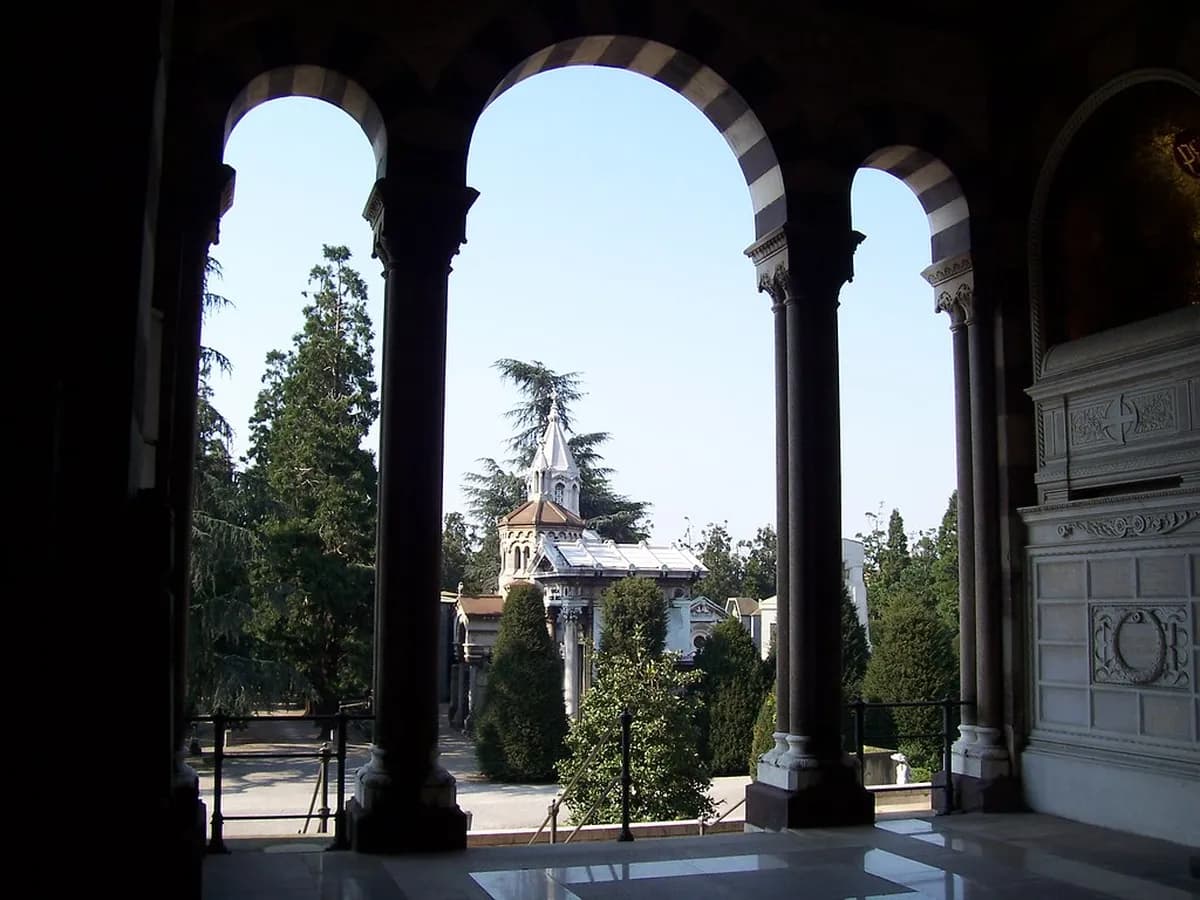
Walking through the gates feels like entering a silent city made of marble, bronze, and stone. The cemetery showcases the wealth and artistic taste of the industrial families who built modern Italy. Every path leads to a new discovery, from massive pyramids to delicate Art Nouveau figures. This guide provides the essential tips you need for a respectful and rewarding visit to this grand city of the dead.
The History and Significance of the Cimitero Monumentale
The Cimitero Monumentale opened in 1866 to centralize several smaller burial grounds that were scattered across the city. Architect Carlo Maciachini won the design competition with a plan that blended various historical styles into one cohesive vision. His work created a space that celebrates life and achievement rather than focusing solely on the sadness of death. Many travelers include this site on their list of top attractions in Milan because of its unique atmosphere.
The site was specifically designed to be a monument to the greatness of the Milanese people. It became a prestigious honor to be buried here, leading families to commission the best artists of their time. This competition for grander tombs resulted in an unparalleled collection of 19th and 20th-century Italian art. Today, it remains one of the most significant cultural landmarks in the entire country.
Walking the grounds allows you to see how Milan evolved from a local hub to an industrial powerhouse. The tombs reflect changes in social status, political power, and artistic trends over nearly 160 years. You will notice how the styles shift from traditional realism to more experimental modern designs. This historical depth makes the cemetery a vital part of any cultural itinerary in northern Italy.
Essential Visitor Info: Hours, Entry, and Best Time to Visit
Visiting the Cimitero Monumentale is remarkably easy because admission is free for the general public. The cemetery is open from Tuesday to Sunday, typically between 08:00 and 18:00. Always remember that the site is closed on Mondays, so plan your week accordingly. Check the Official Cimitero Monumentale Website for any holiday closures or special events in 2026.
The best time to visit is early in the morning when the light is soft and the crowds are thin. Late afternoon is also atmospheric, but do not arrive too close to closing time because the grounds are large and the exits can feel far away once you are deep in the grid. Summer afternoons can become quite hot, and there is limited shade in the larger open sections. Spring and fall offer the most comfortable temperatures for walking the long distances between mausoleums. Allowing at least two to three hours will give you enough time to see the main highlights without rushing.
There is a small information office near the main entrance that provides basic maps and brochures. Restrooms are available on-site, but dining options are located just outside the main gates. Accessibility is best on the main avenues and around the Famedio; some side paths have gravel, uneven stone, or raised thresholds at private chapels. Wearing comfortable walking shoes is essential, and wheelchair users or visitors with limited mobility should focus on the central avenues first. Keep a digital map handy to help you navigate the complex grid of paths and sections.
Admission is completely free, and the cemetery is open from Tuesday to Sunday, 08:00 to 18:00, closed Mondays.
The Famedio: Milan’s Neo-Gothic Hall of Fame
The Famedio, or Temple of Fame, is the massive building that greets you at the main entrance. This striking Neo-Gothic structure serves as the final resting place for Milan’s most honored citizens. Its blue vaulted ceilings and intricate stone carvings create a somber yet magnificent environment. The building acts as a gateway between the busy city outside and the quiet sanctuary within.
Inside the Famedio, the most prominent tomb belongs to the famous writer Alessandro Manzoni. His presence here cemented the building's status as a national shrine for Italian culture. You can also see the names of other great figures engraved on the walls of the inner chambers. The selection process for being interred or commemorated here remains a high honor for modern Milanese leaders, artists, scientists, and civic figures.
Take a moment to look up at the decorative details that adorn the walls and arches before heading into the cemetery proper. Many visitors make the mistake of using the Famedio only as a passageway, but it is one of the site's key monuments. The craftsmanship shows the dedication to preserving the memory of those who shaped the city's identity. It is a place for reflection that honors both political figures and creative geniuses.
Must-See Artistic Tombs and Iconic Mausoleums
One of the most famous sights is the Campari family tomb, which features a bronze 'Last Supper'. The life-sized figures are incredibly detailed and show the wealth of the famous beverage dynasty. This tomb is a perfect example of how industrial success was translated into permanent artistic legacy. It is often compared to the modern art found in the Museo del Novecento for its expressive quality.
Another highlight is the Bernocchi mausoleum, which looks like a massive white tower spiraling toward the sky. The reliefs on the tower depict the Way of the Cross in a dramatic and modern style. Its unique shape makes it easy to spot from a distance across the cemetery grounds. Many visitors find this structure to be one of the most photogenic spots in the entire complex.
The Morgagni family tomb also draws crowds for its stunning realism and emotional depth. These monuments serve as a bridge between the private grief of families and public art appreciation. You will find that many tombs are essentially private chapels with their own unique architectural themes. Exploring these varied structures reveals the diverse tastes of Milan's elite over the decades.
Famous Residents: From Alessandro Manzoni to Arturo Toscanini
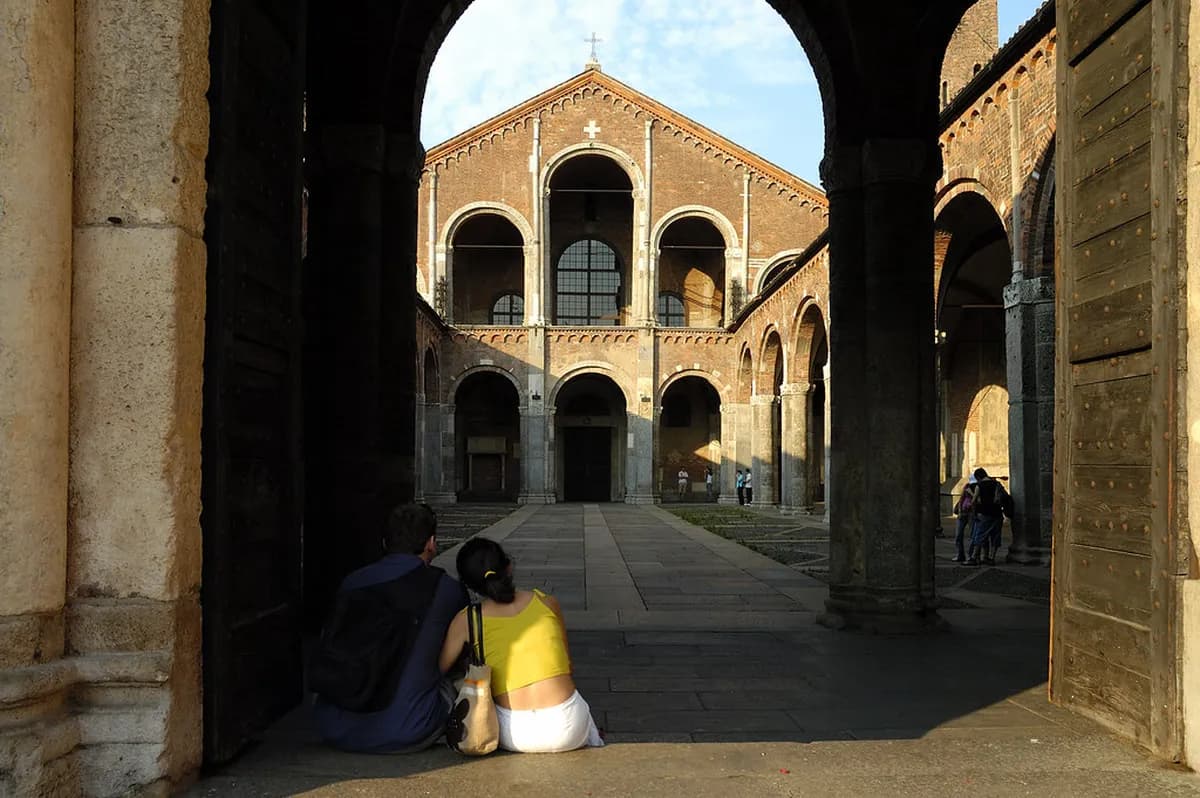
Beyond Manzoni, the cemetery is the final home for legendary conductor Arturo Toscanini. His tomb is a place of pilgrimage for music lovers from all over the world. The site also holds the remains of famous painters, scientists, and architects who lived in Milan. Visiting these graves is a way to connect with the history you might see at the Basilica di Sant'Ambrogio or other historic sites.
The cemetery also features sections dedicated to non-Catholics and Jewish citizens, reflecting Milan's diverse past. These areas have their own distinct styles and famous residents who contributed to the city. Walking through these sections provides a broader understanding of the social fabric of 19th-century Italy. It highlights how the cemetery was designed to be inclusive of all the city's prominent figures.
Many of the names you see on the tombs also appear on street signs throughout the city center. This connection makes the cemetery feel like a physical directory of Milanese history. You might recognize names of families who founded major banks or textile empires. Each tomb tells a story of a life that helped build the Milan we see today.
Architectural Evolution: From Realism to Liberty Style
The Cimitero Monumentale is a prime location to study the evolution of the Liberty Style, Italy's version of Art Nouveau. This style is characterized by flowing lines, floral motifs, and a blend of sensuality with sadness. Art historians often refer to this as the 'eroticism of mourning' because of the beautiful, draped figures. These sculptures often look like they belong in a gallery like the Pinacoteca Ambrosiana rather than a graveyard.
Earlier tombs focus on strict realism, showing the deceased in their everyday clothing or professional roles. As time passed, artists began to use more symbolic and abstract forms to represent the soul. You can see this transition as you move from the older sections toward the newer areas. This variety ensures that every turn provides a different visual experience for the visitor.
The use of different materials like white Carrara marble and dark bronze creates a striking visual contrast. Some tombs even incorporate stained glass and mosaic tiles to add color to the stone landscape. These details show the incredible investment that families made in their final monuments. It remains one of the best places in Europe to see such a concentrated collection of funerary art.
How to Get There: Transport and Directions
The cemetery is located just north of the city center and is very easy to reach by public transport. The most convenient way is to take the Metro Line M5 to the 'Monumentale' station, which places you close to the main entrance. Alternatively, you can use the M2 line and get off at 'Garibaldi' for a longer walk through the Porta Volta and Corso Como area. Check the Google Maps Location to find the best route from your current hotel.
Several tram lines also stop near Piazzale Cimitero Monumentale. Trams 2, 4, and 7 are useful for the Farini side, while trams 12 and 14 are handy for the Bramante side. Bus routes 37, 70, and 94 can also work depending on where you start. Taking the tram is a scenic way to travel and allows you to see the Porta Volta district. Most visitors find that public transit is much faster than trying to find parking nearby.
| Route | Best For | Notes |
|---|---|---|
| M5 Monumentale | Fastest metro access | Best default choice for first-time visitors and step-light routing. |
| M2 Garibaldi | Combining with Corso Como | Good if you want to walk from Porta Garibaldi, but allow extra time. |
| Trams 2, 4, 7, 12, 14 | Scenic surface route | Useful when coming from central neighborhoods without changing metro lines. |
| Bus 37, 70, 94 | Cross-town connections | Check live routing before leaving, especially on weekends or holidays. |
- Two-Hour Express Route Option
- Time: 120 minutes
- Focus: Famedio, Campari tomb, Bernocchi mausoleum, and nearby central avenues
- Walking: 1.5 kilometers
- Best for: Quick highlights, first-time visitors, and warm days
- Four-Hour Deep Dive Experience
- Time: 240 minutes
- Focus: All major sculptures, side chapels, Jewish and non-Catholic sections, and detailed photography
- Walking: 4 kilometers
- Best for: Art enthusiasts, architecture fans, and repeat visitors
Visitor Etiquette and Photography Guidelines
While the site is an art gallery, it remains an active cemetery where people come to mourn. Visitors should speak in low voices and avoid any behavior that might disturb grieving families. Dress respectfully by keeping shoulders and knees covered, similar to the rules for visiting Italian churches. Check the YesMilano Tourism Board site for any updated visitor policies in 2026.
Photography for personal use is generally allowed, but using a tripod usually requires a special permit. Commercial photography and professional video shoots are strictly regulated by the city authorities. Always be mindful of your surroundings and do not lean on or touch the delicate sculptures. Avoid taking photos of people attending private funeral services or visiting family graves.
The most common visitor mistakes are arriving on a Monday, underestimating the size of the site, skipping the map, and treating the side chapels like museum rooms rather than private memorial spaces. Eating, drinking, and smoking are not permitted within the cemetery grounds to maintain the site's dignity. Security guards patrol the area to ensure that all visitors follow these basic rules. By following these guidelines, you help preserve the site for future generations of travelers. A respectful attitude ensures that the peaceful atmosphere of the cemetery is maintained for everyone.
Dress respectfully by keeping shoulders and knees covered, similar to Italian church rules, and remember that photography is prohibited during private funeral services.
Ten Curious Symbols and Hidden Details to Spot
Many of the sculptures use a secret language of symbols to tell the story of the deceased. Learning what these icons mean can turn your walk into a fascinating detective game. Look for small carvings on the bases of the larger monuments, door handles, chapel thresholds, and bronze railings. These symbols often represent the person's profession, beliefs, family status, or the nature of their passing.
- The Bronze Last Supper
- Location: Campari Family tomb
- Meaning: Eternal spiritual communion
- Style: Life-sized realism
- Egyptian Style Pyramids
- Style: Neo-Egyptian revival
- Meaning: Eternal life and power
- Context: 19th-century trend
- The Weeping Angel
- Meaning: Deep grief and protection
- Style: Highly emotional realism
- Tip: Compare the facial expressions rather than only the wings
- The Bernocchi Tower
- Shape: Spiral 'Way of Cross'
- Meaning: The soul's ascent
- Material: White stone
- Broken Stone Columns
- Meaning: A life cut short
- Common: For young residents
- Symbol: Unfinished work
- The Winged Hourglass
- Meaning: Time flies quickly
- Symbolism: Mortality and fleeting life
- Placement: Often on gates
- Inverted Flaming Torches
- Meaning: Life has been extinguished
- Direction: Facing the ground
- Origins: Ancient Greek roots
- Ivy Leaves and Vines
- Meaning: Immortality and memory
- Symbol: Faithfulness in death
- Style: Common Liberty detail
- The Labyrinth Pattern
- Meaning: The journey of life
- Symbol: Finding the center
- Placement: Floor mosaics
- The Butterfly Icon
- Meaning: Resurrection of the soul
- Symbol: Transformation and hope
- Style: Delicate small carvings
| Symbol | Meaning |
|---|---|
| Bronze Last Supper | Eternal spiritual communion |
| Egyptian Pyramids | Eternal life and power |
| Weeping Angel | Deep grief and protection |
| Bernocchi Tower | Soul's ascent |
| Broken Stone Columns | Life cut short |
| Winged Hourglass | Time flies quickly and mortality |
| Inverted Flaming Torches | Life has been extinguished |
| Ivy Leaves and Vines | Immortality and memory |
| Labyrinth Pattern | Journey of life |
| Butterfly Icon | Resurrection and transformation |
Frequently Asked Questions
Is the Cimitero Monumentale worth visiting?
Yes, the Cimitero Monumentale is absolutely worth visiting for its incredible collection of sculptures and historical significance. It offers a peaceful escape from the busy city while showcasing the artistic heritage of Milan. Many travelers consider it one of the most beautiful cemeteries in Europe.
Is the Cimitero Monumentale free?
Entry to the Cimitero Monumentale is free for all visitors throughout the year. You do not need to purchase a ticket to explore the grounds or the Famedio. However, you might want to consider a guided tour for more in-depth historical context. Check our Milan guide for more free attractions.
How long do you need at Cimitero Monumentale?
Most visitors should plan for at least two to three hours to see the main highlights comfortably. If you are an art or photography enthusiast, you may want to spend four hours exploring the further sections. The site is large, so allow enough time for walking between monuments.
Who is buried in the Monumental Cemetery of Milan?
The cemetery is the final home for many famous Italians, including the writer Alessandro Manzoni and conductor Arturo Toscanini. It also houses the remains of the Campari and Bernocchi industrial families. You will find tombs for many of the city's most influential historical and cultural figures.
Other Cemeteries Worth a Morning
The Monumentale is an open-air museum of Italian funerary sculpture, and industrialists competed here as openly as they did in business. Budapest's Fiumei Road Cemetery is its direct counterpart, a national pantheon with mausolea in the same competitive spirit. For the older, darker version of the same impulse, Rome's Capuchin Crypt builds its decoration from the friars themselves.
The Cimitero Monumentale is a rare place where history, art, and silence come together perfectly. Whether you are interested in architecture, Milanese families, or symbolic sculpture, this site offers a deep look into the heart of Milan. Bring a camera, a map, comfortable shoes, and enough time to move slowly through the main avenues. It remains a highlight of any 2026 trip to northern Italy and a testament to the city's grand past. For more comprehensive Milan planning, explore our Milan itinerary and unusual things to do in Milan guides for deeper discovery.
To verify current details, consult the Cimitero Monumentale di Milano on Wikipedia.
Continue exploring
More guides you'll find useful