Villa Necchi Campiglio Visitor Guide: 10 Essential Tips
Plan your visit to Villa Necchi Campiglio with our guide to the 10 best highlights, including Portaluppi architecture, art collections, and booking tips.
On this page
Villa Necchi Campiglio Visitor Guide: 10 Essential Tips & Highlights
Villa Necchi Campiglio is one of Milan's most rewarding house museums: a 1930s private residence where Rationalist architecture, Art Deco detail, family history, and a quiet garden still feel unusually intact. It sits close to the fashion district but feels removed from the busiest sightseeing routes, which is part of its appeal.
For a 2026 visit, the key is to treat the villa as a timed house-museum experience rather than a walk-in landmark. The interiors are best understood with a guided visit, the garden deserves unhurried time, and the details that make the house special are easy to miss if you rush through the rooms. Pair it with nearby Milan attractions such as Museo Bagatti Valsecchi or Casa Museo Boschi di Stefano for a focused day of private collections and Milanese interiors.
The villa serves as more than just a museum; it is a preserved record of Milanese high-society culture, technical innovation, and cultivated domestic life. Every room tells a story about the Necchi Campiglio family and the designers, artists, and guests who shaped the house. Use this visitor guide to decide when to go, how to book, what to notice, and which common planning mistakes to avoid.
Villa Necchi Campiglio Quick Facts
| Address | Via Mozart 14, Milano |
|---|---|
| Best for | Architecture fans, design travelers, film buffs, and visitors who prefer quieter Milan attractions |
| Typical visit length | Plan for about 90 minutes to two hours, especially if you want the garden and pool area |
| Opening hours | Wednesday to Sunday, 10:00 AM to 6:00 PM, with last entry at 5:00 PM |
| Tickets | Adults €15; students under 25 and children 6-18 €9; FAI members free; family ticket €39 |
| Nearest metro | MM1 Palestro for the shortest walk; MM3 Montenapoleone if you are coming through the fashion district |
Why Villa Necchi Campiglio is a Milanese Icon
The villa represents the height of 1930s Milanese sophistication and the forward-thinking spirit of the industrialist Necchi Campiglio family. Gigina and Nedda Necchi, along with Angelo Campiglio, created a home that balanced rigorous modernism with extreme domestic comfort. Their lifestyle defined the social whirl of the city during a period of massive cultural transition.
Pop culture fans might recognize the elegant interiors from the filming of international movies like 'I Am Love' and 'House of Gucci'. These cinematic appearances have cemented the villa's status as a global icon of Italian style and luxury. Seeing the rooms in person allows you to experience the same dramatic atmosphere found on the silver screen, but with far more attention to the family spaces, service areas, and everyday objects that films only show in fragments.
The property is now managed by the Fondo Ambiente Italiano (FAI), ensuring its preservation for future generations of curious travelers. This heritage status helps keep the original furnishings and personal items in their domestic context rather than turning the house into a neutral gallery. Exploring these halls provides an authentic look at the private lives of Milan's most influential residents.
- Who should prioritize Villa Necchi Campiglio in 2026
- Design enthusiasts who want to study Portaluppi's interiors in detail
- Film travelers looking for real locations from 'I Am Love' and 'House of Gucci'
- Visitors who want a quieter alternative to Milan's busiest museum routes
- House-museum fans comparing Milan's private collections and historic residences
Must-See Art: The de’ Micheli and Gian Ferrari Collections
Art lovers will find an array of 18th-century and 20th-century works woven into the living spaces rather than isolated in white-walled rooms. The de’ Micheli and Gian Ferrari collections were donated to the villa to enhance its already impressive aesthetic appeal. These works range from classical paintings to bold, modernist sculptures that challenge the viewer's perspective.
One standout piece is the detailed painting of the Grand Canal in Venice featuring the Chiesa della Salute. Its placement matters because it turns a domestic room into a declaration of taste, travel, and cultural status. For another private Milanese collection with a different 20th-century focus, visit Casa Museo Boschi di Stefano.
Look for the sculpture of Orestes and Electra to see the fascinating tension between classical themes and Rationalist architecture. This juxtaposition highlights how the villa's designers integrated traditional beauty into a strictly modern structural framework. The placement of these statues creates a dynamic visual flow that guides visitors through the main reception rooms.
Architectural Highlights: From Portaluppi to Buzzi
Piero Portaluppi originally designed the villa in the early 1930s with a focus on clean lines and Rationalist principles. His work emphasized geometric precision and the use of innovative materials like German silver and rare marble. This original vision created a space that felt revolutionary and futuristic for its time in Italy.
The 1950s brought a significant change when the family commissioned Tomaso Buzzi to soften the interior's austere modernist feel. Buzzi introduced more decorative elements, including Louis XV-style furniture and ornate wall coverings that added warmth to the rooms. This layering of styles makes the villa a unique case study in the evolution of Italian interior design.
You can learn more about this transition at the Case Museo di Milano Project Page which details the villa's architectural heritage. Comparing the original blueprints to the later modifications reveals how tastes shifted toward more traditional luxury after World War II. Both designers contributed to the complex character that defines the house today.
Portaluppi’s 'total design' philosophy meant that every single element, from the windows to the door handles, was carefully considered. This holistic approach ensures that the architecture and the interior decor feel like a single, unified work of art. Visitors often find that the smaller details are just as impressive as the grand structural features.
- Portaluppi Original Features (1930s)
- Style: Rationalist
- Focus: Clean lines
- Materials: Rare marble
- Vibe: Futuristic
- Buzzi Decorative Changes (1950s)
- Style: Neo-Baroque
- Focus: Ornate details
- Materials: Rich textiles
- Vibe: Soft luxury
| Feature | Portaluppi (1930s) | Buzzi (1950s) |
|---|---|---|
| Style | Rationalist | Neo-Baroque |
| Focus | Clean lines | Ornate details |
| Materials | Rare marble | Rich textiles |
| Vibe | Futuristic | Soft luxury |
The Garden, Swimming Pool, and Tennis Court
The villa’s exterior is just as remarkable as its interior, featuring a lush garden that offers a peaceful escape from the city. It was the first private residence in Milan to feature a heated swimming pool, which was a true marvel in 1935. This pool served as a centerpiece for high-society gatherings and summer parties hosted by the family.
Strolling through the enchanting garden allows you to appreciate the architectural silhouette of the house from different angles. Tall hedges and mature trees provide privacy, creating a secluded oasis in the middle of the busy fashion district. The grounds also include a historic tennis court that remains well-preserved for visitors to admire today.
Walking the perimeter of the pool reveals the intricate mosaic work and the thoughtful placement of outdoor lounging areas. These amenities were designed to provide the ultimate leisure experience for the family and their esteemed guests. The garden remains one of the most tranquil spots in Milan for those seeking a quiet moment during their trip.
The villa's heated swimming pool, the first private residence in Milan to feature this luxury amenity when built in 1935, showcases intricate mosaic work and was designed as a centerpiece for high-society gatherings and summer parties.
Music and Sensory Experiences in the Veranda
The glass-enclosed veranda is perhaps the most iconic room in the entire villa due to its seamless connection with nature. This space was designed to maximize natural light while providing a panoramic view of the surrounding greenery. It functions as a sensory bridge between the strict interior architecture and the organic beauty of the garden.
Music plays a vital role in the atmosphere of the veranda, which often hosts specialized acoustic programs for visitors. These events, ranging from 'Wagner to Cage', take advantage of the room's unique sound properties and serene environment. Listening to live performances in this setting offers a deeply immersive cultural experience that few other museums can match.
Visitors can appreciate the tactile quality of the materials used in this sun-drenched space, from the cool glass to the polished stone. The veranda serves as a perfect example of how Portaluppi used transparency to expand the perceived size of the home. It remains a favorite spot for photographers looking to capture the villa's distinctive play of light and shadow.
Unique Design Details: From Radiator Covers to Field Desks
Portaluppi’s genius is most evident in the small, functional details that he transformed into beautiful artistic statements. The intricate radiator covers are a prime example, featuring geometric patterns that blend perfectly with the wall treatments. These items prove that even the most mundane household fixtures can become focal points of high-end design.
The field desk in the library showcases the family's need for functional yet elegant furniture that suited their active professional lives. This piece combines clever storage solutions with the sleek aesthetic of the 1930s industrial era. Nearby, the dining room features a stunning centerpiece with glass fish that illustrates the 'social whirl' of the Milanese elite.
Design enthusiasts should also look for the custom-made door handles and light switches that reflect the 'total design' concept. Casual visitors often overlook these pieces because the rooms are rich with art and furnishings, so use the guided commentary to slow down and ask about the fixtures. Each object was chosen or created to maintain the rigorous aesthetic standards of the original owners.
Planning Your Visit: Tickets, Hours, and Booking
To ensure a smooth visit, you should check the Official FAI Villa Necchi Page for the most recent updates before you finalize plans. The villa is typically open from Wednesday to Sunday between 10:00 AM and 6:00 PM each day. Remember that the last entry is strictly at 5:00 PM, so plan to arrive early to see everything.
Standard adult tickets cost €15, while students under 25 and children between 6 and 18 can enter for €9. FAI members enjoy free admission, making it a great value for those who frequently visit Italian heritage sites. You can also purchase a family ticket for €39, which covers two adults and two or more children.
The museum offers a Museopertutti Accessibility Guide for visitors who may have specific sensory or mobility needs. Because this is a historic home with guided interior access, visitors with mobility, sensory, or cognitive-access needs should review the guide before booking and allow extra time at arrival. Guided tours are highly recommended to fully understand the historical context and the hidden stories of the family. Booking your time slot in advance online is the best way to avoid long waits at the entrance.
- Essential Visitor Logistics
- Hours: 10 AM - 6 PM
- Days: Wednesday to Sunday
- Adult Price: €15
- Last Entry: 5 PM
- Ticket Discount Categories
- Students: €9
- Children: €9
- FAI Members: Free
- Family Pack: €39
The most common mistake is arriving too late in the afternoon and assuming the villa works like an open-plan museum. In practice, you should book first, arrive before your slot, and leave enough time after the house tour for the garden, pool, tennis court, and bookshop. Weekends, school holidays, and special FAI events can make advance booking especially useful in 2026.
Last entry to the villa is strictly at 5:00 PM, so book a morning or early afternoon time slot to ensure you have enough time to explore the house interiors, garden, and pool area without rushing through your visit.
How to Get There: Transport and Location
Villa Necchi Campiglio is located at Via Mozart 14, situated in a quiet residential corner of the city center. The most convenient way to reach the property is by taking the MM1 Red Line to the Palestro station. From there, it is a pleasant five-minute walk through one of Milan's most beautiful neighborhoods.
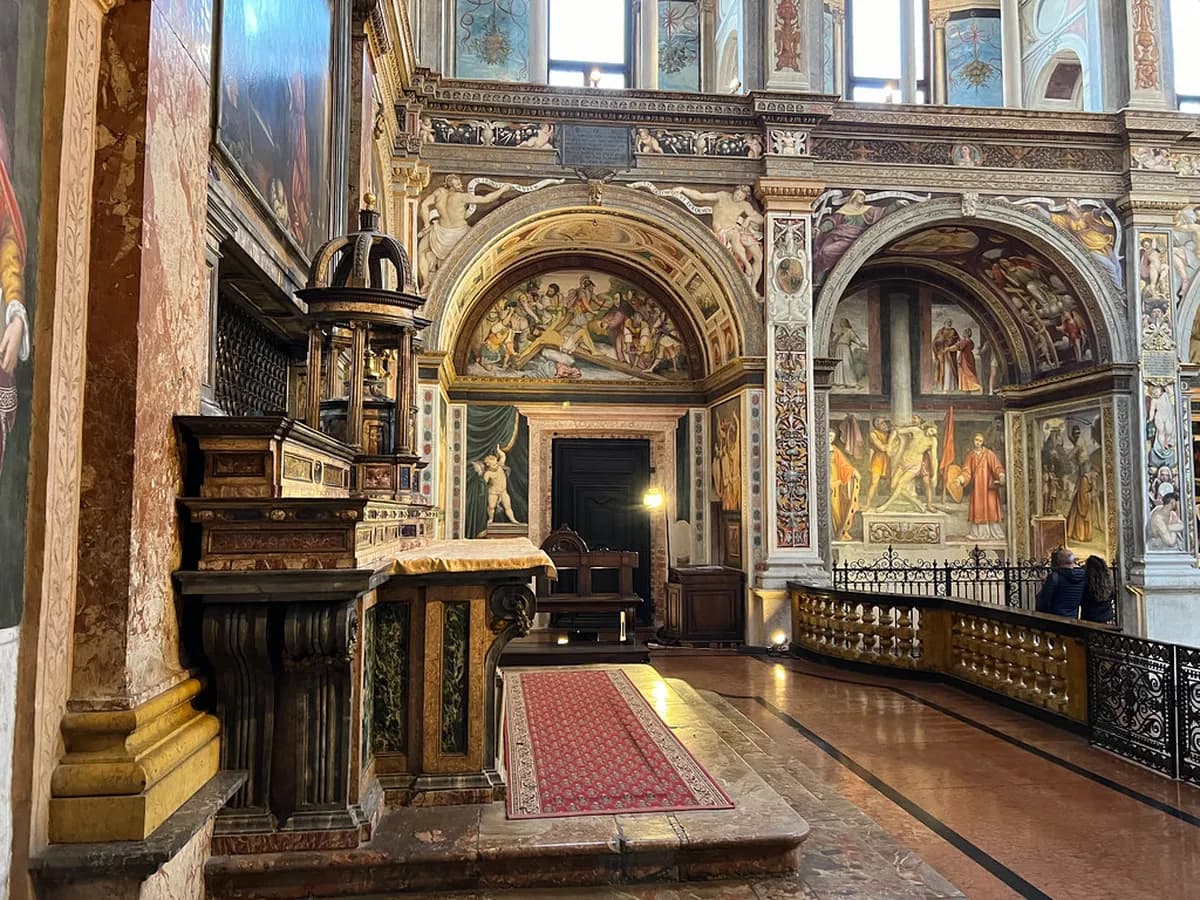
Alternatively, you can use the MM3 Yellow Line and get off at the Montenapoleone station for a ten-minute walk. This route takes you past some of the city's most famous fashion boutiques and historic buildings. If you enjoy artistic interiors, consider stopping by San Maurizio al Monastero Maggiore during your transit through the city.
Walking from the Duomo or San Babila is also possible and takes about fifteen to twenty minutes at a leisurely pace. The area surrounding the villa is mostly pedestrian-friendly and features several small parks and private courtyards. If you are traveling with limited mobility, a taxi or ride-hailing drop-off near Via Mozart may be easier than navigating the final walk from the metro.
- Best arrival options
- Fastest metro route: MM1 Red Line to Palestro
- Fashion district route: MM3 Yellow Line to Montenapoleone
- Most scenic walk: San Babila or the Duomo area to the Quadrilatero del Silenzio
- Common mistake: scheduling the villa immediately after a timed attraction across town
Best Time to Visit and Seasonal Highlights
Spring is arguably the best time to visit because the garden is in full bloom and the weather is mild. April and May offer the best temperatures for exploring the outdoor pool area and the tennis court. You will also find the natural light in the veranda to be particularly vibrant during these months.
Fall is another excellent choice for travelers who prefer smaller crowds and a more contemplative atmosphere in the museum. The changing colors of the garden provide a strong backdrop for the villa's dark stone exterior. Visiting in the late afternoon can be rewarding for light, but do not push too close to last entry if you want a relaxed house tour.
Winter visitors should look out for the AgruMI citrus festival, which typically takes place in February each year. This event celebrates the history of citrus cultivation in Italy with markets and special exhibitions on the villa grounds. Even in the colder months, the heated interiors provide a comfortable environment for art exploration.
- Timing advice for different visitors
- First-time visitors: book a late morning or early afternoon slot
- Photography-minded travelers: prioritize spring or fall garden light
- Architecture fans: avoid rushed end-of-day visits
- Quiet-seekers: choose a weekday outside major holiday periods
Nearby Dining and Attractions in the Fashion District
After your tour, you can find several high-quality dining options within a short walking distance of Via Mozart. Pasticceria Marchesi is a classic choice for coffee and a traditional Milanese pastry in an elegant setting. For a more substantial meal, compare nearby options such as Trattoria del Nuovo Macello or Ristorante Nabucco based on where you plan to walk next.
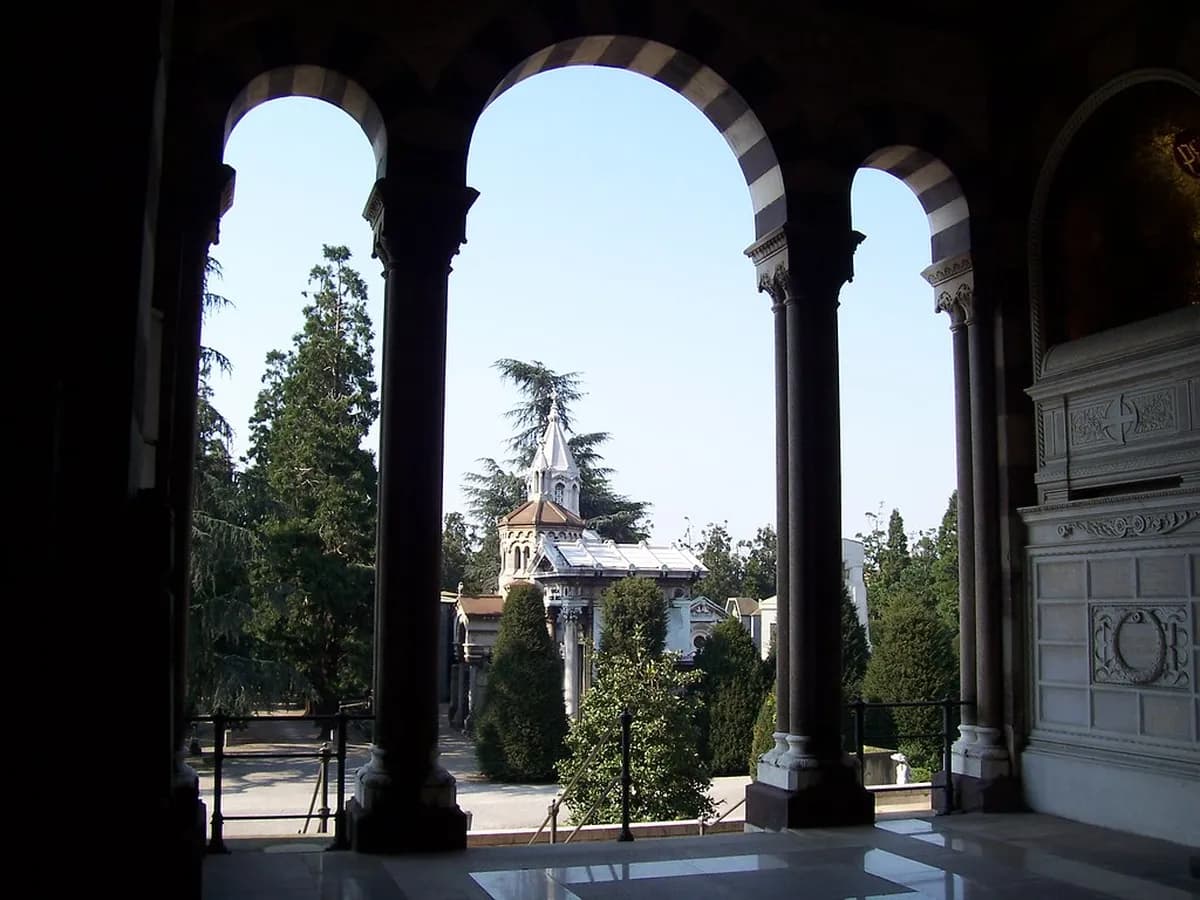
The villa is located right next to the Quadrilatero della Moda, Milan's world-famous luxury shopping district. You can spend the afternoon browsing high-end boutiques or visiting other cultural sites like the Cimitero Monumentale. Combining these activities creates a well-rounded itinerary that covers both private history and modern Milanese culture.
If you want to continue your house museum journey, the Museo Bagatti Valsecchi is only a ten-minute walk away. This nearby attraction offers a fascinating contrast to Villa Necchi with its Renaissance-inspired interiors and older collections. Together, these sites provide a comprehensive look at the evolution of private living in Milan.
Frequently Asked Questions
Is Villa Necchi Campiglio worth visiting?
Yes, especially if you like architecture, interiors, Milanese history, or quieter cultural stops. The villa combines Portaluppi's 1930s design, later Buzzi interiors, art collections, a garden, a pool, and film-location appeal in one compact visit. It is less suitable if you only want large-scale galleries or a quick photo stop.
How long should I spend at Villa Necchi Campiglio?
Most visitors spend about 90 minutes to two hours exploring the house and the gardens. This allows enough time for a guided tour and a relaxed walk through the exterior grounds. If you are an architecture fan, you might want extra time to study the Milan design details.
What movies were filmed at Villa Necchi?
The villa gained international fame as the primary setting for Luca Guadagnino's 2009 film 'I Am Love'. More recently, it appeared in Ridley Scott's 'House of Gucci' starring Lady Gaga. Its timeless elegance makes it a perfect backdrop for stories about wealthy Italian dynasties.
Is Villa Necchi Campiglio open to the public?
Yes, the villa is open to the public from Wednesday to Sunday under the management of the FAI. Visitors can access the main house through guided tours and wander the gardens freely with a ticket. It is one of the most accessible historic homes in the city center.
Do I need to book tickets in advance?
Booking in advance is highly recommended, especially on weekends and during peak tourist seasons in 2026. Since entry to the house is often managed via guided groups, pre-booking ensures you have a guaranteed time slot. You can easily purchase tickets through the official FAI website.
Other Houses That Argue About How to Live
Portaluppi's villa was built in 1935 with a heated pool, an intercom and a veneered smoking room, and survives with the fittings intact. Berlin's Museum der Dinge makes the same case from the object side, treating mass-produced goods as evidence. Barcelona's Casa Vicens shows what the previous generation thought a modern house should be, which is almost the opposite.
Villa Necchi Campiglio remains a cornerstone of Milanese culture that perfectly blends art, history, and architectural innovation. Whether you are drawn by the Rationalist design or the cinematic history, the villa offers a unique and memorable experience. It provides a rare opportunity to see the private side of a city often known only for its public fashion and industry.
Taking the time to explore the garden and the intricate interior details will reward you with a deeper understanding of Italian style. This visitor guide ensures you won't miss the hidden gems, from the heated pool to the secret field desk. Every corner of the estate reflects the passion and precision of the people who built and lived in it.
As you leave the quiet grounds of Via Mozart and return to the busy streets of Milan, the villa's elegance stays with you. It serves as a reminder that true luxury lies in the thoughtful integration of beauty and function. Make sure to include this iconic site in your next Italian itinerary for a truly sophisticated travel experience.
For the latest official information, see the Villa Necchi Campiglio on Wikipedia.
For more Milan planning, see our What to Do in Milan for 3 Days and Best Museums in Milan guides.
Continue exploring
More guides you'll find useful