Bardini Garden Visitor Guide: Tickets, Wisteria, and Tips
Plan your visit to Florence's Bardini Garden with our guide to tickets, the famous wisteria tunnel, the Pietro Annigoni Museum, and panoramic city views.
On this page
Bardini Garden Visitor Guide
The Bardini Garden offers one of the most stunning views over the city of Florence. Visitors often overlook this hillside estate in favor of the larger Boboli Gardens, but it is one of the hidden gems in Florence that rewards careful planners with quieter paths, a dramatic Baroque staircase, and a skyline view that feels close to the Duomo.
This bardini garden visitor guide covers the practical details you need in 2026: entrances, tickets, the famous wisteria tunnel, Villa Bardini exhibitions, and the best route through the steep Oltrarno grounds. The garden is not a flat city park, so your entry point and timing matter.
Exploring these four hectares of greenery reveals centuries of Florentine history and botanical design. Whether you are a photographer, garden lover, or history buff, the site works best as a slow visit rather than a quick photo stop.
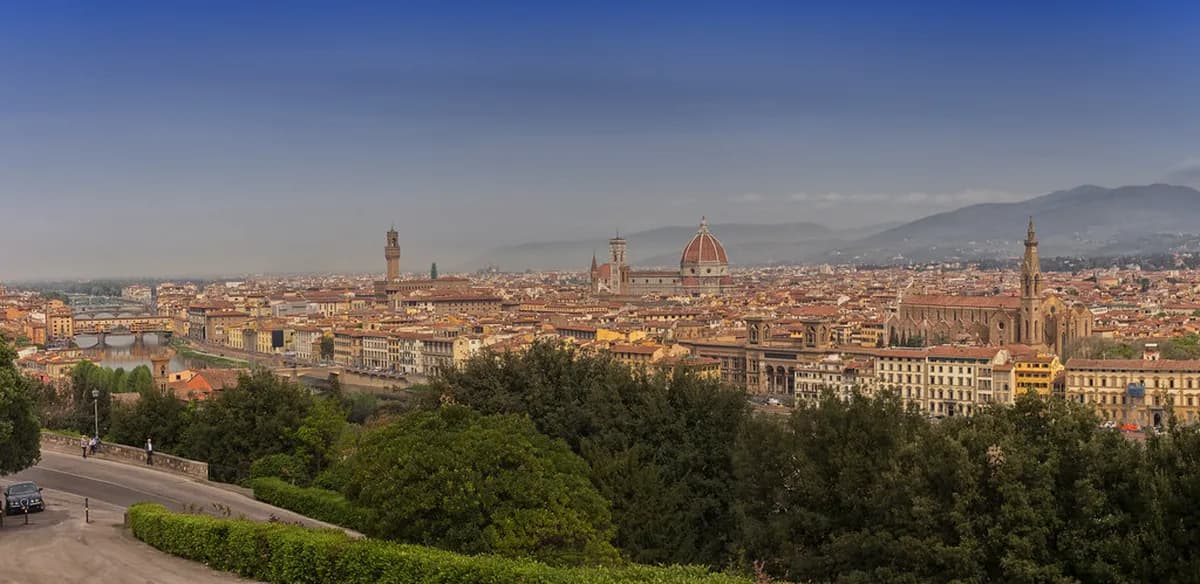
The garden sits on a hillside between the Arno and Forte Belvedere, offering a unique perspective of the Duomo and Palazzo Vecchio. Many travelers find this to be their favorite spot in Florence for panoramic photos because art, nature, and architecture are layered into one compact route.
Essential Visitor Information (Hours, Tickets, and Location)
Planning your trip requires knowing the current logistics for entry and timing. The garden opens on a seasonal schedule, with monthly closures and winter/summer variations. Check the Official Villa Bardini Website before you go, especially around holidays, winter hours, and evening openings.
Tickets for the garden can be bought at the gate or online, and Villa Bardini exhibitions may change what is included on your visit date. A combined ticket with the Boboli Gardens is popular, but do not assume every exhibition or special event follows the same access rules.
There are two main visitor entrances, and choosing the right one is the single most useful planning decision. The lower Via de' Bardi gate is convenient from Ponte Vecchio but means climbing uphill through the garden. The Costa San Giorgio gate starts you near the top, making the visit easier if you prefer to walk downhill toward the river.
Transit is straightforward but still involves walking: from the historic center, cross Ponte Vecchio and continue into the Oltrarno; local buses and taxis can get you closer to the lower or upper side of the hill. If anyone in your group has limited mobility, call ahead and use the accessible-arrival guidance rather than relying on the main staircase route.
- Standard Adult Entry
- Cost: Approximately 10 Euros
- Includes: Garden and Villa
- Validity: Full day access
- Booking: Online or on-site
- Lower Entrance Location
- Address: Via de' Bardi 1
- Best for: Visitors arriving from Ponte Vecchio
- Trade-off: Scenic but uphill
- Nearby: Arno River and Palazzo Mozzi
- Upper Entrance Location
- Address: Costa San Giorgio 2
- Best for: Downhill route through the garden
- Trade-off: Easier walking, farther from the river
- Nearby: Forte di Belvedere
A Brief History of Stefano Bardini and the Villa
The garden has roots dating back to the medieval era under the Mozzi family. Over centuries, the estate changed hands and underwent several architectural transformations before Stefano Bardini acquired the property in the early 20th century.
Bardini was a famous art dealer who envisioned the hillside as an "outdoor showroom." He used terraces, steps, fountains, and sightlines to stage statues and architectural salvage for international collectors, turning the garden itself into part of the sales experience.
His work turned the villa into a hub for the global art trade during the Belle Epoque. Much like the collection at the Stibbert Museum, the items here reflect a passion for historical preservation and theatrical display. Bardini's influence remains visible in every carved stone and decorative fountain.
Do not confuse Villa Bardini with the separate Museo Stefano Bardini near Piazza dei Mozzi. The villa and garden are the hillside attraction covered here; the museum is a different site dedicated to Bardini's collected works. After years of neglect following Bardini's death, the garden underwent a major restoration and reopened to the public in 2005.
Peak wisteria bloom at Bardini Garden typically occurs between mid-April and early May, depending on spring temperatures. Aim for the last week of April for the most vibrant purple tunnel and the best photography conditions.
Exploring the Three Distinct Garden Styles
The Bardini Garden is unique because it combines three very different landscape styles. The central feature is the grand Baroque staircase, which cuts through the hillside. This section represents the formal Italian style with its symmetry and dramatic stone steps.
To the west, you will find the English landscape garden, characterized by winding paths and lush greenery. This area feels more natural and wild compared to the structured Baroque center. It provides a shady escape during the hot summer months in the city.
The eastern side of the property is dedicated to agriculture and traditional Tuscan farming. Here, you can walk through olive groves and a productive fruit orchard. This blend of decorative and functional land use is a hallmark of historic Florentine villas.
Each section offers a different mood and botanical variety for visitors to enjoy. The transition between the formal steps and the rustic orchard happens quite naturally. You can spend hours wandering between these zones without feeling like you are in a single park.
The Famous Wisteria Tunnel: Best Time to Visit
The wisteria tunnel is the most famous attraction within the Bardini Garden. This iron pergola becomes draped in heavy purple blooms every spring, creating a fragrant canopy with the Florence skyline behind it.
Peak bloom usually occurs between mid-April and early May, depending on the weather. If you are planning a 2026 trip around the flowers, the last two weeks of April remain the safest window, but warm or cold springs can shift the timing.
During the bloom, the garden gets busier than usual, especially on weekends. Arriving near opening time gives you the best chance of photographing the tunnel before it fills up; late afternoon is better for softer light over the city, but it brings more people during peak bloom.
Beyond the wisteria, the garden hosts a rotating sequence of seasonal displays. Use the calendar below as a planning guide rather than a guarantee, since bloom timing changes with weather.
- Late March to April
- Focus: Wisteria, irises, and spring borders
- Best for: Photography and floral color
- May to June
- Focus: Bourbon roses, Noisette roses, and early hydrangeas
- Best for: Warmer garden walks after the wisteria crowds ease
- Summer
- Focus: Hydrangeas, shaded English garden paths, and fruit trees
- Best for: Early morning visits before the hillside heats up
- Autumn and winter
- Focus: City views, evergreen structure, and quieter paths
- Best for: Visitors who care more about history and views than blossoms
Top Highlights: Statues, Fountains, and Panoramic Views
One of the best features of the garden is the Belvedere terrace at the very top. From this vantage point, you can see the historic center of Florence, with the Duomo, Palazzo Vecchio, and the Arno aligned below the hillside.
The Baroque staircase is lined with statues that Bardini carefully placed for visual impact. These figures represent various mythological themes and historical styles, and they work as part of the staged "outdoor showroom" effect rather than as isolated decorations.
Water features also play a major role in the garden's design and atmosphere. You will find mosaic backdrops, fountains, and small grottoes that add sound, movement, and theatrical pauses to the climb.
The garden also features hidden corners filled with architectural fragments. These details reflect the scientific and artistic curiosity found in places like the Museo Galileo. Every turn reveals a new piece of history that Bardini saved from destruction or reframed as scenery.
The Pietro Annigoni Museum and Temporary Exhibitions
Inside Villa Bardini, you will find the Pietro Annigoni Museum, dedicated to the famous 20th-century painter. Annigoni is best known for his portraits, including a world-famous painting of Queen Elizabeth II, and the museum showcases his sketches, paintings, and personal items.
The villa also hosts rotating temporary exhibitions that often focus on contemporary art, photography, and Florentine cultural history. These shows take place in rooms that add another layer of city views, so they are worth checking even if the garden is your main reason for visiting.
Visiting the museum provides a useful break from sun, rain, or the physical climb through the grounds. It also helps explain why Villa Bardini is more than a viewpoint: it is a cultural venue tied to collecting, restoration, and the city's modern exhibition calendar.
Check the current schedule before you buy tickets, because exhibition access can affect price and timing. This is also where travelers sometimes get confused: the Pietro Annigoni Museum is inside Villa Bardini, while Museo Stefano Bardini is a separate attraction near Piazza dei Mozzi.
Practical Tips: What to Wear and Where to Eat
A common mistake for visitors is underestimating the steepness of the garden's terrain. Comfortable walking shoes are essential for navigating gravel paths and stone stairs. Avoid heels or slippery sandals if you plan to explore the entire four-hectare site.
For a more relaxed experience, enter through the Costa San Giorgio gate at the top. This lets you walk downhill through the garden toward the river and saves energy on the Baroque staircase. If you start at Via de' Bardi, pace yourself and treat the climb as part of the visit.
The Loggia Cafe is located near the top of the garden and offers one of the most pleasant breaks on the hillside. It is a quieter alternative to the crowded cafes near the Duomo or Piazzale Michelangelo, with a view that makes a coffee or glass of wine feel like part of the itinerary.
Accessibility requires planning. The garden has a ramped accessible entrance at Costa San Giorgio 4, but the estate is still built on a steep slope with terraces and staircases, so some areas remain difficult or limited for wheelchair users and visitors with reduced mobility. Call the ticket office in advance if accessibility is central to your visit.
Bring a reusable water bottle, sun protection, and enough time to pause. The exposed agricultural sections can feel hot in summer, while the English garden paths offer better shade. The best general visiting windows are early morning for fewer people and late afternoon for gentler light over the city.
The garden is built on a steep hillside with terraces and staircases; comfortable walking shoes are essential for safe navigation. If accessibility is central to your visit, call the ticket office in advance to arrange the ramped accessible entrance.
How to Combine Your Visit with the Boboli Gardens
Many travelers choose to visit both the Bardini and Boboli gardens in a single day. A combined ticket is often available, making it a cost-effective way to compare two different Florentine landscapes. The two gardens are close enough to pair on foot through the historic Oltrarno neighborhood.
Boboli is larger, grander, and more famous, but it can also feel busier and more exposed. Bardini is smaller, steeper, and more intimate, with stronger panoramic views and a more theatrical route through statues, fountains, orchards, and the wisteria pergola.
| Question | Bardini Garden | Boboli Gardens |
|---|---|---|
| Best for | Views, wisteria, quieter photography | Scale, Medici history, formal avenues |
| Crowds | Usually lighter except during wisteria bloom | Heavier, especially near Pitti Palace |
| Effort | Steeper but more compact | Larger, longer walking distances |
| Visit style | Slow hillside loop with cafe stop | Half-day garden and palace pairing |
Start your morning at Boboli if you want to beat the largest crowds and midday heat, then walk over to Villa Bardini for a quieter late lunch or afternoon view from the Loggia Cafe. If wisteria is your priority, reverse the order and enter Bardini early.
The Oltrarno district is also home to other fascinating sites like the La Specola museum. Combining these attractions creates a rich cultural experience away from the main tourist hubs and makes good use of the south side of the Arno.
Frequently Asked Questions
Is the Bardini Garden ticket separate from the Boboli Garden?
You can buy a separate ticket for just the Bardini Garden or a combined ticket that includes the Boboli Gardens and the Porcelain Museum. The combined option is usually valid for one day. Check the current pricing on the official site for the best value.
When does the wisteria bloom in Florence?
The wisteria typically blooms between mid-April and early May. The exact timing varies each year depending on the spring temperatures. For the best views, aim for the last week of April. This is when the purple tunnel is most vibrant.
How do you get to Villa Bardini?
You can reach the garden by walking from the Ponte Vecchio toward the Oltrarno. Use the Via de' Bardi entrance for a climb up or take a taxi to the Costa San Giorgio entrance to walk down. Several local buses also stop near the lower gate.
Is Villa Bardini worth it compared to Boboli?
Yes, Villa Bardini is worth it for the superior views and smaller crowds. While Boboli is grander in scale, Bardini offers a more artistic and peaceful atmosphere. It is the better choice for those seeking a quiet escape with stunning photography spots.
Other Terraced City Gardens in Europe
The Bardini is the quieter Florentine terrace — a wisteria tunnel, a baroque staircase and a view over the Duomo without the Boboli queue. Prague's Vrtba Garden is the finest baroque terrace garden north of the Alps and similarly hidden behind a street door. In Porto, the Crystal Palace Gardens drop in stages toward the Douro with the same borrowed-view logic.
The Bardini Garden is a must-visit for anyone looking to experience the true beauty of Florence. It combines botanical variety with deep historical roots and unmatched city views. Following this visitor guide ensures you make the most of your time on the hillside.
From the purple wisteria tunnel to the quiet olive groves, every corner offers something unique. You will leave with a deeper appreciation for the art and vision of Stefano Bardini. It remains one of the most enchanting spots in all of Italy.
Make sure to plan your entry strategy and wear comfortable shoes for the journey. Whether you visit for the art or the flowers, the experience is always rewarding. Enjoy your peaceful stroll through this Renaissance masterpiece in the heart of the Oltrarno.
For authoritative information, refer to the Bardini Garden on Wikipedia.
If you want to round out your itinerary on a budget, pair the garden with some of the best free things to do in Florence.
Continue exploring
More guides you'll find useful